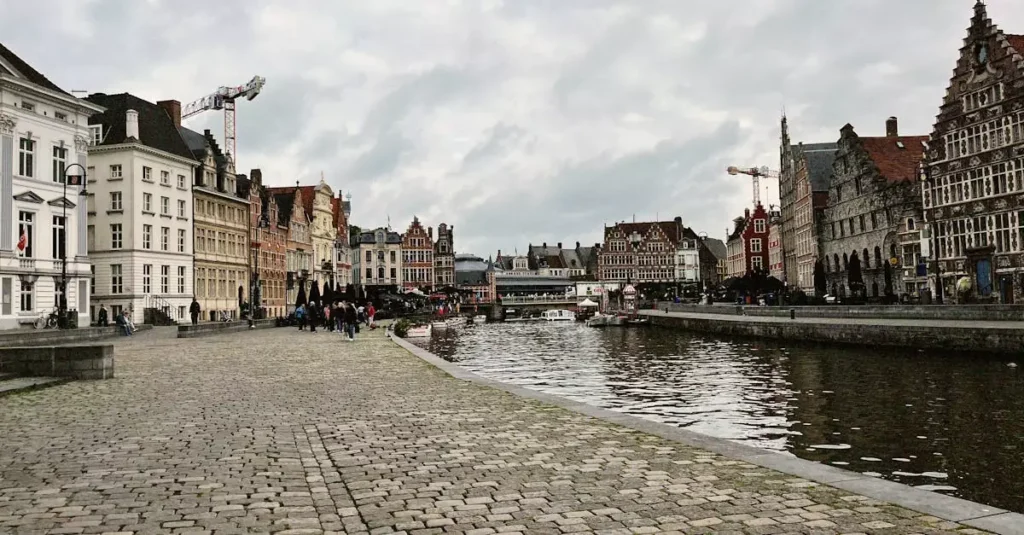
When planning a trip to Belgium, many travelers are drawn to the well-known charms of Brussels and Bruges. However, the historic city of Ghent offers a captivating experience, blending medieval grandeur with a vibrant atmosphere that often goes unnoticed. This Ghent Belgium travel guide illuminates why this Flemish gem deserves a prominent place on your itinerary.
Inside, you’ll discover the best times to visit for pleasant weather and fewer crowds, practical advice on navigating the city by foot, tram, or bike, and a curated selection of must-see attractions, from the imposing Gravensteen Castle to the breathtaking Ghent Altarpiece. We’ll also guide you through the local culinary scene, highlighting essential Ghent specialties and the best places to savor authentic Belgian flavors. Get ready to uncover the medieval heart and local delights that make Ghent an unforgettable destination.
Why Ghent Belongs on Your Belgium Itinerary
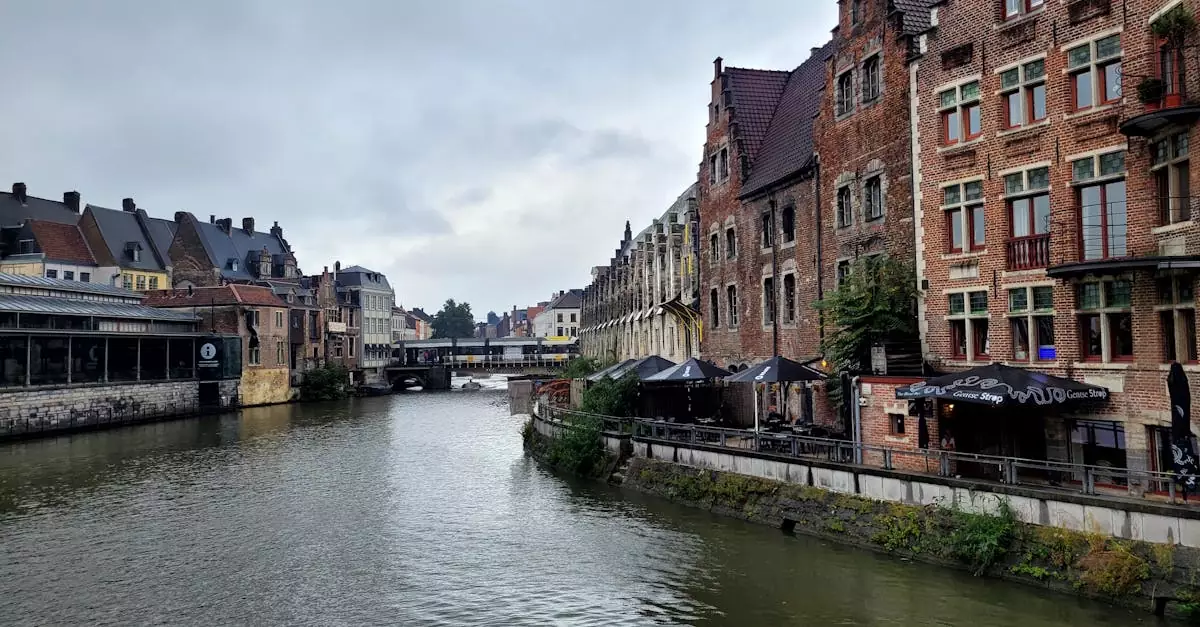
When planning a trip to Belgium, most travelers immediately think of Brussels or Bruges. While both cities offer undeniable charm, Ghent presents a compelling alternative—often overlooked but rich in medieval character and local vibrancy. This guide aims to showcase why it deserves a spot on your European adventure.
Ghent vs. Bruges: Choosing Your Flemish Fairytale
Many visitors to Belgium face the dilemma of choosing between Ghent and Bruges, often described as sibling cities with distinct personalities. Bruges, with its postcard-perfect canals and well-preserved medieval core, is undeniably beautiful but can feel like an open-air museum, especially during peak season. Ghent, while also featuring stunning waterways and historic architecture, retains a more authentic, lived-in feel. As a working university city, it infuses its ancient streets with youthful energy and a less tourist-centric atmosphere.
| Feature | Ghent | Bruges |
|---|---|---|
| Vibe | Lively, authentic, student-friendly | Romantic, picturesque, museum-like |
| Crowds | Moderate, more local feel | High, especially in peak season |
| Architecture | Medieval, Gothic, some modern touches | Predominantly medieval, very preserved |
| Canals | Extensive, integrated into city life | Iconic, central to the tourist experience |
| Cost | Generally more affordable | Can be more expensive |
For travelers seeking a genuine experience with a lively local scene alongside historical beauty, Ghent often proves the more rewarding choice.
The Underrated Appeal of Ghent’s Historic Core
Ghent’s historic center is a captivating tapestry of centuries-old buildings, cobblestone streets, and imposing Gothic architecture. The city escaped significant damage during wartime, leaving its medieval layout largely intact. Walking through the historic core feels like stepping back in time, but without the overwhelming crowds that can detract from experiences in other Belgian cities. Key landmarks like Saint Bavo’s Cathedral, home to the famous Ghent Altarpiece, and Gravensteen (Castle of the Counts) offer deep dives into the city’s rich past.
The density of historical buildings is remarkable. Unlike some cities where historical sites are scattered, Ghent’s medieval heart is compact and easily navigable on foot. This walkability is a major draw, allowing you to stumble upon hidden courtyards and charming squares. The local government has made significant efforts to preserve its heritage while ensuring the city remains dynamic.
Experiencing Ghent’s Vibrant Canals and Architecture
Ghent’s canals are integral to the city’s identity and provide unique perspectives on its stunning architecture. The Graslei and Korenlei, two quays facing each other across the Leie River, are perhaps the most iconic views, lined with ornate guildhalls that showcase the wealth of medieval merchants. A boat tour is highly recommended for a different vantage point, offering fascinating commentary on the buildings and the city’s history—details often missed from the street.
Beyond the main canals, smaller waterways weave through the city, offering quieter scenes. The architecture surrounding these canals ranges from grand Gothic structures to charming gabled houses. Evenings bring a special magic as the historic buildings are illuminated, reflecting beautifully on the water. This blend of grandeur and tranquility makes Ghent a true Flemish gem worth discovering.
Best Times to Visit Ghent for Perfect Weather and Fewer Crowds
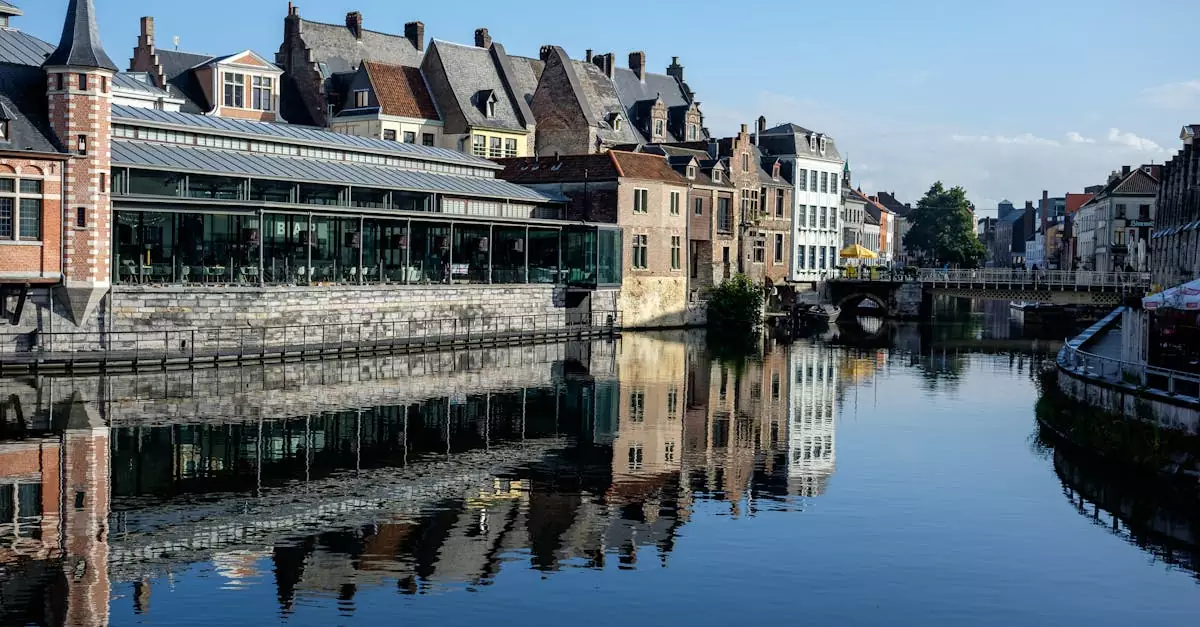
Choosing the right time to visit Ghent can significantly enhance your experience, balancing pleasant weather with manageable crowds. This medieval city offers distinct charms throughout the year, from vibrant spring festivals to cozy winter markets. Understanding the seasonal nuances will help you plan your ideal itinerary.
Spring Blooms: March to May in Ghent
Spring brings a refreshing change to Ghent as the city awakens from winter. Temperatures gradually warm, typically ranging from 7°C (45°F) in March to a comfortable 18°C (64°F) by May. This season is excellent for enjoying the city’s canals and historic architecture without the peak summer heat. Expect fewer tourists than in the summer months, making it easier to explore attractions like Gravensteen Castle. Pack layers, as spring weather can be unpredictable, with occasional rain showers.
Summer Festivals and Sunshine: June to August
Summer is Ghent’s busiest period, characterized by long daylight hours and warm temperatures, often reaching 22°C (72°F). This is the prime time for outdoor activities and experiencing the city’s vibrant festival scene. Popular events include the Ghent Festivities (Gentse Feesten) in July, a massive cultural festival filling the streets with music, theater, and food. While the weather is generally superb for sightseeing, be prepared for larger crowds at major attractions and book accommodations and popular tours in advance.
Autumn Colors and Cozy Cafes: September to November
As summer fades, autumn offers a more tranquil atmosphere in Ghent. The weather remains pleasant through September and October, with temperatures slowly decreasing. This season is ideal for strolling through the historic center, admiring the changing foliage, and enjoying the city’s renowned cafe culture. The crisp air is perfect for exploring the Beguinage or taking a boat tour on the canals. November sees cooler temperatures and a higher chance of rain, but the city’s warm interiors and welcoming pubs provide a cozy refuge.
Winter Markets and Festive Lights: December to February
Winter transforms Ghent into a magical holiday destination. From late November through early January, the city hosts charming Christmas markets, filling the squares with festive stalls, mulled wine, and seasonal treats. Temperatures hover around freezing, making it a quintessential European winter experience. While it can be cold and damp, the twinkling lights and festive spirit create a unique ambiance. This is also the quietest tourist season, offering a more intimate encounter with Ghent and potentially lower accommodation prices.
Here’s a quick look at what to expect seasonally:
| Season | Avg. Temperature (Daytime) | Crowd Levels | Key Attractions/Events | Notes |
|---|---|---|---|---|
| Spring | 7°C – 18°C (45°F – 64°F) | Moderate | Gardens bloom, fewer queues at museums | Unpredictable weather, pack layers |
| Summer | 18°C – 22°C (64°F – 72°F) | High | Ghent Festivities, outdoor dining, canal tours | Best weather, but busiest and most expensive |
| Autumn | 10°C – 18°C (50°F – 64°F) | Moderate | Autumn foliage, cozy cafes, less crowded museums | Pleasant for walking, some rain possible |
| Winter | 2°C – 7°C (36°F – 45°F) | Low | Christmas markets, festive lights, fewer tourists | Cold and damp, but charming and festive |
Navigating Ghent: Getting Around the City Center and Beyond
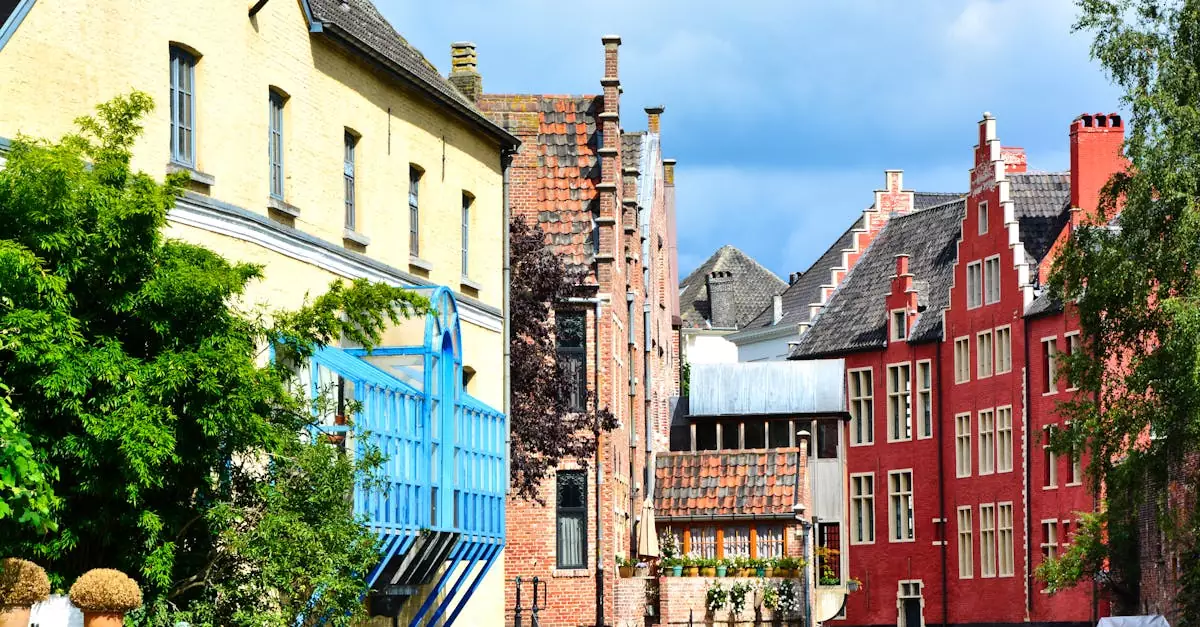
This Ghent, Belgium travel guide focuses on making your exploration of this historic city as smooth as possible. From arriving at the airport to zipping through its charming streets, understanding your transportation options is key to unlocking Ghent’s magic.
Arriving in Ghent: Train, Bus, and Airport Transfers
Most international travelers arrive via Brussels Airport (BRU), about an hour’s train ride from Ghent. Direct trains frequently depart from the airport’s underground station to Gent-Sint-Pieters, Ghent’s main railway hub. Alternatively, you can take a train from Brussels-Midi/Zuid station if you’re arriving from other parts of Europe. While buses are available, trains generally provide a more comfortable and efficient transfer. If you’re already in Belgium, consider booking your train tickets in advance during peak travel times.
Walking Ghent’s Compact Medieval Streets
Ghent’s historic center is remarkably walkable, making it the best way to experience its intricate network of canals, cobblestone lanes, and hidden courtyards. The main attractions, including Gravensteen Castle, St. Bavo’s Cathedral, and the Graslei and Korenlei quays, are all within easy walking distance of each other. Allow ample time to simply wander; you’ll discover charming cafes, independent boutiques, and picturesque streetscapes around every corner. Comfortable footwear is essential for navigating the uneven surfaces.
Using Ghent’s Efficient Tram and Bus Network
For longer distances or when your feet need a rest, Ghent boasts an excellent public transportation system operated by De Lijn. The tram network is particularly useful for reaching areas slightly outside the immediate city center, such as the university district or the train station. Buses serve a wider area, connecting various neighborhoods. You can purchase tickets from machines at tram stops, aboard buses (though this is usually more expensive), or via the De Lijn app. Consider a day pass if you plan on using public transport frequently.
Cycling Through Ghent: The Local Way to Explore
Ghent is a true cycling city, and embracing this mode of transport offers an authentic local experience. Bike lanes are well-integrated into the urban fabric, and renting a bicycle is straightforward. Several rental shops operate in the city, and some hotels offer bikes to guests. Cycling allows you to cover more ground than walking, access areas less frequented by tourists, and truly feel like a Ghentenaar. Be mindful of tram tracks and pedestrian zones, and always lock your bike securely.
| Transportation Method | Typical Travel Time to City Center | Estimated Cost (One Way) | Best For |
|---|---|---|---|
| Train (from BRU) | ~1 hour | €10-€15 | International arrivals, comfortable transfers |
| Tram/Bus | Varies | €1.50-€3 | Within-city travel, reaching outer districts |
| Walking | N/A | Free | Immersive exploration of historic center |
| Cycling | Varies | €10-€15 per day | Local experience, covering more ground |
Must-See Attractions and Hidden Gems in Ghent
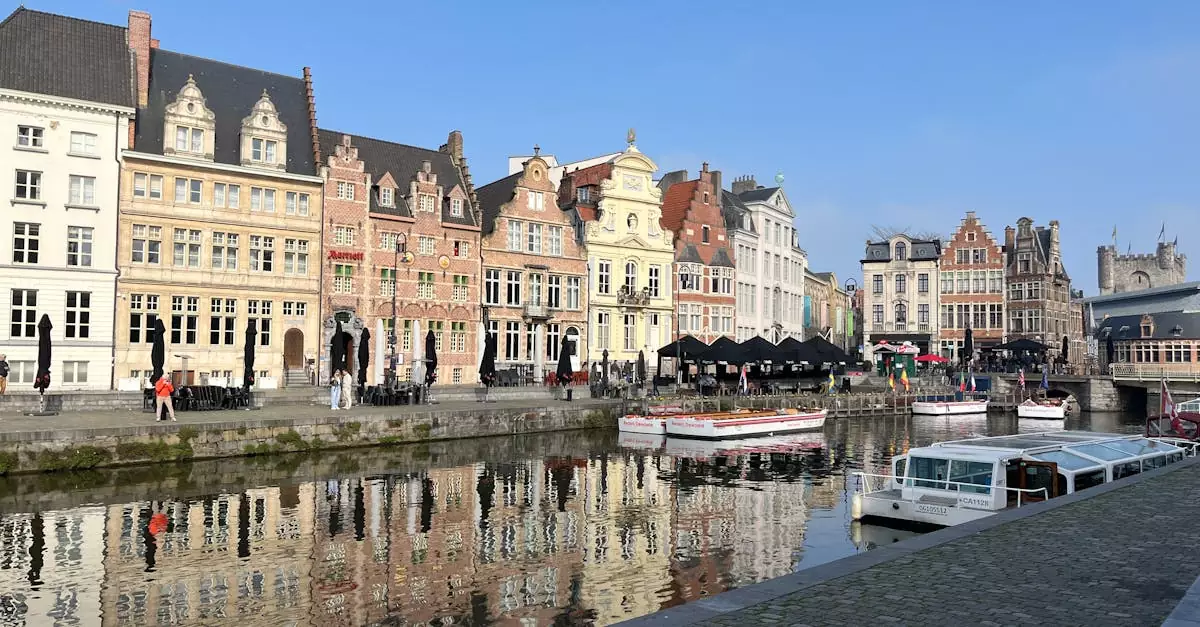
Ghent, Belgium, offers a captivating blend of historical grandeur and vibrant modern life. This travel guide will help you navigate its most iconic sites and uncover some of its lesser-known treasures, ensuring a rich and memorable visit.
Gravensteen Castle: A Medieval Fortress Experience
Dominating the city’s skyline, Gravensteen, or the Castle of the Counts, is a remarkably preserved medieval fortress. Built in the 12th century, it served as the residence of the Counts of Flanders. Wandering through its ramparts, you can almost hear echoes of knights and nobles.
Inside, the castle houses an armory and a museum dedicated to torture instruments, offering a stark reminder of its historical function. The panoramic views from the top are well worth the climb. Allow at least two hours to fully appreciate this imposing structure.
St. Bavo’s Cathedral and the Ghent Altarpiece
St. Bavo’s Cathedral is a masterpiece of Gothic architecture and home to one of the world’s most significant art treasures: the Ghent Altarpiece, also known as “The Adoration of the Mystic Lamb” by the Van Eyck brothers. This polyptych is renowned for its intricate detail, vibrant colors, and groundbreaking use of oil paint.
Viewing the altarpiece is a profound experience, and its restoration is an ongoing marvel. The cathedral itself is vast and awe-inspiring, with stunning stained-glass windows and impressive stonework. Plan your visit to coincide with opening hours, as the altarpiece viewing area has specific times.
Exploring the Graslei and Korenlei Waterfronts
The Graslei and Korenlei are the picturesque heart of Ghent, lining the Leie River. These medieval quays, with their ornate guild houses, offer a postcard-perfect view, especially when illuminated at night. This area is a hub of activity, with numerous cafes, restaurants, and boat tour departures.
A leisurely stroll along the waterfront is a must. Consider taking a canal cruise for a different perspective of the city’s architecture and history. The atmosphere here is lively, making it a great spot to relax, people-watch, and soak in the ambiance of this historic Flemish city.
Discovering the Patershol Neighborhood’s Charm
For a taste of Ghent’s more intimate medieval character, head to the Patershol neighborhood. Once a working-class district, it has been beautifully preserved and now boasts charming cobblestone streets, historic houses, and a delightful array of independent restaurants.
Wandering through Patershol feels like stepping back in time. The narrow lanes and hidden courtyards invite slow exploration. It’s a perfect place to find a cozy eatery for lunch or dinner, offering a more local and less crowded experience than the main tourist thoroughfares.
Off-the-Beaten-Path: Ghent’s Secret Courtyards and Alleys
Beyond the well-trodden paths, Ghent reveals a network of tranquil courtyards and winding alleys that offer moments of quiet discovery. Many of these hidden spaces are attached to historical buildings, former monasteries, or almshouses, often accessible through unassuming archways.
Seeking out these lesser-known spots, such as the Oude Begijnhof (Old Beguinage) or various hidden hofjes (courtyards), provides a deeper connection to the city’s past. These areas are best found by allowing yourself to get a little lost in the older parts of the city, away from the main canals. Keep an eye out for small signs or open gates hinting at what lies beyond.
Savoring Ghent: A Culinary Journey Through Local Flavors
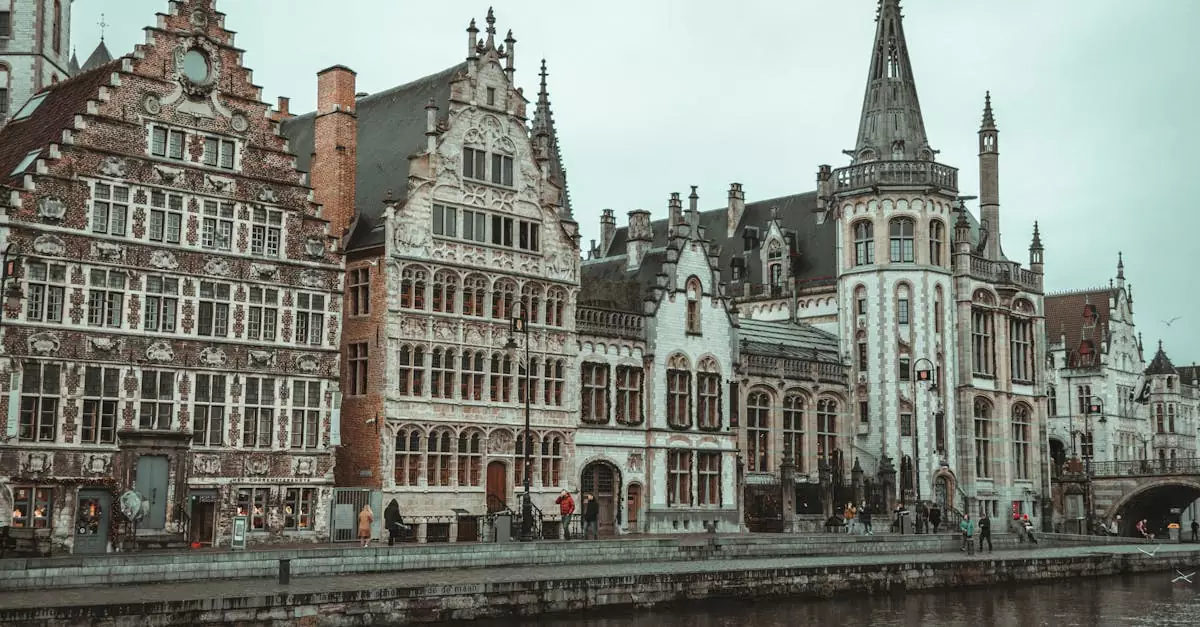
Ghent, Belgium, offers a rich tapestry of flavors that go beyond its stunning medieval architecture. This guide to Ghent’s culinary scene highlights must-try dishes, vibrant markets, and authentic Belgian beer experiences, making your visit a true feast for the senses.
Must-Try Ghent Specialties: Waterzooi and Cuberdons
No visit to Ghent is complete without sampling Waterzooi, a creamy, comforting stew traditionally made with fish or chicken and a medley of vegetables. Its origins trace back to the region, and many local restaurants pride themselves on their authentic recipes. For a unique sweet treat, seek out Cuberdons, also known as Neuzekes (little noses). These cone-shaped, raspberry-flavored candies have a hard shell and a soft, gooey center, often sold from charming street carts. Trying these local delicacies provides a delicious insight into Ghent’s gastronomic heritage.
Exploring the Vrijdagmarkt for Local Produce and Snacks
The Vrijdagmarkt (Friday Market) is more than just a historical square; it’s a bustling hub for local life and a fantastic place to discover regional produce and ready-to-eat snacks. Every Friday and Saturday, the market comes alive with stalls selling fresh fruits, vegetables, cheeses, and artisanal bread. It’s an excellent spot to grab a quick bite, like a freshly baked pistolet (a small, crusty bread roll) filled with local ham or cheese, or to pick up picnic supplies. Beyond produce, you’ll find vendors offering waffles, fries, and other Belgian favorites.
Best Belgian Beer Experiences in Ghent’s Pubs
Belgium is world-renowned for its beer, and Ghent boasts a fantastic selection of pubs where you can savor authentic brews. From traditional brown cafes to more modern establishments, the city offers diverse settings to enjoy a Belgian ale, lager, or lambic. For an extensive beer list, consider visiting ‘t Waterhuis aan de Bierkant, known for its hundreds of different beers. Many pubs also offer beer flights, allowing you to sample a variety of styles. Don’t hesitate to ask the bartender for recommendations; they are usually passionate about helping visitors find their perfect pint. The best time to experience this is typically in the late afternoon or early evening, when locals gather after work.
Vegetarian and Vegan Dining Options in Ghent
While traditional Belgian cuisine often features meat and fish, Ghent has a growing and vibrant vegetarian and vegan dining scene. Many restaurants are increasingly offering dedicated plant-based menus or clearly marked vegetarian and vegan options. For a fully vegan experience, check out De Foyer, which serves creative and flavorful dishes in a relaxed atmosphere. You’ll also find numerous cafes and eateries offering vegetarian sandwiches, salads, and hearty stews. It’s always a good idea to check menus online or call ahead, especially if you have specific dietary requirements, to ensure a smooth dining experience.
Frequently Asked Questions for Your Ghent Belgium Travel Guide
Is Ghent safe for solo travelers?
Ghent is considered a very safe city for solo travelers, including women. Like any urban destination, it’s wise to be aware of your surroundings, especially at night. Stick to well-lit areas and keep valuables secure. The city’s compact nature and friendly atmosphere make it easy to navigate independently without feeling isolated. Many solo visitors report feeling comfortable exploring Ghent’s historic center and neighborhoods.
What is the best way to see Ghent’s canals?
The most enjoyable way to experience Ghent’s picturesque canals is by taking a boat tour. These tours provide a unique perspective of the city’s medieval architecture, from the Graslei and Korenlei quays to the imposing Gravensteen Castle. Several companies operate tours that depart frequently during peak season. For a more active approach, consider renting a kayak or paddleboard if conditions permit and you’re comfortable navigating the waterways. Walking along the canals is also a fantastic way to soak in the atmosphere, with many charming bridges and waterside cafes to discover.
How many days are recommended for a Ghent visit?
A minimum of two full days is recommended to get a good feel for Ghent and see its main attractions. This allows time for a canal tour, visiting Gravensteen, exploring St. Bavo’s Cathedral (home to the Ghent Altarpiece), and wandering through the historic center. If you wish to delve deeper into its museums, enjoy leisurely meals, or take day trips to nearby areas, three to four days would be more suitable for a comprehensive Ghent travel experience.
What souvenirs should I buy in Ghent?
When looking for souvenirs in Ghent, consider local specialties that reflect the city’s heritage. Ghent is known for its delicious “cuberdons” or “neuzekes” (small, cone-shaped candies with a raspberry-like flavor). You can also find artisanal chocolates, locally brewed beers, or unique ceramics inspired by Belgian design. For something more lasting, look for handcrafted items in the smaller boutiques around the Patershol district.