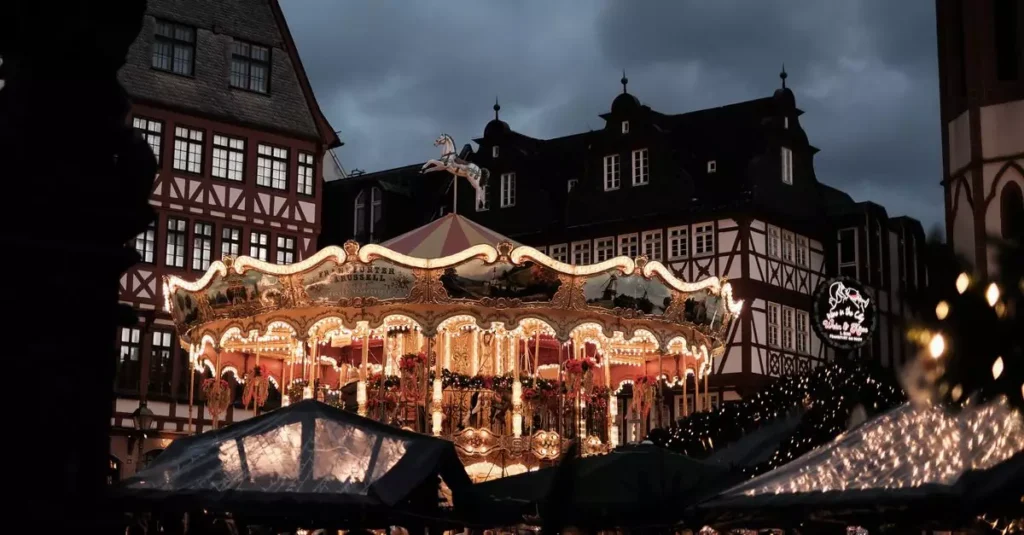
As the crisp air descends and twinkling lights begin to adorn city squares, Europe awakens its festive spirit, transforming into a collection of magical Christmas towns. For those seeking an unforgettable holiday experience in 2026, exploring these enchanting destinations offers a journey steeped in tradition, warmth, and wonder. From the scent of gingerbread and mulled wine to the sight of handcrafted ornaments and towering Christmas trees, these markets are vibrant hubs of culture and celebration.
This guide will lead you through some of the most captivating Christmas towns in Europe, highlighting their unique charms and essential details for planning your visit. Discover where to find the oldest traditions, the most picturesque settings, and the most delicious seasonal treats. Whether you’re drawn to grand historical squares or intimate village festivities, prepare to be enchanted by the enduring magic of a European Christmas.
Discover Europe’s Most Enchanting Christmas Towns
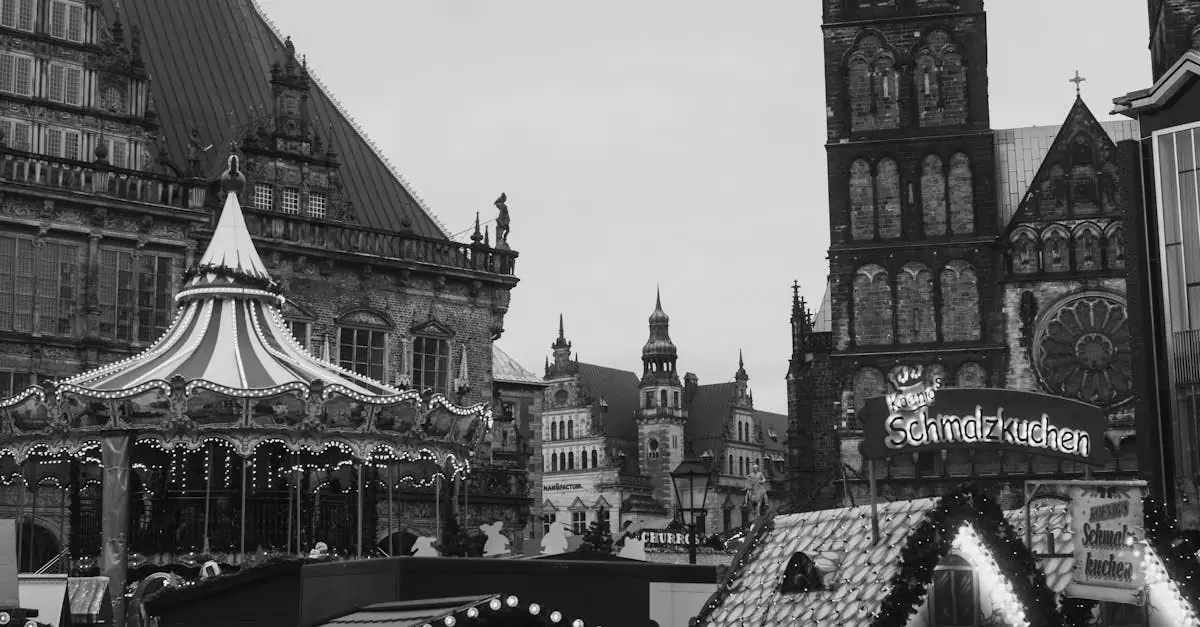
Why European Christmas Markets Capture the Holiday Spirit
The allure of Christmas markets in Europe is undeniable, drawing millions of visitors each year to experience their festive charm. These markets serve as vibrant hubs of community and tradition, steeped in centuries of history. The air fills with the comforting scent of mulled wine (Glühwein), roasted chestnuts, and gingerbread, while carols echo through decorated squares.
Unlike modern shopping malls, European Christmas markets provide a tangible connection to the past. Many have roots dating back to the Middle Ages, evolving from simple food fairs into elaborate celebrations. This historical depth lends an authenticity that resonates with travelers seeking a truly magical Christmas experience. The handcrafted gifts, regional delicacies, and lively atmosphere create a sensory immersion that is hard to replicate elsewhere.
Top Picks for a Magical Christmas in Europe
When planning a festive European getaway, several towns stand out for their exceptional Christmas markets and enchanting atmosphere. These destinations offer a quintessential holiday experience, combining historical settings with vibrant celebrations.
Strasbourg, France: Often dubbed the “Capital of Christmas,” Strasbourg boasts one of the oldest and largest Christmas markets in Europe, dating back to 1570. The entire city transforms into a festive wonderland, with over 300 chalets spread across its picturesque squares. The Great Christmas Tree in Place de la Cathédrale is a particular highlight.
Vienna, Austria: Vienna offers a sophisticated take on the Christmas market. With around 20 major markets, the most famous being the Christkindlmarkt Rathausplatz, visitors can enjoy exquisite decorations, artisanal crafts, and Viennese culinary delights. The backdrop of imperial architecture adds to the grandeur of the festivities.
Prague, Czech Republic: Prague’s Old Town Square and Wenceslas Square host two of the most beautiful Christmas markets. The medieval setting provides a stunning contrast to colorful stalls offering traditional Czech food like trdelník, handcrafted ornaments, and Bohemian crystal. The atmosphere is particularly magical after dark when the squares are illuminated.
Cologne, Germany: Cologne is renowned for its diverse Christmas markets, each with its own theme. The market in front of the magnificent Cologne Cathedral is a popular choice, but don’t miss the “Heimat der Engel” on the Neumarkt or the “Harbour Christmas Market” by the Rhine. The sheer variety ensures a unique experience for every visitor.
Tallinn, Estonia: Tallinn’s Christmas market in its medieval Old Town Square is exceptionally atmospheric. The snow-dusted gingerbread-like houses and the tradition of the first Christmas tree being erected here in 1441 make it a truly enchanting destination. It offers a more intimate, fairy-tale-like experience.
Navigating Europe’s Festive Season: A Traveler’s Overview
Planning a trip to Europe’s magical Christmas towns requires attention to detail to ensure a smooth and enjoyable experience. The festive season, typically running from late November through December, is a popular time to visit, meaning booking accommodations and transport in advance is highly recommended.
Timing: Most Christmas markets open around the last weekend of November and run until Christmas Eve or a few days after. Some markets, particularly in Germany and Austria, may extend into early January. The period leading up to Christmas is the busiest, while visiting during the week or earlier in Advent can offer a less crowded experience.
Transportation: Getting between these festive cities is generally straightforward. Major European cities are well-connected by high-speed rail networks, providing a scenic and convenient way to travel. For instance, you can easily travel between Vienna and Prague by train. Budget airlines also serve many European destinations, though booking flights well in advance is crucial for securing good fares. Within cities, public transport is efficient, and many market areas are pedestrian-friendly.
Budget Considerations: Costs can vary significantly depending on the destination. Cities in Western Europe like Strasbourg tend to be more expensive than those in Central or Eastern Europe, such as Prague or Tallinn.
| Destination | Estimated Daily Budget (per person, excluding flights) |
|---|---|
| Strasbourg, France | €120 – €200 |
| Vienna, Austria | €100 – €180 |
| Prague, Czech Rep. | €70 – €130 |
| Cologne, Germany | €90 – €160 |
| Tallinn, Estonia | €60 – €110 |
Note: These are estimates and can fluctuate based on accommodation choices, dining preferences, and shopping habits.
Accommodations: Booking accommodation early is essential, as hotels and rental apartments fill up quickly. Consider staying near the city center for easy access to the markets, but be aware that prices will be higher. Staying slightly outside the main tourist areas and utilizing public transport can offer a more budget-friendly option.
Safety and Local Culture: European Christmas markets are generally very safe, but like any crowded public space, it’s wise to be aware of your surroundings and keep valuables secure. Embracing local customs, such as trying regional food and drinks, and engaging with vendors can greatly enhance your experience. Learning a few basic phrases in the local language is always appreciated. For travelers seeking to understand the broader context of the continent, resources on the geography of Europe can provide valuable insight.
Alsace, France: A Fairytale Christmas Village Experience
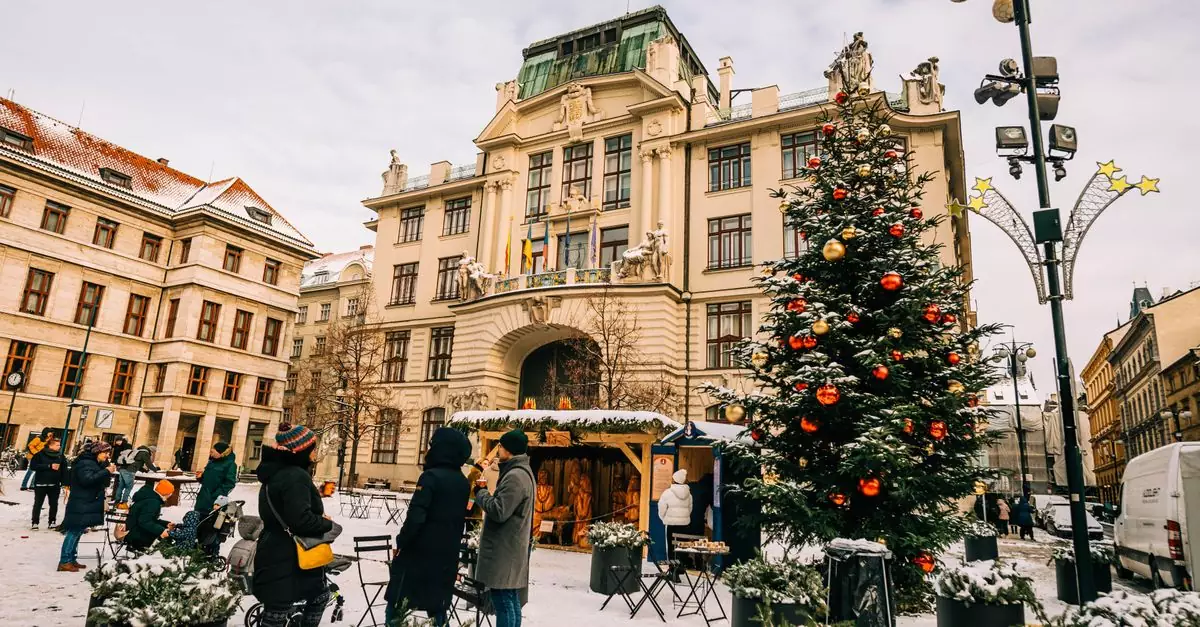
The Alsace region in northeastern France transforms into a quintessential Christmas wonderland each year, renowned for its charming towns and vibrant holiday markets. This area, nestled near the German border, offers a unique blend of French and Germanic traditions, creating an exceptionally festive atmosphere. Planning a trip here involves understanding the distinct appeal of its major Christmas destinations.
Strasbourg: The Capital of Christmas and Its Iconic Markets
Strasbourg proudly claims the title “Capital of Christmas,” and for good reason. The city hosts one of Europe’s oldest and largest Christmas markets, known as Christkindelsmärik, dating back to 1570. Its historical center, a UNESCO World Heritage site, becomes a breathtaking spectacle of lights and decorations.
The city’s markets are spread across several locations, each with its own character. The main market, centered around the majestic Strasbourg Cathedral, features over 300 chalets selling handcrafted gifts, regional delicacies like bretzels and pain d’épices, and warming mulled wine (vin chaud). Navigating these markets is an immersive experience, with the scent of cinnamon and pine filling the crisp air.
Logistics for Strasbourg:
- Getting there: Strasbourg is easily accessible by high-speed TGV train from Paris and other major French cities. The nearest international airport is Strasbourg Airport (SXB).
- Getting around: The city center is highly walkable, and a tram system provides efficient public transport.
- Accommodation: Book accommodations well in advance, as hotels and rental apartments fill up quickly during the festive season. Options range from luxury hotels near the cathedral to cozy guesthouses in the Petite France quarter.
- Timing: The markets typically run from late November through Christmas Eve.
Colmar’s Enchanting Canals and Festive Ambiance
Colmar offers a more intimate, picturesque Christmas experience, often compared to a fairytale setting. Its well-preserved Old Town, with colorful half-timbered houses and winding canals, provides a stunning backdrop for the holiday festivities. The town’s Christmas markets are spread across five distinct areas, each contributing to the magical ambiance.
The “La Petite Venise” (Little Venice) market is particularly enchanting, with stalls set up along the canals reflecting the twinkling lights. Visitors can enjoy boat tours through the illuminated waterways, adding a unique perspective to the festive decorations. Colmar excels in creating a charming, storybook atmosphere that appeals to families and couples alike.
Colmar vs. Strasbourg Comparison:
| Feature | Strasbourg | Colmar |
|---|---|---|
| Scale | Larger, more extensive markets | More intimate, concentrated markets |
| Atmosphere | Grand, historical, bustling | Fairytale, romantic, picturesque |
| Key Appeal | Iconic cathedral, vast market selection | Canals, charming architecture, intimate feel |
| Crowds | Generally busier | Busy, but often feels less overwhelming |
Riquewihr and Eguisheim: Medieval Charm at Christmas
For those seeking an even more authentic and less crowded experience, the smaller Alsatian villages of Riquewihr and Eguisheim are exceptional choices. These villages retain their medieval character year-round, which is amplified by their festive decorations.
Riquewihr, a fortified village, offers a single, concentrated Christmas market held within its ancient walls. The experience here is about stepping back in time, with decorations enhancing the historic architecture. Eguisheim, a circular village with concentric streets, also boasts a charming market that weaves through its picturesque lanes, offering a truly immersive medieval Christmas. Visiting these villages provides a glimpse into the region’s deep-rooted holiday traditions away from the larger crowds.
Traveler Tip: While Strasbourg and Colmar are the main hubs, consider staying in a smaller village like Riquewihr or Eguisheim for a more tranquil experience, and take day trips to the larger cities. Public transport connections between these towns are available, though a rental car can offer more flexibility for exploring the wider Alsace region during the Christmas season.
Germany’s Traditional Christmas Markets: Nuremberg & Dresden
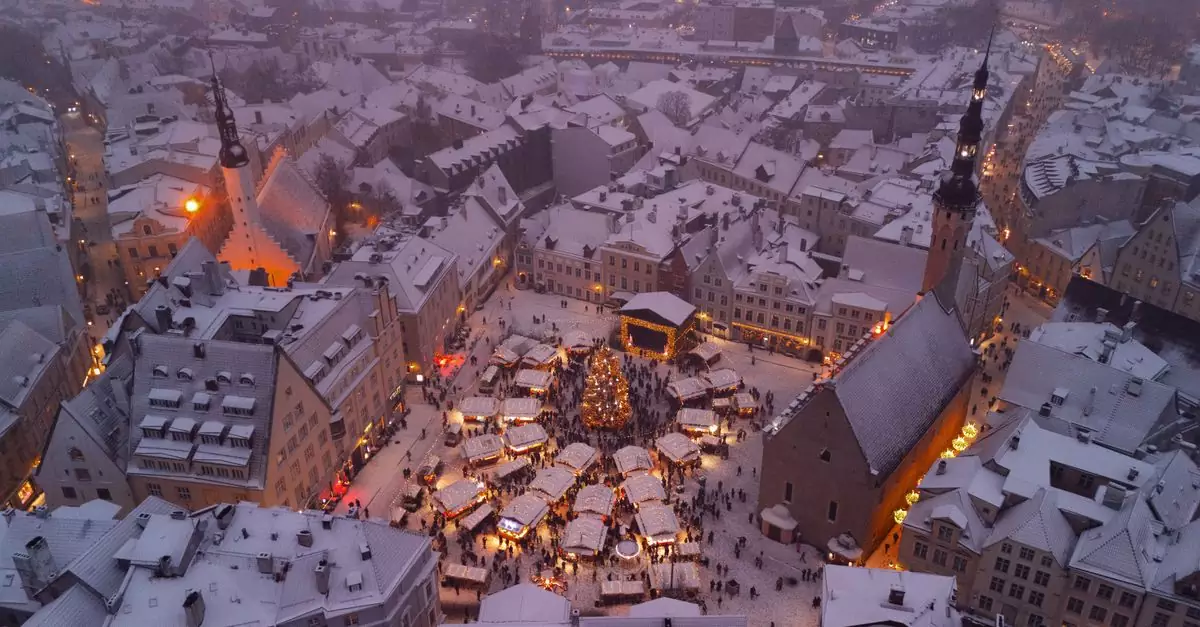
Germany is synonymous with the festive spirit of Christmas markets, offering some of the most authentic and magical experiences in Europe. For 2026, two cities stand out for their rich traditions and enchanting atmospheres: Nuremberg and Dresden.
Nuremberg Christkindlesmarkt: Gingerbread, Angels, and Glühwein
The Nuremberg Christkindlesmarkt, officially known as the Christkindlesmarkt Nürnberg, is one of the oldest and most famous Christmas markets globally. It dates back to the 17th century and is renowned for its strict adherence to tradition, with many stalls selling handmade goods and local delicacies. The star attraction is the “Nürnberger Lebkuchen,” a gingerbread that is a protected regional specialty. Alongside these sweet treats, you’ll find the iconic “Zwetschgenmännle,” small figures made from dried plums.
The market is officially opened by the Christkind, a young woman dressed as an angel, who recites a prologue. The air is filled with the scent of mulled wine, or “Glühwein,” roasted almonds, and gingerbread. Vendors offer traditional crafts, including intricate wooden toys and glass ornaments.
Logistics for Nuremberg:
- Timing: The market typically runs from the Friday before the first Advent Sunday until Christmas Eve.
- Getting There: Nuremberg is well-connected by train and has its own airport (NUE). The market is centrally located in the Hauptmarkt, easily accessible on foot from most city center hotels.
- Budget: While entry to the market is free, expect to spend on food, drinks, and souvenirs. Budget around €30-€50 per person per day for a comfortable experience.
Dresden Striezelmarkt: Europe’s Oldest Christmas Market Delights
Claiming the title of Europe’s oldest continuously held Christmas market, the Dresden Striezelmarkt has a history stretching back over 600 years. Its name comes from “Striezel,” a traditional fruit bread that is a must-try during your visit. The market is located in the heart of Dresden’s Altstadt (Old Town), creating a stunning backdrop with its baroque architecture.
Dresden’s market is famous for its towering “Stufenpyramide,” a multi-tiered rotating pyramid adorned with Christmas figures. You’ll find a vast array of traditional crafts, including exquisite Dresden porcelain, Lausitz pottery, and hand-carved wooden figures from the Ore Mountains. The atmosphere is truly captivating, with carols sung and the aroma of roasted nuts and “Eierpunsch” (egg punch) filling the air.
Dresden vs. Nuremberg Comparison:
| Feature | Nuremberg Christkindlesmarkt | Dresden Striezelmarkt |
|---|---|---|
| Age | 17th Century | Over 600 years old |
| Specialty Food | Nürnberger Lebkuchen (gingerbread) | Dresdner Striezel (fruit bread) |
| Unique Item | Zwetschgenmännle (dried plum figures) | Stufenpyramide (Christmas pyramid) |
| Atmosphere | Traditional, family-friendly, bustling | Historic, grand, culturally rich |
| Location | Hauptmarkt, city center | Altmarkt, historic Old Town |
Exploring the Bavarian Christmas Spirit Beyond the Big Cities
While Nuremberg offers a quintessential Christmas market experience, Bavaria boasts numerous smaller, equally enchanting towns that capture the festive spirit. Venturing beyond the major cities reveals a more intimate and perhaps even more magical side to German Christmas traditions.
Consider a visit to Rothenburg ob der Tauber, a medieval walled town that transforms into a fairytale setting. Its Reiterlesmarkt is famous for its rustic charm and traditional crafts. Another excellent option is Bamberg, a UNESCO World Heritage city, where its Christmas market is spread across several squares, offering a unique spatial experience. These smaller markets often feature local artisans selling handcrafted items and regional specialties, providing a personal connection to the traditions.
Getting Around Bavaria:
- Train: The German rail network is efficient and connects most towns and cities. Consider purchasing a Bayern Ticket for cost-effective day travel within the state.
- Car: Renting a car offers flexibility, especially for reaching more remote villages. However, parking can be challenging in popular medieval towns during peak season.
- Local Buses: Many smaller towns are served by local bus routes, though schedules can be less frequent.
These smaller Bavarian towns provide a slower pace and a chance to immerse yourself in local customs, often featuring unique regional foods and crafts not found in larger markets. They complement the bustling atmosphere of cities like Nuremberg and Dresden, offering a well-rounded German Christmas experience for 2026.
Beyond the Usual: Unique Festive Destinations for Christmas 2026
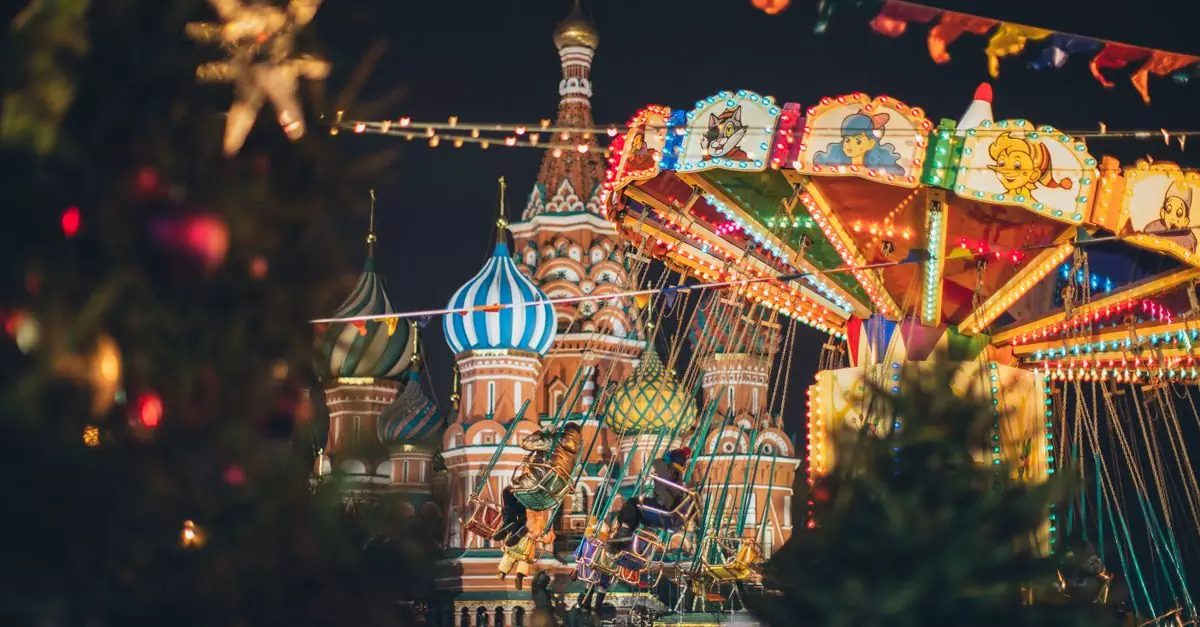
While many travelers dream of visiting the most famous Christmas markets in Europe, exploring some of the continent’s lesser-known festive towns can offer an equally magical, and often more authentic, experience. These destinations combine historical charm with vibrant holiday traditions, providing a memorable escape for those seeking a truly special Christmas. For 2026, consider these unique European towns for your holiday itinerary.
Bruges, Belgium: A Winter Wonderland on Canals
Bruges transforms into a fairytale setting during the Christmas season, its medieval architecture dusted with snow and illuminated by festive lights. The city’s canals, often referred to as the “Venice of the North,” add an extra layer of romance to the already picturesque landscape. The main Christmas market is located on the Markt (Market Square) and Simon Stevinplein, offering a delightful array of Belgian crafts, mulled wine (glühwein), and local delicacies like waffles and chocolates.
Getting to Bruges is straightforward, with regular train services connecting it to major Belgian cities like Brussels and Ghent. The journey from Brussels takes about an hour. Once in Bruges, the city is highly walkable, with most attractions easily accessible on foot. Accommodations range from charming boutique hotels to cozy guesthouses, though booking well in advance is recommended for December travel. The festive atmosphere typically begins in late November and runs through early January.
Prague, Czech Republic: Old Town Square’s Magical Christmas
Prague’s Old Town Square and Wenceslas Square host some of the most visually stunning Christmas markets in Europe. The backdrop of Gothic spires and Baroque buildings creates an unforgettable scene. Stalls overflow with traditional Czech crafts, including hand-painted ornaments, wooden toys, and intricate lacework. Visitors can savor hearty Czech cuisine, such as trdelník (a sweet pastry), roasted chestnuts, and warming mulled wine.
The Prague Christmas markets usually open on the last Saturday of November and continue until early January. The city is easily reached by air, with Václav Havel Airport Prague (PRG) serving numerous international flights. Public transport within Prague is efficient, with trams and metro lines connecting different parts of the city. Many hotels and apartments are available in and around the Old Town, but expect higher prices and crowds during the peak holiday season. Consider staying slightly outside the immediate city center for potentially better value.
Tallinn, Estonia: A Medieval Christmas Market Gem
Tallinn’s Christmas market, held in the historic Town Hall Square, is renowned for its enchanting medieval setting. The beautifully preserved Old Town, a UNESCO World Heritage site, provides a unique and atmospheric backdrop for the festive celebrations. The market features a stunning Christmas tree, a tradition dating back to 1441, making it one of the oldest public Christmas trees in Europe. Local artisans sell traditional Estonian woolens, handcrafted wooden items, and seasonal treats.
The Tallinn Christmas Market typically opens in mid-November and runs through early January. Tallinn Airport (TLL) is well-connected, and the Old Town is a short taxi or bus ride away. The compact nature of the Old Town makes it exceptionally walkable. Accommodation options within the Old Town offer an immersive experience, though many modern hotels are also available in the surrounding areas. Estonia’s festive season offers a more tranquil, yet equally magical, experience compared to some of its Western European counterparts.
Planning Your Magical Christmas Trip to Europe
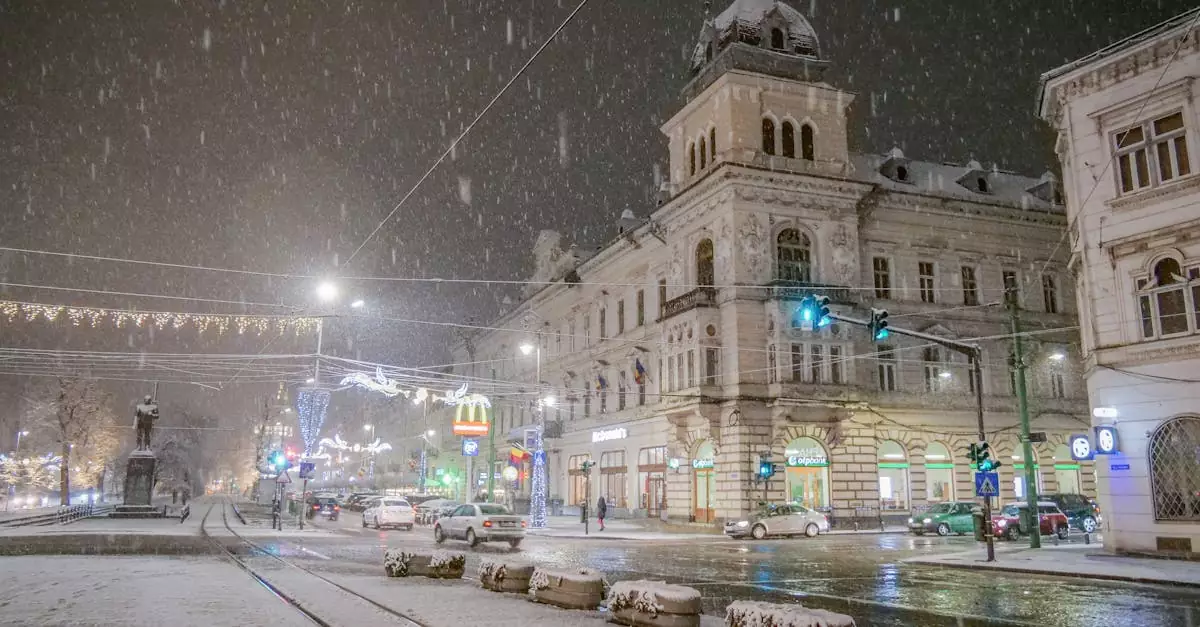
Embarking on a festive journey to Europe’s enchanting Christmas towns requires thoughtful preparation. From selecting the ideal time to visit to managing your budget and packing appropriately, a little planning goes a long way in ensuring a memorable holiday experience. This guide provides practical advice to help you navigate the logistics of your winter wonderland adventure.
Best Time to Visit Europe’s Christmas Towns
The Christmas market season typically kicks off in late November and runs through December, often extending slightly into early January. For the most authentic experience, aim for the period between the first weekend of Advent and Christmas Eve. Visiting earlier in November might mean fewer crowds and potentially lower prices on flights and accommodation, though some markets may not yet be fully operational.
Consider visiting during the week to avoid the busiest weekend crowds, especially in popular cities. Late November offers the charm of opening ceremonies and the initial sparkle of decorations. The first two weeks of December provide a lively atmosphere with most stalls open and a festive buzz. The final week before Christmas can be exceptionally crowded but offers a palpable sense of anticipation.
Getting Around: Train Travel and Local Transport Options
Navigating between Europe’s charming Christmas destinations is often best achieved by train. European rail networks are extensive and efficient, connecting major cities and many smaller towns with comfortable and scenic journeys. Purchasing tickets in advance, especially for high-speed routes, can significantly reduce costs. Consider a rail pass if you plan on visiting multiple countries or making several long-distance trips.
Within cities, public transport systems are generally excellent. Most towns and cities with Christmas markets are highly walkable, allowing you to immerse yourself in the festive atmosphere on foot. Look for local bus routes, trams, and metro systems for longer distances or when your feet need a rest. In some smaller villages, however, public transport might be less frequent, making a rental car a consideration for flexibility, though parking can be challenging in historic centers.
Here’s a look at common transportation options:
| Transport Mode | Pros | Cons | Best For |
|---|---|---|---|
| Train | Scenic, comfortable, extensive network | Can be expensive if booked last minute | Inter-city travel, multi-country trips |
| Local Bus/Tram | Affordable, covers city areas | Can be slow, less frequent in rural areas | Inner-city travel, short distances |
| Walking | Free, immersive, discover hidden gems | Limited by distance and weather | Exploring city centers, short distances |
| Rental Car | Flexibility, access to remote locations | Parking issues, expensive in cities | Rural exploration, off-the-beaten-path |
Budgeting for Your Festive European Adventure
The cost of a Christmas trip to Europe can vary widely depending on your chosen destinations, travel style, and the duration of your stay. Major capital cities like Vienna or Prague tend to be more expensive than smaller towns or those in Eastern Europe.
Key budget considerations include:
- Accommodation: Prices for hotels and guesthouses surge during the festive season. Booking well in advance is crucial. Consider apartments or hostels for more budget-friendly options.
- Flights: Airfare will be higher around peak holiday dates. Flexibility with your travel dates can help secure better deals.
- Food and Drink: Enjoying mulled wine and local delicacies at Christmas markets is part of the experience, but costs can add up. Supermarkets offer a more economical way to grab snacks and breakfast items.
- Activities and Souvenirs: Factor in entrance fees for attractions and the cost of gifts or mementos.
A rough daily budget might range from €70-€100 per person in more affordable destinations to €150+ in pricier cities, excluding flights and major inter-city travel.
Essential Packing List for Winter in Europe
Packing for a European winter trip requires layers and warmth. Temperatures can range from just above freezing to well below, with potential for snow and ice.
- Outerwear: A warm, waterproof, and windproof coat is essential.
- Layers: Pack thermal base layers, sweaters, and fleece jackets.
- Bottoms: Insulated trousers or warm leggings are recommended.
- Footwear: Waterproof, comfortable walking boots with good grip are vital. Consider bringing extra socks, including wool or thermal options.
- Accessories: A warm hat, scarf, and gloves are non-negotiable.
- Other Essentials: Consider a portable power bank for your phone, a reusable water bottle, and any necessary medications. A small backpack is useful for day trips and carrying market purchases.
Frequently Asked Questions About Magical Christmas Towns in Europe
What are the must-try foods at European Christmas markets?
Sampling local festive treats is a highlight of any visit to European Christmas markets. Mulled wine, known as Glühwein in Germany, Vin Chaud in France, or Vino Caliente in Spain, is ubiquitous and warms you from the inside out. For a sweet indulgence, look for Lebkuchen (gingerbread) in Germany, Stollen (a fruit bread) or Marzipan treats. Savory options often include grilled sausages (Bratwurst), roasted chestnuts, and various types of potato pancakes. Many regions also offer unique specialties, so don’t hesitate to ask vendors for recommendations.
Are European Christmas markets suitable for families?
Absolutely. European Christmas markets are wonderfully family-friendly environments. Most markets feature dedicated children’s areas with activities like carousel rides, craft stations, and sometimes even visits from Santa Claus. The atmosphere is generally cheerful and safe, with plenty of visual stimulation for younger visitors. Many stalls offer child-friendly food options, and the sheer magic of the lights and decorations captivates children of all ages. Planning your visit during off-peak hours (weekday mornings or early afternoons) can make navigating crowded areas with strollers or small children easier.
What are the best dates to experience the peak Christmas atmosphere?
To experience the most vibrant Christmas atmosphere in Europe, aim for the period from the last weekend of November through the second or third week of December. Many markets open their doors right after Thanksgiving in the United States, around November 25th, and continue until Christmas Eve or shortly after. The weeks leading up to Christmas are when the festive spirit is at its highest, with all stalls open and the decorations at their most dazzling. Visiting closer to Christmas itself means you’ll encounter the peak crowds, so if you prefer a slightly calmer experience, aim for early December. The exact opening and closing dates vary by city and even by individual market, so it’s wise to check specific event calendars for your chosen destinations.
How can I avoid common tourist scams during the holiday season?
While most European Christmas markets are safe and welcoming, it’s wise to be aware of common tourist scams. Be particularly vigilant in crowded areas, as pickpocketing can occur. Keep your valuables secure, ideally in front pockets or a money belt, and be mindful of your surroundings, especially when distracted by market stalls or performances. Avoid accepting unsolicited help from strangers offering to guide you or assist with purchases, as they may demand payment afterward. For currency exchange, always use reputable banks or exchange offices rather than street vendors. Double-check your change when making purchases, and be wary of overly friendly individuals who seem too eager to engage. Planning your transportation in advance and sticking to well-lit, main routes after dark can also enhance your safety.