Portugal’s soul is intricately woven into its vibrant arts and crafts, offering a tangible connection to centuries of tradition and artistry. From the iconic hand-painted azulejo tiles that adorn historic buildings to the whimsical ceramics of Caldas da Rainha and the sustainable elegance of cork products, these creations narrate a nation’s heritage. This guide delves into the heart of Portugal’s rich arts and crafts scene, revealing the techniques behind these beautiful objects and where to find authentic pieces. You’ll discover the historical significance of each craft, learn how to identify genuine handmade items, and gather inspiration for unique souvenirs that capture the essence of your Portuguese journey. Prepare to explore a world where skill, tradition, and creativity converge.
Exploring the Soul of Portugal Through Its Arts and Crafts
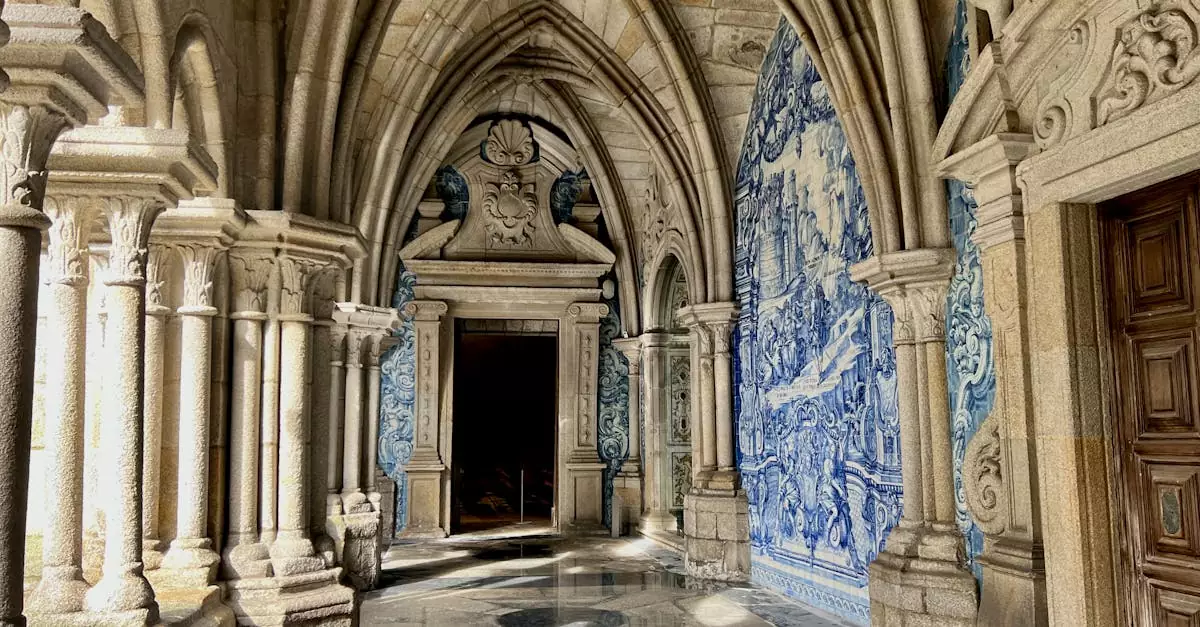
Portugal’s cultural heritage is deeply embedded in its rich tapestry of arts and crafts. From intricate tilework to hand-painted ceramics, these traditional techniques connect directly to the country’s history and artistic spirit. Engaging with these crafts provides a unique lens through which to understand Portuguese identity while offering a wonderful opportunity to find meaningful souvenirs.
What are the most iconic Portuguese crafts?
Several crafts stand out as quintessentially Portuguese. Azulejos, the decorative ceramic tiles, are perhaps the most recognized. These hand-painted tiles grace building facades, churches, and interiors across the nation, depicting historical scenes, geometric patterns, and vibrant floral motifs. Another iconic craft is pottery and ceramics, particularly from regions like Caldas da Rainha, known for whimsical, nature-inspired designs such as fish-shaped dishes and colorful tableware. Hand-embroidered linens, especially from Madeira, showcase delicate floral patterns and intricate lacework. Cork products, ranging from wallets and bags to coasters and wine stoppers, highlight Portugal’s status as the world’s largest producer of cork. Lastly, Fado guitars, with their distinctive pear-shaped body, embody the soul of Portuguese music, crafted by skilled luthiers.
Understanding the historical significance of Portuguese artistry
The history of Portuguese arts and crafts tells a story of cultural exchange and adaptation. Azulejos, for instance, were introduced by the Moors and later influenced by Italian and Dutch designs, evolving into a distinctly Portuguese art form. Similarly, pottery traditions have roots tracing back to Roman and Moorish influences, with regional styles developing unique characteristics over time. Embroidery techniques reflect historical trade routes, incorporating patterns from across Europe. The use of cork is intrinsically linked to Portugal’s unique geography and natural resources, illustrating a long history of sustainable material use. These crafts serve as living historical documents, preserving techniques and narratives passed down through generations.
Where to find authentic Portugal arts and crafts
Discovering authentic Portuguese arts and crafts requires looking beyond generic souvenir shops. In Lisbon, the Alfama district and the LX Factory offer a curated selection of artisan shops and studios. Visiting smaller towns and villages often yields the most genuine finds; for example, Nazaré is known for its traditional fishing crafts and textiles, while the Algarve region offers local pottery and ceramics. In Porto, the Ribeira district features numerous shops, but seeking out workshops slightly away from main tourist thoroughfares can lead to better quality and more unique items.
When shopping for ceramics, look for pieces with slight imperfections that indicate they are handmade rather than mass-produced. For cork products, check for labels certifying the origin and quality of the cork. If you’re interested in textiles, especially embroidery from Madeira, inquire about the specific techniques used. Many local craft fairs, held regularly in towns and cities, are excellent places to meet artisans directly and purchase their work. These fairs often showcase a wider range of traditional crafts than you might find in more commercial outlets.
Azulejo Tiles: A Colorful Ceramic Tradition

Portugal’s artistic soul is vividly expressed through its iconic azulejo tiles. These hand-painted ceramic pieces adorn everything from church facades and palace walls to simple homes and train stations, transforming ordinary surfaces into vibrant canvases. Understanding the history and artistry behind azulejos offers a deeper appreciation for the nation’s cultural heritage and provides a unique lens through which to view its architecture.
The History and Artistry of Azulejo Tile Making
The tradition of decorating with glazed tiles in Portugal dates back to the Moorish influence in the 15th century, though the Portuguese truly popularized and evolved the art form. Initially, tiles were imported from Spain, featuring intricate geometric patterns. Over time, Portuguese artisans developed their own distinct styles, moving from monochromatic blue and white designs to elaborate narrative scenes depicting historical events, religious motifs, and daily life. The peak of azulejo production occurred in the 18th century, with artists creating vast panels still admired today. The process of creating an azulejo involves several meticulous steps: shaping the clay, firing it, glazing it, hand-painting the design, and firing it again. Each tile is a testament to the skill and dedication of the artisan.
Visiting the National Tile Museum in Lisbon
For an immersive journey into the world of Portuguese ceramics, a visit to the National Tile Museum (Museu Nacional do Azulejo) in Lisbon is essential. Housed in the former Madre de Deus Convent, the museum showcases an unparalleled collection of azulejos spanning five centuries. You can trace the evolution of tile art from its earliest forms to contemporary interpretations. Highlights include a massive 17th-century panoramic tile panel depicting Lisbon before the devastating 1755 earthquake and intricate examples from the Baroque period. The museum also offers insights into the manufacturing techniques and social history associated with tile production. Allow at least two to three hours to fully appreciate the extensive exhibits. The museum is accessible by public transport, with buses and trams serving the area.
Finding Unique Azulejo Souvenirs in Porto’s Ribeira District
While Lisbon boasts the national museum, Porto’s historic Ribeira district offers a more hands-on experience with azulejos, particularly for souvenir hunting. As you wander through the narrow, cobblestone streets along the Douro River, you’ll encounter buildings covered in stunning tile panels. Many small shops and artisan workshops in this UNESCO World Heritage site sell reproduction azulejos and items decorated with tile motifs. You can find everything from small decorative tiles and coasters to larger ceramic pieces. Look for shops that clearly state their items are handmade and locally produced. While mass-produced souvenirs are readily available, seeking out handcrafted items provides a more authentic connection to this traditional Portuguese art form. Be sure to compare prices and designs from different vendors to find the perfect memento.
Handmade Ceramics and Pottery Across Portugal
Portugal boasts a rich tradition of ceramic artistry, with distinct regional styles and techniques passed down through generations. From the vibrant colors of the Algarve to the historical significance of northern pottery towns, these handmade pieces offer a tangible connection to Portuguese culture and make for unique souvenirs. Understanding these traditions can enhance your appreciation and help you find authentic treasures.
Discovering the Pottery Villages of Caldas da Rainha
Caldas da Rainha, located about an hour north of Lisbon, is renowned for its distinctive pottery, particularly the whimsical pieces that emerged in the late 19th century. The town’s thermal springs provided the clay, and local artisans, like the celebrated Rafael Bordalo Pinheiro, created iconic designs featuring fruits, animals, and satirical figures. Today, the tradition continues with workshops and studios offering a glimpse into the creation process.
Visiting Caldas da Rainha allows you to see artisans at work, shaping clay into familiar forms. Many shops in the town center sell these distinctive ceramics, from practical tableware to decorative items. Look for pieces that reflect the area’s heritage, characterized by detailed molding and vibrant glazes. It’s a worthwhile stop for anyone interested in traditional Portuguese crafts.
Exploring the Unique Designs of Barcelos Rooster Pottery
The town of Barcelos, in the northern Minho region, is famously associated with the Galo de Barcelos, or Barcelos Rooster. This colorful ceramic rooster is a potent symbol of Portugal, representing faith, justice, and good luck. Legend has it that a pilgrim was saved from unjust execution by a rooster that crowed, proving his innocence.
The iconic rooster is recognizable by its vibrant colors—reds, yellows, and blues—and its proud stance. While mass-produced versions are widely available, seeking out hand-painted pieces from local artisans in Barcelos offers a more authentic experience. These roosters vary in size and detail, with some featuring intricate patterns and unique interpretations of the classic design. Purchasing directly from a local workshop or a reputable market stall ensures you acquire a genuine piece of Portuguese folk art.
Where to Buy Artisanal Pottery in the Algarve
The southern Algarve region presents a different flavor of Portuguese pottery, often characterized by bright, sun-drenched colors and motifs inspired by the sea and local flora. Traditional Algarve ceramics frequently feature hand-painted floral patterns, geometric designs, and depictions of fish and nautical themes. These pieces are not only decorative but also functional, with many households using hand-painted bowls, plates, and tiles for everyday use.
When searching for authentic pottery in the Algarve, look beyond typical tourist shops. Explore smaller towns like Porches, which has a long history of pottery production, and seek out local ceramic studios. These workshops often sell directly to the public, allowing you to see the craftsmanship firsthand and speak with the artists. Popular items include decorative tiles, serving dishes, and brightly colored jugs. The practical nature of these ceramics makes them excellent souvenirs that can bring a touch of Portuguese sunshine to your kitchen or home decor.
Intricate Lacework and Embroidery: Delicate Portuguese Textiles

Portugal boasts a rich heritage of textile arts, with lacework and embroidery traditions passed down through generations. These crafts are not merely decorative; they are a testament to meticulous skill and cultural identity, offering beautiful and meaningful souvenirs. From the sun-drenched island of Madeira to the historic northern city of Viana do Castelo, distinct styles of textile artistry flourish.
The Tradition of Madeira Embroidery and Lace
Madeira embroidery is world-renowned for its delicate floral motifs and intricate whitework. Originating in the mid-19th century, this craft was revitalized by the English community on the island, who introduced new techniques and designs. Today, Madeira embroidery is characterized by fine linen or cotton fabrics, meticulously stitched with flowers, leaves, and often the island’s distinctive “bird of paradise” motif.
When purchasing Madeira embroidery, look for pieces that showcase a high stitch count and fine thread work. Authentic items are often signed by the artisan or the workshop. You can find everything from tablecloths and placemats to blouses and handkerchiefs. While machine-made imitations exist, the handmade pieces offer unparalleled quality and artistry. Visiting a reputable embroidery workshop in Funchal can provide insight into the painstaking process involved.
Seeking Out Viana do Castelo’s Filigree Jewelry and Textiles
Viana do Castelo, in northern Portugal, is particularly celebrated for its gold filigree work, often featuring intricate heart shapes known as “Corações de Viana.” While not strictly a textile craft, the artistry involved in filigree jewelry shares a similar delicate precision to Portuguese lacework. The city also has a history of textile production, with traditional embroidery patterns often adorning regional costumes.
When visiting Viana do Castelo, explore local jewelry shops and craft stores for these distinctive pieces. The detailed craftsmanship of filigree requires immense skill, with thin strands of gold or silver meticulously shaped and soldered. Beyond jewelry, you might find embroidered linens or decorative textiles that echo the motifs found in the region’s traditional clothing. These items make for unique keepsakes representing the rich cultural tapestry of northern Portugal.
Understanding the Craftsmanship Behind Portuguese Linens
Portuguese linens, whether embroidered or plain, are prized for their quality and durability. For centuries, Portugal has produced fine linen and cotton fabrics, often used for household goods and apparel. The tradition of embroidering linens, particularly in regions like Madeira, has elevated these practical items into works of art.
When selecting Portuguese linens, pay attention to the fabric weight and weave. High-quality linens feel substantial yet soft, with an even weave. Look for labels indicating the origin and material. Authentic, handcrafted embroidered linens represent a significant investment in time and skill. These pieces can range from simple, elegant napkins to elaborate bedspreads, each telling a story of Portuguese artisanal tradition. For travelers interested in purchasing these items, main cities like Lisbon and Porto offer a wide selection in department stores and specialized craft shops, while smaller towns often have local artisans selling directly.
Cork Products: Sustainable and Stylish Portuguese Crafts

Portugal is the world’s leading producer of cork, and this natural, renewable resource has been transformed into a diverse range of beautifully crafted items. From fashion accessories to home decor, cork offers a unique blend of sustainability, durability, and sophisticated aesthetics, making it a quintessential Portuguese souvenir. The process itself is fascinating, respecting the tree and its lifecycle.
The journey from cork tree to finished product
The transformation of cork into artisanal products begins with the careful harvesting of bark from cork oak trees. This process, known as stripping, occurs every nine years, ensuring the tree remains healthy and continues to produce cork. The harvested bark is then dried, boiled to remove impurities, flattened, and finally cut into sheets or processed into granules. Skilled artisans then shape these materials, utilizing cork’s natural properties—its lightness, water resistance, and softness—to create everything from wallets and bags to coasters and lampshades. This sustainable approach is deeply ingrained in Portuguese tradition, celebrating the longevity of cork oak forests.
Shopping for fashionable cork accessories in Lisbon’s Chiado
For those seeking stylish cork accessories, the Chiado district in Lisbon presents an excellent shopping destination. Here, boutiques showcase modern interpretations of cork fashion, offering items that are both chic and environmentally conscious. You’ll find a variety of goods, including handbags, wallets, belts, and even footwear, all made from high-quality cork. Many shops emphasize the artisanal nature of their products, providing insights into the design and manufacturing process. Prices can vary, but expect to invest in well-made pieces designed to last. Visiting these shops offers a chance to engage with the craftsmanship behind these unique Portuguese items.
Discovering unique cork homeware and gifts
Beyond fashion, cork finds its way into numerous homeware items, offering practical and decorative solutions. Look for cork coasters, placemats, serving trays, and trivets, all prized for their heat resistance and stylish, natural look. Cork also features in decorative pieces like lampshades, wall art, and even stationery. These items make for thoughtful and distinctive gifts, embodying the spirit of Portuguese innovation and sustainability. Many craft markets and specialized stores across Portugal, particularly in regions with cork oak forests, offer a wider selection of these unique cork creations. When purchasing, consider the texture and finish, as cork can range from smooth and polished to more rustic and textured.
Frequently Asked Questions About Portugal Arts and Crafts
What is the best time of year to visit craft fairs in Portugal?
The spring and early autumn months offer pleasant weather for exploring outdoor craft fairs across Portugal. May, June, September, and October often feature festivals and markets dedicated to traditional crafts. Major cities like Lisbon and Porto host events year-round, but smaller, regional fairs are more seasonal. Checking local tourism websites for specific event calendars is advisable.
How can I ensure I’m buying authentic Portuguese crafts?
To guarantee authenticity, purchase directly from artisans at workshops or reputable craft markets. Look for pieces that show slight imperfections, as these often indicate handmade quality rather than mass production. Ask about the origin and materials used; genuine artisans are usually happy to share their process. For specific items like azulejos, be wary of overly cheap imitations.
What are some budget-friendly Portugal arts and crafts options?
Many beautiful and affordable souvenirs can be found without breaking the bank. Look for small, hand-painted ceramics, embroidered linens, or cork accessories like keychains and coasters. Traditional sardines, often painted in bright colors, are also widely available and budget-friendly. Even simple, well-made pieces of pottery or hand-knitted wool items can be purchased for a modest sum.
Are there any specific regions known for certain types of crafts?
Yes, Portugal’s regions are strongly associated with distinct artisanal traditions.
- Caldas da Rainha is renowned for its whimsical ceramics, particularly the famous “fat ladies” and animal figures.
- Viana do Castelo in the north is famous for its intricate gold filigree jewelry and traditional embroidery, especially the “Viana costume” embellishments.
- Coimbra has a long history of producing distinctive hand-painted pottery, often featuring blue and white motifs.
- Alentejo is known for its robust pottery, cork products, and hand-woven wool blankets.
- Madeira is celebrated for its intricate embroidery and straw crafts.
These regional specializations offer a rich tapestry of Portuguese artistic heritage.