Planning a trip to Atlantic Canada’s gem? This comprehensive New Brunswick travel guide is your essential resource for uncovering the province’s diverse beauty. From the dramatic, world-famous tides of the Bay of Fundy to the serene inland forests and charming coastal villages, New Brunswick offers an unforgettable escape. You’ll discover the best times to visit, craft an itinerary tailored to your interests—whether you’re drawn to outdoor adventures, Acadian culture, or historic towns—and learn practical tips for navigating the province by car or other transport. We’ll also explore the delicious local foods and culinary delights that make this maritime province a feast for the senses. Get ready to explore everything New Brunswick has to offer.
Your Ultimate New Brunswick Travel Guide: Uncovering Coastal Charm & Forest Adventures
New Brunswick presents a captivating blend of rugged coastlines, vast forests, and charming communities, making it a standout destination in Atlantic Canada. This maritime province invites exploration for those seeking natural beauty and authentic experiences. Planning a trip here means discovering where the Bay of Fundy’s dramatic tides meet serene river valleys and historic seaside towns.
Coastal Wonders: Bay of Fundy Tides & St. John’s Reversing Falls
The Bay of Fundy is New Brunswick’s most famous natural spectacle, boasting the highest tides in the world. These powerful tidal movements create unique geological formations and offer incredible wildlife viewing opportunities. The most dramatic example is Saint John’s Reversing Falls, where the incoming tide pushes the Saint John River upstream, creating a series of rapids and waterfalls that flow in reverse. Experiencing this phenomenon is a must for any visitor.
Travelers can witness the tides from various vantage points, including the Fallsview Market and Restaurant in Saint John, or take a boat tour for a closer perspective. Understanding the tidal schedule is crucial for planning your visit, as the falls are most dramatic during peak tide. The sheer scale of the Bay of Fundy’s tidal range, often exceeding 40 feet, is a testament to the raw power of nature.
Forests and Rivers: Kouchibouguac National Park’s Dunes & Miramichi’s Salmon
Beyond the coast, New Brunswick’s interior is defined by extensive forests and winding rivers, offering a different kind of natural immersion. Kouchibouguac National Park, situated on the Northumberland Strait, features a unique network of sand dunes, lagoons, and barrier islands. It’s a haven for birdwatching and provides opportunities for kayaking and hiking through diverse ecosystems.
The Miramichi River system is renowned for its Atlantic salmon sport fishing, attracting anglers from around the globe. Even if fishing isn’t your focus, the Miramichi region offers scenic drives, charming riverside communities, and a rich cultural heritage tied to the river’s bounty. Exploring these waterways by canoe or kayak allows for a peaceful connection with the province’s natural heart.
Charming Towns: St. Andrews-by-the-Sea’s Victorian Architecture
New Brunswick’s towns and villages offer a glimpse into maritime history and culture. St. Andrews-by-the-Sea, a picturesque seaside town in Charlotte County, is celebrated for its well-preserved Victorian architecture and its role as a hub for whale watching tours. Strolling through its tree-lined streets, visitors will find boutique shops, art galleries, and historic inns.
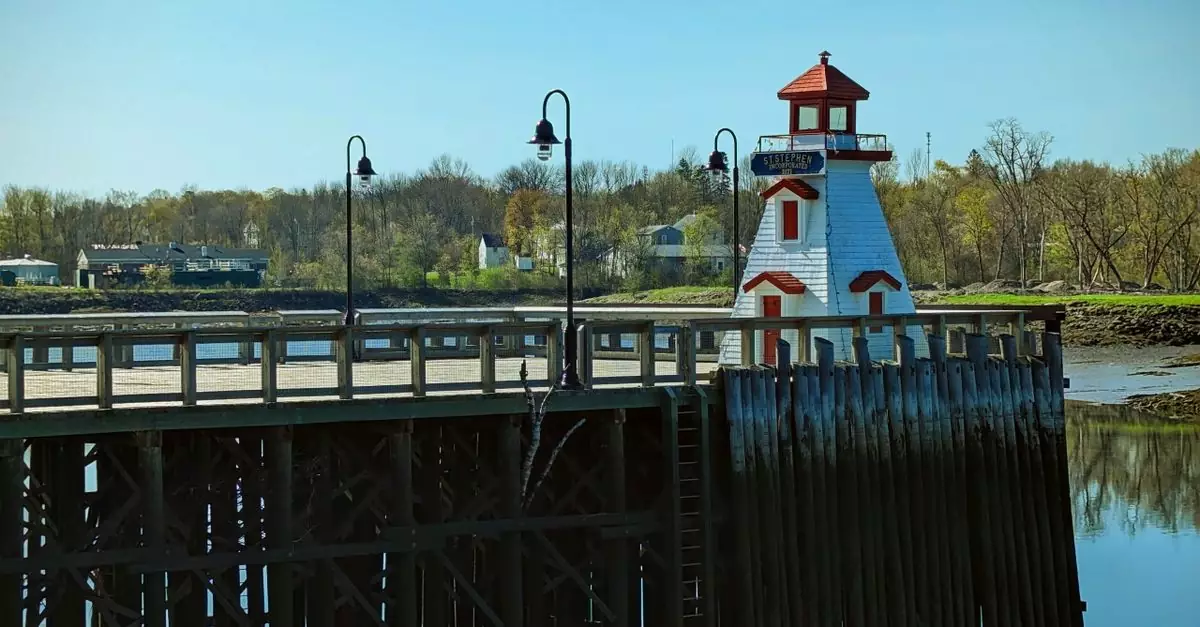
The town’s waterfront provides scenic views and access to boat excursions. Other notable towns include St. Stephen, known for its chocolate heritage, and the capital city, Fredericton, with its vibrant arts scene and historic government buildings along the Saint John River. Each community contributes to the overall appeal of a New Brunswick travel experience.
Outdoor Adventures: Kayaking, Hiking, and Whale Watching
For the active traveler, New Brunswick offers a wealth of outdoor pursuits. Kayaking is popular on both the ocean coastlines and inland rivers, allowing for intimate exploration of coves, marshes, and riverbanks. The Bay of Fundy presents incredible kayaking opportunities, particularly in areas with less extreme tidal currents, such as the Fundy National Park coastline.
Hiking trails abound, from coastal paths in Fundy National Park offering dramatic ocean vistas to forest trails in areas like Mount Carleton Provincial Park, home to New Brunswick’s highest peak. Whale watching tours, primarily departing from St. Andrews and Grand Manan Island, provide a chance to see majestic marine life, including fin whales, humpbacks, and minke whales, in their natural habitat. These activities highlight the province’s commitment to preserving its natural landscapes for future generations.
Best Time to Explore New Brunswick: Seasonal Highlights for Every Traveler

Choosing the right season for your New Brunswick adventure significantly impacts your experiences. From sun-drenched coastal days to crisp autumn hikes, each period offers distinct charm. This guide breaks down the seasonal highlights to help you plan your ideal Maritime getaway.
Summer (June-August): Warmest Weather for Beaches and Festivals
Summer is New Brunswick’s peak travel season, bringing warm temperatures and long daylight hours ideal for outdoor activities. The coastline, particularly the Bay of Fundy’s southern shores, becomes a popular destination for beachcombing, kayaking, and whale watching tours. Inland, lakes and rivers offer opportunities for swimming and boating. Many of the province’s signature festivals, including the Sackville Waterfowl Festival and various agricultural fairs, take place during these months.
Accommodation and popular attractions can be busy, so booking in advance is highly recommended. Expect average daily temperatures to range from the low 20s°C (70s°F) along the coast to the mid-20s°C (mid-70s°F) inland. While generally pleasant, occasional heatwaves can occur, and coastal breezes can keep some areas cooler.
Autumn (September-October): Vibrant Fall Foliage and Crisp Air
For many, autumn is the most picturesque time to visit New Brunswick. The landscape transforms into a breathtaking display of red, orange, and yellow as the leaves change. Hiking trails in national and provincial parks, such as Fundy National Park, offer stunning vistas. The crisp, cool air is perfect for exploring charming small towns like St. Andrews and visiting local craft shops.
Temperatures begin to drop, with daytime highs typically in the 10-15°C (50-60°F) range, and evenings can be chilly. This season is less crowded than summer, providing a more relaxed travel experience. It’s also a prime time for enjoying local harvest foods and visiting farmers’ markets.
Spring (April-May): Awakening Nature and Early Season Activities
Spring in New Brunswick is a time of renewal, though it can be transitional. While the weather can be unpredictable, with a mix of sunshine and rain, nature awakens with blooming wildflowers and returning migratory birds. Coastal areas start to become more active, with some whale watching tours beginning their operations in late May. Inland, rivers and streams are often at their fullest due to snowmelt, creating dramatic waterfalls.
Early spring might still see some lingering snow in higher elevations, and water temperatures remain cool. This is a quieter time to visit, offering lower accommodation rates and fewer crowds. It’s ideal for travelers who enjoy observing nature’s reawakening and are prepared for variable weather conditions.
Winter (November-March): Snow Sports and Cozy Maritime Escapes
New Brunswick transforms into a winter wonderland for those seeking snow-covered landscapes and cold-weather activities. Ski resorts like Crabbe Mountain and Mont-Sainte-Anne (though technically in Quebec, it’s a popular day trip for some western NB residents) offer opportunities for downhill skiing and snowboarding. Snowshoeing and cross-country skiing are popular pastimes across the province, with many groomed trails available.
The coastal cities, such as Saint John and Moncton, provide a cozy urban experience with charming pubs, restaurants, and indoor attractions. Temperatures typically range from -5°C to -15°C (23°F to 5°F), with colder snaps possible. It’s crucial to pack warm clothing and be prepared for winter driving conditions. This season is best for travelers who embrace the cold and enjoy winter sports or a quiet, cozy retreat.
| Season | Average High Temperature (°C) | Average Low Temperature (°C) | Key Activities | Crowds |
|---|---|---|---|---|
| Summer | 20-25°C | 10-15°C | Beaches, whale watching, festivals, hiking | High |
| Autumn | 10-15°C | 0-5°C | Fall foliage, hiking, farmers’ markets, town visits | Moderate |
| Spring | 5-15°C | -5-5°C | Nature awakening, early bird watching, waterfalls | Low |
| Winter | -5-0°C | -15–10°C | Skiing, snowboarding, snowshoeing, cozy escapes | Low |
Crafting Your New Brunswick Itinerary: From Fundy Coast to Acadian Shores
New Brunswick offers a diverse tapestry of experiences, from dramatic coastal landscapes to serene river valleys. Planning your trip involves choosing which of its unique regions will form the heart of your visit. Whether you’re drawn to the powerful tides of the Bay of Fundy, the rich cultural heritage of the Acadian Peninsula, or the rolling hills of the interior, a tailored itinerary ensures you capture the essence of this Maritime province.
A 7-Day Fundy Explorer: St. John, Hopewell Rocks, and Grand Manan
For those captivated by the Bay of Fundy’s legendary tides, a week-long exploration offers ample time to immerse yourself in its wonders. Begin in Saint John, Canada’s oldest incorporated city, where you can witness the Reversing Falls and explore its historic Loyalist city market. From Saint John, a drive east leads to the iconic Hopewell Rocks, where you can walk on the ocean floor at low tide and kayak amidst the flowerpot rock formations at high tide. This region is best experienced during the summer months for optimal weather and accessibility.
The journey continues with a ferry trip to Grand Manan Island, a haven for birdwatchers and nature lovers. Spend a few days hiking coastal trails, observing puffins and other seabirds, and enjoying the island’s tranquil pace. This itinerary is well-suited for travelers who appreciate dramatic natural phenomena and a slower pace of exploration.
A 5-Day Acadian Adventure: Shediac, Caraquet, and Kouchibouguac
Immerse yourself in the vibrant Acadian culture with a five-day journey along the province’s northeastern coast. Start in Shediac, known as the “Lobster Capital of the World,” and enjoy its sandy beaches and lively atmosphere. From Shediac, head north to Caraquet, a charming fishing village that serves as a hub for Acadian heritage, featuring museums and cultural sites that tell the story of Acadian resilience.
Dedicate a day to Kouchibouguac National Park, renowned for its sand dunes, diverse wildlife, and opportunities for kayaking and cycling. The park’s warm river waters offer a unique swimming experience. This route is ideal for those interested in cultural immersion, coastal scenery, and outdoor activities, particularly from late spring through early fall.
A 3-Day Northern Loop: Fredericton, Miramichi, and the St. John River Valley
For a more inland perspective, a three-day loop focusing on the St. John River Valley and its northern reaches provides a glimpse into New Brunswick’s history and natural beauty. Begin in Fredericton, the provincial capital, with its impressive legislative assembly building, art galleries, and scenic riverfront. A drive along the St. John River offers picturesque views of rolling farmland and charming small towns.
Venture towards Miramichi, a region steeped in lumber and salmon fishing history, where you can learn about the area’s heritage and perhaps try your hand at fly-fishing. This shorter itinerary is perfect for travelers with limited time who wish to experience the province’s capital city and the tranquility of its major river system.
Family-Friendly Fun: Magnetic Hill Zoo and Magic Mountain
New Brunswick caters to families seeking engaging activities. Moncton is a popular base, home to the Magnetic Hill Zoo, which houses a diverse collection of animals from around the globe. Nearby, Magic Mountain offers water slides and amusement park rides, providing hours of entertainment for children of all ages. These attractions are typically open from late May through early September, making them a great addition to a summer vacation.
Consider combining these family-focused sites with a visit to the nearby Fundy National Park for hiking and tide-pooling, or a trip to the Acadian coast for beach activities. This approach balances structured fun with natural exploration, ensuring a memorable trip for the whole family.
Navigating New Brunswick: Getting Around and Essential Transportation Tips

A New Brunswick travel guide wouldn’t be complete without understanding how to navigate this Maritime province. Getting around efficiently ensures you can fully experience its diverse landscapes, from the Bay of Fundy’s dramatic coastlines to the serene inland forests. Planning your transportation in advance will save you time and enhance your journey.
Driving in New Brunswick: Road Conditions and Scenic Routes
Driving is often the most flexible way to explore New Brunswick, offering direct access to its many attractions. The province’s highway system, primarily Routes 1, 2, and 15, is generally well-maintained. Route 2, the Trans-Canada Highway, connects major centers like Fredericton, Saint John, and Moncton. Expect good road conditions, though be mindful of wildlife, especially at dawn and dusk, and during spring and fall.
For a truly memorable road trip, consider these scenic routes:
- Fundy Coastal Drive: Follow Route 117 and smaller coastal roads along the Bay of Fundy for breathtaking ocean views, charming fishing villages, and access to Hopewell Rocks.
- River Valley Scenic Drive: Explore the Saint John River Valley, particularly along Route 105, passing through Fredericton and offering picturesque river vistas.
- Acadian Peninsula: Drive through the northeastern part of the province, connecting with vibrant Acadian culture and beautiful coastal scenery along Route 11.
Flying into New Brunswick: Major Airports and Connecting Flights
While New Brunswick doesn’t have a single dominant international gateway, several airports serve the province, making air travel a viable option for reaching your starting point. The largest airports are in Moncton (YQM), Saint John (YSJ), and Fredericton (YFC). These airports handle direct flights from major Canadian cities like Toronto and Montreal, with connections available from international hubs.
Once you land, you’ll likely need to arrange onward transportation, as public transit from these airports is limited. Renting a car is the most common solution for travelers arriving by air.
Public Transportation Options: Buses and Ferries
While driving offers the most freedom, New Brunswick does have some public transportation options, best suited for inter-city travel rather than exploring rural areas.
- Inter-city Buses: Companies like Maritime Bus operate regular services connecting the major cities of Moncton, Saint John, and Fredericton. This can be an economical choice for solo travelers or couples looking to avoid driving.
- Ferries: For island excursions, the Fundy Bay ferry service to Grand Manan Island is essential. This is a scenic and practical way to access this popular destination. Ensure you check ferry schedules in advance, especially during the off-season.
Renting a Car for Your New Brunswick Road Trip
Renting a car is highly recommended for most visitors undertaking a comprehensive New Brunswick travel guide experience. It provides the flexibility to stop at scenic lookouts, visit small towns, and access trailheads. Major car rental agencies are available at all three major airports and in larger cities.
When planning your rental, consider:
- Booking in Advance: Especially during peak summer months, securing your rental car well ahead of time is crucial to ensure availability and potentially better rates.
- Vehicle Size: For solo travelers or couples, a compact or mid-size car is usually sufficient. If you plan on extensive travel on unpaved roads or have a lot of luggage, consider an SUV.
- Insurance: Ensure your rental includes adequate insurance coverage for driving in North America.
Renting a car allows you to fully embrace the spirit of a New Brunswick road trip, stopping spontaneously and charting your own course through the province’s diverse offerings.
Savoring New Brunswick: Must-Try Local Foods and Culinary Delights

A journey through New Brunswick is as much about its vibrant flavors as it is about its stunning landscapes. The province offers a rich tapestry of culinary experiences, from the freshest seafood pulled from its extensive coastline to hearty Acadian classics and innovative craft beverages. Planning your culinary adventure is a key part of any New Brunswick travel guide.
Fresh Seafood: Lobster Rolls, Digby Scallops, and Mussels
Given its extensive coastline along the Atlantic Ocean, it’s no surprise that seafood reigns supreme in New Brunswick. Lobster is a perennial favorite, often served in delicious lobster rolls with a touch of mayonnaise and seasoning. Don’t miss the chance to try fresh mussels, particularly those from the Caraquet region, known for their plump texture and sweet flavor.
Digby scallops, while technically from Nova Scotia, are widely available and celebrated throughout the Maritimes, including New Brunswick. These large, sweet scallops are often pan-seared to perfection, offering a melt-in-your-mouth experience. Many coastal towns have fish markets where you can buy seafood directly off the boat, ensuring peak freshness.
Acadian Specialties: Poutine Rapée and Fricot
The Acadian culture, deeply rooted in New Brunswick’s history, brings unique and comforting dishes to the table. Poutine Rapée is a savory dish made from grated potatoes, salt pork, and spices, often served with a brown sugar or molasses sauce. It’s a hearty and traditional meal that offers a distinct taste of Acadian heritage.
Fricot is another classic Acadian stew, typically featuring chicken or pork, potatoes, and vegetables. Each family often has its own variation, passed down through generations. These dishes are best enjoyed in a cozy, local eatery, especially during cooler months.
Local Brews and Distilleries: Craft Beer and Maritime Spirits
New Brunswick’s craft beverage scene is thriving, with numerous breweries and distilleries offering a taste of local ingenuity. You’ll find a wide array of craft beers, from crisp lagers to complex IPAs, reflecting the province’s diverse microbrewery landscape. Many breweries host tasting rooms where you can sample their latest creations.
Beyond beer, look for locally produced spirits. Maritime spirits often incorporate regional flavors, offering a unique take on gin, whiskey, and rum. Visiting a local distillery can provide insight into the production process and a chance to savor distinct, locally crafted beverages.
Sweet Treats: Blueberry Everything and Maple Syrup
New Brunswick is a significant producer of blueberries, and this versatile fruit finds its way into countless delicious desserts. Blueberry pies, muffins, jams, and even blueberry wine are common and highly recommended. The sweet, slightly tart flavor of wild blueberries is a true taste of Maritime summer.
Maple syrup is another quintessential Canadian flavor that shines in New Brunswick. Whether drizzled over pancakes, used in baking, or enjoyed on its own, the rich, distinct sweetness of local maple syrup is a must-try. Many sugar shacks offer tours and tastings during the spring maple season, providing an authentic experience.
Frequently Asked Questions About New Brunswick Travel
Is New Brunswick expensive to visit?
New Brunswick generally offers a more budget-friendly travel experience compared to some other Canadian provinces. While costs can fluctuate based on the season and your chosen activities, you can expect reasonable prices for accommodations, dining, and attractions. Traveling outside of peak summer months, such as late spring or early fall, can further reduce expenses. Many of the province’s natural attractions, like its scenic coastlines and hiking trails, are free to enjoy, making it accessible for various budgets.
What are the must-see attractions in New Brunswick?
The Bay of Fundy coastline is undoubtedly a crown jewel, with highlights like the Hopewell Rocks, where you can walk on the ocean floor at low tide, and the dramatic sea cliffs at Cape Enrage. For outdoor enthusiasts, Fundy National Park offers extensive hiking and camping opportunities. History buffs will appreciate the historic charm of Saint John, Canada’s oldest incorporated city, and the picturesque town of St. Andrews. Don’t miss the Acadian Peninsula in the northeast for a rich cultural experience and beautiful sandy beaches.
Are there any safety concerns for tourists in New Brunswick?
New Brunswick is a safe destination for travelers. As with any trip, it’s wise to take standard precautions, such as being aware of your surroundings, especially in urban areas, and securing your belongings. Wildlife, particularly in rural and park areas, is a consideration; always maintain a safe distance and store food properly. Boating and coastal activities require adherence to safety guidelines. For general travel advice within North America, consulting local tourism resources is always recommended.
What should I pack for a trip to New Brunswick?
Packing for New Brunswick depends heavily on the season. For summer travel (June to August), pack light clothing, swimwear, comfortable walking shoes, a hat, and sunscreen for warmer days. However, coastal weather can be unpredictable, so a waterproof jacket and a sweater or fleece are essential, even in summer, as evenings can be cool. For spring and fall, layers are key, including warmer jackets, long sleeves, pants, and closed-toe shoes. Don’t forget insect repellent, especially if you plan to spend time in forested areas or near water. A reusable water bottle is also a practical item for staying hydrated.