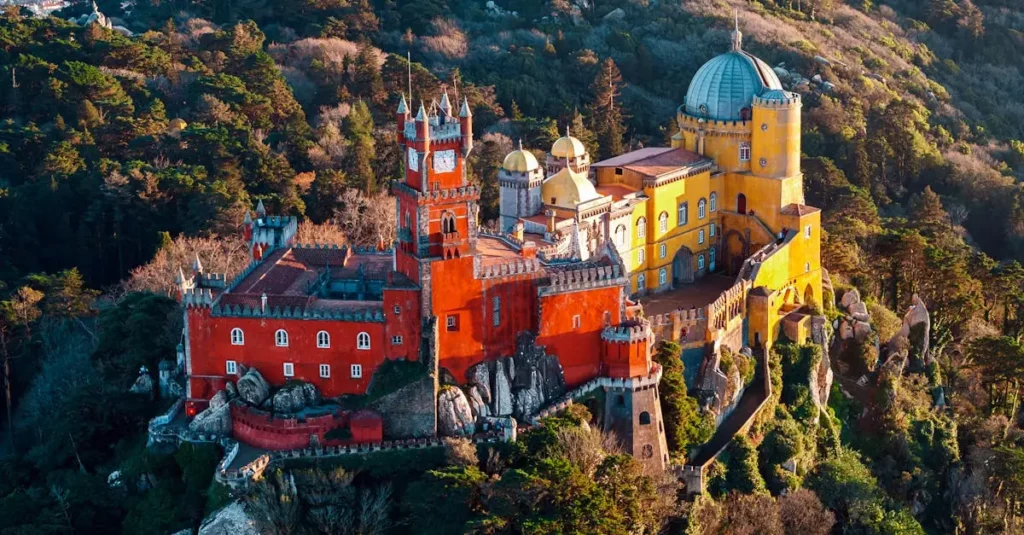
While Lisbon and Porto rightfully capture attention, Portugal’s true essence emerges when you venture beyond these well-trodden paths. For travelers seeking authentic experiences and quieter adventures, exploring the country’s underrated destinations reveals rich culture, stunning landscapes, and warm hospitality, all away from the crowds.
This guide invites you to uncover the magic that lies just off the beaten path. Discover the rolling hills and ancient history of the Alentejo, the dramatic volcanic vistas of the Azores archipelago, and the charming coastal towns of the Silver Coast. Experience unique offerings, from savoring local wines and exploring medieval villages to witnessing natural wonders and engaging with traditional fishing communities. Prepare to unveil a side of Portugal that feels timeless and vibrantly alive, promising memories far richer than any crowded landmark could offer.
Why Seek Underrated Destinations in Portugal?
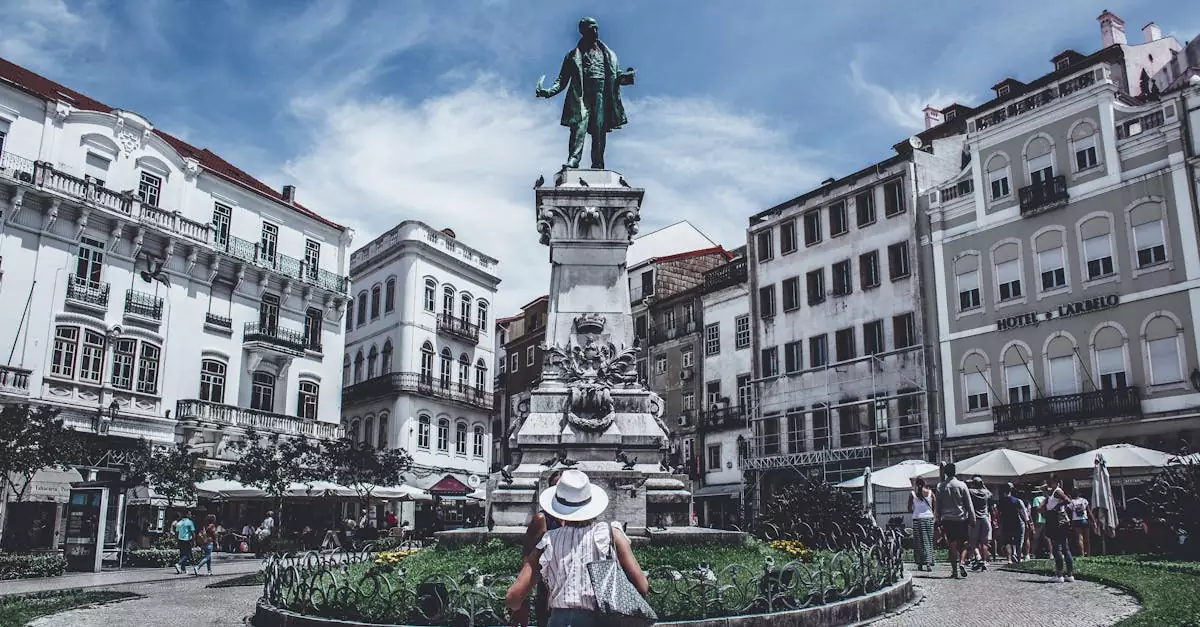
While Lisbon and Porto attract throngs with their vibrant energy and iconic landmarks, Portugal’s true charm often unfolds in its lesser-known regions. For those looking to connect more deeply with the country’s soul, exploring underrated destinations allows for a more genuine, unhurried experience. This approach fosters cultural immersion and the discovery of landscapes and traditions untouched by mass tourism.
Experiencing Authentic Portuguese Culture Away from Crowds
Visiting less-frequented towns and villages provides insight into daily Portuguese life that can be elusive in major cities. Imagine enjoying a leisurely coffee in a sunlit plaza filled with locals or stumbling upon a village festival alive with traditional music. These moments embody authentic cultural exchange. Conversations flow more easily, and hospitality feels personal when you’re not just another face in a large tour group. This is where you can truly appreciate the warmth and generosity of the Portuguese people.
Finding Unique Adventures in Portugal’s Lesser-Known Regions
Portugal’s diverse geography hides many treasures waiting to be explored. Beyond the popular Algarve beaches, consider the rugged beauty of the Alentejo coast, with its wild surf and dramatic cliffs, or the serene landscapes of the Azores, featuring volcanic craters and lush hiking trails. History enthusiasts can find ancient castles and fortified towns in the inland regions, each telling stories of Portugal’s rich past. These lesser-known areas often provide intimate and memorable adventure opportunities, from kayaking in secluded coves to hiking through cork oak forests.
Budget-Friendly Travel in Portugal’s Hidden Gems
A significant advantage of venturing off the beaten path is the potential for cost savings. Accommodation, dining, and activities in Portugal’s smaller towns are typically more affordable than in its bustling cities. This allows travelers to stretch their budgets further, possibly enjoying longer stays or indulging in more local experiences. For instance, a delicious seafood dinner in a coastal village might cost half as much as a comparable meal in Lisbon. Exploring Portugal’s underrated destinations is an excellent option for budget-conscious travelers seeking value without sacrificing quality.
Here’s a look at how costs can compare:
| Category | Lisbon (Major City) | Alentejo (Rural Region) |
|---|---|---|
| Accommodation | €80 – €200+ | €50 – €120+ |
| Meal (Mid-range) | €15 – €30 | €10 – €20 |
| Local Transport | €5 – €15 | €2 – €5 |
Note: Prices are approximate and can vary based on season and specific establishment.
Choosing to explore Portugal beyond its most famous locales opens up a world of richer experiences, deeper cultural connections, and more accessible adventures. It’s an invitation to discover the heart of this captivating European nation at a more personal pace.
Alentejo’s Rolling Hills: Castles, Wine & Serenity
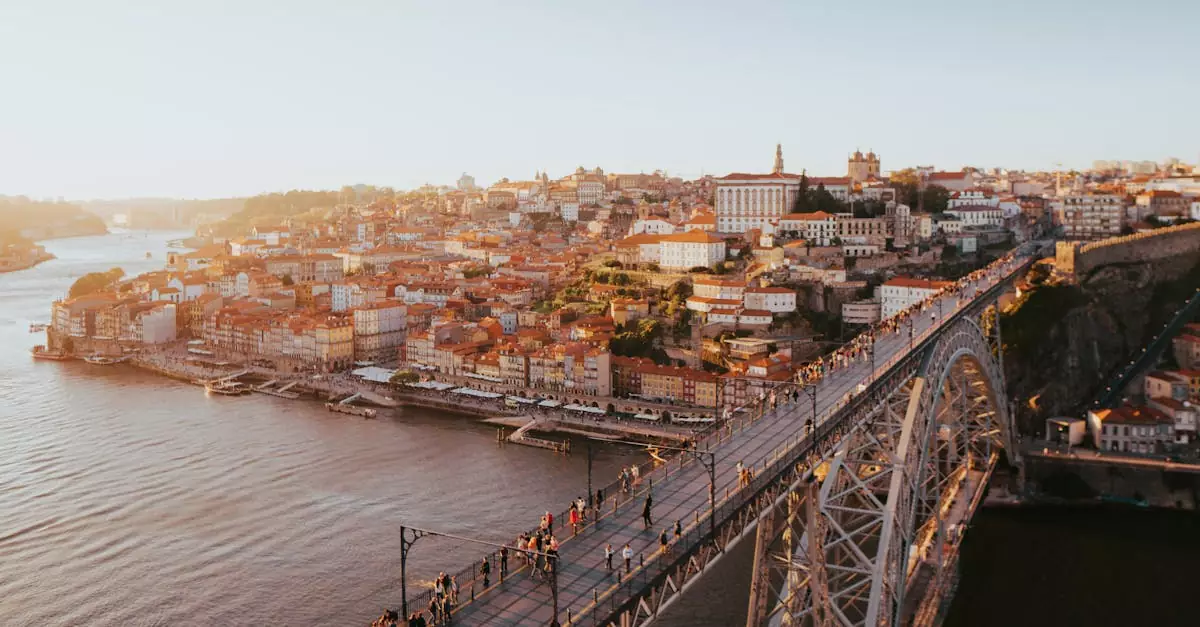
The Alentejo region, sprawling south of the Tagus River, offers a different pace of travel. This land of cork oak forests, olive groves, and sun-drenched plains is dotted with whitewashed villages and ancient castles. It’s an ideal destination for those seeking authentic experiences, delicious food and wine, and a break from the crowds often found in larger cities.
Exploring Évora: Roman History and Alentejo’s Capital
Évora, the region’s capital, is a UNESCO World Heritage city that transports visitors back in time. Its most striking landmark is the Roman Temple, a remarkably preserved Corinthian temple dating back to the 1st century AD. As you wander through the historic center, you’ll encounter the imposing Sé Cathedral and the haunting Chapel of Bones, lined with human skulls and bones.
The city’s compact historic center is easily walkable, making it enjoyable to discover its winding cobblestone streets and hidden squares. Allow at least a full day to soak in the atmosphere and history. Évora serves as an excellent base for exploring the wider Alentejo region, with numerous guesthouses and hotels available.
Monsaraz: A Medieval Village Overlooking Alqueva Lake
Perched atop a hill, the fortified village of Monsaraz offers breathtaking panoramic views. Its narrow, schist-paved streets are lined with traditional houses, and at its highest point stands a medieval castle. The village feels frozen in time, offering a tranquil escape.
Below Monsaraz lies the immense Alqueva Lake, Europe’s largest artificial lake. The contrast between the ancient stone village and the vast blue water is striking. Activities on the lake include boat trips, kayaking, and stargazing, as the area boasts exceptionally dark skies. Reaching Monsaraz typically requires a car, as public transport options are limited.
Taste of Alentejo: Cork Forests, Vineyards, and Local Cuisine
Alentejo is known for its culinary traditions and high-quality wines. The region is a major cork producer, with distinctive cork oak trees dotting the landscape. Olive oil production is also significant, with many estates offering tastings.
The cuisine is hearty and flavorful, featuring dishes like açorda alentejana (bread soup), porco preto (black pork), and various lamb preparations. Local wines, particularly reds from grapes like Aragonez and Trincadeira, are robust and pair wonderfully with regional dishes. Visiting a local quinta (wine estate) for a tasting and lunch is a quintessential Alentejo experience. Many estates are located within easy driving distance of Évora and other towns.
Best Time to Visit Alentejo for Mild Weather and Festivals
The Alentejo region experiences hot summers, making spring and autumn the most pleasant times to visit.
| Season | Weather | Activities | Notes |
|---|---|---|---|
| Spring | Mild temperatures, wildflowers blooming | Hiking, cycling, wine tasting, exploring | Pleasant for outdoor activities. |
| Summer | Hot and dry (30°C+), long daylight hours | Beach (coastal Alentejo), lake activities | Best for early mornings/late evenings. |
| Autumn | Warm and sunny, harvest season | Wine harvest festivals, food tastings | Ideal for culinary and wine enthusiasts. |
| Winter | Cool and sometimes rainy (10-15°C) | Museum visits, cozy meals, historical sites | Fewer crowds, lower accommodation prices. |
Spring (April to June) brings vibrant wildflowers and comfortable temperatures, ideal for outdoor exploration. Autumn (September to October) offers warm days, harvest celebrations, and opportunities to enjoy the region’s culinary offerings. Summer can be intensely hot, especially inland, though coastal areas provide a cooler respite. Winters are mild but can be wet, offering a quieter, more budget-friendly experience for those interested in historical sites.
Discovering the Azores: Volcanic Landscapes and Atlantic Wonders
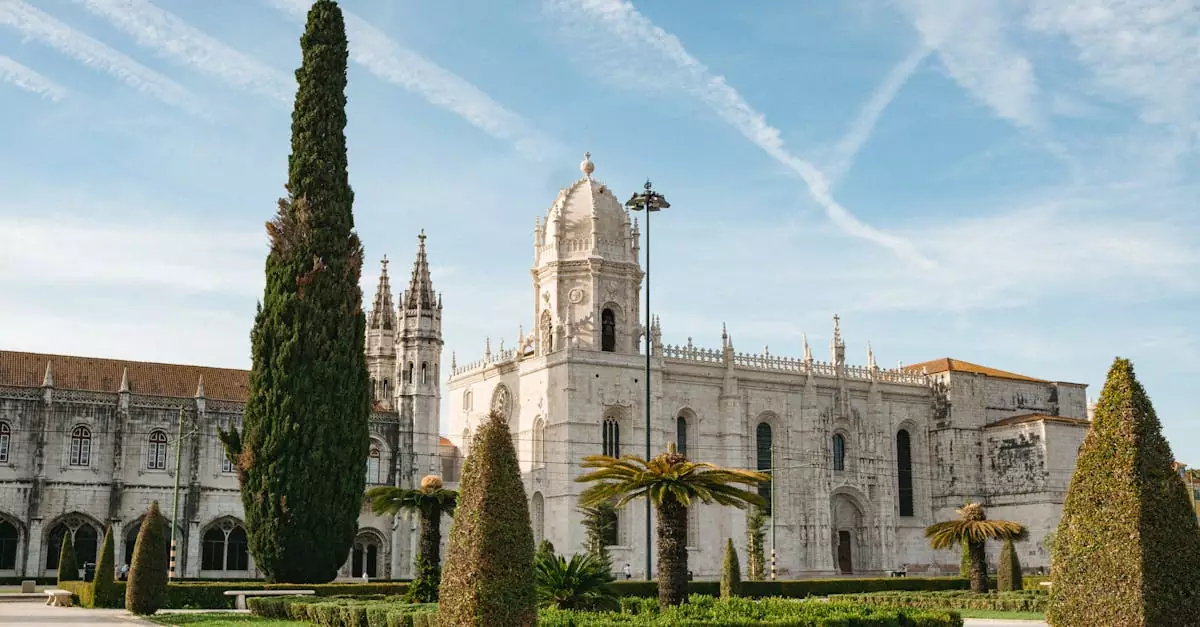
While mainland Portugal draws crowds to its historic cities and sun-drenched coastlines, the Azores archipelago offers a dramatically different yet equally captivating experience. These nine volcanic islands, scattered across the mid-Atlantic, present lush landscapes, steaming fumaroles, and abundant marine life. Visiting the Azores immerses you in raw nature, allowing exploration of some of Europe’s most unique and underrated destinations. The best time to visit is generally between May and September for warmer weather and calmer seas, though spring and autumn offer fewer crowds and vibrant floral displays.
São Miguel Island: Geothermal Hot Springs and Lush Greenery
São Miguel, the largest island in the Azores, is often called the “Green Island” for its verdant pastures and dense forests. Its dramatic volcanic origins are evident everywhere, from the iconic Sete Cidades twin lakes, set within a massive caldera, to the bubbling hot springs of Furnas Valley. Here, you can witness locals cooking cozido das Furnas (a traditional stew) using the natural geothermal heat underground. Relaxing in thermal pools like Terra Nostra Garden or Caldeira Velha is a must-do, providing a unique connection to the island’s powerful natural forces. Getting around São Miguel is easiest with a rental car, allowing flexible exploration of its scenic viewpoints and coastal roads.
Pico Island: Climbing Portugal’s Highest Mountain
Pico Island is dominated by the imposing Mount Pico, Portugal’s highest peak at 2,351 meters. This stratovolcano offers a challenging yet rewarding hike for experienced trekkers, with panoramic views stretching across the central group of islands on clear days. The island is also renowned for its unique UNESCO World Heritage vineyards, where grapes are grown in small plots enclosed by dark volcanic stone walls, known as currais. Exploring these distinctive landscapes and sampling the local Verdelho wine is a cultural highlight. Pico is accessible by ferry from Faial or São Jorge, or by a short flight from other Azorean islands.
Whale Watching & Marine Life in the Azorean Archipelago
The Azores are a world-class destination for whale and dolphin watching. The nutrient-rich waters surrounding the islands attract diverse cetaceans, including sperm whales, fin whales, blue whales, and several dolphin species year-round. Boat tours depart from various islands, with São Miguel and Pico being popular departure points. Responsible tour operators prioritize the welfare of marine life, ensuring respectful observation distances. Beyond whales, the waters teem with life, making snorkeling and diving opportunities equally spectacular for those keen to explore this vibrant underwater world. The sheer abundance and variety of marine creatures make the Azores a true natural wonder.
The Silver Coast (Costa de Prata): Coastal Charms & Historic Towns
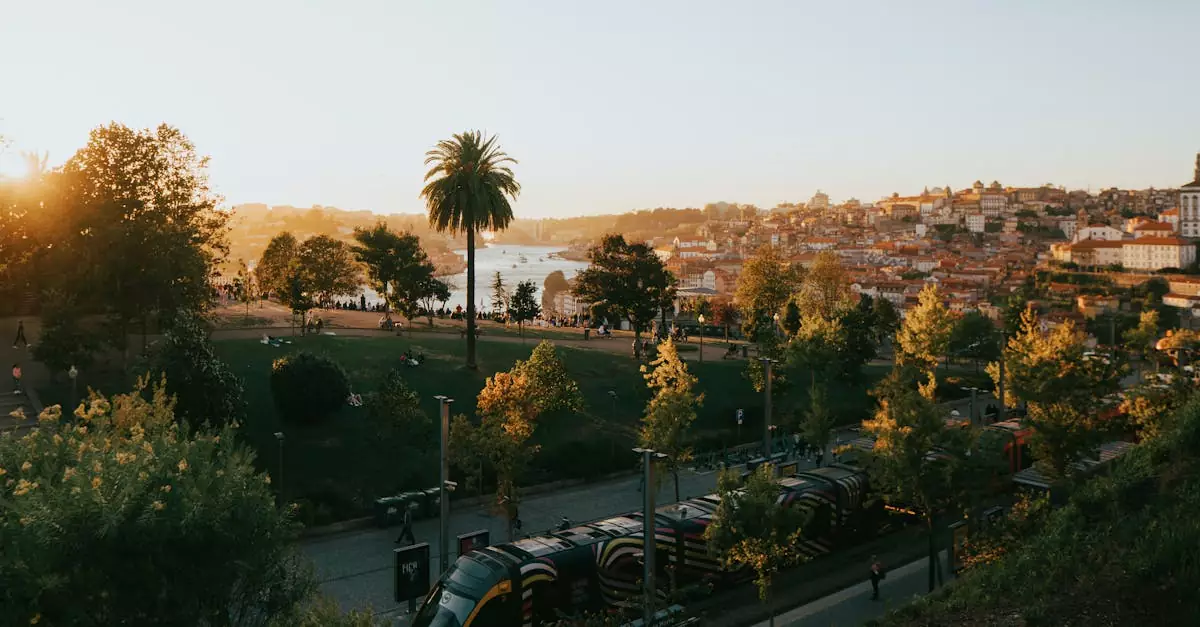
Beyond the bustling metropolises of Lisbon and Porto, Portugal’s Silver Coast, or Costa de Prata, offers a compelling alternative for travelers seeking authentic experiences. This region stretches along the Atlantic shoreline, boasting dramatic cliffs, expansive beaches, and a string of captivating towns steeped in history and local culture. It’s a less-trodden path that rewards visitors with stunning natural beauty and a slower pace of life, making it one of Portugal’s most underrated destinations.
Nazaré: Big Wave Surfing and Traditional Fishing Culture
Nazaré is world-renowned for its colossal winter waves, drawing professional surfers to its shores. However, the town retains its charm beyond the surf season. The traditional fishing community is still vibrant, with women often seen wearing seven layers of skirts, a distinctive local attire. Watching the fishermen mend their nets or the colorful boats return to shore offers a glimpse into a way of life that has persevered for generations. For those interested in the ocean’s power, visiting the Sítio da Nazaré viewpoint provides breathtaking panoramas and insight into the geological formations that create these legendary waves.
Óbidos: A Fairytale Walled Town
Step back in time in Óbidos, a perfectly preserved medieval town enclosed by ancient castle walls. Wandering through its narrow, cobblestone streets, you’ll find whitewashed houses adorned with vibrant bougainvillea and charming artisan shops. The iconic Castelo de Óbidos stands as a testament to its strategic past. Don’t miss trying the local cherry liqueur, Ginjinha de Óbidos, often served in a chocolate cup – a delightful treat unique to this enchanting location. Óbidos is particularly magical during its various festivals, such as the Medieval Market or the Chocolate Festival, which transform the town into a lively spectacle.
Aveiro: ‘The Venice of Portugal’ with its Moliceiro Boats
Often called ‘The Venice of Portugal,’ Aveiro captivates visitors with its tranquil canals and colorful moliceiro boats. These traditional vessels, once used for seaweed harvesting, now offer scenic tours along the Ria de Aveiro. The city’s Art Nouveau architecture adds a unique aesthetic, with elegantly decorated buildings lining the waterways. Sample the local sweet treat, ovos moles, a delicate confection made from egg yolks and sugar, a regional specialty. Aveiro provides a relaxed atmosphere, perfect for leisurely strolls and enjoying the coastal scenery.
Exploring Fátima: A Major Pilgrimage Site
Fátima is one of the most significant Catholic pilgrimage sites in the world, attracting millions of visitors annually. The Sanctuary of Our Lady of Fátima is the focal point, comprising the Chapel of the Apparitions, the Basilica of Our Lady of the Rosary, and the modern Basilica of the Holy Trinity. Regardless of religious affiliation, the sheer scale and devotion here are profound. The town itself is geared towards pilgrims, with numerous religious shops and accommodations. Visiting during the main pilgrimage dates in May and October offers a more intense, communal experience, though it also means larger crowds.
Exploring Portugal’s Underrated Destinations: A Sample Itinerary
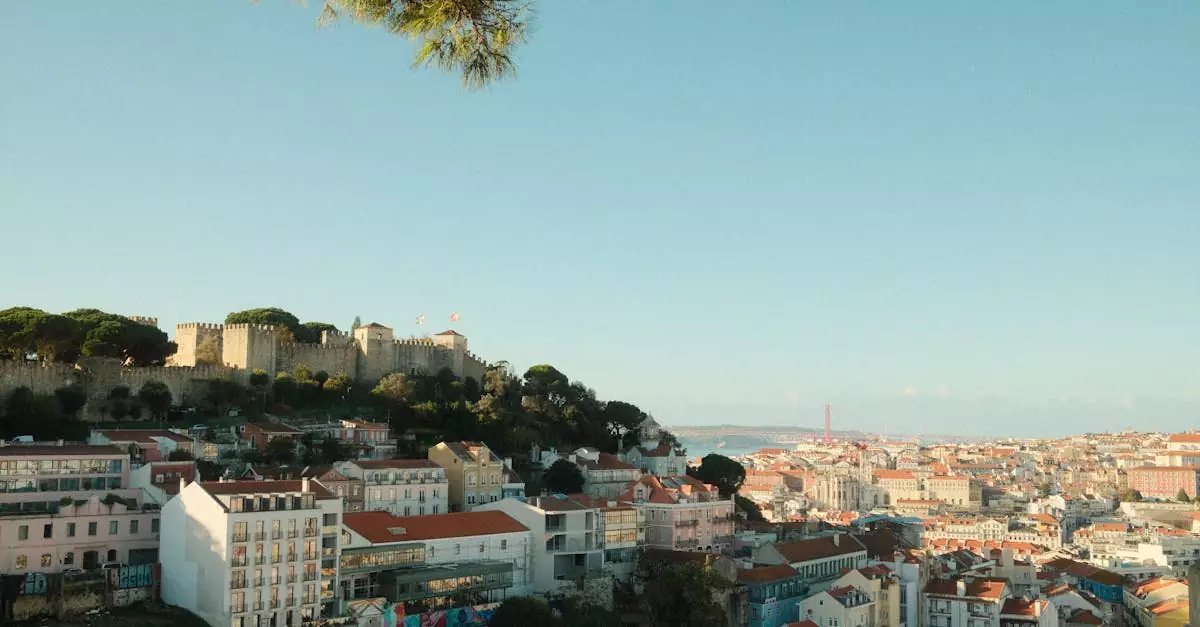
Venturing beyond the well-trodden paths of Lisbon and Porto reveals a Portugal rich in diverse landscapes and authentic experiences. For travelers seeking quieter corners of this Iberian gem, planning an itinerary around its less-explored regions offers a rewarding journey. Consider these sample itineraries as a starting point for discovering Portugal’s underrated destinations.
7-Day Alentejo & Silver Coast Road Trip Itinerary
This itinerary focuses on a blend of rolling countryside, historic towns, and dramatic coastlines, ideal for those who appreciate scenic drives and a slower pace. A rental car is essential for this route, providing the flexibility to stop at charming villages and hidden beaches.
- Day 1-2: Évora & Alentejo Plains: Begin in Évora, a UNESCO World Heritage city, exploring its Roman Temple and Chapel of Bones. Spend a day driving through the Alentejo’s cork oak forests and vineyards, perhaps stopping at a local winery for a tasting.
- Day 3-4: Monsaraz & Alqueva Lake: Journey to the picturesque hilltop village of Monsaraz, offering stunning views over Alqueva, one of Europe’s largest artificial lakes. Enjoy stargazing in this Dark Sky Reserve or take a boat trip on the tranquil waters.
- Day 5-6: Nazaré & Óbidos: Head west towards the Silver Coast. Experience the dramatic waves of Nazaré (best viewed in winter) and explore the medieval walled town of Óbidos, known for its ginja liqueur.
- Day 7: Peniche & Departure: Visit the fishing town of Peniche, a surfing hub, before concluding your trip. This route offers a taste of Portugal’s vast interior and its rugged Atlantic coast.
Budget Considerations: The Alentejo region is generally more budget-friendly than the Algarve or major cities, particularly for accommodations and local cuisine. Road trip expenses will include car rental, fuel, and tolls.
10-Day Azores Adventure for Nature Lovers
For a truly off-the-beaten-path experience, the Azores archipelago offers unparalleled natural beauty. This itinerary focuses on São Miguel, the largest island, providing a comprehensive introduction to the volcanic landscapes, lush greenery, and unique culture of this autonomous region. Inter-island flights are readily available for those wishing to explore further.
- Day 1-3: Ponta Delgada & Sete Cidades: Arrive in Ponta Delgada and explore its historic center. Dedicate a day to the iconic Sete Cidades caldera, with its twin blue and green lakes, offering breathtaking viewpoints.
- Day 4-5: Furnas Valley: Immerse yourself in the geothermal wonders of Furnas. Witness volcanic activity, bathe in natural hot springs like Terra Nostra Park, and sample Cozido das Furnas, a stew cooked underground by volcanic heat.
- Day 6-7: Nordeste & Coastal Exploration: Drive to the verdant Nordeste region, known for its dramatic cliffs, waterfalls, and well-preserved natural parks. Explore coastal trails and discover hidden coves.
- Day 8-9: Lagoa do Fogo & West Coast: Visit the stunning Lagoa do Fogo, a pristine crater lake. Explore the western tip of the island, including the volcanic formations of Mosteiros.
- Day 10: Departure: Enjoy a final Azorean breakfast before departing from Ponta Delgada.
Transportation: While rental cars are recommended for flexibility on São Miguel, the island also has a bus network. For exploring other islands like Pico or Terceira, inter-island flights are the most practical option.
Solo Travel Tips for Exploring Portugal’s Hidden Gems
Traveling solo in Portugal’s less-visited areas is generally safe and rewarding. The country’s welcoming culture and excellent infrastructure make it accessible for independent travelers.
- Safety: Portugal is consistently ranked as one of the safest countries in Europe. Exercise standard precautions, especially in larger towns, and be aware of your surroundings. The Azores, in particular, offer a very safe environment for solo exploration.
- Accommodation: Hostels are abundant and provide a great way to meet other travelers, especially in towns like Évora or Ponta Delgada. For more privacy, consider guesthouses (pensões) or local apartment rentals (Alojamento Local).
- Connectivity: Wi-Fi is widely available in accommodations and cafes. Purchasing a local SIM card can be cost-effective for data and local calls.
- Language: While many Portuguese speak some English, learning a few basic Portuguese phrases will be greatly appreciated by locals, especially in more rural areas.
By stepping off the main tourist trail, you can uncover the authentic heart of Portugal, from the sun-drenched plains of the Alentejo to the dramatic volcanic landscapes of the Azores. These underrated destinations promise a richer, more personal travel experience.
Frequently Asked Questions About Portugal’s Underrated Spots
What are the best hidden gems in Portugal for foodies?
For a true taste of Portugal beyond the usual tourist trails, focus on regions known for specific culinary traditions. The Alentejo region, for instance, offers hearty stews, artisanal cheeses, and exceptional olive oils. Look for tascas (traditional taverns) in towns like Évora or Monsaraz for authentic, home-style cooking. In the north, the Minho province is celebrated for its vinho verde wine and fresh seafood dishes, particularly in coastal towns like Caminha. Don’t miss the opportunity to try bacalhau (codfish) prepared in countless local variations; each small town often has its own specialty.
How easy is it to get around Portugal’s underrated regions?
Getting around Portugal’s less-visited areas often requires a bit more planning than in Lisbon or Porto. While major cities are well-connected by train and bus, reaching smaller towns and rural landscapes usually involves a combination of public transport and local buses, or ideally, a rental car. Renting a car offers the most flexibility for discovering hidden beaches or remote villages in regions like the Alentejo or Central Portugal. Some areas, particularly in the Azores or Madeira, have limited public transport outside their main towns, making car hire essential for independent exploration.
Here’s a general overview of transportation options:
| Region Type | Primary Transport | Secondary Options | Best For |
|---|---|---|---|
| Rural/Inland | Rental Car | Local Buses | Flexibility, remote village access |
| Coastal Towns | Train/Bus | Rental Car | Scenic routes, accessing specific towns |
| Islands (Azores/Madeira) | Rental Car | Inter-island Flights | Island hopping, comprehensive exploration |
Are Portugal’s less-visited areas safe for tourists?
Portugal consistently ranks as one of the safest countries in Europe, and its less-visited regions are no exception. Petty crime like pickpocketing is rare, even in more popular spots, and virtually nonexistent in rural areas. Standard travel precautions, such as being aware of your surroundings and securing valuables, are sufficient. The welcoming nature of locals in these regions means visitors often feel very secure and at ease.
What should I pack for visiting Portugal’s diverse landscapes?
Packing for Portugal’s underrated destinations depends heavily on the region and time of year. For the Alentejo, which can be very hot in summer, light, breathable clothing, a wide-brimmed hat, and sunscreen are essential. If you plan to visit the Serra da Estrela mountains, expect cooler temperatures, even in summer, and pack layers, including a fleece or light jacket, and sturdy walking shoes. For coastal areas, swimwear, a light jacket for cooler evenings, and comfortable walking shoes are advisable year-round. Regardless of destination, comfortable walking shoes are a must, as you’ll likely do a lot of exploring on foot.