Africa is a continent rich with natural wonders, offering some of the most diverse and thrilling wildlife encounters on Earth. From the thundering hooves of the Great Migration to the quiet majesty of mountain gorillas and the unique adaptations of desert-dwelling creatures, the opportunities for discovery are vast. This guide explores the best wildlife experiences in Africa, highlighting iconic destinations and unique opportunities that promise unforgettable adventures. You’ll discover prime locations for witnessing these spectacles, the optimal times to visit, and practical tips for planning your journey. Whether you dream of spotting the Big Five on a classic safari or encountering endemic species in their natural habitats, prepare to be captivated by the raw beauty and incredible biodiversity of Africa’s wilderness.
Witnessing the Great Migration: A Top African Wildlife Experience
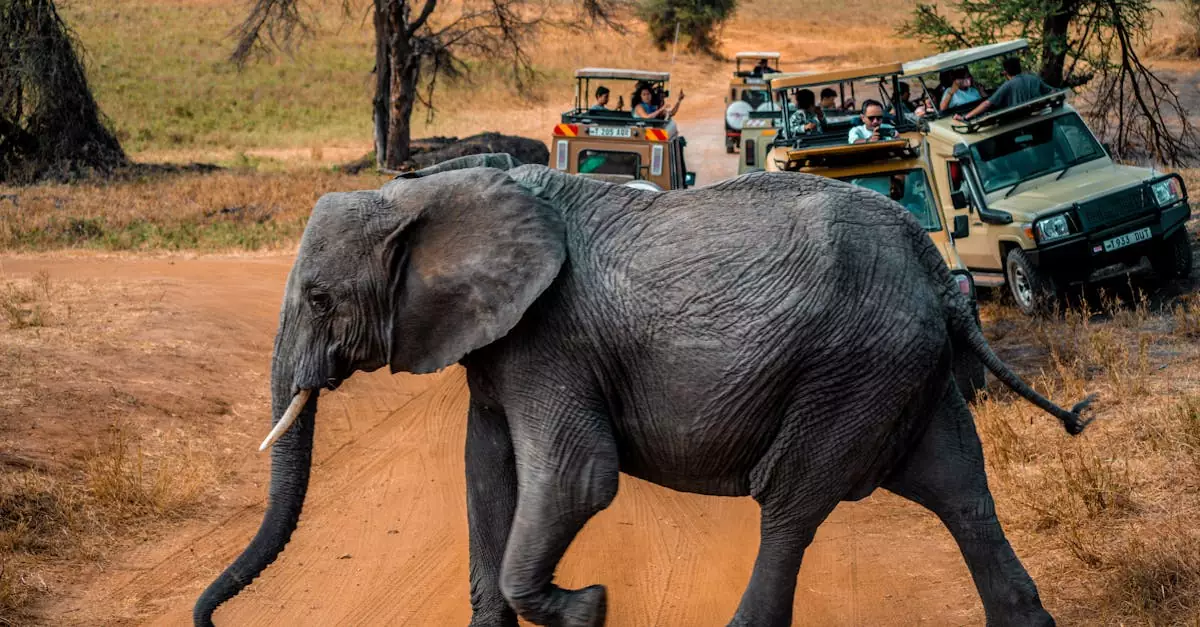
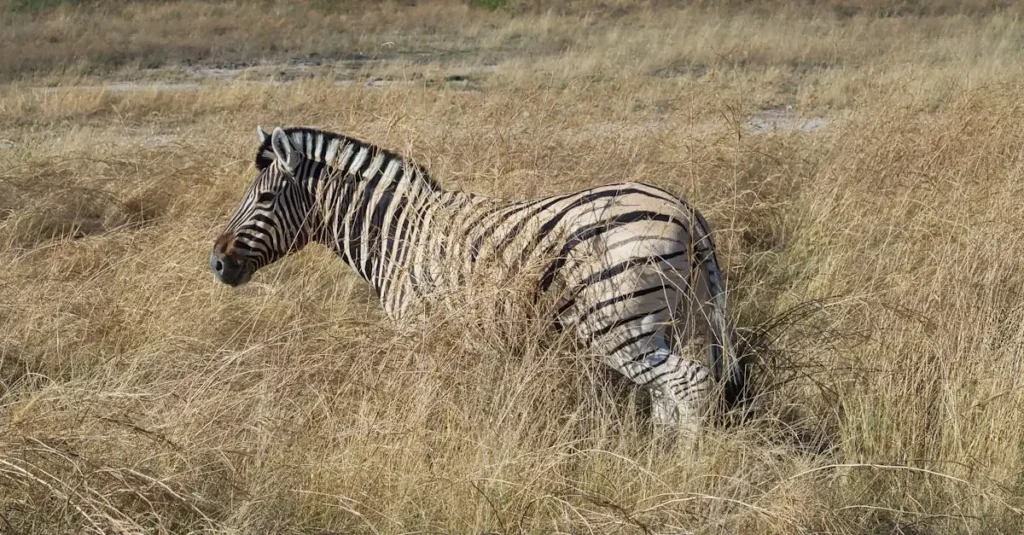
The Great Migration is one of the most awe-inspiring natural spectacles on the planet, a highlight among Africa’s wildlife experiences. This colossal movement of over 1.5 million wildebeest, along with zebras and gazelles, treks across the Serengeti-Mara ecosystem in search of fresh grazing lands, showcasing nature’s raw power and resilience. To witness this event, it’s essential to understand its timing and geography, as the herds are constantly on the move.
Serengeti National Park, Tanzania: The Heart of the Migration
Tanzania’s Serengeti National Park is the primary breeding ground and a crucial part of the Great Migration’s cycle. From December to March, the southern Serengeti comes alive with calving season, when thousands of wildebeest calves are born. This period offers incredible predator-prey interactions as lions, hyenas, and cheetahs capitalize on the vulnerable newborns. Later in the year, the herds journey northwards, often crossing the Grumeti River.
Travelers can access the Serengeti via Kilimanjaro International Airport (JRO) with a connecting flight to one of the park’s airstrips, or by road from Arusha. Accommodation options range from luxury tented camps positioned near the herds to more permanent lodges offering comfort and amenities. Booking safaris and accommodations well in advance is essential, especially during peak migration months.
Maasai Mara National Reserve, Kenya: Prime Viewing Locations
As the migration moves north, it enters Kenya’s Maasai Mara National Reserve, typically between July and October. The Mara River crossings are the most dramatic and sought-after events during this period. Witnessing hundreds, sometimes thousands, of wildebeest plunge into the crocodile-infested waters is an unforgettable experience. The open plains of the Mara also provide excellent opportunities to spot predators like lions, leopards, and cheetahs actively hunting the migrating herds.
Getting to the Maasai Mara usually involves flying from Nairobi’s Wilson Airport to one of the reserve’s airstrips. Road transfers are an option but are significantly longer. The Maasai Mara offers a similar range of accommodations to the Serengeti, from intimate mobile camps that follow the migration to established lodges. Many lodges provide guided game drives with experienced Maasai guides who possess deep knowledge of the local wildlife and terrain.
Best Time to See the Great Migration for Unforgettable Sightings
The optimal time to witness the Great Migration depends on what specific part of the spectacle you wish to see.
| Period | Location | Key Events |
|---|---|---|
| December – March | Southern Serengeti, Tanzania | Calving season, large herds, predator activity |
| April – May | Western Serengeti, Tanzania | Moving north, river crossings (Grumeti River) |
| July – October | Maasai Mara, Kenya | Mara River crossings, peak predator sightings |
| November – December | Eastern Serengeti, Tanzania | Herds moving south, shorter grass, dispersal |
For the iconic Mara River crossings, aim for July to October. If calving season and lush green plains are more appealing, January to March in the southern Serengeti is ideal. Planning your trip around these timings is crucial for maximizing your chances of a truly unforgettable wildlife encounter in Africa. For more information on African travel, the African Tourism Board website is a valuable resource.
Gorilla Trekking Adventures: An Intimate Encounter with Primates
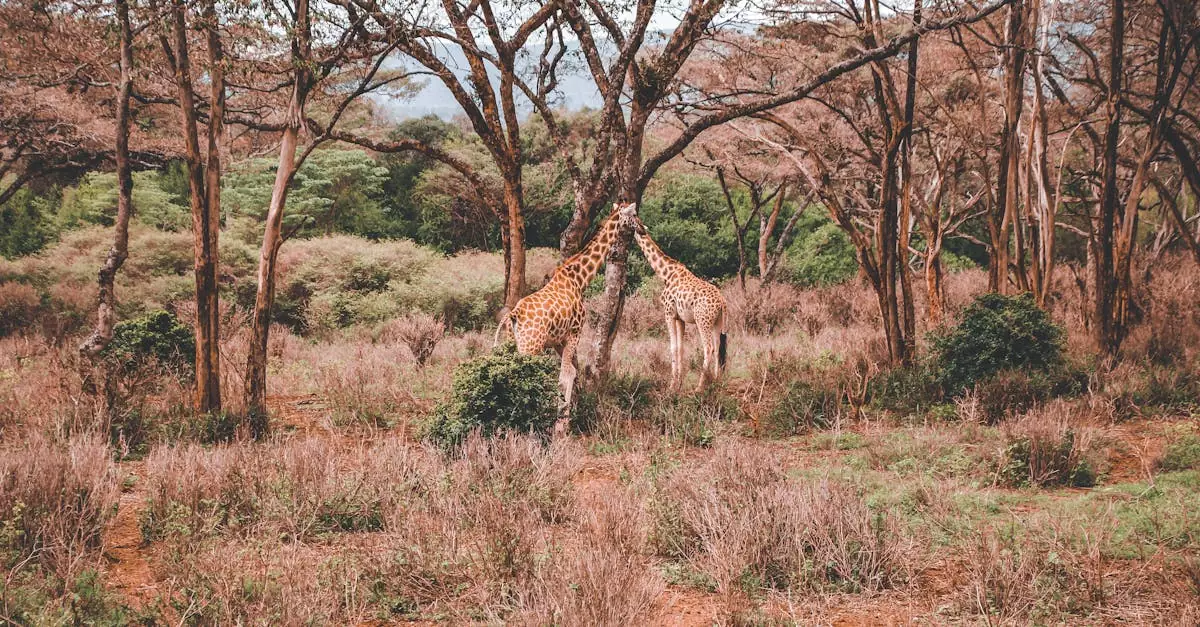
Gorilla trekking offers some of the most profound wildlife experiences in Africa, bringing you face-to-face with our closest relatives in their natural habitat. This is not a passive viewing experience; it’s an active, immersive journey into dense forests that requires preparation and respect for these magnificent creatures. Observing a family group, witnessing their social interactions, and feeling their presence is truly unforgettable.
Bwindi Impenetrable National Park, Uganda: Gorilla Habituation Experiences
Bwindi Impenetrable National Park in southwestern Uganda is a UNESCO World Heritage site known for its high density of mountain gorillas. The park offers a unique gorilla habituation experience, allowing visitors to spend up to four hours with a gorilla family becoming accustomed to human presence. This extended time provides unparalleled insights into gorilla behavior, from infant play to the quiet strength of the silverbacks.
The trek can be challenging, involving steep, muddy, and sometimes slippery terrain. Trekkers are advised to wear sturdy hiking boots, waterproof clothing, and to bring plenty of water and snacks. Hiring porters is highly recommended, as they assist with carrying gear and support the local community. The guides are knowledgeable about gorilla behavior and the forest ecosystem, ensuring a safe and informative trek.
Volcanoes National Park, Rwanda: Golden Monkey and Gorilla Treks
Volcanoes National Park in Rwanda, part of the larger Virunga Mountains, is another premier destination for primate encounters. Here, you can trek to see habituated mountain gorilla families and also seek out the endangered golden monkeys. The golden monkey trek is generally shorter and less strenuous than gorilla trekking, offering a different yet equally rewarding experience.
The dramatic landscape of Volcanoes National Park, with volcanic peaks as a backdrop, enhances the trekking experience. Gorilla treks often involve traversing bamboo forests and volcanic slopes. While the terrain can be challenging, the park’s infrastructure is well-developed, and the habituated gorilla groups are accustomed to visitors. Rwanda is known for its organized tourism sector, making logistics smooth and efficient.
Permits and Preparation for Gorilla Trekking Safaris
Securing gorilla permits is the most critical step in planning your trek. These permits are limited and sell out months in advance, especially during peak seasons. In Uganda, a gorilla permit costs $700 USD, while in Rwanda, it is $1,500 USD. The permit fee grants you one hour of observation time with the gorillas.
Key Preparation Steps:
- Book Permits Early: Purchase permits directly from the Uganda Wildlife Authority or Rwanda Development Board, or through a reputable tour operator.
- Physical Fitness: Be prepared for strenuous hiking. While trek durations vary, some can last several hours.
- Vaccinations and Health: Consult your doctor about recommended vaccinations, including Yellow Fever, and malaria prophylaxis.
- Packing Essentials: Pack waterproof clothing, sturdy hiking boots, insect repellent, sunscreen, a hat, and a reusable water bottle. Binoculars can enhance your viewing experience.
- Respectful Conduct: Maintain a distance of at least 7 meters (23 feet) from the gorillas, avoid direct eye contact with silverbacks, and refrain from eating or drinking near them. Do not use flash photography.
The best time for gorilla trekking is during the dry seasons, which typically run from June to August and December to February. However, these forests are tropical, so rain can occur year-round. Choosing a reputable tour operator can simplify the planning process, handling accommodation, transportation from major airports like Entebbe or Kigali, and park logistics. For more information on African tourism, the African Tourism Board is a valuable resource.
Exploring Southern Africa’s Diverse Wildlife Sanctuaries
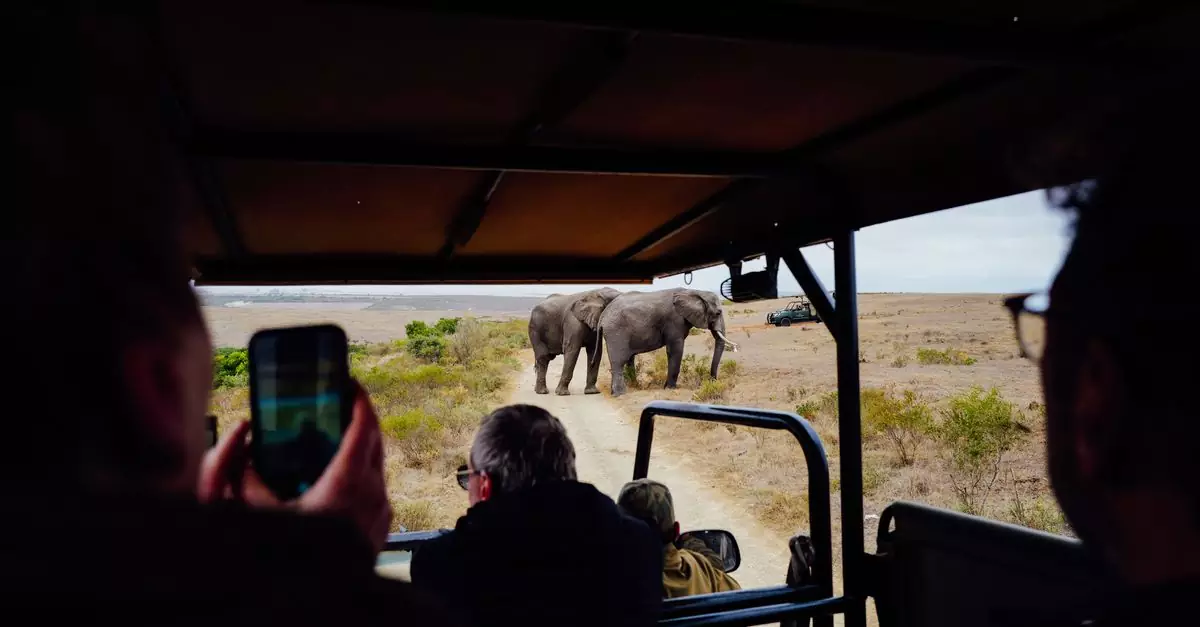
Southern Africa offers some of the most iconic and accessible wildlife experiences on the continent. From the vast plains of Kruger to the unique waterways of the Okavango Delta, this region provides unparalleled opportunities to witness incredible animal behavior and diverse ecosystems. Planning a trip here often involves choosing between self-drive adventures and guided, lodge-based safaris, each providing a distinct perspective on the natural world.
Okavango Delta, Botswana: Mokoro Safaris and Birdwatching
The Okavango Delta is a UNESCO World Heritage site, a vast inland delta that transforms the arid Kalahari Desert into a lush, vibrant wetland. This unique ecosystem supports an astonishing array of wildlife. The primary way to experience the delta is by mokoro, a traditional dugout canoe, which allows for a silent, intimate approach to wildlife along the water channels.
Travelers can glide past hippos, crocodiles, and numerous bird species, including the elusive Pel’s fishing owl and various kingfishers. Mokoro excursions are often combined with walking safaris on the delta’s islands, guided by experienced local trackers who can point out smaller details like animal tracks and insects. Birdwatching is exceptional here, with over 400 species recorded.
Logistics and Timing:
The best time to visit the Okavango Delta is during the dry season, from May to October, when floodwaters arrive, concentrating wildlife around the permanent channels and islands. Accommodation ranges from luxury tented camps to more rustic bush lodges, often accessible only by light aircraft from Maun.
- Peak Season: May to October
- Low Season: December to March (more rain, but greener landscapes)
- Getting Around: Light aircraft transfers, mokoro, walking safaris.
Kruger National Park, South Africa: Self-Drive and Guided Game Drives
Kruger National Park is one of Africa’s largest and most famous game reserves, renowned for its accessibility and high density of wildlife, including the “Big Five” (lion, leopard, elephant, rhino, and buffalo). Its vast size and well-maintained road network make it a prime destination for self-drive safaris, allowing visitors to explore at their own pace.
For those preferring a more curated experience, numerous private game lodges bordering Kruger offer guided game drives in open-top vehicles, often with expert guides and trackers who can locate animals that might be missed on a self-drive. These lodges also provide night drives, offering a chance to see nocturnal species. The park’s infrastructure includes rest camps with basic amenities, restaurants, and shops, making it suitable for various budgets.
Self-Drive vs. Guided Safaris in Kruger:
| Feature | Self-Drive Safari | Guided Safari (Private Lodge) |
|---|---|---|
| Flexibility | High; set your own schedule | Lower; follow lodge’s schedule |
| Cost | Generally more budget-friendly | Higher; includes accommodation, meals, and activities |
| Wildlife Access | Good; main roads and loops | Excellent; off-road driving, private concessions |
| Expertise | Relies on personal observation and park maps | Provided by experienced guides and trackers |
| Accommodation | Rest camps, private lodges outside park boundaries | Exclusive lodges within private game reserves |
Chobe National Park, Botswana: Elephant Herds and River Safaris
Chobe National Park is celebrated for its immense elephant population, estimated to be one of the largest in Africa. The park’s diverse habitats, from the Chobe Riverfront in the east to the Savuti Marsh in the west, support a wide variety of wildlife. The Chobe Riverfront is particularly famous for its large herds of elephants and buffalo that congregate along the riverbanks, especially during the dry season.
River safaris on the Chobe River are a highlight, offering a unique vantage point to observe elephants swimming, bathing, and interacting. These boat trips also provide excellent opportunities for birdwatching and spotting hippos, crocodiles, and various antelope species. For those interested in predator sightings, the Savuti region is known for its lion prides and hyena populations.
Seasonal Highlights in Chobe:
- Dry Season (May-October): Elephants and other animals gather at the Chobe River, making river safaris highly rewarding. This is also a peak time for visitor numbers.
- Wet Season (November-April): Landscapes are lush and green, offering excellent birdwatching. Wildlife disperses, making sightings more challenging but rewarding for those seeking a less crowded experience.
When planning your trip to Southern Africa, consider how these different parks align with your interests, whether it’s the serene mokoro journeys of the Okavango, the vast plains of Kruger, or the riverine spectacle of Chobe. Each destination provides a distinct and unforgettable way to experience Africa’s wildlife. For more information on African tourism, visit the African Tourism Board.
Beyond the Big Five: Unique Wildlife Encounters in Africa
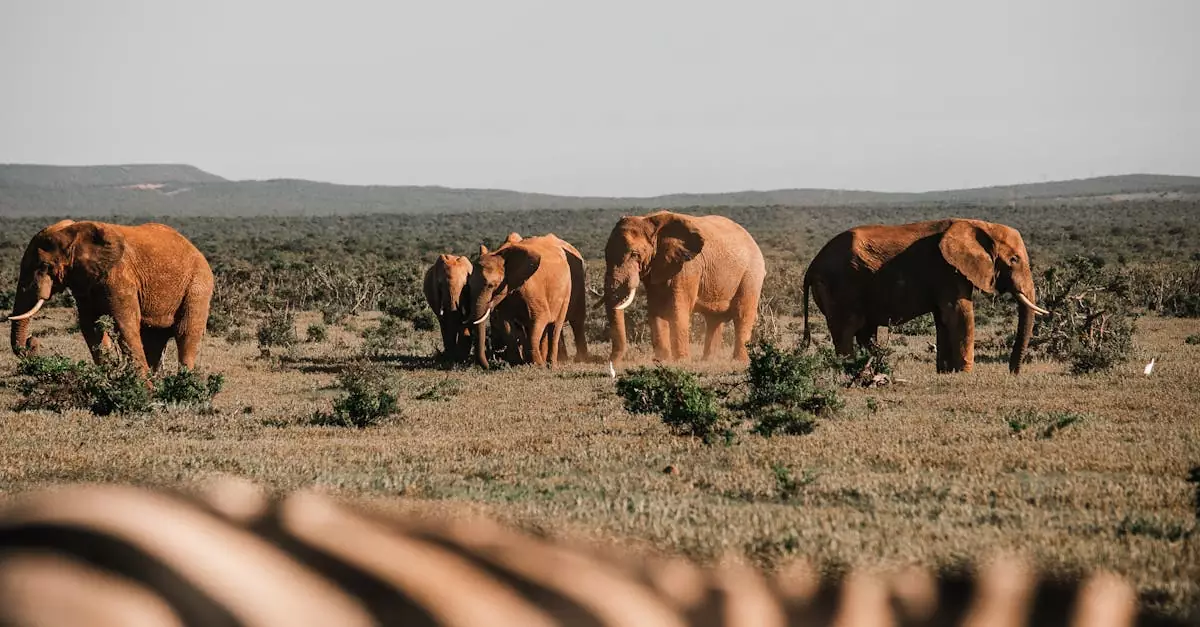
While the iconic Big Five – lion, leopard, elephant, rhino, and buffalo – rightfully draw crowds, Africa offers a tapestry of unique wildlife experiences that extend far beyond this celebrated group. For travelers seeking encounters with creatures found nowhere else on Earth, the continent presents a wealth of opportunities. These distinct experiences often require a different approach to planning, focusing on specialized habitats and the specific behaviors of their inhabitants.
Madagascar’s Lemurs: A Primate Paradise of Endemic Species
Madagascar stands as a biological treasure trove, having evolved in isolation and resulting in an astonishing number of endemic species. Among its most captivating residents are lemurs, a diverse group of primates found only on this island. From the playful ring-tailed lemurs with their distinctive black and white rings to the nocturnal sportive lemurs and the larger indri, observing these creatures in their natural habitat is truly unforgettable.
Visiting Madagascar to see lemurs involves understanding their distribution across various national parks and reserves. Parc National de Ranomafana in the southeast is renowned for its rainforest biodiversity and several lemur species, while the spiny forests of southern Madagascar are home to the iconic ring-tailed lemur. Many lodges and tour operators specialize in lemur-focused tours, often including knowledgeable guides who can help spot these often well-camouflaged animals.
Logistics for Lemur Encounters:
- Best Time to Visit: April to November offers drier weather, though lemurs are visible year-round. The rainy season (December to March) can make some trails difficult.
- Getting Around: Internal flights are common between major cities, but travel within regions often relies on 4×4 vehicles due to road conditions.
- Accommodation: Options range from basic park bungalows to comfortable lodges, often situated close to prime viewing areas.
Namib Desert: Desert-Adapted Elephants and Oryx
The stark beauty of the Namib Desert conceals a surprising resilience of life, particularly evident in its desert-adapted elephants and elegant oryx. These animals have evolved remarkable strategies to survive in one of the world’s driest regions. The elephants, leaner and with longer legs than their savanna cousins, master the art of finding scarce water sources and navigating vast sand dunes. Observing them traverse this arid landscape is a testament to nature’s adaptability.
The Skeleton Coast National Park and the surrounding Damaraland region are key areas for spotting these specialized desert dwellers. Guided excursions, often in sturdy 4×4 vehicles, are essential for navigating the remote terrain and increasing your chances of sightings. Local guides possess intimate knowledge of animal movements and waterhole locations. The oryx, with their striking black and white facial markings and long, straight horns, are equally at home in this harsh environment, often seen grazing on sparse vegetation or silhouetted against the dramatic desert scenery.
Desert Wildlife Viewing Tips:
- Timing: Early morning and late afternoon offer the best light and animal activity.
- Guides: Hiring local guides is crucial for safety and successful sightings.
- Water: Always carry ample water, as the desert environment is unforgiving.
Zanzibar’s Jozani Forest: Red Colobus Monkey Encounters
Zanzibar, the famed spice island off the coast of Tanzania, offers more than just pristine beaches. Its Jozani Chwaka Bay National Park is the last sanctuary for the endemic Zanzibar red colobus monkey, a critically endangered primate. These striking monkeys, with their distinctive red coats and white tufts, are a joy to observe as they leap through the canopy or forage on the forest floor.
A visit to Jozani Forest is straightforward, making it an accessible wildlife experience for many travelers. The park is easily reached by taxi or organized tour from Stone Town or the island’s beach resorts. Well-maintained boardwalks and trails allow for easy exploration, and park rangers are available to guide visitors and provide information about the monkeys’ behavior and conservation status. Beyond the red colobus, the forest is also home to Sykes monkeys, various bird species, and a unique mangrove ecosystem.
Planning a Jozani Forest Visit:
- Duration: A half-day trip is usually sufficient.
- What to Bring: Comfortable walking shoes, insect repellent, and a camera.
- Conservation: Entrance fees contribute directly to protecting the red colobus monkey population.
These destinations illustrate that the best wildlife experiences in Africa extend beyond the well-trodden safari circuits. By venturing into unique ecosystems and seeking out endemic species, travelers can discover the continent’s extraordinary biodiversity in profoundly memorable ways.
Planning Your Ultimate African Wildlife Safari: What Travelers Need to Know
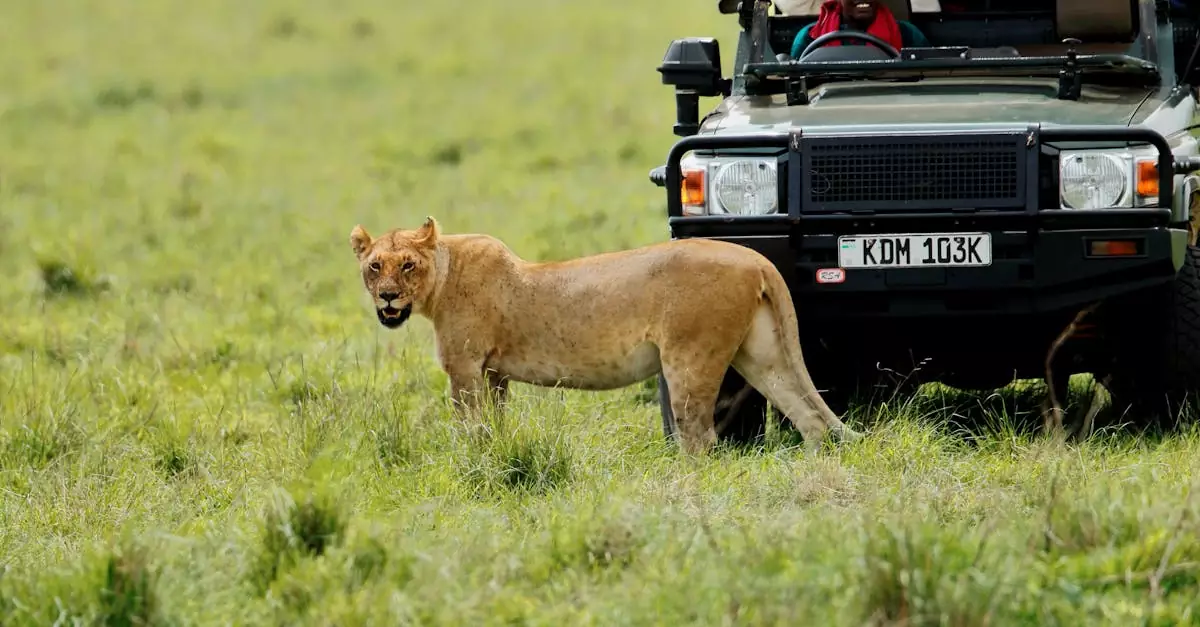
Embarking on a journey to witness Africa’s incredible wildlife is a dream for many. To ensure your adventure is unforgettable for all the right reasons, careful planning is essential. Understanding the nuances of safari types, the best seasons for viewing, what to pack, and how to budget will lay the foundation for an exceptional experience. This guide provides practical insights to help you navigate the planning process for the best wildlife experiences in Africa.
Choosing the Right Safari Type: Lodge vs. Camping vs. Mobile
The type of safari accommodation you choose significantly impacts your experience, budget, and level of immersion.
- Luxury Lodges: These offer comfort and convenience, often with en-suite bathrooms, gourmet meals, and swimming pools. They provide a relaxing base after game drives and are well-suited for travelers seeking a pampered experience. While offering excellent service, they can be the most expensive option.
- Tented Camps: Ranging from rustic to semi-luxury, tented camps provide a closer connection to nature without sacrificing too much comfort. Many feature comfortable beds, private bathrooms, and delicious food, fostering a more intimate atmosphere than lodges.
- Mobile Safaris: Ideal for covering larger areas and following animal migrations, accommodations are typically in well-equipped tents set up and taken down by a dedicated crew. Mobile safaris offer a highly adventurous and flexible way to experience diverse landscapes and wildlife, often at a more moderate price than permanent lodges.
Best Time to Visit Africa for Wildlife Viewing by Region
Africa is vast, and the optimal time for wildlife viewing varies significantly by region and the specific animals you hope to see.
| Region | Best Viewing Season (Dry) | Key Wildlife Sightings | Considerations |
|---|---|---|---|
| East Africa | June – October | Great Migration (Serengeti/Masai Mara), Big Five | Cooler temperatures, peak tourist season |
| Southern Africa | May – October | Big Five (Kruger), Delta wildlife (Okavango Delta) | Lower water levels concentrate animals at waterholes |
| Central Africa | Year-round (variable) | Gorillas, Chimpanzees, Forest Elephants | Dense vegetation, requires specific permits |
The dry seasons generally concentrate animals around remaining water sources, making them prime viewing times. However, the green season, while sometimes more challenging for spotting, offers lush landscapes and newborn animals, providing a different yet equally rewarding spectacle.
Packing Essentials for an African Wildlife Adventure
Packing smart is crucial for comfort and practicality on safari. Focus on lightweight, neutral-colored clothing that blends in with the environment.
- Clothing: Long-sleeved shirts and trousers (for sun and insect protection), shorts, t-shirts, a warm fleece or jacket for cool mornings and evenings, and a hat.
- Footwear: Comfortable walking shoes or hiking boots and sandals.
- Gear: Binoculars are a must. A good camera with extra batteries and memory cards will capture memories. Sunscreen, insect repellent, a headlamp or flashlight, and a basic first-aid kit are also essential.
- Documents: Passport, visa (if required), vaccination certificates, and copies of important documents.
Remember to check baggage restrictions with your safari operator, especially for small bush planes.
Budgeting for Your Dream African Wildlife Experience
The cost of an African safari can vary dramatically based on destination, accommodation style, duration, and activities.
- Flights: International flights to major African hubs like Nairobi, Kilimanjaro, or Johannesburg are a significant expense.
- Safari Packages: These often include accommodation, meals, game drives, park fees, and guide services. Luxury lodges and exclusive concessions will be at the higher end, while camping and mobile safaris can offer more budget-friendly options.
- Park Fees: Daily entrance fees for national parks and reserves add to the overall cost.
- Tips: Tipping guides, camp staff, and drivers is customary.
- Visas and Vaccinations: Factor in costs for any required travel documents and health precautions.
For a rough estimate, a mid-range safari might cost between $300-$600 per person per day, while luxury experiences can easily exceed $1000 per person per day. Planning well in advance can often secure better rates and availability, especially during popular peak seasons. Travelers interested in specific regions can find more detailed information through resources like the African Tourism Board.
Frequently Asked Questions About Africa’s Best Wildlife Experiences
Is it safe to go on an African safari?
Safety is a primary concern for many travelers planning an African safari. Generally, organized safaris are very safe, especially when booked through reputable companies. Most national parks and game reserves have established safety protocols, including guidelines for staying within your vehicle during game drives, maintaining a safe distance from animals, and following instructions from your guide.
Travel insurance is highly recommended for any trip to Africa, covering medical emergencies and trip cancellations. It’s also wise to consult your doctor about necessary vaccinations and malaria precautions before your departure. Staying informed about the specific region you are visiting and adhering to local advice will contribute to a secure and enjoyable experience.
What are the most common scams to avoid on safari?
While most safari experiences are genuine and enriching, travelers should be aware of potential scams. Common issues can arise from overcharging for souvenirs, especially in tourist hubs. Be cautious of unsolicited “guides” or touts who approach you offering services; always book official guides through your lodge or a trusted tour operator.
Another area to watch for is inflated pricing for activities or park entrance fees, particularly if you are arranging things independently. Always confirm prices in writing beforehand. When purchasing crafts, be prepared to haggle respectfully, but understand that prices might still be higher than local markets. Relying on recommendations from your accommodation or established tour providers is the best defense against these issues.
How do I choose a reputable safari operator?
Selecting a reputable safari operator is crucial for a safe and memorable trip focused on the best wildlife experiences in Africa. Look for companies with established track records and positive reviews from independent sources. Check if they are members of professional tourism associations, such as those affiliated with the African Tourism Board.
Consider operators who prioritize responsible tourism, demonstrating a commitment to conservation and supporting local communities. Inquire about their guides’ qualifications and experience. A good operator will be transparent about their pricing, itineraries, and safety procedures. It’s also beneficial to choose an operator that specializes in the specific region or type of safari you are interested in, whether it’s tracking the Big Five or seeking more elusive creatures.