Planning the best safari vacations in Africa is an exhilarating journey that promises unmatched wildlife encounters and stunning landscapes. Africa’s diverse ecosystems provide a wide range of experiences, from the expansive plains of the Serengeti to the unique waterways of the Okavango Delta. To fully enjoy this remarkable continent, it’s essential to understand the best times to visit, where to stay, and how to travel between destinations.
This guide will equip you with the necessary insights to create your dream African safari. You’ll learn about optimal wildlife viewing times, explore various accommodation options—from luxury lodges to immersive tented camps—and discover transportation methods that connect you to the heart of the wilderness. Prepare for an unforgettable adventure tailored to your interests and budget.
Top 5 Best Safari Vacations in Africa for Unforgettable Wildlife Encounters
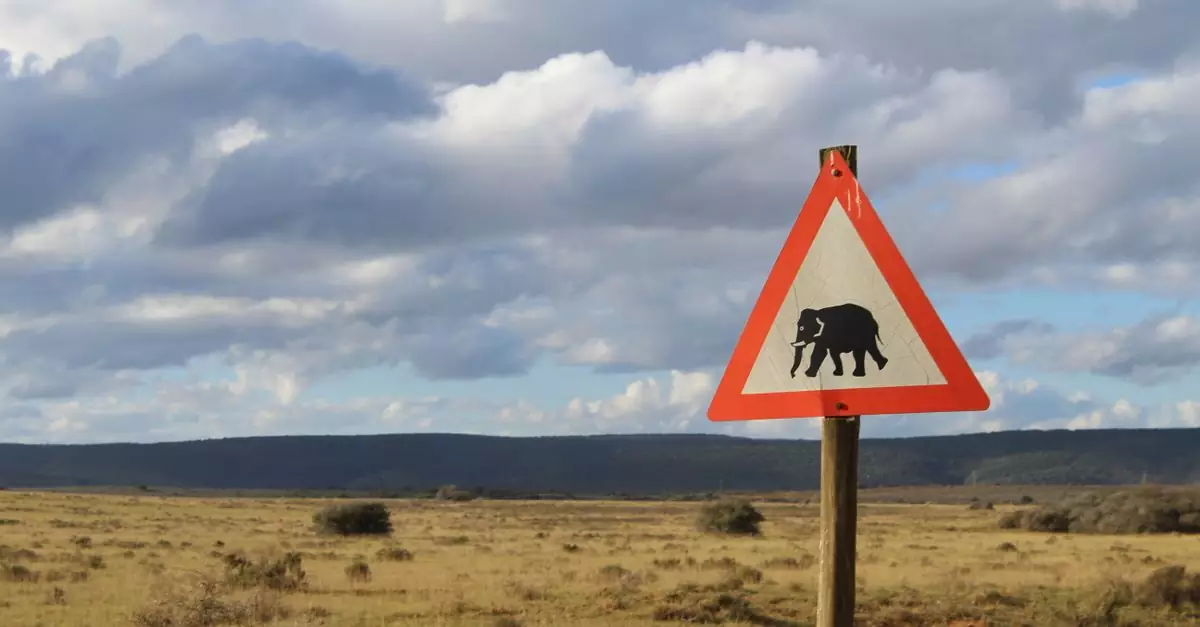
Africa offers unparalleled opportunities for wildlife viewing, making it a top destination for safari enthusiasts. Planning a trip to experience the continent’s diverse ecosystems and iconic animals requires careful consideration of each region’s unique offerings. From the vast Serengeti plains to Zambia’s dense woodlands, these premier safari destinations promise memorable encounters.
Serengeti National Park, Tanzania: The Great Migration Spectacle
The Serengeti is renowned for the Great Migration, a breathtaking natural phenomenon where millions of wildebeest, zebras, and gazelles traverse the plains in search of fresh grazing land. This movement, particularly from July to October, creates dramatic predator-prey interactions. Beyond the migration, the Serengeti is home to high concentrations of lions, cheetahs, leopards, elephants, and giraffes year-round.
Best Time to Visit:
- July – October: Experience the peak of the Great Migration, especially during river crossings.
- January – February: Calving season in the southern Serengeti, attracting predators.
Getting There: Fly into Kilimanjaro International Airport (JRO) and take a domestic flight to one of the Serengeti’s airstrips.
Accommodation: Options include luxury tented camps and budget-friendly lodges and campsites.
Maasai Mara National Reserve, Kenya: Predators and Big Cats Galore
Adjacent to the Serengeti, the Maasai Mara offers a similar abundance of wildlife and is a prime location for spotting the “Big Five” (lion, leopard, elephant, rhino, buffalo). The Mara is particularly famous for its large lion prides and high density of leopards. The Great Migration also passes through the Mara between July and October, presenting spectacular scenes.
Key Attractions:
- Abundant populations of lions, cheetahs, and leopards.
- Observing the Great Migration river crossings.
- Hot air balloon safaris for a bird’s-eye view.
Logistics: Fly into Jomo Kenyatta International Airport (NBO) in Nairobi and take a light aircraft flight to one of the Mara’s airstrips. Driving from Nairobi is also an option but takes longer.
Local Culture: Visit Maasai villages for insight into the traditional lifestyle of the local people.
Kruger National Park, South Africa: Diverse Ecosystems and Big Five Viewing
Kruger National Park is one of Africa’s largest and most accessible wildlife reserves, offering both self-drive and guided safari experiences. Its diverse habitats, including woodlands, savannas, and riverine forests, support a vast array of species. Kruger is among the best places in Africa for guaranteed Big Five sightings, with excellent infrastructure and a variety of accommodation options.
Safari Experience:
- Self-Drive: Rent a car and explore designated roads, stopping at rest camps.
- Guided Safaris: Book game drives with experienced rangers for deeper wildlife insights.
- Night Drives: Encounter nocturnal animals that are rarely seen during the day.
Traveler Tip: Kruger is open year-round, but the dry season (May to September) offers easier game viewing as animals congregate around water sources.
Accommodation: Options range from rustic campsites to luxurious private lodges within private concessions bordering the park, catering to all budgets.
Chobe National Park, Botswana: Elephant Herds and River Safaris
Chobe National Park is renowned for its large elephant population, with herds often numbering in the hundreds, especially during the dry season. The park’s extensive river system, particularly the Chobe River, allows for exceptional boat safaris. These experiences offer a unique perspective on wildlife, providing opportunities to see elephants, hippos, crocodiles, and diverse birdlife.
Unique Safari Activities:
- Boat Safaris: Glide along the Chobe River for intimate wildlife encounters.
- Game Drives: Explore the park’s diverse landscapes, including the Savuti Marsh.
- Predator Sightings: Excellent chances to see lions, leopards, and wild dogs.
Planning Your Trip: Access is typically via Kasane Airport (BBK). Many visitors combine Chobe with other Botswana destinations like the Okavango Delta.
Budget Consideration: Botswana safaris are generally more high-end, focusing on exclusive experiences.
South Luangwa National Park, Zambia: Walking Safaris and Leopard Hotspots
Often considered the birthplace of the walking safari, South Luangwa National Park offers an intimate and immersive wildlife experience. Led by highly trained guides, walking safaris allow you to appreciate the smaller details of the bush and track animals on foot. The park is also a premier destination for leopard sightings, with its dense riverine vegetation providing excellent cover for these elusive cats.
Why Choose South Luangwa:
- Walking Safaris: The ultimate way to connect with the wilderness.
- Leopard Capital: High probability of spotting leopards, especially on night drives.
- Diverse Birdlife: A paradise for birdwatchers.
Best Time for Walking Safaris: The dry season (May to October) is ideal, as vegetation thins and animals gather near water.
Getting There: Fly into Mfuwe Airport (MFU), which serves the park.
Accommodation: A variety of bush camps and lodges are available, many offering excellent walking safari packages.
| Destination | Best For | Wildlife Highlights | Typical Budget (per person, per day) | Best Time to Visit |
|---|---|---|---|---|
| Serengeti, Tanzania | Great Migration, vast plains | Wildebeest, lions, cheetahs, elephants | $400 – $1000+ | July-Oct (migration), Jan-Feb (calving) |
| Maasai Mara, Kenya | Big Cats, Great Migration | Lions, leopards, cheetahs, elephants, wildebeest | $350 – $900+ | July-Oct (migration), Dec-Mar (dry season) |
| Kruger, South Africa | Self-drive, Big Five, accessibility | Lions, elephants, rhinos, leopards, buffalo, diverse | $200 – $700+ | May-Sep (dry season), Oct-Apr (green season) |
| Chobe, Botswana | Elephant herds, river safaris | Elephants, hippos, crocodiles, lions, wild dogs | $500 – $1200+ | May-Oct (dry season) |
| South Luangwa, Zambia | Walking safaris, leopards | Leopards, elephants, hippos, diverse birdlife | $300 – $800+ | May-Oct (dry season) |
When is the Best Time to Plan Your African Safari Vacation?
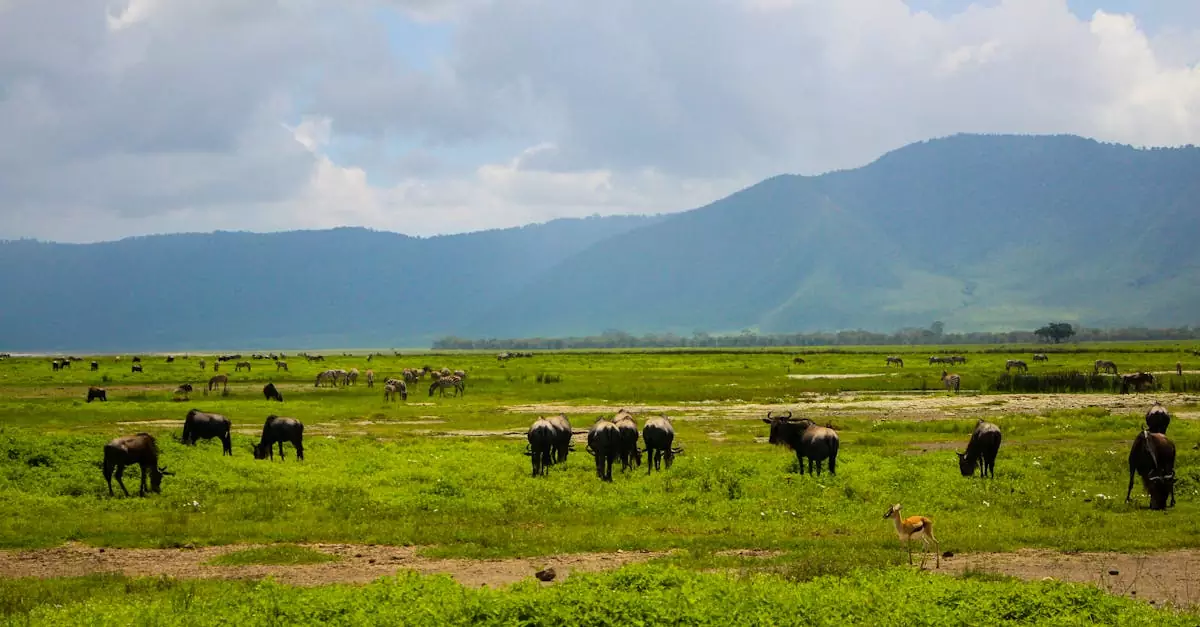
Choosing the right time for your African safari vacation is essential for maximizing wildlife sightings, enjoying pleasant weather, and managing your budget. Africa’s vastness means the “best time” can vary significantly by region and the specific wildlife experiences you’re seeking. Understanding the seasonal rhythms, particularly the dry and wet periods, will help you plan an unforgettable trip.
Dry Season vs. Wet Season: Wildlife Viewing Advantages
The distinction between dry and wet seasons is the most significant factor affecting wildlife viewing on an African safari. During the dry season, typically from June to October across much of East and Southern Africa, water sources become scarce. Animals congregate around the remaining rivers and waterholes, making them easier to spot. Thinner vegetation also enhances visibility, making this period prime for game drives.
In contrast, the wet season, usually from November to May, brings lush landscapes and abundant water. While spotting animals can be more challenging due to thicker vegetation and dispersed wildlife, it offers unique advantages. This season is often the birthing period for many species, leading to increased predator-prey activity. Birdwatching peaks as migratory birds arrive and resident birds enter breeding plumage. For photographers, the dramatic skies and vibrant greenery provide stunning backdrops.
Best Months for Specific Animal Migrations and Sightings
Certain months are known for specific natural spectacles. The Great Migration of wildebeest and zebras in the Serengeti (Tanzania) and Maasai Mara (Kenya) is a highlight for many travelers. While the migration occurs year-round, the river crossings at Grumeti River (July-August) and Mara River (August-October) are particularly dramatic and attract large crowds.
For gorilla trekking in Rwanda and Uganda, the drier months of June to September and December to February offer the most comfortable conditions, with less rainfall and mud. In Southern Africa, the dry season (May to October) is ideal for spotting large mammals in Kruger National Park (South Africa) and Chobe National Park (Botswana) as they gather at waterholes. Whale watching along South Africa’s coast peaks between June and November.
Shoulder Seasons: Balancing Crowds, Costs, and Weather for Safari
The shoulder seasons, typically the periods immediately before or after the peak dry season, can offer a compelling balance for those looking to avoid large crowds and potentially reduce costs. These periods, such as March to May and September to November, can still provide excellent wildlife viewing opportunities.
For example, the end of the wet season in East Africa (around March-May) means landscapes are still green, and baby animals abound, while the peak crowds of the dry season have dispersed. Similarly, the beginning of the dry season in Southern Africa (around May-June) offers pleasant temperatures and the first signs of animals concentrating near water. These times can be ideal for travelers seeking a more intimate safari experience without compromising significantly on wildlife encounters or weather.
| Region | Peak Dry Season (Best for Sightings) | Peak Wet Season (Lush Landscapes, Birthing) | Shoulder Season (Balance) |
|---|---|---|---|
| East Africa | June – October | November – May | March-May, Sept-Oct |
| Southern Africa | May – October | November – April | April-May, Sept-Oct |
| Gorilla Trekking | June – Sept, Dec – Feb | March – May, Oct – Nov | (Drier months generally preferred) |
Planning your African safari vacation around these seasonal shifts will greatly enhance your chances of witnessing the continent’s incredible biodiversity. Consulting with local tour operators who specialize in safari destinations in Africa can provide invaluable, up-to-date advice tailored to your specific interests and chosen locations.
Crafting Your Dream African Safari Itinerary: From 7 to 14 Days
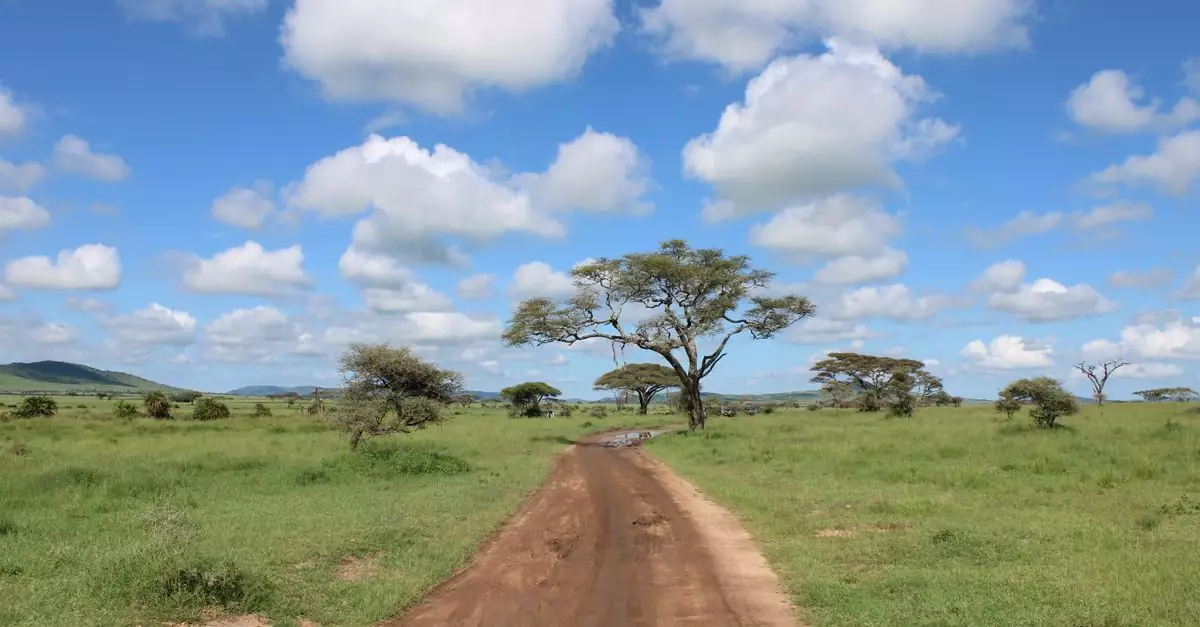
Planning a safari vacation in Africa is an exciting endeavor, and the duration of your trip significantly shapes the experience. Whether you have a week or two, you can immerse yourself in incredible wildlife and diverse landscapes. Here are a few itinerary frameworks to consider for your 2026 adventure, balancing iconic destinations with logistical feasibility.
7-Day Serengeti & Maasai Mara Combo: Classic East African Wildlife
A week-long safari focusing on Tanzania’s Serengeti National Park and Kenya’s Maasai Mara National Reserve offers an unparalleled introduction to East Africa’s Great Migration and its resident predators. This classic itinerary is popular for a reason, providing high chances of observing large herds and the cats that follow them.
Logistics & Timing:
The best time to visit for the Great Migration river crossings is typically July to October, though the herds are present year-round, with calving season in the Serengeti from January to March. Flights between the parks are the most efficient way to maximize game viewing time. Accommodations range from luxury tented camps to more rustic lodges.
Sample Itinerary Outline:
- Day 1-3: Serengeti National Park, Tanzania. Arrive at Kilimanjaro International Airport (JRO), fly to a Serengeti airstrip. Focus on central or northern Serengeti depending on migration location.
- Day 4-6: Maasai Mara National Reserve, Kenya. Fly from the Serengeti to the Maasai Mara. Experience game drives, and consider a hot air balloon safari for a unique perspective.
- Day 7: Departure. Fly from the Maasai Mara to Nairobi (NBO) for your international flight.
This itinerary is ideal for first-time safari-goers who want to witness the dramatic spectacle of the migration. It’s fast-paced but highly rewarding for wildlife enthusiasts.
10-Day Kruger & Okavango Delta: South African Diversity
For a blend of classic big game viewing and unique wetland ecosystems, a 10-day safari combining South Africa’s Kruger National Park (or its private reserves) with Botswana’s Okavango Delta is an excellent choice. This combination showcases remarkable diversity in habitats and wildlife.
Kruger National Park: Offers vast open plains and dense bushveld, renowned for its high density of animals, including the Big Five. Staying in a private concession adjacent to Kruger provides exclusive game drives and off-road capabilities, enhancing wildlife encounters.
Okavango Delta: A UNESCO World Heritage Site, the Delta is a unique inland waterway that floods seasonally, creating a rich aquatic environment. Here, you can experience game viewing from mokoros (traditional dugout canoes), motorboats, and 4×4 vehicles, offering a different perspective than the dry-land safaris of Kruger.
Logistics & Timing:
Kruger is accessible year-round, with drier months (May to October) often preferred for easier game spotting as vegetation thins and animals congregate around water sources. The Okavango Delta’s floodwaters arrive from June to October, making this peak season for water-based activities. Flights are essential for travel between these regions.
Sample Itinerary Outline:
- Day 1-4: Kruger National Park / Private Reserve, South Africa. Fly into Kruger Mpumalanga International Airport (MQP) or a private airstrip. Focus on game drives and guided walks.
- Day 5-9: Okavango Delta, Botswana. Fly from Kruger area to Maun (MUB) or directly to a Delta camp airstrip. Engage in mokoro excursions, boat safaris, and game drives.
- Day 10: Departure. Fly from the Delta to Johannesburg (JNB) for your international flight.
This itinerary appeals to travelers seeking varied landscapes and a comprehensive African wildlife experience. It generally involves a higher budget due to the inclusion of Botswana.
14-Day Multi-Country Adventure: Botswana, Zimbabwe, and Zambia Highlights
A two-week safari allows for deeper exploration and the inclusion of multiple countries, offering a richer tapestry of experiences. This itinerary focuses on some of Southern Africa’s most iconic natural wonders: Botswana’s pristine wilderness, Zimbabwe’s Victoria Falls, and Zambia’s renowned wildlife parks.
Highlights:
- Botswana: Explore the Okavango Delta’s waterways and the Linyanti region’s predator-rich plains. Chobe National Park is famous for its large elephant herds.
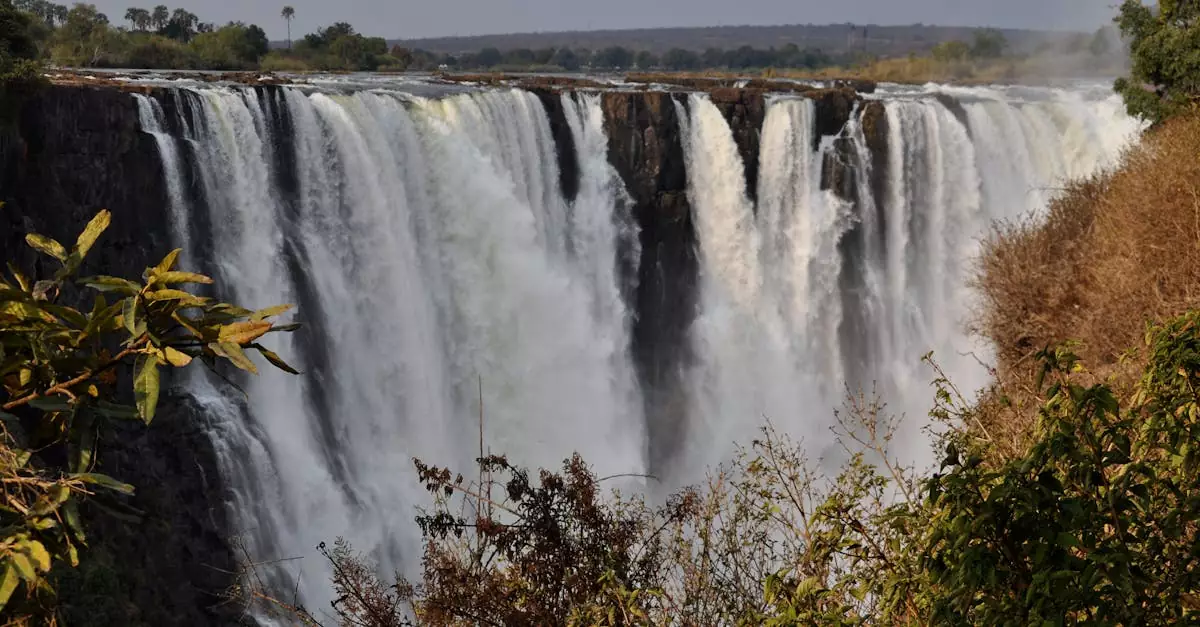
- Zimbabwe: Witness the awe-inspiring Victoria Falls, one of the Seven Natural Wonders of the World. Activities include viewing the falls, white-water rafting, and sunset cruises.
- Zambia: Discover South Luangwa National Park, often considered the birthplace of the walking safari. Its diverse game and expert guides offer an intimate wildlife encounter.
Logistics & Timing:
The dry season (May to October) is generally best for wildlife viewing across these regions, as animals gather at waterholes. Victoria Falls is at its most powerful from February to May, though it’s impressive year-round. Travel between countries typically involves flights, often via hubs like Maun, Livingstone, or Lusaka.
Sample Itinerary Outline:
- Day 1-5: Botswana (e.g., Okavango Delta & Chobe). Arrive in Maun (MUB) or Kasane (BBK). Focus on water and land-based safaris.
- Day 6-8: Victoria Falls, Zimbabwe. Fly to Victoria Falls Airport (VFA). Experience the falls and optional adventure activities.
- Day 9-13: South Luangwa National Park, Zambia. Fly from Livingstone (LVI) or Victoria Falls to Mfuwe (MFU). Embark on walking safaris and game drives.
- Day 14: Departure. Fly from Mfuwe to Lusaka (LUN) for your international connection.
This extended safari is perfect for those who wish to delve deeper into Africa’s natural beauty and cultural richness. It offers significant contrasts in environments and activities, providing a comprehensive African travel experience. Planning this multi-country trip requires careful coordination of flights and transfers, and it generally represents a higher investment. For broader information on African travel, resources from the African Tourism Board can be helpful.
Choosing Your Perfect Safari Accommodation: Lodges, Camps, and Beyond
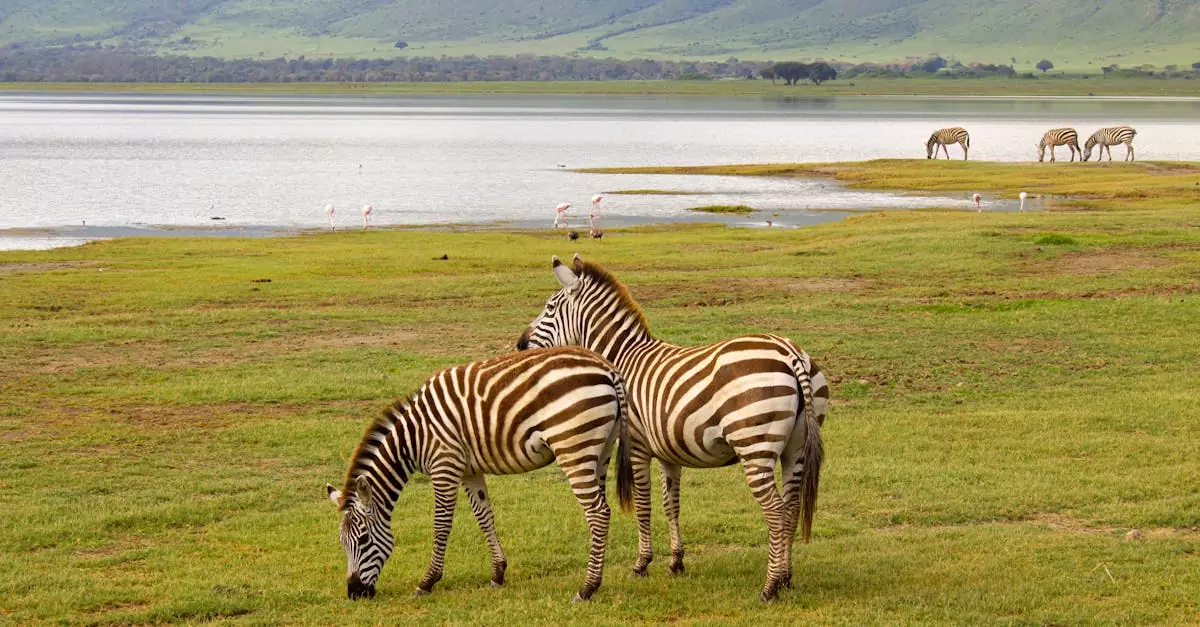
Selecting the right safari accommodation is as crucial as choosing your destination. The type of lodging you opt for will significantly shape your overall experience, influencing everything from your proximity to wildlife to your comfort level and budget. Africa offers a range of options, from opulent lodges to rustic tented camps, each providing a unique way to connect with the wilderness. Consider your desired level of immersion, comfort preferences, and budget when making this key decision for your best safari vacations Africa.
Luxury Safari Lodges: Unparalleled Comfort and Service
For those seeking an elevated safari experience, luxury lodges deliver exceptional comfort, gourmet dining, and attentive service. These properties often feature spacious suites with private plunge pools, stunning views, and dedicated butlers. Expect world-class amenities, including spa services, fine dining under the stars, and expertly guided game drives in custom-built vehicles. Many luxury lodges are located in prime wildlife areas, providing exclusive access to prime viewing spots and employing knowledgeable guides who can interpret the bush with incredible skill.
These lodges are typically all-inclusive, covering meals, local drinks, and daily game drives. While the price point is higher, the value lies in the seamless experience and attention to detail. Guests can often arrange private dining, specialized photographic excursions, or even walking safaris tailored to their interests. Popular destinations for these high-end accommodations include the Maasai Mara in Kenya, the Serengeti in Tanzania, and the Okavango Delta in Botswana.
Tented Camps: Immersive Wilderness Experiences
Tented camps offer a more intimate and adventurous way to experience the African bush. These accommodations range from canvas-and-thatch structures to more luxurious tented suites, all designed to bring you closer to nature. Sleeping under canvas, with the sounds of the wild as your backdrop, is an unforgettable part of the safari adventure. Many camps are located in remote areas, accessible only by light aircraft, enhancing their secluded feel.
Tented camps can vary significantly in luxury. Some offer en-suite bathrooms with hot showers and comfortable beds, while others may have more basic shared facilities. The common thread is the feeling of being truly immersed in the environment. Evening game drives often culminate with sundowners around a campfire, followed by dinner in a communal mess tent or an open-air boma, fostering a strong sense of camaraderie among guests.
When choosing a tented camp, consider its location relative to wildlife corridors and water sources, as this will impact game viewing opportunities. Camps that are unfenced provide a more thrilling experience, though safety briefings are always paramount. For those seeking a balance between comfort and raw wilderness, a well-appointed tented camp is often the perfect choice.
Budget-Friendly Safari Options for Backpackers and Families
Embarking on a safari doesn’t have to be financially prohibitive. Several options cater to travelers on a budget, including guesthouses, self-catering lodges, and basic tented camps. Many national parks offer accommodations, ranging from simple bandas (huts) to more comfortable chalets, typically more affordable than private concessions. Camping within designated park sites is also a cost-effective choice.
Families or groups traveling together might find self-drive safaris appealing. Renting a 4×4 vehicle and staying in self-catering accommodations within or near national parks allows for flexibility and cost savings on guiding fees. This approach requires more planning and self-sufficiency but offers an authentic and adventurous experience.
For backpackers, hostels and budget-friendly lodges in gateway towns like Arusha (Tanzania) or Nairobi (Kenya) provide a base for organizing shorter, more affordable safari excursions. Many tour operators offer group camping safaris that significantly reduce per-person costs. These trips typically involve basic camping facilities and shared transport, focusing on maximizing wildlife viewing within a limited budget.
Here’s a general comparison of accommodation types:
| Accommodation Type | Typical Price Range (USD per person per night) | Key Features | Best For |
|---|---|---|---|
| Luxury Safari Lodge | $800 – $3,000+ | All-inclusive, private plunge pools, fine dining, exceptional service | Honeymooners, luxury travelers, those seeking ultimate comfort |
| High-End Tented Camp | $500 – $1,500 | En-suite bathrooms, gourmet meals, prime locations, immersive wilderness feel | Couples, families, wildlife enthusiasts seeking comfort and immersion |
| Mid-Range Tented Camp | $300 – $700 | Comfortable tents, good meals, guided activities, closer to nature | Adventurous travelers, families, those balancing budget and experience |
| National Park Chalets/B&Bs | $100 – $300 | Basic amenities, self-catering options, within park boundaries | Families, budget-conscious travelers, self-drivers |
| Budget Campsites | $20 – $70 | Basic facilities, shared bathrooms, often within national parks | Backpackers, extreme budget travelers, campers |
When planning your safari in Africa, consider booking accommodations well in advance, especially during peak seasons. This is particularly true for popular lodges and camps, which can fill up months ahead of time.
Navigating Your African Safari: Transportation and Getting Around
Planning a safari in Africa involves understanding how you’ll move between destinations and within national parks. The continent’s vastness means efficient transportation is key to maximizing your wildlife viewing opportunities. From international arrivals to the final game drive, each step requires consideration of logistics, time, and budget.
Flying into Major Safari Hubs: Johannesburg, Nairobi, Kilimanjaro
Most international travelers will arrive at one of Africa’s major airport hubs. Johannesburg O.R. Tambo International Airport (JNB) in South Africa is a primary gateway for Southern Africa, offering excellent connections to Botswana and Zambia. Jomo Kenyatta International Airport (NBO) in Nairobi, Kenya, serves as the main entry point for East African safaris, including those in Kenya and Tanzania. Similarly, Kilimanjaro International Airport (JRO) in Tanzania is a convenient option for accessing the Serengeti and Ngorongoro Crater.
These hubs are well-equipped with modern facilities and offer numerous onward travel options. It’s advisable to book international flights well in advance, especially for peak safari seasons, as this can significantly impact your overall trip cost. Keep the time difference and potential jet lag in mind when planning your arrival day, as you’ll want to be well-rested for your first game drive.
Internal Flights and Charter Services for Remote Access
Once you’ve arrived at a major hub, reaching more remote safari lodges and national parks often requires internal flights. Many safari operators and lodges arrange these flights, particularly for destinations with limited road access. These light aircraft flights are not only practical but also provide breathtaking aerial views of the African landscape, offering a unique perspective on the vast wilderness.
For ultimate convenience and access to exclusive conservancies, private charter flights are available. While a more significant investment, they offer unparalleled flexibility, allowing you to set your own schedule and fly directly to airstrips closest to your accommodation. This is particularly beneficial for multi-destination safaris or when traveling with a group, as it can sometimes be more cost-effective per person than multiple scheduled internal flights. Researching the specific flight requirements for your chosen lodges is essential, as some remote camps are only accessible by air.
4×4 Safari Vehicles: Essential for Game Drives
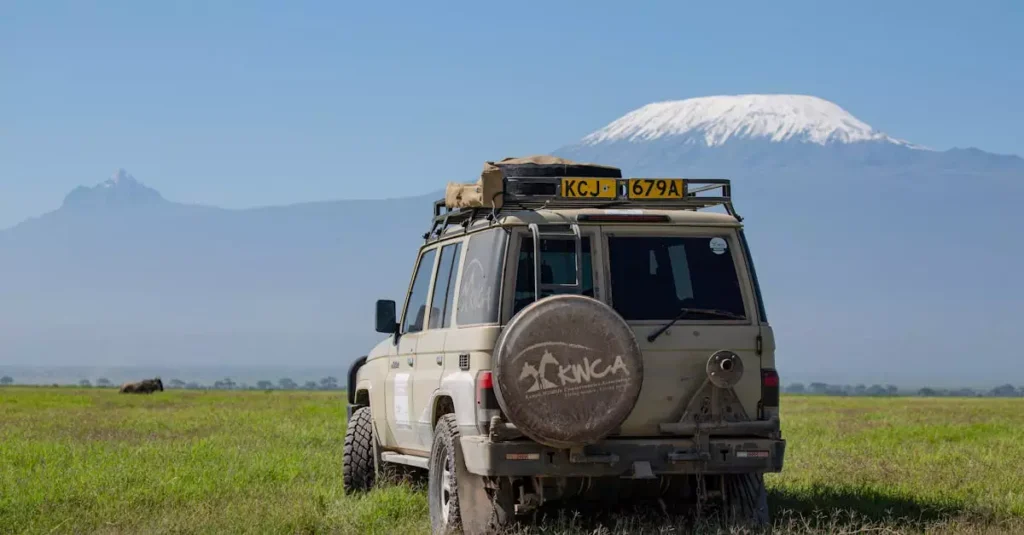
The quintessential safari experience involves traversing the bush in specially adapted 4×4 safari vehicles. These robust vehicles are designed to handle uneven terrain, navigate sandy tracks, and provide excellent visibility for wildlife spotting. Most safari vehicles feature pop-up roofs or open sides, allowing for unobstructed 360-degree views and photography opportunities.
When booking a safari, confirm the type of vehicle you’ll be using. Open-sided safari vehicles are common in many East and Southern African parks, offering an immersive experience. Closed-sided vehicles with pop-up roofs are also prevalent and can offer protection from the elements. Your guide, often referred to as a ranger or tracker, is an expert in locating animals and will skillfully maneuver the vehicle to provide the best possible viewing angles. Safety is paramount; always follow your guide’s instructions regarding staying inside the vehicle and keeping a safe distance from wildlife. Some luxury lodges may offer specialized vehicles for private game drives, enhancing the exclusivity of your experience.
Frequently Asked Questions About Planning Your Best Safari Vacations in Africa
Planning a safari adventure across Africa involves a few key considerations to ensure a smooth and memorable trip. Understanding common questions can help demystify the process.
What are the essential items to pack for an African safari?
Packing smart is crucial for comfort and practicality. Lightweight, neutral-colored clothing is best, as bright colors can startle wildlife. Include long-sleeved shirts and trousers for sun and insect protection, a warm fleece or jacket for cool mornings and evenings, and a wide-brimmed hat. Comfortable walking shoes are a must, along with sandals for relaxing at lodges. Don’t forget binoculars for wildlife viewing, a good camera with extra batteries and memory cards, sunscreen, insect repellent, a basic first-aid kit, and any personal medications. A headlamp or flashlight is also useful for navigating after dark.
Is it safe to go on an African safari vacation?
Safari tourism in Africa is generally very safe, especially when organized through reputable tour operators and staying in established lodges. Most wildlife encounters are managed safely by experienced guides who understand animal behavior. It’s important to follow your guide’s instructions at all times, such as staying inside safari vehicles and not approaching animals. For specific safety concerns related to different regions or countries, consult your tour operator and check travel advisories from your home country’s government. The African Tourism Board also offers resources on responsible and safe travel.
What is the average cost of an African safari?
The cost of an African safari can vary significantly based on destination, duration, accommodation style, and inclusions. Budget-friendly options might start around $2,000-$3,000 per person for a shorter trip in certain East African countries, focusing on camping or mid-range lodges. Mid-range safaris, offering comfortable lodges and more private experiences, typically range from $4,000-$7,000 per person. Luxury safaris, with exclusive lodges, private guides, and high-end amenities, can cost $8,000 and upwards per person. These figures generally exclude international flights.
| Safari Type | Estimated Cost Per Person (7 Days) | Accommodation Style |
|---|---|---|
| Budget | $2,000 – $3,500 | Camping, basic lodges |
| Mid-Range | $4,000 – $7,000 | Comfortable lodges |
| Luxury | $8,000+ | Exclusive lodges |
What vaccinations or health precautions are needed for safari travel?
Health precautions are essential for a safe safari. Consult your doctor or a travel clinic at least 4-6 weeks before departure. Recommended vaccinations often include Hepatitis A, Typhoid, and Tetanus. Depending on the countries you visit, Yellow Fever vaccination may be required, and you will need to carry your vaccination certificate. Malaria is a risk in many safari destinations, so anti-malarial medication is usually prescribed. Taking precautions against mosquito bites by using repellent and wearing long sleeves and trousers, especially at dawn and dusk, is also important. Always drink bottled or purified water.