When planning a journey to witness Africa’s magnificent wildlife, selecting the right protected area is crucial for an unforgettable experience. From vast plains teeming with migrating herds to dense forests sheltering elusive primates, the continent presents a range of natural wonders. This guide explores the best African nature reserves, highlighting destinations celebrated for their exceptional biodiversity and opportunities for close encounters with iconic species. Discover where to find the famed “Big Five,” explore unique ecosystems, and learn about the optimal times to visit for incredible sightings. We’ll also cover practical aspects like getting around and crafting an itinerary that suits your travel style, ensuring your adventure into the wild is both seamless and spectacular. Prepare to be inspired by the raw beauty and vibrant life thriving within these vital sanctuaries.
Top 5 Best African Nature Reserves for Big Five Safaris
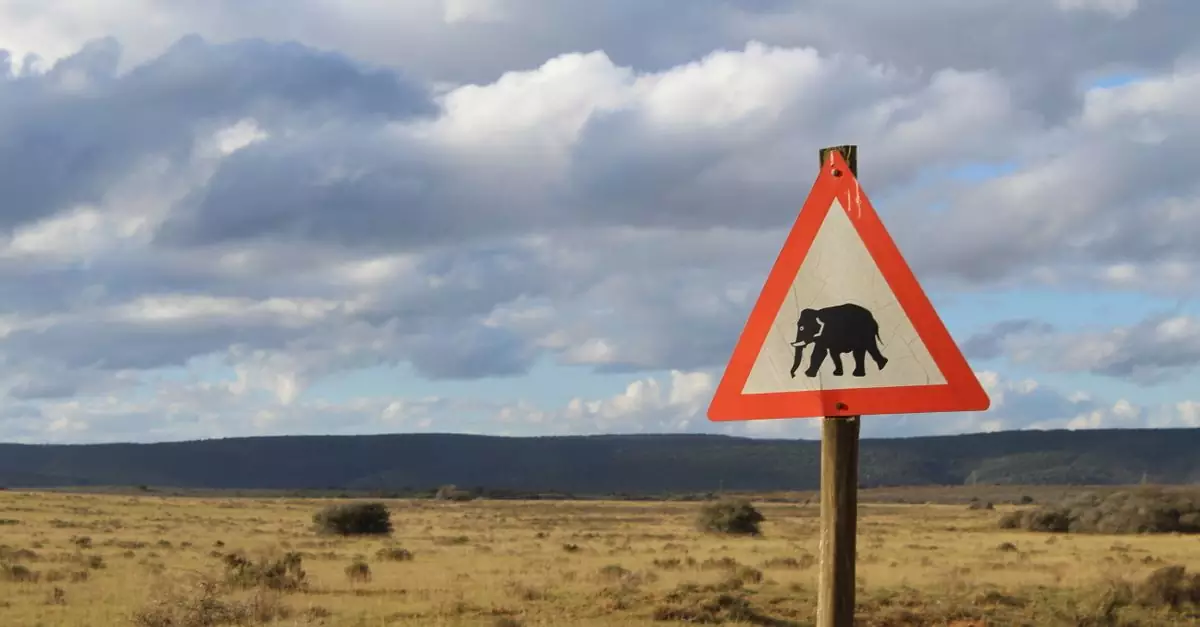
When planning a trip to Africa for unparalleled wildlife viewing, certain nature reserves stand out for their abundance of iconic animals and exceptional safari experiences. These protected areas allow visitors to witness the continent’s most magnificent creatures in their natural habitats, creating memories that last a lifetime. Focusing on reserves known for the “Big Five” – lion, leopard, elephant, rhino, and buffalo – provides a solid foundation for an unforgettable adventure.
Serengeti National Park, Tanzania: The Great Migration Spectacle
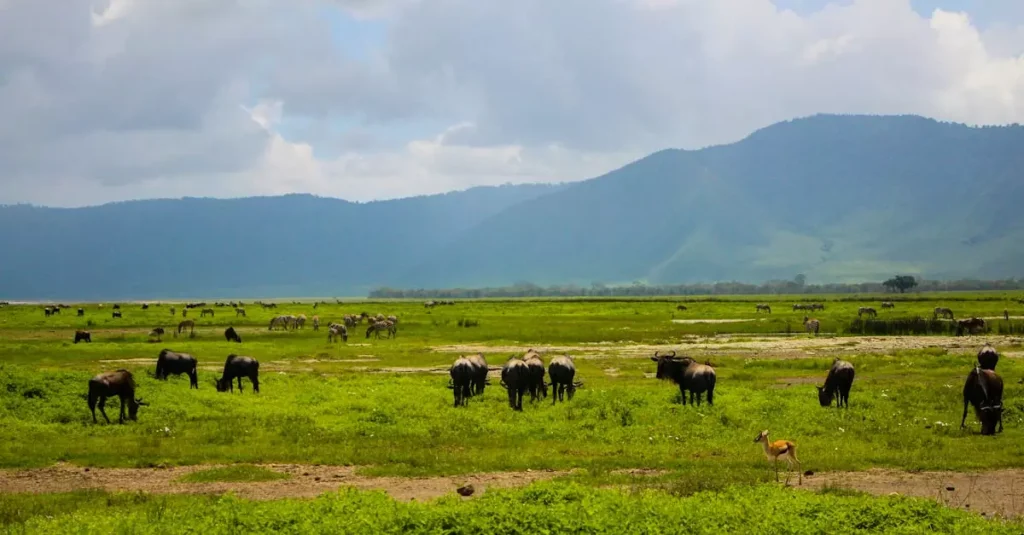
The Serengeti is synonymous with one of the planet’s most awe-inspiring natural events: the Great Migration. Millions of wildebeest, zebras, and gazelles traverse the vast plains in search of fresh grazing, a spectacle that draws predators like lions, cheetahs, and hyenas. The sheer scale of this movement is breathtaking, offering incredible photographic opportunities and a profound connection to the wild.
Beyond the migration, the Serengeti hosts a resident population of all the Big Five. The open grasslands and acacia woodlands provide excellent visibility for spotting animals. Lodging options range from luxury tented camps to more rustic lodges, catering to various budgets. Timing your visit to coincide with the migration’s stages – calving in the southern Serengeti from December to March, and river crossings in the Grumeti or Mara rivers from June to October – maximizes your chances of witnessing dramatic wildlife action. Getting there typically involves flying into Kilimanjaro International Airport and then taking a domestic flight to one of the park’s airstrips.
Kruger National Park, South Africa: Accessible Wildlife Viewing
Kruger National Park is one of Africa’s largest and most accessible wildlife reserves, making it a popular choice for first-time safari-goers. Its well-maintained road network and diverse accommodation options, from self-catering rest camps to private luxury lodges, offer flexibility for different travel styles and budgets. The park is renowned for its high density of animals, including a healthy population of rhinos and the full Big Five.
Self-drive safaris are a rewarding way to experience Kruger, allowing visitors to set their own pace. Alternatively, guided game drives and walking safaris are readily available. The park is open year-round, though the dry season (May to October) generally offers better game viewing as animals congregate around water sources. Visitors can fly into nearby airports like Kruger Mpumalanga International Airport (MQP) and rent a car or arrange transfers. The African Tourism Board provides comprehensive information on visiting South African national parks.
Maasai Mara National Reserve, Kenya: Iconic Savannah Landscapes
The Maasai Mara is arguably Kenya’s most famous wildlife destination, celebrated for its rolling grasslands, acacia-dotted savannas, and abundant wildlife. It forms part of the larger Serengeti-Mara ecosystem and plays a key role in the Great Migration route, especially during river crossings of the Mara River. Lion prides are particularly visible here, and leopard sightings are also frequent.
Similar to the Serengeti, the Mara is exceptional from July to October when the migration herds are present. However, the reserve offers excellent game viewing throughout the year. Visitors can choose from a wide array of accommodations, from budget-friendly tented camps to exclusive luxury lodges. Access is typically via a flight from Nairobi to one of the Mara’s airstrips or a scenic drive. Guided game drives are the primary way to explore the reserve, with many lodges offering their own vehicles and experienced guides.
Chobe National Park, Botswana: Elephant Herds and River Safaris
Chobe National Park is renowned for its enormous elephant population, particularly in the Chobe Riverfront area. During the dry season, hundreds, sometimes thousands, of elephants gather along the riverbanks, creating an unforgettable sight. The park also provides excellent opportunities to see lions, leopards, buffalo, and various antelope species.
What sets Chobe apart is its emphasis on river-based safaris. Boat cruises along the Chobe River provide a unique perspective for wildlife viewing, allowing close encounters with elephants, hippos, crocodiles, and abundant birdlife. Land-based game drives are also highly productive. Accommodation options include lodges and houseboats along the river. The best time to visit is during the dry season (May to October) for concentrated wildlife viewing. Access is usually via Kasane Airport, with many lodges offering transfers.
South Luangwa National Park, Zambia: Walking Safari Pioneer
Often hailed as the birthplace of the walking safari, South Luangwa National Park offers an intimate and immersive wildlife experience. This park is celebrated for its incredible density of wildlife, including a healthy population of leopards, which are notoriously elusive elsewhere. The Luangwa River and its oxbow lagoons teem with hippos and crocodiles, while the surrounding mopane woodlands and grasslands are home to lions, elephants, and diverse antelope species.
Walking safaris allow you to appreciate the smaller details of the bush, from tracking animals on foot to identifying fascinating flora and fauna. Guided game drives are also excellent, particularly during the dry season (May to October) when animals are drawn to the river. The park has a good selection of lodges and bush camps. Access is typically through Mfuwe Airport, with transfers to various camps. Zambia’s commitment to conservation makes South Luangwa a premier destination for those seeking a truly authentic safari.
Beyond the Big Five: Unique Wildlife Experiences in African Reserves
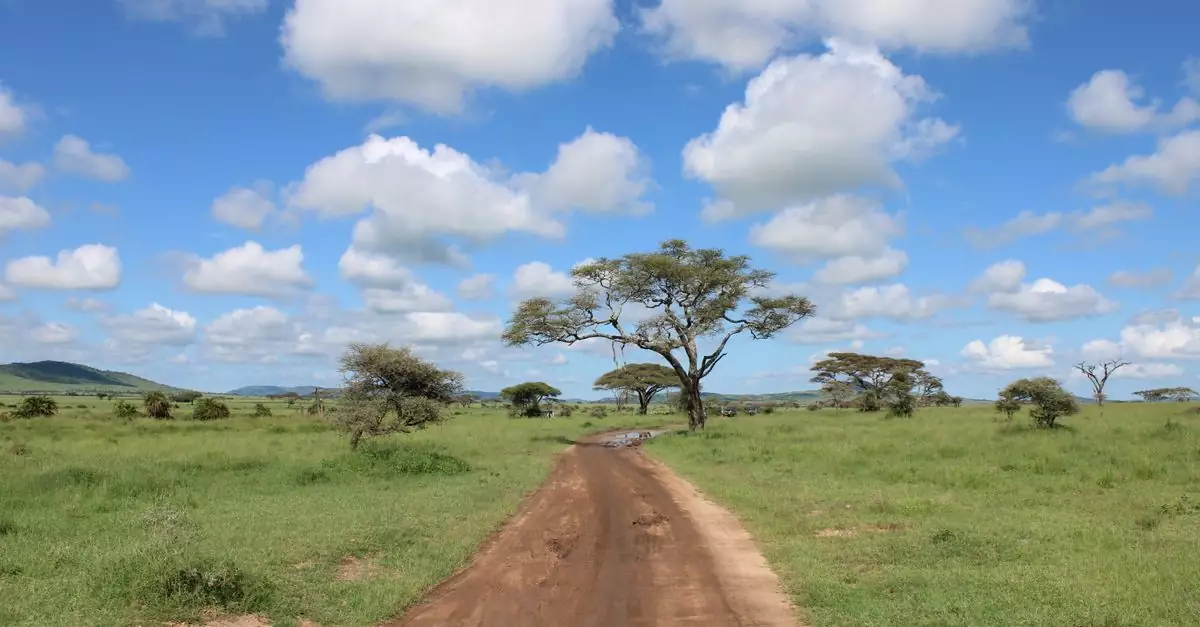
While the iconic “Big Five” (lion, leopard, elephant, rhino, and buffalo) draw many visitors to the continent, Africa’s vast wilderness offers so much more. Venture beyond the usual safari circuit to discover unique ecosystems and incredible wildlife encounters. These nature reserves showcase the continent’s remarkable biodiversity, from mountain gorillas to vibrant bird colonies and thriving marine life. Planning a trip to these specialized destinations can offer a different yet equally rewarding perspective on African wildlife.
Gorilla Trekking in Volcanoes National Park, Rwanda
For an unparalleled primate encounter, Volcanoes National Park in Rwanda is a premier destination. This lush mountain forest is home to several habituated gorilla families, allowing visitors to observe these gentle giants in their natural habitat. The trek itself is an adventure, winding through dense jungle and volcanic slopes.
Key Considerations for Gorilla Trekking:
- Permits: Gorilla trekking permits are essential and must be booked well in advance, often months ahead, due to limited availability. The cost contributes directly to conservation efforts.
- Fitness: While not extremely strenuous, the treks require a moderate level of fitness. Porters are available to assist with carrying gear and offering support on challenging ascents.
- Timing: The dry seasons (June to August and December to February) generally offer easier trekking conditions, with less rain and mud. However, gorillas can be seen year-round.
- Logistics: Most visitors base themselves in nearby Musanze town, which offers a range of accommodation from guesthouses to luxury lodges. Transportation to the park headquarters for the trek briefing is usually arranged by lodges or tour operators.
Rhino Conservation at Addo Elephant National Park, South Africa
Addo Elephant National Park, located in the Eastern Cape of South Africa, is a testament to successful conservation, particularly for the critically endangered black rhino. While the park is famous for its large elephant population, it has become a vital stronghold for rhinos, offering excellent viewing opportunities. It’s one of the few places where you can see all of the Big Seven (adding the Southern Right Whale and Great White Shark from the coast).
Addo is a malaria-free park, making it an attractive option for families and travelers concerned about mosquito-borne illnesses. The park’s diverse landscapes, from semi-arid Karoo to coastal thickets, support a wide array of species. Self-drive safaris are popular and easy to navigate, with well-maintained roads and numerous waterholes that attract wildlife.
Addo vs. Other South African Parks:
| Feature | Addo Elephant NP | Kruger NP |
|---|---|---|
| Rhino Focus | Excellent (Black & White) | Good (Black & White) |
| Malaria Risk | None | Present (northern regions) |
| Elephant Density | Very High | High |
| Scenery | Diverse (Karoo, Fynbos, Coast) | Bushveld, Savannah |
| Self-Drive | Excellent | Excellent |
Birdwatching Paradise: Djoudj National Bird Sanctuary, Senegal
For avid birdwatchers, the Djoudj National Bird Sanctuary in Senegal is an unmissable spectacle. This UNESCO World Heritage site is the third-largest bird sanctuary in the world, hosting over a million migratory birds, particularly during the northern hemisphere’s winter. The sheer numbers of pink flamingos are breathtaking, creating a vibrant, living tapestry across the shallow waters.
The sanctuary is best visited between November and May when migratory birds are present. The landscape is a vast wetland, and viewing is typically done from small boats piloted by local guides. This offers an intimate perspective on the avian life without disturbing their nesting grounds. Beyond flamingos, expect to see pelicans, cormorants, herons, and a variety of other waterbirds.
Traveler Tip: Combine a visit to Djoudj with other attractions in the Saint-Louis region, known for its colonial architecture and proximity to the coast.
Marine Life Wonders: Sodwana Bay National Park, South Africa
Shifting focus from land to sea, Sodwana Bay National Park, part of the iSimangaliso Wetland Park World Heritage Site in South Africa, offers incredible underwater adventures. Renowned for its pristine coral reefs and abundant marine life, it’s a top destination for diving and snorkeling enthusiasts. The warm waters of the Indian Ocean teem with colorful fish, turtles, sharks, and dolphins.
The park’s marine protected area ensures the health of its delicate coral ecosystems. Divers can explore various dive sites suitable for different skill levels, from shallow reefs to deeper drop-offs. Visibility can vary, but when conditions are good, the underwater world is exceptionally vibrant. Boat-based tours also offer opportunities to spot whales during their migration season (June to November). For those interested in marine conservation, learning about the efforts to protect this unique coastal environment is a significant part of the experience.
When is the Best Time to Visit African Nature Reserves?
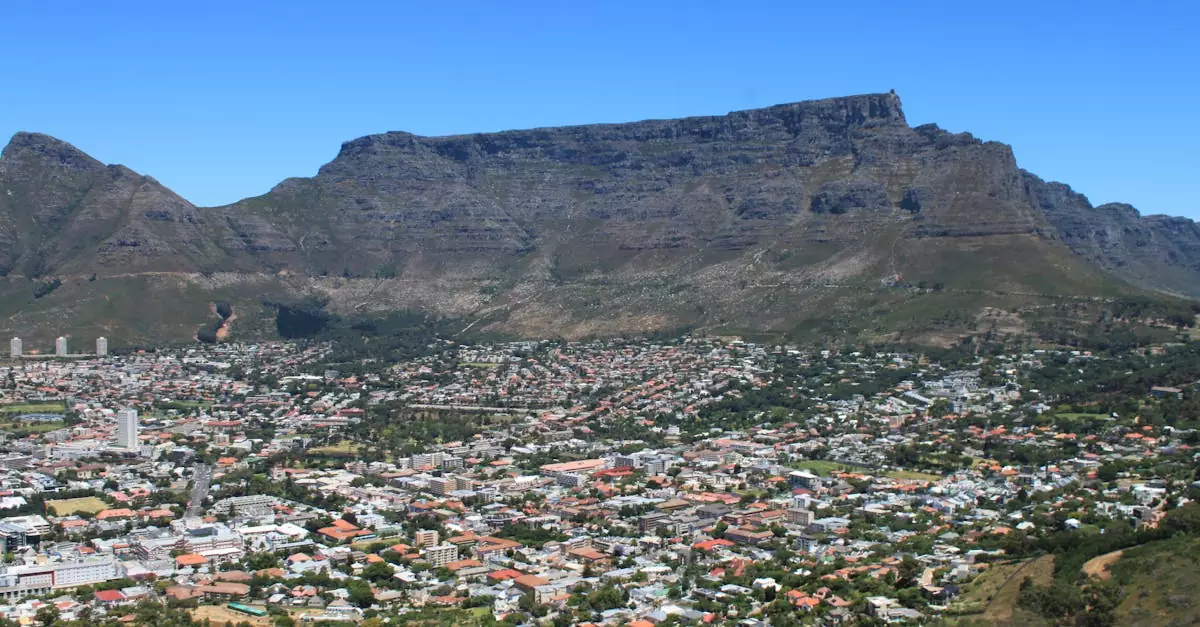
Choosing the right time to visit Africa’s incredible nature reserves significantly impacts your wildlife viewing opportunities and overall experience. While many destinations offer year-round appeal, understanding regional nuances, rainfall patterns, and local events can help you plan the most rewarding safari.
Optimal Safari Seasons for Different Regions
The “best” time for a safari often depends on where you plan to go. East Africa, encompassing countries like Kenya and Tanzania, typically experiences its peak dry season from June to October. This period is renowned for the Great Migration, where millions of wildebeest and zebras traverse the plains, making for spectacular predator-prey action. The shoulder months of January and February also offer good viewing conditions before the next rainy season.
Southern Africa, including Botswana, South Africa, and Zimbabwe, often shines during its dry winter months from May to October. During this time, vegetation thins out, and water sources become scarcer, concentrating animals around rivers and waterholes. This makes spotting wildlife considerably easier. The wet season, from November to April, brings lush landscapes and excellent birdwatching but can complicate game drives due to thicker bush and dispersed animals.
Understanding Rainfall Patterns and Wildlife Migration
Rainfall is a critical factor influencing wildlife behavior and accessibility in African nature reserves. The dry season generally means less vegetation cover and fewer water sources, forcing animals to congregate around permanent water bodies. This concentration makes them easier to spot. Conversely, the wet or “green” season, while offering beautiful scenery and newborn animals, can make tracking more difficult as animals disperse across vast, verdant landscapes.
The timing of major wildlife migrations, like the aforementioned Great Migration in the Serengeti and Masai Mara, is dictated by rainfall and grazing availability. Planning your visit to coincide with these events, such as river crossings, can provide truly unforgettable sights. Researching the specific migration patterns for your chosen reserve is crucial for maximizing your chances of witnessing these natural spectacles.
Planning Around School Holidays and Peak Tourist Times
While the dry seasons often coincide with the most popular viewing times, they also tend to be the busiest and most expensive periods. School holidays in major source markets (Europe, North America, and within Africa itself) often lead to increased demand for accommodations and safaris. Visiting during the shoulder seasons – the periods just before or after the peak dry or wet seasons – can offer a good balance of favorable weather, good wildlife viewing, and fewer crowds.
Booking well in advance is highly recommended, especially if you plan to travel during peak times or wish to stay at exclusive lodges. Consider the trade-offs: visiting during the peak season might mean more competition for viewing spots, while the low season could offer more solitude and potentially lower prices, though some lodges or camps might be closed.
Here’s a general overview of seasonal considerations:
| Region | Peak Dry Season (Best for Game Viewing) | Wet Season (Green Season, Birding) | Shoulder Season (Good Balance) |
|---|---|---|---|
| East Africa | June – October | November – May | January-February, October-November |
| Southern Africa | May – October | November – April | April-May, October-November |
Understanding these patterns will help you tailor your trip to your priorities, whether it’s maximizing animal sightings, enjoying a more tranquil experience, or finding the best value for your budget. Consulting with reputable tour operators or the African Tourism Board can provide tailored advice for your specific destination and travel dates.
Getting Around: Transportation Options to and Within Reserves
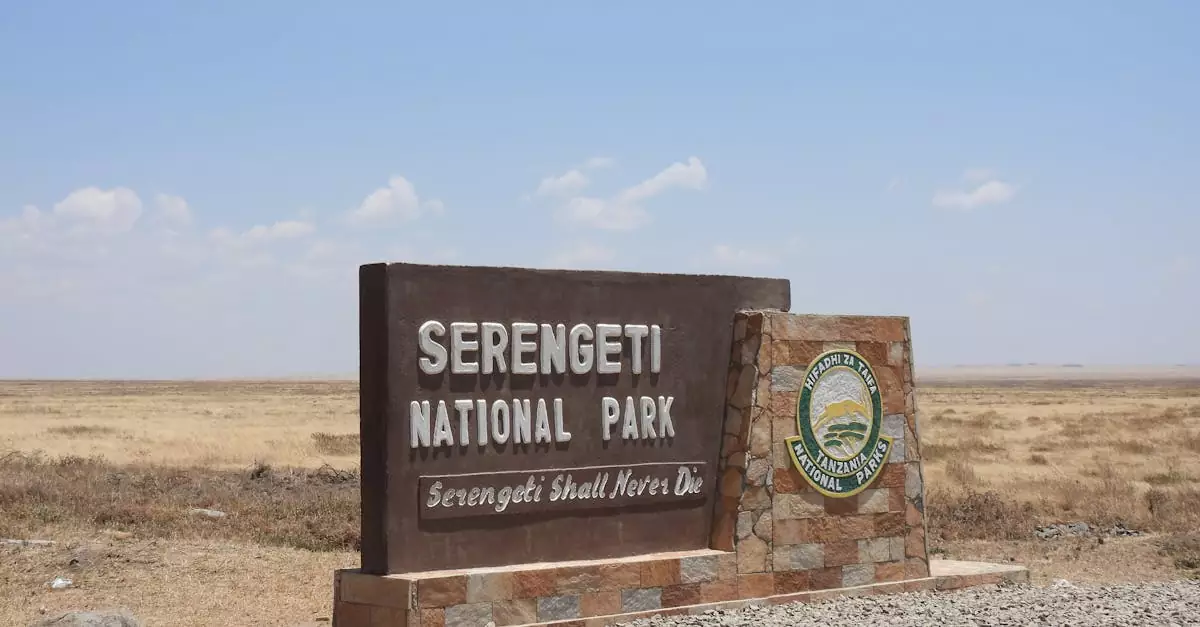
Reaching Africa’s most renowned nature reserves often involves a multi-stage journey, blending international flights with regional travel and specialized park transport. Understanding these logistics is crucial for planning an efficient and enjoyable safari, especially when aiming for the best African nature reserves.
Flying into Major African Safari Hubs
Most international travelers will fly into one of Africa’s major gateway cities before connecting to their specific safari destination. Key hubs include Nairobi (Kenya), Kilimanjaro (Tanzania), Johannesburg (South Africa), and Maun (Botswana). These airports offer a range of international flight options and serve as crucial transit points for domestic flights or overland journeys.
For instance, flying into Nairobi’s Jomo Kenyatta International Airport (NBO) is the primary entry point for safaris in Kenya’s Maasai Mara and Tsavo. Similarly, Kilimanjaro International Airport (JRO) in Tanzania is the gateway for Serengeti and Ngorongoro Crater expeditions. Booking these international flights well in advance is advisable, particularly during peak safari seasons.
Self-Drive vs. Guided Safaris: Pros and Cons
The choice between a self-drive safari and a guided tour significantly impacts your experience and budget.
Self-Drive Safaris:
This option offers maximum flexibility and can be more budget-friendly for groups or families. You have complete control over your itinerary, allowing spontaneous stops and detours. However, it requires careful planning, including securing a reliable 4×4 vehicle, understanding park regulations, and navigating often challenging unpaved roads. GPS or detailed maps are essential, and it’s vital to be aware of wildlife behavior and potential hazards. This approach is best suited for experienced travelers comfortable with independent travel in remote areas.
Guided Safaris:
Guided safaris, whether lodge-based with included game drives or fully mobile camping tours, provide a hassle-free experience. Expert guides possess intimate knowledge of animal behavior, tracking skills, and the best locations for sightings, significantly increasing your chances of encountering wildlife. They also handle all logistics, from accommodation bookings to park permits and vehicle maintenance. While generally more expensive, guided tours offer peace of mind and a richer, more informative wildlife viewing experience, making them a popular choice for those seeking the best African nature reserves with expert insights.
| Safari Type | Pros | Cons | Best For |
|---|---|---|---|
| Self-Drive | Flexibility, potential cost savings, freedom | Requires navigation skills, potential vehicle issues | Independent, budget-conscious, experienced travelers |
| Guided Safari | Expert knowledge, hassle-free, safety | Less flexibility, higher cost | First-time visitors, those seeking expertise, comfort |
Navigating Park Roads and Internal Flights
Once you’ve arrived at a major hub and chosen your safari style, navigating within and between reserves is the next step. Many national parks and game reserves have a network of dirt roads, some well-maintained and others quite rugged. A 4×4 vehicle is often recommended, especially during the rainy season when roads can become impassable.
For reaching more remote locations or making rapid transfers between distant parks, internal flights are invaluable. Companies like Air Kenya, Coastal Aviation, and Safari Air Link operate scheduled flights between airstrips located near major reserves. For example, a flight from Nairobi Wilson Airport to the Maasai Mara’s various airstrips can cut travel time from an entire day of driving to under an hour. These flights often offer a scenic perspective of the landscape below, spotting herds from the air. Booking these internal flights in conjunction with your main international ticket is a common practice.
When planning your travel, consider the accessibility of the best African nature reserves you wish to visit. Some, like Kruger National Park in South Africa, are highly accessible by road and offer extensive self-drive opportunities. Others, such as the Okavango Delta in Botswana, are best accessed via light aircraft, landing on remote bush airstrips. Always check with your tour operator or lodge about the recommended mode of transport for your specific destination and time of year. For general information on African tourism, the African Tourism Board is a useful resource.
Crafting Your Perfect African Nature Reserve Itinerary
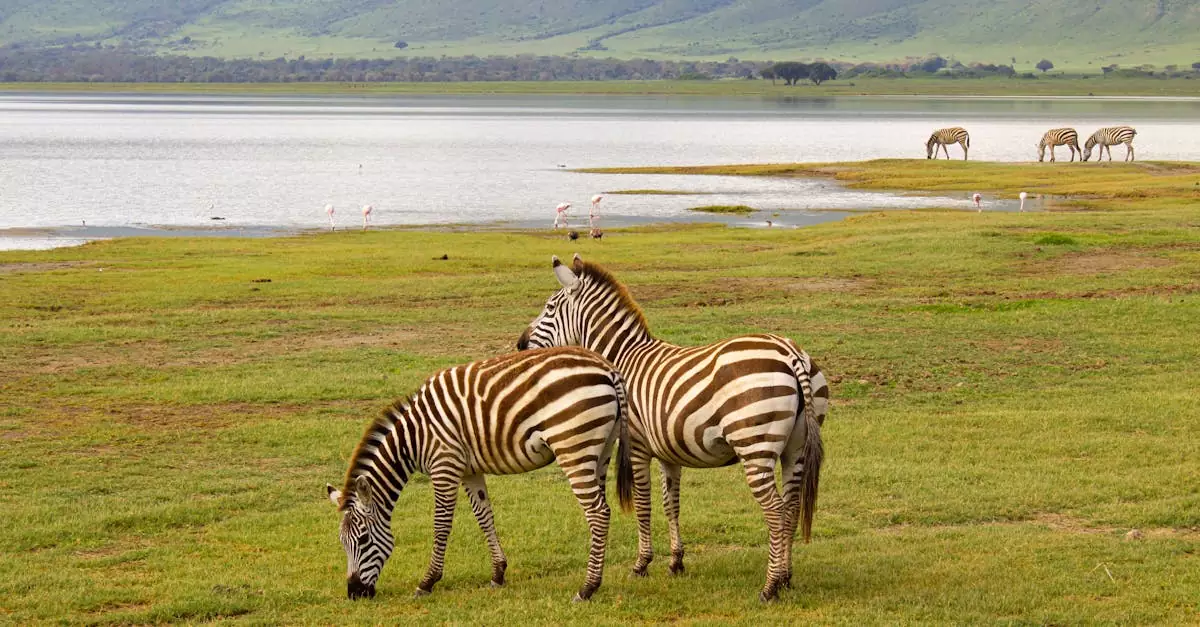
Planning a safari to the best African nature reserves involves more than just booking flights. It requires thoughtful consideration of the experiences you seek, the time you have, and the destinations that best align with your interests. Whether you dream of witnessing the Great Migration or seeking out elusive desert-adapted wildlife, a well-crafted itinerary is key to an unforgettable journey across Africa.
A 7-Day Itinerary Combining Serengeti and Maasai Mara
For travelers aiming to witness the iconic Great Migration, a combined Serengeti National Park (Tanzania) and Maasai Mara National Reserve (Kenya) itinerary offers a prime opportunity. This route is particularly rewarding during specific times of the year, depending on the migration’s movement.
Migration Viewing Window:
- July-October: Best for witnessing the migration river crossings in the Mara River region of both parks.
- December-March: Excellent for observing the calving season in the southern Serengeti.
Logistics: This itinerary typically involves flying into Kilimanjaro International Airport (JRO) in Tanzania or Jomo Kenyatta International Airport (NBO) in Kenya. Internal flights between parks are common and highly recommended to maximize your time. Road transfers are possible but significantly increase travel time.
Accommodation: Options range from luxury tented camps to more rustic lodges, often strategically located to offer prime wildlife viewing. Booking accommodations well in advance is crucial, especially during peak migration months.
Sample 7-Day Plan:
- Day 1-3: Serengeti National Park. Arrive in Tanzania, transfer to your Serengeti camp. Focus on game drives in areas known for high wildlife density, keeping an eye on the migration’s progress.
- Day 4-6: Maasai Mara National Reserve. Cross the border (usually via a short flight) into Kenya’s Maasai Mara. Experience its vast plains and abundant predator populations. Consider a hot air balloon safari for a unique perspective.
- Day 7: Departure. Fly from the Maasai Mara to Nairobi for your onward international flight.
This dual-park approach provides a comprehensive view of the migration’s spectacle and the distinct ecosystems of two of Africa’s most celebrated wildlife destinations.
A 10-Day Southern Africa Safari Adventure: Kruger and Chobe
A 10-day adventure in Southern Africa offers a different yet equally rewarding safari experience, focusing on diverse landscapes and abundant game. Combining Kruger National Park (South Africa) with Chobe National Park (Botswana) provides a fantastic contrast.
Key Highlights:
- Kruger National Park: Renowned for its high density of wildlife, including the Big Five, and excellent infrastructure for self-drive safaris or guided tours.
- Chobe National Park: Famous for its massive elephant herds and stunning riverfront, best experienced on boat safaris.
Timing Considerations: Both parks are excellent year-round, but the dry season (May-October) generally offers the best game viewing as water sources become scarce, concentrating animals.
Logistics: Fly into Kruger Mpumalanga International Airport (MQP) in South Africa or Kasane International Airport (BBK) in Botswana. Transfers between these parks can be done by road or a combination of road and short flights.
Sample 10-Day Plan:
- Day 1-4: Kruger National Park. Arrive in South Africa, transfer to your chosen lodge or rest camp within Kruger. Enjoy self-drive or guided game drives, focusing on predator sightings and diverse birdlife.
- Day 5-8: Chobe National Park. Travel to Botswana, likely settling into accommodation near the Chobe River. Dedicate time to game drives and memorable boat safaris along the Chobe River, observing elephants and hippos.
- Day 9: Day Trip or Relaxation. Depending on your base, a day trip to Victoria Falls is a popular addition, or you can enjoy a final game drive.
- Day 10: Departure. Depart from Kasane or Victoria Falls International Airport (VFA).
This itinerary is well-suited for those seeking a variety of safari activities, from driving through bushveld to cruising on a river, all while experiencing incredible wildlife concentrations.
Tailoring Your Trip for Family, Couples, or Solo Travelers
The best African nature reserves can cater to a wide range of traveler types, but tailoring your itinerary ensures a more fulfilling experience.
- Family Travel: Look for lodges that offer child-friendly activities, such as nature walks, educational programs, and dedicated family rooms. Parks with higher concentrations of easily visible animals, like Kruger or the Maasai Mara, can keep younger travelers engaged. Safety is paramount, so choose reputable operators and accommodations with secure perimeters.
- Couples’ Retreats: Many luxury tented camps and lodges offer private plunge pools, romantic dinners, and exclusive game drives, creating an intimate safari experience. Destinations like the Okavango Delta in Botswana or smaller, more exclusive conservancies adjacent to national parks provide a sense of seclusion.
- Solo Adventurers: Solo travel to African reserves is increasingly popular. Joining small group tours can be cost-effective and provide social interaction. Many lodges cater to solo guests, offering comfortable single accommodations and opportunities to connect with fellow travelers during shared activities. For those seeking independence, self-drive options in parks like Kruger are viable, though careful planning and vehicle preparation are essential.
When planning, consider your budget, desired pace, and the specific wildlife you wish to see. Consulting with a reputable African tourism board or a specialized safari operator can help refine your choices and ensure a seamless, memorable adventure.
Frequently Asked Questions About African Nature Reserves
What are the essential items to pack for an African safari?
Packing wisely is crucial for a comfortable and enjoyable safari. Lightweight, neutral-colored clothing is recommended to blend in with the environment and avoid startling wildlife. Long sleeves and trousers offer protection from the sun and insects.
Essential items include a good quality pair of binoculars for wildlife viewing, a camera with extra batteries and memory cards, a wide-brimmed hat, sunglasses, and high-SPF sunscreen. Insect repellent containing DEET is also a must. Comfortable walking shoes are important for any bush walks or exploring lodges. Don’t forget a reusable water bottle to stay hydrated and reduce plastic waste.
What is the average cost of a safari in popular reserves?
The cost of a safari in the best African nature reserves can vary significantly based on the destination, duration, accommodation style, and included activities. Budget travelers might find options starting around $150-$250 per person per day for more basic lodges or camping. Mid-range safaris, offering comfortable lodges and guided tours, typically range from $300-$600 per person per day.
Luxury safaris, with exclusive lodges, private guides, and gourmet dining, can cost $800-$1500 or more per person per day. These prices often cover park entrance fees, accommodation, meals, and game drives. Flights to and from the reserve, visa fees, and personal expenses are usually additional. Planning in advance and considering shoulder seasons can help manage costs.
Are there specific safety concerns for travelers in these reserves?
Safety is paramount when visiting African wildlife areas. While most reserves are well-managed, it’s important to follow your guide’s instructions at all times. Always stay inside your vehicle during game drives unless explicitly told it’s safe to disembark. Never approach or feed wild animals, as they can be unpredictable and dangerous.
Malaria is a concern in many regions, so consult your doctor about necessary vaccinations and malaria prophylaxis before your trip. Drink bottled or purified water to avoid waterborne illnesses. Be aware of your surroundings, especially at night, and secure valuables in your lodge safe. Reputable tour operators prioritize guest safety and have experienced guides trained in wildlife behavior and emergency procedures. For general travel advice on the continent, resources from the African Tourism Board can be very helpful.