Embarking on an African safari is a dream for many, offering unparalleled wildlife encounters and stunning landscapes. If you’re planning your adventure, knowing which destinations provide the most rewarding experiences is essential. This guide explores the best safari parks in Africa, highlighting their unique strengths—from the thundering herds of the Serengeti to the vast elephant populations of Chobe. You’ll learn about optimal times for peak viewing, discover which parks are best for spotting specific animals, and get insights into diverse accommodation and activity options. Whether you seek the thrill of a walking safari, the drama of the Great Migration, or the chance to see the iconic Big Five in their natural habitat, this exploration will help you choose the perfect African safari destination for an unforgettable journey.
Serengeti National Park: Witness the Great Migration
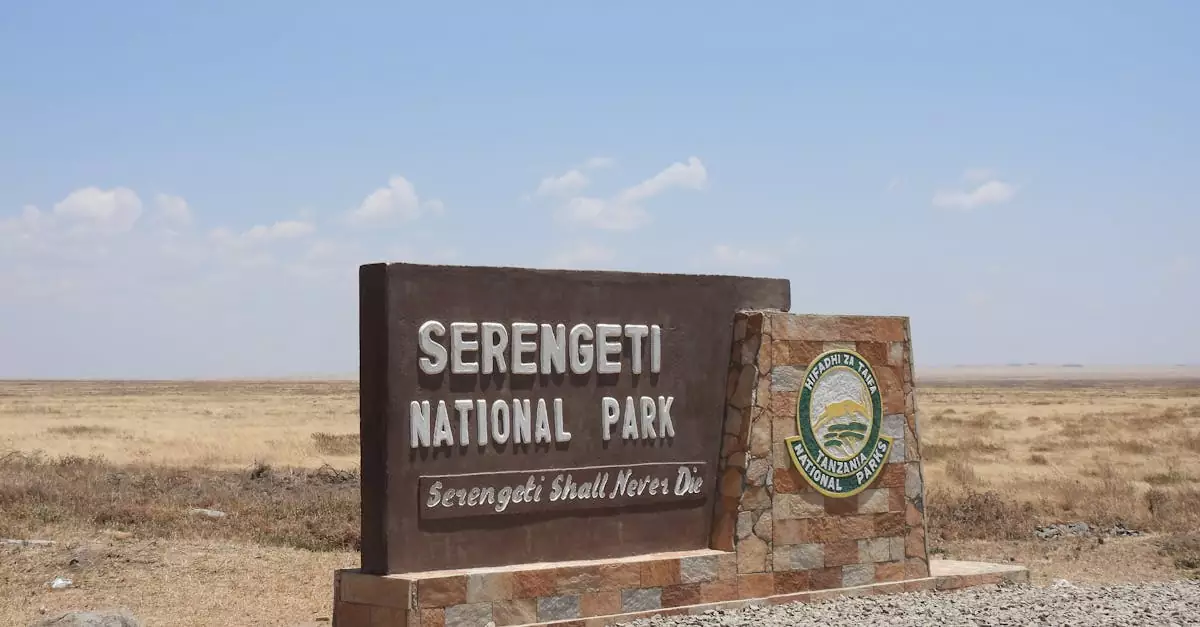
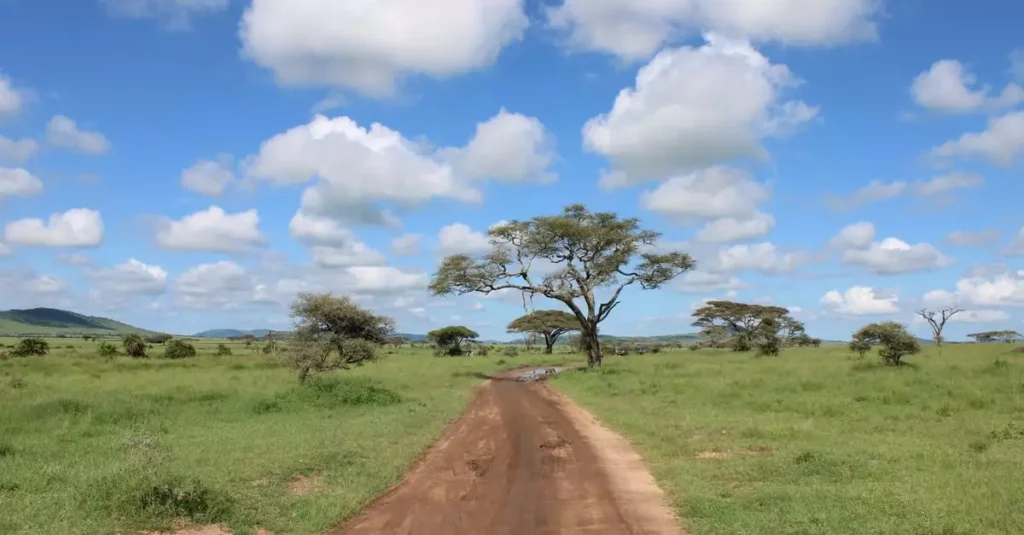
The Serengeti is synonymous with the ultimate African safari experience, attracting travelers worldwide to witness its iconic wildlife. This vast ecosystem in northern Tanzania is renowned for hosting the Great Migration, an annual spectacle of over 1.5 million wildebeest, zebras, and gazelles journeying in search of greener pastures. Observing this mass movement, complete with dramatic river crossings and predator-prey interactions, defines the best safari parks in Africa.
Best Time to See the Great Migration in Serengeti
Timing is crucial for experiencing the Great Migration. While the Serengeti offers incredible game viewing year-round, the migration’s exact location shifts throughout the year.
- December to March: Calving season in the southern Serengeti. Thousands of newborns join the herds, attracting predators like lions and cheetahs. The short rains typically occur in November, followed by longer rains from March to May.
- April to May: The herds begin moving north towards the central and western Serengeti as the long rains subside. This period can be challenging for travel due to muddy roads but offers fewer crowds.
- June to October: The most dramatic phase, with herds concentrating in the western and northern Serengeti, often facing the formidable Grumeti and Mara Rivers. River crossings, particularly at the Mara River in the north, are highlights during these months, though unpredictable. This is peak season for many visitors aiming to witness this natural wonder.
Where to Stay in Serengeti for Optimal Wildlife Viewing
Accommodation choices in the Serengeti significantly impact your safari experience, especially for witnessing the migration. Lodges and tented camps are strategically located to maximize game viewing opportunities throughout the year.
For those targeting the Great Migration, consider camps and lodges in different regions depending on the season. In the southern Serengeti, options like Kusini Camp or Serengeti Serena Safari Lodge are close to the calving grounds. As the migration moves west, camps near the Grumeti River, such as Grumeti Serengeti Tented Camp, become prime locations. For river crossings in the north, Mara River Tented Lodge or Kaskaz Mara Camp offer front-row seats. Many camps provide mobile tented options that follow the migration, ensuring dynamic viewing.
Driving Routes and Internal Park Transport Options
Navigating the Serengeti requires careful planning, as distances are vast and road conditions can vary. Most visitors arrive via light aircraft flights into airstrips scattered across the park, which is the most time-efficient method. From these airstrips, your lodge or camp will typically arrange for a safari vehicle to meet you.
Within the park, safari vehicles are the primary mode of transport. These are usually open-sided 4x4s, allowing for unobstructed views and photography. Driving yourself within the Serengeti is generally not recommended due to the park’s size, lack of clear signage, and the need for experienced guides who understand animal behavior and track sightings. Many lodges offer guided game drives as part of their package.
Internal Park Transport Options:
| Option | Typical Cost (per day) | Pros | Cons |
|---|---|---|---|
| Lodge/Camp Safari Vehicle | Included or $250-$400 | Expert guides, comfortable, safe, tailored routes | Limited flexibility outside scheduled drives, can be shared with other guests |
| Private Safari Vehicle | $300-$500 | Complete flexibility, exclusive use, personalized itinerary | Higher cost, requires booking in advance |
| Self-Drive (not advised) | N/A | Complete freedom | Difficult navigation, potential for getting stuck, requires extensive local knowledge, not recommended |
Flights between airstrips can also be arranged for longer distances within the Serengeti, offering a scenic aerial perspective of the plains and herds, though this adds to the overall budget for your trip.
Kruger National Park: Big Five Viewing and Diverse Ecosystems
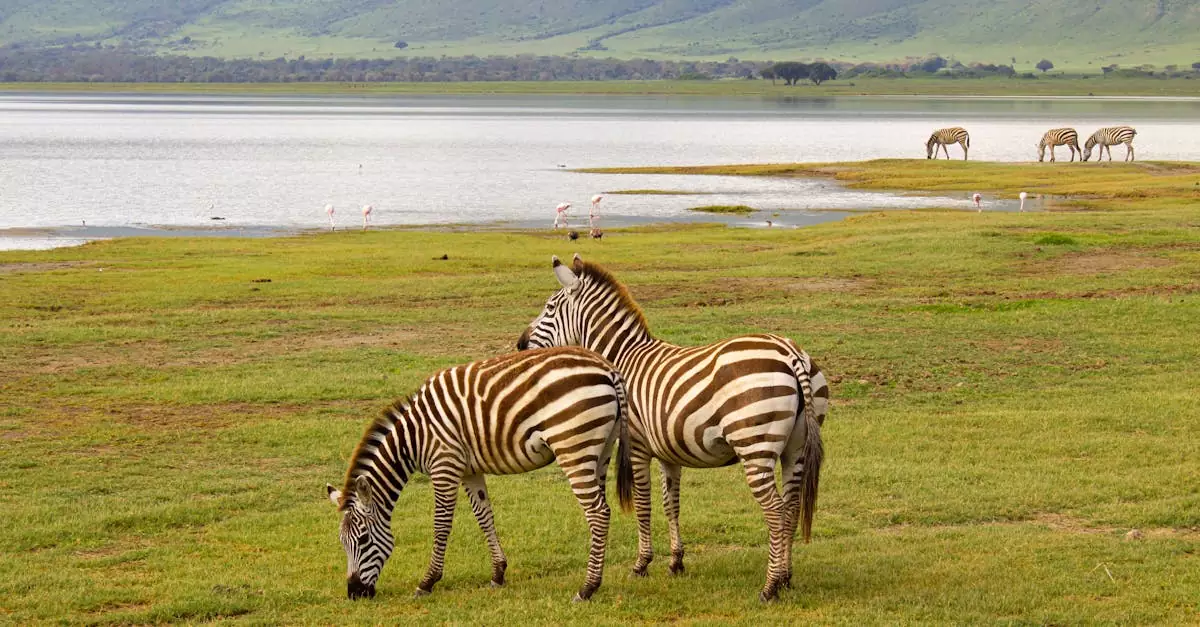
Kruger National Park in South Africa consistently ranks among the best safari parks in Africa for its exceptional wildlife viewing opportunities, particularly for the Big Five (lion, leopard, elephant, rhino, and buffalo). Spanning over 1.9 million hectares, it’s one of the largest game reserves on the continent, offering a vast and varied landscape that supports an incredible diversity of flora and fauna. Travelers seeking an authentic African safari experience often find Kruger to be an accessible and rewarding destination. The park’s well-maintained infrastructure, including paved roads and numerous rest camps, makes it suitable for a range of travel styles.
Self-Drive Safari Tips for Kruger National Park
Embarking on a self-drive safari in Kruger offers unparalleled freedom and flexibility. Many visitors opt to rent a vehicle, often a 2WD sedan or SUV, which is adequate for the main roads. For those venturing onto less-trafficked gravel tracks, a 4×4 might be beneficial, though not strictly necessary for most areas. Planning your route in advance is highly recommended, especially if you have specific wildlife sightings in mind. Utilize park maps and real-time sightings boards at rest camps to gauge animal movements.
Key self-drive tips include:
- Start early: Dawn and dusk are prime times for animal activity.
- Stay on roads: For your safety and the animals’ well-being, always remain on designated roads.
- Use binoculars: Essential for spotting distant animals and observing smaller creatures.
- Carry water and snacks: Especially for longer game drives away from rest camps.
- Respect speed limits: To avoid accidents and disturbing wildlife.
The park is accessible via several gates, with the Phalaborwa Gate in the north and the Malelane Gate in the south being popular entry points. Depending on your chosen accommodation and safari goals, you might focus on specific regions within the park. For instance, the southern and central areas are known for higher concentrations of predators and the Big Five, while the northern regions offer a more remote and wild experience.
Accommodation Options from Budget Camps to Luxury Lodges in Kruger
Kruger National Park offers a comprehensive range of accommodation to suit every budget and preference. The South African National Parks (SANParks) manages a network of rest camps scattered throughout the park. These camps provide various levels of comfort, from basic campsites and chalets to more comfortable bungalows and family cottages. Amenities typically include communal kitchens, restaurants, shops, and swimming pools, making them convenient bases for self-drive safaris.
For those seeking a more exclusive experience, private game reserves bordering Kruger, such as Sabi Sands, Timbavati, and Thornybush, offer luxurious lodges. These typically operate on an all-inclusive basis, with gourmet meals, guided game drives (often in open vehicles with experienced rangers), and walking safaris. While significantly more expensive than SANParks accommodation, these private concessions often provide exceptional wildlife viewing due to their off-road driving policies and expert guides.
Here’s a general overview of accommodation types:
| Accommodation Type | Typical Price Range (USD per night) | Key Features |
|---|---|---|
| SANParks Campsites | $20 – $50 | Basic amenities, self-catering, communal facilities |
| SANParks Chalets/Bungalows | $80 – $200 | En-suite bathrooms, self-catering, camp facilities |
| Private Safari Lodges | $500 – $2000+ | All-inclusive, guided drives, walking safaris, luxury |
Booking accommodation well in advance is crucial, especially during peak season (June to October) and school holidays. SANParks accommodation can be booked directly through their website, while private lodges are often booked through tour operators or directly.
Best Game Viewing Drives and Walking Safaris in Kruger
Kruger’s sheer size means that different areas offer distinct game viewing experiences. The southern and central regions, particularly around Skukuza, Lower Sabie, and Satara, are renowned for their high density of wildlife, including frequent sightings of lions, leopards, and elephants. The H4-1 road between Skukuza and Lower Sabie, and the S100 loop near Satara, are particularly productive.
For those interested in rhinos, the northern areas like Punda Maria and the Pafuri region are excellent choices, offering a chance to see both black and white rhinos in a more secluded setting. Birdwatchers will also find the diverse habitats rewarding, with over 500 recorded species.
Walking safaris provide a more intimate connection with the bush. Conducted by armed and experienced rangers, these excursions allow you to track animals on foot, learn about the ecosystem, and experience wildlife at eye level. Walking safaris are typically offered by SANParks camps and are a highlight for many visitors. They require a reasonable level of fitness and an adventurous spirit.
Popular walking safari locations include Olifants, Letaba, and Punda Maria camps. When planning your safari, consider combining self-drive exploration with guided activities to maximize your chances of seeing a wide array of animals and experiencing the park from different perspectives. For those seeking a comprehensive African safari, Kruger provides an unparalleled introduction to the continent’s iconic wildlife.
Maasai Mara National Reserve: Predators and Maasai Culture
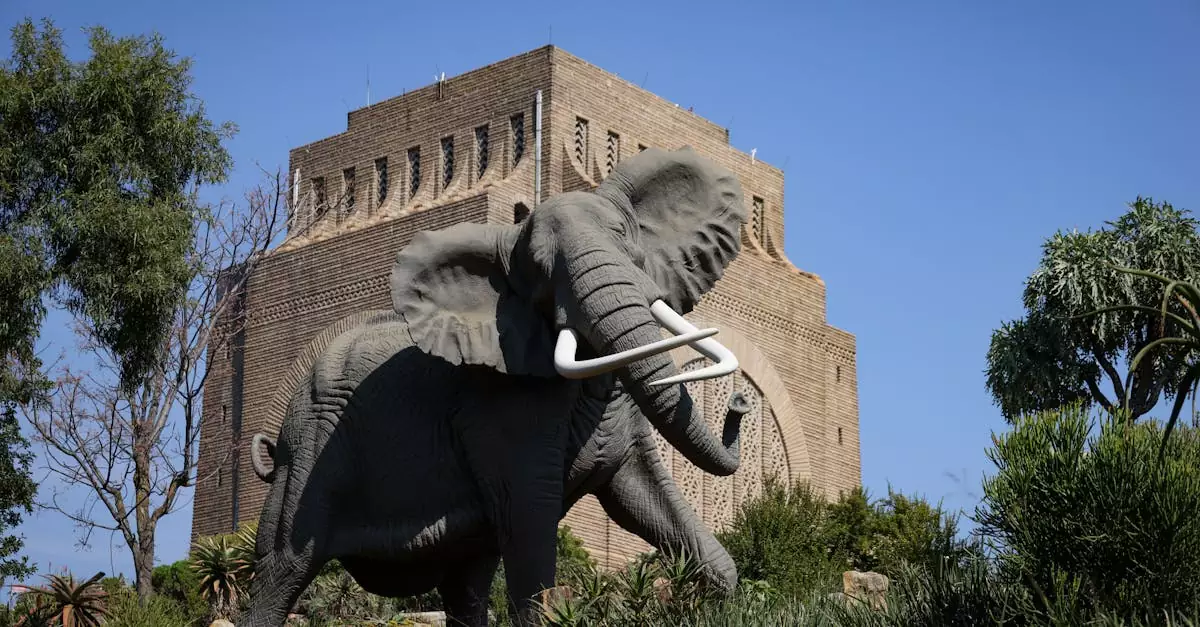
The Maasai Mara National Reserve, often simply called “The Mara,” stands as a quintessential African safari destination. Its vast, rolling grasslands are synonymous with abundant wildlife, particularly its dense predator populations. This iconic park offers an unmatched opportunity to witness the drama of the African savanna unfold, making it a top contender among the best safari parks in Africa. Beyond the wildlife, the reserve is also the ancestral home of the Maasai people, whose vibrant culture enriches the Mara experience.
When to Visit Maasai Mara for Predator Sightings
Timing your visit to the Maasai Mara is crucial for maximizing wildlife viewing, especially if predator sightings are a priority. The most famous event, the Great Migration, sees millions of wildebeest and zebras crossing the Mara River between July and October. This influx of prey draws predators like lions, cheetahs, leopards, and hyenas in large numbers, creating incredible hunting opportunities.
For optimal predator action outside of the migration season, consider visiting during the dry months of January to March. While the landscape is drier, animals tend to congregate around remaining water sources, making them easier to spot. This period also offers excellent photographic conditions with clear skies and dramatic backdrops.
| Month | Wildlife Highlight | Weather |
|---|---|---|
| July-Oct | Great Migration, river crossings | Dry, cooler |
| Jan-Mar | Concentrated wildlife at water | Dry, warmer |
| Apr-Jun | Green season, fewer crowds | Wet, lush |
Exploring the Maasai Mara Conservancies vs. the Main Reserve
When planning a safari in the Maasai Mara, you’ll encounter two primary options: the main national reserve and the surrounding private conservancies. Each offers a distinct experience, catering to different traveler preferences and budgets.
The Maasai Mara National Reserve is the most accessible and popular area. It boasts higher wildlife densities due to its size and migration routes. However, it can become crowded, especially during peak season, with multiple vehicles often converging on sightings. Game drives here are restricted to designated tracks.
The private conservancies (such as Mara North, Olare Motorogi, or Musiara) border the main reserve. These areas are typically less crowded, providing a more exclusive safari experience. They allow for off-road driving, night game drives, and walking safaris—activities often restricted in the main reserve. Conservancies also limit the number of vehicles allowed in certain areas, ensuring a more pristine encounter with wildlife. While generally more expensive due to conservation fees, the enhanced experience and exclusivity can be worthwhile for visitors seeking the best safari parks in Africa.
Photography Opportunities in the Maasai Mara
The Maasai Mara is a photographer’s paradise, offering endless opportunities for stunning wildlife shots. The open savanna landscape provides wide vistas and unobstructed views of animals. The golden light of sunrise and sunset, known as the “golden hour,” casts a magical glow over the plains, enhancing both the scenery and animal portraits.
For photographers, early morning and late afternoon game drives are essential. These are the times when predators are most active, and the light is at its best. Many lodges and camps offer specialized photography vehicles with beanbags and pop-up roofs for better stability and shooting angles. A good telephoto lens is recommended to capture intimate wildlife details from a safe distance. The sheer abundance and proximity of animals, from majestic lion prides to graceful giraffes, ensure that every safari drive presents new photographic challenges and rewards.
Chobe National Park: Elephant Herds and River Safaris
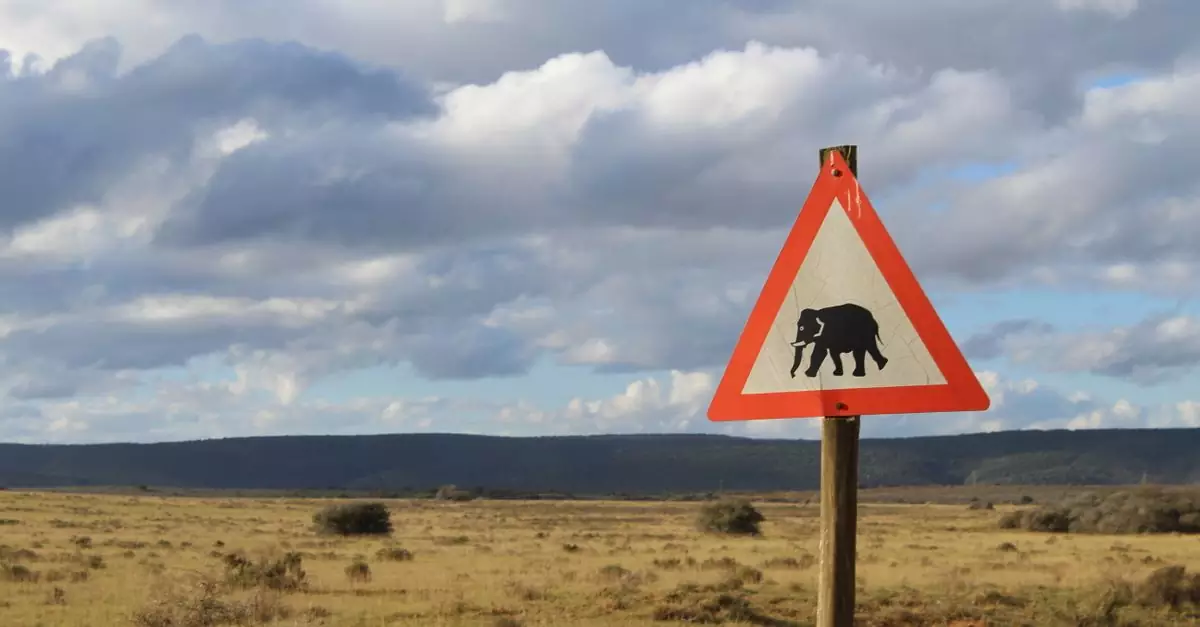
Chobe National Park in Botswana is renowned for its massive elephant populations and unique river-based safari experiences. Located in the north of the country, it’s easily accessible and offers a different perspective on wildlife viewing compared to traditional game drives. The park’s diverse habitats, from the Linyanti wetlands to the Savuti marsh and the Chobe Riverfront, attract a wide array of animals, making it one of the best safari parks in Africa for sheer animal density.
Best Season for Elephant Viewing in Chobe
The dry season, typically from May to October, is the prime time for observing elephants in Chobe. During these months, water sources become scarce, and vast herds congregate along the Chobe River and its floodplains. This concentration of elephants, often numbering in the hundreds, provides unparalleled viewing opportunities. The cooler temperatures also make game drives more comfortable. For those interested in specific wildlife events, the migratory patterns of other animals, such as zebras and wildebeest, are most pronounced during this period as they follow the receding waters.
Houseboat Safaris on the Chobe River
A distinctive feature of Chobe is the opportunity to embark on houseboat safaris along the Chobe River. This tranquil and immersive experience allows you to witness wildlife up close. Imagine gliding past pods of hippos, crocodiles basking on the banks, and elephants coming down to drink and play, all from the comfort of your floating accommodation. Houseboats range from basic to luxurious, often including en-suite cabins, dining areas, and viewing decks. Many offer guided canoe excursions and fishing trips, providing a multi-faceted experience of the riverine ecosystem. This mode of travel allows access to areas unreachable by road, offering intimate encounters with large mammals and abundant birdlife.
Day Trips from Victoria Falls to Chobe National Park
For travelers staying in Victoria Falls, Zimbabwe, or Livingstone, Zambia, a day trip to Chobe National Park is a popular and convenient option. Many tour operators offer packages that include transportation, park fees, and a half-day game drive or boat cruise. The proximity of Chobe to these iconic falls means you can combine two of Africa’s most impressive natural wonders within a single trip. Crossing the border into Botswana is usually straightforward, but it’s wise to confirm visa requirements in advance. These day trips provide a fantastic taste of Botswana’s wildlife without extensive travel arrangements, making it an accessible addition to a Southern African itinerary. You can often arrange these excursions through your accommodation in Victoria Falls.
South Luangwa National Park: Walking Safaris and Leopard Hotspots
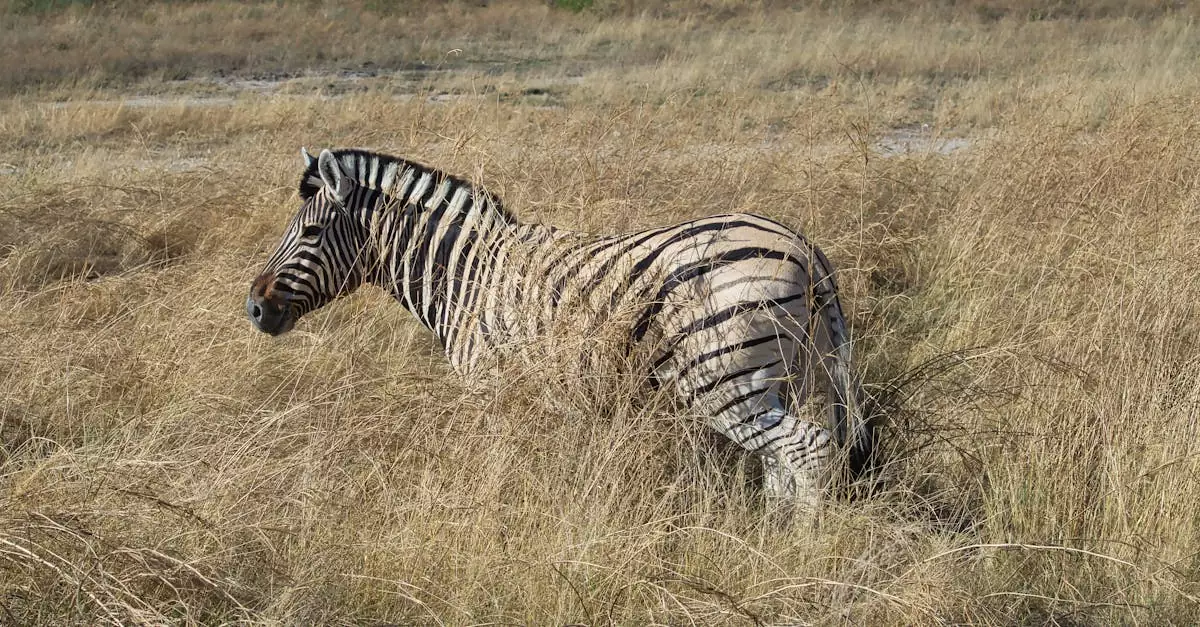
South Luangwa National Park in Zambia stands out as a premier destination for those seeking an authentic safari experience. Often cited among the best safari parks in Africa, it is particularly renowned for pioneering the walking safari, allowing for a deeper connection with the wilderness. The park’s high density of wildlife, especially leopards, coupled with its vast, unspoiled landscapes, makes it a compelling choice for serious wildlife enthusiasts.
Why South Luangwa is a Premier Walking Safari Destination
The concept of the walking safari originated in South Luangwa, and the park continues to refine this immersive experience. Guides here are exceptionally skilled, not only in tracking animals but also in interpreting the bush. Walking safaris offer a unique perspective, revealing the smaller details of the ecosystem—such as insects, plants, and tracks in the sand—that are often missed from a vehicle. This allows for a more profound understanding of the intricate relationships within the park.
The thrill of encountering a leopard on foot, albeit at a safe distance, is unparalleled. South Luangwa boasts one of the highest concentrations of leopards in Africa, making sightings almost certain for those who spend enough time here. Beyond leopards, expect to see elephants, lions, buffalo, hippos, and a dazzling array of birdlife. The open plains and riverine thickets provide diverse habitats that support a rich variety of fauna.
Finding Accommodation Near South Luangwa’s Best Walking Trails
Accommodation in South Luangwa ranges from rustic bush camps to luxurious lodges, many of which are strategically located for direct access to prime walking areas. Lodges often have private concessions, allowing for off-road driving and night drives, which are crucial for leopard spotting.
When choosing a lodge, consider its proximity to the Luangwa River, where much of the wildlife congregates, particularly during the dry season. Many establishments focus on walking safaris, employing guides who are experts in this specific activity. Booking a package that includes guided walks is advisable.
Here’s a look at typical accommodation options:
| Accommodation Type | Typical Price Range (USD per person per night, all-inclusive) | Key Features |
|---|---|---|
| Luxury Lodge | $600 – $1200+ | Ensuite bathrooms, gourmet meals, private guides |
| Mid-Range Camp | $350 – $600 | Comfortable rooms, good guiding, communal dining |
| Budget Camp | $200 – $350 | Basic amenities, shared facilities, focused on safari |
It’s important to book accommodations well in advance, especially for peak season travel. Many lodges are situated within walking distance of trailheads or offer guided transfers to them.
Understanding the Best Time to Visit South Luangwa for Game
The best time to visit South Luangwa for game viewing is during the dry season, which runs from May to October. During these months, water sources become scarce, forcing animals to congregate around the Luangwa River and its tributaries. This makes spotting wildlife significantly easier.
- May – June: The end of the rainy season. Vegetation is still lush, and the landscape is green. Animals begin to concentrate as waterholes dry up. Temperatures are pleasant.
- July – September: Peak dry season. This is prime time for game viewing. The bush thins out, and animals are highly dependent on the river. Nights can be cool, so pack layers. This period is also ideal for walking safaris as the grass is lower.
- October: The hottest month. The landscape becomes parched, and animals are concentrated around remaining water. It can be challenging due to the heat, but wildlife sightings remain excellent.
The wet season (November to April) sees the park transform into a lush, green paradise, but it also brings challenges. Many roads become impassable, and some camps close due to flooding. However, birdlife is spectacular during this time, and the reduced number of visitors can offer a more solitary experience for those willing to brave the conditions. For those prioritizing wildlife viewing and walking safaris, the dry season is undoubtedly superior.
Frequently Asked Questions About Africa’s Best Safari Parks
What is the average cost of an African safari?
The cost of a safari in Africa varies significantly based on destination, duration, accommodation style, and activities. Budget-friendly camping trips can start around \$150-\$250 per person per day. Mid-range lodges and tented camps typically range from \$300-\$600 per person per day. Luxury safaris, often including exclusive concessions, private guides, and high-end amenities, can cost \$800-\$2,000+ per person per day. These figures generally cover accommodation, meals, park fees, and game drives. Flights to and within Africa, visa costs, travel insurance, and personal expenses are usually additional. Planning ahead and booking during the shoulder season can offer significant savings.
Is it safe to go on safari in Africa?
Millions of travelers visit Africa for safaris each year with very few incidents. Reputable safari operators prioritize guest safety through experienced guides, well-maintained vehicles, and adherence to park regulations. It’s important to follow your guide’s instructions at all times, especially regarding wildlife. Stay inside your vehicle during game drives unless instructed otherwise, and never approach or feed wild animals. Malaria precautions are recommended for certain regions; consult your doctor about necessary vaccinations and preventative medication. For general information on travel to Africa, it’s always wise to check your country’s travel advisories.
What should I pack for an African safari?
Packing for an African safari involves focusing on comfort, practicality, and blending in with the environment. Neutral, earthy-toned clothing (khaki, beige, olive green) is recommended as bright colors can startle wildlife. Lightweight, breathable fabrics are essential due to the heat.
Here’s a basic packing list:
- Clothing: Long-sleeved shirts and trousers (for sun and insect protection), t-shirts, shorts, a warm fleece or jacket for cool mornings and evenings, and a hat.
- Footwear: Comfortable walking shoes or hiking boots, and sandals or flip-flops for relaxing at the lodge.
- Essentials: High SPF sunscreen, insect repellent, sunglasses, a reusable water bottle, a camera with extra batteries and memory cards, binoculars, and a small backpack for day trips.
- Health: Personal first-aid kit, any prescribed medications, and hand sanitizer.
- Documents: Passport, visa (if required), flight tickets, and copies of important documents.
Many safari lodges offer laundry services, so you can pack lighter than you might expect. Check the specific packing recommendations for your chosen safari destination and operator.