Planning an adventure to the best wildlife parks in Africa offers encounters with some of the planet’s most magnificent creatures in their natural habitats. From the vast plains of the Serengeti to the dense forests of Rwanda, the continent provides an unparalleled safari experience. This guide equips you with essential knowledge for planning your unforgettable journey.
You’ll find detailed insights into five of Africa’s most iconic wildlife destinations, exploring what makes each unique and the best times to visit. We’ll cover practical considerations, including the various types of safaris, budgeting tips, and logistical advice for navigating these incredible landscapes. Additionally, you’ll discover accommodation options to suit different preferences and budgets, a comprehensive packing list, and answers to frequently asked questions. Prepare for an adventure that connects you deeply with the wild heart of Africa.
Top 5 Best Wildlife Parks in Africa for Unrivaled Safaris
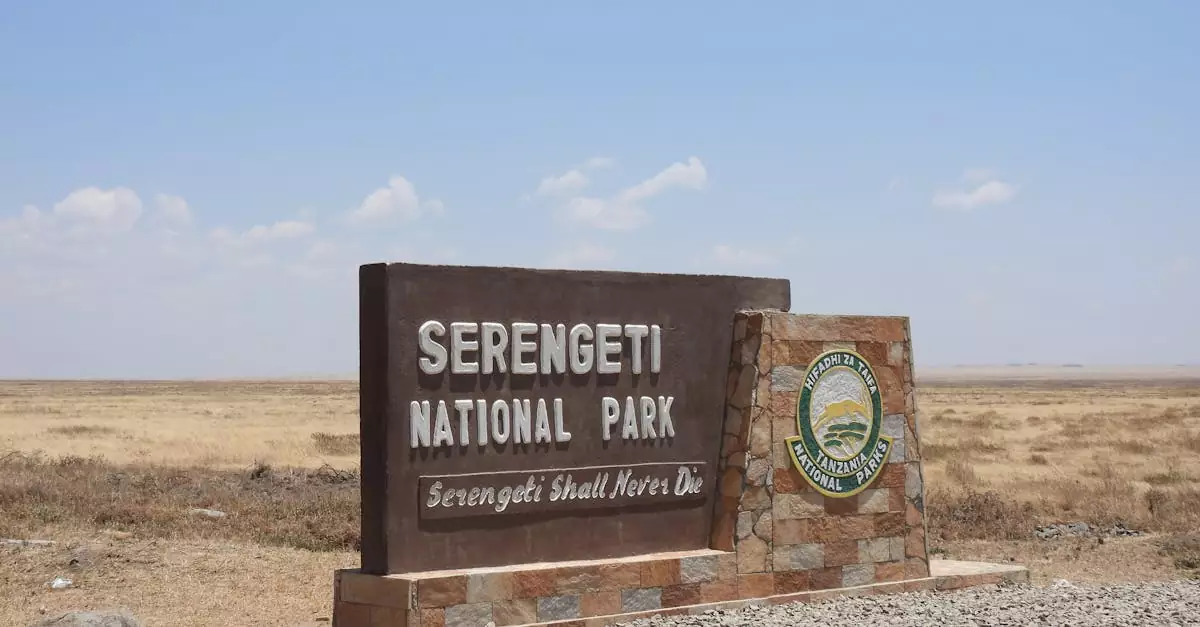
Africa is synonymous with wildlife, and its national parks offer some of the most profound animal encounters on Earth. Planning a safari to the best wildlife parks in Africa in 2026 requires understanding each location’s unique features. From expansive plains teeming with migratory herds to dense forests sheltering rare primates, these destinations promise unforgettable experiences.
Serengeti National Park, Tanzania: The Great Migration Spectacle
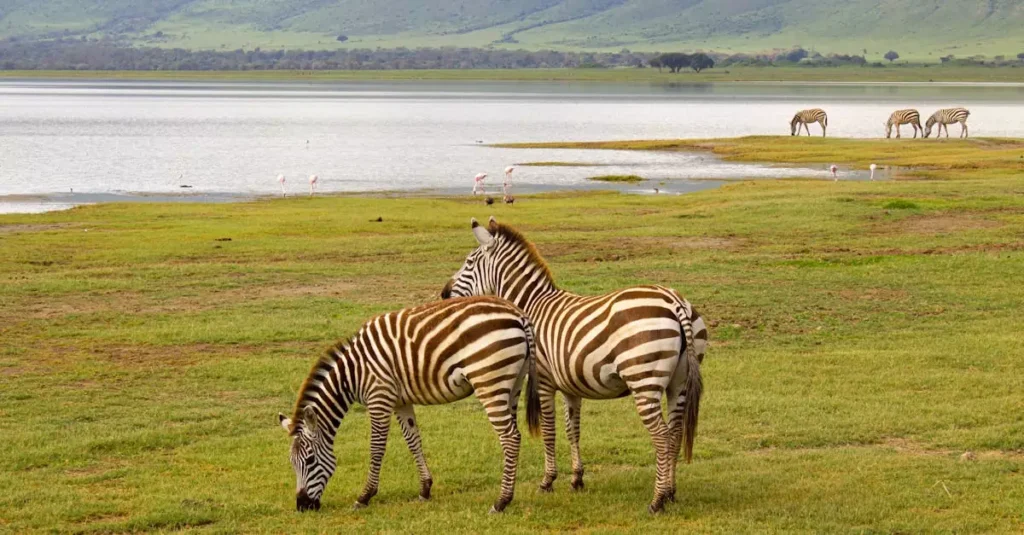
The Serengeti is arguably the most iconic African wildlife destination, globally renowned for the Great Migration. This natural wonder sees millions of wildebeest, zebras, and gazelles traverse the plains in search of fresh grazing, presenting a breathtaking spectacle of life and survival. Beyond the migration, the Serengeti has a high concentration of predators, including lions, leopards, and cheetahs, making it ideal for predator-action viewing.
Key Highlights:
- The Great Migration: Best viewed from June to October, with calving season (January-March) in the southern Serengeti offering a different, equally compelling experience.
- Predator Sightings: High chances of seeing lions, cheetahs, and leopards.
- Vast Landscapes: Endless golden savannas stretching to the horizon.
Logistics: Access is typically via light aircraft flights into various airstrips within the park or by road from Arusha. Accommodations range from luxury tented camps to more rustic lodges, catering to different budgets. The dry season (June-October) is generally considered the best time for game viewing due to concentrated wildlife near water sources.
Kruger National Park, South Africa: Big Five Encounters and Diverse Habitats
Kruger National Park is one of Africa’s largest and most famous game reserves, offering a quintessential safari experience. Its well-developed infrastructure, including a network of roads and rest camps, makes it accessible for both self-drive safaris and guided tours. Kruger is renowned for its exceptional “Big Five” (lion, leopard, elephant, rhino, and buffalo) sightings and diverse ecosystems, ranging from open grasslands to dense bushveld and riverine forests.
Key Highlights:
- Big Five Abundance: Excellent chances of spotting all of Africa’s most sought-after animals.
- Diverse Habitats: Supports a rich variety of flora and fauna, enhancing wildlife diversity.
- Self-Drive Friendly: Easy to navigate for independent travelers.
Logistics: Kruger can be accessed via road from Johannesburg or by flying into nearby airports like Kruger Mpumalanga International Airport (MQP). Accommodation options are plentiful, from self-catering chalets in rest camps to private safari lodges offering all-inclusive experiences. The dry winter months (May to September) provide the best game viewing as vegetation thins and animals congregate around waterholes.
Maasai Mara National Reserve, Kenya: Iconic Savannah and Predator Action
The Maasai Mara is a jewel of Kenya’s wildlife heritage, forming an integral part of the Serengeti-Mara ecosystem. It’s most famous for the annual Great Migration, when millions of wildebeest and zebras cross from the Serengeti into the Mara between July and October. The reserve’s open savanna landscapes are ideal for spotting large prides of lions, cheetahs, and elusive leopards, making it a predator enthusiast’s dream.
Key Highlights:
- Predator Hotspot: Particularly known for its high density of lions and cheetahs.
- Maasai Culture: Opportunities to interact with the local Maasai people.
- Balloon Safaris: Sunrise hot-air balloon rides offer a unique perspective of the plains.
Logistics: Access is typically by flight to one of the Mara’s airstrips or by road from Nairobi. Lodging options vary, from luxurious tented camps to more budget-friendly lodges. The migration season (July-October) is peak tourist time, offering dramatic wildlife displays.
Chobe National Park, Botswana: Elephant Herds and Riverfront Wildlife
Chobe National Park is celebrated for its impressive elephant population, particularly along the Chobe River. This park offers a unique safari experience, with boat safaris providing intimate views of elephants, hippos, crocodiles, and diverse birdlife. Inland, the Savuti Marsh area is known for its lion prides and other predators, offering thrilling game viewing opportunities.
Key Highlights:
- Massive Elephant Herds: Witnessing hundreds of elephants at once is common.
- Boat Safaris: An exceptional way to view wildlife along the Chobe River.
- Predator Activity: Especially in the Savuti region.
Logistics: Chobe is easily accessible from the town of Kasane, which has its own airport. Accommodations include riverside lodges and mobile camping options. The dry season (May to October) concentrates wildlife along the river, making it the prime time for a visit.
Volcanoes National Park, Rwanda: Gorilla Trekking Adventures
For a truly unique and humbling wildlife encounter, Volcanoes National Park in Rwanda is unmatched. This park is home to a significant population of endangered mountain gorillas, and guided treks allow visitors to observe these magnificent primates in their natural habitat. The experience is deeply moving and contributes directly to conservation efforts.
Key Highlights:
- Mountain Gorilla Trekking: An iconic and life-changing experience.
- Golden Monkey Tracking: Another primate tracking opportunity within the park.
- Volcanic Landscapes: Set against the backdrop of the Virunga Mountains.
Logistics: Access is via Kigali International Airport, followed by a scenic drive to the park headquarters. Gorilla permits are essential and must be booked well in advance. Accommodations range from luxury lodges to guesthouses near the park entrance. The dry seasons (June-September and December-February) are generally preferred for trekking, as the forest trails are less muddy.
Here is a comparison of some of these top destinations:
| Park Name | Country | Primary Draw | Best Time to Visit (General) | Typical Budget Range (per day, per person) |
|---|---|---|---|---|
| Serengeti National Park | Tanzania | Great Migration, Predators | June-Oct, Jan-Mar | $400 – $1000+ |
| Kruger National Park | South Africa | Big Five, Diverse Habitats, Self-Drive | May-Sep | $200 – $700+ |
| Maasai Mara Reserve | Kenya | Great Migration, Lions, Cheetahs | July-Oct | $350 – $900+ |
| Chobe National Park | Botswana | Elephant Herds, Riverfront Wildlife, Boat Safaris | May-Oct | $400 – $1200+ |
| Volcanoes National Park | Rwanda | Mountain Gorilla Trekking | June-Sep, Dec-Feb | $700 – $1500+ (includes permit) |
Planning Your African Wildlife Safari: Essential Considerations
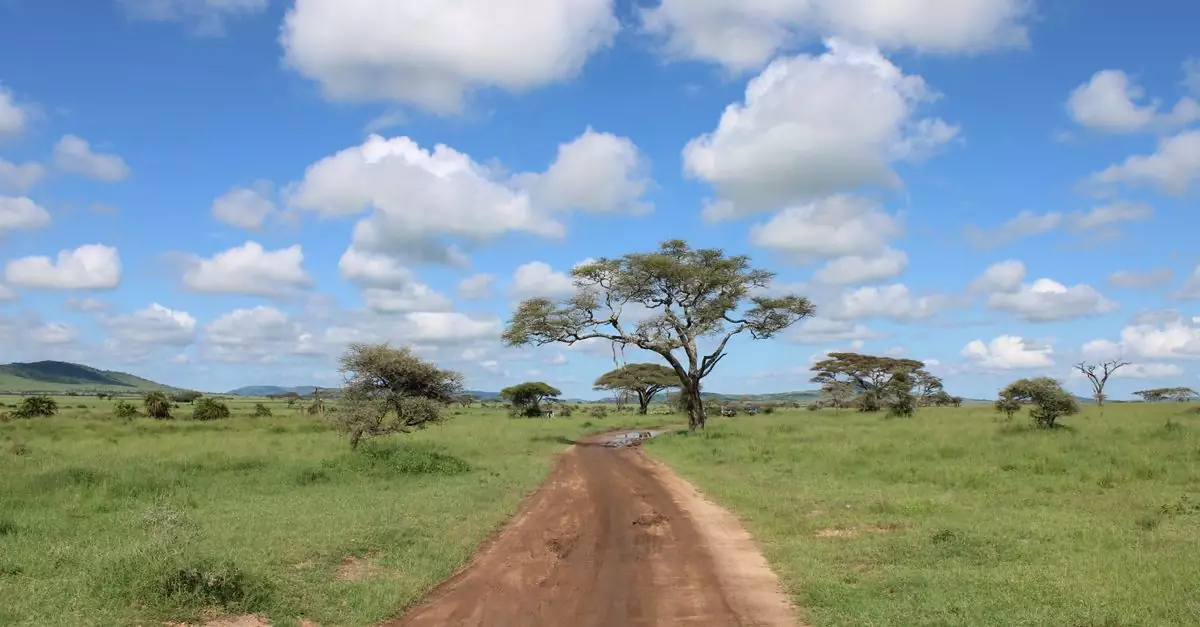
Embarking on a safari to Africa’s best wildlife parks is a dream for many, offering encounters with iconic animals in their natural habitats. However, successful planning is key to transforming this dream into reality. Understanding the nuances of timing, travel styles, and budgeting will enhance your experience and ensure you make the most of your adventure across Africa.
Best Time to Visit Africa’s Wildlife Parks for Optimal Viewing
The optimal time for a safari depends on your priorities, particularly regarding animal viewing and weather. Many travelers aim for the dry season, typically from June to October in East Africa and the southern regions. During these months, vegetation thins, and water sources become scarce, concentrating animals around rivers and waterholes, making them easier to spot. This period also generally offers cooler temperatures and lower humidity, though it is peak tourist season.
Conversely, the wet or green season (roughly November to May) can provide a different, often more budget-friendly experience. Landscapes become lush and vibrant, birdlife is abundant, and newborn animals are often present. While game viewing can be more challenging due to thicker vegetation and dispersed wildlife, you’ll often encounter fewer crowds and lower prices.
Here’s a general overview of seasonal considerations for key regions:
| Region | Dry Season (Peak Viewing) | Wet Season (Green Scenery, Fewer Crowds) |
|---|---|---|
| East Africa | June – October | November – May |
| Southern Africa | May – October | November – April |
Consider your tolerance for heat and rain, as well as your desire for peak wildlife sightings versus a more tranquil, cost-effective trip. Researching specific park microclimates and migration patterns will further refine your timing.
Choosing the Right Safari Type: Self-Drive vs. Guided Tours
Your safari adventure can take various forms, each offering a distinct perspective and level of engagement. A self-drive safari provides ultimate freedom and flexibility. You control your itinerary, pace, and where you spend your time. This option is often favored by experienced travelers or those on a tighter budget who can manage their own logistics. However, it requires careful planning regarding vehicle suitability, navigation, and knowledge of park rules and animal behavior.
Guided tours, on the other hand, offer convenience and expert insight. From luxury lodge-based tours to mobile camping expeditions, these packages handle all logistics, including transportation, accommodation, and meals. Guides are invaluable for their knowledge of animal tracking, local culture, and safety protocols. They can also access areas that might be off-limits to self-drivers.
A compromise can be found in fly-in safaris, which often combine guided activities with comfortable lodge stays, minimizing travel time between locations. For those seeking a deeper connection with nature, walking safaris provide an intimate perspective, allowing you to appreciate the smaller details of the ecosystem under the guidance of an armed ranger. The choice depends on your comfort level with independence, your budget, and your desired level of immersion.
Budgeting for Your African Safari: Costs and Savings Tips
The cost of an African safari can vary dramatically, from a few thousand dollars for a basic camping trip to tens of thousands for a luxury lodge experience. Key cost components include flights to and from Africa, internal travel (flights or road transfers), accommodation, park fees, activities, and daily expenses.
To manage your budget effectively:
- Travel in the shoulder or low season: Significant discounts on accommodation and sometimes even park fees are often available during these periods.
- Opt for self-catering or mid-range lodges: While luxury lodges offer unparalleled comfort, more modest accommodations can still provide excellent wildlife viewing opportunities.
- Consider group tours: Sharing costs with other travelers can reduce individual expenses.
- Limit internal flights: While convenient, flying between destinations adds considerable cost. Overland travel, though time-consuming, is generally more economical.
- Pack wisely: Avoid unnecessary purchases by bringing all essentials, from binoculars to appropriate clothing.
When researching prices, ensure you understand what is included. Park entrance fees, meals, drinks, and specific activities like night drives or guided walks can significantly impact the final bill. Websites like the African Tourism Board can offer general cost indications and travel advice.
Navigating Africa’s Best Wildlife Parks: Transportation and Logistics
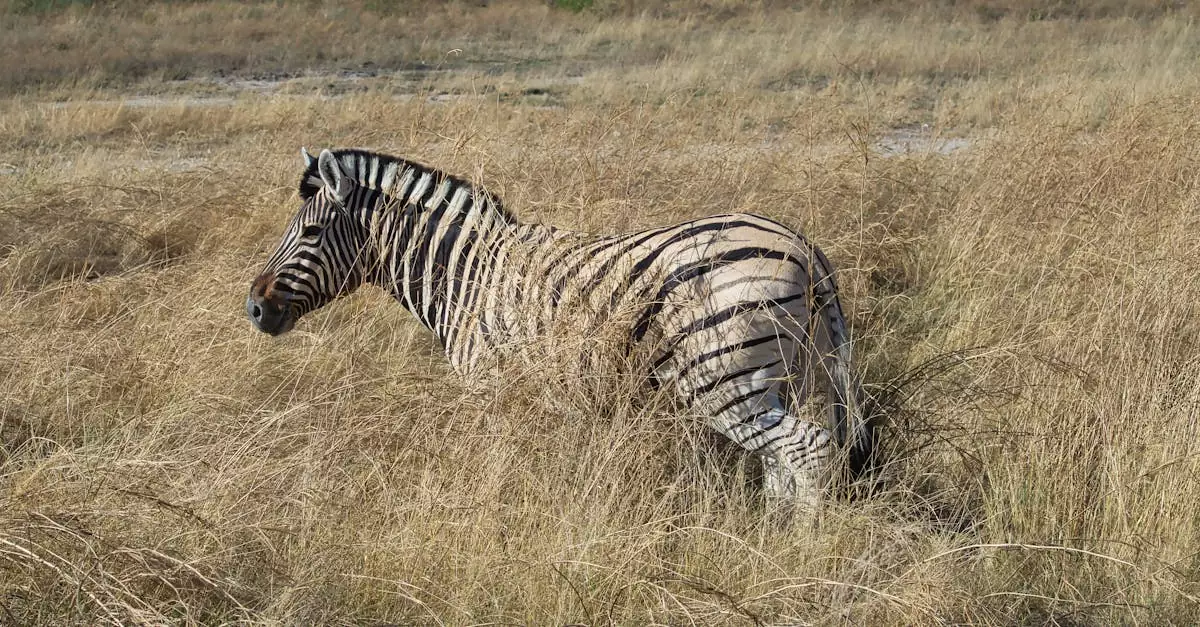
Planning an African safari involves understanding how to reach and move between the continent’s incredible wildlife destinations. Efficient logistics are key to maximizing your time observing animals and minimizing travel stress.
Getting to Africa’s Premier Safari Destinations
Most international travelers arrive at major African hubs like Nairobi (Kenya), Kilimanjaro International Airport (Tanzania), or O.R. Tambo International Airport in Johannesburg (South Africa). These airports serve as gateways to the best wildlife parks in Africa. From these points, you’ll typically connect to smaller regional airports closer to your chosen safari locations.
Consider booking flights well in advance, especially during peak safari seasons (generally June to October and December to February). Airlines like Ethiopian Airlines, Kenya Airways, and South African Airways offer extensive networks across the continent. For a broader overview of African travel, the African Tourism Board provides valuable resources.
Internal Travel: Flights, Roads, and Park Transfers
Once in Africa, internal travel options vary significantly by region and park accessibility.
- Scheduled Flights: For longer distances or remote parks, small aircraft charters or scheduled bush flights are common. Companies like Air Kenya or Coastal Aviation operate routes to popular reserves, significantly cutting down travel time. This is often the most efficient, though most expensive, way to cover ground.
- Road Travel: For parks accessible by road, a 4×4 safari vehicle is essential. Many safaris include private transfers in these vehicles, often with a dedicated guide. Roads can range from well-maintained tarmac to challenging dirt tracks, especially within park boundaries. Travel times can be lengthy, so factor this into your daily plans.
- Park Transfers: Within national parks, your lodge or camp will typically arrange game drives and transfers using their own fleet of safari vehicles. This is part of the all-inclusive safari experience for many visitors.
Key Transportation Considerations:
- Luggage Restrictions: Light, soft-sided luggage is often mandatory for small aircraft transfers due to weight and space limitations.
- Road Conditions: Be prepared for bumpy rides. Travel during daylight hours is generally recommended for safety and better wildlife viewing.
- Vehicle Types: Ensure your safari vehicle is a proper 4×4 with pop-up roofs for optimal game viewing.
Recommended Safari Itineraries for 7 to 14 Days
Crafting an itinerary depends on your interests, budget, and the amount of time you have. Here are two sample itineraries that cover some of the best wildlife parks Africa has to offer.
| Duration | Focus Region | Key Parks/Areas | Transportation Emphasis | Accommodation Style |
|---|---|---|---|---|
| 7 Days | Kenya’s Masai Mara | Masai Mara National Reserve | Road transfers, internal flights | Lodges, tented camps |
| 10 Days | Tanzania’s Northern Circuit | Tarangire, Lake Manyara, Serengeti, Ngorongoro | Road transfers, 4×4 vehicles | Lodges, luxury tented camps |
| 14 Days | East Africa Combo | Masai Mara (Kenya) & Serengeti (Tanzania) | Internal flights, road transfers | Mix of lodges and camps |
| 14 Days | Southern Africa | Kruger (South Africa) & Okavango Delta (Botswana) | Internal flights, light aircraft | Lodges, tented camps, mobile |
Logistical Tips for Multi-Park Safaris:
- Visa Requirements: Research visa regulations for each country you plan to visit well in advance. Some countries offer visas on arrival, while others require applications beforehand.
- Vaccinations and Health: Consult your doctor about necessary vaccinations and malaria precautions for the specific regions you will be visiting.
- Currency: While USD is widely accepted in tourist areas, it’s wise to have some local currency for smaller purchases or tips.
- Connectivity: Wi-Fi is available in most lodges and camps, but can be inconsistent. Consider purchasing a local SIM card for better mobile data access.
Careful planning of your transportation and logistics will ensure a smoother and more rewarding safari experience across Africa‘s magnificent landscapes.
Accommodation Options Near Africa’s Top Wildlife Parks
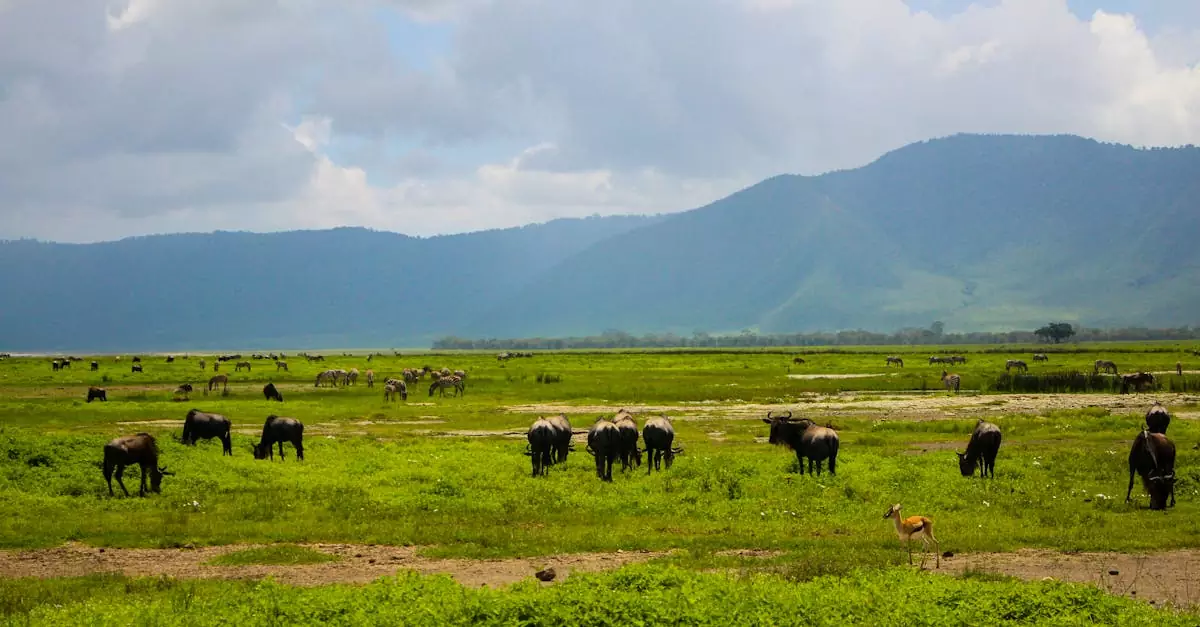
Choosing the right accommodation significantly shapes your safari experience. From opulent lodges offering unparalleled service to rustic campsites under the stars, Africa’s wildlife destinations cater to every traveler’s needs and budget. Understanding these options will help you plan an unforgettable trip to the best wildlife parks in Africa.
Luxury Safari Lodges for an Immersive Experience
For those seeking an indulgent escape, luxury safari lodges provide an unmatched level of comfort and service amidst breathtaking natural surroundings. These establishments often feature spacious suites with private plunge pools, gourmet dining experiences, and personalized butler service. Many lodges are strategically located within private conservancies or bordering national parks, offering exclusive game drives with expert guides. Expect amenities like spa treatments, fine wines, and curated activities designed to deepen your connection with the wilderness.
These lodges are ideal for honeymooners, special occasions, or travelers who prioritize comfort and exclusivity. While the price point is higher, the all-inclusive nature of many luxury packages, covering meals, drinks, activities, and often park fees, can offer good value for a comprehensive safari. Booking well in advance is crucial, especially during peak seasons, as these sought-after properties have limited availability.
Mid-Range Tented Camps: Comfort Meets Wilderness
Mid-range tented camps strike a superb balance between authentic wilderness immersion and essential comforts. These accommodations typically consist of well-appointed canvas tents, often with en-suite bathrooms, comfortable beds, and verandas offering direct views of the surrounding landscape. The atmosphere is generally more intimate and communal than in large lodges, fostering a sense of camaraderie among guests.
Dining is usually communal, with delicious meals prepared using fresh, local ingredients. Evening gatherings around a campfire are a common and cherished part of the experience, providing opportunities to share stories and listen to the sounds of the African night. Many mid-range camps also organize guided bush walks and game drives, providing a genuine connection to the environment. This option is excellent for families, couples, and solo travelers who appreciate a comfortable yet authentic safari adventure without the premium price tag of luxury lodges.
Budget-Friendly Guesthouses and Campsites
Travelers on a tighter budget have several excellent choices for experiencing Africa’s magnificent wildlife. Guesthouses and lodges located just outside park gates often provide simpler, clean accommodations at more accessible prices. These may offer basic amenities but serve as a practical base for day trips into the parks.
For the truly adventurous and budget-conscious, campsites within or near national parks are a fantastic option. These range from basic pitches where you can set up your own tent to sites with pre-erected tents or small chalets. Facilities can vary widely, from shared ablutions to communal kitchens. Camping offers an unparalleled opportunity to connect with nature, sleeping under a blanket of stars and waking to the sounds of the bush. It’s essential to check what facilities are provided, as you may need to bring your own camping gear. Many tour operators also offer camping safaris, which can be a cost-effective way to cover significant ground and visit multiple best wildlife parks in Africa.
Here’s a general overview of accommodation types and their typical price ranges:
| Accommodation Type | Typical Price Range (USD per person per night) | Key Features | Best For |
|---|---|---|---|
| Luxury Safari Lodge | $800 – $2,500+ | Private suites, gourmet dining, exclusive activities, high service levels | Honeymooners, luxury travelers, special occasions |
| Mid-Range Tented Camp | $300 – $700 | Comfortable tents, en-suite bathrooms, communal dining, guided activities | Families, couples, solo travelers seeking comfort and authenticity |
| Guesthouse/Budget Lodge | $70 – $200 | Basic amenities, convenient location, good for day trips | Budget-conscious travelers, independent explorers |
| Campsite (Self-Catered) | $20 – $70 | Basic facilities, shared ablutions, bring your own gear | Adventurous travelers, backpackers, those prioritizing nature immersion |
What to Pack for an African Wildlife Park Adventure
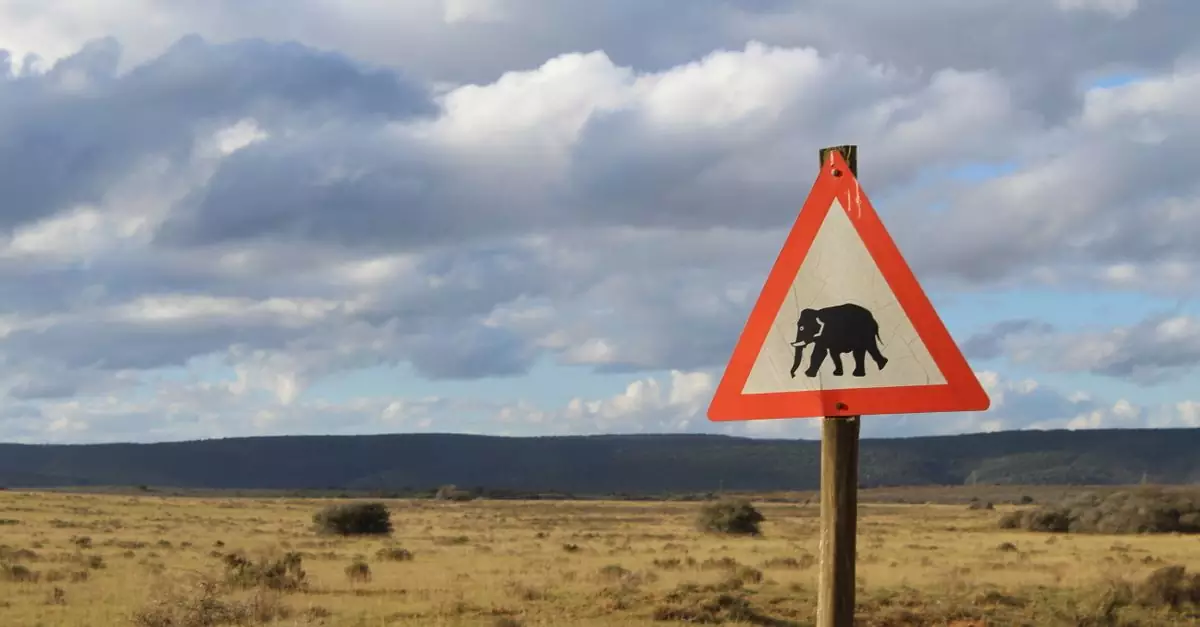
Packing for a safari in the best wildlife parks in Africa requires thoughtful consideration, balancing comfort, practicality, and the specific demands of the environment. The goal is to be prepared for varying weather conditions, long days in open vehicles, and the unique needs of wildlife viewing. Focus on lightweight, breathable, and neutral-colored clothing.
Essential Clothing and Footwear for Safari
When selecting clothing for your African safari, prioritize neutral and earthy tones like khaki, olive green, beige, and brown. These colors help you blend in with the surroundings, making you less noticeable to wildlife and reducing the chances of startling animals. Bright colors, especially white, can attract insects and make you stand out. Layers are also key; mornings and evenings can be cool, while midday temperatures often soar.
Pack lightweight, long-sleeved shirts and long trousers. These protect you from the sun’s intense rays and from insect bites, particularly in the early morning and late evening when mosquitoes are most active. Convertible pants that zip off into shorts are a versatile option. A comfortable fleece or a light jacket is essential for cooler periods, and a waterproof or water-resistant jacket is advisable, especially during the wetter seasons.
For footwear, comfortable, closed-toe walking shoes or sturdy hiking boots are recommended. You’ll likely do some walking around lodges or during guided bush walks, so good ankle support and a broken-in feel are important. Sandals or flip-flops are suitable for relaxing at your lodge but not for exploring the bush. Remember to pack a wide-brimmed hat for sun protection and sunglasses to shield your eyes.
Photography Gear for Capturing Wildlife Moments
Capturing the incredible wildlife encounters Africa offers requires specific photography equipment. A good telephoto lens is arguably the most crucial item. Wildlife is often at a distance, and a lens with a focal length of 300mm or more will allow you to get close-up shots without disturbing the animals. Consider a zoom lens for flexibility, allowing you to capture both wide landscapes and detailed animal portraits.
A DSLR or mirrorless camera body that performs well in low light is beneficial, as early morning and late afternoon are prime times for wildlife viewing and photography. These conditions can be challenging, so a camera with good high ISO capabilities will produce cleaner images. Extra batteries and memory cards are essential; you don’t want to miss a rare sighting because your equipment is out of power or storage.
A sturdy tripod or monopod can help stabilize your shots, especially with heavier telephoto lenses, and reduce camera shake. A beanbag is also a useful, lightweight accessory that can be placed on vehicle windows or railings to support your camera. Don’t forget a cleaning kit to keep your lenses free of dust and smudges, which are inevitable in dusty African environments. A waterproof camera bag or cover will protect your gear from unexpected rain showers.
Health and Safety Essentials for the African Bush
Your health and safety are paramount when visiting Africa’s best wildlife parks. Consult your doctor or a travel clinic well in advance of your trip to discuss necessary vaccinations and malaria prophylaxis. Depending on the specific region, vaccinations for yellow fever, Hepatitis A, and Typhoid may be recommended. Malaria prevention medication is often advised for many safari destinations.
A comprehensive first-aid kit is essential. It should include bandages, antiseptic wipes, pain relievers, anti-diarrhea medication, antihistamines for allergic reactions, and any personal prescription medications. Insect repellent containing DEET is vital for protecting against mosquitoes and other biting insects. Sunscreen with a high SPF, lip balm with SPF, and after-sun lotion are also important due to the strong equatorial sun.
Stay hydrated by drinking plenty of bottled or purified water. Avoid drinking tap water unless it has been explicitly stated as safe. Always follow the guidance of your safari guides regarding wildlife encounters and safety protocols. Never leave your vehicle or accommodation without permission, and be aware of your surroundings at all times. Hand sanitizer is a convenient way to maintain hygiene when soap and water are not readily available.
Frequently Asked Questions About Visiting Africa’s Best Wildlife Parks
Planning a safari to Africa’s best wildlife parks involves practical considerations. This section addresses common questions to help you prepare for an unforgettable adventure.
Are Africa’s wildlife parks safe for tourists?
Safety is a priority for most travelers considering a safari. Generally, Africa’s well-established wildlife parks and reserves are safe for tourists, particularly when visiting with reputable tour operators. These operators are experienced in navigating park regulations, wildlife behavior, and local conditions. It’s crucial to follow your guide’s instructions at all times, as they are trained to ensure your safety around animals. Stick to designated roads and viewing areas, and never attempt to feed or approach wildlife. Staying informed about current travel advisories for Africa is also a good practice.
What are the visa requirements for popular safari destinations?
Visa requirements vary significantly depending on your nationality and the specific country you plan to visit. Many popular safari destinations, such as Kenya, Tanzania, South Africa, and Botswana, have straightforward visa application processes, often available online or upon arrival. However, it is essential to check the official immigration website of each country well in advance of your trip. For instance, obtaining an East African Tourist Visa can be a cost-effective option if you plan to visit both Kenya and Tanzania. Always confirm the latest regulations with your country’s embassy or consulate.
Can you see all of the Big Five in one park?
While it’s possible to see all of the “Big Five” (lion, leopard, elephant, rhinoceros, and buffalo) in a single park, it is not guaranteed on every safari. Certain parks are renowned for higher chances of spotting all five. For example, the Serengeti National Park in Tanzania and the Kruger National Park in South Africa are excellent locations. However, the elusive leopard and the critically endangered black rhino can be challenging to find. A well-planned itinerary and experienced guides greatly increase your chances, but remember that wildlife sightings are never guaranteed.
What is the average cost of a safari in Africa?
The cost of a safari in Africa varies widely based on destination, duration, accommodation style, and activities. Budget-friendly options can start around $200-$300 per person per day, often involving camping or more basic lodges. Mid-range safaris, featuring comfortable lodges and private game drives, typically range from $400-$700 per person per day. Luxury safaris with high-end accommodations, exclusive experiences, and private guides can exceed $1,000 per person per day. These figures generally exclude international flights and visa fees. Planning your budget early is key to choosing the right safari experience.
| Destination Type | Estimated Daily Cost (USD pp) | Accommodation Style |
|---|---|---|
| Budget Camping | $200 – $350 | Tents, basic camps |
| Mid-Range Lodge | $400 – $700 | Comfortable lodges |
| Luxury Safari Camp | $800 – $1,500+ | Exclusive lodges |