Embarking on one of the best African wildlife safaris promises an unparalleled journey into untamed landscapes, offering intimate encounters with some of the planet’s most magnificent creatures. This guide aims to simplify the planning process, ensuring your adventure is as seamless and rewarding as possible. You’ll find essential insights into selecting the best time to travel, understanding diverse accommodation options—from luxurious lodges to immersive tented camps—and learning what to expect from daily safari activities. We’ll also discuss practical considerations like budgeting and packing, equipping you with the knowledge to create an unforgettable experience. Prepare to explore the wonders of the African wilderness, where each sunrise brings the possibility of extraordinary wildlife sightings.
Top 5 African Destinations for Unrivaled Wildlife Safaris
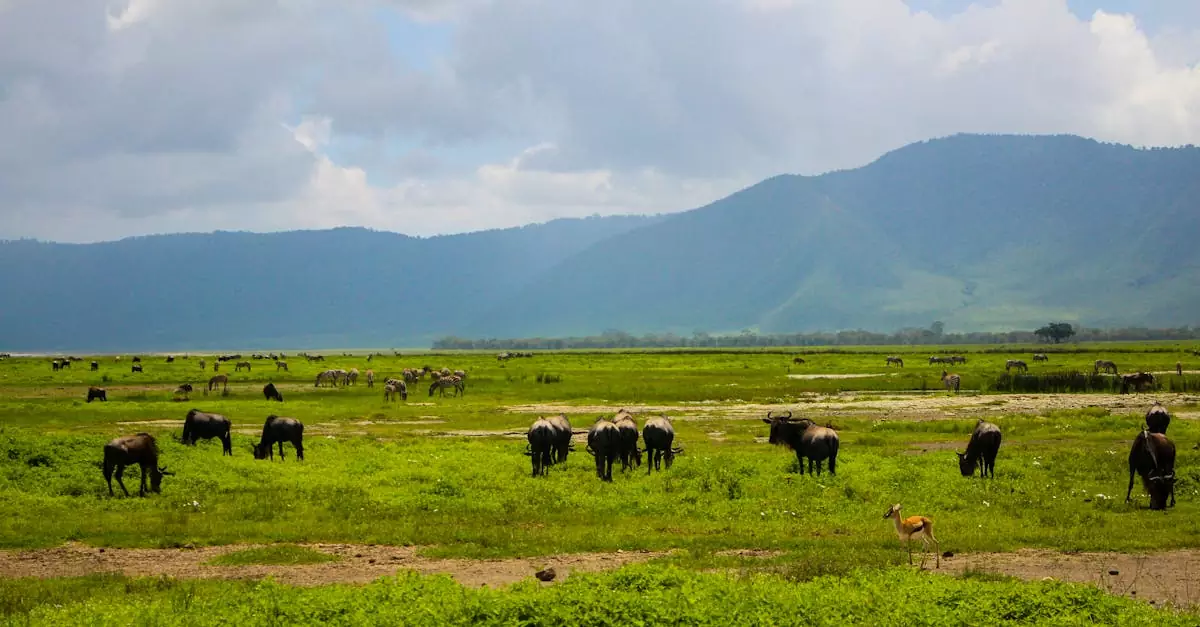
Choosing the best African wildlife safaris involves identifying destinations that offer abundant wildlife and exceptional viewing experiences. From iconic migrations to elusive predators, these five parks consistently rank among the top for unforgettable animal encounters. Each presents a unique landscape and distinct wildlife viewing opportunities, catering to various traveler priorities.
Serengeti National Park, Tanzania: The Great Migration Spectacle
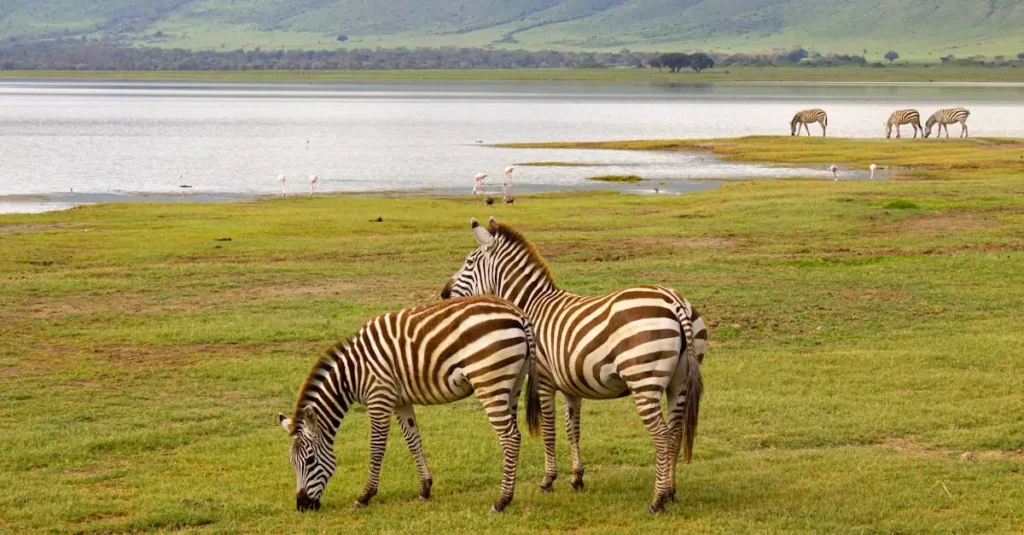
The Serengeti is synonymous with the Great Migration, a breathtaking natural phenomenon where millions of wildebeest, zebras, and gazelles traverse the plains in search of fresh grazing land. This epic journey, which circles the Serengeti ecosystem, draws those seeking the raw drama of the wild. Witnessing the river crossings, particularly at the Grumeti and Mara Rivers, is a highlight for many visitors to this iconic African destination.
Beyond the migration, the Serengeti boasts a resident population of predators, including lions, leopards, and cheetahs, often seen hunting in the vast, open grasslands. The park’s sheer size offers diverse habitats, from acacia woodlands to rocky kopjes, supporting a rich array of wildlife year-round.
Key Visitor Insights:
- Best time to visit: While the migration occurs year-round, river crossings typically happen between July and October. Dry seasons (June-October, December-January) provide excellent game viewing due to concentrated wildlife around water sources.
- Accommodation: Options range from luxury tented camps and lodges within the park to more budget-friendly options outside its borders.
- Logistics: Fly-in safaris are common, landing at airstrips within the park. Road access is also possible but often requires a longer journey.
Maasai Mara National Reserve, Kenya: Predators and Plains
Adjacent to the Serengeti, the Maasai Mara offers a similar ecosystem and is a crucial part of the Great Migration route. Known for its high concentration of predators, the Mara is a premier destination for spotting lions, leopards, cheetahs, and hyenas. The open savannah, dotted with acacia trees, provides stunning backdrops for wildlife photography.
The reserve is also home to a significant population of elephants, giraffes, and various antelope species. Hot air balloon safaris over the Mara at dawn offer a unique perspective on the vast herds and the awakening landscape.
Key Visitor Insights:
- Best time to visit: July to October is peak season due to the migration. The “long rains” (April-May) and “short rains” (November) can offer lower visitor numbers and greener scenery, but some roads may be challenging.
- Accommodation: A wide range of safari lodges and tented camps is available, from ultra-luxury to more accessible options.
- Logistics: Most visitors fly into the Maasai Mara from Nairobi. Self-drive is possible but requires a 4×4 vehicle and can be a long journey.
Kruger National Park, South Africa: Big Five Haven
Kruger National Park is one of Africa’s largest and most famous game reserves, renowned for its exceptional accessibility and high density of wildlife. It is a prime location for seeing the “Big Five”—lion, leopard, elephant, rhino, and buffalo—often within a single day’s game drive. The park’s well-maintained road network and numerous rest camps make it a popular choice for self-drive safaris and independent travelers.
The park’s diverse habitats, including bushveld, mopane woodlands, and riverine forests, support an astonishing variety of species. Birdlife is also prolific, making it a haven for ornithologists.
Key Visitor Insights:
- Best time to visit: The dry season (May to September) is generally considered the best for game viewing, as animals congregate around waterholes. However, wildlife is present year-round.
- Accommodation: Kruger offers a wide spectrum of choices, from self-catering chalets and campsites in its rest camps to private luxury lodges in adjacent concessions.
- Budget Comparison: Kruger can be more budget-friendly than some East African parks, especially for self-drive tourists.
| Feature | Serengeti (Tanzania) | Maasai Mara (Kenya) | Kruger (South Africa) |
|---|---|---|---|
| Big Five | Excellent | Excellent | Excellent |
| Migration | Iconic | Part of | Not applicable |
| Accessibility | Moderate | Moderate | High |
| Budget | High to Luxury | High to Luxury | Moderate to Luxury |
Chobe National Park, Botswana: Elephant Herds and Riverine Beauty
Chobe National Park is celebrated for its immense elephant population, particularly along the Chobe Riverfront. During the dry season, hundreds, sometimes thousands, of elephants gather to drink and bathe, creating an unforgettable spectacle. The park’s diverse landscapes, including floodplains, mopane woodlands, and the river itself, support a rich variety of wildlife.
Boat safaris on the Chobe River offer a unique vantage point for observing elephants, hippos, crocodiles, and abundant birdlife. The park also provides excellent opportunities to see lions, leopards, and wild dogs.
Key Visitor Insights:
- Best time to visit: The dry season (May to October) is ideal for viewing large concentrations of animals, especially elephants along the river.
- Accommodation: Options include riverside lodges, tented camps, and houseboats, offering different safari experiences.
- Logistics: Access is typically via Kasane Airport. Many safaris combine Chobe with the nearby Okavango Delta.
South Luangwa National Park, Zambia: Leopard Capital of Africa
South Luangwa is consistently lauded as one of Africa’s finest wildlife destinations, often earning the title “Leopard Capital of Africa” due to the high density of these elusive cats. The park’s diverse habitats, from dense woodland to open river valleys, make it a prime location for leopard sightings, especially during night drives.
The Luangwa River is the lifeblood of the park, attracting significant numbers of hippos and crocodiles, as well as predators like lions and wild dogs. South Luangwa pioneered walking safaris, offering an intimate and immersive way to experience the bush and its smaller details.
Key Visitor Insights:
- Best time to visit: The dry season (May to October) is best for game viewing as wildlife congregates near the river. The “green season” (November to April) offers dramatic landscapes and birdwatching, but some camps close due to accessibility.
- Accommodation: A range of walking safari camps and lodges are available, focusing on an authentic bush experience.
- Experience Focus: Renowned for its expert guides and exceptional walking safari opportunities.
Planning Your Best African Wildlife Safaris: Key Considerations
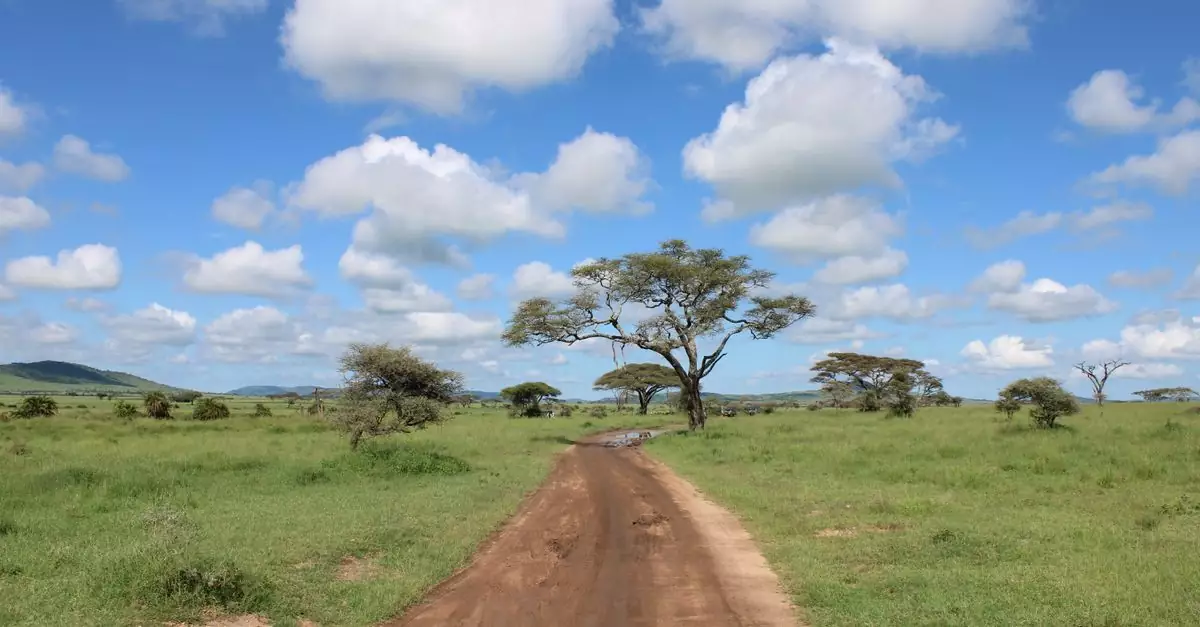
Embarking on one of the best African wildlife safaris requires careful planning to maximize your chances of incredible animal sightings and ensure a smooth journey. This section covers crucial aspects, from timing and vehicle choice to budgeting, helping you craft an unforgettable adventure across the continent.
Choosing the Right Time for Your Safari Adventure
The optimal time for a safari depends heavily on which region of Africa you plan to visit and the specific wildlife experiences you hope to have. Each season offers a unique perspective, with different wildlife behaviors and landscape conditions.
For many iconic destinations, such as the Serengeti in Tanzania and the Maasai Mara in Kenya, the dry season (roughly June to October) is often considered prime time. During these months, wildlife congregates around dwindling water sources, making them easier to spot. This period also coincides with the Great Migration, where millions of wildebeest and zebras traverse the plains.
Conversely, the wet season (typically November to May) brings lush green landscapes and fewer crowds. While game viewing can be more challenging due to denser vegetation and dispersed wildlife, this season is excellent for birdwatching, as migratory birds arrive. It’s also a birthing season for many mammals, offering opportunities to see young animals.
| Region | Dry Season (Best for Game Viewing) | Wet Season (Lush Landscapes, Fewer Crowds) | Notes |
|---|---|---|---|
| East Africa | June – October | November – May | Great Migration in Serengeti/Maasai Mara |
| Southern Africa | May – October | November – April | Victoria Falls is at its fullest in April |
| Central Africa | Year-round (gorilla trekking) | Year-round | Requires specific planning |
Consider your tolerance for heat and rain. The dry season is generally less humid but can be very hot, especially in Southern Africa. The wet season can bring heavy, though often short-lived, downpours.
Understanding Safari Vehicle Options: Open-Top vs. Closed
The type of safari vehicle you use significantly impacts your viewing experience. Most safaris utilize either open-top or closed vehicles, each with distinct advantages.
Open-top safari vehicles, often 4x4s, offer unobstructed views and excellent photographic opportunities. The ability to stand and lean out provides a more immersive connection with the environment. Guides can easily point out wildlife, and the absence of glass minimizes glare and reflections in photos. These vehicles are standard for most game drives in national parks and reserves.
Closed vehicles, typically minibuses or vans, offer protection from the elements—sun, rain, and dust. They can also provide a sense of security for travelers who may be apprehensive about being close to wildlife. However, windows can limit camera angles and create glare, and the enclosed space may feel less intimate. Some specialized photographic safaris might use custom vehicles with pop-up roofs for better viewing.
When booking, clarify the type of vehicle provided. For the most immersive experience and best photographic potential, an open-top 4×4 is generally preferred for your best African wildlife safaris.
Budgeting for Your Dream African Safari: Costs and Savings
The cost of an African safari can vary dramatically, from budget-friendly camping trips to ultra-luxury lodge experiences. Understanding the key cost drivers will help you plan effectively and make informed decisions.
Primary expenses typically include flights to and from your destination, accommodation, park entrance fees, activities (like game drives and walking safaris), and your safari operator’s guiding fees. The level of accommodation—from rustic tented camps to five-star lodges—will have the most significant impact on your daily rate.
To save money, consider traveling during the shoulder seasons (just before or after the peak dry season) when prices for accommodation and sometimes flights can be lower. Opting for a lodge or camp that includes most meals and activities in its package can also help manage your budget. Group tours are often more cost-effective than private arrangements.
Another way to manage costs is by choosing destinations known for offering great value. For example, some countries in Southern Africa might offer more affordable safari experiences compared to the more established, and often pricier, East African circuit. Researching reputable African tourism boards can provide insights into different pricing structures and seasonal deals.
- Accommodation Style: Camping vs. Tented Camp vs. Lodge vs. Luxury Villa
- Duration of Stay: Longer stays can sometimes offer per-night discounts.
- Inclusions: Full board, all activities, park fees, and transfers.
- Time of Year: Peak season is always the most expensive.
Carefully compare quotes from different safari operators, ensuring you understand exactly what is included. Hidden costs, such as tips for guides and staff, and personal expenses like drinks and souvenirs, should also be factored into your overall budget.
Crafting the Perfect Safari Itinerary: From 7 Days to 14 Days
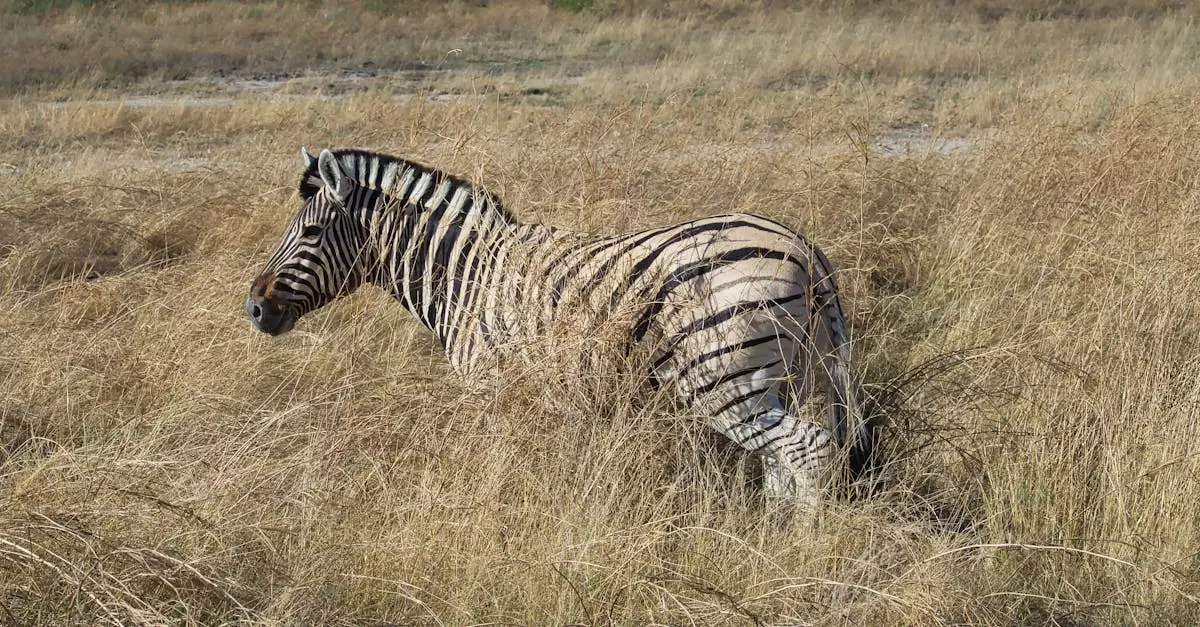
Planning a safari involves more than just booking flights; it requires careful consideration of how much time you have and what you want to see. Whether you have a week or two, you can experience the magic of African wildlife. These sample itineraries offer a balance of iconic locations and diverse wildlife viewing opportunities, catering to different time constraints.
7-Day Serengeti & Ngorongoro Crater Itinerary
A week-long safari is ideal for a focused experience in Tanzania’s most celebrated wildlife areas. This itinerary concentrates on the Serengeti National Park, famous for the Great Migration, and the Ngorongoro Conservation Area, a UNESCO World Heritage site boasting a dense concentration of animals within its caldera.
Day 1-3: Serengeti National Park
Arrive at Kilimanjaro International Airport (JRO) and transfer to Arusha for an overnight stay. The next morning, fly to a Serengeti airstrip. Spend three days on game drives, searching for the Big Five (lion, leopard, elephant, rhino, buffalo) and witnessing the vast herds that define this ecosystem. Accommodation options range from luxury tented camps to more rustic lodges, offering varying levels of comfort and immersion.
Day 4-6: Ngorongoro Crater
After a final morning game drive in the Serengeti, fly to the Manyara airstrip and transfer to your lodge on the rim of the Ngorongoro Crater. Descend into the crater for a full day of game viewing. The unique environment within the crater floor supports a remarkable diversity of wildlife, including a healthy population of black rhinos.
Day 7: Departure
Enjoy a final breakfast with crater views before driving back to Arusha for your onward flight. This short but impactful itinerary provides a solid introduction to Tanzania’s premier wildlife destinations.
10-Day Maasai Mara & Lake Nakuru Explorer
This 10-day journey focuses on Kenya’s most renowned national parks, offering a chance to see the Maasai Mara’s iconic predators and Lake Nakuru’s diverse birdlife and rhinos. This route is well-suited for those wanting a comprehensive Kenyan safari experience.
Day 1-4: Maasai Mara National Reserve
Fly into Nairobi (NBO) and take a scenic drive or a short bush flight to the Maasai Mara. Spend four days exploring the reserve, renowned for its large lion prides, cheetahs, and the dramatic wildebeest migration if traveling during the right season (typically July to October). Guided walks with Maasai warriors can also be arranged for a deeper cultural and ecological understanding.
Day 5-7: Lake Nakuru National Park
Travel south to Lake Nakuru National Park. This park is famous for its large flocks of flamingos, which can turn the lake shores pink, though numbers can fluctuate. It’s also a crucial sanctuary for both black and white rhinos, and you have excellent chances of spotting leopards and various antelope species.
Day 8-9: Amboseli National Park (Optional Extension)
Consider adding two days in Amboseli National Park for its spectacular views of Mount Kilimanjaro as a backdrop to large elephant herds. This extension offers a different landscape and excellent photographic opportunities.
Day 10: Departure
Return to Nairobi for your departure. This itinerary balances classic safari experiences with unique ecological highlights.
14-Day Kruger & Panorama Route Discovery
For a longer exploration, a 14-day trip to South Africa’s Kruger National Park and the scenic Panorama Route offers an incredible combination of world-class wildlife viewing and breathtaking landscapes. This itinerary is particularly good for self-drive enthusiasts or those who appreciate varied scenery.
Day 1-7: Kruger National Park
Fly into Johannesburg (JNB) and either rent a car for a self-drive adventure or arrange a transfer to your lodge within or bordering Kruger National Park. Spend a full week exploring the vast park. Kruger is one of the largest game reserves in Africa and offers a high density of wildlife, including the Big Five, as well as diverse birdlife. You can choose to stay in various rest camps run by SANParks or opt for private game lodges in adjacent concessions, which often offer a more exclusive experience with off-road driving and night drives.
Day 8-10: Panorama Route
After your safari, drive to the Mpumalanga province and spend three days traversing the Panorama Route. Highlights include Blyde River Canyon, one of the largest canyons in the world, with viewpoints like God’s Window and the Three Rondavels. You’ll also find picturesque waterfalls and charming towns like Graskop and Sabie.
Day 11-13: Sabi Sands Game Reserve (Optional Luxury Safari)
For an even more exclusive wildlife encounter, consider spending your final days in the Sabi Sands Game Reserve, bordering Kruger. This private reserve is world-renowned for its exceptional leopard sightings and offers luxurious lodges with guided walks and drives.
Day 14: Departure
Drive back to Johannesburg for your flight home, filled with memories of diverse landscapes and abundant wildlife.
Here’s a comparative overview of these itinerary types:
| Itinerary Type | Duration | Primary Focus | Key Destinations | Wildlife Highlights | Budget Range (per person, excl. flights) | Best Time to Travel |
|---|---|---|---|---|---|---|
| 7-Day Tanzania | 7 Days | Iconic Predators & Caldera | Serengeti, Ngorongoro | Big Five, Great Migration (seasonal) | $$$ – $$$$$ | Dry Season (June-Oct) |
| 10-Day Kenya | 10 Days | Big Cats & Birdlife | Maasai Mara, Lake Nakuru | Lions, Cheetahs, Leopards, Flamingos, Rhinos | $$ – $$$$ | Dry Season (June-Oct), Post-Rainy Season (Nov-Feb) |
| 14-Day South Africa | 14 Days | Diverse Wildlife & Scenery | Kruger, Panorama Route | Big Five, diverse birdlife, scenic vistas | $$ – $$$$$ | Dry Season (May-Oct) for wildlife, Year-round for scenery |
Budget indications: $$ (Moderate), $$$ (Mid-Range), $$$$ (Luxury), $$$$$ (Ultra-Luxury)
Choosing the right safari duration and destination depends on your interests, budget, and available time. Each of these options provides an unforgettable African wildlife safari experience. For more information on African travel, consult resources like the African Tourism Board.
What to Expect on an African Wildlife Safari: Daily Activities and Experiences
Embarking on one of the best African wildlife safaris offers a rich tapestry of daily activities designed to maximize your encounters with diverse fauna. Your typical safari day revolves around game drives, but the experience extends to more intimate and specialized excursions. Understanding these activities will help you prepare for an unforgettable journey across the continent.
Early Morning Game Drives: The Best Time for Animal Sightings
The day often begins before dawn, with early morning game drives being a highlight of any safari. Animals are most active during the cooler hours of the morning, as they hunt, feed, and move before the midday heat sets in. Your lodge or camp typically serves a hot beverage and a light snack before you depart in an open-top 4×4 vehicle, often accompanied by a knowledgeable guide and tracker.
These drives present the prime opportunity to witness predators like lions, leopards, and cheetahs on the move. You might also see herds of elephants, zebras, wildebeest, and giraffes as they start their day. The soft morning light provides excellent photographic conditions, and the relative quiet of the landscape enhances the feeling of immersion in the wild.
Walking Safaris: An Intimate Encounter with Nature
For a more grounded and personal connection with the bush, walking safaris offer a unique perspective. These excursions, usually conducted in specific wildlife areas and often accompanied by an armed ranger and a guide, allow you to appreciate the smaller details often missed from a vehicle. You’ll learn about tracking animals by their footprints and dung, identify various plant species, and understand the intricate ecosystem.
Walking safaris are a chance to experience the African wilderness on foot, engaging all your senses. The thrill of approaching wildlife while maintaining a safe distance is unparalleled. This type of safari is particularly rewarding for those interested in ornithology, botany, and the subtle signs of animal presence. Safety is paramount, and guides are highly trained to handle any encounters.
Night Game Drives: Discovering Nocturnal Wildlife
As dusk settles, a different world emerges, and night game drives reveal the secrets of the African night. Equipped with powerful spotlights, your guide will scan the darkness for the tell-tale glint of eyes reflecting the light. This is your best chance to spot elusive nocturnal creatures that are rarely seen during the day.
Expect to encounter animals such as genets, civets, bush babies, aardvarks, and various owl species. If you’re lucky, you might even witness a leopard or lion on a nighttime hunt. Night drives provide a thrilling, almost mysterious dimension to your safari experience, showcasing a side of the African wilderness that remains hidden from daytime visitors. Many lodges and camps, especially those in private concessions, offer these drives as part of their safari packages.
Accommodation Options for Every Safari Style and Budget
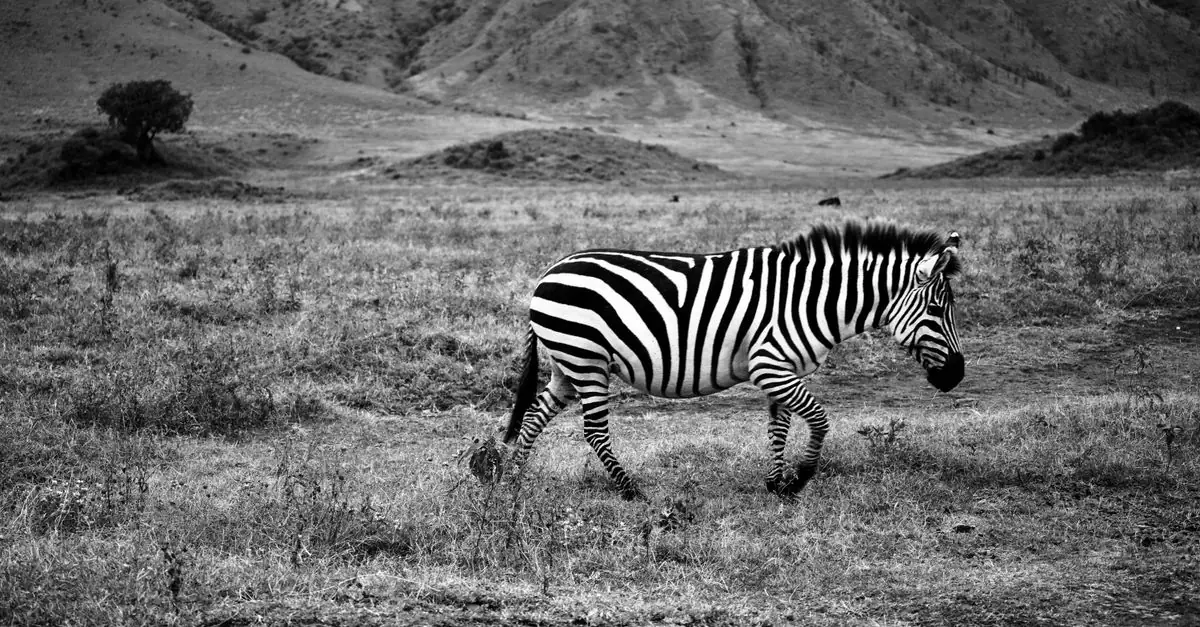
Choosing the right accommodation is central to crafting your ideal African wildlife safari experience. From opulent lodges offering unparalleled service to rustic camps that place you directly in the heart of the bush, options cater to every preference and financial plan. Understanding the types of lodging available will help you align your stay with the kind of adventure you envision, whether it’s seeking out the best African wildlife safaris or simply enjoying the tranquility of the wilderness.
Luxury Safari Lodges: Ultimate Comfort and Views
For those prioritizing comfort without compromising on wildlife viewing opportunities, luxury safari lodges provide an exceptional base. These establishments often feature spacious suites or villas, private plunge pools, gourmet dining, and impeccable service. Many are strategically situated to offer breathtaking panoramic views of watering holes or migration routes, allowing you to observe animals from the comfort of your accommodation. Expect amenities like spa services, fine wines, and guided excursions led by expert rangers.
These lodges are designed to blend seamlessly with their natural surroundings, utilizing local materials and architectural styles. While the price point is higher, the all-inclusive nature of many luxury lodges, covering meals, drinks, and scheduled game drives, can offer good value for a comprehensive safari experience. Popular destinations like the Serengeti in Tanzania or the Okavango Delta in Botswana are renowned for their high-end lodge offerings, promising a truly indulgent escape.
Tented Camps: Immersive Bush Experience
Tented camps strike a balance between authentic wilderness immersion and comfortable lodging. These are not basic camping setups; rather, they offer well-appointed canvas tents, often with en-suite bathrooms and comfortable bedding, providing a closer connection to the sounds and sights of the African bush. Sleeping under canvas, with only a thin layer of fabric separating you from the natural world, is a quintessential safari thrill for many.
The atmosphere in tented camps is typically more intimate and communal than in large lodges. Evenings are often spent around a campfire, sharing stories with fellow travelers and guides. Meals are usually served in a central dining tent or boma, fostering a sense of camaraderie. Many tented camps are located in private concessions or unfenced areas, allowing for walking safaris and night drives—experiences that offer a unique perspective on the ecosystem and its nocturnal inhabitants. This type of accommodation is highly recommended for those seeking a deeply engaging encounter with nature.
Budget-Friendly Guesthouses and Campsites
Affordable accommodation is readily available across Africa, making wildlife viewing accessible to a wider range of travelers. Outside of the prime safari lodges and tented camps, you’ll find numerous guesthouses, lodges, and campsites that offer clean, safe, and comfortable stays. These options are often located near national park entrances or in nearby towns, providing convenient access to game drives and other activities.
Budget travelers can opt for self-catering campsites, where they can pitch their own tents or rent basic safari tents, often with shared bathroom facilities. Some campsites also offer simple bandas or cabins. Guesthouses provide private rooms, sometimes with en-suite bathrooms, and typically include breakfast. While these options may lack the exclusive amenities of luxury accommodations, they offer a genuine connection to local culture and a more independent travel experience. Many national parks themselves operate campsites and basic lodges, which can be booked directly. Planning your safari with these more economical lodging choices in mind can significantly reduce overall trip costs, allowing for longer stays or more extensive travel across Africa.
Here’s a comparison of accommodation types:
| Accommodation Type | Typical Amenities | Experience Focus | Budget Range (per person/night) |
|---|---|---|---|
| Luxury Safari Lodge | En-suite bathrooms, fine dining, pools, spas, Wi-Fi | Comfort, exclusivity, views | $700 – $2,000+ |
| Tented Camp (Mid-Range) | En-suite bathrooms, comfortable beds, dining tent | Immersion, nature, intimacy | $300 – $800 |
| Guesthouse/Budget Lodge | Private rooms, shared or private bathrooms, meals | Value, local access, simplicity | $70 – $200 |
| Campsite (Self-Catering) | Shared facilities, space for own tent/rental tent | Independence, basic comfort | $20 – $70 |
Frequently Asked Questions About African Wildlife Safaris
What is the best time of year for an African wildlife safari?
The optimal time for an African wildlife safari largely depends on the region you plan to visit and what you hope to see. Generally, the dry season, from roughly June to October, is considered prime time across many popular safari destinations. During these months, vegetation thins out, and animals congregate around dwindling water sources, making them easier to spot. This period also offers cooler temperatures, which can be more comfortable for game drives.
However, the “best” time can vary. For instance, the Great Migration in Kenya and Tanzania is a spectacular event, with different phases occurring throughout the year. Witnessing the river crossings, typically from July to September, is a highlight for many. The shoulder seasons, just before and after the peak dry months, can also offer excellent wildlife viewing with fewer crowds and potentially lower prices. Consider researching the specific migration patterns and weather for your chosen destination.
Is it safe to go on an African wildlife safari?
Safety is a paramount concern for any traveler, and reputable safari operators prioritize guest well-being. Modern African safaris are generally very safe, thanks to experienced guides, well-maintained vehicles, and established safety protocols. Guides are trained to understand animal behavior and maintain safe distances, ensuring encounters are thrilling rather than dangerous.
It’s crucial to choose a reputable tour operator and accommodation provider. They will have robust safety measures in place, including trained staff, secure lodges, and communication systems. Always follow your guide’s instructions carefully, remain inside your vehicle during game drives unless instructed otherwise, and avoid making sudden movements or loud noises. Staying informed about local conditions and adhering to park regulations further contributes to a secure experience. You can find more general information about Africa on Wikipedia.
What should I pack for an African safari?
Packing for an African safari involves balancing comfort, practicality, and the need to blend in with the environment. Neutral, earth-toned clothing (khaki, beige, olive green) is recommended as bright colors can startle wildlife. Lightweight, breathable fabrics are essential due to the warm climate.
Key items include:
- Long-sleeved shirts and trousers to protect from the sun and insects
- A warm fleece or jacket for cooler mornings and evenings
- Comfortable walking shoes or hiking boots
- A wide-brimmed hat and sunglasses
- High SPF sunscreen and insect repellent
- Binoculars for enhanced wildlife viewing
- A camera with extra batteries and memory cards
- A reusable water bottle
- Personal medications and a basic first-aid kit
Avoid packing too much; many lodges offer laundry services.
Can I see all the Big Five on one safari?
While it’s possible to see the Big Five (lion, leopard, elephant, rhino, and buffalo) on a single safari, it is not guaranteed. These magnificent animals are widely distributed across many African national parks and reserves, but their presence and visibility can vary significantly by location and time of year.
Some parks are more renowned for specific species. For instance, Kruger National Park in South Africa is known for its high density of lions and elephants, while places like Etosha National Park in Namibia offer excellent chances of spotting rhinos. Leopards, in particular, are elusive and nocturnal, making them the most challenging of the Big Five to find. A well-planned safari itinerary, often focusing on areas with a high concentration of these animals, increases your odds, but patience and a bit of luck are always part of the adventure.