Embarking on an African safari is a dream for many, offering unparalleled wildlife encounters and stunning landscapes. With numerous options available, selecting the best African safari tours can feel daunting. This guide aims to simplify the process, helping you craft an unforgettable adventure tailored to your interests and budget.
You’ll learn how to choose the ideal tour operator, whether you’re looking for luxury, value, or specialized experiences like photography or birdwatching. We’ll explore iconic safari destinations, highlighting their unique wildlife spectacles and the best times to visit. Additionally, you’ll find tips on planning your itinerary, including essential packing advice and understanding the key differences between dry and wet seasons. Prepare to immerse yourself in Africa’s wilderness.
Top 5 African Safari Tour Operators for Unrivaled Wildlife Experiences
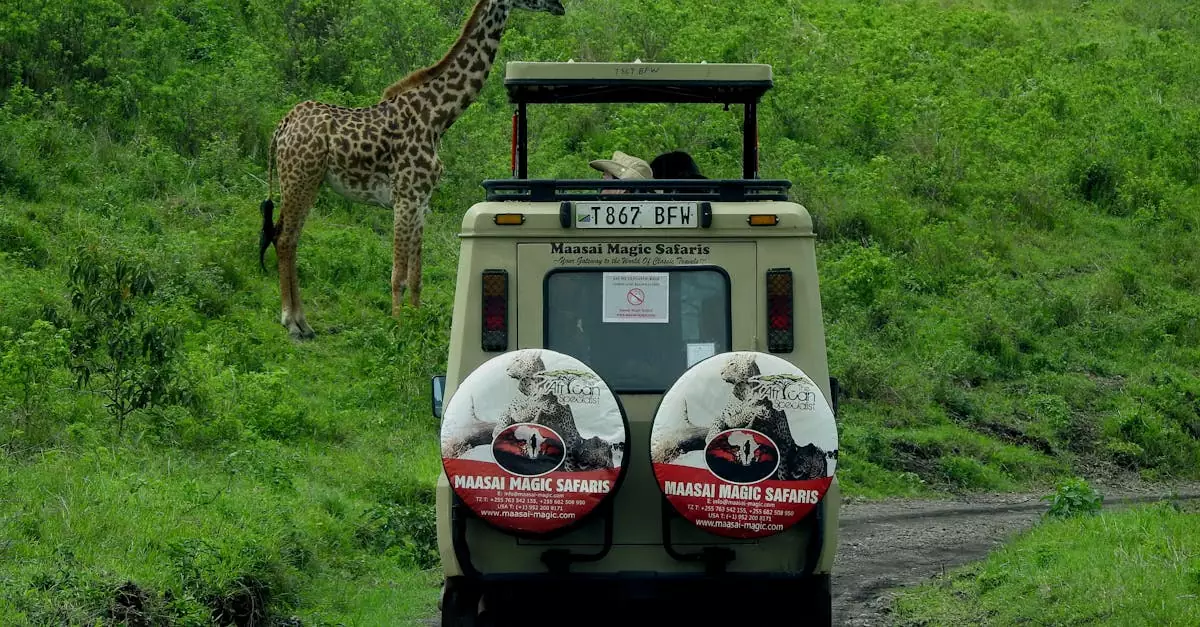
Choosing the right operator can elevate a good safari to an extraordinary experience. The best African safari tours are often curated by companies with deep local knowledge, exceptional guides, and a commitment to responsible tourism. Whether you seek opulent lodges or more rustic adventures, several providers stand out for their quality and unique offerings.
Luxury Safari Operators: Unveiling Top-Tier Service and Exclusive Camps
For travelers prioritizing comfort and exceptional service, luxury safari operators excel. These companies typically partner with high-end lodges and tented camps, offering gourmet dining, private game drives, and personalized itineraries. Expect seamless logistics, from private charter flights to dedicated guides who cater to your specific interests. Renowned companies like &Beyond and Singita boast stunning properties in prime wildlife areas across countries such as Tanzania and Botswana, providing unparalleled access to the continent’s most iconic landscapes and species. Their focus on conservation and community engagement adds significant value to the travel experience.
Budget-Friendly Safari Companies: Maximizing Value on Your African Adventure
An incredible African safari doesn’t have to come with a hefty price tag. Several tour operators specialize in creating memorable experiences that offer excellent value. These companies often focus on group tours, comfortable yet simple accommodations, and efficient transportation to popular national parks. Look for operators that include most meals, park fees, and activities in their package price. Companies such as Acacia Africa and Intrepid Travel offer well-regarded overland and small-group tours across various East and Southern African destinations, allowing travelers to witness remarkable wildlife without breaking the bank. These tours are also a great way to connect with fellow adventurers.
Specialty Safari Providers: Focusing on Birdwatching, Photography, or Family Trips
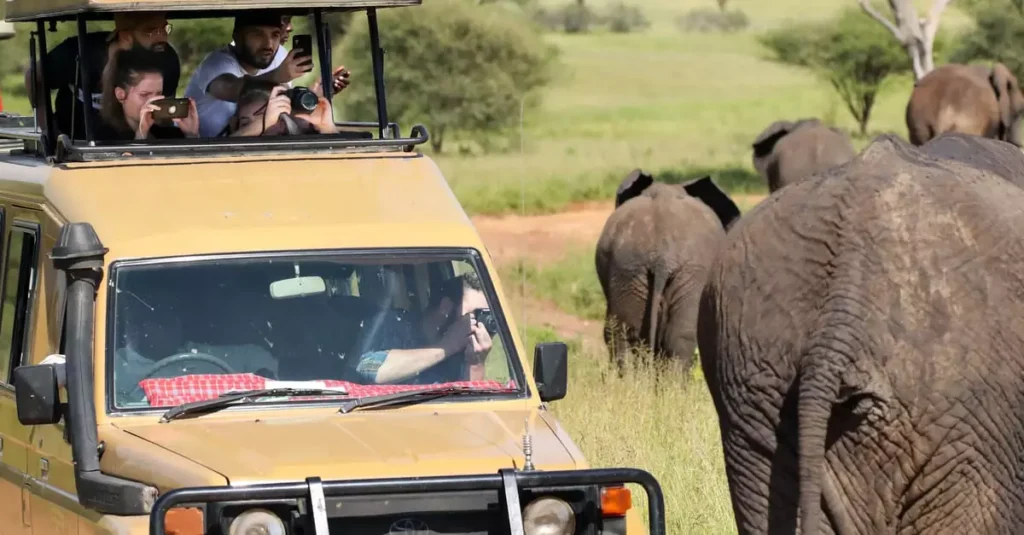
Beyond general wildlife viewing, many operators cater to specific interests. Birdwatching enthusiasts may seek companies that employ specialist guides and focus on regions known for avian diversity, such as Uganda or Zambia. Photography tours often involve modified vehicles for better vantage points and longer stays in key locations to maximize photographic opportunities. For families, operators provide itineraries designed for younger travelers, incorporating educational activities, child-friendly accommodations, and a pace that suits all ages. Companies like Natural World Safaris can tailor trips for specific interests, ensuring a rewarding experience, whether your passion lies in capturing stunning wildlife images or identifying rare bird species.
Why Choose a Guided Tour for Your First African Safari?
For first-time safari-goers, a guided tour offers significant advantages. Navigating unfamiliar destinations, arranging transportation, and understanding park regulations can be complex. Tour operators manage these logistical challenges, allowing you to focus on the incredible wildlife. Their experienced guides possess invaluable knowledge of animal behavior, tracking skills, and local ecosystems, enhancing your chances of spotting elusive animals and understanding their habitats. Moreover, reputable operators prioritize ethical tourism practices, ensuring your visit benefits local communities and contributes to conservation efforts. For a stress-free and enriching introduction to Africa’s wildlife, a guided tour is highly recommended. You can find more general information about tourism in Africa through resources like the African Tourism Board.
Choosing the Perfect African Safari Destination for Your Dream Trip
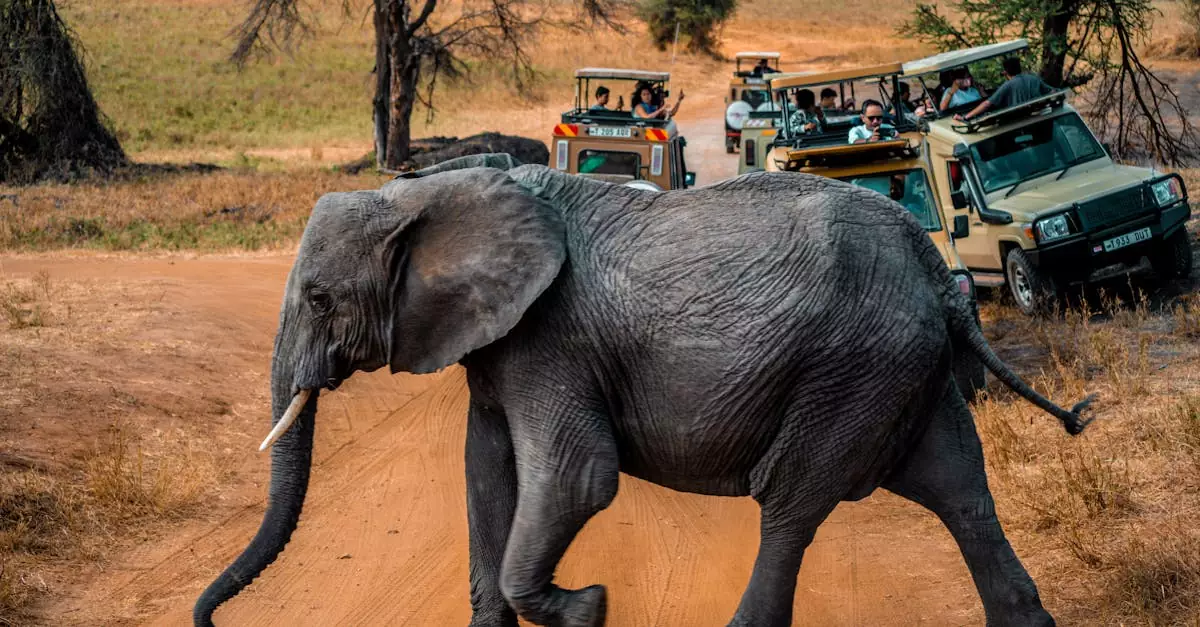
Selecting the right African safari destination is the first crucial step in planning an unforgettable wildlife adventure. Each park offers a unique experience, from iconic migrations to abundant big cat sightings and vast elephant herds. Consider what you most want to see and the type of environment you prefer.
Serengeti National Park, Tanzania: Witness the Great Migration
The Serengeti is synonymous with the Great Migration, a breathtaking spectacle where millions of wildebeest, zebras, and other herbivores traverse the plains in search of fresh grazing. This dramatic movement, especially the river crossings at the Mara River, is a highlight for many seeking the best African safari tours. The best time to witness the migration depends on the season; large herds are typically in the central Serengeti from January to March for calving, moving northward towards Kenya from June to October.
Beyond the migration, the Serengeti boasts a high density of predators, including lions, leopards, and cheetahs, making it a prime location for big cat photography. Lodging options range from luxury tented camps offering immersive experiences to more budget-friendly lodges. Reaching the Serengeti usually involves flying into Kilimanjaro International Airport (JRO) and then taking a smaller bush plane to one of the park’s airstrips or driving from Arusha.
Maasai Mara National Reserve, Kenya: Iconic Big Five Encounters
Adjacent to the Serengeti, the Maasai Mara National Reserve is renowned for its abundant wildlife and the chance to see the “Big Five” (lion, leopard, elephant, rhino, and buffalo) in their natural habitat. The Mara’s open grasslands and acacia woodlands provide excellent visibility for spotting animals. Like the Serengeti, the Great Migration passes through the Maasai Mara between July and October, with river crossings being a major draw.
The reserve is well-serviced with a range of accommodations, from rustic camps to opulent lodges, catering to various budgets. Most visitors fly into Nairobi’s Jomo Kenyatta International Airport (NBO) and then take a domestic flight to one of the Mara’s airstrips, making it a relatively accessible option. Cultural interactions with the Maasai people, known for their vibrant traditions, are also a significant part of the experience here.
Kruger National Park, South Africa: Diverse Wildlife and Accessibility
Kruger National Park is one of Africa’s largest and most popular game reserves, known for its remarkable wildlife diversity and excellent infrastructure. It’s famous for its high density of animals, including the Big Five, cheetahs, wild dogs, and a vast array of birdlife. The park is easily accessible, with several entrance gates and a well-maintained road network, making self-drive safaris a viable and popular option for those on a tighter budget.
Accommodation within Kruger ranges from rest camps with chalets and campsites to private concessions with exclusive lodges. Visitors can fly into Kruger Mpumalanga International Airport (MQP) near Nelspruit and then drive to one of the park’s gates or drive directly from Johannesburg. The park is open year-round, but the dry season (May to September) is generally considered best for wildlife viewing as animals congregate around water sources.
Chobe National Park, Botswana: Elephant Herds and River Safaris
Chobe National Park is celebrated for its immense elephant population, with some of the largest herds in Africa often seen along the Chobe River. This park offers a unique safari experience, emphasizing boat-based game viewing along the riverfront, providing a different perspective on the wildlife. Beyond elephants, Chobe is home to lions, leopards, buffalo, and a rich variety of birdlife.
The best time to visit Chobe is during the dry season (May to October) when animals are drawn to the river. Accommodation options include lodges and tented camps, many situated along the riverfront. Access is typically via Kasane Airport (BBK), a short flight from Maun or Johannesburg. While Botswana can be a more expensive safari destination, the unparalleled wildlife viewing, particularly the elephant encounters, makes it a worthwhile investment for many.
| Destination | Key Wildlife Highlight | Best Time to Visit (Migration/Dry Season) | Accessibility | Budget Range (per person/day) |
|---|---|---|---|---|
| Serengeti National Park | Great Migration, Big Cats | June-Oct (North), Jan-Mar (Calving) | Bush plane required | $$$ – $$$$ |
| Maasai Mara National Reserve | Big Five, Great Migration | July-Oct (Migration) | Bush plane from NBO | $$$ – $$$$ |
| Kruger National Park | Diverse Wildlife, Big Five | May-Sep (Dry Season) | Self-drive or fly | $$ – $$$ |
| Chobe National Park | Elephant Herds, River Safaris | May-Oct (Dry Season) | Fly to Kasane | $$$ – $$$$ |
When Is the Best Time to Embark on an African Safari Tour?
Choosing the right time for your African safari is crucial for maximizing wildlife sightings, enjoying comfortable weather, and managing your budget. The continent’s diverse climates mean that “best” can vary significantly by region and what you hope to experience. Understanding the interplay between seasons, animal behavior, and accessibility will help you plan an unforgettable wildlife adventure.
Dry Season vs. Wet Season: Understanding Wildlife Behavior and Accessibility
The most significant factor influencing safari conditions is the rain. Generally, the dry season (typically June to October) is considered prime time for viewing wildlife. During these months, vegetation thins out, making animals easier to spot. Water sources become scarce, forcing animals to congregate around permanent rivers and waterholes, creating predictable viewing opportunities. This concentration of wildlife at limited water sources increases the likelihood of spotting predators and their prey.
Conversely, the wet season (roughly November to May) offers a different yet equally rewarding experience. The landscape transforms into lush greenery, which is visually stunning. While animals may be more dispersed due to abundant water, birdwatching is exceptional during this period as migratory birds arrive. For photographers, the dramatic skies and vibrant foliage can provide incredible backdrops. The wet season often brings dramatic thunderstorms, usually in the afternoon, followed by clear skies. It’s essential to note that some roads in certain parks can become impassable during heavy rains, potentially limiting accessibility.
Peak Safari Season: Maximizing Wildlife Sightings in Popular Parks
The dry season, from June to October, is widely regarded as the peak safari season across many of Africa’s most renowned destinations, including Tanzania and Kenya. During these months, the weather is generally cooler and drier, making for more comfortable game drives. The reduced vegetation and concentrated wildlife around water sources significantly increase the chances of witnessing dramatic predator-prey interactions. This is also when the Great Migration, a spectacular movement of millions of wildebeest and zebras, traverses the Serengeti and Maasai Mara ecosystems, offering unparalleled viewing opportunities.
Due to high demand during peak season, it’s essential to book your safari well in advance, often six months to a year ahead, especially if you aim for popular lodges or specific dates. Expect higher prices for accommodations and tours during this period. Planning your trip for the shoulder months of the dry season, such as June or October, can sometimes offer a good balance of excellent wildlife viewing with slightly fewer crowds and potentially better pricing.
Off-Season Advantages: Fewer Crowds and Lower Prices for Budget Travelers
Traveling during the wet season, or “green season,” offers distinct advantages for budget-conscious travelers and those seeking a more intimate safari experience. From November to May, many popular safari destinations experience lower visitor numbers. This translates to fewer vehicles at sightings, allowing for more personal encounters with wildlife and a greater sense of solitude in the wilderness.
The reduced demand also leads to significantly lower prices for accommodations and guided tours, with many lodges offering substantial discounts during these months. While wildlife viewing might require more patience due to dispersed animals and thicker vegetation, it’s by no means diminished. In fact, the lush landscapes are breathtaking, and opportunities for birdwatching peak during this time. For example, the Okavango Delta in Botswana is often at its most spectacular during the wet season, as floodwaters create a unique aquatic environment teeming with life.
Seasonal Highlights: Specific Animal Movements and Events to Consider
Beyond general dry and wet seasons, specific animal movements and events can guide your safari planning. The Great Migration in East Africa is a prime example. While wildebeest and zebras are present year-round, their location follows a predictable pattern. The iconic crossing of the Mara River, typically between July and October, is a highlight for many, though it requires careful timing.
In Southern Africa, the calving season for many antelope species, such as impala and wildebeest, occurs at the end of the wet season (February-March), attracting predators and creating exciting game viewing opportunities. For those interested in marine life, whale watching along the coastlines of South Africa usually runs from June to November. Researching specific wildlife events and migration patterns for your chosen destination will help you identify the best time for your interests. For instance, tracking gorillas in Rwanda or Uganda is possible year-round, but the drier months are often preferred for easier trekking through the rainforest.
Crafting Your Ideal African Safari Itinerary: From 7 Days to 14 Days
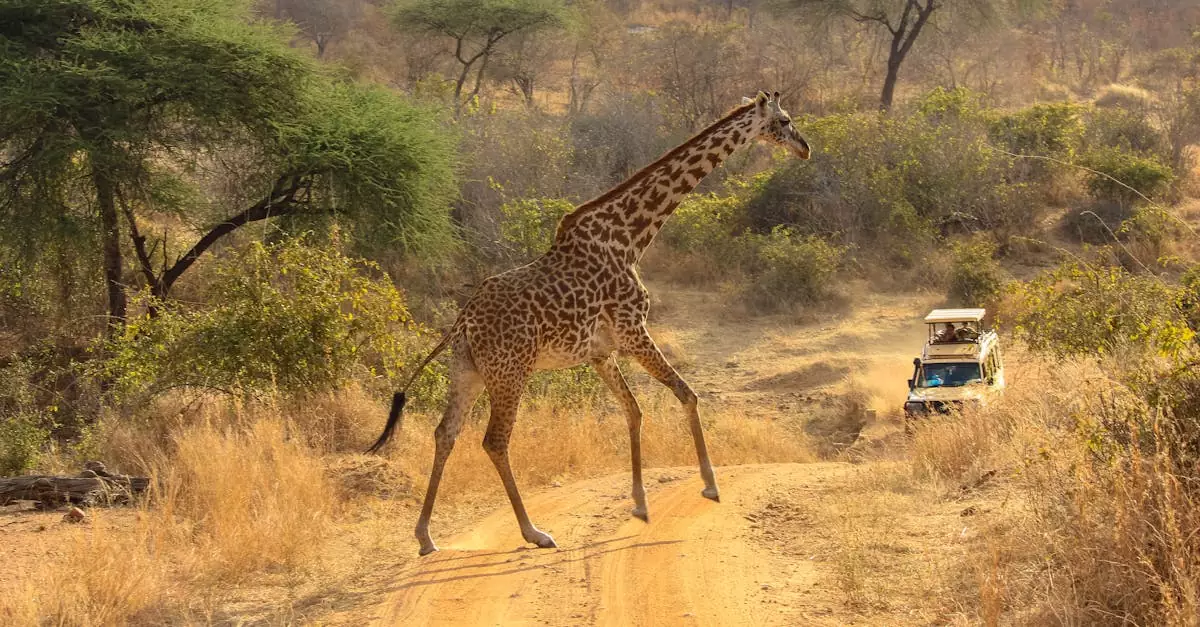
The duration of your safari significantly shapes the experience. A shorter trip focuses on key highlights, while a longer journey allows for deeper immersion into diverse ecosystems and wildlife encounters across multiple regions. Planning the right itinerary depends on your interests, budget, and available time.
A Week in the Wild: Essential Highlights of a Short Safari
For travelers with limited time, a 7-day safari offers a concentrated taste of Africa’s magic. The focus is typically on one or two prime wildlife destinations to minimize travel time between locations. Many classic safari circuits are designed for this duration, often combining a renowned national park with a contrasting ecosystem.
A common approach for a week-long adventure might involve spending 3-4 nights in a well-known park like the Serengeti in Tanzania or the Maasai Mara in Kenya, famous for the Great Migration. This is often paired with 2-3 nights in a nearby area offering a contrasting experience, such as Ngorongoro Crater for its dense wildlife population or a private conservancy for walking safaris. This structure maximizes game drive opportunities and ensures you witness iconic species.
Two Weeks of Discovery: Exploring Multiple Parks and Ecosystems
A 14-day safari opens up possibilities for exploring a broader range of landscapes and wildlife viewing opportunities. This extended timeframe allows for travel between countries or across distinct regions within a single large nation, offering a more comprehensive understanding of African biodiversity. You can delve into varied environments, from savannahs to wetlands and even deserts.
With two weeks, you could combine the plains of the Serengeti with the unique landscapes of Botswana’s Okavango Delta, known for its water-based safaris and exceptional elephant sightings. Alternatively, a South African itinerary might include the Big Five in Kruger National Park, followed by a visit to the Sabi Sands Game Reserve for superb leopard viewing and then perhaps a coastal experience. This allows for a richer appreciation of the continent’s varied natural beauty and wildlife.
Family-Friendly Safari Itineraries: Engaging Activities for All Ages
When planning a safari for the entire family, the itinerary should balance exciting wildlife viewing with activities suitable for younger travelers. Many lodges and tour operators specialize in family safaris, offering kid-friendly guides, educational programs, and safe, engaging experiences. Shorter game drives and more downtime at the lodge are often incorporated.
Consider destinations with high concentrations of easily visible animals, such as the Maasai Mara or Kruger National Park, where sightings are frequent. Some lodges offer special children’s activities, like tracking lessons, nature walks, or cultural visits to local villages. A 7-10 day trip is often ideal for families, ensuring enough adventure without overwhelming younger children. Lodges with swimming pools and family suites enhance comfort.
Romantic Safari Getaways: Honeymoon Packages and Couple’s Retreats
For couples, a safari offers an unparalleled romantic escape, blending adventure with luxurious and intimate accommodations. Many safari lodges cater specifically to honeymooners, providing private dining experiences, secluded suites, and special amenities. The focus is on creating a memorable and tranquil experience.
Consider destinations known for their exclusivity and stunning scenery, such as the Sabi Sands in South Africa or certain private concessions in Botswana. These areas often provide opportunities for private game drives, bush breakfasts, and sundowners in breathtaking locations. A 7-10 day itinerary allows for relaxation and ample time to enjoy both the wildlife and each other’s company. Many packages include spa treatments or hot air balloon rides for an added touch of romance.
What to Pack for an African Safari: Essential Gear and Clothing
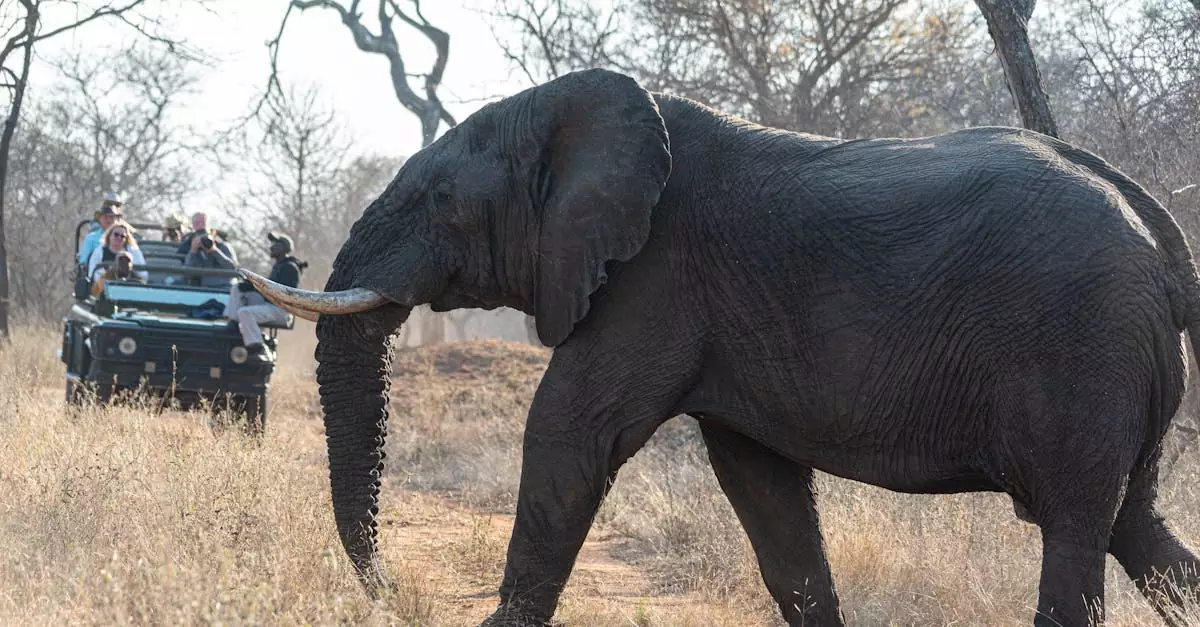
Preparing for an African safari involves more than just booking the best tours; it requires thoughtful packing to ensure comfort, safety, and the ability to fully immerse yourself in the wildlife experience. The key is versatility, as you’ll encounter varying temperatures and activities, from early morning game drives to relaxed evenings. Understanding the climate and typical activities will guide your choices for essential gear and clothing.
Clothing Essentials: Layering for Comfort and Wildlife Viewing
When selecting clothing for a safari, neutral and earth-toned colors are paramount. Bright colors can startle wildlife, and camouflage patterns are often restricted to military personnel. Think khaki, olive green, beige, and brown. Layers are essential, as mornings and evenings on game drives can be surprisingly cool, even in warmer climates, while midday sun can be intense.
Pack lightweight, breathable fabrics like cotton or linen for daytime comfort. Include long-sleeved shirts and trousers for sun protection and to guard against insect bites, particularly at dawn and dusk. A fleece jacket or warm sweater is vital for cooler periods. A lightweight waterproof jacket is advisable for unexpected rain showers, common in some regions during certain seasons. Avoid white clothing, as it shows dirt easily and can attract insects.
Footwear and Accessories: Sturdy Boots and Sun Protection
Comfortable and sturdy footwear is crucial. Closed-toe walking shoes or hiking boots are recommended for any walking safaris or excursions outside your vehicle. For most game drives, comfortable sneakers or sturdy sandals will suffice. Ensure they are well-broken-in to prevent blisters.
Sun protection is essential. A wide-brimmed hat will shield your face and neck from the strong African sun. High SPF sunscreen is a must, and sunglasses are essential for protecting your eyes. Consider packing a lightweight scarf or bandana, which can serve multiple purposes, such as sun protection, dust protection, or even as a makeshift cooling cloth.
Photography Gear: Capturing Unforgettable Moments
For many, the primary goal of an African safari is to capture incredible wildlife photographs. Investing in good camera equipment can significantly enhance your experience. A telephoto lens (200mm or longer) is highly recommended to capture close-up shots of animals from a distance without disturbing them.
Bring extra batteries and memory cards, as you’ll be taking many photos. A dust-proof camera bag is advisable, especially in drier regions. A tripod or monopod can be helpful for stabilizing shots, particularly in low light conditions during early morning or late evening game drives. Many travelers also find a good pair of binoculars indispensable for spotting distant animals and appreciating the details of the landscape.
Health and Safety Items: First-Aid Kit and Insect Repellent
A well-stocked first-aid kit is a vital part of your safari packing list. Include essentials like bandages, antiseptic wipes, pain relievers, motion sickness medication, and any personal prescriptions. It’s also wise to pack a small kit for treating blisters and minor cuts.
Insect repellent containing DEET is highly recommended, especially for areas prone to mosquitoes and other biting insects. Apply it diligently, particularly during dawn and dusk. Consider bringing anti-malarial medication if your chosen destination is in a malaria-risk zone, and consult your doctor well in advance of your trip. Staying hydrated is crucial; consider a reusable water bottle to minimize plastic waste. For broader health advice relevant to travel in Africa, the African Tourism Board offers comprehensive resources.
Frequently Asked Questions About Booking the Best African Safari Tours
Planning a trip to see Africa’s incredible wildlife involves a few practical considerations. Understanding these common questions can help streamline your booking process and ensure a smoother, more enjoyable adventure.
What is the average cost of an African safari tour?
The cost of an African safari tour varies significantly based on destination, duration, accommodation style, and inclusions. A budget-friendly safari might start around $150-$250 per person per day, typically involving camping or basic lodges. Mid-range options, featuring comfortable lodges or tented camps, can range from $300-$600 per person per day. Luxury safaris, with high-end lodges, private guides, and exclusive experiences, can easily exceed $700-$1,000+ per person per day.
These figures generally cover accommodation, meals, park entrance fees, and game drives. Flights to and from Africa, visa fees, travel insurance, and personal expenses like tips and souvenirs are usually additional. For example, a 7-day safari in Kenya’s Masai Mara might cost anywhere from $2,000 for a budget trip to $8,000+ for a luxury experience.
Are African safaris safe for tourists?
African safaris are generally very safe, especially when booked through reputable tour operators. These companies prioritize guest safety by employing experienced guides who understand wildlife behavior and adhere to strict park regulations. Accommodation providers maintain high safety standards, often with fenced perimeters or on-site security.
Travelers are advised to follow their guide’s instructions at all times, particularly regarding wildlife encounters and staying within designated areas. It’s also crucial to be aware of your surroundings, especially at lodges or camps. While serious incidents are rare, common sense precautions, such as not leaving food accessible to animals and being cautious at night, are always recommended. Staying informed about current travel advisories for specific regions is also a good practice.
What kind of accommodation can I expect on a safari?
Safari accommodations range from basic campsites to opulent lodges.
- Camping: Offers a rustic experience, often with shared facilities. Some operators provide “glamping” with more comfortable tents and amenities.
- Tented Camps: These permanent structures with canvas walls typically feature en-suite bathrooms and comfortable beds, providing a closer-to-nature feel without sacrificing comfort.
- Lodges: Ranging from comfortable to luxurious, lodges offer solid structures with private rooms, en-suite bathrooms, and common areas like dining rooms and lounges. Many boast swimming pools and stunning views.
- Boutique Hotels/Exclusive Camps: For the ultimate luxury, these offer personalized service, gourmet dining, and often private plunge pools or exclusive access to certain areas.
The type of accommodation significantly impacts the overall safari cost and experience. Many popular destinations across East Africa offer a wide spectrum of choices.
Do I need vaccinations for an African safari?
Vaccination requirements can vary by country and your personal health history. It’s essential to consult your doctor or a travel clinic at least 4-6 weeks before your trip. Common recommendations for many African countries include:
- Yellow Fever: Often mandatory, especially if arriving from or transiting through a country with a risk of Yellow Fever transmission. You will likely need to present a vaccination certificate.
- Hepatitis A and B: Recommended for most travelers.
- Typhoid: Recommended for most travelers.
- Tetanus/Diphtheria: Ensure your routine immunizations are up to date.
- Rabies: May be recommended for longer stays or if you plan activities with a high risk of animal contact.
- Malaria Prevention: Many safari destinations are in malaria-endemic areas. Your doctor will advise on appropriate antimalarial medication based on the specific region and time of year.
In addition to vaccinations, taking precautions against insect bites (using repellent containing DEET) is crucial for preventing diseases like malaria and dengue fever. Always check the latest health recommendations from official sources like the African Tourism Board or your national health authority.