Embarking on a journey across Africa offers a rich tapestry of experiences, from vast savannas brimming with wildlife to vibrant, bustling cities. While independent travel is certainly an option, hiring the best local travel guides in Africa can elevate your trip from a simple vacation to a profoundly authentic adventure. These guides possess intimate knowledge of their regions, offering insights and access often unavailable to the average tourist.
This article explains why hiring local expertise is essential for discovering hidden gems, achieving genuine cultural immersion, and navigating the continent’s complex logistics. We’ll explore top regions known for exceptional guides, from the medinas of Morocco to the wildlife-rich plains of East Africa, and provide practical advice on how to find and vet the perfect guide for your unforgettable African exploration.
Why Hiring a Local Guide Transforms Your African Adventure
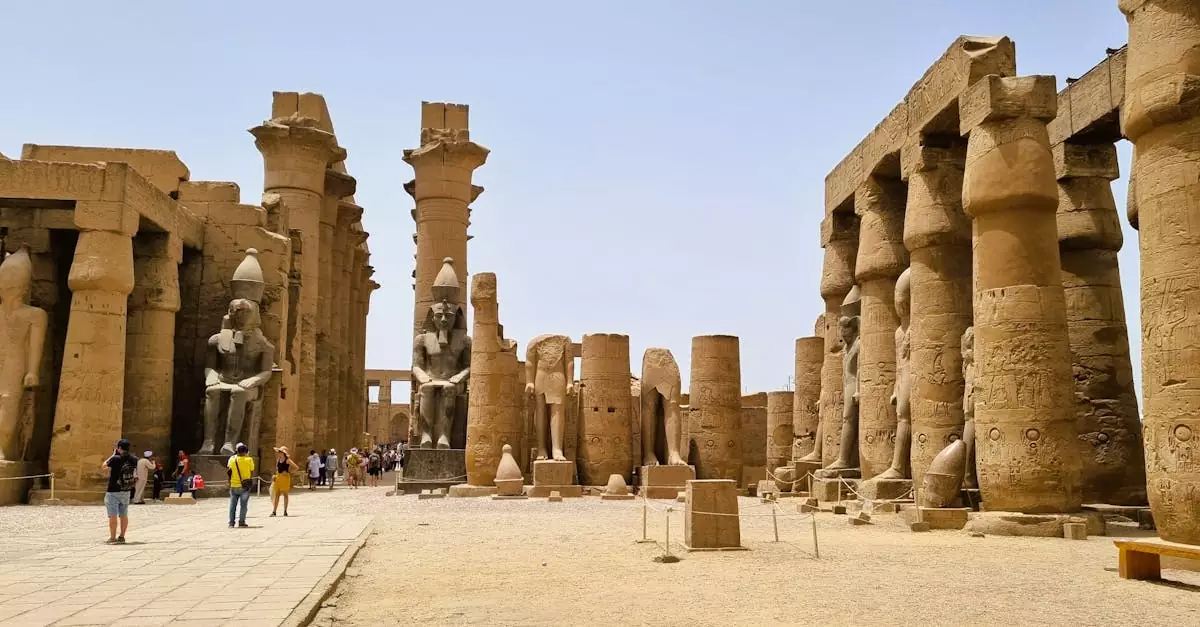
Traveling across Africa presents a wealth of experiences, from expansive savannas filled with wildlife to lively cities. While independent travel is possible, employing the best local travel guides can transform your journey into an authentic adventure. These guides offer insights and access that typical tourists often miss.
Unlocking Hidden Gems Beyond Tourist Trails
Tourist trails, while popular, often reveal only a fraction of a destination’s true essence. Local guides, familiar with their surroundings, know the unmarked paths, quiet viewpoints, and communities that seldom see outsiders. They can lead you away from crowded attractions to places where you can engage with local life. Imagine discovering a small artisan workshop in Marrakech or a secluded waterfall in the Rwandan highlands, all thanks to a guide’s insider knowledge. This deeper connection to the land and its people defines a truly memorable trip.
Gaining Authentic Cultural Immersion with Local Experts
Cultural immersion extends beyond visiting historical sites; it involves understanding daily life, traditions, and social customs. A local guide serves as your cultural interpreter, facilitating meaningful interactions with communities. They can explain local ceremonies, introduce you to regional cuisine beyond standard tourist fare, and help you navigate social etiquette. For instance, a guide in Ethiopia might elaborate on the rituals surrounding a coffee ceremony, while in Senegal, they could explain the role of griots and their storytelling traditions. This personalized exchange fosters a deeper appreciation for the diverse societies you encounter.
Navigating Complex Logistics: From Safaris to City Tours
Africa’s vastness and diversity can make logistics challenging, especially for first-time visitors. Whether you’re planning a multi-day safari in the Serengeti or a complex itinerary across several countries, a skilled local guide simplifies the process. They handle transportation, secure necessary permits, and adjust plans on the fly due to unforeseen circumstances like weather changes or road conditions. This is particularly crucial for safari expeditions, where knowledge of animal migration patterns and park regulations is essential. A good guide ensures smooth transitions between locations, maximizes your time, and minimizes stress, allowing you to fully immerse yourself in the experience. For expert advice on planning complex journeys, resources like the African Tourism Board can be invaluable.
Top Regions for Exceptional Local Guides in Africa

Finding the best local travel guides in Africa can elevate a good trip into an unforgettable journey. These individuals provide insights into culture, history, and hidden gems that standard tours often overlook. Their expertise is crucial for navigating logistics, understanding local customs, and ensuring a safe and enriching experience across the continent’s diverse landscapes.
Morocco’s Imperial Cities: Marrakech and Fes Guides
In Morocco, local guides are essential for navigating the labyrinthine medinas of Marrakech and Fes. Often fluent in multiple languages, these guides possess deep knowledge of the souks, riads, and historical sites. They can help you avoid tourist traps, negotiate effectively for artisanal crafts, and explain the intricate architectural details of mosques and palaces. Engaging a certified guide is highly recommended, especially when first arriving in these bustling cities.
Consider hiring a guide for at least a full day in each city for a comprehensive overview. In Marrakech, a guide can illuminate the evolution of Djemaa el-Fna square from a marketplace to a vibrant performance space, while in Fes, they can navigate the Mellah (Jewish Quarter) and the Kairaouine University, one of the oldest in the world. Many guides also offer specialized tours focused on photography, culinary experiences, or historical architecture.
East Africa’s Safari Masters: Kenya and Tanzania Specialists
Kenya and Tanzania are synonymous with world-class wildlife safaris, and local guides are vital to these expeditions. These guides are not just drivers; they are often trained naturalists with extensive knowledge of animal behavior, migration patterns, and the delicate ecosystems of parks like the Serengeti, Masai Mara, and Ngorongoro Crater. Their ability to spot elusive wildlife and interpret animal tracks is a skill honed over years of experience.
When booking a safari, inquire about the guide’s certifications and experience. Many lodges and tour operators collaborate with reputable local guides who can enhance your game-viewing experience. They understand the best times to visit specific areas for optimal sightings and can provide fascinating cultural context about the Maasai and other local communities. A good guide ensures your safety while respecting wildlife and its natural habitat.
South Africa’s Diverse Landscapes: Cape Town and Kruger Guides
South Africa offers a remarkable range of experiences, from the cosmopolitan allure of Cape Town to the wild heart of Kruger National Park. In Cape Town, guides can provide insights into the city’s complex history, including apartheid sites like Robben Island, and lead you through the stunning scenery of the Cape Peninsula, including Table Mountain. They also offer essential safety tips for navigating urban areas and recommend the best local eateries and vineyards.
For Kruger, guides are essential for an immersive safari experience. They excel at tracking the Big Five and understanding the nuances of the bush. Many are also skilled storytellers, sharing tales of the land and its inhabitants. Look for guides affiliated with reputable safari lodges or conservation organizations, as they often have the most in-depth knowledge and a commitment to sustainable tourism practices.
| Region | Key Cities/Parks | Guide Specializations | Best For |
|---|---|---|---|
| Morocco | Marrakech, Fes | Medina navigation, culture, history, crafts, cuisine | Cultural immersion, historical exploration |
| East Africa | Serengeti, Masai Mara | Wildlife tracking, animal behavior, ecology, culture | Wildlife viewing, nature photography |
| South Africa | Cape Town, Kruger NP | History, nature, wine, wildlife, conservation, safety | Diverse landscapes, wildlife, cultural history |
West Africa’s Cultural Hubs: Ghana and Senegal Insights
West Africa, rich in history and vibrant contemporary culture, is best experienced through local guides. In Ghana, guides can illuminate the country’s significant role in the transatlantic slave trade by leading tours of historic castles in Cape Coast and Elmina, while showcasing the bustling markets and traditional crafts of Accra. They provide nuanced understanding of the country’s diverse ethnic groups and customs.
In Senegal, particularly in Dakar and on Gorée Island, local guides can share profound insights into the island’s poignant past as a departure point for enslaved Africans and discuss contemporary Senegalese art, music, and literature. Their personal connections and understanding of local dynamics are invaluable for authentic interactions. Engaging with guides in these regions offers a direct connection to the essence of West Africa, far beyond what guidebooks can convey. For more information on African tourism, the African Tourism Board is a useful resource.
How to Find and Vet the Best Local Travel Guides in Africa

Finding the right local guide can transform a trip across Africa from a standard tour into a deeply authentic cultural immersion. These guides provide unparalleled insights into local life, history, and hidden gems that guidebooks often miss. When searching for the best local travel guides, a strategic approach is essential to ensure you find someone knowledgeable, reliable, and suited to your travel style.
Leveraging Online Platforms and Review Sites for Guide Recommendations
The digital age offers numerous resources for finding reputable local guides. Many online travel agencies and specialized tour operator websites feature profiles of local guides, often accompanied by traveler reviews. Platforms like TripAdvisor, GetYourGuide, and Viator allow you to read firsthand accounts of other travelers’ experiences, offering insights into a guide’s punctuality, knowledge, communication skills, and overall helpfulness. Seek guides with numerous positive reviews, particularly those highlighting unique, off-the-beaten-path experiences. Some platforms also enable direct messaging, allowing you to ask initial questions before booking.
Additionally, many countries or regions have tourism boards or associations that provide directories of licensed guides. Websites like the African Tourism Board can direct you to official resources or reputable local operators who work with qualified guides. Engaging with these official channels can increase your chances of finding certified and experienced professionals.
Questions to Ask Potential Local Guides Before Booking
Before confirming a booking, engage in direct conversation with a potential guide. This interaction allows you to assess their expertise and ensure they align with your expectations. Start by asking about their experience in the specific region or activities you’re interested in. Inquire about their background and how long they have been guiding.
Key questions include:
- What is your area of expertise (e.g., history, wildlife, cultural tours, culinary experiences)?
- Can you share a unique local insight or a hidden spot that most tourists miss?
- How do you handle unexpected situations or changes to the itinerary?
- What is your approach to responsible tourism and community interactions?
- What are your rates, and what do they include (transportation, entrance fees, meals)?
- Are you fluent in any languages other than the local dialect and English?
Their answers will reveal their knowledge and passion for their work, as well as their commitment to providing a memorable experience. A guide who can enthusiastically share specific examples and local anecdotes is often a strong indicator of quality.
Understanding Guide Certifications and Local Knowledge
While formal certifications can indicate a guide’s training and adherence to industry standards, they are not always the sole determinant of quality, especially in regions where formal certification processes may be less developed. In many African countries, local knowledge and community connections are equally, if not more, valuable. A guide who has grown up in the area or has extensive lived experience often possesses an invaluable understanding of local culture, traditions, and the environment.
When evaluating a guide, consider their local knowledge depth. Can they explain the significance of customs, identify endemic flora and fauna, or share historical narratives with nuance? Look for guides who respect local traditions and facilitate respectful interactions between you and the communities you visit. Some guides may hold specific certifications for activities like wildlife tracking or guiding in national parks, which can be important for certain tours. Inquire about any such credentials if your itinerary involves specialized activities. Ultimately, the best local travel guides in Africa often combine extensive local expertise with strong communication skills and a genuine desire to share their homeland with visitors.
What Should a Great Local African Travel Guide Know?

When seeking the best local travel guides in Africa for truly authentic experiences, look for individuals with a profound understanding of their region. A great guide is more than just a navigator; they are a cultural ambassador, a storyteller, and an invaluable resource for uncovering the continent’s rich tapestry. Their knowledge should extend far beyond the typical tourist trail, providing insights that transform a simple trip into a deeply immersive journey.
Deep Historical and Cultural Context of Destinations
An exceptional local guide brings the history and culture of a place to life. They can explain the significance of ancient ruins, the stories behind traditional ceremonies, and the evolution of local art forms. For instance, in Ethiopia, a knowledgeable guide can illuminate narratives about the Ark of the Covenant in Axum or the rock-hewn churches of Lalibela, connecting visitors to millennia of civilization. Understanding local etiquette and customs is also crucial; a good guide ensures travelers interact respectfully and meaningfully with communities, fostering positive connections. This depth of knowledge elevates a visit from mere sightseeing to genuine cultural exchange.
Expertise in Wildlife, Flora, and Fauna for Safaris
For those venturing on safari, a guide’s expertise in wildlife, flora, and fauna is paramount. The best guides can identify not only the “Big Five” but also numerous other species, understanding their behaviors, habitats, and ecological roles. They know the best times and locations for sightings, often predicting animal movements based on weather patterns and local knowledge passed down through generations. In places like the Maasai Mara in Kenya or the Serengeti in Tanzania, a guide’s ability to track animals, interpret tracks, and explain ecosystem dynamics significantly enhances the safari experience. Their passion for conservation often shines through, educating travelers on the importance of preserving these incredible natural landscapes.
Navigating Local Transportation and Best Routes
Efficiently navigating Africa’s diverse landscapes requires a guide familiar with local transportation and optimal routes. This includes understanding everything from the reliability of public transport in bustling cities like Lagos, Nigeria, to suitable vehicles for traversing rugged terrain in mountainous regions. A skilled guide can advise on the quickest, safest, and most cost-effective ways to travel between destinations, whether by shared taxi, local bus, or private transfer. They also know the best times to travel to avoid traffic congestion or catch specific scenic views. This practical logistical knowledge is essential for smooth and enjoyable travel across the continent.
Understanding Local Etiquette and Customs
Beyond historical context and practicalities, a truly invaluable local guide possesses a deep understanding of local etiquette and customs. This knowledge is critical for respectful and meaningful interactions with communities. They can advise on appropriate dress codes for visiting villages or religious sites, explain customary greetings, and clarify taboos or sensitive topics. For example, understanding the norms around gift-giving in Morocco or the specific protocols for entering a Maasai boma in Kenya can significantly impact how travelers are received and how they perceive the local culture. A guide who can bridge cultural divides fosters mutual respect and ensures a more enriching experience for everyone involved.
Planning Your Itinerary with a Local Guide: A Sample African Journey

Engaging the best local travel guides in Africa can transform a standard trip into an unforgettable exploration of culture, history, and natural wonders. These guides provide unparalleled insights, navigating complex logistics and sharing intimate knowledge of their regions. To illustrate the possibilities, here are sample itineraries showcasing diverse African experiences, each enhanced by local expertise.
7-Day Moroccan Adventure: Atlas Mountains and Desert Excursions
A week in Morocco, guided by a local expert, offers a deep dive into its vibrant culture and dramatic landscapes. Your journey might begin in Marrakech, where a guide can navigate the bustling souks and historic medina, revealing hidden gems and sharing stories of the city’s past. From there, venture into the High Atlas Mountains. A local guide is invaluable here, not only for trekking routes but also for understanding Berber traditions and village life. They can arrange stays in traditional guesthouses and introduce you to local families for an authentic cultural exchange.
The latter half of the week could focus on the Sahara Desert. A guide will manage the logistics of reaching the dunes, whether by 4×4 or camel trek, and secure comfortable desert camps. Their knowledge ensures you experience the magic of sunset over the Erg Chebbi dunes, enjoy traditional music around a campfire, and understand the nomadic way of life. Safety in remote areas is paramount, and a local guide’s preparedness is crucial.
Sample Itinerary Overview:
| Day | Location | Activities | Accommodation Type |
|---|---|---|---|
| 1-2 | Marrakech | Medina exploration, souks, historical sites | Riad/Hotel |
| 3-4 | High Atlas Mtns | Trekking, Berber village visits, local immersion | Guesthouse |
| 5-6 | Sahara Desert | Camel trek, dune exploration, stargazing, camp | Desert Camp |
| 7 | Return to Marrakech | Departure | N/A |
This itinerary highlights the value of local knowledge in navigating diverse terrains and cultural settings, from bustling cities to remote desert landscapes.
10-Day East African Safari: Amboseli to the Serengeti
Embarking on a multi-country safari requires meticulous planning, making a local guide or safari specialist indispensable. A 10-day East African adventure, focusing on iconic wildlife destinations like Kenya’s Amboseli National Park and Tanzania’s Serengeti, offers incredible wildlife viewing opportunities. Your guide will handle park entries, vehicle arrangements, and accommodation bookings, ensuring seamless transitions between locations.
In Amboseli, a guide’s expertise is key to locating elephants against the backdrop of Mount Kilimanjaro and spotting other plains game. They understand animal behavior and the best times and locations for sightings. Moving to the Serengeti, especially during the Great Migration, requires a guide familiar with the herds’ movements, positioning you for breathtaking encounters with wildebeest, zebras, and their predators. Lodging options range from luxury tented camps to rustic lodges, and a local guide can recommend based on your budget and desired experience.
Logistics & Considerations:
- Transportation: Primarily 4×4 safari vehicles. Internal flights between parks are common and efficient.
- Best Time to Visit: Depends on migration patterns; generally, June to October for the dry season.
- Budget: Safaris are a significant investment; expect higher costs for prime wildlife areas and luxury accommodations.
- Safety: Guides are trained in wildlife safety and emergency procedures.
A well-chosen guide enhances safety, maximizes wildlife encounters, and provides cultural context about the Maasai and other local communities.
5-Day South African Wine Route and Peninsula Exploration
South Africa offers a compelling blend of natural beauty and sophisticated experiences, easily navigated with local expertise. A 5-day trip focusing on the Cape Peninsula and the Winelands provides a taste of the region’s diversity. In Cape Town, a local guide can lead you through the city’s history, from Robben Island to the vibrant Bo-Kaap neighborhood, and arrange your visit to Table Mountain.
The Winelands, particularly Stellenbosch and Franschhoek, are best explored with a guide who knows the best estates, understands wine varietals, and can arrange tastings and cellar tours. They can also recommend excellent restaurants featuring local produce and South African cuisine. Beyond wine, a guide can curate a scenic drive along the Cape Peninsula, showcasing Cape Point, the penguins at Boulders Beach, and Chapman’s Peak Drive, providing historical anecdotes and ecological insights.
Traveler Tips:
- Accommodation: A mix of boutique hotels in Cape Town and charming guesthouses or wine farm stays in the Winelands.
- Transportation: Self-driving is popular, but a guide offers convenience and local knowledge, especially for wine tasting.
- Seasonality: Spring (September-November) and Autumn (March-May) offer pleasant weather and beautiful vineyard colors.
Local guides in this region often have strong relationships with wineries and tourism operators, leading to exclusive experiences and seamless travel. For more information on travel in Africa, consult resources like the African Tourism Board.
Frequently Asked Questions About Local Guides in Africa
What is the average cost of hiring a local guide in Africa?
The cost of hiring a local guide in Africa varies significantly based on the country, region, type of tour, and the guide’s experience. In popular tourist destinations like South Africa or Kenya, you might expect to pay anywhere from $50 to $150 per day for a qualified safari guide or city tour leader. In less developed areas or for specialized treks like Kilimanjaro climbs, costs can be higher, often including accommodation and meals for the guide. It’s common for independent guides to negotiate rates, while those affiliated with established tour operators often have set prices. Always clarify what is included in the daily rate, such as transportation, park entrance fees, or meals.
Are local guides essential for safety in African countries?
While many African countries are safe for independent travel, local guides enhance safety, particularly in remote areas or when undertaking activities like safaris or trekking. They possess intimate knowledge of the terrain, wildlife behavior, and local conditions, helping to avoid potential hazards. For instance, a guide can navigate challenging roads, identify safe wildlife viewing distances, and know emergency procedures. Their presence can also deter petty crime in busy urban centers. For many travelers, especially those new to the continent, a trusted local guide significantly reduces risk and allows for a more relaxed experience.
Can local guides help with language barriers and bargaining?
Absolutely. Language barriers can pose challenges in many parts of Africa, where numerous local dialects are spoken. A local guide acts as a crucial interpreter, facilitating communication with locals and ensuring you maximize interactions. This is particularly helpful when visiting markets or engaging with local artisans. Regarding bargaining, guides offer invaluable advice, knowing fair prices and assisting in negotiations respectfully, ensuring you receive good value without causing offense. Their expertise helps avoid common tourist pitfalls and fosters positive exchanges.
What are common tourist mistakes to avoid when using local guides?
One common mistake is failing to clearly define expectations and the itinerary beforehand. Ensure you and your guide agree on what you want to see and do. Another pitfall is not researching or vetting your guide; always look for recommendations or guides associated with reputable organizations. Over-reliance on a guide without engaging your own curiosity can also be a missed opportunity for personal discovery. Lastly, it’s crucial to respect your guide’s knowledge and cultural background. Avoid making demands that are culturally insensitive or unsafe. Treating your guide as an equal partner in your journey leads to a far richer experience.