
Embarking on a culinary exploration of Africa is a journey filled with vibrant flavors and rich traditions. From the spicy stews of the West to the aromatic tagines of the North, the continent offers a diverse gastronomic landscape that reflects its history and varied cultures. Discovering the best local foods Africa has to offer means diving into bustling markets, understanding unique cooking methods, and connecting with communities through their cuisine.
This guide will take you on a delicious adventure, highlighting must-try dishes from Ethiopia’s injera and wots to South Africa’s flavorful bobotie and Morocco’s iconic tagines. You’ll learn about the ingredients that define regional specialties, the cultural significance behind communal meals, and practical tips for navigating local markets to find authentic culinary experiences. Prepare your taste buds for an unforgettable exploration of Africa’s most beloved foods.
What Are the Must-Try Local Foods in West Africa?

West Africa offers a vibrant tapestry of flavors, where staple ingredients like rice, yams, and plantains transform into unforgettable dishes. Exploring the region’s culinary landscape reveals deep cultural connections through food. The best local foods in Africa are often found in these diverse markets and family kitchens, providing authentic tastes that represent centuries of tradition.
Jollof Rice: The Heartbeat of West African Cuisine
Jollof rice is more than just a dish; it’s a cultural icon across West Africa, sparking friendly rivalries over whose national version reigns supreme. This fragrant, one-pot rice dish is typically cooked in a rich tomato and pepper base, infused with spices like thyme, curry powder, and bay leaves. Variations abound, from the smoky Nigerian style, often cooked over an open fire, to the lighter Senegalese version, sometimes enriched with fish.
When trying Jollof, consider ordering it with a side of grilled chicken, beef, or fried plantains for a complete meal. You’ll find it at virtually every restaurant, street food stall, and family gathering, making it a readily accessible introduction to West African flavors.
Fufu and Soup: A Staple Meal Experience
Fufu is a foundational food in many West African countries, a smooth, dough-like staple made from boiled and pounded starchy vegetables such as cassava, yams, or plantains. It’s typically served with rich, flavorful soups. Common bases include groundnut (peanut) soup, palm nut soup, or various leafy green preparations like spinach or bitter leaf soup.
Eating fufu is an interactive experience. Diners break off a piece of the fufu, roll it into a ball, and use it to scoop up the soup, traditionally eaten with the right hand and without utensils. Be prepared for a hearty and filling meal; fufu is incredibly satisfying and a quintessential way to connect with local food culture.
Suya: Spicy Grilled Skewers You Can’t Miss
Suya consists of skewers of thinly sliced, marinated meat—often beef, but chicken and ram are also popular—grilled over an open flame and coated in a spicy peanut and chili powder blend called yaji. This street food is a beloved evening treat, with vendors setting up grills in bustling areas as dusk settles, filling the air with the intoxicating aroma of grilling meat and spices.
The yaji spice mix provides a unique smoky, nutty, and spicy kick. Suya is usually served with sliced onions, tomatoes, and sometimes a side of more yaji. It’s a perfect, flavorful snack or light meal for those who enjoy bold tastes and a bit of heat. Look for busy suya spots; the crowds are usually a good indicator of quality.
Pounded Yam and Egusi Soup: A Nigerian Delicacy
Pounded yam, a smooth, dense paste made from boiled yams, is a celebrated staple, particularly in Nigeria. Its preparation involves laboriously pounding boiled yams in a large mortar until a soft, elastic dough forms. This is often served alongside Egusi soup, a hearty stew made from ground melon seeds, leafy greens (like spinach or ugu), palm oil, and assorted meats or fish.
The texture of pounded yam offers a chewy counterpoint to the rich, savory Egusi soup. The ground melon seeds give the soup a unique, slightly gritty texture and a nutty flavor. This combination is a cornerstone of Nigerian cuisine and a must-try for anyone seeking an authentic taste of the region’s culinary heritage. Many restaurants will offer a choice of soups to accompany the pounded yam.
Exploring the Flavors of East Africa: From Ethiopia to Kenya

East Africa presents a rich tapestry of culinary traditions, deeply intertwined with its history and diverse landscapes. From the highlands of Ethiopia to the savannas of Kenya, the region’s food is characterized by fresh ingredients, unique preparation methods, and a strong sense of community. Embarking on a culinary journey here means experiencing the heart of local culture.
Injera and Wots: Ethiopia’s Unique Injera and Stews
Ethiopian cuisine is immediately recognizable by its staple, injera. This large, sourdough flatbread made from teff flour has a distinctive spongy texture and slightly sour taste. It serves as both a plate and utensil, with various wots (stews) served on top. Preparing injera is a time-honored process, often taking days to ferment the batter.
The wots themselves are incredibly varied, ranging from spicy doro wot (chicken stew with a hard-boiled egg) to flavorful misir wot (red lentil stew) and gomen (collard greens). Eating is a communal affair; diners gather around a shared platter, tearing off pieces of injera to scoop up the rich, aromatic stews. This method fosters connection and is a fundamental part of Ethiopian social dining.
Ugali and Nyama Choma: Kenya’s Maize Meal and Grilled Meat
In Kenya, ugali is the cornerstone of many meals. Similar to polenta, it’s a stiff porridge made from maize flour, cooked with water until thick. Ugali is typically eaten with the hands, rolled into a ball and used to scoop up accompanying dishes. Its neutral flavor makes it a versatile side.
The quintessential Kenyan dish is nyama choma, meaning “roasted meat.” This succulent, grilled meat, often goat or beef, is simply seasoned and cooked over an open flame. The smoky aroma and tender texture are irresistible, especially when enjoyed with a side of ugali and a fresh kachumbari (tomato and onion salad). Many travelers find the best nyama choma at local roadside eateries or specialized restaurants.
Mandazi: East African Sweet Doughnuts
A beloved sweet treat across East Africa, mandazi are light, airy, and slightly sweet fried dough. Often triangular, they are flavored with coconut milk, cardamom, or cinnamon, giving them a pleasant aroma and taste. Mandazi are popular as a breakfast item or snack, often enjoyed with tea or coffee.
You’ll find vendors selling these delicious doughnuts at local markets and street stalls. They are best enjoyed fresh and warm, offering a comforting sweetness that contrasts with the savory main dishes common in the region. Their simplicity and deliciousness make them a universally appealing part of the local diet.
Chapati: The Versatile Flatbread of East Africa
Chapati is another widely enjoyed flatbread in East Africa, particularly in Kenya and Tanzania. Unlike injera, chapati is made from whole wheat flour and pan-fried with oil or ghee, resulting in a soft, layered, and slightly chewy bread. It’s incredibly versatile, serving as a side to stews, curries, or simply eaten on its own.
The preparation of chapati involves kneading dough, rolling it thin, and then folding and frying it to create its characteristic layers. Many families make chapati fresh daily. For travelers, sampling chapati alongside local curries or grilled meats offers delicious insight into the everyday meals of East Africans. It’s a staple that bridges culinary influences, reflecting the region’s historical trade routes.
Southern Africa’s Gastronomic Delights: South Africa, Zimbabwe, and Beyond

Southern Africa offers a rich tapestry of flavors, blending indigenous traditions with influences from colonial history and migration. This region’s cuisine is hearty, flavorful, and deeply connected to the land, making it a must-explore for any traveler seeking the best local foods in Africa. From spiced baked dishes to slow-cooked stews, the culinary landscape here is as diverse as its people.
Bobotie: South Africa’s Spiced Minced Meat Bake
A true South African classic, bobotie is a comforting and aromatic dish that showcases the country’s Cape Malay heritage. It features spiced minced meat, often lamb or beef, mixed with breadcrumbs soaked in milk, curry powder, turmeric, and dried fruit like raisins or apricots. This flavorful mixture is topped with a creamy egg custard and baked until golden.
Travelers can find bobotie on menus across South Africa, from casual eateries to upscale restaurants. It’s often served with yellow rice, sambals (a type of relish), and a dollop of chutney. For an authentic experience, seek out restaurants that emphasize traditional South African cooking. Trying bobotie is essential to experiencing the region’s unique culinary identity.
Bunny Chow: Durban’s Iconic Curry-Filled Bread
Originating in the vibrant Indian community of Durban, South Africa, bunny chow is a unique street food. It’s essentially a hollowed-out loaf of white bread filled with a generous portion of spicy curry—options typically include lamb, chicken, or bean curry. The bread acts as an edible bowl, soaking up the delicious curry juices.
Durban is the capital of bunny chow, with vendors and small eateries serving it throughout the city. It’s a messy but incredibly satisfying meal, best enjoyed with your hands. When ordering, specify the type of curry and the “size” of the bunny chow (quarter, half, or full loaf). Be prepared for a flavorful and potentially fiery experience.
Sadza: Zimbabwe’s Maize Meal Staple
In Zimbabwe, sadza is more than just food; it’s a cultural cornerstone and the primary carbohydrate for most meals. This thick porridge is made from finely ground maize meal (cornmeal) cooked with water to a firm, dough-like consistency. It’s typically served as a base for various relishes, stews, and meats.
Eating sadza is hands-on. Diners pinch off a small portion, roll it into a ball using their fingers, and then create a small indentation with their thumb to scoop up the accompanying dish. Common accompaniments include nyama (meat stew), fish, or leafy green vegetables like muriwo. Finding authentic sadza is straightforward in any Zimbabwean home or local eatery, offering a true taste of everyday life.
Potjiekos: A Traditional Cast-Iron Stew
Potjiekos, meaning “small pot of food” in Afrikaans, is a beloved traditional South African stew cooked slowly in a round, cast-iron pot over an open fire. The cooking method is as important as the ingredients, with layers of meat (often game, lamb, or beef), vegetables, and spices added in a specific order to meld flavors beautifully. The beauty of potjiekos lies in its simplicity and the communal aspect of its preparation, often enjoyed during outdoor gatherings and braais (barbecues).
While you can find potjiekos in some restaurants, it’s most authentically experienced as part of a social gathering. The slow cooking process results in incredibly tender meat and a rich, complex broth. Common ingredients include root vegetables like potatoes and carrots, onions, and a variety of spices. The distinct shape of the pot ensures even heat circulation, contributing to the stew’s unique texture and depth of flavor. For travelers interested in experiencing South African hospitality, seeking out a potjiekos meal is highly recommended.
North African Cuisine: Tagines, Couscous, and Aromatic Spices
North Africa offers a rich tapestry of flavors, deeply influenced by its history as a crossroads of trade and culture. Here, aromatic spices like cumin, coriander, saffron, and ginger form the backbone of many dishes, creating complex and comforting meals. This region’s culinary landscape reflects its Berber, Arab, and Mediterranean heritage.
Moroccan Tagine: Slow-Cooked Stews in Earthenware Pots
The tagine is perhaps the most iconic dish from Morocco, named after the distinctive conical earthenware pot in which it is slow-cooked. This method tenderizes meats and melds flavors beautifully. Common ingredients include lamb, chicken, or beef, often combined with fruits like apricots, prunes, or preserved lemons, alongside vegetables such as carrots, potatoes, and onions. The slow simmering allows spices to infuse deeply, resulting in a rich, savory, and often slightly sweet stew.
Travelers can find tagines everywhere, from bustling street food stalls in Marrakech to elegant restaurants in Casablanca. Preparation can vary significantly, with some tagines featuring intensely spiced lamb and others offering a lighter, citrus-forward chicken version. A well-made tagine is a deeply satisfying meal, often served with crusty bread for soaking up the delicious sauce.
Couscous: A Staple Across North Africa
Couscous, made from steamed semolina granules, is fundamental to North African cuisine, particularly in Morocco, Algeria, and Tunisia. It serves as a versatile base for a wide array of stews and vegetable dishes. Traditionally, couscous is prepared by hand, rolling semolina with water and flour before steaming it multiple times.
The most common way to enjoy couscous is as a hearty platter, often served with a rich vegetable or meat stew on top. The specific ingredients can vary by region and season but commonly include chickpeas, carrots, zucchini, turnips, and sometimes lamb or chicken. Sharing a large platter of couscous is culturally significant. For those exploring the diverse culinary offerings across North Africa, trying couscous prepared in different countries provides fascinating insights into regional variations.
Pastilla: Sweet and Savory Moroccan Pie
Pastilla, also known as B’stilla, is a unique dish in Moroccan cuisine that masterfully balances sweet and savory flavors. Traditionally made with pigeon meat, modern versions often feature chicken or seafood. The filling is a complex blend of spices, almonds, and herbs, all encased in thin, flaky pastry layers, similar to phyllo dough.
What sets pastilla apart is its topping of powdered sugar and cinnamon, creating a delightful contrast with the savory filling. This dish is often served as a celebratory meal or special appetizer, showcasing the intricate culinary artistry of Morocco.
Harira: Hearty Moroccan Ramadan Soup
Harira is a traditional Moroccan soup, most famously consumed during Ramadan to break the fast after sunset. It is a rich blend of tomatoes, lentils, chickpeas, and often small pieces of meat like lamb or beef. The soup is generously seasoned with a fragrant mix of spices, including turmeric, ginger, cinnamon, and cilantro.
A key ingredient that gives harira its distinctive flavor and texture is ferrouka, a mixture of flour and water added toward the end of cooking to thicken the soup. It’s often garnished with fresh cilantro and served with a squeeze of lemon, adding a bright, zesty finish. This hearty soup is not only a staple during Ramadan but is also enjoyed year-round as a comforting meal.
Navigating Local Markets for Authentic African Food Experiences

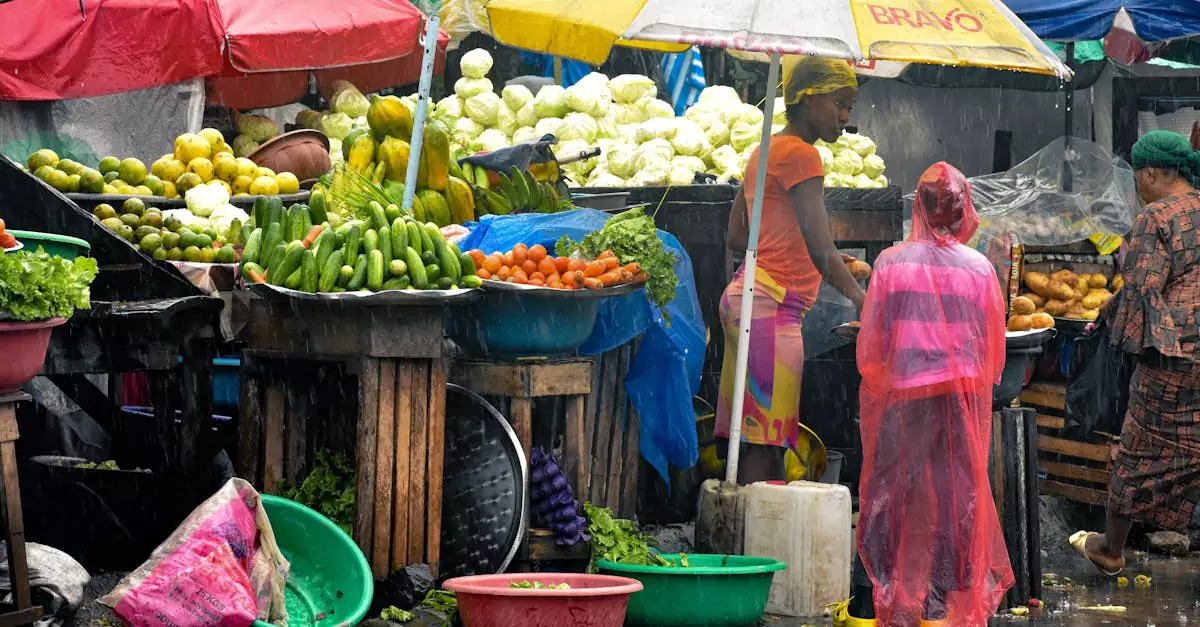
To truly taste the continent, venturing into local markets is essential. These vibrant hubs are where the freshest ingredients meet time-honored cooking traditions. Forget sterile supermarkets; the heart of African cuisine beats strongest amidst the bustling stalls, the calls of vendors, and the intoxicating aromas. Engaging with these spaces offers a direct connection to local culture and provides the best local foods Africa has to offer.
Tips for Finding the Best Street Food Stalls
Spotting a great street food vendor often comes down to observing local habits. Look for stalls with long queues of locals—this is usually a reliable indicator of quality and popularity. Pay attention to hygiene; while street food is an adventure, choosing stalls where food is cooked fresh to order and where surfaces appear clean is wise. Don’t hesitate to ask vendors about their specialties or popular dishes; many are proud to share their culinary heritage.
A good strategy is to sample a little from a few different vendors rather than committing to a large portion from one. This allows you to try a wider variety of flavors and dishes. For those new to a region, starting with cooked items is often safer than raw preparations.
Understanding Local Market Etiquette
Respecting local customs is key to a positive market experience. Always ask permission before taking photographs of people, especially vendors. A smile and a polite greeting, even if you don’t speak the local language, go a long way. Bargaining is common in many African markets, but it should be done respectfully and with good humor. Know the approximate value of what you’re buying to avoid overpaying significantly.
When interacting with vendors, be patient. Markets can be chaotic, and communication might require gestures or simplified language. Offering a small tip for exceptional service or a particularly delicious dish is a thoughtful gesture, though not always expected. Remember, you are a guest in their space.
Identifying Fresh Produce and Ingredients
Your visual and olfactory senses are your best tools for assessing freshness. Look for produce that is vibrant in color, firm to the touch, and free from bruises or wilting. For meats, ensure they are kept cool, ideally on ice, and have a fresh, clean smell. Fish should have clear eyes and firm flesh.
When it comes to spices and grains, a keen nose can detect quality. Freshly ground spices will have a much more potent aroma than pre-packaged ones. For staple grains like rice or millet, check for uniformity in size and color, and ensure there are no signs of pests or mold. Understanding these basics helps ensure you’re getting the best ingredients, leading to the most delicious meals. For broader travel information across the continent, the African Tourism Board website is a useful resource.
Frequently Asked Questions About Eating Local Foods in Africa
What are the safest ways to try street food?
When sampling street food, prioritizing hygiene is key to enjoying the best local foods in Africa safely. Look for vendors with a steady stream of local customers; this indicates popularity and likely fresh ingredients. Observe the preparation area—it should appear clean, with food cooked to order rather than sitting out. Avoid unpeeled fruits or raw vegetables unless you can wash them yourself.
If you’re concerned about water, stick to bottled or purified options. Many street food stalls offer freshly squeezed juices or grilled meats that are generally safe if cooked thoroughly. Don’t hesitate to ask vendors about their ingredients or cooking methods.
Are there vegetarian or vegan options for the best local foods in Africa?
Absolutely. Many African cuisines feature a rich array of vegetarian and vegan dishes, often rooted in traditional staples. Legumes like lentils and beans commonly form the base of flavorful stews and porridges. Grains such as millet, sorghum, and rice are also widely used.
Vegetable-based dishes are prevalent across the continent. For example, in West Africa, dishes like jollof rice can often be made without meat, and egusi soup frequently incorporates leafy greens and seeds. East African cuisine offers options like ugali (a maize porridge) served with vegetable stews, and injera (sourdough flatbread) with lentil and vegetable accompaniments in Ethiopian and Eritrean restaurants. Always communicate your dietary needs clearly to chefs or vendors.
What should I expect to pay for local meals?
The cost of local meals in Africa varies significantly by country and region, but generally, eating local is budget-friendly. In markets or smaller eateries frequented by locals, you might spend as little as $2–$5 USD for a substantial meal.
More established restaurants serving traditional cuisine can range from $5–$15 USD per person for a main course. Upscale dining experiences or those in major tourist hubs will naturally be more expensive. Prices in countries like Nigeria or South Africa might be higher than in nations like Ethiopia or Senegal. It’s wise to carry smaller denominations of local currency for market purchases.
| Country | Typical Street Food Meal (USD) | Mid-Range Local Restaurant Meal (USD) |
|---|---|---|
| Ethiopia | $1 – $3 | $4 – $8 |
| Kenya | $2 – $4 | $5 – $10 |
| Morocco | $3 – $6 | $7 – $15 |
| Nigeria | $2 – $5 | $6 – $12 |
| South Africa | $3 – $7 | $8 – $20 |
How can I learn more about regional culinary traditions?
Engaging with local culinary traditions is a rewarding part of any trip to Africa. One of the best ways is to take a cooking class. Many cities offer classes that teach you to prepare popular regional dishes, providing insight into ingredients and techniques. Visiting local markets is another excellent method; observe the produce, spices, and interactions between vendors and customers.
Engaging with locals is invaluable. Ask your hotel staff, guides, or new friends for recommendations on their favorite eateries and dishes. Reading up on the history of food in a specific region before you go can also deepen your appreciation. For broader insights, the African Tourism Board website sometimes features articles on culinary heritage.