Crafting the best Africa travel itineraries involves more than just selecting destinations; it’s about creating experiences that resonate with your travel style and logistical needs. Africa, with its immense diversity, offers everything from thrilling wildlife safaris and rich cultural immersions to tranquil coastal escapes.
This guide will equip you with the knowledge to design your ideal African adventure. You’ll learn how to define your travel preferences, select the right trip duration, balance iconic landmarks with hidden gems, and explore popular routes for first-time visitors. We’ll cover regional highlights, from East Africa’s wildlife spectacles to Southern Africa’s natural wonders and North Africa’s ancient history, ensuring your journey is enriching and unforgettable. Let’s start planning your extraordinary African exploration.
Designing Your Best Africa Travel Itinerary: A Step-by-Step Guide

Creating the best Africa travel itineraries requires understanding your personal preferences and logistical considerations for an enriching experience across this vast continent. Africa offers a wide range of adventures, from exhilarating wildlife encounters to deep cultural immersions and peaceful coastal retreats.
Defining Your Travel Style: Safari, Culture, or Coastal Escape?
Your ideal African journey begins by identifying your primary interest. Are you captivated by the iconic savanna landscapes and wildlife of East and Southern Africa, imagining days spent on game drives in the Serengeti or Kruger National Park? Perhaps you’re eager to explore ancient civilizations and vibrant cultures, visiting historical sites in Egypt, bustling markets in Marrakech, or the rich heritage of Ethiopia. Alternatively, the allure of pristine beaches may lead you to the island paradises of Zanzibar or the Seychelles, perfect for relaxation and water activities.
Many travelers find a blend of these elements creates a well-rounded trip. For example, a two-week itinerary could start with a safari in Kenya, followed by a cultural exploration of Zanzibar’s Stone Town. This approach allows you to experience multiple facets of the continent.
Choosing the Right Duration for Your African Adventure
The length of your trip will significantly influence the scope of your African adventure. A week may suffice for focused exploration within a single country, such as a safari in Botswana or a cultural tour in Ghana. However, to truly appreciate Africa’s breadth of experiences, a minimum of two to three weeks is often recommended.
For those wishing to combine diverse experiences, like a safari and a city visit, or to traverse multiple countries, allocating four weeks or more allows for a more relaxed pace and deeper engagement. Longer trips also provide flexibility to accommodate unexpected opportunities or travel delays.
Consider these general guidelines:
| Trip Length | Focus | Example Destinations |
|---|---|---|
| 7-10 Days | Single country highlights or specific theme | Kenya (Safari), Morocco (Culture), Tanzania (Kilimanjaro) |
| 14-21 Days | Multiple regions or two countries | South Africa (Cape Town & Safari), Uganda (Gorillas & Safari) |
| 3-4 Weeks+ | In-depth exploration, multiple countries | East Africa Circuit (Kenya, Tanzania, Uganda), Southern Africa (South Africa, Namibia, Botswana) |
Balancing Iconic Landmarks with Off-the-Beaten-Path Discoveries
When creating your best Africa travel itineraries, finding a balance between must-see attractions and lesser-known gems is essential for an authentic experience. Iconic landmarks like Victoria Falls, the Pyramids of Giza, and Mount Kilimanjaro are spectacular and draw visitors for good reason. However, exploring beyond these popular sites can lead to more intimate encounters with local life and unique landscapes.
Consider visiting a community-based tourism project in rural Rwanda, exploring the ancient rock-hewn churches of Lalibela in Ethiopia, or discovering the vibrant art scene in Dakar, Senegal. These experiences often foster a deeper connection to the destination and its people. Researching local guides and smaller tour operators who specialize in authentic experiences will help in planning this balance.
Top Africa Itinerary Routes for First-Time Visitors
Planning your first trip to Africa can feel overwhelming given the continent’s vast diversity. Focusing on well-trodden routes provides a fantastic introduction to its wildlife, cultures, and landscapes. These curated itineraries balance iconic experiences with logistical feasibility, making them excellent starting points for crafting your best Africa travel itineraries.
Kenya & Tanzania: The Classic East African Safari Loop
This is arguably the most iconic safari route, renowned for its abundant wildlife and dramatic landscapes. It’s a quintessential experience for anyone wanting to witness the Great Migration or encounter the Big Five. The best time to visit is typically during the dry seasons (June to October and December to March), which offer excellent game viewing as animals gather around water sources.
Key Highlights:
- Masai Mara National Reserve (Kenya): Famous for its vast plains and high concentrations of predators, especially during the Great Migration (July to October).
- Serengeti National Park (Tanzania): Continues the Great Migration and features endless savannas teeming with wildlife year-round.
- Ngorongoro Conservation Area (Tanzania): A UNESCO World Heritage Site with a unique volcanic caldera that has a high density of animals, including rhinos.
- Optional additions: Lake Nakuru National Park (Kenya) for flamingos and rhinos, or Zanzibar (Tanzania) for a beach extension.
Logistics: Flights typically arrive at Jomo Kenyatta International Airport (NBO) in Nairobi, Kenya, or Kilimanjaro International Airport (JRO) in Tanzania. Travel between parks is usually by small aircraft or 4×4 safari vehicles. Accommodations range from luxury lodges and tented camps to budget-friendly guesthouses.
Budget: This route can be moderately expensive due to park fees and safari costs. Expect to budget around $300-$600+ per person per day, depending on accommodation and activity choices.
South Africa: Cape Town, Garden Route, and Kruger National Park
South Africa offers a remarkably diverse travel experience, combining cosmopolitan city life, stunning coastal scenery, and world-class wildlife viewing. It’s an excellent choice for first-time visitors due to its well-developed infrastructure and variety of activities. The country is accessible year-round, though different regions have optimal visiting times.
Key Highlights:
- Cape Town: A vibrant city nestled between Table Mountain and the Atlantic Ocean, with attractions like Robben Island, the V&A Waterfront, and the Cape Peninsula.
- The Garden Route: A scenic stretch of coastline featuring charming towns, indigenous forests, and adventure activities like hiking and whale watching (seasonal).
- Kruger National Park: One of Africa’s largest game reserves, offering excellent opportunities to see the Big Five and a wide array of other wildlife in a self-drive or guided safari format.
Logistics: International flights usually land at Cape Town International Airport (CPT) or O.R. Tambo International Airport (JNB) in Johannesburg. Travel between these hubs can be done via domestic flights. Renting a car is highly recommended for exploring the Garden Route and Kruger.
Budget: South Africa accommodates a range of budgets. While luxury lodges and fine dining are available, self-catering options and more affordable safari camps make it accessible. Budget approximately $150-$400+ per person per day.
Morocco: Imperial Cities and Sahara Desert Exploration
For a different flavor of Africa, Morocco offers a rich tapestry of history, culture, and stunning desert landscapes. This itinerary focuses on vibrant medinas, ancient kasbahs, and the unforgettable experience of sleeping under the stars in the Sahara. The best times to visit are spring (March-May) and autumn (September-November) to avoid the extreme heat of summer.
Key Highlights:
- Marrakech: Known for its bustling Jemaa el-Fnaa square, intricate souks, and beautiful palaces.
- Fes: The oldest imperial city, famous for its labyrinthine medina and traditional crafts.
- Sahara Desert: Experience a camel trek into the Erg Chebbi or Erg Chigaga dunes for a magical sunset and overnight stay in a Berber camp.
- Atlas Mountains: Scenic drives and opportunities for hiking through Berber villages.
Logistics: Major international airports include Marrakech Menara Airport (RAK) and Casablanca Mohammed V International Airport (CMN). Travel between cities is efficient via trains or private drivers. Desert excursions are typically booked as multi-day tours from Marrakech or Fes.
Budget: Morocco is generally more budget-friendly than safari destinations. Accommodation options include riads, hotels, and desert camps. Expect costs to range from $80-$250+ per person per day.
Here’s a comparative look at these popular first-time Africa itineraries:
| Feature | Kenya & Tanzania Safari | South Africa (Cape Town & Kruger) | Morocco (Imperial Cities & Sahara) |
|---|---|---|---|
| Primary Focus | Wildlife Safari | Diverse: City, Coast, Wildlife | Culture, History, Desert |
| Best Season | Dry Seasons (Jun-Oct, Dec-Mar) | Year-round (regional variations) | Spring & Autumn (Mar-May, Sep-Nov) |
| Typical Duration | 7-14 days | 10-14 days | 7-12 days |
| Budget (per day) | $$$ ($300-$600+) | $$ ($150-$400+) | $ ($80-$250+) |
| Infrastructure | Moderate | High | High |
| Transportation | Flights, 4x4s | Flights, Rental Car, Trains | Trains, Private Drivers, Tours |
Exploring Diverse Landscapes: Best Africa Travel Itineraries by Region

Africa’s vastness offers an incredible spectrum of experiences, from sweeping savannas to ancient desert cities. Crafting the best Africa travel itineraries means understanding the unique allure of its diverse regions. Whether you’re drawn to iconic wildlife, dramatic natural phenomena, or rich historical sites, there’s a journey tailored to your interests.
East Africa’s Wildlife Spectacle: Serengeti, Maasai Mara, and Gorilla Trekking
For many, East Africa is synonymous with unparalleled wildlife encounters. Planning an itinerary here often centers on witnessing the Great Migration, a natural phenomenon where millions of wildebeest, zebras, and gazelles traverse the plains. The Serengeti National Park in Tanzania and the Maasai Mara National Reserve in Kenya are prime locations for this experience.
A classic East African safari might start in the Serengeti, spending three to four days tracking the migration. From there, a short flight or overland journey can take you to the Maasai Mara, offering another three to four days of game drives and cultural interactions with the Maasai people. This region is also exceptional for spotting the “Big Five” – lion, leopard, elephant, rhino, and buffalo – in their natural habitat.
Consider adding a gorilla trekking adventure in Rwanda or Uganda. Volcanoes National Park in Rwanda and Bwindi Impenetrable National Park in Uganda provide opportunities to observe mountain gorillas in the wild. This experience requires a permit, which should be booked well in advance due to high demand and limited availability. A typical gorilla trek involves several hours of hiking through dense rainforest, culminating in a memorable hour spent with a gorilla family.
Logistics for East Africa:
- Best Time to Visit: July to October for the Great Migration and dry season game viewing; January to March for calving season in the Serengeti. Gorilla trekking is possible year-round, but drier months (June to September, December to February) offer easier hiking.
- Transportation: Internal flights between parks are common and save significant travel time. Overland travel in 4×4 safari vehicles is standard for game drives.
- Accommodation: Options range from luxury lodges and tented camps to budget-friendly guesthouses.
Southern Africa’s Natural Wonders: Victoria Falls, Okavango Delta, and Namib Desert
Southern Africa presents a dramatic tapestry of landscapes, from thundering waterfalls to serene deserts and intricate river systems. A compelling itinerary here often combines the awe-inspiring Victoria Falls with the unique ecosystems of the Okavango Delta and the stark beauty of the Namib Desert.
Victoria Falls, bordering Zambia and Zimbabwe, is one of the world’s largest and most impressive waterfalls. Spending one to two days here allows ample time to witness the falls from various viewpoints, take a sunset cruise on the Zambezi River, and perhaps even brave a bungee jump or white-water rafting excursion.
Traveling from Victoria Falls to Botswana’s Okavango Delta offers a contrasting experience. This UNESCO World Heritage site is teeming with wildlife thriving in its labyrinthine waterways. Mokoro (dugout canoe) safaris are a signature activity, providing a peaceful way to observe elephants, hippos, crocodiles, and a vast array of birdlife. A three to four-day stay in the Delta, often accessed by light aircraft from Maun, is recommended.
For a starkly contrasting landscape, the Namib Desert, particularly within Namibia, is a must-see. Sossusvlei, with its towering red sand dunes and ancient dead trees, offers iconic photographic opportunities. Climbing Dune 45 for sunrise or exploring Deadvlei are unforgettable experiences. A minimum of two to three days is ideal for exploring Namib-Naukluft Park, allowing time to acclimatize to the desert environment and appreciate its unique flora and fauna.
Southern Africa Itinerary Highlights:
| Destination | Key Activities | Duration |
|---|---|---|
| Victoria Falls | Viewing falls, sunset cruise, adventure sports | 1-2 days |
| Okavango Delta | Mokoro safaris, game drives, birdwatching | 3-4 days |
| Namib Desert | Dune climbing, Deadvlei, stargazing | 2-3 days |
North Africa’s Ancient History: Pyramids of Giza, Marrakech Souks, and Tunisian Ruins
North Africa beckons with its deep historical roots, vibrant cultures, and ancient architectural marvels. An itinerary focused on this region offers a journey through millennia of history, from pharaonic Egypt to Roman Carthage and the bustling medinas of Morocco.
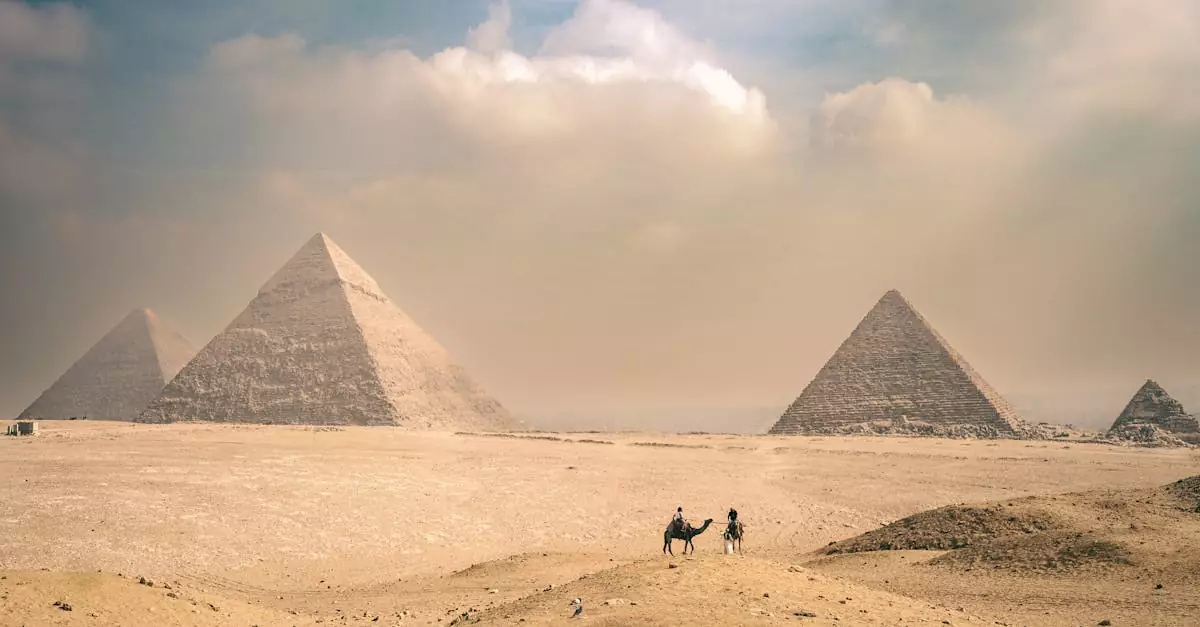
Egypt is a cornerstone of any North African historical tour. Cairo, home to the iconic Pyramids of Giza and the Sphinx, requires at least two to three days for exploration. A Nile River cruise, typically lasting three to five days between Luxor and Aswan, is essential, allowing visits to ancient temples like Karnak, Luxor, and the Valley of the Kings.
Morocco offers a sensory immersion into vibrant culture and history. Marrakech, with its labyrinthine souks, the lively Jemaa el-Fnaa square, and stunning palaces like Bahia Palace, can easily fill three to four days. Further exploration might include the imperial cities of Fes or Meknes, or a journey into the Atlas Mountains.
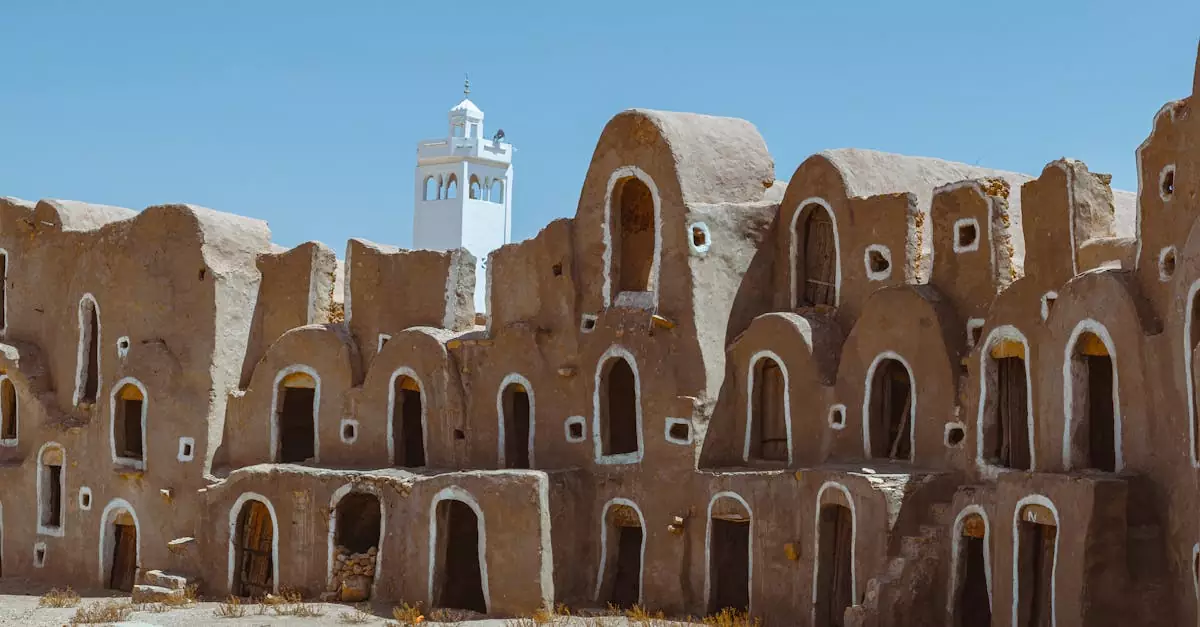
Tunisia provides a glimpse into Roman antiquity and Phoenician heritage. The ruins of Carthage, near Tunis, are a significant archaeological site. El Jem’s Roman amphitheater is remarkably well-preserved, rivaling even the Colosseum in Rome. A week in Tunisia could cover these historical highlights, alongside visits to the charming blue and white village of Sidi Bou Said and the desert landscapes featured in Star Wars films.
North Africa Travel Tips:
- Cultural Considerations: Dress modestly, especially when visiting religious sites. Learning a few basic Arabic or Berber phrases can be greatly appreciated.
- Transportation: Within cities, taxis and ride-sharing apps are common. For longer distances, trains and buses are available, though domestic flights are often more efficient for extensive travel, particularly in Egypt.
- Safety: Stay informed about local conditions and exercise standard travel precautions. Many tourist areas are well-patrolled, but it’s wise to remain aware of your surroundings.
What’s the Best Time to Visit Africa for Your Itinerary?
Choosing the right time to visit Africa is crucial for crafting the best Africa travel itineraries. The continent’s vastness means weather patterns vary significantly by region, impacting everything from wildlife viewing to trip costs. Understanding these seasonal differences will help you align your adventure with your priorities, whether witnessing the Great Migration or enjoying fewer crowds.
Peak Safari Seasons: When to Witness the Great Migration
For many, the ultimate African safari experience involves seeing the Great Migration, a spectacular phenomenon where millions of wildebeest, zebras, and other herbivores traverse the Serengeti and Masai Mara plains. The best time for this depends on which stage of the migration you wish to see.
The dry season, generally from June to October, is peak safari season across much of East Africa. During this period, wildlife congregates around permanent water sources, making them easier to spot. The landscapes are drier, and the grass is shorter, offering excellent visibility. This is also a popular time for travel, meaning you’ll encounter more tourists and potentially higher prices for accommodations and flights. Booking well in advance is essential for popular destinations like Serengeti National Park in Tanzania or Masai Mara National Reserve in Kenya.
Shoulder Seasons: Balancing Weather and Crowds for Budget Travel
The shoulder seasons – typically March to May (spring) and September to November (autumn) – offer a compelling alternative for travelers seeking a balance between good weather and fewer crowds. In East Africa, the “long rains” usually occur from March to May, transforming the landscape into lush greenery. While some roads can become challenging, this period often brings lower accommodation rates and a more intimate safari experience.
Southern Africa’s shoulder seasons usually fall around its autumn (March-May) and spring (September-November). These months typically offer pleasant temperatures, good wildlife viewing, and a reduction in tourist numbers compared to the peak dry season. This can translate to more affordable travel packages and a greater sense of solitude in places like Botswana’s Okavango Delta or South Africa’s Kruger National Park.
Wet Season Advantages: Lush Landscapes and Birdwatching Opportunities
While often overlooked, the wet season (or green season) presents unique advantages for certain types of African travel. From November to March in East Africa, and typically from November to April in Southern Africa, the rains bring dramatic transformations. The landscapes become incredibly vibrant and lush, providing stunning backdrops for photography.
This season is particularly rewarding for birdwatchers, as migratory birds arrive, and resident birds are in their breeding plumage. You’ll also find that many animals give birth during this time, leading to abundant sightings of young wildlife. Although increased vegetation can make spotting larger mammals more challenging, the reduced crowds and often lower prices make it an attractive option for budget-conscious travelers or those seeking a different perspective on the African wilderness. Some national parks may have restricted access to certain areas due to road conditions during the wet season.
Navigating Africa: Transportation Options for Seamless Itineraries
When crafting the best Africa travel itineraries, understanding how to move between destinations is crucial. The continent’s size means that efficient transportation is key to maximizing your time and experiencing diverse landscapes and cultures without feeling rushed. Your choice of transport will significantly impact your budget, pace, and adventure style.
Flying Between Countries: Essential for Covering Vast Distances
For journeys spanning multiple countries or covering significant distances within a single, large nation, flying is often the most practical option. Africa has a growing network of international airports and regional hubs connecting major cities. Airlines like Ethiopian Airlines, Kenya Airways, and South African Airways offer extensive routes. Booking flights in advance is advisable, especially during peak seasons, to secure better fares and availability. Factor in travel time to and from airports, check-in procedures, and potential delays, which can add several hours to your journey. Consider the cost of flights when budgeting for multi-country trips, as they can be a significant expense compared to overland travel.
Road Trips: Exploring South Africa’s Garden Route or Namibia’s Deserts
Embarking on a road trip offers unparalleled freedom and the chance to immerse yourself in the scenery. Popular routes like South Africa’s Garden Route provide stunning coastal views and charming towns, easily navigable with a rental car. Namibia’s vast desert landscapes, such as the drive to Sossusvlei, are best explored with a 4×4 vehicle, allowing access to remote areas and incredible stargazing opportunities. Renting a car is straightforward in many major cities, but always check insurance coverage and familiarize yourself with local driving laws and road conditions. Be aware that road quality can vary dramatically, and some remote areas may require specialized vehicles or local guides. Planning your route, fuel stops, and overnight stays is crucial for a successful road trip adventure.
Local Transport: Buses, Taxis, and Tuk-Tuks for Budget-Conscious Travelers
For travelers on a tighter budget or those seeking a more authentic local experience, public transportation and informal transport options are abundant. Intercity buses connect many towns and cities across various countries, offering a cost-effective way to travel. Companies like Intercape and Greyhound operate extensive networks in Southern Africa. Within cities, taxis are readily available, though agreeing on a fare before starting your journey is essential. In many East and West African cities, brightly colored minibuses (matatus in Kenya, danfos in Nigeria) and tuk-tuks (auto-rickshaws) provide a lively and affordable way to get around. While these options are budget-friendly, they can be crowded and less predictable than private transport. Familiarize yourself with common routes and local customs to navigate them smoothly. For comprehensive information on African tourism, the African Tourism Board website is a valuable resource.
Frequently Asked Questions About Planning Best Africa Travel Itineraries
What are common tourist mistakes to avoid in Africa?
A frequent misstep is underestimating the vastness of Africa. Travelers often try to cram too many destinations into a short trip, leading to rushed experiences and excessive travel time. Another common error is not researching local customs and etiquette, which can lead to unintentional offense. Understanding dress codes and greeting protocols is crucial in many regions.
Overlooking health precautions is also a significant mistake. Not consulting a doctor about necessary vaccinations or malaria prophylactics well in advance can have serious consequences. Finally, failing to book safaris or popular accommodations well in advance, especially during peak seasons, can result in disappointment or significantly higher costs.
How much should I budget for a 2-week African safari?
Budgeting for a 2-week African safari varies dramatically based on the country, level of accommodation, and chosen activities. A mid-range safari experience in popular destinations like Kenya or Tanzania might range from $3,500 to $7,000 per person, excluding international flights. This typically includes park fees, accommodation in comfortable lodges or tented camps, meals, and guided game drives.
Luxury safaris can easily exceed $10,000 per person for two weeks, offering exclusive lodges, private guides, and high-end amenities. Budget travelers might find options for closer to $2,000-$3,000, often involving more basic accommodations, self-driving in certain areas (where feasible and safe), or opting for less-visited parks. It’s essential to factor in costs for visas, travel insurance, tips, and personal expenses.
| Destination Type | Estimated Cost (2 Weeks/Person) | Accommodation Type |
|---|---|---|
| Mid-Range Safari | $3,500 – $7,000 | Lodges, Tented Camps |
| Luxury Safari | $10,000+ | Exclusive Lodges, Villas |
| Budget-Conscious Safari | $2,000 – $3,000 | Guesthouses, Basic Camps |
Is it safe to travel solo in certain African countries?
Safety for solo travelers in Africa depends heavily on the specific country and region, as well as individual precautions. Many travelers report feeling safe and welcome in popular tourist circuits in countries like Botswana, Namibia, South Africa (especially in well-trafficked tourist areas), and Rwanda. These destinations often have well-developed tourism infrastructure and a reputation for safety.
However, it’s crucial to stay informed about current safety advisories. Researching your chosen destinations thoroughly and being aware of your surroundings are paramount. Using reputable tour operators, sticking to established tourist routes, and avoiding displays of wealth can significantly enhance safety. Always trust your instincts; if a situation feels uncomfortable, it’s best to remove yourself from it.
What are the essential items to pack for an African trip?
Packing for an African adventure requires careful consideration of climate, activities, and cultural norms. Lightweight, breathable clothing in neutral colors is ideal for safaris, helping you blend in and avoid attracting insects. A good quality insect repellent with DEET is essential, as are high-SPF sunscreen, a wide-brimmed hat, and sunglasses for sun protection.
Comfortable, sturdy walking shoes or hiking boots are necessary for excursions, while sandals or flip-flops are useful for relaxing at lodges. Binoculars are a must for wildlife viewing. Don’t forget a basic first-aid kit, any personal medications, and a universal travel adapter for charging electronics. For visits to more conservative areas, packing modest clothing like long skirts, trousers, and tops with sleeves is advisable. A headlamp or flashlight can be surprisingly useful, especially in remote areas.