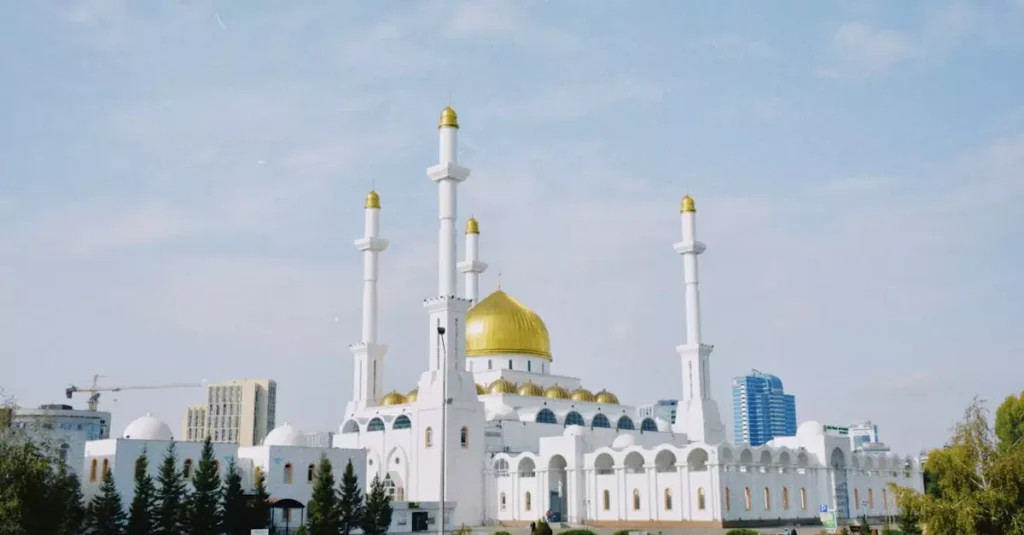
Asia is a continent of immense diversity, offering something for every type of traveler—from bustling metropolises and serene spiritual retreats to thrilling adventure hubs and culinary paradises. Navigating this vast landscape may seem daunting, but with some insight, you can discover the perfect destination to match your interests. This guide explores the best places to visit in Asia, highlighting unique experiences tailored for cultural explorers, adventure seekers, food enthusiasts, city dwellers, and those venturing off the beaten path. Prepare to uncover the continent’s most captivating locales and plan a journey filled with unforgettable memories.
Unveiling Asia’s Top Cultural Hotspots
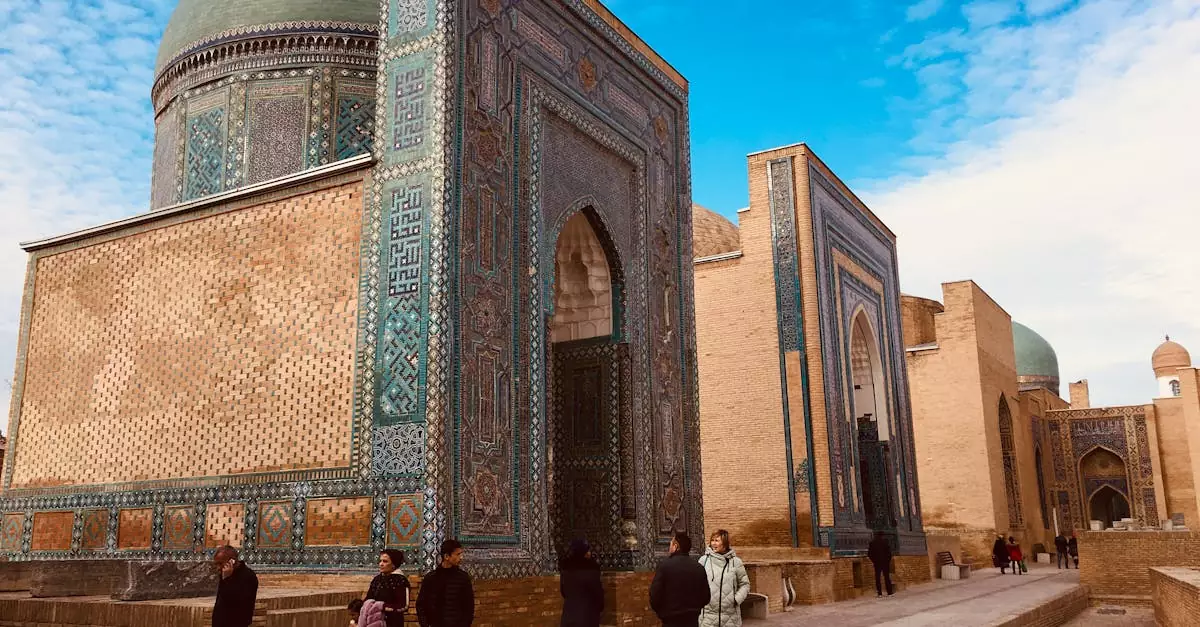
Asia presents an unparalleled array of cultural experiences, from ancient traditions to vibrant contemporary life. Travelers seeking deep immersion will find destinations resonating with history, spirituality, and artistic expression. Understanding the nuances of each location will help you craft a truly memorable journey through this vast continent.
Exploring Kyoto’s Ancient Temples and Geisha Districts
Kyoto, Japan, is a living museum of traditional culture, boasting over 1,600 Buddhist temples and 400 Shinto shrines, each showcasing unique architectural styles and historical significance. Visitors can wander through the iconic Arashiyama Bamboo Grove, a serene pathway that transports you to another world, or marvel at the golden pavilion of Kinkaku-ji. For a glimpse into a more elusive aspect of Japanese culture, explore the Gion district, Kyoto’s most famous geisha quarter, where you might catch a fleeting glimpse of a geiko or maiko gracefully heading to an engagement.
Practical Insights for Kyoto:
- Best Time to Visit: Spring (March-May) for cherry blossoms and autumn (September-November) for vibrant foliage offer pleasant weather and stunning scenery.
- Getting Around: Kyoto has an efficient public transportation system, including buses and subways. Consider purchasing a day pass for convenient travel.
- Accommodation: Options range from modern hotels to traditional ryokans, allowing you to experience Japanese hospitality. Booking in advance is recommended, especially during peak seasons.
- Cultural Etiquette: Be mindful of temple etiquette, such as removing your shoes indoors and maintaining a respectful demeanor.
Immersing Yourself in the Bustling Markets of Marrakesh
Although geographically situated in North Africa, Marrakesh, Morocco, is often grouped with Asian travel due to its exotic allure and vibrant cultural tapestry. The heart of Marrakesh is its medina, a UNESCO World Heritage site, and its central square, Djemaa el-Fna. By day, the square is alive with snake charmers, fruit vendors, and storytellers. As dusk settles, it transforms into a vast open-air food market, filled with the aroma of grilled meats and spices. Navigating the labyrinthine souks is an adventure in itself, with stalls overflowing with colorful textiles, intricate lanterns, and fragrant spices.
Marrakesh Travel Tips:
- Getting There: Marrakesh Menara Airport (RAK) serves international flights.
- Navigating the Souks: Embrace getting a little lost; it’s part of the experience. However, having a general sense of direction or a map is wise.
- Bargaining: Haggling is expected in the souks. Approach it with a friendly attitude and a smile.
- Safety: Be aware of your surroundings, especially in crowded areas. Keep valuables secure and be cautious of unsolicited guides.
Discovering the Spiritual Serenity of Bali’s Ubud
Ubud, located in the heart of Bali, Indonesia, is renowned as the island’s spiritual and cultural center. Surrounded by lush rice paddies and dramatic ravines, Ubud offers a tranquil escape from the bustling coastal resorts. The area is dotted with ancient temples, art galleries, and yoga retreats, attracting those seeking peace and rejuvenation. Visitors can participate in yoga classes, meditate by the Tegalalang Rice Terraces, or visit the sacred Monkey Forest Sanctuary, home to hundreds of long-tailed macaques and several temples, blending nature and spirituality.
Ubud Essentials:
- Getting to Ubud: Most travelers arrive at Ngurah Rai International Airport (DPS) in Denpasar and then take a taxi or pre-booked transfer to Ubud, about a 1.5-hour journey.
- Best Activities: Exploring the rice terraces, visiting Tirta Empul Temple for a purification ritual, and attending a traditional Balinese dance performance are highly recommended.
- Accommodation: Ubud offers a wide range of stays, from luxurious villas overlooking the jungle to charming guesthouses in the town center.
- Respectful Tourism: When visiting temples, dress modestly by covering your shoulders and knees. Sarongs are often available for rent.
Adventure Awaits: Thrilling Destinations Across Asia
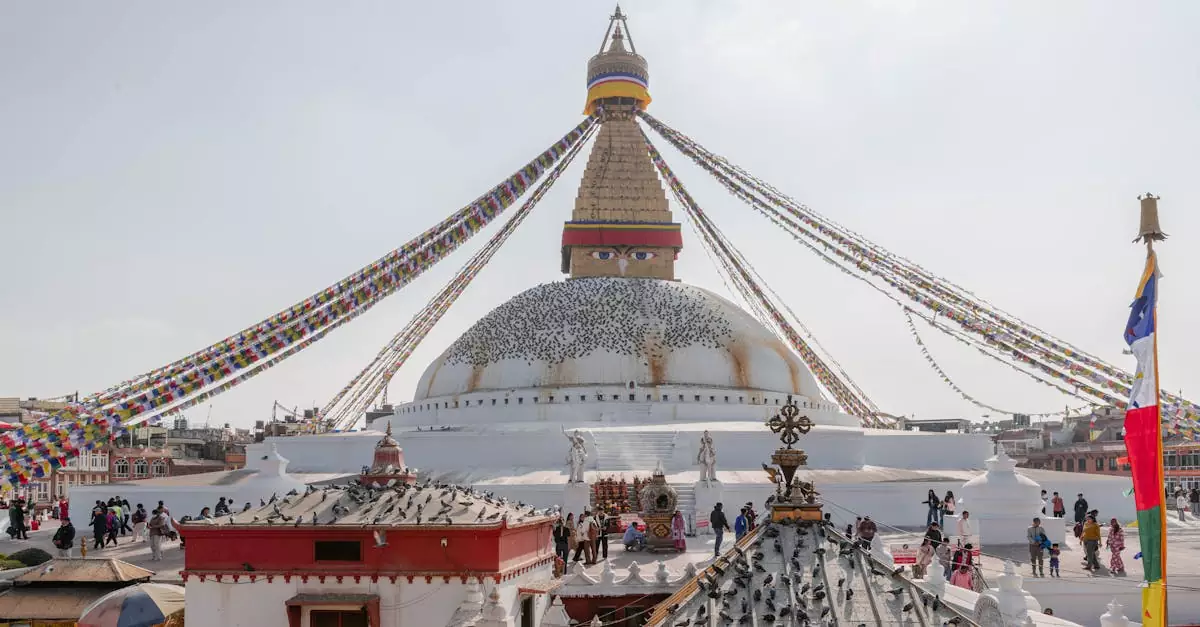
Asia presents an incredible variety of landscapes and experiences for adventure seekers. From towering mountain ranges to crystal-clear waters, these destinations promise unforgettable journeys.
Trekking the Annapurna Circuit in Nepal
For trekkers, the Annapurna Circuit in Nepal is a legendary route. This classic trek circumnavigates the Annapurna massif, offering breathtaking views of some of the world’s highest peaks. The journey takes you through diverse landscapes, from lush rhododendron forests and terraced fields to arid, high-altitude deserts. You’ll pass through traditional villages, gaining insight into the local Gurung and Manangi cultures.
Logistics and Timing:
The best time to trek the Annapurna Circuit is during the pre-monsoon season (March-May) and the post-monsoon season (September-November), when the skies are generally clear, providing excellent mountain visibility. The trek typically takes 15 to 20 days, depending on your pace and chosen starting and ending points. Permits are required, including the Annapurna Conservation Area Permit (ACAP) and a TIMS card.
Budget Considerations:
While Nepal is generally affordable, trekking the Annapurna Circuit involves costs for permits, guides, porters, accommodation in teahouses, and food. A rough daily budget can range from $30-$50 USD per person, excluding flights and pre/post-trek expenses in cities like Kathmandu. Hiring a guide and porter can enhance safety and support the local economy.
Safety:
Altitude sickness is a primary concern. Acclimatization days are crucial, and trekkers should be aware of the symptoms and descend if they occur. The trails can be challenging, with steep ascents and descents, and occasional landslides, especially during shoulder seasons. Hiring an experienced guide is highly recommended for navigation and safety.
Island Hopping Through Thailand’s Andaman Coast
Thailand’s Andaman Coast is a paradise for island hoppers seeking sun, sea, and adventure. Destinations like Phuket, Koh Phi Phi, Krabi, and Koh Lanta offer a stunning archipelago of limestone karsts, turquoise waters, and vibrant marine life. Activities range from snorkeling and diving in coral reefs to kayaking through hidden lagoons and rock climbing on sheer cliffs.
Key Islands and Activities:
- Koh Phi Phi: Famous for Maya Bay (featured in “The Beach”) and its dramatic cliffs, it’s ideal for boat tours and lively nightlife.
- Krabi (Ao Nang/Railay Beach): Offers world-class rock climbing, stunning beaches accessible only by boat (like Railay), and access to the Phi Phi Islands.
- Koh Lanta: A more relaxed option with long, sandy beaches, excellent diving opportunities, and a laid-back atmosphere.
- Phuket: The largest island, providing a wide range of resorts, beaches, and a bustling town, serving as a common entry point.
Best Time to Visit:
The dry season, from November to April, is the prime time to visit the Andaman Coast. During these months, the weather is sunny with calm seas, perfect for water activities. Temperatures are warm year-round, but this period avoids the heavy monsoon rains that typically occur from May to October.
Getting Around:
Inter-island travel is primarily by ferry and speedboat. From major hubs like Phuket and Krabi, you can easily book onward transportation to popular islands. Flights into Phuket International Airport (HKT) or Krabi International Airport (KBV) are the most common ways to reach the region.
Exploring the Natural Wonders of Palawan, Philippines
Palawan, often called the “Last Frontier,” is a province in the Philippines renowned for its breathtaking natural beauty and diverse ecosystems. El Nido and Coron are the most popular gateways for adventure, featuring dramatic limestone cliffs, pristine white-sand beaches, and abundant marine life. The underwater world here is exceptional, with vibrant coral reefs teeming with fish and several historical Japanese shipwrecks in Coron Bay.
Must-Do Adventures:
- El Nido Island Hopping Tours: Tours A, B, C, and D take you to secret beaches, hidden lagoons, and snorkeling spots like the Big Lagoon, Small Lagoon, and Seven Commandos Beach.
- Coron Wreck Diving: Coron Bay is a graveyard of World War II Japanese warships, making it a world-class destination for wreck diving enthusiasts.
- Kayaking and Snorkeling: Numerous smaller islands and coves are perfect for exploring by kayak or simply snorkeling directly from the shore.
- Puerto Princesa Underground River: A UNESCO World Heritage Site, this impressive cave system features a navigable underground river.
Traveler Tips:
Getting to Palawan usually involves flying into Puerto Princesa (PPS) or Busuanga (USU) for Coron. From there, local transport, often vans or boats, will take you to your final destination. The peak season aligns with the dry season in the Philippines, typically from November to May, though it can get very hot. Pack reef-safe sunscreen and insect repellent.
Environmental Considerations:
Palawan’s natural beauty is fragile. Travelers are encouraged to practice responsible tourism, avoid single-use plastics, and respect marine life. Many tours now emphasize eco-friendly practices.
What Are the Best Places to Visit in Asia for Food Lovers?
Asia is a continent where food transcends mere sustenance; it’s a vibrant culture, a historical narrative, and a daily celebration. For travelers whose primary motivation is culinary exploration, the continent offers an unparalleled diversity of flavors, techniques, and dining experiences. From bustling street food stalls to world-renowned fine dining establishments, the best places to visit in Asia for food lovers promise a journey for the senses.
Savoring Street Food Delights in Hanoi, Vietnam
Hanoi, Vietnam’s capital, is a paradise for those who appreciate authentic, affordable, and incredibly flavorful street food. The city’s narrow streets and bustling markets are alive with the aromas of simmering broths, grilling meats, and fresh herbs. Here, iconic dishes like phở (noodle soup) and bún chả (grilled pork with noodles) are elevated to an art form, often prepared using generations-old family recipes.
A typical Hanoi food adventure might involve starting the day with a steaming bowl of phở bò (beef noodle soup) from a roadside vendor, followed by bánh mì (Vietnamese baguette sandwich) for lunch, and chả cá Lã Vọng (turmeric-marinated fish with dill) for dinner. Don’t miss cà phê trứng (egg coffee), a surprisingly delicious concoction that offers a sweet, creamy finish.
Logistics for Foodie Travelers in Hanoi:
- Best Time to Visit: Spring (March-April) and Autumn (September-October) offer pleasant weather for exploring.
- Getting Around: Walking is ideal for discovering hidden food gems in the Old Quarter. Grab or Gojek (ride-hailing apps) are useful for longer distances.
- Budget: Street food meals typically range from $1-3 USD, making Hanoi exceptionally budget-friendly for foodies.
Experiencing Michelin-Starred Dining in Tokyo, Japan
Tokyo is a global leader in culinary excellence, boasting more Michelin stars than any other city. While renowned for its meticulous attention to detail and commitment to fresh, seasonal ingredients, Tokyo offers a spectrum of dining experiences, from humble ramen shops to exclusive sushi counters. The city’s food scene is a testament to precision, artistry, and an unwavering dedication to quality.
Beyond celebrated sushi and tempura, Tokyo excels in diverse offerings. Explore the Tsukiji Outer Market for fresh seafood and local snacks, or seek out specialized restaurants focusing on dishes like yakitori (grilled skewers) or udon (thick wheat flour noodles). For a truly unforgettable experience, consider booking a multi-course kaiseki meal, a traditional Japanese haute cuisine.
Tokyo Dining Insights:
- Reservations: For high-end restaurants and popular spots, booking weeks or even months in advance is essential.
- Variety: The city caters to all palates and budgets, from Michelin-starred temples of gastronomy to cozy izakayas (Japanese pubs).
- Transportation: Tokyo’s efficient public transport system, including its extensive subway and train network, makes navigating the city’s culinary landscape straightforward.
Indulging in Spice Trails in Penang, Malaysia
Penang, an island off the west coast of Malaysia, is often hailed as the food capital of the country, celebrated for its unique fusion of Malay, Chinese, and Indian flavors. This vibrant culinary heritage is most famously expressed through its street food culture, particularly in George Town, a UNESCO World Heritage Site. The island’s dishes are characterized by their bold use of spices, aromatic herbs, and diverse cooking techniques.
Must-try dishes include Char Kway Teow (stir-fried flat rice noodles), Assam Laksa (spicy and sour fish-based noodle soup), and Nasi Kandar (rice with various curries and side dishes). The hawker centers, such as Gurney Drive or New Lane, are essential stops for sampling a wide array of local specialties in a lively atmosphere. Penang offers a culinary journey that is both complex and deeply satisfying.
Penang’s Culinary Appeal:
- Flavor Profile: Expect a delightful interplay of sweet, sour, spicy, and savory notes, often with a generous use of chili, tamarind, and coconut milk.
- Accessibility: Most of Penang’s famous food stalls and hawker centers are easily accessible by car or local bus services.
- Atmosphere: Eating at hawker centers provides an immersive cultural experience, allowing you to mingle with locals and savor authentic flavors.
Finding Your Perfect Asian City Escape

Asia offers an incredible diversity of urban experiences, from bustling metropolises steeped in history to modern hubs pulsing with contemporary culture. Whether you’re drawn to ancient temples, cutting-edge fashion, or mouthwatering street food, there’s a city waiting to captivate you. Planning your visit involves understanding each destination’s unique rhythm, from the best times to travel to navigating its public transport.
Navigating the Vibrant Neighborhoods of Bangkok, Thailand
Bangkok is a city of contrasts, where gleaming skyscrapers overlook ancient temples and crowded markets spill onto modern streets. For first-time visitors, understanding its distinct neighborhoods is key to experiencing its full spectrum. The Sukhumvit area offers a cosmopolitan vibe with upscale shopping malls, rooftop bars, and convenient BTS Skytrain access. For a more traditional experience, head to the Rattanakosin Island area, home to the Grand Palace, Wat Pho, and Wat Arun, accessible via Chao Phraya River express boats.
Getting around Bangkok is an adventure in itself. The BTS Skytrain and MRT subway efficiently cover longer distances and help avoid traffic. For shorter hops and a more local feel, consider using river ferries, tuk-tuks (negotiate fares beforehand), or metered taxis. Street food is a highlight, with vendors found on almost every corner, offering everything from Pad Thai to mango sticky rice.
- Best Time to Visit: November to February offers cooler, drier weather, though it’s also peak tourist season.
- Budget Considerations: Bangkok caters to all budgets, from backpacker hostels to luxury hotels. Street food is incredibly affordable.
- Safety Tip: Be aware of your surroundings, especially in crowded markets, and be cautious of common tourist scams.
Discovering Seoul’s Trendy Districts and K-Pop Culture
Seoul seamlessly blends its rich history with a dynamic, forward-thinking culture, making it a must-visit for those interested in technology, fashion, and K-Pop. The Gangnam district, made famous by the song, is a hub of luxury shopping, entertainment, and sleek modern architecture. In contrast, the Hongdae area buzzes with youthful energy, street art, indie music venues, and trendy fashion boutiques. For a glimpse into traditional Korean life, visit Bukchon Hanok Village, with its well-preserved traditional houses.
Navigating Seoul is straightforward thanks to its extensive and efficient subway system. Purchase a T-Money card for easy tap-and-go travel on subways and buses. Many attractions are also within walking distance of subway stations. The city’s culinary scene is world-renowned, from bustling night markets like Gwangjang Market, serving traditional Korean fare, to high-end restaurants.
| District | Vibe | Key Attractions | Transportation |
|---|---|---|---|
| Gangnam | Upscale, modern, entertainment | COEX Mall, K-Star Road, luxury boutiques | Subway Line 2, Bundang Line |
| Hongdae | Youthful, artistic, indie music | Street art, live music clubs, fashion shops | Subway Line 2, Gyeongui-Jungang Line |
| Bukchon Hanok | Traditional, historic, charming | Traditional houses, tea houses, craft shops | Walking distance from Anguk Station (Line 3) |
Exploring the Historic Charm of Hoi An, Vietnam
Hoi An offers a distinctly different Asian city experience, characterized by its remarkably preserved Ancient Town, a UNESCO World Heritage site. This former trading port boasts charming yellow buildings, ornate temples, and a relaxed atmosphere, especially enchanting in the evenings when the town is illuminated by colorful lanterns. The town is highly walkable, with many streets in the Ancient Town closed to vehicles.
Getting to Hoi An typically involves flying into Da Nang International Airport (DAD) and then taking a taxi or pre-booked transfer, a journey of about 45 minutes. Once in Hoi An, cycling is a popular and enjoyable way to get around, with many hotels offering complimentary bicycles. The town is also renowned for its tailor shops, where you can get custom clothing made quickly and affordably. Beyond the Ancient Town, explore the nearby beaches like An Bang or take a boat trip along the Thu Bon River.
- Best Time to Visit: February to May offers pleasant weather with lower humidity. Avoid the rainy season from September to November.
- Accommodation: Options range from boutique hotels within the Ancient Town to beachfront resorts.
- Local Delights: Don’t miss trying Hoi An specialties like Cao Lau (noodle dish) and White Rose dumplings.
Hidden Gems: Off-the-Beaten-Path Asian Escapes

For travelers seeking experiences beyond the well-trodden tourist trails, Asia offers a wealth of lesser-known destinations brimming with unique charm and authentic culture. These locations provide a more intimate encounter with the continent’s diverse landscapes and traditions.
Venturing into the Remote Landscapes of Luang Prabang, Laos
Luang Prabang, nestled in a valley at the confluence of the Mekong and Nam Khan rivers, offers a tranquil escape characterized by saffron-robed monks, gilded temples, and a laid-back atmosphere. This UNESCO World Heritage city provides a glimpse into a slower pace of life, far removed from the bustle of larger Asian metropolises.
Getting There and Around:
Most international visitors arrive via Luang Prabang International Airport (LPQ). Within the city, bicycles and tuk-tuks are the primary modes of transport, making it easy to navigate the compact center. For excursions to nearby attractions like the Kuang Si Falls, hiring a private driver or joining a shared minivan is common.
Best Time to Visit:
The dry season, from November to March, offers pleasant temperatures and lower humidity, ideal for outdoor activities. The shoulder months of October and April can also be enjoyable with fewer crowds.
Cultural Insights:
Participating in the morning alms-giving ceremony (Tak Bat) is a profound experience, but it’s crucial to observe respectfully from a distance and dress modestly. Visiting local markets, such as the morning market, provides an authentic glimpse into daily life.
Uncovering the Colonial Architecture of Galle, Sri Lanka
Galle Fort, a UNESCO World Heritage site on Sri Lanka’s southwest coast, transports visitors back in time with its well-preserved colonial architecture. This Dutch-built fortress town is a captivating blend of European heritage and South Asian vibrancy, offering charming cobblestone streets, boutique hotels, and artisan shops.
Navigating Galle Fort:
The best way to experience Galle Fort is on foot. Its compact size makes it easily walkable, allowing for spontaneous discoveries down narrow lanes. For exploring further afield, tuk-tuks are readily available.
Accommodation Options:
Galle Fort boasts a range of accommodations, from luxurious boutique hotels housed in heritage buildings to more budget-friendly guesthouses just outside the fort walls. Booking in advance is recommended, especially during peak season.
Traveler Tip:
The ramparts of the fort offer stunning sunset views over the Indian Ocean. Arrive an hour before sunset to find a good spot and soak in the atmosphere. Consider visiting during the shoulder seasons (April-May or September-October) for pleasant weather and fewer tourists.
Experiencing the Unique Culture of Flores Island, Indonesia
Flores Island, part of Indonesia’s East Nusa Tenggara province, is an adventurer’s paradise offering dramatic volcanic landscapes, vibrant coral reefs, and unique cultural encounters. It’s a destination for those who appreciate raw natural beauty and a less commercialized travel experience.
Key Attractions:
The island is most famous for the tri-colored crater lakes of Mount Kelimutu, which change color with volcanic activity. Komodo National Park, a UNESCO World Heritage site, is also accessible from Labuan Bajo on the western tip of Flores, offering encounters with the iconic Komodo dragons and incredible diving opportunities.
Logistics and Transportation:
Getting to Flores typically involves flying into Labuan Bajo (LBJ) or Maumere (MOF). Travel between towns on Flores is often done by shared vans or private car, with road conditions varying significantly. Boat trips are essential for visiting the Komodo Islands.
Budget Considerations:
Flores can be a more budget-friendly destination than some of Indonesia’s more developed islands, particularly for accommodation and local food. However, tours to Komodo National Park and Mount Kelimutu can represent significant expenses.
| Feature | Luang Prabang, Laos | Galle, Sri Lanka | Flores Island, Indonesia |
|---|---|---|---|
| Vibe | Tranquil, spiritual | Historic, charming | Adventurous, natural |
| Primary Draw | Temples, Mekong River | Colonial fort, coast | Komodo dragons, volcanoes |
| Best Season | Nov – Mar | Dec – Mar | Apr – Nov |
| Budget (per day) | $40 – $80 | $50 – $100 | $40 – $90 |
| Accessibility | Moderate | Easy | Challenging |
Frequently Asked Questions About Visiting Asia
What is the best time of year to visit Southeast Asia?
The optimal time to visit Southeast Asia generally falls between November and February. This period offers drier weather and cooler temperatures across much of the region, making it comfortable for sightseeing and outdoor activities. However, specific microclimates exist, so checking the weather for your exact destinations is always recommended.
For example, the northern parts of Thailand and Vietnam experience a distinct cool, dry season, while islands like Bali in Indonesia have their peak season during this time. Traveling just outside this window, during the shoulder months of March-April or September-October, can offer fewer crowds and slightly lower prices, though you might encounter more humidity or occasional rain.
How can I travel affordably between Asian countries?
Inter-country travel in Asia can be surprisingly affordable, especially if you embrace budget-friendly options. Budget airlines offer competitive fares for longer distances, often connecting major cities within the continent. Booking flights in advance can secure the best deals.
For shorter distances or more scenic routes, consider overland travel:
- Buses: Extensive bus networks connect most cities and towns. Overnight buses can save on accommodation costs.
- Trains: Many countries boast efficient and cost-effective train systems, particularly in South Asia and East Asia. Sleeper trains are a popular choice for long journeys.
- Ferries: For island hopping or coastal routes, ferries are a common and economical mode of transport.
Utilizing ride-sharing apps within cities and comparing prices across different transportation providers will also help manage your budget.
What are essential packing tips for diverse Asian climates?
Packing for Asia requires versatility due to the wide range of climates. Lightweight, breathable fabrics like cotton and linen are essential for tropical heat and humidity. Include a light rain jacket or poncho, especially if traveling during monsoon season or to mountainous regions.
Consider these key items:
- Layers: A versatile fleece or light sweater is useful for cooler evenings, air-conditioned spaces, or higher altitudes.
- Comfortable Footwear: You’ll likely do a lot of walking, so sturdy, broken-in walking shoes or comfortable sandals are a must.
- Sun Protection: A wide-brimmed hat, sunglasses, and high SPF sunscreen are crucial for intense sun exposure.
- Modest Clothing: When visiting religious sites like temples or mosques, pack clothing that covers shoulders and knees. A sarong or scarf can be a useful multi-purpose item.
- Insect Repellent: Especially important for tropical areas to ward off mosquitoes.
Adapting your packing list to specific regions within Asia will ensure you are prepared for everything from bustling city streets to serene natural landscapes.
