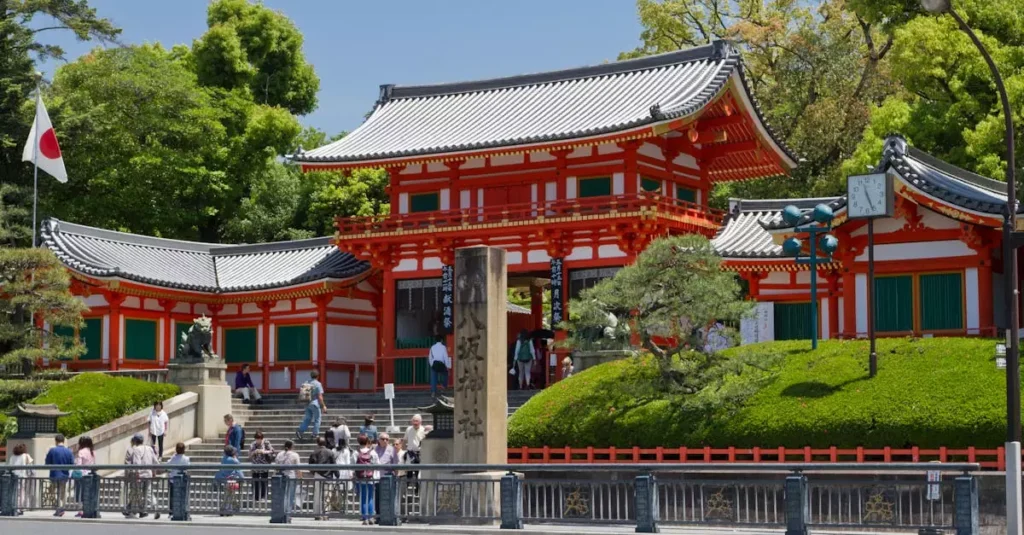
Planning a trip to Japan offers an incredible journey through vibrant cities, serene landscapes, and rich cultural traditions. This guide to the best places to visit in Japan for 2026 is designed to help you craft an unforgettable itinerary, whether you’re drawn to the electric energy of Tokyo, the timeless beauty of Kyoto, or the tranquil natural wonders scattered across the archipelago. You’ll discover essential insights into iconic destinations like the bustling streets of Shinjuku and the geisha district of Gion, alongside hidden gems such as the art island of Naoshima and the ancient forests of Yakushima. We’ll also cover practical advice on navigating Japan’s efficient transportation system, understanding seasonal highlights like cherry blossoms and autumn foliage, and maximizing your adventure. Get ready to explore the diverse facets of this captivating country.
Discovering Japan’s Iconic Cities: Tokyo & Kyoto
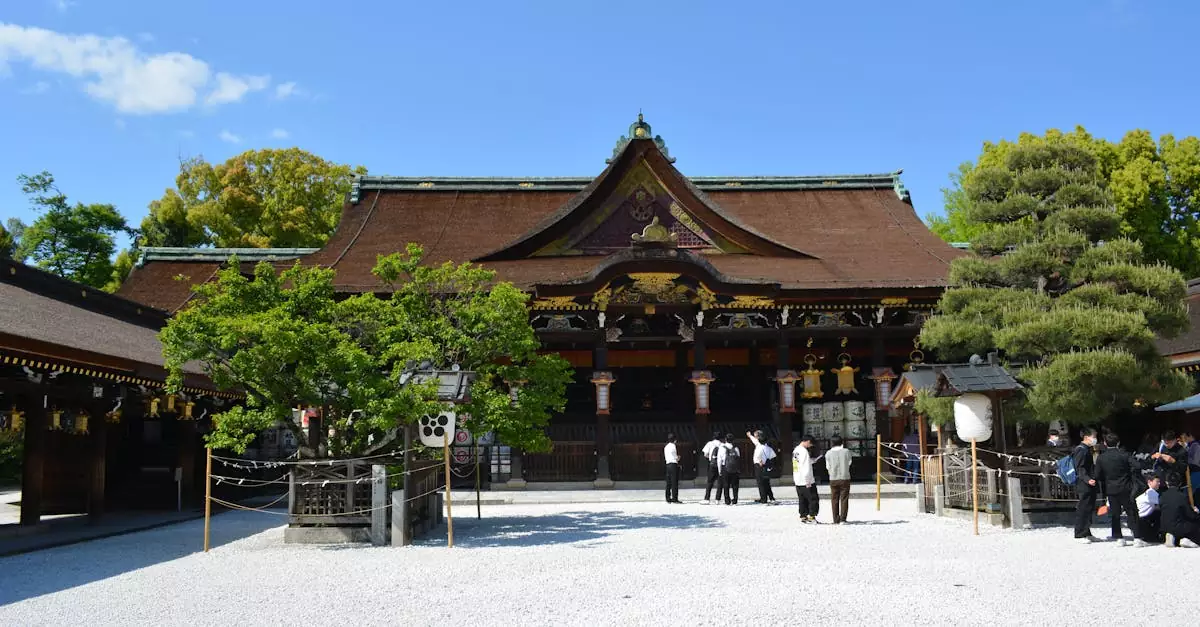
When planning a trip to Japan, Tokyo and Kyoto often top the list of must-visit destinations. These two cities provide a compelling contrast, showcasing both the hyper-modern pulse of Japan and its deeply rooted traditions. Tokyo, the bustling capital, is a sprawling metropolis of neon lights, cutting-edge technology, and diverse subcultures. In contrast, Kyoto serves as the cultural heart of the country, preserving ancient temples, serene gardens, and the elegance of traditional arts. Understanding the unique character of each city will help you tailor your Japanese adventure.
Exploring Shinjuku’s Neon-Lit Streets and Gardens
Shinjuku is Tokyo’s vibrant entertainment and business hub, coming alive after dark. The iconic Tokyo Metropolitan Government Building offers panoramic city views, a free alternative to pricier observation decks. Wander through the labyrinthine streets of Omoide Yokocho (Memory Lane) and Golden Gai for a taste of old Tokyo, featuring tiny izakayas and atmospheric bars. For tranquility amidst the urban sprawl, visit the Shinjuku Gyoen National Garden, a beautiful oasis showcasing distinct English Landscape, French Formal, and Japanese Traditional garden styles.
Getting to Shinjuku is straightforward via Tokyo’s extensive public transportation network. The JR Yamanote Line and several subway lines converge at Shinjuku Station, one of the busiest in the world. Budget travelers can find affordable capsule hotels and business hotels in the area, while luxury options abound for those seeking comfort. Safety is generally high in Shinjuku, though standard big-city precautions apply, especially in crowded nightlife areas.
Immersing in Gion’s Geisha District and Traditional Tea Houses
Gion is Kyoto’s most famous geisha district, allowing you to step back in time. Stroll along Hanami-koji Street, lined with beautifully preserved wooden machiya houses, many of which now house exclusive tea houses (ochaya) and restaurants. Spotting a geiko (Kyoto dialect for geisha) or maiko (apprentice geiko) is possible, particularly in the early evening, but remember to be respectful and avoid intrusive photography. The district offers a glimpse into a refined and often elusive world of traditional Japanese entertainment.
To reach Gion, take a bus from Kyoto Station or use the Keihan Line to Gion-Shijo Station. Accommodations in Gion range from traditional ryokans offering an authentic Japanese stay to modern hotels. The best time to visit is late afternoon or early evening for the chance to see geiko and maiko on their way to appointments. Walking through Gion is the most rewarding way to experience its atmosphere, with quiet lanes and hidden courtyards.
Navigating the Arashiyama Bamboo Grove and Tenryu-ji Temple
Located on the western outskirts of Kyoto, Arashiyama offers a natural escape with its famous bamboo grove. Walking through the towering stalks of bamboo creates an almost otherworldly experience, with sunlight filtering through the dense canopy. Adjacent to the grove is Tenryu-ji Temple, a UNESCO World Heritage site renowned for its stunning landscape garden, designed by the famous monk Muso Soseki. The temple grounds provide a peaceful setting for contemplation and beautiful views of the surrounding mountains.
Arashiyama is easily accessible by train. The JR Sagano Line to Saga-Arashiyama Station or the Hankyu Arashiyama Line are convenient options. For a more scenic route, consider the Randen Tram. Visiting early in the morning or late in the afternoon can help avoid the peak crowds that often fill the bamboo grove, especially during spring cherry blossom season or autumn foliage. Wear comfortable shoes, as you’ll be doing a lot of walking to fully appreciate the area’s natural beauty and historical sites.
Beyond the Tourist Trail: Uncovering Japan’s Hidden Gems
While Tokyo’s neon glow and Kyoto’s serene temples draw millions, Japan holds a treasure trove of destinations that offer a deeper, more intimate experience. Venturing beyond the well-trodden paths reveals unique cultural landscapes, breathtaking natural beauty, and a slower pace of life. For travelers seeking an authentic encounter with the country’s diverse spirit, these lesser-known locales provide unforgettable journeys.
The Art Island of Naoshima: Museums and Outdoor Sculptures
Naoshima, a small island in the Seto Inland Sea, has transformed into a world-renowned art destination. Contemporary art installations and striking architecture seamlessly integrate with the natural environment. The island’s commitment to art is evident in its numerous museums, including the iconic Benesse House, which combines hotel, museum, and natural park.
Getting to Naoshima involves a combination of train and ferry, a journey that offers scenic views of the Seto Inland Sea. Most visitors arrive via Okayama or Takamatsu. Once on the island, a rental bicycle or the local bus service is the best way to navigate between art sites. The island’s charm lies in its quiet villages, coastal paths, and the surprising juxtaposition of avant-garde art against a backdrop of traditional Japanese life.
Yakushima Island: Ancient Forests and Mythical Landscapes
South of Kyushu lies Yakushima, a UNESCO World Heritage site renowned for its ancient cedar forests, some over a thousand years old. These primeval woodlands, draped in moss and shrouded in mist, inspired the acclaimed Studio Ghibli film Princess Mononoke. Hiking through Yakushima feels like stepping into another world, with gnarled roots, towering trees, and crystal-clear streams creating an atmosphere of profound tranquility.
The island’s humid climate and abundant rainfall contribute to its lush vegetation. While hiking is the primary draw, visitors can also enjoy coastal drives, waterfalls, and snorkeling or diving opportunities. Access is typically via a flight from Kagoshima or a ferry. Planning for the weather is crucial, as rain is common year-round; waterproof gear is essential for any visit.
Koyasan: The Sacred Mountain and Temple Lodging Experience
Koyasan, or Mount Koya, is the spiritual heart of Shingon Buddhism and a UNESCO World Heritage site located in Wakayama Prefecture. This mountain retreat is home to over 100 temples and a vast, atmospheric cemetery, Okunoin, where ancient trees line the path to the mausoleum of Kobo Daishi, the founder of Shingon Buddhism. The experience of staying overnight in a shukubo (temple lodging) is a highlight for many visitors.
Staying at a shukubo offers a unique glimpse into monastic life, including vegetarian Buddhist cuisine (shojin ryori) and the opportunity to participate in morning prayers. Transportation to Koyasan involves a scenic train ride from Osaka, followed by a cable car ascent. The mountain is best visited in spring or autumn for pleasant hiking weather and stunning seasonal colors, though its spiritual aura remains potent throughout the year.
| Destination | Primary Draw | Best Time to Visit | Transportation Notes | Accommodation Type |
|---|---|---|---|---|
| Naoshima | Art & Architecture | Spring, Autumn | Train + Ferry | Boutique Hotels, Guesthouses |
| Yakushima | Ancient Forests, Hiking | Spring, Autumn | Flight or Ferry | Guesthouses, Minshuku |
| Koyasan | Spiritual Retreat, Temple Lodging | Spring, Autumn | Train + Cable Car | Shukubo (Temple Lodging) |
Experiencing Japan’s Natural Beauty: Mountains and Coastlines
Japan offers a stunning diversity of natural landscapes, from towering mountain ranges to serene island coastlines. For travelers seeking to connect with nature, these destinations provide unforgettable experiences, showcasing the country’s dramatic geography and tranquil retreats.
Hiking the Japanese Alps: Kamikochi Valley and Mount Fuji Views
The Japanese Alps present some of the most spectacular alpine scenery in the country. Kamikochi Valley, often referred to as the “Japanese Yosemite,” is a prime example. This pristine valley, accessible only by bus and taxi during its operating season (mid-April to mid-November), offers relatively flat, well-maintained walking trails alongside the Azusa River. Towering peaks like Mount Hotaka and Mount Yari provide breathtaking backdrops for hikers of all levels.
For those seeking iconic mountain vistas, areas near Mount Fuji offer unparalleled views. While climbing Mount Fuji is a popular summer activity, many visitors prefer to admire its majestic presence from afar. Hakone National Park, discussed later, provides excellent vantage points, as do the Fuji Five Lakes region. Hiking opportunities around these lakes offer diverse trails, from gentle lakeside strolls to more challenging ascents on surrounding hills.
When planning a visit to Kamikochi, book accommodations well in advance, as lodging within the valley is limited. Transportation involves a scenic bus ride from Matsumoto or Takayama, with luggage storage available at major transport hubs. Be prepared for variable weather, even in summer; layers are essential.
Relaxing on the Beaches of Okinawa and the Kerama Islands
Moving south, Japan transforms into a tropical paradise in Okinawa Prefecture. The main island of Okinawa boasts a variety of beaches, from lively resort areas to more secluded coves. However, for truly pristine waters and vibrant marine life, a ferry trip to the Kerama Islands is highly recommended. These islands, designated as a national park, are renowned for their crystal-clear turquoise waters, white sandy beaches, and exceptional diving and snorkeling opportunities.
The Kerama Islands, including Tokashiki, Zamami, and Aka, offer a more laid-back atmosphere than mainland Okinawa. Activities here center around the ocean: swimming, snorkeling with sea turtles, diving among colorful coral reefs, and kayaking. The smaller islands are best navigated on foot or by renting a scooter, allowing for easy access to hidden beaches and scenic viewpoints.
The best time to visit Okinawa for beach activities is from spring through autumn. Summer (June-August) is the warmest but also the busiest and can experience typhoons. Spring and autumn offer pleasant temperatures and fewer crowds. Getting to the Kerama Islands typically involves a high-speed ferry or a slower ferry from Tomari Port in Naha, Okinawa’s capital. Day trips are possible, but an overnight stay allows for a more immersive experience.
Exploring the Scenic Beauty of Hakone National Park and Lake Ashi
Hakone National Park, situated a short distance from Tokyo, is a popular mountain resort town celebrated for its natural beauty and views of Mount Fuji. The park’s centerpiece is Lake Ashi, a caldera lake formed by volcanic activity. A cruise across Lake Ashi on one of the replica pirate ships offers stunning panoramic views, especially on clear days when Mount Fuji dominates the horizon.
Beyond the lake, Hakone offers various attractions that blend nature with art and culture. The Hakone Open-Air Museum features an impressive collection of sculptures set against the mountainous landscape, while the Hakone Ropeway provides aerial views of the volcanic Owakudani valley, known for its hot springs and sulfurous fumes. Hiking trails crisscross the park, offering routes through dense forests and to scenic overlooks.
Transportation within Hakone is efficiently managed through the Hakone Free Pass, which covers various modes of transport, including the mountain railway, cable car, ropeway, and lake cruise. This pass is invaluable for maximizing your visit and minimizing travel costs. Accommodations range from traditional ryokans with onsen (hot springs) to modern hotels, providing options for different budgets and preferences. Visiting during the autumn foliage season (October-November) offers particularly spectacular scenery, though it’s also a popular time for travelers.
What’s the Best Time to Visit Japan for Cherry Blossoms and Autumn Leaves?
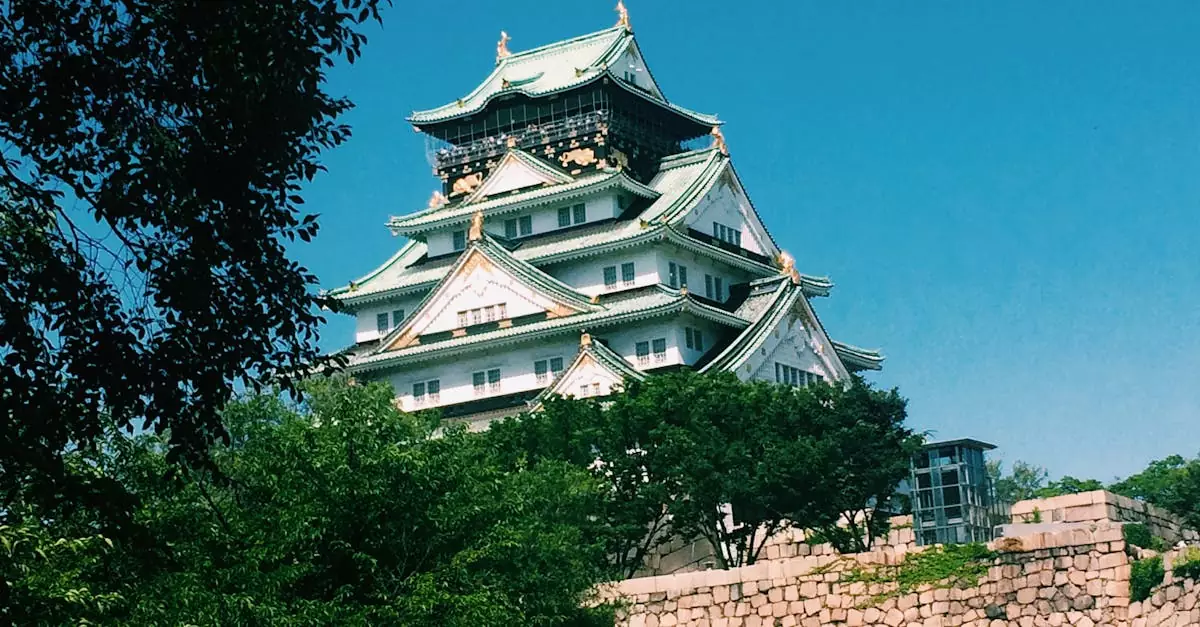
Deciding when to visit Japan often hinges on witnessing its most iconic natural spectacles: the delicate cherry blossoms of spring and the fiery foliage of autumn. Each season offers a distinct experience, with specific timing and regional variations to consider for planning your trip. Understanding Japan’s climate patterns will also help you pack appropriately and make the most of your travel dates.
Timing Your Trip for Spring Cherry Blossom Season
The Japanese cherry blossom, or sakura, season is a highly anticipated event, drawing visitors from around the globe. The blooming period is not uniform across the country, beginning in the warmer southern regions and gradually moving northward. Typically, the sakura front starts in Okinawa in January and February, reaches mainland Japan around late March, and finally arrives in Hokkaido in early May.
For popular destinations like Tokyo, Kyoto, and Osaka, the peak bloom usually occurs in early April. However, this can shift by a week or two each year depending on winter weather. Travelers aiming to catch the cherry blossoms should monitor bloom forecasts, released annually by the Japan Meteorological Agency and various tourism boards. Booking accommodations and flights well in advance is crucial, as this is one of the busiest travel periods in Japan.
Chasing Vibrant Fall Foliage Across Japan’s Regions
Autumn in Japan, known as koyo, offers a spectacular display of changing leaves, with reds, oranges, and yellows painting the landscapes. Similar to the cherry blossoms, the fall foliage season begins in the cooler northern and mountainous areas and progresses southward. Hokkaido often sees its peak color in September, while the Tohoku region follows in October.
Central Japan, including areas around Mount Fuji and the Japanese Alps, typically experiences its most vibrant fall colors from mid-October to mid-November. For cities like Kyoto and Tokyo, the prime time for autumn leaves is usually from mid-November to early December. This season is generally less crowded than cherry blossom season, offering a more relaxed atmosphere for sightseeing. Planning your itinerary around specific viewing spots, such as national parks or temple gardens, will enhance your koyo experience.
Navigating Japan’s Weather Patterns Throughout the Year
Japan’s climate varies significantly from north to south, and understanding these patterns is key to a comfortable visit.
| Season | Months | Average Temperature (Tokyo) | Notes |
|---|---|---|---|
| Spring | March-May | 10-20°C (50-68°F) | Mild, pleasant; cherry blossoms in April. |
| Summer | June-August | 25-30°C (77-86°F) | Hot, humid; rainy season in June/July; typhoon risk. |
| Autumn | September-November | 15-23°C (59-73°F) | Crisp, comfortable; fall foliage in October/November. |
| Winter | December-February | 3-12°C (37-54°F) | Cold, dry; snow in northern regions and mountains. |
Summer (June to August) is characterized by high temperatures and humidity, with a distinct rainy season (tsuyu) typically in June and July. The typhoon season also runs from August to October, which can cause travel disruptions. Winter (December to February) is cold, especially in Hokkaido and mountainous areas, offering excellent skiing and snowboarding opportunities. Spring and autumn are generally considered the most pleasant seasons for travel due to their mild weather and beautiful scenery.
Getting Around Japan: Efficient Transportation for Travelers
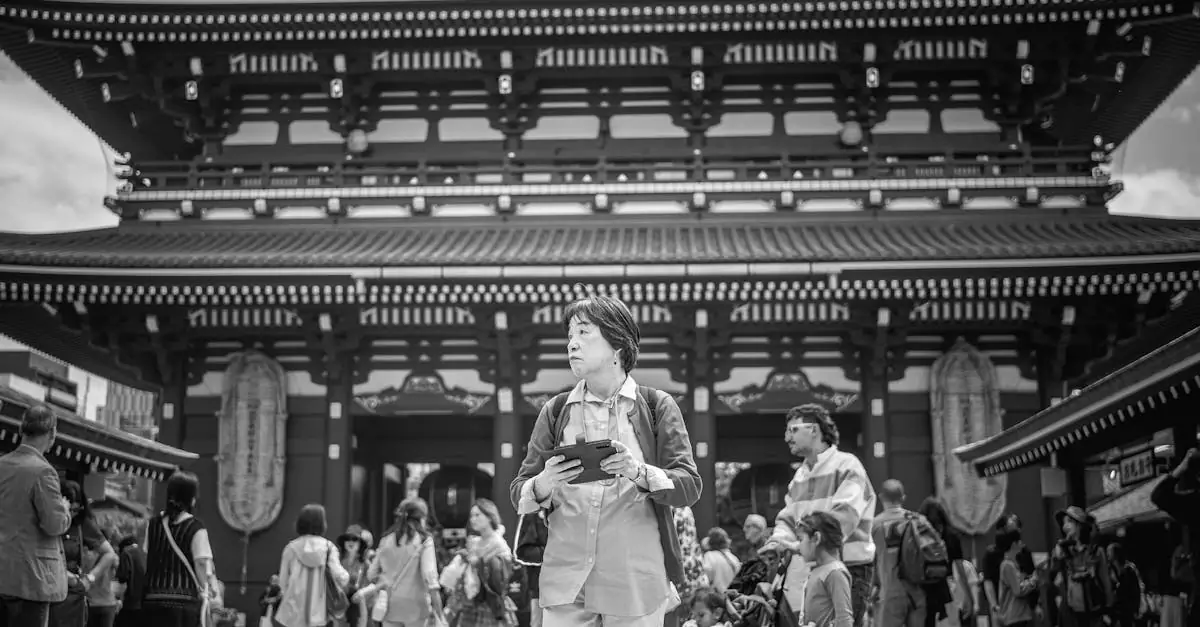
Navigating Japan is remarkably straightforward thanks to its world-class transportation infrastructure. From the lightning-fast Shinkansen bullet trains connecting major cities to intricate urban subway systems, getting from point A to point B is often an experience in itself. Planning your transit effectively can save you time and money, allowing you to focus on the incredible sights and sounds of this fascinating country.
Maximizing Your Travel with the Japan Rail Pass
For many international visitors, the Japan Rail Pass offers an economical and convenient way to traverse the country. This pass provides unlimited travel on most JR trains, including many Shinkansen lines, for a fixed period (7, 14, or 21 consecutive days). It’s an excellent option if you plan to visit multiple cities, such as Tokyo, Kyoto, and Osaka, within a short timeframe.
When considering the JR Pass, it’s crucial to calculate if its cost justifies your planned itinerary. If you’re staying primarily in one region or only taking a couple of long-distance trips, individual tickets might be more cost-effective. The pass must be purchased before arriving in Japan, so factor this into your pre-trip planning. Activating it upon arrival is simple at major JR stations.
Navigating Tokyo’s Extensive Subway and Train Network
Tokyo’s public transport system is a marvel of efficiency, though its sheer scale can initially seem daunting. The city is served by a complex network of JR lines, private railway companies, and two main subway operators: Tokyo Metro and Toei Subway. Understanding which line to take is key to avoiding unnecessary transfers and confusion.
For seamless travel, consider purchasing a rechargeable IC card like Suica or Pasmo. These cards can be used on almost all trains and buses within Tokyo and many other major cities across Japan, eliminating the need to buy individual tickets for each journey. You can tap your card at the ticket gates, and the fare is automatically deducted.
| Transit Type | Average Frequency (Peak) | Typical Fare (Short Trip) | Notes |
|---|---|---|---|
| JR Yamanote Line | 2–4 minutes | ¥150–¥200 | Loop line connecting major Tokyo hubs |
| Tokyo Metro | 3–6 minutes | ¥180–¥250 | Extensive coverage across central Tokyo |
| Toei Subway | 4–7 minutes | ¥210–¥300 | Complements Tokyo Metro routes |
| Private Railways | Varies | ¥150–¥350 | Connect to suburbs and beyond |
Day Trips from Major Cities: Bullet Train Routes and Local Lines
Japan’s efficient rail network makes day trips from major urban centers incredibly accessible. For instance, from Kyoto, you can easily reach Nara in under an hour by local JR train to see its famous wild deer and historic temples. The Shinkansen also opens up possibilities for longer day excursions, such as a trip from Tokyo to Hakone for stunning views of Mount Fuji and a relaxing onsen experience.
When planning day trips, always check train schedules, especially for return journeys, as services can become less frequent later in the evening. Local lines and private railways often serve smaller towns and attractions not directly accessible by the Shinkansen. Purchasing tickets in advance is usually not necessary for local trains, but booking Shinkansen seats can be wise during peak travel seasons. For those venturing beyond the well-trodden paths, understanding regional bus networks can also be essential for reaching more remote natural landscapes.
Frequently Asked Questions About Visiting Japan
What are the must-try local foods in Japan?
Japanese cuisine is incredibly diverse and regional. In Tokyo, look for fresh sushi and ramen. Osaka is famous for its street food, like takoyaki (octopus balls) and okonomiyaki (savory pancake). Kyoto offers refined kaiseki ryori (multi-course haute cuisine) and delicate wagashi (traditional sweets). Don’t miss trying regional specialties as you travel; each area has unique flavors and ingredients to discover.
How much budget is needed for a 10-day trip to Japan?
A 10-day trip to Japan can range significantly in cost depending on your travel style. For a budget traveler focusing on hostels and inexpensive meals, you might spend around ¥10,000-¥15,000 per day. Mid-range travelers, staying in business hotels and enjoying a mix of casual and nicer restaurants, could budget ¥20,000-¥30,000 daily. Luxury travelers might spend ¥50,000 or more per day. This excludes international flights but includes accommodation, food, local transport, and activities.
Here’s a general budget breakdown for a mid-range traveler over 10 days:
| Category | Estimated Cost (JPY) | Notes |
|---|---|---|
| Accommodation | ¥150,000 | Business hotels, 10 nights |
| Food | ¥80,000 | Mix of casual dining and some nice meals |
| Local Transport | ¥30,000 | JR Pass or individual tickets, subways |
| Activities | ¥40,000 | Entrance fees, tours, experiences |
| Miscellaneous | ¥20,000 | Souvenirs, snacks, unexpected expenses |
| Total | ¥320,000 | Approx. $2,100 USD (exchange rates vary) |
Is Japan safe for solo female travelers?
Japan is renowned for its exceptional safety, making it one of the most secure destinations globally for solo female travelers. Crime rates are very low, and public spaces are generally well-lit and monitored. You can feel comfortable walking alone, even at night, in most urban areas. The politeness and helpfulness of locals further contribute to a secure travel experience.
What should I pack for a trip to Japan in different seasons?
Packing for Japan depends heavily on the season.
- Spring (March-May): Pack layers. Expect mild temperatures, but it can be cool, especially in the mornings and evenings. Include a light jacket, sweaters, long-sleeved shirts, and comfortable walking shoes. Don’t forget an umbrella for occasional spring showers.
- Summer (June-August): This is the hot and humid season, often accompanied by typhoons. Lightweight, breathable clothing is essential – think cotton or linen shirts, shorts, and skirts. A wide-brimmed hat, sunglasses, and sunscreen are crucial. Pack a light, waterproof jacket for sudden rain.
- Autumn (September-November): Similar to spring, autumn offers pleasant, mild weather. Layers are key again, with a focus on warmer sweaters and a medium-weight jacket. Comfortable walking shoes are a must for city exploration.
- Winter (December-February): Japan can get quite cold, especially in northern regions and mountainous areas. Pack warm layers, including thermal base layers, sweaters, a heavy coat, a scarf, gloves, and a hat. Waterproof boots are advisable if you plan to visit snowy areas.
Regardless of the season, comfortable walking shoes are non-negotiable, as you’ll likely do a lot of walking. Pack a portable power bank for your devices and consider a pocket Wi-Fi device or local SIM card for easy navigation and communication.