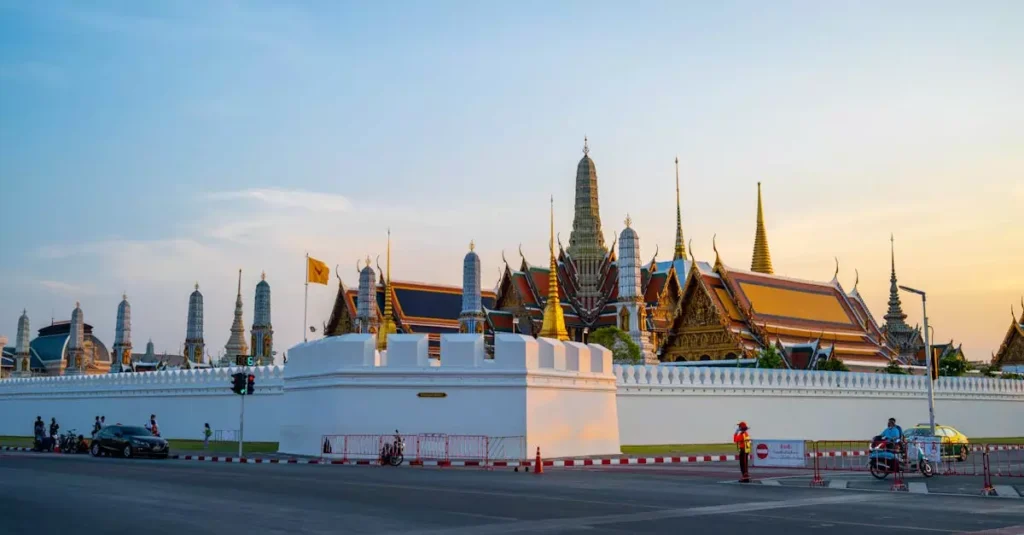
Thailand continues to enchant travelers with its vibrant culture, stunning landscapes, and warm hospitality, making it a perennial favorite. If you’re planning a trip for 2026, understanding the diverse offerings across the country is key to crafting your perfect adventure. This guide will help you navigate the best places to visit in Thailand, whether you’re drawn to the bustling energy of its capital, the serene beauty of its northern mountains, or the idyllic allure of its southern islands.
Discover essential information on top destinations like Bangkok, Chiang Mai, and Phuket, along with practical advice on the ideal times to visit each region. We’ll explore the best itineraries for different trip lengths, from quick city escapes to comprehensive island-hopping journeys, ensuring you make the most of your time. Get ready to uncover the unique experiences, delicious cuisine, and efficient transportation options that await you in this captivating Southeast Asian gem.
Discovering the Top Thailand Destinations for 2026
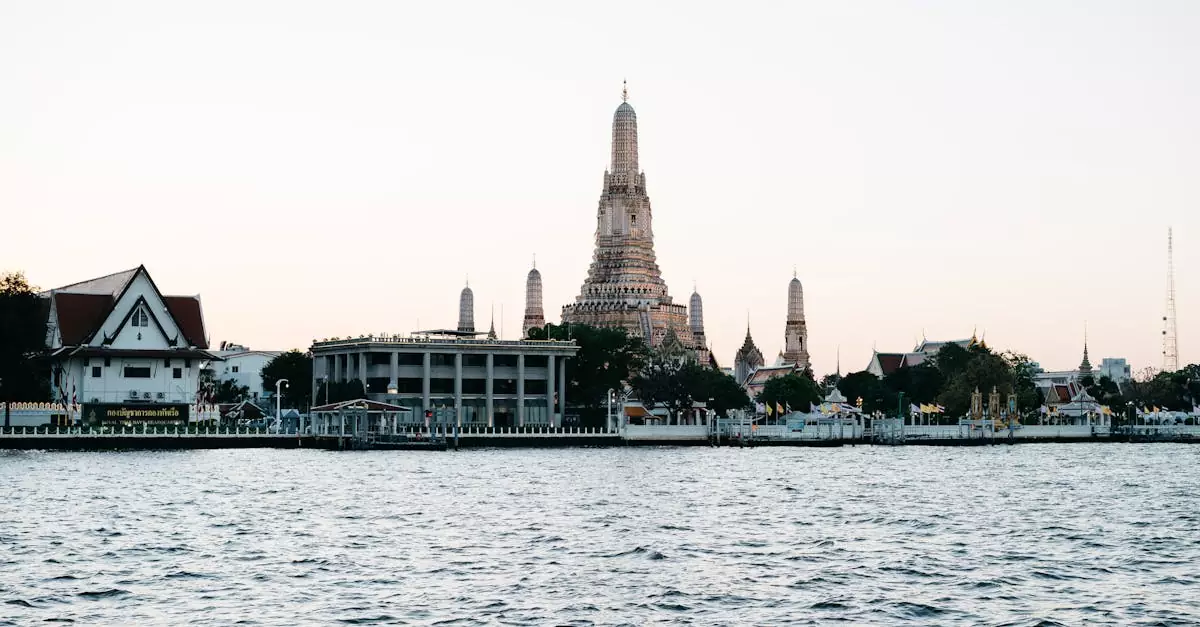
Thailand offers a captivating blend of ancient traditions and modern allure, making it a favorite for travelers. In 2026, the country continues to draw visitors with its diverse landscapes, from bustling metropolises to serene islands. Planning your trip involves understanding what each region uniquely offers.
Bangkok’s Vibrant Energy: Temples, Markets, and Rooftop Views
Bangkok, the nation’s capital, is a city that never sleeps. It’s a sensory explosion, where gilded temples stand beside towering skyscrapers and the aroma of street food fills the air. Visitors often start their Thai adventure here, drawn by its accessibility and variety of experiences.
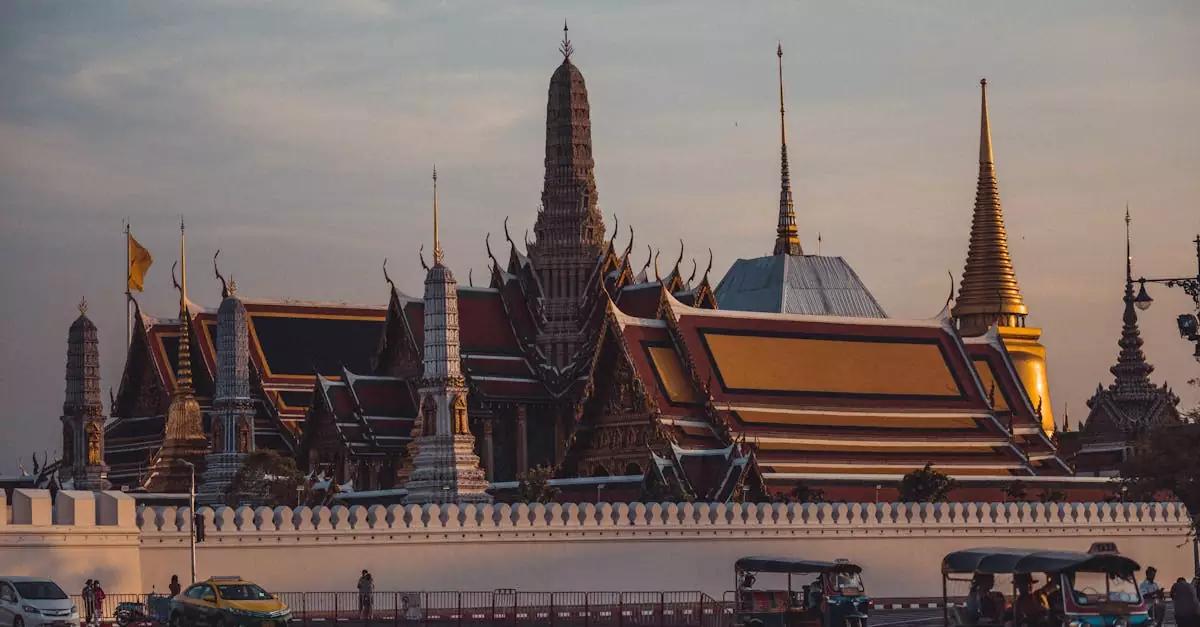
Key attractions include the magnificent Grand Palace, a complex of stunning architecture and the former royal residence. Nearby, Wat Pho houses the Reclining Buddha, an immense golden statue that commands awe. For a different perspective, explore the vibrant chaos of Chatuchak Weekend Market, one of the world’s largest, or ascend to one of the city’s many rooftop bars for breathtaking panoramic views as dusk settles.
Getting around Bangkok can be an adventure in itself. The BTS Skytrain and MRT subway offer efficient ways to navigate the city, avoiding the notorious traffic. For a more traditional experience, consider a longtail boat ride along the Chao Phraya River or explore the network of canals (khlongs). Budget travelers will find an abundance of affordable guesthouses and street food stalls, while luxury seekers can indulge in world-class hotels and fine dining.
Chiang Mai’s Northern Charm: Elephant Sanctuaries and Ancient Temples
Moving north, Chiang Mai presents a relaxed, culturally rich atmosphere. This ancient city, surrounded by mountains and lush countryside, is renowned for its ethical elephant sanctuaries, intricate temples, and vibrant night markets. It appeals to those seeking a deeper connection with nature and local traditions.
A visit to an ethical elephant sanctuary, where you can observe these gentle giants in a responsible environment, is a highlight for many. The city boasts over 300 temples, including the Doi Suthep temple perched on a mountainside, offering spectacular views. The Old City, encircled by a moat and ancient walls, is a treasure trove of historic Wats, artisan workshops, and charming cafes.
Chiang Mai is best reached by flight from Bangkok or other major hubs. Within the city, walking is ideal for exploring the Old Town, but songthaews (red shared taxis) and tuk-tuks are readily available for longer distances. The cooler, dry season from November to February is generally considered the best time to visit, though the shoulder seasons offer fewer crowds. Accommodation ranges from budget-friendly hostels to boutique guesthouses.
Phuket’s Island Paradise: Beaches, Snorkeling, and Luxury Resorts
For those dreaming of turquoise waters and white-sand beaches, Phuket stands as Thailand’s largest island and a premier tropical getaway. It offers a diverse range of experiences, from lively beach towns to secluded coves and world-class diving spots.
Patong Beach is the most famous and bustling, known for its vibrant nightlife and water sports. For a more tranquil experience, consider Kata, Karon, or Nai Harn beaches. Island-hopping tours to nearby Phi Phi Islands or Phang Nga Bay are popular, providing opportunities for snorkeling, diving, and exploring dramatic limestone karsts. Phuket also caters to luxury travelers with its array of high-end resorts and spas.
Getting to Phuket is straightforward via its international airport. Within the island, taxis and motorbike rentals are common, though negotiating fares is advisable. The dry season, from November to April, provides the most reliable weather for beach activities. While Phuket can be pricier than mainland destinations, options exist for various budgets, particularly if you venture away from the main tourist strips.
Krabi’s Dramatic Landscapes: Railay Beach and Emerald Pool Adventures
Krabi province, located on the Andaman coast, captivates with its dramatic limestone cliffs, emerald waters, and stunning natural beauty. It’s a haven for adventure seekers and nature lovers, offering a less developed feel than some of its more famous neighbors.
Railay Beach, accessible only by boat due to the towering cliffs, is a must-visit. It’s renowned for its climbing routes, pristine sands, and the breathtaking Phra Nang Cave Beach. Inland adventures include the Emerald Pool, a natural freshwater pool with vibrant green waters, and the nearby Hot Spring Waterfall. Kayaking through mangrove forests and exploring hidden lagoons are also popular activities.
Krabi is accessible by air to Krabi International Airport or by ferry from Phuket. Transportation between the mainland and islands, like Railay, is primarily by longtail boat. The best time to visit is during the dry season from November to April, when the seas are calm. Krabi offers a good mix of accommodation, from rustic bungalows to comfortable resorts, often at competitive prices compared to Phuket.
When is the Best Time to Visit Thailand’s Diverse Regions?

Thailand’s climate varies significantly across its regions, making timing crucial for planning your trip. Understanding these seasonal differences will help you choose the best time to experience the country’s diverse attractions, from its bustling cities to its serene islands.
Navigating Thailand’s Weather: November to February Dry Season
The period from November to February is widely considered the best time to visit most of Thailand, particularly the central and northern regions. During these months, you can expect cooler temperatures, lower humidity, and minimal rainfall. Average daily temperatures hover around 25-30°C (77-86°F) in Bangkok and Chiang Mai, offering comfortable conditions for sightseeing and outdoor activities.
This dry season is ideal for exploring ancient temples in Ayutthaya or trekking through the lush landscapes around Chiang Rai. It’s also prime time for beach destinations like Phuket and Koh Samui, as the seas are generally calm and the skies are clear. However, this peak season also means higher prices for flights and accommodations, and popular spots can be crowded. Booking well in advance is highly recommended.
| Region | Average Temperature (°C) | Rainfall Index | Crowd Levels |
|---|---|---|---|
| North (Chiang Mai) | 20-28 | Low | High |
| Central (Bangkok) | 25-32 | Low | High |
| South (Phuket) | 27-31 | Low | High |
Embracing the Green Season: June to October in Northern Thailand
From June to October, Thailand enters its rainy season, often referred to as the “green season.” While this period brings higher humidity and frequent, often heavy, downpours, it’s not without its charms. The rain rejuvenates the landscapes, making the countryside exceptionally verdant and vibrant.
Northern Thailand, in particular, benefits from this season, with waterfalls at their most spectacular and rice paddies a brilliant emerald green. This is a fantastic time for budget travelers and those seeking fewer crowds. Prices for accommodations and flights tend to be lower. However, be prepared for occasional travel disruptions due to heavy rain, and pack waterproof gear. Some trekking routes might be temporarily closed due to safety concerns. The islands in the Gulf of Thailand, such as Koh Samui, Koh Phangan, and Koh Tao, experience their own distinct rainy season from October to December, so it’s worth checking specific island weather patterns.
Shoulder Season Sweet Spots: March to May Heat and Humidity
The months between the dry and rainy seasons, from March to May, represent Thailand’s hot season. Temperatures can soar, often exceeding 35°C (95°F), with humidity levels remaining high. This period can be challenging for those sensitive to heat, making strenuous outdoor activities less appealing during the midday sun.
However, the shoulder months of March and May can offer a compromise. You’ll find fewer tourists than in the peak dry season, leading to potentially better deals on travel and lodging. The Songkran festival, Thailand’s famous water festival, falls in mid-April and is a unique cultural experience, though it also means very high temperatures and significant crowds in popular areas. For those who can tolerate the heat, this period offers a chance to experience Thailand with a bit more breathing room before the monsoon rains arrive. Exploring Bangkok’s indoor attractions, like its vast shopping malls and museums, can be a good strategy during this intensely hot period.
Crafting Your Perfect Thailand Itinerary: From North to South
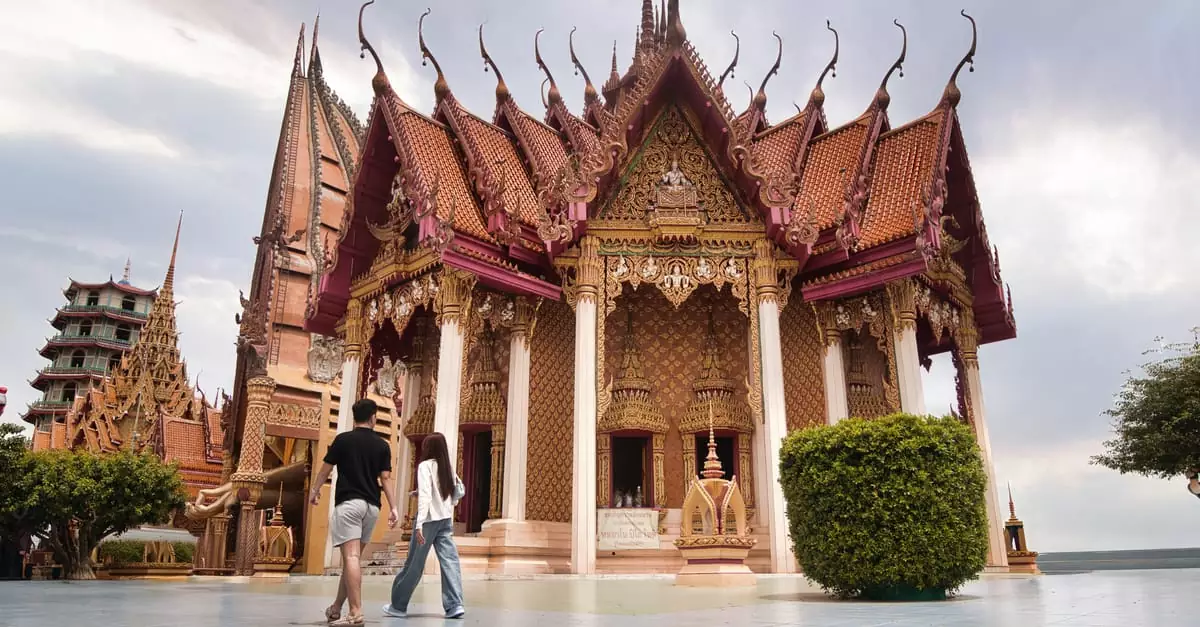
Thailand offers a diverse range of experiences, from bustling cityscapes and ancient temples to lush mountains and idyllic islands. Planning your trip depends heavily on how much time you have and what kind of traveler you are. Whether you’re seeking cultural immersion, beach relaxation, or a blend of both, there are several popular itinerary frameworks to consider. These routes are designed to maximize your time and showcase the country’s multifaceted appeal.
A 7-Day Bangkok and Chiang Mai Discovery
A week in Thailand is best spent focusing on two of its most iconic cities: Bangkok and Chiang Mai. This itinerary provides a taste of both urban energy and northern charm. You’ll experience the vibrant street life, ornate temples, and rich history of Bangkok, followed by the laid-back atmosphere, artisan crafts, and mountainous landscapes of Chiang Mai.
Day 1-3: Bangkok
Arrive in Bangkok and dive into the sensory overload. Visit the Grand Palace and Wat Phra Kaew (Temple of the Emerald Buddha), marvel at Wat Pho (Temple of the Reclining Buddha), and explore bustling markets like Chatuchak Weekend Market (if your visit aligns). Enjoy a dinner cruise on the Chao Phraya River for a different perspective of the city’s illuminated skyline.
Day 4-7: Chiang Mai
Take an overnight train or a short flight north to Chiang Mai. Spend your days wandering the ancient city walls, visiting Doi Suthep temple perched on a mountain overlooking the city, and exploring the vibrant night bazaar. Consider a day trip to an ethical elephant sanctuary or participate in a Thai cooking class.
Logistics:
- Transportation: Flights between Bangkok and Chiang Mai are frequent and affordable. Overnight trains offer a unique experience but take longer. Within cities, use the BTS Skytrain and MRT subway in Bangkok, and songthaews (red shared taxis) or Grab in Chiang Mai.
- Accommodation: Bangkok offers everything from luxury hotels to budget hostels. Chiang Mai has charming boutique guesthouses and resorts.
- Pace: This is a fast-paced itinerary, ideal for those who want to see key highlights without extensive travel.
A 10-Day Southern Islands Adventure: Phuket, Krabi, and Koh Phi Phi
For travelers prioritizing sun, sand, and sea, a 10-day southern islands itinerary is a fantastic choice. This route focuses on the Andaman coast, renowned for its dramatic limestone karsts, turquoise waters, and stunning beaches. You’ll hop between islands, enjoying snorkeling, diving, and soaking up the tropical atmosphere.
Day 1-3: Phuket
Start in Phuket, Thailand’s largest island. Explore the historic Old Town with its Sino-Portuguese architecture, relax on beaches like Kata or Karon, or venture to the lively Patong for nightlife. Consider a boat trip to the nearby Similan Islands for world-class diving and snorkeling (seasonal).
Day 4-6: Krabi
Travel to Krabi province, famous for its dramatic cliffs and Railay Beach. Base yourself in Ao Nang for easy access to island-hopping tours to places like the Phi Phi Islands, Hong Islands, and the Emerald Pool. Rock climbing is a popular activity here for the adventurous.
Day 7-10: Koh Phi Phi
Take a ferry to the iconic Koh Phi Phi islands. Spend your remaining days exploring Maya Bay (check current access regulations), snorkeling in clear waters, enjoying beachside sunsets, and experiencing the vibrant nightlife on Phi Phi Don.
Logistics:
- Transportation: Ferries connect Phuket, Krabi, and Koh Phi Phi. Flights arrive directly into Phuket and Krabi. Longtail boats are common for short island transfers and tours.
- Accommodation: Options range from beachfront resorts and private villas to budget bungalows. Koh Phi Phi has a lively backpacker scene.
- Best Time to Visit: The dry season (November to April) offers the best weather for island hopping.
The Ultimate 2-Week Thailand Exploration: Cities, Mountains, and Beaches
A two-week timeframe allows for a more comprehensive journey, blending the cultural richness of the north with the tropical allure of the south. This itinerary provides a balanced experience, hitting major highlights without feeling overly rushed. It’s an excellent option for first-time visitors who want to see the best of Thailand.
Day 1-4: Bangkok
Begin with the capital’s vibrant energy. Explore its temples, markets, and culinary scene. Dedicate time to understanding the city’s blend of tradition and modernity.
Day 5-8: Chiang Mai & Northern Thailand
Fly or take an overnight train to Chiang Mai. Immerse yourself in the Lanna culture, visit Doi Suthep, and perhaps take a day trip to Pai for its bohemian vibe and scenic beauty, or explore the Golden Triangle region.
Day 9-13: Southern Islands (e.g., Koh Lanta or Koh Samui)
Fly south to one of the southern regions. Instead of the Andaman coast, consider the Gulf of Thailand for a different island experience. Koh Lanta offers a more relaxed vibe with long beaches, while Koh Samui is known for its resorts and lively Chaweng beach. Alternatively, return to the Andaman coast and focus on islands like Koh Lanta or Koh Chang for a less crowded experience than Phuket or Phi Phi.
Day 14: Departure
Depending on your chosen southern destination, you can fly out from Koh Samui Airport (USM), Krabi Airport (KBV), or Phuket International Airport (HKT).
Traveler Comparison Table:
| Itinerary Focus | Duration | Key Destinations | Pace | Best For | Budget Range (USD/day) |
|---|---|---|---|---|---|
| Bangkok & Chiang Mai | 7 Days | Bangkok, Chiang Mai | Fast | Culture, City Life, Northern Charm | $70 – $150 |
| Southern Islands | 10 Days | Phuket, Krabi, Koh Phi Phi | Moderate | Beaches, Island Hopping, Relaxation | $80 – $180 |
| Full Exploration | 14 Days | Bangkok, Chiang Mai, Southern Islands | Moderate | Balanced Experience, First-Timers | $75 – $170 |
These frameworks are flexible and can be adjusted based on your interests and travel style. If you prefer a slower pace, consider extending your stay in fewer locations or opting for a more focused regional trip. Thailand is a country that rewards deeper exploration, so consider what truly calls to you.
Experiencing Authentic Thai Culture and Local Flavors
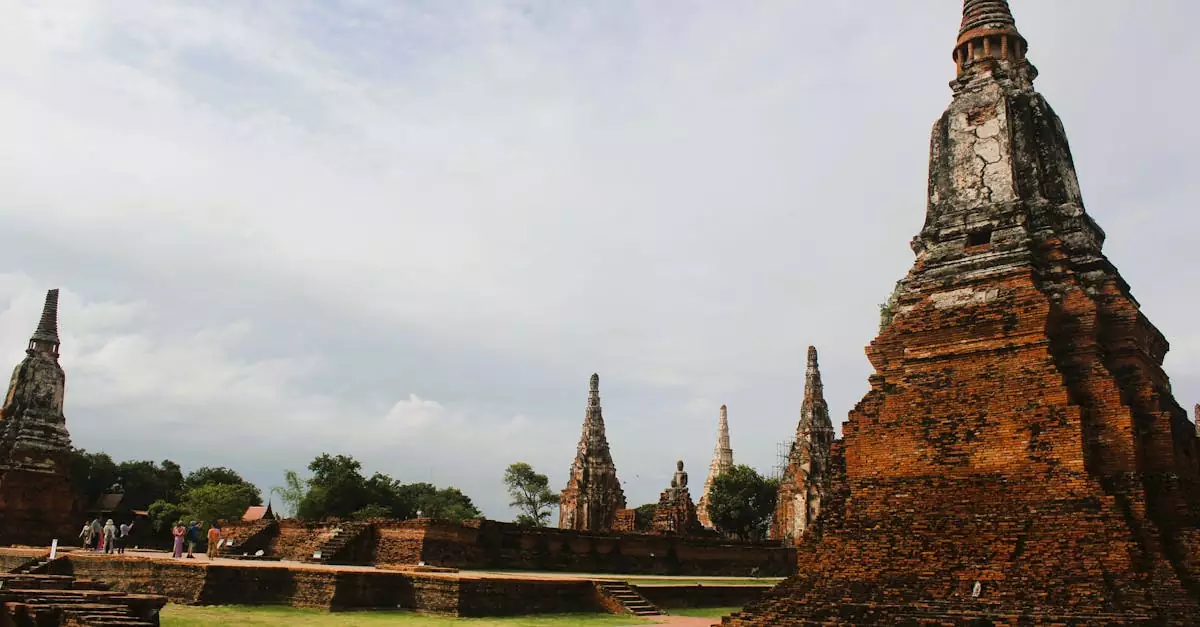
Thailand offers a rich tapestry of cultural experiences, from its vibrant street food scene to its intricate artisan traditions. Engaging with these elements provides a deeper understanding of the country and its people, making your trip far more memorable.
Must-Try Street Food in Bangkok’s Chinatown
Yaowarat, Bangkok’s Chinatown, is a culinary paradise that truly comes alive after dark. Navigating its bustling streets reveals an overwhelming array of delicious options, making it one of the best places to visit in Thailand for food lovers. Seek out stalls serving Hoi Tod (crispy oyster or mussel omelets), Pad See Ew (stir-fried noodles with soy sauce), and sweet mango sticky rice. Don’t hesitate to try less familiar dishes; many vendors have been perfecting their recipes for generations.
For a truly authentic experience, aim to visit on a weekday evening when the crowds are thinner, allowing for easier ordering and a more relaxed pace. Many vendors accept mobile payments, but having some cash on hand is always a good idea for smaller stalls.
Northern Thai Delicacies: Khao Soi and Sai Oua in Chiang Mai
Chiang Mai, the cultural heart of Northern Thailand, boasts a distinct culinary identity. The undisputed star is Khao Soi, a rich, coconut-based curry noodle soup, often served with chicken or beef and topped with crispy fried noodles. Another northern specialty is Sai Oua, a flavorful grilled pork sausage infused with herbs and spices.
Finding the best Khao Soi often involves asking locals for their favorite neighborhood spots rather than relying solely on tourist recommendations. Many small eateries in the Nimmanhaemin area or near the Old City walls offer exceptional versions of these dishes.
| Dish | Description | Typical Price (THB) |
|---|---|---|
| Khao Soi | Coconut curry noodle soup | 50-100 |
| Sai Oua | Northern Thai herb and pork sausage | 40-80 |
| Gaeng Hung Lay | Burmese-style pork belly curry | 60-120 |
Exploring Floating Markets: Damnoen Saduak vs. Amphawa
Thailand’s floating markets offer a unique glimpse into traditional commerce. Damnoen Saduak is the most famous, known for its vibrant atmosphere and abundance of goods sold directly from boats. However, it can be quite tourist-oriented. Amphawa Floating Market, located about an hour west of Bangkok, offers a more local experience, particularly popular in the evenings on Fridays, Saturdays, and Sundays. Here, you can sample grilled seafood and local snacks while observing daily life.
When visiting Damnoen Saduak, consider arriving early in the morning to avoid the largest crowds and experience the market at its most active. For Amphawa, weekend evenings provide the best atmosphere, with many locals gathering to eat and socialize. Transportation to both markets can be arranged via organized tours, private taxis, or by taking public buses and then hiring a local boat.
Discovering Local Crafts in Chiang Mai’s Artisan Villages
Chiang Mai is renowned for its skilled artisans, particularly in areas like Sankhampaeng, famous for silk weaving, pottery, and umbrella making. Visiting these villages allows you to witness traditional craftsmanship firsthand and purchase unique souvenirs directly from the makers. Look for workshops specializing in celadon pottery, intricate wood carvings, and hand-painted silk.
Many craft villages are easily accessible by songthaew (red shared taxis) or by renting a scooter for more flexibility. Engaging with the artisans, even with a language barrier, often provides a rewarding cultural exchange. Purchasing directly supports these local communities and preserves their valuable skills.
Getting Around Thailand: Transportation Options for Every Budget
Navigating Thailand offers a diverse range of transport options, catering to every budget and travel style. From bustling city metros to serene island ferries, understanding your choices is key to a smooth journey. Whether you’re a backpacker on a shoestring or seeking comfort, there’s a practical way to get where you need to go.
Navigating Bangkok: BTS Skytrain, MRT, and Tuk-Tuk Adventures
Bangkok’s urban sprawl is best conquered with its efficient public transport. The BTS Skytrain and MRT subway systems are lifelines, connecting major commercial and tourist areas quickly and affordably. These systems are modern, air-conditioned, and relatively easy to navigate, offering a welcome respite from the city’s heat.
For shorter distances or a more iconic experience, the city’s notorious tuk-tuks are a fun option. Always agree on a price before you get in, as fares can be inflated for tourists. Be prepared for a lively, open-air ride through traffic. Taxis are also readily available; ensure the meter is used for fair pricing.
Budget-Friendly Travel: Overnight Buses and Trains Between Cities
When traveling between Thailand’s major cities, overnight buses and trains are popular budget-friendly choices. Companies like Nakhonchaiair offer a range of bus classes, from basic to VIP, often with reclining seats and onboard amenities. Booking tickets in advance, especially for popular routes, is advisable.
Overnight trains provide a more comfortable and scenic alternative. Sleeper berths can be booked in first or second class, offering a chance to rest while covering long distances. The train journey from Bangkok to Chiang Mai, for instance, is a classic experience, allowing you to see the countryside unfold.
Island Hopping: Ferries and Speedboats in the Andaman Sea
Exploring Thailand’s stunning islands requires mastering its maritime transport. Ferries are the most common and economical way to travel between islands in the Andaman Sea, such as those connecting Phuket, Koh Phi Phi, and Krabi. These services are frequent and reliable, though journeys can be lengthy.
For quicker transfers or access to more remote locations, speedboats are available. They are more expensive than ferries but significantly reduce travel time. When planning island hopping, factor in ferry schedules and consider booking accommodation on islands that align with your desired pace of travel.
Domestic Flights: Connecting Major Hubs Efficiently
For travelers with limited time or those covering vast distances, domestic flights offer the most efficient way to connect major hubs. Airlines like Thai Airways, Bangkok Airways, and AirAsia operate numerous routes daily between cities such as Bangkok, Chiang Mai, Phuket, and Koh Samui.
Booking flights in advance can often secure better prices, especially during peak seasons. While this option is the most expensive, it saves considerable travel time, allowing you to maximize your time at your chosen destinations. Consider the total travel time, including airport transfers and check-in, when comparing flight times to other transport methods.
Frequently Asked Questions About Visiting Thailand
What are the safest areas to stay in Bangkok for tourists?
For a secure and convenient stay in Bangkok, consider neighborhoods like Sukhumvit, particularly around Asok or Phrom Phong, which offer excellent transport links and a wide range of dining and shopping options. Silom is another popular choice, known for its vibrant nightlife and business district, but it maintains a safe atmosphere for visitors. The Riverside area provides a more tranquil experience with luxury hotels and easy access to historical sites. Always be aware of your surroundings, especially in crowded markets or at night, regardless of the specific district.
How much should I budget for a 10-day trip to Thailand?
A 10-day trip to Thailand can vary significantly in cost, but a mid-range budget for one person typically falls between $700 and $1,200 USD, excluding international flights. This estimate covers comfortable accommodations, local transportation, meals at a mix of street food stalls and mid-tier restaurants, and entrance fees for popular attractions. Travelers opting for luxury hotels and fine dining will spend considerably more, while those on a strict backpacker budget might manage with $400-$600 USD.
Here’s a general breakdown for a mid-range traveler:
| Category | Estimated Daily Cost (USD) | Notes |
|---|---|---|
| Accommodation | $30 – $60 | Mid-range hotels or guesthouses |
| Food | $20 – $35 | Mix of street food and restaurants |
| Transportation | $5 – $15 | BTS, MRT, taxis, occasional Grab |
| Activities/Tours | $15 – $30 | Entrance fees, day trips |
| Miscellaneous | $10 – $20 | Souvenirs, snacks, tips |
What are common tourist scams to watch out for in Thailand?
While Thailand is generally a safe destination, tourists should be aware of a few common scams. The “gem scam” involves an overly friendly local or tuk-tuk driver offering a deal on precious stones, which are usually fake or vastly overpriced. Be wary of unsolicited offers for tours or transportation that seem too good to be true. Another common one is the “temple scam,” where a supposed monk or official tells you a particular temple is closed and offers an alternative, often leading to shops where you’re pressured to buy. Always confirm opening hours and prices independently, and be polite but firm in declining unsolicited offers.
What should I pack for a trip to Thailand in the rainy season?
Visiting Thailand during the rainy season, typically from May to October, requires packing for both humidity and potential downpours. Lightweight, quick-drying clothing is essential. Pack breathable fabrics like linen and cotton, along with a light rain jacket or poncho and an umbrella. Waterproof sandals or quick-drying walking shoes are advisable, as well as insect repellent to ward off mosquitoes, which can be more prevalent during this time. Don’t forget sun protection like sunscreen, a hat, and sunglasses, as the sun can still be intense between showers.