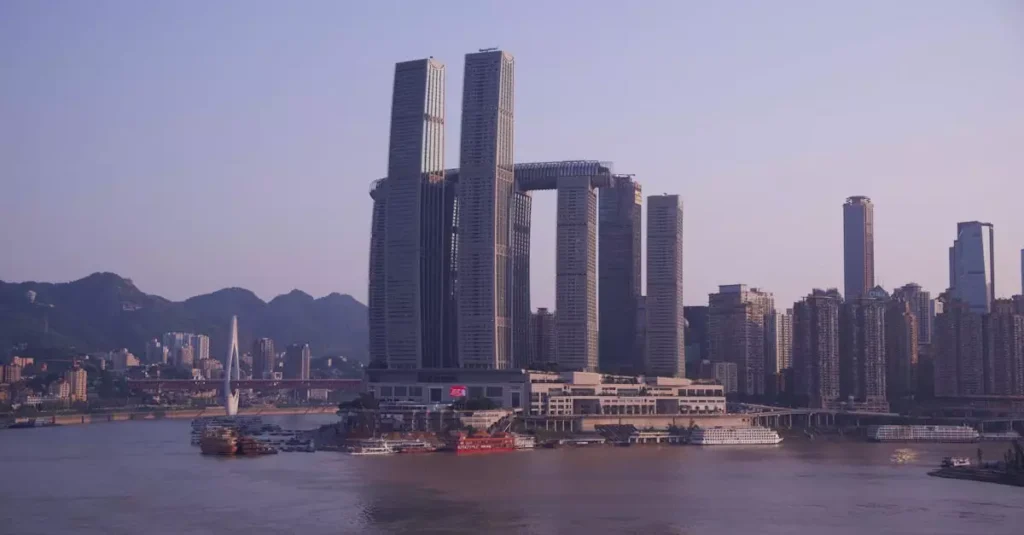
China is a land of vast scale and rich history, home to landmarks that inspire wonder. For travelers planning a visit in 2026, knowing the best landmarks in China is crucial for creating an itinerary that combines iconic sights with memorable experiences. This guide will help you navigate these remarkable destinations, from must-see ancient wonders like the Great Wall and the Terracotta Army to breathtaking natural landscapes, modern architectural marvels, and tranquil spiritual sanctuaries. Get ready to explore the diverse tapestry of China’s significant sites, from imperial palaces to dramatic karst peaks, ensuring your journey is both enriching and seamless.
Must-See Ancient Wonders: The Best Landmarks in China
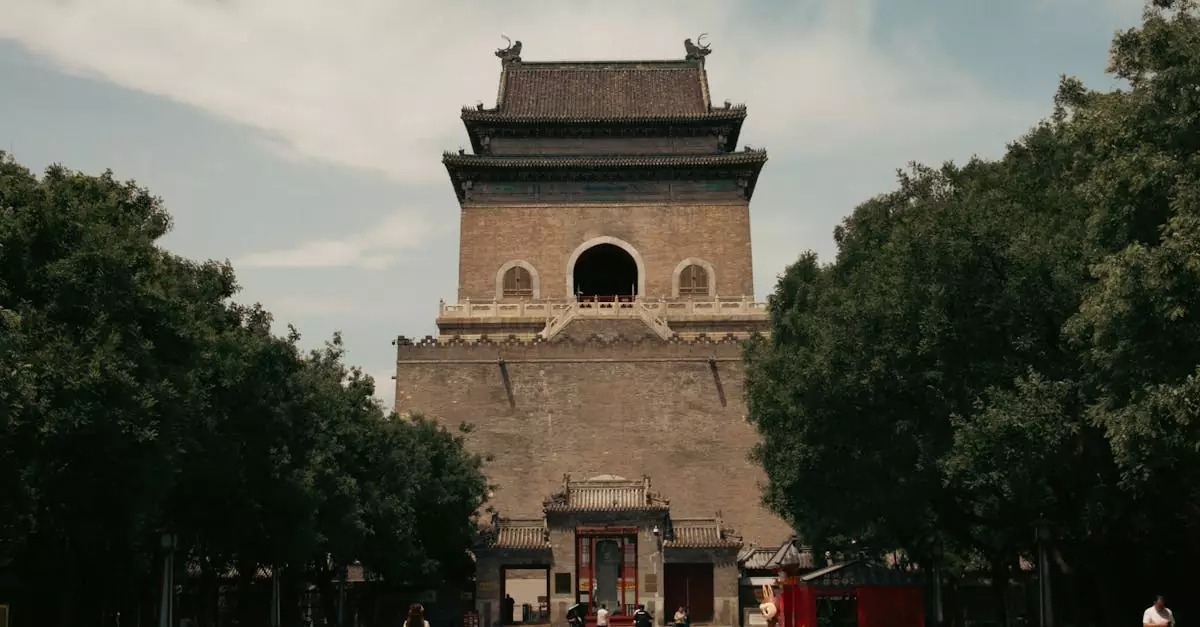
China is home to a wealth of historical sites that attract millions of visitors each year. For those visiting in 2026 who wish to connect with the nation’s past, understanding its most iconic landmarks is essential for an unforgettable journey. These ancient wonders offer deep insights into China’s imperial grandeur, military strength, and artistic achievements.
The Great Wall of China: Beyond the Badaling Section
The Great Wall of China is one of the most recognizable structures globally, yet many tourists flock to the heavily restored Badaling section near Beijing. For a more authentic experience, consider exploring less crowded, rugged stretches. The Mutianyu section offers stunning scenery and well-preserved watchtowers, often with fewer visitors than Badaling. For adventurous hikers, Jiankou presents an unrestored experience, showcasing the wall in its natural, crumbling state.
Logistics for Visiting the Great Wall:
- Timing: Spring (April-May) and Autumn (September-October) provide pleasant weather. Summer can be hot and crowded, while winter brings cold temperatures and potential snow.
- Transportation: Private drivers or organized tours are common for reaching sections like Mutianyu, while public transport options are limited for wilder areas.
- Budget: Entrance fees vary by section. Tours range from $50-$150 USD per person, depending on inclusions.
Terracotta Army: Unearthing Qin Shi Huang’s Mausoleum Complex
Discovered in 1974, the Terracotta Army in Xi’an is a stunning testament to the vision of China’s first emperor, Qin Shi Huang. Thousands of life-sized clay soldiers, chariots, and horses stand guard in expansive underground pits, each with unique facial features. The scale and artistry involved in their creation are astonishing. While visiting the main pits, particularly Pit 1, is a highlight, don’t miss the smaller displays and the museum that provides context.
Traveler Tips for the Terracotta Army:
- Getting There: The site is about an hour’s drive from Xi’an, with buses and taxis readily available. Hiring a private driver can enhance convenience.
- Best Time to Visit: Mornings are generally less crowded than afternoons. Avoid national holidays when crowds can be overwhelming.
- What to See: Allocate at least 3-4 hours to fully appreciate the different pits and the museum.
Forbidden City: Exploring Imperial Palaces in Beijing
The Forbidden City in Beijing, also known as the Palace Museum, served as the imperial palace for the Ming and Qing dynasties for nearly 500 years. This vast complex, a UNESCO World Heritage site, is a masterpiece of traditional Chinese architecture. As you walk through its courtyards and halls, you can imagine the lives of emperors, concubines, and eunuchs. Key areas include the Hall of Supreme Harmony, the Palace of Heavenly Purity, and the Imperial Garden.
Planning Your Forbidden City Visit:
- Tickets: Booking tickets in advance online is highly recommended due to daily visitor limits.
- Duration: Allow at least 3-4 hours to explore the main axis and some side palaces.
- Orientation: The palace is laid out symmetrically along a north-south axis. Entering from the south (Meridian Gate) and exiting from the north (Gate of Divine Might) is the standard route.
These ancient landmarks represent just a fraction of China’s historical treasures, each offering a unique glimpse into the nation’s storied past.
Natural Marvels: China’s Breathtaking Landscapes
China’s vast geography presents a stunning array of natural wonders, from towering peaks that inspired cinematic fantasies to serene rivers winding through ancient landscapes. These sites showcase the country’s dramatic geological history and promise unforgettable experiences for any traveler.
Zhangjiajie National Forest Park: Avatar Mountains Inspiration
Located in Hunan Province, Zhangjiajie National Forest Park is famous for its surreal, pillar-like sandstone formations. These unique geological features, often shrouded in mist, famously inspired the floating mountains in the film Avatar. The park’s quartzite sandstone peaks rise hundreds of meters, creating a dramatic and otherworldly vista.
To reach Zhangjiajie, fly into Zhangjiajie Hehua International Airport (DYG). From there, local buses or taxis can take you to the park entrances, typically Wulingyuan. It’s advisable to purchase a multi-day pass to fully appreciate the park’s scale. Spring (April-May) or autumn (September-October) are ideal for pleasant weather and clearer views, though fog can add to the mystique.
While exploring, ride the Bailong Elevator, the world’s highest outdoor elevator, for breathtaking panoramic views. Hiking trails cater to various fitness levels, offering opportunities to witness the “Avatar Mountains” up close. Be prepared for crowds during peak season and wear sturdy footwear, as many paths involve stairs.
Li River Cruise: Karst Peaks of Guilin and Yangshuo
The Li River, flowing between Guilin and Yangshuo in Guangxi Zhuang Autonomous Region, is renowned for its stunning karst landscape. Imagine hundreds of limestone peaks, sculpted by millennia of erosion, rising dramatically from the emerald waters. This iconic scenery is a quintessential image of China.
The most popular way to experience the Li River is by boat cruise. Options range from larger tourist ferries, which offer comfortable amenities, to smaller bamboo rafts for a more intimate encounter. The journey typically takes 4-5 hours. Many travelers choose to disembark in Yangshuo, a charming town known for its relaxed atmosphere and cycling routes.
To reach Guilin, fly into Guilin Liangjiang International Airport (KWL). Taxis or shuttle buses will take you to the city center or ferry terminals. Yangshuo is also accessible by high-speed train, offering a quicker alternative. Spring and autumn are ideal for this region, providing comfortable temperatures and good visibility. Be sure to book your cruise in advance, especially during holidays.
Jiuzhaigou Valley: Turquoise Lakes and Snow-Capped Peaks
Jiuzhaigou Valley, a UNESCO World Heritage site in Sichuan Province, is celebrated for its remarkably clear, multi-colored lakes, snow-capped mountains, and vibrant forests. The mineral-rich waters create stunning hues of turquoise, emerald, and sapphire, reflecting the surrounding natural beauty. The park’s diverse ecosystems support a rich variety of flora and fauna.
Access to Jiuzhaigou can be subject to closures due to seismic activity, so check the official park status and opening times before planning your trip. The nearest airport is Jiuzhaigou Huanglong Airport (JZH), with shuttle buses operating to the valley entrance. Many visitors combine a trip to Jiuzhaigou with a visit to the nearby Huanglong Scenic Area, known for its travertine terraces.
The best times to visit are typically spring (April-May) and autumn (September-October). In autumn, foliage turns brilliant shades of red and gold, complementing the jewel-toned lakes. Winter transforms the landscape into a serene, snow-covered wonderland. Wear comfortable shoes for walking the boardwalks and trails around the lakes.
| Destination | Best Time to Visit (Months) | Key Attractions | Transportation Hub |
|---|---|---|---|
| Zhangjiajie National Park | April-May, Sept-Oct | Sandstone pillars, Bailong Elevator, Avatar theme | Zhangjiajie (DYG) |
| Li River (Guilin/Yangshuo) | March-May, Sept-Nov | Karst peaks, river cruise, Yangshuo cycling | Guilin (KWL) |
| Jiuzhaigou Valley | April-May, Sept-Oct, Dec-Feb | Turquoise lakes, waterfalls, Tibetan culture | Jiuzhaigou (JZH) |
Modern Icons: Architectural Feats Across China
China’s rapid development has resulted in a skyline that fuses futuristic ambition with cultural heritage. Beyond ancient wonders, these modern marvels offer a glimpse into the country’s dynamic present and ambitious future. Experiencing these architectural achievements provides a unique perspective on the nation’s progress, often best appreciated from vantage points that showcase their scale and design.
Shanghai Skyline: The Bund and Pudong’s Futuristic Architecture
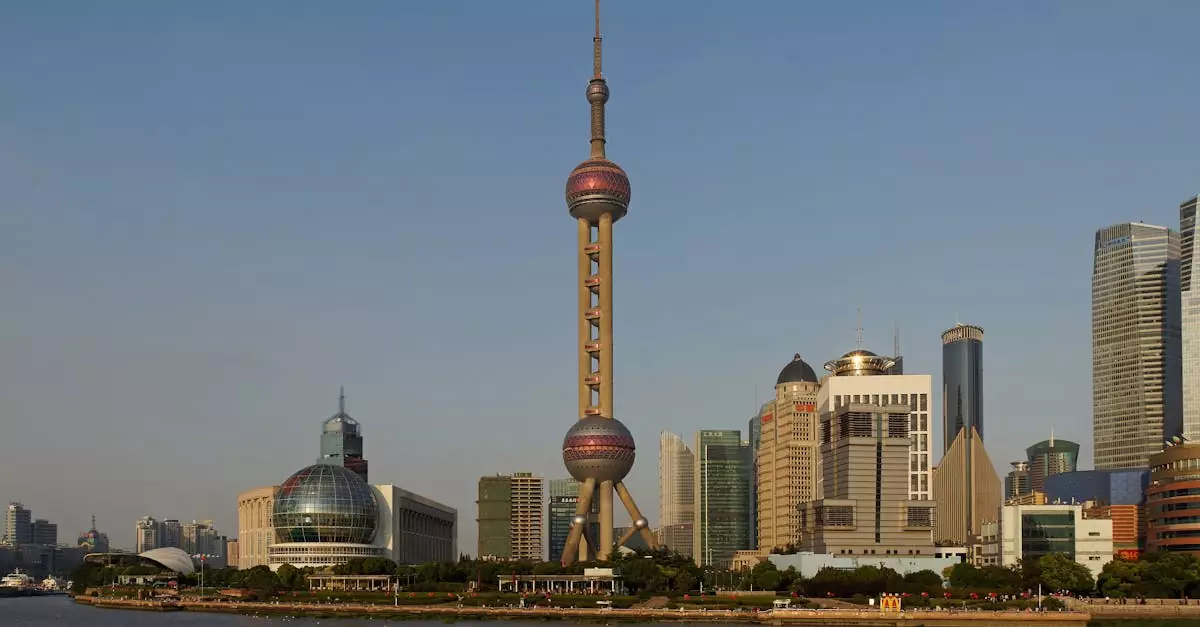
Shanghai’s waterfront districts present a striking contrast, with the historic Bund facing the ultra-modern Pudong skyline across the Huangpu River. The Bund, a remnant of Shanghai’s colonial past, features European-style buildings that now house banks and heritage hotels. Across the river, Pudong epitomizes China’s economic boom, dominated by skyscrapers like the Shanghai Tower, the second-tallest building in the world, and the iconic Oriental Pearl TV Tower.
For the best views, consider a Huangpu River cruise, especially at sunset. Alternatively, ascend to the observation decks of buildings like the Shanghai World Financial Center or the Jin Mao Tower for breathtaking panoramas. Evening visits allow you to witness the dazzling light show illuminating Pudong’s towers. Public transport, including the metro and ferries, provides convenient access to both areas.
Hong Kong’s Victoria Harbour: A Symphony of Lights
Victoria Harbour in Hong Kong is famous for its spectacular nightly light show, “A Symphony of Lights,” illuminating the skyscrapers of Hong Kong Island and the Kowloon Peninsula. This vibrant harbor is a bustling hub, with ferries crisscrossing the water and cargo ships contributing to the dynamic scene. The surrounding cityscape is a dense collection of modern architecture, reflecting Hong Kong’s status as a global financial center.
The most popular viewing spots include the Tsim Sha Tsui Promenade on the Kowloon side and the Central district on Hong Kong Island. A ride on the Star Ferry, a historic and affordable way to cross the harbor, offers unparalleled skyline views, particularly during the light show, which begins nightly at 8 PM. The MTR (Mass Transit Railway) provides efficient transport to ferry terminals and viewing areas.
Canton Tower: Guangzhou’s Panoramic Views
The Canton Tower in Guangzhou is a striking symbol of the city’s modern identity. This 600-meter-tall observation tower offers unparalleled 360-degree views of Guangzhou and the Pearl River Delta. Its unique, slender design resembles a twisting waist, making it an architectural landmark even before you ascend. The tower features several observation decks, including an outdoor vertigo-inducing sky drop and a transparent floor area for those seeking an adrenaline rush.
Reaching the Canton Tower is straightforward via Guangzhou’s extensive metro system, with the Chigang Pagoda station being the closest. For a different perspective, visit during daylight to appreciate the city’s layout or opt for an evening visit to see the tower’s illumination and the city lights below. The tower also houses restaurants and entertainment facilities, making it a comprehensive destination for visitors.
Spiritual Sanctuaries: Temples and Sacred Sites
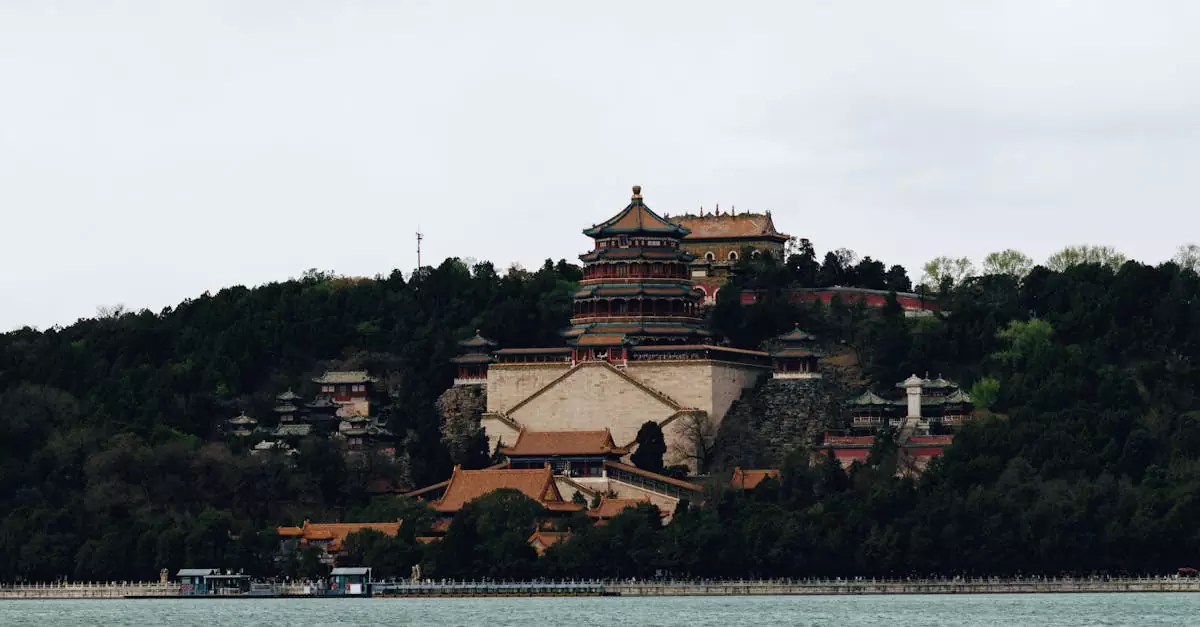
China’s spiritual landscape is as vast and varied as its geography, dotted with ancient temples, sacred mountains, and palaces that have served as centers of faith and imperial power for centuries. These sites offer profound insights into the country’s rich cultural and religious heritage, attracting both pilgrims and curious travelers. Understanding the logistics and cultural nuances of visiting these significant places is key to a rewarding experience.
Temple of Heaven: Beijing’s Imperial Altar
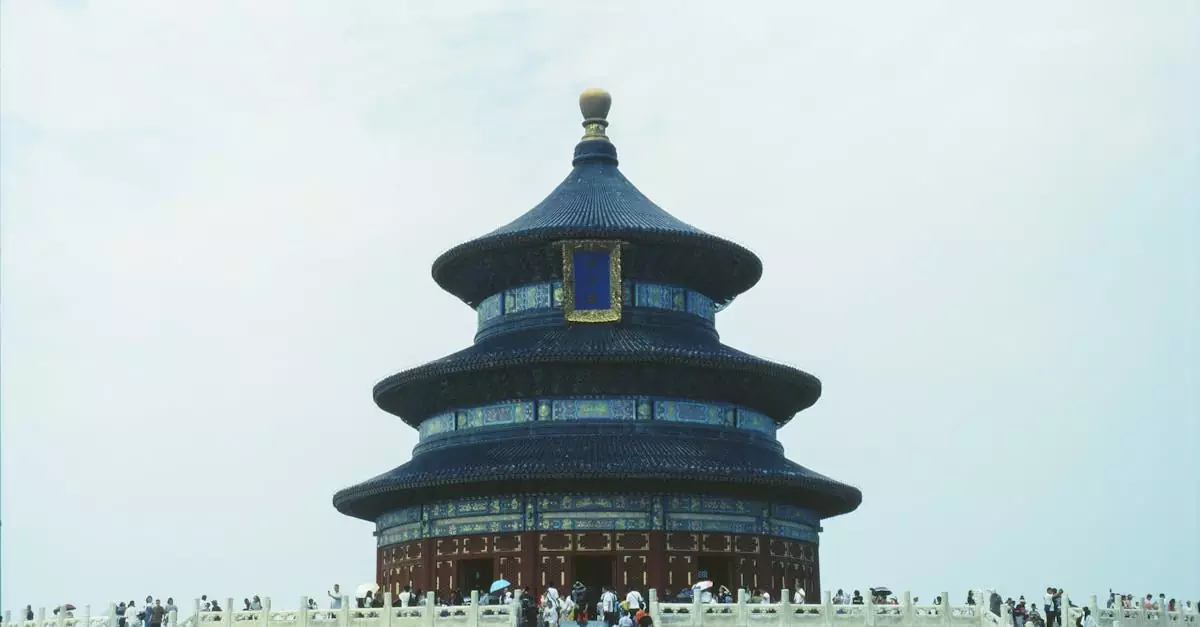
The Temple of Heaven in Beijing is a remarkable testament to Ming Dynasty architecture and imperial ritual. This sprawling complex, a UNESCO World Heritage site, was where emperors performed annual rites for good harvests. Its most iconic structure, the Hall of Prayer for Good Harvests, is a triple-gabled circular building constructed entirely without nails.
Visitors often remark on the serene atmosphere, especially in the early morning when locals gather for tai chi, dancing, and singing. The vast park surrounding the temple is as much a draw as the buildings themselves, offering a peaceful escape from the bustling city.
Logistics for Visiting:
- Location: Dongcheng District, Beijing.
- Transportation: Easily accessible by subway (Line 5 to Tiantandongmen Station) or bus.
- Best Time to Visit: Spring (April-May) and Autumn (September-October) offer pleasant weather. Arrive early to avoid crowds and witness local activities.
- Tickets: Separate tickets are required for the park and the main structures. A combined ticket is generally recommended.
Potala Palace: Lhasa’s Majestic Tibetan Landmark
Perched atop Mar-ri Hill in Lhasa, Tibet, the Potala Palace is an awe-inspiring fortress-palace and a UNESCO World Heritage site. Once the winter residence of the Dalai Lama and the center of Tibetan Buddhism, its sheer scale and intricate design are breathtaking. The palace complex includes the White Palace (housing administrative and living quarters) and the Red Palace (dedicated to religious study and prayer).
Exploring the Potala Palace involves navigating steep staircases and dimly lit chambers filled with vibrant murals, sacred statues, and countless butter lamps. The views over Lhasa from its upper levels are unparalleled. Due to its spiritual significance and preservation needs, visitor numbers are strictly controlled.
Traveler Considerations:
- Permits: Visiting Lhasa and the Potala Palace requires a special Tibet Travel Permit, arranged in advance through a registered tour operator. Independent travel is not permitted.
- Altitude: Lhasa is at a high altitude (around 3,656 meters or 11,995 feet). Acclimatization is crucial; allow a day or two upon arrival to rest and avoid strenuous activity.
- Respect: Dress modestly and be mindful of local customs. Photography inside many halls is prohibited.
Leshan Giant Buddha: Carved into Mount Lingyun
The Leshan Giant Buddha, located in Sichuan Province, is the world’s largest stone Buddha statue, carved from a cliff face overlooking the confluence of three rivers. Standing over 71 meters (233 feet) tall, this Tang Dynasty masterpiece was commissioned by a monk to appease the turbulent waters that plagued passing ships. The sheer scale of the carving is difficult to comprehend until you are standing before it.
Travelers can view the Buddha from various vantage points: from the river on a boat tour or by climbing the stairs alongside the statue. The climb offers increasingly dramatic perspectives, revealing the details of the Buddha’s serene expression. The surrounding area also provides opportunities for hiking and visiting nearby temples.
Planning Your Visit:
- Access: The easiest way to reach Leshan is from Chengdu, the capital of Sichuan. High-speed trains connect Chengdu to Leshan in about an hour. From Leshan city, local buses or taxis can take you to the Buddha site.
- Timing: Visit during the day to fully appreciate the scale and artistry. Boat tours are popular for panoramic views.
- Weather: Sichuan’s weather can be humid and rainy, especially in summer. Spring or autumn are more comfortable for visiting.
Planning Your Landmark Adventure: Best Time to Visit & Travel Tips
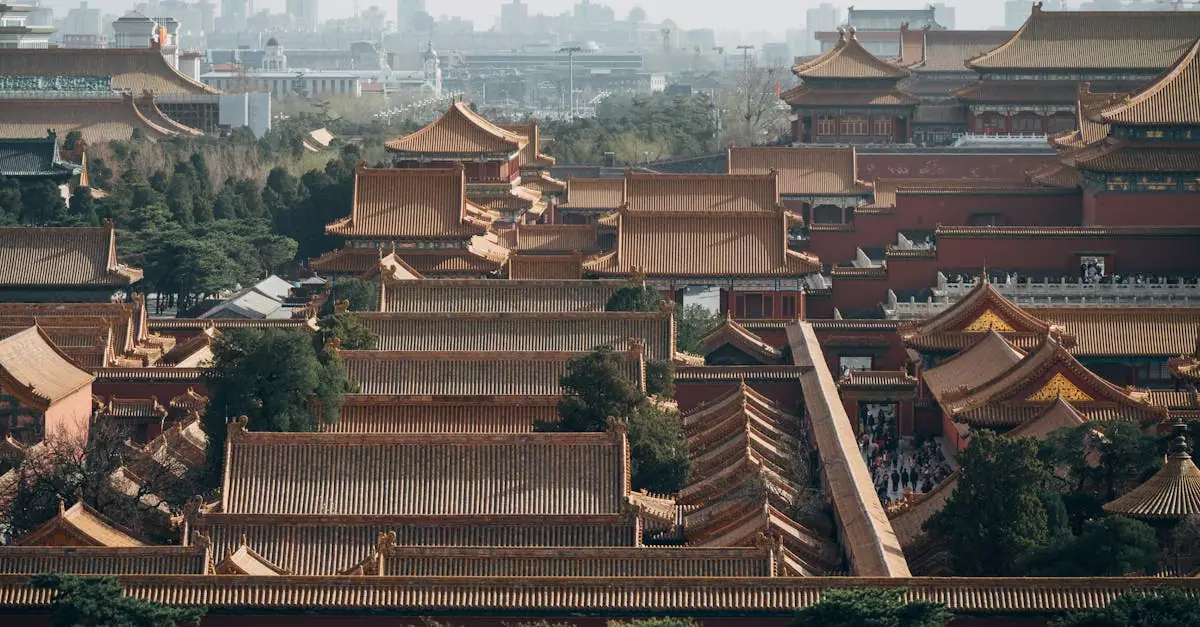
Embarking on a journey to witness China’s iconic landmarks requires thoughtful planning, particularly concerning the best times to visit and how to navigate the vast country. Understanding optimal seasons and practical travel tips will significantly enhance your experience, allowing you to focus on the awe-inspiring sights rather than logistical hurdles.
Optimal Seasons for Visiting China’s Top Landmarks
The ideal time to explore China’s renowned sites largely depends on the region and specific landmarks you wish to see. Generally, spring (April to May) and autumn (September to October) offer the most pleasant weather across much of the country. During these periods, temperatures are moderate, and rainfall is typically lower, making outdoor exploration more comfortable.
For northern China, including Beijing and the Great Wall, spring and autumn are particularly favorable. Summer can be hot and humid, while winter brings freezing temperatures and snow, potentially affecting accessibility to some wall sections. Southern China, such as Guilin and its karst landscapes, experiences a longer warm season, but summer months can be very wet with a risk of typhoons. Autumn provides clearer skies and comfortable temperatures.
Major holidays like the Chinese New Year (late January or February) and the National Day Golden Week (early October) see significant domestic travel, leading to crowded attractions and higher prices. Visiting just before or after these peak periods can offer a more relaxed experience.
Here’s a general overview of seasonal suitability for key regions:
| Region | Spring (Apr-May) | Summer (Jun-Aug) | Autumn (Sep-Oct) | Winter (Nov-Mar) |
|---|---|---|---|---|
| Northern China | Excellent | Hot/Humid | Excellent | Cold/Snowy |
| Central China | Good | Hot/Humid | Good | Cool |
| Southern China | Good | Hot/Rainy | Very Good | Mild |
| Western China | Good | Warm/Rainy | Good | Cold |
Navigating Transportation Between Major Chinese Cities
China boasts an extensive and efficient transportation network, making travel between major landmarks remarkably smooth. High-speed rail is often the preferred method for inter-city travel, connecting most urban centers with speed and comfort. Bullet trains are punctual and offer a scenic way to witness changing landscapes. Booking tickets in advance is highly recommended, especially during peak travel times.
For longer distances or remote areas, domestic flights are a viable option. Major cities have large international airports, and numerous airlines operate frequent domestic routes. While faster than trains for long distances, factor in time for airport transfers and security checks.
Within cities, public transportation systems are generally excellent. Subways are common in larger cities like Beijing, Shanghai, and Xi’an, providing an affordable and efficient way to navigate urban areas. Taxis and ride-sharing services are widely available, though having your destination written in Chinese can assist drivers.
When planning your itinerary, consider travel times between destinations. For example, traveling from Beijing to Xi’an by high-speed train takes around 4.5 to 6 hours, while flying between Shanghai and Chengdu takes about 3 hours, not including airport transit.
Essential Packing List for Exploring Diverse Chinese Terrains
Packing for a trip that encompasses China’s varied landmarks requires versatility. The climate can shift dramatically depending on the region and time of year. Comfortable walking shoes are essential, as you’ll likely be doing extensive walking, whether along the Great Wall or through the Forbidden City.
Layering is key. Pack lightweight, breathable clothing that can be layered for warmth or coolness. A waterproof and windproof jacket is advisable, even in drier seasons, to protect against unexpected rain or wind, especially at higher elevations or on exposed sections of the wall.
Consider the following essentials:
- Comfortable walking shoes: Essential for extensive walking.
- Lightweight layers: T-shirts, long-sleeved shirts, and a fleece or sweater.
- Waterproof jacket: For rain and wind protection.
- Sun protection: Hat, sunglasses, and sunscreen, particularly for open-air sites.
- Adapter and power bank: For charging electronic devices.
- Basic first-aid kit: Including any personal medications.
- Reusable water bottle: To stay hydrated and reduce plastic waste.
- Small backpack: For day trips and carrying essentials.
For travel within Asia, ensuring you have the correct travel documents, including your visa and passport, is critical. Familiarizing yourself with local customs and etiquette can also ensure respectful interactions with locals and a more immersive cultural experience.
Frequently Asked Questions About China’s Best Landmarks
What are the most photogenic landmarks in China?
For stunning photographic opportunities, the Great Wall of China, particularly sections like Mutianyu or Jinshanling, offers dramatic vistas. The Zhangjiajie National Forest Park, with its towering sandstone pillars, provides an otherworldly backdrop, famously inspiring scenes in Avatar. The Terracotta Army in Xi’an presents an incredible tableau of historical artistry.
Are there any lesser-known but equally impressive landmarks in China?
Beyond the most famous sites, consider the Longmen Grottoes near Luoyang. This UNESCO World Heritage site features tens of thousands of Buddhist statues carved into limestone cliffs, showcasing exquisite artistry from the Northern Wei dynasty through the Tang dynasty. Another often-overlooked gem is the Hanging Monastery of Datong, precariously built into a cliff face. Its unique architecture and dramatic setting make it a truly memorable experience.
How can I avoid tourist crowds at popular Chinese landmarks?
Visiting popular landmarks during the shoulder seasons, such as spring (April-May) or autumn (September-October), can significantly reduce crowds. Aim to arrive at opening time or shortly before closing to avoid peak hours. For instance, arriving at the Forbidden City in Beijing as it opens can provide a more serene experience. Consider visiting on weekdays rather than weekends. For the Great Wall, choosing less accessible sections like Jiankou (which requires more strenuous hiking) naturally deters larger tour groups. Planning a trip to mainland Asia outside of major Chinese holidays like Golden Week (early October) and the Spring Festival is also crucial for avoiding the busiest periods.