Asia is a continent where history comes alive, offering a remarkable journey through time with its array of ancient landmarks. From the grand temples of Southeast Asia to the imposing defensive structures of the East, these sites serve not just as tourist attractions but as portals to the ingenuity and enduring cultures of past civilizations. If you’re planning a trip to explore these historical treasures, it’s essential to know the best times to visit, how to navigate these extensive complexes, and what makes each location unique. This guide will help you uncover Asia’s finest ancient landmarks, providing practical insights and highlighting the historical significance that makes each a must-see on any traveler’s itinerary. Prepare to be enthralled by the stories etched in stone and the architectural marvels that have stood the test of time.
Unveiling the Best Ancient Landmarks in Asia
Asia is rich in history, featuring a range of ancient landmarks that provide a profound insight into past civilizations. From grand temple complexes to monumental defensive structures, these sites are testaments to human ingenuity and cultural legacies. Planning a visit to these wonders requires an understanding of their unique features, optimal visiting times, and practical logistics.
Angkor Wat: Cambodia’s Majestic Temple Complex
Angkor Wat, near Siem Reap, Cambodia, is the world’s largest religious monument and a pinnacle of Khmer architecture. Originally constructed as a Hindu temple dedicated to Vishnu in the early 12th century, it later transformed into a Buddhist temple. The impressive scale and intricate bas-reliefs depicting Hindu epics and historical events are breathtaking.
To experience Angkor Wat at its best, consider visiting during the dry season from November to March. Sunrise over the main temple is iconic, though it can be crowded. For a more serene visit, explore the outer temples like Banteay Srei or Ta Prohm (famous for its tree roots) early in the morning or late in the afternoon. Tuk-tuks or bicycles are the best means of transport within the expansive Angkor Archaeological Park, with day passes available for multi-site exploration.
Borobudur Temple: Indonesia’s Buddhist Masterpiece
Borobudur Temple, located in Central Java, Indonesia, is the largest Buddhist temple globally and a UNESCO World Heritage site. Built in the 9th century, this massive mandala-shaped structure consists of nine stacked platforms adorned with thousands of relief panels and hundreds of Buddha statues. Its spiritual significance and architectural grandeur attract visitors worldwide.
The ideal time to visit Borobudur is during the dry season, generally from April to October, to avoid heavy monsoon rains. Early morning visits allow you to witness a magical sunrise from the temple’s upper levels, often enveloped in mist. Traveling to Borobudur usually involves flying into Yogyakarta or Semarang, followed by a car or taxi ride. Many travelers pair their visit to Borobudur with the nearby Prambanan Temple, a stunning Hindu complex.
Hagia Sophia: Istanbul’s Architectural Marvel
Hagia Sophia in Istanbul, Turkey, has a unique and complex history, having served as an Orthodox basilica, a Roman Catholic cathedral, an Ottoman mosque, and now a museum and mosque again. Its construction dates back to 537 AD, and its enormous dome remains an architectural wonder. The interior boasts stunning mosaics and Islamic calligraphy, reflecting its layered past.
Istanbul’s climate is most pleasant for sightseeing in spring (April-May) and autumn (September-October). Centrally located in the Sultanahmet district, Hagia Sophia is easily accessible by public transport, including trams. Be mindful of prayer times, as it is an active mosque, and dress modestly when visiting. Exploring nearby historical sites, such as the Blue Mosque and Topkapi Palace, is highly recommended for a comprehensive historical experience.
Great Wall of China: A Monumental Defense System
Stretching for thousands of miles across northern China, the Great Wall is an iconic symbol of the country’s ancient history and engineering prowess. Built over centuries, primarily during the Ming Dynasty (1368–1644), its main purpose was defense against invasions. Different sections offer varied experiences, from restored, tourist-friendly areas to wild, unrestored stretches.
Popular sections near Beijing include Badaling (most restored and crowded), Mutianyu (scenic with cable car options), and Jinshanling (more rugged and less crowded). The best times to visit are spring (April-May) and autumn (September-October) to avoid extreme temperatures and enjoy clear skies. Reaching these sections typically involves organized tours or hiring a private driver from Beijing, as public transportation can be time-consuming. Wear sturdy shoes, as the terrain can be steep and uneven.
Exploring the Historical Significance of Asian Ancient Sites
Asia is home to some of the most awe-inspiring ancient landmarks on Earth, offering a tangible connection to past civilizations and their beliefs. Traveling to these sites is more than mere sightseeing; it’s a journey through time that reveals the rich tapestry of human achievement. Understanding the context behind these monumental structures significantly enhances the visitor experience.
The Khmer Empire’s Legacy at Angkor
Angkor Wat and the surrounding Angkor Archaeological Park in Cambodia exemplify the grandeur of the Khmer Empire. Built in the early 12th century, Angkor Wat was originally a Hindu temple dedicated to Vishnu and later transformed into a Buddhist temple. Its intricate bas-reliefs depict epic tales and daily life, providing unparalleled insights into Khmer culture.
Exploring the vast complex requires planning. Most visitors base themselves in Siem Reap, a city that has developed significantly to accommodate tourism. Hiring a tuk-tuk for a day is a popular and affordable way to navigate the main temples, including Angkor Wat, Bayon, and Ta Prohm (famous for its tree-root-entwined structures).
Logistical Tips for Angkor:
- Best Time to Visit: The dry season (November to March) offers pleasant weather, though it’s peak tourist season. The shoulder months of April-May and September-October may be hotter or wetter but less crowded.
- Tickets: A multi-day pass is recommended for thorough exploration.
- Attire: Dress respectfully, covering shoulders and knees, as these are sacred sites.
The Buddhist Influence on Borobudur’s Design
Borobudur Temple in Central Java, Indonesia, is the world’s largest Buddhist temple and a UNESCO World Heritage site. Constructed in the 9th century, it features a magnificent mandala adorned with thousands of relief panels and hundreds of Buddha statues. The temple’s design represents Buddhist cosmology, guiding pilgrims through stages of enlightenment.
Visiting Borobudur is often paired with exploring other historical sites in the Yogyakarta region, such as the Prambanan Temple complex. Early morning visits are highly recommended to witness the sunrise over the volcanic landscape, creating a truly unforgettable experience.
Planning Your Borobudur Visit:
- Getting There: Yogyakarta serves as the main gateway, with regular flights from major Indonesian cities. From Yogyakarta, you can arrange transport or join a tour to Borobudur.
- Accommodation: Options range from budget guesthouses in nearby villages to more comfortable hotels in Yogyakarta.
- Timing: Sunrise tours offer a magical atmosphere, but be prepared for early wake-up calls. Daytime visits allow for closer inspection of the intricate carvings.
Byzantine and Ottoman Eras at Hagia Sophia
Hagia Sophia in Istanbul, Turkey, boasts a unique history, having served as a cathedral, a mosque, and now a museum. Its construction dates back to the 6th century, showcasing the architectural brilliance of the Byzantine Empire. The immense dome, a marvel of engineering for its time, continues to inspire awe.
During the Ottoman Empire, minarets were added, and Christian mosaics were covered or plastered over, reflecting its conversion to a mosque. Today, it stands as a symbol of Istanbul’s layered past, a crossroads of cultures and religions. The sheer scale and historical resonance of Hagia Sophia make it a must-see.
Navigating Hagia Sophia:
- Location: Situated in the Sultanahmet district, it’s easily accessible by public transport, including the T1 tram line.
- Entry: As a former mosque, modest dress is required, and prayer times may affect visiting hours.
- Context: Consider visiting with a guide or reading up on its history to fully appreciate its architectural and religious significance.
Imperial China’s Engineering Prowess on the Great Wall
The Great Wall of China is a series of fortifications built over centuries by various Chinese dynasties. Its most famous sections, often visited by tourists, were predominantly constructed during the Ming Dynasty (1368–1644). This colossal feat of engineering was designed to protect the Chinese Empire from invasions.
Several sections near Beijing offer accessible and well-preserved experiences, each with its own character. The Mutianyu section is known for its scenic beauty and well-restored watchtowers, while the Jinshanling section offers a more rugged and less crowded hiking experience.
Great Wall Travel Advice:
- Choosing a Section: Research different sections based on your fitness level and desired experience. Badaling is the most famous but often the most crowded.
- Transportation: Organized tours from Beijing are common, or you can hire a private car. Public transport options exist but can be more time-consuming.
- Best Season: Spring and autumn provide pleasant temperatures for hiking and sightseeing. Summer can be very hot, while winter can be extremely cold.
Planning Your Itinerary to Asia’s Ancient Wonders
Asia offers a wealth of ancient landmarks that attract travelers seeking a connection to the past. When planning your journey to these significant sites, consider how much time you have and which regions of Asia you wish to explore. Crafting an itinerary that balances travel time with immersive experiences is essential for appreciating the scale and grandeur of these historical treasures.
A 7-Day Southeast Asia Ancient Sites Tour
For a focused exploration of Southeast Asia’s ancient heritage, a 7-day itinerary is feasible, though it requires strategic planning to maximize your time. This route often centers on Cambodia and Thailand, both rich in remarkably preserved historical sites. Begin in Siem Reap, Cambodia, dedicating at least three days to the Angkor Archaeological Park. This sprawling complex, home to iconic temples like Angkor Wat and Bayon, demands significant exploration. Hiring a local guide can enhance your understanding of the intricate carvings and history.
From Siem Reap, fly to Chiang Mai, Thailand, for the remaining four days. While Chiang Mai is renowned for its vibrant modern culture, it also serves as a gateway to ancient ruins like those in the Wiang Kum Kam historical park or the ruins of Sukhothai, which can be visited as a day trip or an overnight excursion. This fast-paced itinerary prioritizes iconic sites, offering a concentrated glimpse into the region’s rich past.
Logistical Considerations for a 7-Day Tour:
- Transportation: Flights between Siem Reap and Chiang Mai are the most efficient option. Within temple complexes, tuk-tuks or bicycles are common.
- Accommodation: Siem Reap offers various guesthouses and hotels near the temple sites, while Chiang Mai has extensive options in the old city and surrounding areas.
- Budget: This itinerary can be moderately priced, with costs influenced by flight prices and accommodation choices. Temple passes, particularly for Angkor, represent a significant portion of the budget.
A 10-Day East Asia Historical Journey
An extended 10-day trip allows for a more in-depth exploration of East Asia’s historical tapestry, potentially including China and Japan. Begin in Beijing, dedicating four days to its imperial past. The Forbidden City, the Temple of Heaven, and the Great Wall of China (accessible from various points like Mutianyu or Badaling) are essential stops, offering a profound sense of China’s dynastic history.
After Beijing, take a high-speed train or flight to Kyoto, Japan, for the remaining six days. Kyoto, the imperial capital for over a thousand years, boasts thousands of Buddhist temples and Shinto shrines. Highlights include Kinkaku-ji (the Golden Pavilion), Fushimi Inari-taisha Shrine with its thousands of red torii gates, and the serene Arashiyama Bamboo Grove. Day trips to nearby Nara to see the Todai-ji Temple, housing a giant bronze Buddha, are also recommended.
Comparison: Southeast Asia vs. East Asia Itinerary
| Feature | 7-Day Southeast Asia Tour | 10-Day East Asia Journey |
|---|---|---|
| Focus | Angkorian Empire, Thai Kingdoms | Imperial China, Feudal Japan, Buddhist history |
| Pace | Fast-paced, concentrated | Moderate, more in-depth |
| Key Sites | Angkor Wat, Bayon, Sukhothai ruins | Forbidden City, Great Wall, Kinkaku-ji, Todai-ji |
| Logistics | Flights between countries, local transport | High-speed trains, flights, extensive public transport |
| Budget | Moderate | Moderate to High (depending on accommodation) |
| Traveler Type | Those with limited time, interested in grand ruins | History enthusiasts, cultural explorers |
Combining Ancient Sites with Modern Asian Cities
Many travelers find great value in blending visits to ancient landmarks with experiences in Asia’s dynamic modern cities. This approach offers a compelling contrast, highlighting the continent’s rapid evolution while respecting its deep historical roots. For example, after exploring the ancient wonders of Siem Reap, consider flying to Bangkok, Thailand, to experience its bustling street life, modern shopping malls, and ornate temples like Wat Arun.
Similarly, a trip to Beijing’s historical sites can be seamlessly integrated with the ultra-modern metropolis of Shanghai. The contrast between the imperial grandeur of the Forbidden City and the futuristic skyline of Shanghai’s Pudong district is striking. This combination allows for a well-rounded understanding of Asia, showcasing its ability to honor its past while embracing the future. When planning such a trip, factor in travel time between cities, which can often be managed efficiently with the continent’s extensive network of flights and high-speed rail.
What’s the Best Time to Visit Asia’s Ancient Landmarks?
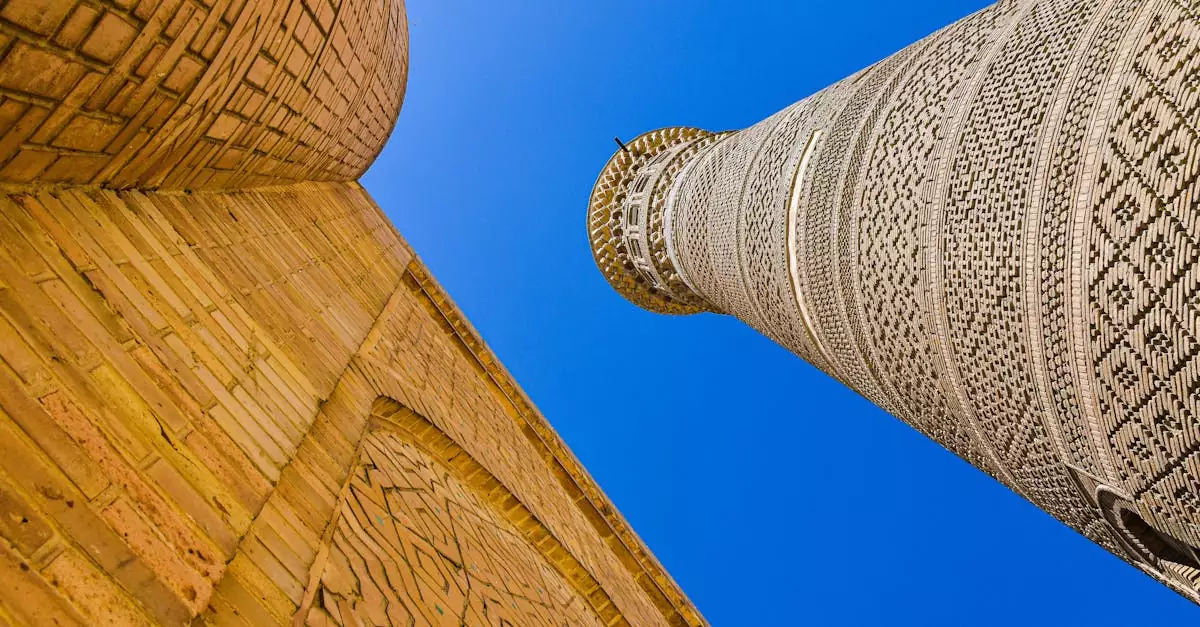
Timing your visit to Asia’s ancient sites can significantly enhance your experience, influencing everything from weather and crowds to the availability of local festivals. Understanding the nuances of each region’s climate and peak tourist seasons is essential for a smooth journey.
Optimal Seasons for Angkor Wat and Southeast Asia
The dry season, typically from November to March, is widely regarded as the best time to visit the magnificent temples of Angkor Wat in Cambodia. During these months, you’ll encounter less rain, making it easier to explore the sprawling temple complexes comfortably. Daytime temperatures can still be high, so early morning or late afternoon visits are recommended.
The shoulder months of April and May offer warmer temperatures and increased humidity before the monsoon rains begin. While you might encounter more rain, fewer tourists can create a more intimate experience at sites like Angkor. The monsoon season itself, from June to October, brings lush landscapes but also heavy downpours that can disrupt travel plans and access to temples.
Ideal Weather for Borobudur and Indonesia
Indonesia, with its vast archipelago, features varied microclimates, but generally, the dry season from May to September offers the most favorable conditions for visiting ancient wonders like Borobudur Temple. This period coincides with lower humidity and consistent sunshine, ideal for appreciating the intricate carvings and panoramic views.
Traveling during the wet season (October to April) means higher chances of rain, often manifesting as intense afternoon thunderstorms. While you might find fewer crowds and potentially lower accommodation prices, be prepared for travel disruptions and limited visibility for sunrise or sunset views. The shoulder months of April and May can offer a good balance of decent weather and manageable visitor numbers.
Navigating Crowds at the Great Wall and Istanbul
For iconic sites like the Great Wall of China, timing is crucial for avoiding overwhelming crowds. Spring (April to May) and autumn (September to October) are generally the most pleasant times to visit, providing mild temperatures and clear skies. These periods are also visually stunning, with spring blossoms or autumn foliage enhancing the scenery.
Similarly, for historical landmarks in Istanbul, Turkey, such as Hagia Sophia or the Blue Mosque, spring (April to May) and fall (September to October) offer comfortable weather for walking and sightseeing. Summer months (June to August) are popular but can be hot and crowded. Winter (November to March) sees fewer tourists and lower prices, but be prepared for colder weather and potential rain or snow.
Here’s a quick comparison of peak and off-peak seasons for some popular ancient sites:
| Landmark | Peak Season (Best Weather/Fewest Crowds) | Shoulder Season (Good Balance) | Off-Peak Season (Fewer Crowds/Potentially Worse Weather) |
|---|---|---|---|
| Angkor Wat | November – March | April – May | June – October |
| Borobudur | May – September | April, October | November – March |
| Great Wall of China | April – May, September – October | N/A | June – August, November – March |
| Istanbul | April – May, September – October | N/A | November – March |
Getting Around: Transportation to and Between Asian Historical Gems
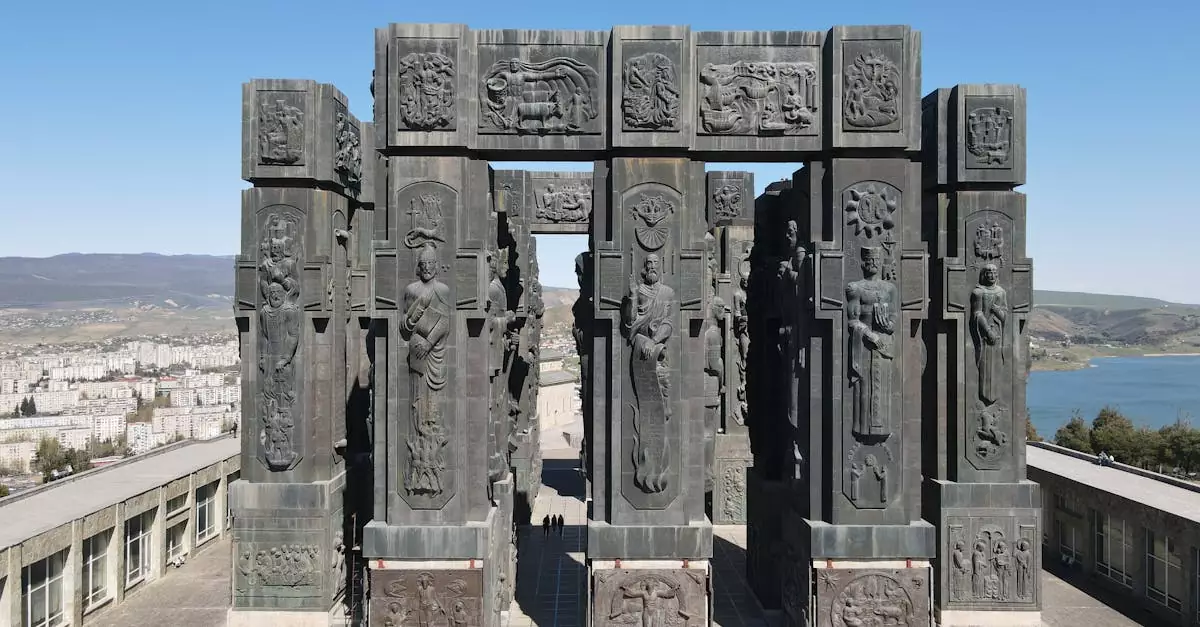
Navigating the vast continent of Asia to reach its ancient wonders requires a strategic approach to transportation. From international flights to local tuk-tuks, understanding your options is key to a smooth journey. Planning your travel logistics in advance will save you time and money, allowing for more moments to soak in the history.
Flights and Overland Travel to Major Sites
Most major ancient landmarks in Asia are accessible via international airports in nearby capital cities or large regional hubs. For instance, reaching the temples of Bagan in Myanmar typically involves flying into Yangon or Mandalay, followed by a domestic flight or overnight train. Similarly, the historic city of Xi’an, home to the Terracotta Army, has excellent flight connections.
Overland travel can be rewarding for adventurous travelers. Long-distance trains connect many cities across Southeast Asia and East Asia, offering glimpses into local life. However, these journeys can be time-consuming, and visa requirements for multiple countries should be thoroughly researched before embarking on a multi-country overland expedition.
Local Transport Options: Tuk-Tuks, Trains, and Taxis
Once you arrive at a major site, local transportation becomes essential. Tuk-tuks, auto-rickshaws, and motorcycle taxis are common in many Southeast Asian countries, providing a lively and often affordable way to get around cities and nearby attractions. Always agree on a fare before starting your journey to avoid misunderstandings.
In larger cities, modern public transport systems are increasingly common. Metro systems in cities like Bangkok, Tokyo, and Seoul offer efficient and cost-effective ways to navigate urban areas. Local buses are also an option, though they can be crowded and less predictable. Taxis are readily available, but using metered taxis or ride-sharing apps where available ensures fair pricing.
Navigating Angkor Archaeological Park
The vast Angkor Archaeological Park near Siem Reap, Cambodia, requires specific transportation strategies. The park spans over 400 square kilometers, encompassing hundreds of temples. Hiring a tuk-tuk driver for a full day or multiple days is a popular and practical choice. Drivers are familiar with the temple circuit and can provide a comfortable way to hop between sites.
Alternatively, bicycles can be rented for independent exploration, particularly for the smaller temples within the main Angkor Wat complex. For those seeking air-conditioned comfort, car hire with a driver is also available. Many visitors opt for a combination, perhaps cycling around Angkor Wat itself and using a tuk-tuk for farther temples like Banteay Srei.
Exploring Borobudur from Yogyakarta
Borobudur Temple, one of the world’s largest Buddhist monuments, is located in Central Java, Indonesia. The most common gateway city is Yogyakarta, about an hour’s drive away. From Yogyakarta, visitors can arrange private car hire, which is the most convenient option, especially for early morning visits to catch the sunrise.
Shared minivans and public buses also operate between Yogyakarta and Borobudur, offering a budget-friendly alternative. These services depart from specific terminals in Yogyakarta and can take longer due to multiple stops. For travelers staying in nearby towns like Magelang, renting a motorbike or hiring a local taxi is also a feasible option for reaching the temple complex.
Frequently Asked Questions About Asia’s Ancient Landmarks
What are the most accessible ancient landmarks in Asia?
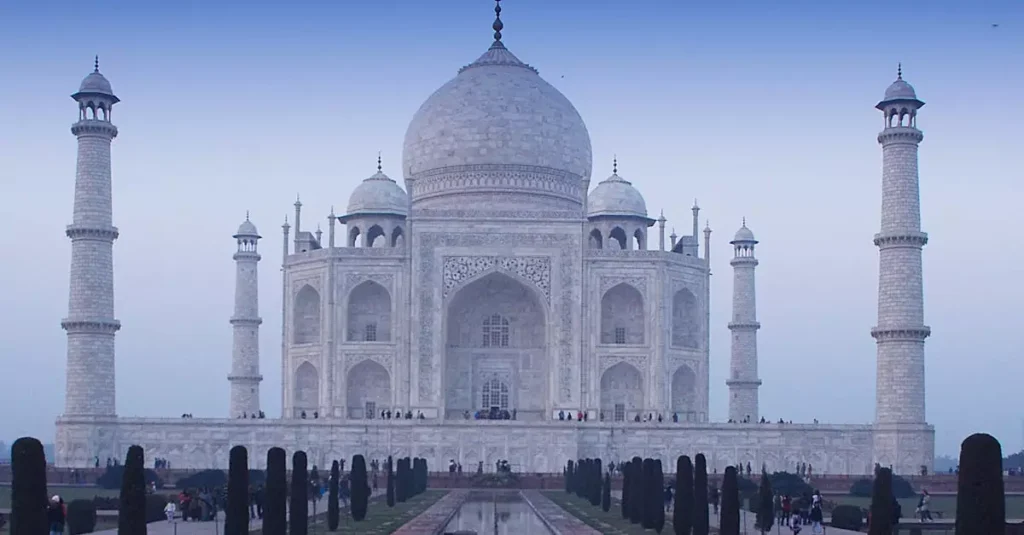
Several ancient sites in Asia offer good accessibility for travelers. Angkor Wat in Cambodia, for example, has well-maintained pathways and is relatively easy to navigate, especially the main temple complex. The Taj Mahal in India, while a monument rather than ruins, is also highly accessible with paved paths and modern facilities. For those seeking well-preserved ruins, the ancient city of Petra in Jordan, though requiring some walking, has a straightforward main trail.
Are there any lesser-known ancient sites in Asia worth visiting?
Beyond the major attractions, Asia holds many hidden historical gems. The ancient city of Bagan in Myanmar, with thousands of pagodas and temples scattered across a plain, offers a less crowded experience, especially if you venture beyond the main viewpoints. The ruins of Ayutthaya in Thailand, the former Siamese capital, provide a glimpse into a rich past without the overwhelming crowds of other Southeast Asian sites. Further afield, the Silk Road cities of Central Asia, like Khiva in Uzbekistan, boast remarkably preserved old towns that feel like stepping back in time.
What should I pack for visiting ancient ruins in Asia?
Packing essentials for visiting ancient ruins in Asia revolve around comfort, sun protection, and respect for cultural sites. Lightweight, breathable clothing is crucial, as many of these locations are in warm climates. Comfortable walking shoes are a must, as you’ll likely cover a lot of ground on uneven surfaces. Don’t forget a wide-brimmed hat, sunglasses, and high-SPF sunscreen to shield yourself from the sun. Carry a reusable water bottle to stay hydrated, and consider a small backpack for essentials.
What are common tourist mistakes to avoid at Asian historical sites?
A common mistake is underestimating the scale and heat; always carry ample water and plan your visit for cooler parts of the day. Rushing through sites is another pitfall; take time to appreciate the history and architecture. Tourists often overlook local customs, such as dressing modestly when visiting religious sites or temples within larger complexes. Lastly, avoid touching or climbing on delicate structures; these ancient landmarks are fragile and require preservation for future generations. Understanding the significance of these ancient sites in Asia is key to a respectful visit.
