Embarking on one of the best Australia road trips offers an unparalleled opportunity to explore the continent’s diverse landscapes, from sun-drenched coastlines to the rugged Outback. Australia’s vast size and varied terrain make planning essential for unlocking its most rewarding driving adventures. This guide will equip you with the knowledge to craft your perfect journey.
You’ll learn how to choose the ideal time of year for your route, considering everything from the tropical north’s dry season to the milder climates of the southern regions. We’ll discuss selecting the right vehicle for Australia’s often challenging roads, whether you’re sticking to highways or venturing onto unsealed tracks. Additionally, you’ll find crucial tips for navigating remote areas safely, covering vital aspects like fuel, supplies, and essential preparation for extended journeys. Get ready to plan an unforgettable Australian road trip.
Epic Coastal Drives: Australia’s Best Road Trips Unveiled
Australia’s coastline is a national treasure, offering some of the most spectacular driving routes on the planet. These journeys blend dramatic natural beauty with charming seaside towns, making them perfect for those seeking an unforgettable road trip experience. From the rugged cliffs of Victoria to the tropical allure of the east coast and the pristine beaches of the west, these coastal drives showcase the diverse beauty of this island continent.
Great Ocean Road: Victoria’s Iconic Coastal Highway
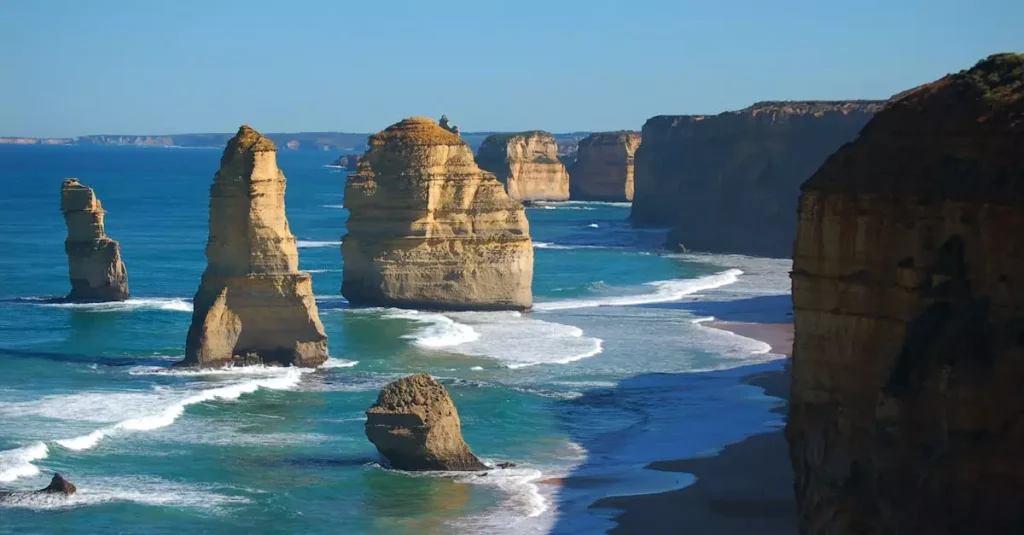
The Great Ocean Road is arguably Australia’s most famous scenic drive, stretching 243 kilometers along the southwest coast of Victoria. This engineering marvel, constructed by returned soldiers after World War I, winds past dramatic sea stacks, surf beaches, and lush rainforests. Key highlights include the Twelve Apostles, Loch Ard Gorge, and the charming surf town of Lorne.
Planning your drive here requires a full day, though an overnight stay in towns like Apollo Bay or Port Fairy allows for a more relaxed pace. The road can become busy, particularly during peak season (December to February), so consider visiting in the shoulder months of spring (September to November) or autumn (March to May) for fewer crowds and pleasant weather. Most visitors rent a car from Melbourne, which is about a two-hour drive from the start of the road at Torquay.
Logistics for the Great Ocean Road:
- Starting Point: Torquay, Victoria
- Duration: 1–2 days recommended
- Best Time to Visit: Spring (September-November) or Autumn (March-May)
- Accommodation: Range from budget hostels to luxury lodges in towns like Lorne, Apollo Bay, and Port Fairy.
- Driving Tips: Be mindful of narrow, winding sections and wildlife, particularly at dawn and dusk.
Sydney to Brisbane: The Pacific Coast Touring Route
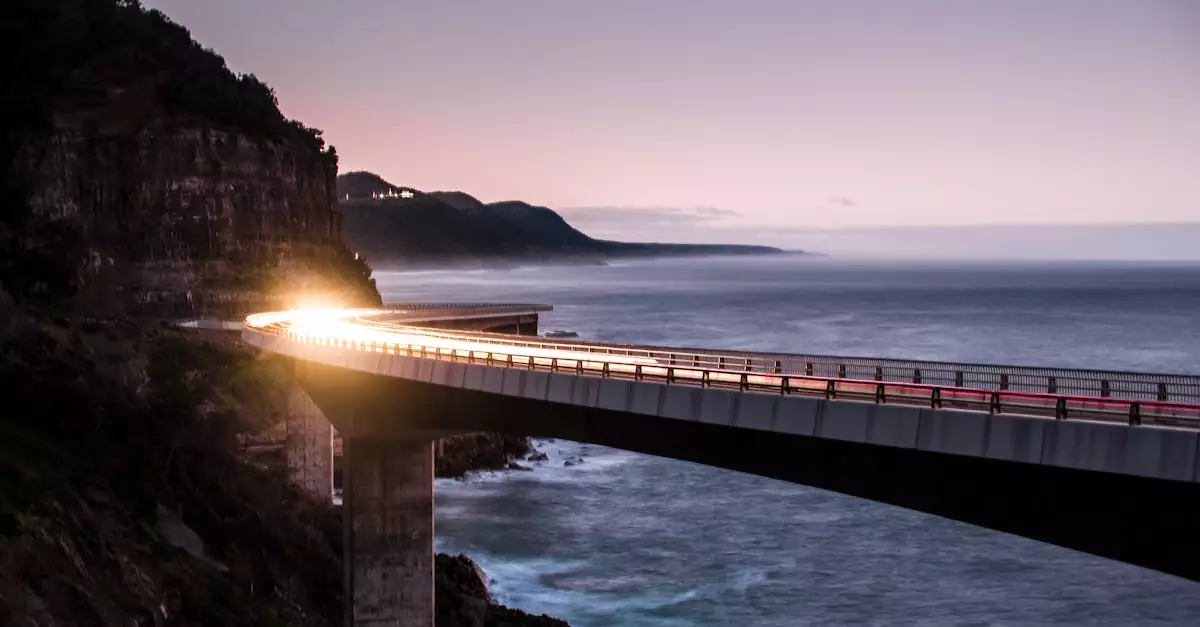
This extended coastal journey covers over 1,000 kilometers, linking two of Australia’s major cities through a string of idyllic beach towns and national parks. The route offers a fantastic mix of city exploration and laid-back coastal living. You’ll pass through iconic locations such as the vibrant beach scene of Bondi in Sydney, the stunning beaches of the Gold Coast, the sophisticated charm of Byron Bay, and the relaxed surf culture of Noosa on the Sunshine Coast.
Allow at least 5–7 days to fully appreciate the stops along the way. Consider detours into the hinterland for rainforest walks or wine tasting. The weather is generally warm year-round, but the summer months (December-February) can be hot and humid with a higher chance of rain. Traveling north from Sydney to Brisbane is often preferred to take advantage of prevailing winds and the sun’s position.
Key Stops on the Pacific Coast:
- Sydney: Iconic landmarks, vibrant city life.
- Byron Bay: Bohemian atmosphere, lighthouse views, surfing.
- Gold Coast: Theme parks, long sandy beaches, nightlife.
- Sunshine Coast (Noosa): Upscale resort town, national park, pristine beaches.
This journey is easily navigable by car, with rental options readily available in both Sydney and Brisbane. The Pacific Highway (now largely replaced by the M1 Motorway) provides a direct route, but many travelers opt for slower, more scenic coastal roads.
Perth to Esperance: Western Australia’s Turquoise Coast Adventure
For a taste of Western Australia’s raw, unspoiled beauty, the drive from Perth to Esperance is unmatched. This route, approximately 720 kilometers one-way, takes you through stunning national parks, past beaches with impossibly white sand, and to waters of an extraordinary turquoise hue. Highlights include the dramatic coastline of the Fitzgerald River National Park, the iconic Lucky Bay (often cited as having the whitest sand in Australia), and the unique pink waters of Lake Hillier (visible by scenic flight).
This road trip is best enjoyed over 3–4 days to allow for exploration of Esperance and its surrounding islands, including the popular Cape Le Grand National Park. The climate here is Mediterranean, with hot, dry summers and mild, wet winters. The shoulder seasons of spring (September-November) and autumn (March-May) provide the most comfortable temperatures for outdoor activities.
Esperance Region Highlights:
- Cape Le Grand National Park: Home to Lucky Bay and iconic granite formations.
- Thistle Cove: A picturesque bay known for its “whistling rocks.”
- Retreat to Rottnest Island: A popular day trip from Perth, famous for its quokkas.
Driving from Perth requires a reliable vehicle, as services can be sparse between towns. Ensure you have ample fuel and supplies, especially if venturing into more remote areas. While the main highway is well-maintained, unsealed roads are common within national parks.
Outback Adventures: Unforgettable Australian Road Trip Itineraries
The vast, arid heart of Australia offers some of the most iconic and challenging road trips on the continent. These journeys are not for the faint of heart, requiring careful planning, robust vehicles, and a spirit of adventure. Driving through the Outback means embracing immense distances, dramatic landscapes, and a unique sense of isolation.
The Red Centre: Uluru, Kata Tjuta, and Kings Canyon Loop
This classic Outback loop immerses you in Indigenous culture and geological wonders. The journey typically starts and ends in Alice Springs, a vital hub for accessing the Northern Territory’s desert heart. The paved Red Centre Way allows for travel in a standard 2WD vehicle, though a 4WD is recommended for any detours.
Key Highlights:
- Uluru (Ayers Rock): Witness the sun rise and set over this colossal sandstone monolith, a sacred site for the Anangu people. Allow ample time for cultural experiences and walks around the base.
- Kata Tjuta (The Olgas): Explore the dramatic domes of Kata Tjuta, particularly the Valley of the Winds walk, offering breathtaking views and a sense of ancient grandeur.
- Kings Canyon: Hike the rim walk for spectacular panoramic views of the canyon’s sheer walls and the surrounding desert. The Garden of Eden offers a lush contrast within the arid landscape.
Logistics & Timing:
The best time to visit is during the cooler months, from April to September. Summer temperatures can exceed 40°C (104°F), making daytime activities uncomfortable and potentially dangerous. Alice Springs offers a full range of services, including vehicle hire and supplies. Accommodation options range from campgrounds and basic motels to luxury resorts near Uluru.
The Savannah Way: Cairns to Broome’s Tropical Frontier
Stretching over 3,700 kilometers, the Savannah Way is Australia’s ultimate adventure road trip, connecting the tropical east coast of Queensland with the Indian Ocean coast of Western Australia. This route traverses some of the country’s most remote and biodiverse regions, including ancient rainforests, vast cattle stations, and the stunning Kimberley landscape. Much of the Savannah Way is unsealed, requiring a 4WD vehicle and experienced drivers.
Journey Highlights:
- Queensland’s Gulf Savannah: Explore Atherton Tablelands, Undara Lava Tubes, and the historic mining towns of Georgetown and Croydon.
- Northern Territory’s Outback: Drive through the Gulf Country, visit the historic port of Normanton, and experience the rugged beauty of the Barkly Tableland.
- Western Australia’s Kimberley: The final leg takes you through the iconic Kimberley region, with stops at the Bungle Bungle Range (Purnululu National Park), El Questro Wilderness Park, and the historic town of Derby.
Practical Considerations:
This is a true Outback expedition. Vehicle preparation is crucial, including spare tires, extra fuel, and water. Road conditions can vary significantly, especially during the wet season (November to April), when many sections become impassable. The dry season (May to October) is the only viable time for this road trip. Allow at least three weeks to fully appreciate the diverse landscapes and attractions.
The Oodnadatta Track: South Australia’s Historic Outback Route
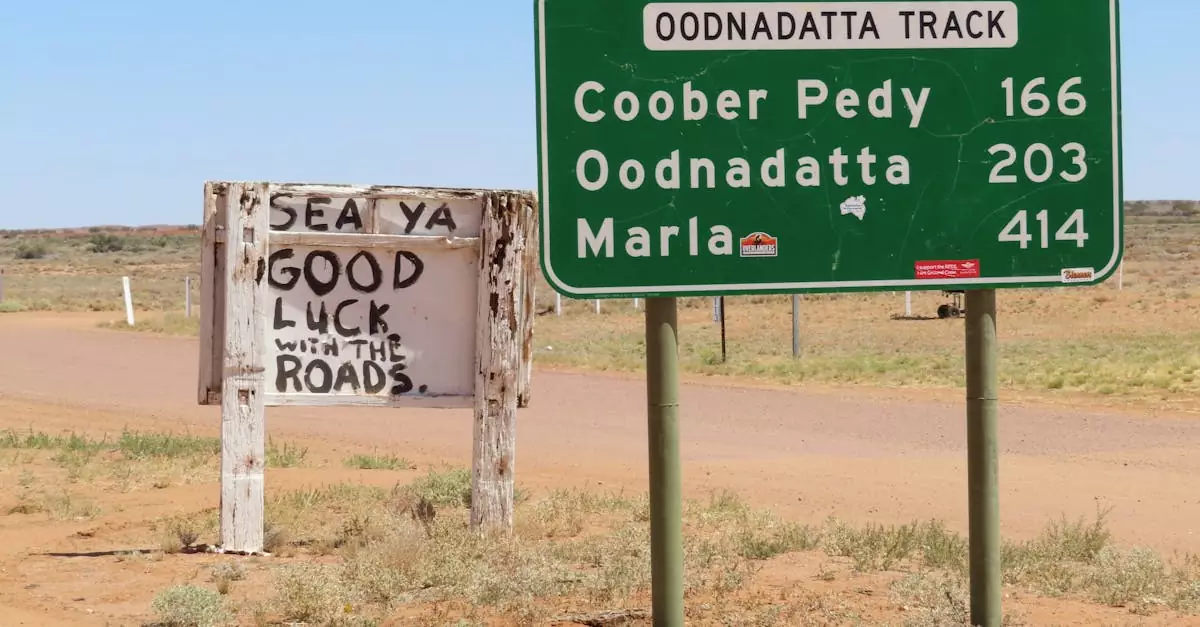
Tracing the path of the old Ghan railway line, the Oodnadatta Track takes you through South Australia’s remote desert country, rich in pioneering history and unique geological features. This unsealed track connects Marree in the south to the opal mining town of Coober Pedy, offering a glimpse into a life shaped by the harsh Outback environment. A 4WD is highly recommended, though a well-prepared 2WD can manage in dry conditions.
Points of Interest:
- Dalhousie Springs: A series of natural artesian springs offering a warm soak in the desert.
- Painted Desert: Located west of the track, this region showcases stunning colorful sand formations.
- Warratyi Rock Shelter: An important archaeological site providing insights into ancient Indigenous life.
- Coward Springs Campground: A unique stop with a historic railway house and desert oasis.
Travel Advice:
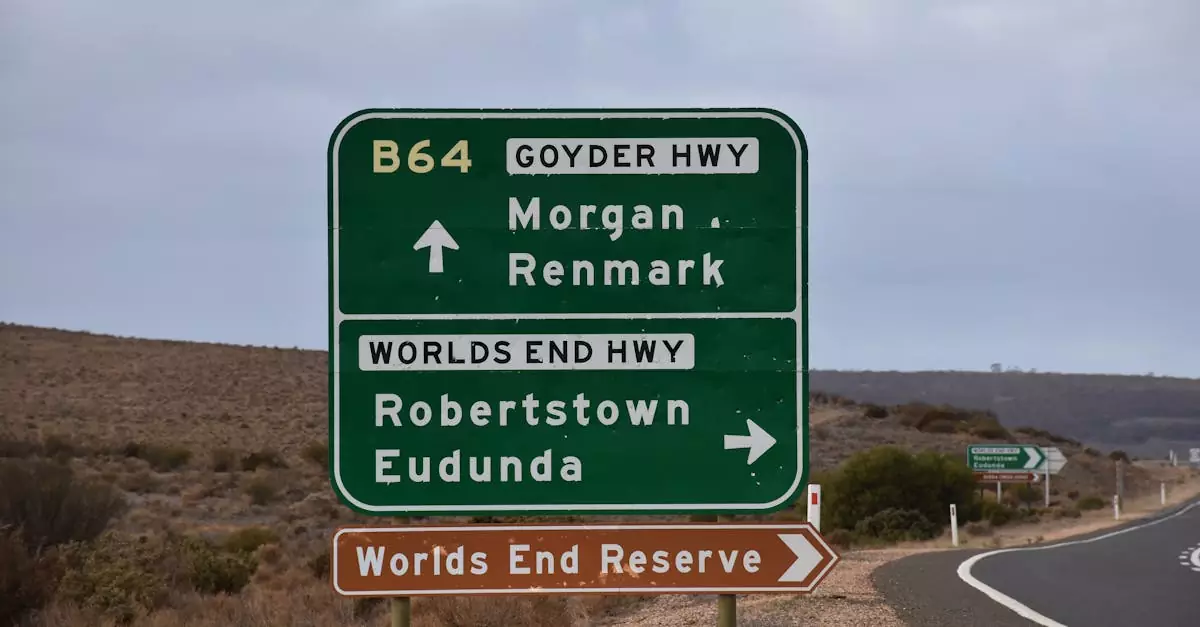
The Oodnadatta Track is best tackled during the cooler months, from May to October. Summer heat can be extreme. Fuel and supplies are scarce, so travelers must carry ample provisions, including water, food, and fuel. The nearest major towns with comprehensive services are Port Augusta to the south and Coober Pedy to the north. This route serves as a fantastic introduction to the challenges and rewards of Outback driving in Australia.
Wildlife Encounters on Australia’s Best Road Trips
Australia’s vast landscapes offer unparalleled opportunities for wildlife viewing, and many of the country’s most memorable road trips are defined by incredible animal encounters. From marine life to iconic marsupials, hitting the road here often means driving into the heart of nature. Planning your journey around specific wildlife seasons can elevate a good trip into an unforgettable adventure.
Kangaroo Island: A Sanctuary for Native Australian Animals
Kangaroo Island, located off the coast of South Australia, is often referred to as Australia’s “zoo without fences.” It’s a premier destination for those seeking close encounters with native wildlife in their natural habitat. Driving here allows you to traverse diverse landscapes, from rugged coastlines to rolling hills, each offering different viewing opportunities.
The island is home to large populations of kangaroos, wallabies, koalas, and echidnas. You’re likely to spot kangaroos grazing in paddocks or near roadsides, especially at dawn and dusk. Koalas can often be seen in eucalyptus trees, particularly around Flinders Chase National Park. Seals, including the Australian sea lion and New Zealand fur seal, are abundant at locations like Seal Bay Conservation Park.
Getting to Kangaroo Island involves a ferry from Cape Jervis on the mainland or a short flight to Kingscote. Once on the island, a car is essential for reaching various wildlife hotspots. Accommodation ranges from camping grounds to luxury lodges, catering to different budgets. Be mindful of wildlife on the roads, especially during twilight hours, and adhere to speed limits to ensure safety for both yourself and the animals.
Mon Repos: Witnessing Turtle Nesting on Queensland’s Coast
For a truly awe-inspiring natural spectacle, a road trip along Queensland’s coast to Mon Repos is highly recommended. This area, near Bundaberg, is the largest loggerhead turtle rookery on the Australian mainland and a vital nesting ground for other species like the flatback turtle.
The turtle nesting season typically runs from November to March. During this period, female turtles return to the same beaches where they were born to lay their eggs. Guided tours, which are essential for responsible viewing, take place after dark. You can witness the remarkable process of a turtle nesting or, if you’re lucky, see hatchlings making their perilous journey to the sea.
The drive to Mon Repos is part of the experience, showcasing the diverse coastal scenery of Queensland. Bundaberg serves as a good base with various accommodation options. It’s crucial to book guided tours in advance, as numbers are limited to protect the turtles. Strict guidelines are in place during tours to minimize disturbance, including no photography and maintaining silence. This experience is deeply moving and offers a profound connection to the natural world.
Ningaloo Reef: Road Tripping for Whale Shark and Humpback Encounters
Western Australia’s Coral Coast Highway is one of the country’s best road trips, with its crown jewel being the Ningaloo Reef. This fringing reef is one of the longest in the world and is renowned for its incredible marine biodiversity, particularly its seasonal aggregations of whale sharks and humpback whales.
From March to July, whale sharks, the largest fish in the sea, gather in large numbers to feed on plankton. Swimming alongside these gentle giants is a bucket-list experience, with many operators offering boat tours that depart from Exmouth or Coral Bay. Later in the year, from July to October, humpback whales migrate through the warmer waters, providing ample opportunities to see them breach and play.
The road trip itself is spectacular, with vast desert landscapes meeting the turquoise waters of the Indian Ocean. Towns like Exmouth and Coral Bay provide essential services, including car hire, accommodation, and tour bookings. While you can drive your own vehicle, consider a 4WD if you plan to explore some of the more remote coastal tracks. Always check road conditions, especially if venturing off the main highway. Respecting marine life is paramount; follow all guidelines provided by tour operators and local authorities to ensure the protection of Ningaloo’s precious ecosystem.
Planning Your Australian Road Trip: Essential Tips
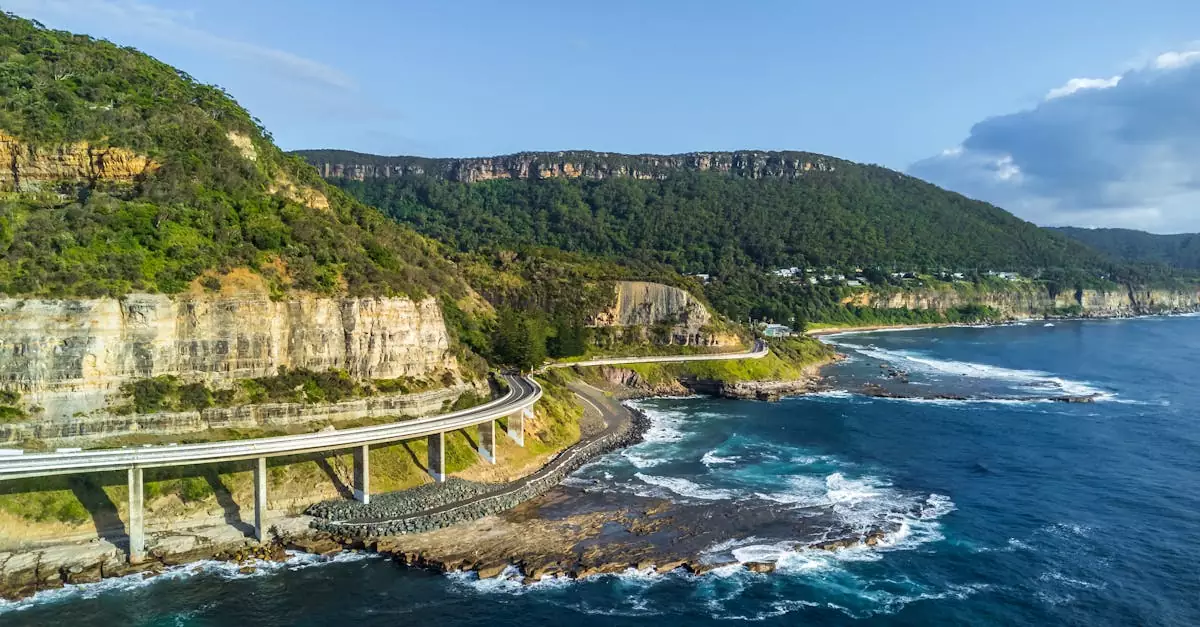
Embarking on one of the best Australia road trips requires careful planning, especially given the vast distances and diverse landscapes. Understanding the nuances of travel in this large country will ensure a smoother, more enjoyable adventure. Consider these key planning elements to make the most of your journey across the continent.
Best Time to Embark on Your Australian Road Trip Adventure
Australia experiences distinct seasons, and the ideal time for your road trip often depends on your chosen route and desired activities. For popular routes like the Great Ocean Road or the Red Centre, the shoulder seasons of spring (September to November) and autumn (March to May) offer the most pleasant weather, with milder temperatures, lower humidity, and fewer crowds than the peak summer months.
Summer (December to February) can be extremely hot, particularly in the interior and northern regions, making driving uncomfortable and increasing the risk of bushfires. However, it’s a popular time for coastal destinations like Queensland’s beaches. Winter (June to August) is the dry season in the tropical north, offering ideal conditions for exploring Kakadu and the Kimberley. Conversely, southern Australia can be cool and wet during winter, though it’s a great time for whale watching along the coast.
| Region | Best Time to Visit | Notes |
|---|---|---|
| Tropical North | May – October | Dry season, pleasant temperatures |
| Outback (Red Centre) | April – October | Avoid extreme summer heat |
| Southeast Coast | September – May | Generally good, with summer peak popularity |
| Southwest WA | September – May | Mild winters, warm summers |
Choosing the Right Vehicle for Australian Terrain
Selecting the appropriate vehicle is crucial for navigating Australia’s varied terrain. For well-maintained highways and coastal drives, a standard two-wheel-drive sedan or SUV is usually sufficient. However, if your itinerary includes unsealed roads, national parks, or remote tracks, a four-wheel-drive (4WD) vehicle is highly recommended.
Consider the amount of luggage you’ll be carrying. Many travelers opt for SUVs or larger vehicles that offer more space and comfort for long drives. Campervans or motorhomes are also popular choices, providing accommodation and transport in one unit, though they can be more challenging to maneuver on narrow or unpaved roads. Always check the rental agreement for restrictions on where you can take the vehicle, especially on unsealed roads.
Navigating Remote Areas: Fuel, Supplies, and Safety
Australia’s sheer size means that remote areas can be sparsely populated, with long distances between towns and services. Proper preparation is essential for safety and convenience. Always ensure your fuel tank is full before heading into remote regions, as service stations can be hundreds of kilometers apart. Carry extra water, food, and basic first-aid supplies, even for shorter day trips.
It’s wise to inform someone of your travel plans, including your intended route and expected arrival times, especially when venturing into the Outback or off the beaten path. Mobile phone reception can be unreliable in remote areas, so consider a satellite phone or personal locator beacon (PLB) for emergencies. Familiarize yourself with local driving conditions, such as the risk of wildlife on roads (especially at dawn and dusk) and the potential for unsealed or corrugated surfaces. Respecting the environment and adhering to local signage is vital for a safe and responsible journey across Australia.
Hidden Gems and Lesser-Known Routes for Your Next Road Trip
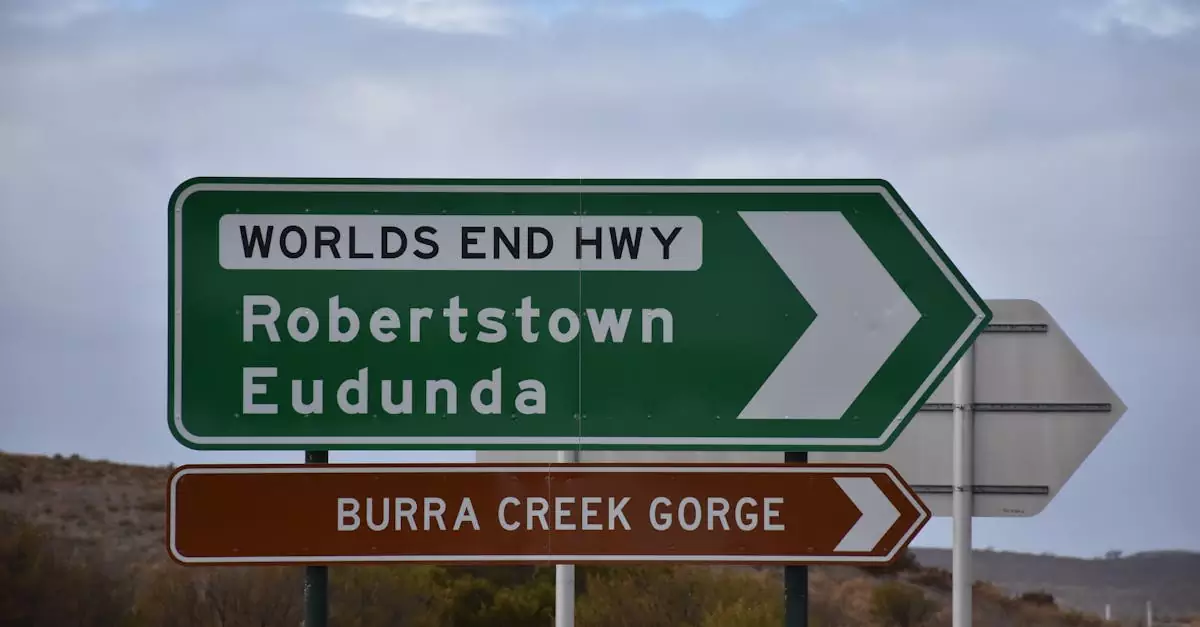
While iconic routes like the Great Ocean Road and the Pacific Coast drive draw crowds, Australia’s vastness hides a treasure trove of less-traveled paths. These routes offer a more intimate encounter with the continent’s diverse landscapes and unique cultures, often with fewer fellow travelers. For those seeking an authentic adventure off the beaten track, these hidden gems provide unforgettable road trip experiences.
Tasmania’s Wild West Coast: Dramatic Landscapes and Quiet Roads
Tasmania’s West Coast is a rugged, untamed region that rewards adventurous drivers with raw beauty and a profound sense of solitude. This land of ancient rainforests, dramatic coastlines pounded by the Southern Ocean, and a rich mining history often features unsealed roads, requiring a suitable vehicle and a cautious approach, but the payoff is immense.
Driving the West Coast is about embracing the elements. Expect unpredictable weather, from sunshine to driving rain, often within the same day. Essential stops include Strahan, a historic port town offering boat cruises on Macquarie Harbour and tours of the famous Henty Dunes. Further north, the Tarkine region presents opportunities for bushwalking through some of the world’s last temperate rainforests.
Logistics and Timing: The best time to visit is during the warmer months, from November to April, when daylight hours are longer and conditions are generally more stable. However, even in summer, be prepared for cooler temperatures and wind. A 4WD vehicle is highly recommended for navigating the unsealed sections of the Lyell Highway and local tracks. Accommodation options are limited, ranging from basic campgrounds to charming guesthouses in towns like Zeehan and Rosebery, so booking ahead is advisable, especially during peak season.
The Eyre Peninsula: South Australia’s Seafood Frontier
South Australia’s Eyre Peninsula is a coastal paradise for food lovers and nature enthusiasts, offering a stunning alternative to more crowded beach destinations. This vast peninsula boasts pristine beaches, rugged cliffs, and an abundance of fresh seafood, making it a culinary and scenic delight. The driving is generally easy, with well-maintained roads connecting charming coastal towns.
The peninsula is renowned for its world-class seafood, particularly oysters from Coffin Bay and tuna from Port Lincoln. Visitors can indulge in fresh catches straight from the source, with many restaurants and local producers offering tasting experiences. Beyond the culinary attractions, the region offers incredible natural beauty. Coffin Bay National Park is a highlight, with its sheltered bays and diverse wildlife, while Lincoln National Park provides dramatic coastal vistas and opportunities for hiking and birdwatching. For the truly adventurous, swimming with great white sharks at Neptune Islands is an unforgettable, albeit thrilling, experience.
Traveler Insights: The Eyre Peninsula is best explored between September and May, avoiding the harshest winter conditions. While it’s possible to visit with a standard car, a 4WD will allow access to more secluded beaches and national park tracks. Port Lincoln is the main hub, offering a range of accommodations from motels to holiday rentals. Smaller towns like Coffin Bay and Tumby Bay provide a more intimate experience. Consider a self-drive itinerary that allows flexibility to stop at various fishing villages and scenic lookouts.
The Gibb River Road: Kimberley’s Untamed Wilderness
For an authentic outback adventure, the Gibb River Road in Western Australia’s Kimberley region is unparalleled. This 660-kilometer unsealed track tests a traveler’s resilience and spirit, leading through vast cattle stations, dramatic gorges, and ancient Aboriginal rock art sites. It’s a journey into the heart of the Australian wilderness, requiring careful planning and a robust vehicle.
The road is typically only accessible during the dry season, from May to October, when heavy tropical rains have subsided. During this period, the landscape transforms, revealing hidden waterholes perfect for a refreshing dip and ancient rock formations that tell stories spanning millennia. Key attractions include the stunning El Questro Wilderness Park, Windjana Gorge National Park with its freshwater crocodiles, and the towering Cockburn Ranges. The isolation and sheer scale of the Kimberley are profoundly humbling.
Essential Preparations: A 4WD vehicle is essential for the Gibb River Road. Ensure it is in excellent condition, with spare tires, adequate fuel, and ample water. Accommodation is sparse and often rustic, consisting of campgrounds and basic homestead stays on cattle stations. Booking is essential, especially for popular spots like El Questro. Self-sufficiency is key, as fuel and supplies are limited. The best time to tackle this challenging but rewarding route is during the dry season, from May to October. This journey is for experienced outback travelers who are prepared for remote conditions.
Frequently Asked Questions About Australia’s Best Road Trips
What is the average cost of an Australian road trip?
The cost of an Australian road trip varies significantly based on duration, accommodation choices, and activity levels. A budget-conscious traveler might spend AUD $100-$150 per person per day, covering basic accommodation, self-catering, and fuel. Mid-range trips can range from AUD $150-$300 per person daily, allowing for comfortable motels, restaurant meals, and paid attractions. Luxury road trips can easily exceed AUD $300 per person per day.
Key cost factors include:
- Vehicle Rental: Prices depend on vehicle size, rental duration, and insurance.
- Fuel: Australia is vast, and fuel costs are a major consideration.
- Accommodation: Camping is cheapest, followed by hostels, motels, and hotels.
- Food: Self-catering is economical; dining out adds up quickly.
- Activities: National park fees, tours, and attractions contribute to the overall budget.
How long should I plan for a Great Ocean Road trip?
A Great Ocean Road trip can be experienced in various ways, but a minimum of two days is recommended to truly appreciate the scenery and key stops. This allows for a relaxed pace, with an overnight stay in a coastal town like Lorne or Apollo Bay.
- 1 Day: A very rushed itinerary, focusing only on the most iconic viewpoints like the Twelve Apostles and Loch Ard Gorge. This involves significant driving and limited time at each location.
- 2 Days: A more balanced approach, allowing time for short walks, exploring charming towns, and enjoying at least one sunset or sunrise over the coast.
- 3+ Days: Ideal for a comprehensive experience, including detours to the Otways rainforest, visiting more secluded beaches, and enjoying the local culinary scene.
Planning for at least two days ensures a more memorable journey along this celebrated stretch of coastline.
Are there any specific driving permits needed for Australian national parks?
Generally, specific driving permits are not required for most Australian national parks unless you plan to undertake highly specialized off-road driving in designated areas. However, most visitors will need to pay an entry fee per vehicle, which often covers access for a set period (e.g., 24 hours or a week).
- National Park Entry Fees: These are common and vary by park and state. Many parks offer annual passes if you plan to visit multiple locations within a year.
- 4WD Permits: For specific 4WD tracks or remote areas, permits might be necessary and are usually obtained from the park’s managing authority. Always check the Parks Australia website or the relevant state park service for the most up-to-date information before your trip.
- Road Conditions: Be aware of road conditions, especially in remote areas. Some tracks may be unsealed or require a 4WD vehicle, even without a specific permit.