Australia is a continent brimming with unique creatures, offering unparalleled opportunities to witness wildlife found nowhere else on Earth. From the vast outback to lush rainforests and vibrant coral reefs, discovering the best wildlife destinations in Australia allows for incredible encounters with nature. This guide will help you plan your adventure, revealing prime locations to see everything from iconic kangaroos and sleepy koalas to powerful crocodiles and magnificent marine life.
You’ll learn where to find these animals, the optimal times for sightings, and essential tips for responsible and rewarding viewing experiences. Prepare to explore the diverse landscapes that are home to Australia’s most famous inhabitants and discover how to make the most of your journey into the wild.
Encounter Iconic Australian Wildlife in Their Natural Habitats
Australia is teeming with unique wildlife, providing exceptional opportunities to see creatures found nowhere else on Earth. From the vast outback to lush rainforests and coastal waters, the best wildlife destinations in Australia offer a chance to connect with nature in its most spectacular forms. Planning a trip focused on animal encounters requires understanding where and when to find these incredible species.
Where to See Kangaroos and Wallabies in the Wild
Kangaroos and their smaller relatives, wallabies, are among the most recognizable symbols of Australian fauna. While these marsupials are widespread, certain locations offer exceptional viewing experiences. For a high probability of sightings, consider areas with open woodlands or grasslands near protected reserves.
Kangaroo Island in South Australia is a prime destination. Its name says it all, as you’ll find both kangaroos and wallabies grazing freely across the island, often close to walking trails and accommodations. Another excellent spot is Pebbly Beach on the New South Wales coast, where kangaroos are known to wander right onto the sand. For a more rugged outback experience, the Red Centre, particularly around Alice Springs Desert Park, provides opportunities to see kangaroos in a semi-wild setting.
When seeking these animals, early morning and late afternoon are generally the best times for activity, as they tend to rest during the heat of the day. Always maintain a respectful distance and avoid feeding them, as this can disrupt their natural behaviors and diets.
Spotting Koalas: Best Locations for These Adorable Marsupials
Koalas, with their gentle demeanor and distinctive appearance, are a major draw for visitors. These arboreal marsupials spend most of their lives in eucalyptus trees, making spotting them a challenge that rewards patience and knowledge of their preferred habitats. Their diet consists almost exclusively of eucalyptus leaves, which are not very nutritious, leading to their famously sleepy nature.
The Great Otway National Park in Victoria is one of the most reliable places to see koalas in the wild. Drive along the scenic coastal roads and keep an eye on the treetops, especially in areas with mature eucalyptus groves. Another key region is the hinterland of Queensland, particularly around Noosa National Park on the Sunshine Coast. Here, guided walks can significantly increase your chances of a sighting. Further north, the forests around Port Macquarie in New South Wales have thriving koala populations due to successful conservation efforts.
Remember that koalas are wild animals. While they may appear docile, it’s crucial to observe them from a distance and never attempt to touch or handle them, as this can cause them stress and is illegal.
Dingo Encounters: Exploring the Australian Dingo’s Domain
The dingo is Australia’s largest terrestrial predator and holds a significant place in the country’s ecology and Indigenous culture. Unlike kangaroos or koalas, dingo encounters are less common and require visiting specific environments where they are known to roam. Fraser Island (K’gari) off the coast of Queensland is world-renowned for its population of pure dingoes.
On Fraser Island, dingoes can be seen on the beaches, in the scrubland, and even near camping areas. It is imperative to follow strict safety guidelines when in dingo territory. Maintain a safe distance, never feed the dingoes, and always supervise children closely. Rangers provide regular updates and safety briefings for visitors.
While dingoes are also found in mainland national parks, such as Kosciuszko National Park, sightings are rarer. The dingoes in these areas are often more wary of humans. Visiting Fraser Island offers the most consistent opportunity to observe these fascinating canids in a relatively natural setting, though always with the understanding that they are wild animals requiring careful respect.
Marine Marvels: Diving and Snorkeling with Australian Sea Life
Australia’s coastline is a vibrant tapestry of marine life, offering some of the world’s most spectacular underwater encounters. From the iconic Great Barrier Reef to the remote shores of Western Australia, opportunities abound for seeing incredible ocean creatures in their natural habitat. Planning your visit to these aquatic wonders requires considering the best times for visibility, marine activity, and avoiding peak crowds.
Great Barrier Reef: Unrivaled Coral and Fish Diversity
Stretching over 2,300 kilometers, the Great Barrier Reef is a UNESCO World Heritage site and the largest living structure on Earth. Its sheer scale means diverse experiences, from easily accessible pontoons off Cairns and Port Douglas to more remote outer reefs accessible by liveaboard diving trips. Expect to see an astonishing array of hard and soft corals, thousands of fish species including clownfish, parrotfish, and angelfish, as well as larger visitors like sea turtles, reef sharks, and occasional dolphins.
Best Time to Visit: The dry season, from June to October, offers the clearest water, calm seas, and lower humidity. While it’s peak season, the conditions are optimal for underwater viewing. Outside of this, consider the shoulder months of May and November for fewer crowds.
Getting There: Most visitors fly into Cairns (CNS) or Proserpine (near the Whitsundays). From there, numerous operators offer day trips, liveaboard diving expeditions, and scenic flights.
Budget Considerations: Day trips can range from AUD $200 to $400 per person. Liveaboard trips are more expensive, starting around AUD $800 for a few days, but offer more extensive diving opportunities.
Ningaloo Reef: Swimming with Whale Sharks and Manta Rays
Located off the coast of Western Australia, Ningaloo Reef is a fringing reef that comes remarkably close to the shore, making it incredibly accessible. It’s renowned for its seasonal congregations of whale sharks, manta rays, and humpback whales. Unlike the Great Barrier Reef, Ningaloo is not a single continuous structure but a series of reefs, offering a more intimate and less crowded experience.
Key Wildlife Encounters:
- Whale Sharks: Migrating through the region from March to August, these gentle giants are a major draw. Guided swims offer a chance to snorkel alongside them.
- Manta Rays: Present year-round, with peak sightings from May to November, manta rays can be seen feeding and gliding through the water.
- Humpback Whales: From July to October, these magnificent mammals migrate along the coast, with opportunities for whale watching tours and even in-water encounters.
Getting There: The closest airports are Learmonth (near Exmouth) and Coral Bay. Driving from Perth is also an option, though it’s a long journey (around 12 hours).
Logistics: Many tours depart from Exmouth and Coral Bay. Accommodation ranges from campgrounds and caravan parks to resorts. Booking whale shark and manta ray tours in advance is highly recommended, especially during peak season.
Kangaroo Island’s Coastal Wildlife: Seals, Sea Lions, and Penguins
While not a reef destination, Kangaroo Island in South Australia provides incredible coastal wildlife viewing on land and in shallow waters. It’s a sanctuary for Australian sea lions, New Zealand fur seals, and little penguins. Its rugged coastline and protected bays offer unique opportunities to observe these animals without extensive diving or snorkeling gear.
Must-See Spots:
- Seal Bay Conservation Park: Home to a large colony of Australian sea lions. Guided walks allow visitors to get close to these fascinating creatures.
- Little Naturaliste Bay: A breeding ground for New Zealand fur seals.
- Emu Bay: Often visited by little penguins returning to shore at dusk.
Getting There: Fly into Kingscote Airport (KGC) on Kangaroo Island, or take a ferry from Cape Jervis on the mainland. Having a car is essential for getting around the island.
Traveler Tip: Respect the wildlife and maintain a safe distance. Follow all guidelines provided by park rangers and tour operators to ensure both your safety and the animals’ well-being. The island’s remote nature means it’s wise to book accommodations and any specific tours well in advance, especially during school holidays.
Northern Territories: Reptiles and Remote Wilderness Adventures
The Northern Territory of Australia offers a raw, untamed landscape teeming with iconic wildlife. This region is a prime choice for those seeking encounters with reptiles, birds, and a sense of true wilderness. Planning your visit here involves considering the distinct wet and dry seasons, which significantly impact accessibility and wildlife viewing opportunities.
Kakadu National Park: Crocodiles and Birdlife Hotspots
Kakadu National Park, a UNESCO World Heritage site, is arguably the territory’s most celebrated wildlife destination. It’s a vast area where ancient Indigenous rock art sites meet dramatic escarpments and wetlands. The park is most famous for its abundant crocodile population, both freshwater and saltwater, which can be observed from safe viewing platforms or on guided boat tours. Yellow Water Billabong is particularly excellent for spotting these prehistoric reptiles, alongside an astonishing diversity of birdlife.
During the dry season (May to October), water levels recede, concentrating wildlife around permanent water sources and making road access easier. The wet season (November to April) brings torrential rain, transforming the landscape into a lush, flooded paradise, but also restricting access to many areas. Boat tours on the Yellow Water are still operational and offer a unique perspective on the wetlands, though some walking tracks may be closed.
Getting to Kakadu: The park is about a three-hour drive from Darwin. Self-driving offers the most flexibility, but organized tours are widely available from Darwin and provide guided insights into the park’s natural and cultural significance.
Accommodation: Options range from campgrounds and caravan parks to lodges and resorts. Booking in advance is highly recommended, especially during peak dry season.
Litchfield National Park: Unique Rock Formations and Wildlife
Just a short drive south of Darwin, Litchfield National Park offers a more accessible yet equally rewarding wildlife experience. While it may not have the sheer scale of Kakadu, Litchfield boasts stunning waterfalls, crystal-clear swimming holes, and magnetic termite mounds that can reach several meters in height. The park’s diverse habitats support a variety of wildlife, including wallabies, possums, and an impressive array of birds.
Unlike Kakadu, Litchfield is generally accessible year-round, though waterfalls can be less spectacular during the peak dry season. The park is renowned for its easy-to-navigate walking trails and numerous picnic spots, making it a popular day trip or weekend escape. Keep an eye out for Agile Wallabies grazing in the early mornings and late afternoons, and listen for the calls of various honeyeaters and kookaburras.
Day Trip vs. Overnight: Litchfield is feasible as a day trip from Darwin, but staying overnight allows for a more relaxed pace and the chance to experience the park after day-trippers have left. Camping facilities and a small cabin park are available within the park.
Arnhem Land: Indigenous Culture and Untamed Nature
For a truly off-the-beaten-path adventure, Arnhem Land offers an unparalleled opportunity to connect with ancient Indigenous culture and pristine wilderness. This vast region, home to the Yolngu people, is largely protected and requires special permits for entry. Wildlife viewing here is about immersion in an unspoiled environment, where you might spot dingoes, echidnas, and a rich variety of bird species in their natural habitat.
Arnhem Land’s rugged coastline and interior are characterized by dramatic sandstone escarpments, ancient woodlands, and crystal-clear rivers. Guided tours are essential for navigating this remote area, respecting cultural protocols, and accessing the best wildlife viewing locations. Many tours focus on cultural immersion alongside opportunities to see local fauna.
Permits and Tours: Access to Arnhem Land is strictly controlled. Visitors must obtain permits, and it is strongly recommended to book through a licensed tour operator who can manage logistics, cultural etiquette, and ensure a safe and enriching experience. These tours often depart from Darwin or Nhulunbuy.
Best Time to Visit: The dry season (May to October) is generally preferred for easier travel and more predictable weather. However, the wet season can offer dramatic landscapes and unique birdwatching opportunities for the more adventurous.
Tasmania’s Unique Endemic Wildlife Experiences
Tasmania, Australia’s island state, offers a distinct opportunity to encounter wildlife found nowhere else on Earth. Its isolation has fostered a unique evolutionary path, resulting in an array of fascinating endemic species. For travelers seeking genuine encounters with unique fauna, Tasmania stands out as one of Australia’s best wildlife destinations. The cooler climate and rugged landscapes provide ideal habitats for creatures both large and small, making a trip here a highlight for any nature enthusiast.
Freycinet National Park: Wallabies and Wombats by Wineglass Bay
Freycinet National Park, famous for the iconic Wineglass Bay, is also a prime location for spotting terrestrial wildlife. While the granite peaks and turquoise waters draw many visitors, stepping away from the main viewpoints reveals a thriving ecosystem. Keep an eye out for the agile Bennett’s wallabies, often seen grazing in clearings during dawn and dusk. You might also encounter the robust wombat, a burrowing marsupial known for its distinctive cube-shaped droppings.
The best times to see these animals are early morning and late afternoon when they are most active. Walking trails wind through diverse habitats, from coastal heath to dry eucalyptus forests, increasing your chances of sightings. Remember to maintain a safe distance and never feed the wildlife. Comfortable walking shoes are essential for navigating the park’s varied terrain.
Cradle Mountain-Lake St Clair National Park: Tasmanian Devils and Quolls
Cradle Mountain-Lake St Clair National Park is perhaps most famous for its association with the elusive Tasmanian devil. While sightings are not guaranteed due to their nocturnal nature and shy disposition, the park is actively involved in conservation efforts. Visitors can learn about these iconic marsupials at the visitor centre or through guided night walks, which offer a chance to spot them in their natural habitat.
Beyond the devil, the park is home to the eastern quoll, another endangered marsupial carnivore. During dusk, you may also see pademelons, a small type of wallaby, and various bird species. The park’s rugged beauty, with glacial lakes and ancient rainforests, provides a dramatic backdrop for wildlife viewing. Planning your visit during the shoulder seasons, like spring or autumn, often provides milder weather and fewer crowds, enhancing the overall experience.
Bruny Island’s Diverse Fauna and Coastal Birdlife
A short ferry ride from Hobart, Bruny Island presents a concentrated dose of Tasmania’s natural wonders. This island paradise boasts a remarkable diversity of fauna, from larger mammals to an impressive array of birdlife. On land, you can expect to see wallabies, echidnas, and possums. The island’s coastal roads and walking tracks are also excellent places to spot a variety of seabirds and waders.
Bruny Island is particularly renowned for its birdwatching opportunities. Look for the shy forty-spotted pardalote, a rare endemic species, and various albatrosses and petrels offshore. The neck of the island, a narrow strip of land connecting the north and south, serves as a crucial wildlife corridor. Driving slowly and scanning the roadside, especially around dawn and dusk, will yield the best results. Accommodation options range from campgrounds to self-contained cottages, making it an accessible destination for a few days of immersive wildlife observation.
Planning Your Australian Wildlife Adventure: Best Time to Visit and Travel Tips
Australia’s vast size and diverse climates mean that the “best” time to visit for wildlife encounters depends heavily on which animals you hope to see and where you plan to travel. Understanding seasonal patterns and local conditions will significantly enhance your experience. Planning ahead for transportation and packing will ensure a smoother and more rewarding journey through the country’s incredible natural landscapes.
Seasonal Wildlife Viewing: When to Spot Specific Animals
The timing of your trip can dramatically impact your wildlife sightings. The cooler months from May to October are generally considered the best time for spotting whales along the coast, particularly the humpback whale migration. This period also offers pleasant weather for exploring many inland national parks, making it ideal for seeing kangaroos, wallabies, and koalas in regions like the Blue Mountains or Kangaroo Island.
Conversely, the warmer, wetter months from November to April are prime time for observing reptiles and amphibians. This season is also when many bird species are breeding, leading to vibrant displays and active behavior. However, this is also the wet season in the Top End (Northern Territory and Northern Queensland), which can bring heavy rains, humidity, and increased mosquito activity, potentially affecting accessibility to some areas. For croc spotting in the Northern Territory, the dry season (May to October) is often preferred for easier access to waterways.
Consider these general guidelines:
- Whales: May to November (east coast), June to October (west coast)
- Kangaroos & Wallabies: Year-round, but more active in cooler months
- Koalas: Year-round, but can be more visible during breeding seasons
- Crocodiles: Year-round, but dry season (May-October) offers better access in the Top End
- Marine Life (Great Barrier Reef): Year-round, but visibility can be best in the dry season (June-October)
Getting Around Australia’s Wildlife Hotspots: Flights, Drives, and Tours
Navigating Australia to reach its best wildlife destinations requires strategic planning. Given the immense distances, flying is often the most efficient way to cover ground between major cities and remote regions. Domestic airlines offer regular services connecting capital cities and many regional centers.
Once in a region, renting a car provides the most flexibility for independent exploration, especially for accessing national parks and less developed areas. However, be aware that some remote tracks may require a 4WD vehicle. For those who prefer not to drive, organized tours are an excellent option. Many specialized wildlife tours cater to specific interests, from birdwatching to marine encounters, and often include transportation, accommodation, and expert guides.
Here’s a look at common transport methods:
| Transportation Method | Pros | Cons | Best For |
|---|---|---|---|
| Domestic Flights | Fastest way to cover long distances | Can be expensive; requires additional transfers | Connecting distant states or territories |
| Rental Car | Flexibility, independence, access to remote areas | Driving on the left, long distances, fuel costs | Road trips, exploring national parks, self-guided adventures |
| Campervan/RV | Accommodation and transport in one; freedom | Slower speeds, parking challenges, campsite fees | Extended stays, budget-conscious travelers, remote camping |
| Organized Tours | Expert guides, hassle-free logistics, safety | Less flexibility, fixed itineraries, group travel | First-time visitors, specific wildlife focus, those seeking convenience |
| Public Transport | Budget-friendly in cities | Limited reach to wildlife areas, infrequent services | Getting around major urban centers before heading to wildlife regions |
When planning your journey, consider booking flights and rental cars in advance, especially during peak travel seasons, to secure better prices and availability.
Packing Essentials for Australian Wildlife Photography and Safaris
Packing appropriately is crucial for a comfortable and successful wildlife viewing experience in Australia. The climate can vary significantly, so layering is key. Lightweight, breathable clothing in neutral colors (khaki, green, brown) is recommended to blend in with the environment and avoid startling animals.
Essential items include:
- Sun Protection: A wide-brimmed hat, high SPF sunscreen, and sunglasses are essential due to Australia’s strong sun.
- Insect Repellent: Especially important in tropical and coastal areas during warmer months. Look for products containing DEET or picaridin.
- Comfortable Footwear: Sturdy walking shoes or hiking boots are crucial for exploring trails and national parks.
- Rain Gear: A lightweight, waterproof jacket is advisable, even in the dry season, as sudden showers can occur.
- Binoculars: A good pair of binoculars will enhance your ability to spot distant wildlife.
- Camera Gear: If you’re keen on wildlife photography, bring your camera, extra batteries, memory cards, and a zoom lens. A tripod can be helpful for stability.
- Reusable Water Bottle: Staying hydrated is vital, and carrying your own bottle helps reduce plastic waste.
- First-Aid Kit: A basic kit with bandages, antiseptic wipes, pain relievers, and personal medications is always wise.
Remember to check the specific weather forecast for the regions you’ll be visiting closer to your departure date. For more general travel advice for Australia, consult official tourism resources.
Frequently Asked Questions About Australia’s Best Wildlife Destinations
What are the safest ways to observe Australian wildlife?
Observing Australian wildlife safely involves maintaining a respectful distance and never feeding animals. Many creatures, like kangaroos and wallabies, are accustomed to humans in national parks and reserves, but they are still wild. Always follow park signage and guidelines. For marine life, such as dolphins or whales, consider reputable tour operators who prioritize animal welfare and safety.
When encountering potentially dangerous animals like snakes or crocodiles, strict adherence to safety protocols is crucial. This means staying on designated paths, not approaching wildlife, and never attempting to touch or handle them. For those interested in seeing crocodiles, guided tours in controlled environments like wildlife parks offer a safe viewing experience.
Can I see all of Australia’s iconic animals in one trip?
While Australia boasts an incredible diversity of wildlife, seeing all its iconic animals in a single trip is challenging due to the continent’s vast size and varied habitats. Iconic species like kangaroos and koalas are found in many parts of the mainland and Tasmania. However, specific animals have more limited ranges. For instance, seeing the platypus often requires visiting specific waterways in Queensland, New South Wales, or Victoria.
Similarly, unique marine life like the Great Barrier Reef’s diverse fish and coral species is concentrated in Queensland. Crocodiles are primarily found in the tropical northern regions of Queensland, the Northern Territory, and Western Australia. Planning a trip to cover these distinct ecosystems would necessitate significant travel time and logistical planning across different regions of Australia.
What are some budget-friendly wildlife viewing options in Australia?
Many of Australia’s best wildlife viewing experiences can be enjoyed without a significant cost. National parks and nature reserves often have low entry fees or are free to access, providing excellent opportunities to see native animals in their natural habitats. For example, observing kangaroos grazing at dawn or dusk in areas like the Grampians National Park in Victoria or Pebbly Beach in New South Wales costs nothing beyond park entry.
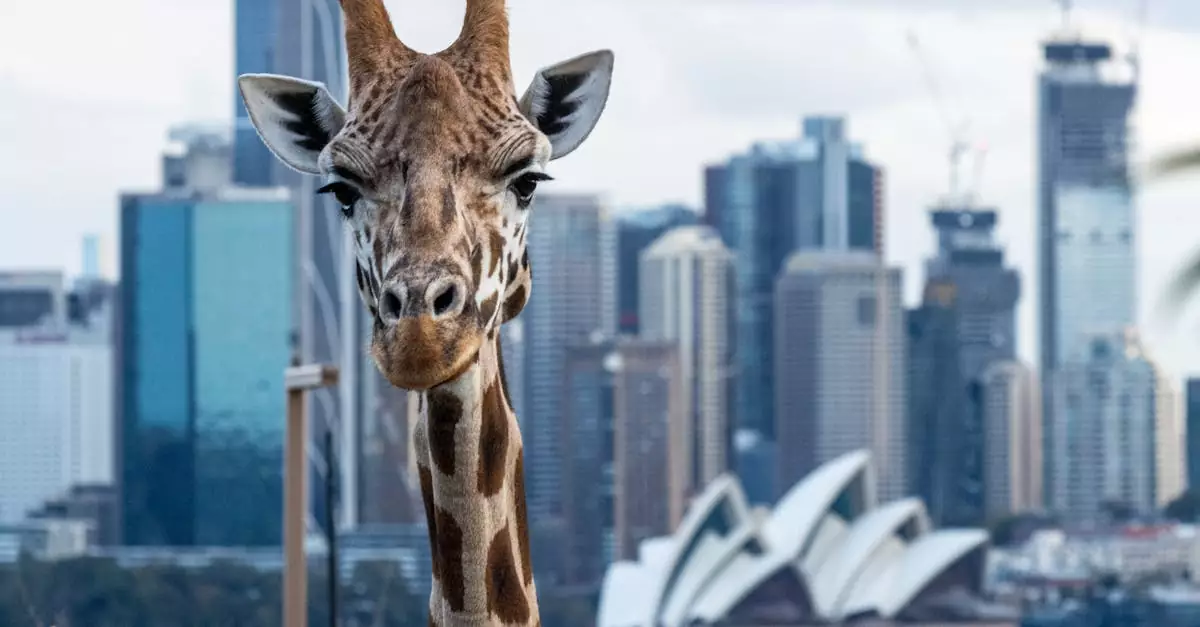
Coastal areas are also fantastic for budget wildlife spotting. Look for opportunities to see dolphins, seals, and various seabirds from shorelines or public jetties. Many local councils and tourism bodies offer free walking trails or information about where to spot wildlife. Even in cities like Sydney, you can find koalas and kangaroos at reserves like Taronga Zoo without venturing far.