
Australia’s coastline features an incredible array of sun-soaked beaches, dramatic cliffs, and vibrant marine life, complemented by charming towns that embody the spirit of coastal living. From the relaxed surf culture of the east coast to the rugged beauty of the west, finding your ideal seaside escape can be an enjoyable adventure. This guide highlights some of the best Australian coastal towns, showcasing their unique offerings. You’ll encounter a variety of destinations, ranging from bustling hubs with world-class dining and activities to tranquil villages perfect for a peaceful retreat. Whether you’re after adventure, relaxation, or a taste of local culture, prepare to be captivated by the diverse beauty and welcoming atmosphere of Australia’s favorite coastal spots.
Top 5 Must-Visit Australian Coastal Towns for Every Traveler
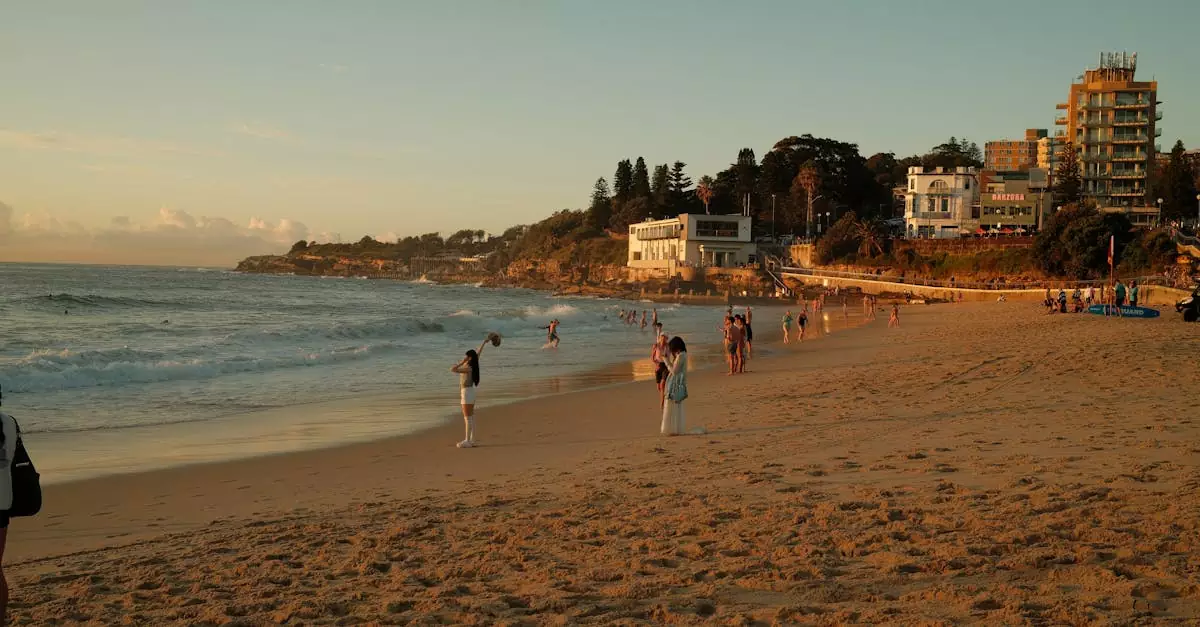
Australia’s coastline is a diverse tapestry of golden beaches, rugged cliffs, and turquoise waters. While choosing a destination can be daunting, certain towns shine with their distinctive charm, natural beauty, and vibrant atmosphere. Whether you’re a surfer, foodie, history enthusiast, or nature lover, a coastal gem awaits you. Here are five of the best Australian coastal towns that promise unforgettable experiences.
Byron Bay: The Bohemian Surf Haven
Byron Bay, situated on the northern coast of New South Wales, embodies a laid-back, bohemian lifestyle, world-class surf breaks, and stunning natural scenery. This popular destination draws a diverse crowd, from seasoned surfers to wellness seekers. The iconic Cape Byron Lighthouse, Australia’s easternmost point, offers panoramic views and a chance to spot migrating whales during the winter months.
Getting There: Byron Bay is approximately a 1.5-hour drive from Gold Coast Airport (OOL) or a 2-hour drive from Brisbane Airport (BNE). Ballina Byron Gateway Airport (BNK) is about a 30-minute drive away.
Best Time to Visit: Spring (September-November) and autumn (March-May) feature pleasant weather and fewer crowds. Summer (December-February) is warm and busy, while winter (June-August) is cooler but ideal for whale watching.
Activities: Take surfing lessons at Main Beach, explore local boutiques and cafes, hike to the lighthouse, and enjoy live music at local venues. Don’t miss the weekly farmer’s market for fresh local produce.
Noosa Heads: Sunshine Coast Luxury and Nature
Noosa Heads, located on Queensland’s Sunshine Coast, perfectly blends upscale relaxation with breathtaking natural beauty. Known for its pristine beaches, sophisticated dining, and the protected Noosa National Park, it caters to discerning travelers. The Noosa River offers calm waters for kayaking and paddleboarding, while the national park features scenic walking trails leading to secluded coves like Hell’s Gate.
Getting There: Sunshine Coast Airport (MCY) is about a 30-minute drive away, while Brisbane Airport (BNE) is a 1.5 to 2-hour drive south.
Accommodation: Choices range from luxury resorts and apartments along Hastings Street to budget-friendly motels and holiday rentals in nearby suburbs.
Local Culture: Noosa emphasizes outdoor living and healthy lifestyles, evident in its vibrant farmers’ markets and numerous yoga and wellness retreats.
Margaret River Region: Wine, Waves, and Wilderness
The Margaret River Region in Western Australia is a paradise for those who appreciate fine wine, exceptional surf, and dramatic coastal landscapes. Stretching south of Perth, this area is home to over 100 wineries, world-renowned surf breaks like Surfers Point, and ancient forests. Beyond the vineyards and waves, explore sea caves, towering karri trees, and abundant wildlife.
Traveler Tip: Renting a car is crucial for exploring the vastness of the Margaret River Region, allowing you to easily hop between wineries, beaches, and charming towns like Margaret River and Dunsborough.
Budget Considerations: While the region is known for its premium wines and dining, a variety of experiences are available. Accommodation can be pricey, especially during peak season, but affordable options exist in towns and caravan parks.
Key Attractions: Wine tasting at renowned estates, surfing at Main Break, exploring Mammoth Cave or Lake Cave, and walking through the Boranup Karri Forest.
Fremantle: Historic Port City Charm Near Perth
Fremantle, just south of Perth in Western Australia, exudes historical charm as a vibrant port city. Its well-preserved Victorian architecture, bustling markets, and lively arts scene make it a captivating destination. The Fremantle Markets are a must-visit for local crafts, street food, and fresh produce, while the Fremantle Prison, a UNESCO World Heritage site, provides a fascinating glimpse into the region’s past.
Proximity to Perth: Fremantle is easily accessible from Perth via a short train ride, making it a popular day trip or a worthwhile base for broader exploration.
Dining Scene: The city is renowned for its excellent seafood, with numerous restaurants and pubs serving fresh catches. Consider trying fish and chips by the harbor.
Atmosphere: Fremantle has a relaxed, slightly gritty, artistic vibe, distinct from the more polished feel of nearby Perth.
Port Douglas: Gateway to the Great Barrier Reef
Port Douglas, a tropical paradise in Far North Queensland, serves as the primary gateway to the stunning Great Barrier Reef and the ancient Daintree Rainforest. This elegant coastal town combines sophistication with a relaxed atmosphere, featuring a palm-fringed main street, Four Mile Beach, and a bustling marina filled with reef tour operators. It’s an ideal base for diving, snorkeling, and immersing yourself in one of the world’s most incredible natural wonders.
Logistics: Cairns Airport (CNS) is the closest major airport, about a 1-hour drive south of Port Douglas. Shuttle services and rental cars are readily available.
Reef & Rainforest Tours: Numerous operators depart daily from the Port Douglas Marina, offering everything from introductory dives to luxury liveaboard trips for the Great Barrier Reef, and guided tours into the Daintree Rainforest.
When to Go: The dry season (May to October) offers the most pleasant weather with lower humidity and less rainfall, making it ideal for outdoor activities.
Beyond the Crowds: Uncovering Hidden Gem Coastal Villages
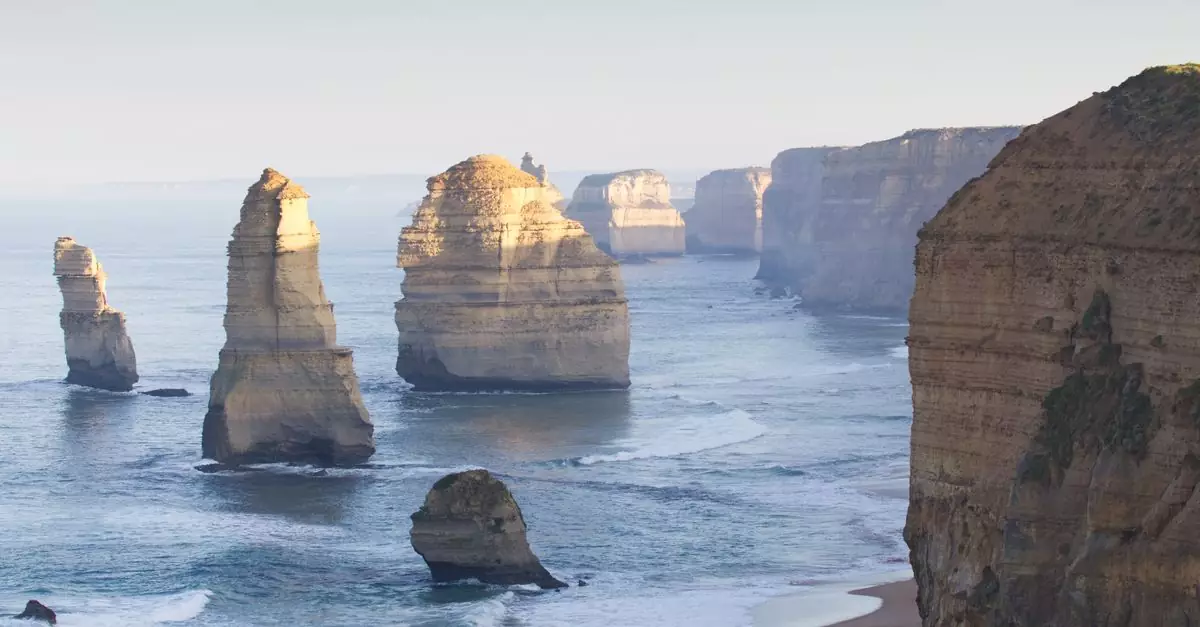
While Australia’s famous coastal hubs attract millions, a quieter charm awaits in its lesser-known seaside villages. These spots provide an intimate connection with the coast, from artistic enclaves to wild, windswept shores. They offer a refreshing alternative for travelers seeking authentic experiences away from the main tourist trails, showcasing the diverse beauty of the Australian coastline.
Seahaven Beach: A Tranquil Escape on the Gold Coast Hinterland
Nestled inland from the bustling Gold Coast, Seahaven Beach offers a serene retreat. While not a traditional beachfront town, it provides a peaceful atmosphere that feels worlds away from the high-rises. Its appeal lies in its proximity to stunning beaches like Burleigh Heads and Currumbin, making it ideal for visitors who prefer a quieter base.
Getting to Seahaven Beach is straightforward, typically involving a short drive from the Gold Coast Airport (OOL). It’s a good option for families or couples looking for a relaxed pace without sacrificing access to regional attractions. Local amenities are limited, so plan to stock up on groceries before arriving. The main draw here is tranquility and the chance to experience a less commercialized side of the Gold Coast.
Cygnet: Tasmania’s Artistic Coastal Hamlet
Crescent Bay, near the village of Cygnet in Tasmania’s Huon Valley, embodies a bohemian coastal spirit. This charming hamlet is a haven for artists, musicians, and food producers, reflected in its vibrant local markets and artisan shops. The surrounding waters of Port Cygnet provide calm, picturesque scenery, perfect for kayaking or simply enjoying the views.
Travelers can reach Cygnet via a scenic drive from Hobart, approximately 50 minutes away. The village is highly walkable, with shops and galleries clustered around the main street. Accommodations range from cozy B&Bs to self-contained cottages. Visiting during the Huon Valley Mid-Winter Festival (July) or the Cygnet Folk Festival (January) provides a chance to experience the town’s lively cultural scene. It’s a destination that rewards slow travel and an appreciation for local crafts and produce.
Point Lonsdale: Victorian Seaside Serenity
Point Lonsdale, located on the Bellarine Peninsula in Victoria, offers a classic seaside experience with a relaxed atmosphere. Its iconic lighthouse stands sentinel over the entrance to Port Phillip Bay, and the town features beautiful beaches and excellent surf breaks. While popular for weekend getaways for Melburnians, it retains a peaceful ambiance during weekdays.
Access to Point Lonsdale is easy via car from Melbourne, taking about 1.5 to 2 hours. The town is compact and easily navigable on foot, with shops and cafes concentrated near the foreshore. Visitors can enjoy swimming, fishing, and exploring local shops. For a taste of the region’s maritime history, a visit to the lighthouse is recommended. Consider visiting in the shoulder seasons (spring and autumn) for pleasant weather and fewer crowds.
Seal Rocks: Wild Beauty and Lighthouse Views
For a truly wild coastal experience, Seal Rocks in New South Wales stands out. This remote village is renowned for its dramatic cliffs, pristine beaches, and the historic Sugarloaf Point Lighthouse. Nature takes center stage here, with opportunities for whale watching (during migration season), surfing, and exploring secluded coves.
Reaching Seal Rocks requires a car, as it’s located off the main highway. The drive from Newcastle is approximately 2 hours. Accommodations consist primarily of holiday houses and a caravan park, emphasizing a self-sufficient, back-to-nature feel. Be prepared for limited mobile reception and fewer dining options. The raw beauty and sense of isolation make Seal Rocks a compelling choice for those seeking an escape into the untamed Australian coast.
When is the Best Time to Explore Australia’s Coastal Towns?
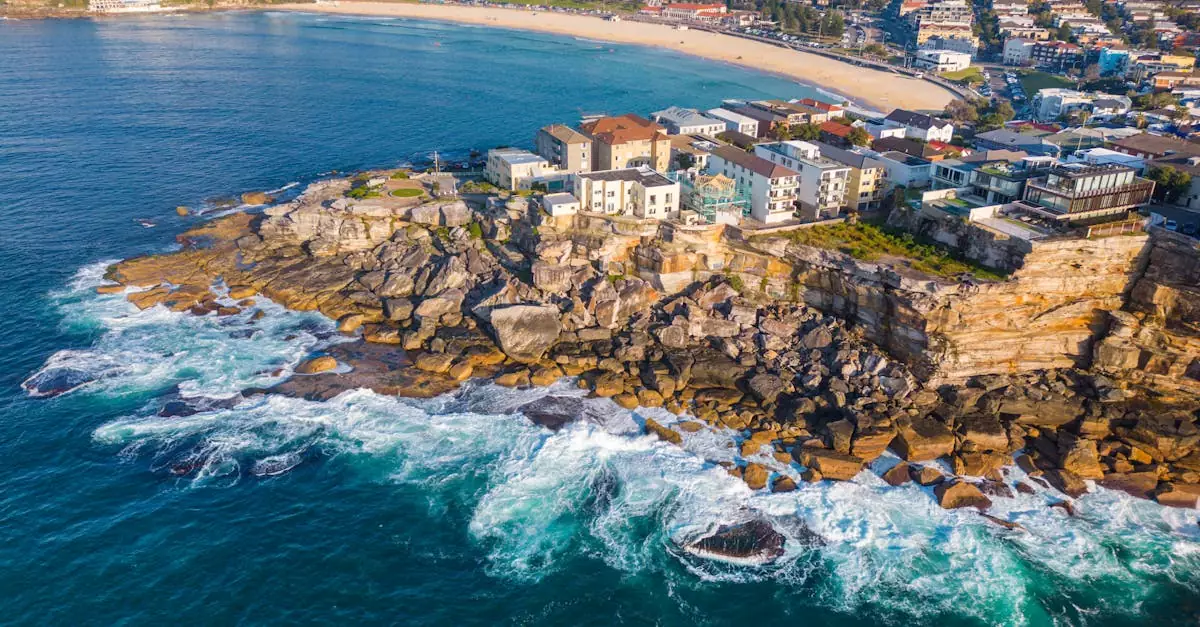
Choosing the right season can significantly enhance your experience when visiting Australia’s best coastal towns. Each period offers a unique atmosphere, from the vibrant energy of summer to the serene beauty of autumn. Consider your priorities, whether it’s swimming, wildlife encounters, or simply enjoying pleasant weather with fewer tourists.
Summer (December-February): Peak Season Beach Bliss
Australia’s summer brings warm temperatures and long, sunny days, making it prime time for beach holidays. Coastal towns come alive with activity, attracting families and sun-seekers. Expect lively atmospheres, bustling markets, and plenty of opportunities for swimming, surfing, and water sports. However, this is also the busiest and most expensive time to travel, with accommodations booking out well in advance. Popular destinations like the Gold Coast and Byron Bay can be particularly crowded.
Autumn (March-May): Mild Weather and Fewer Crowds
As summer heat subsides, autumn provides a delightful reprieve. The weather remains warm and pleasant across much of the coastline, with lower humidity and fewer crowds. This season is ideal for coastal walks, leisurely meals at seaside cafes, and discovering charming villages without the summer rush. Many regions showcase beautiful autumnal colors, enhancing the scenic appeal. Prices for accommodation and flights often become more reasonable, making it an attractive option for budget-conscious travelers.
Winter (June-August): Whale Watching and Cooler Climates
Winter along Australia’s coast brings cooler temperatures, yet it’s far from a time to avoid. For many, it’s prime season for whale watching, particularly along the eastern seaboard, where humpback whales migrate north. Coastal towns offer a quieter, more relaxed pace. Days can still be sunny and crisp, perfect for scenic drives or exploring local culture. While swimming might be too cold for some, the dramatic coastal scenery remains a draw.
Spring (September-November): Wildflowers and Pleasant Temperatures
Spring heralds renewal, with wildflowers blooming in many coastal areas and temperatures gradually warming. This season strikes a fantastic balance of good weather and manageable crowds. It’s an ideal time for outdoor activities, from hiking coastal trails to enjoying water sports before the peak summer heat arrives. The transition from winter to summer often means finding good deals on accommodation. The climate across Australia is diverse, so checking regional forecasts is advisable.
| Region | Summer (Dec-Feb) | Autumn (Mar-May) | Winter (Jun-Aug) | Spring (Sep-Nov) |
|---|---|---|---|---|
| Northern QLD | Hot, Humid, Wet | Warm, Dry | Warm, Dry | Hot, Humid |
| NSW Coast | Hot, Humid | Warm, Mild | Cool, Mild | Warm, Pleasant |
| VIC Coast | Warm to Hot | Mild | Cool | Mild to Warm |
| WA South | Hot, Dry | Mild, Pleasant | Cool, Wet | Mild, Pleasant |
Getting Around: Transportation Options for Australian Coastal Adventures
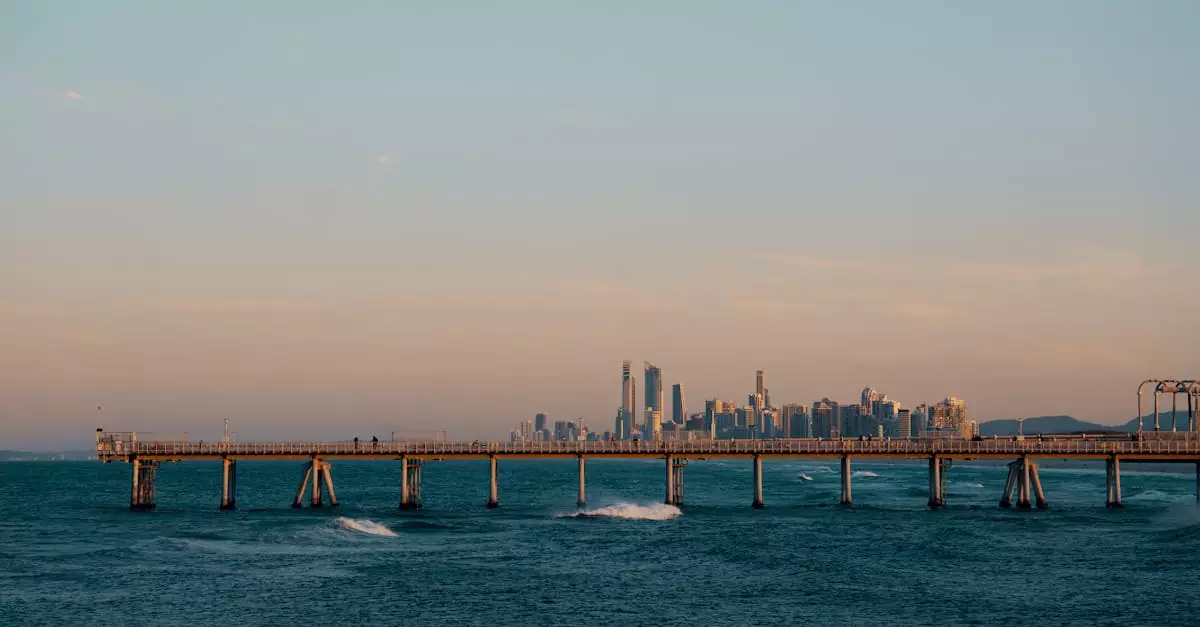
Navigating Australia’s extensive coastline requires careful consideration of transportation. Whether you’re targeting well-trodden tourist trails or remote coastal havens, understanding your options is key to a smooth trip. Many of the best Australian coastal towns are best accessed through a combination of methods, depending on your starting point and final destination.
Driving the Pacific Highway: Iconic Road Trip Routes
For many, the quintessential Australian coastal journey involves a road trip. The Pacific Highway, stretching from Sydney to Brisbane and beyond, provides unparalleled access to a series of beautiful seaside destinations. Renting a car allows the flexibility to stop at whim, discover hidden beaches, and soak in diverse landscapes. Consider breaking up the drive with overnight stays in towns like Port Macquarie or Coffs Harbour.
The journey along the eastern seaboard is particularly rewarding. You can easily connect popular spots like Byron Bay, the Gold Coast, and the Sunshine Coast, each offering a distinct vibe and ample shoreline to explore. Be prepared for varying road conditions and traffic, especially around major cities. Planning your route in advance can help you maximize your time and avoid unnecessary detours.
Flying into Regional Airports: Accessing Remote Gems
While driving is common, some of the most secluded coastal areas are best accessed by air. Australia’s vastness means reaching certain remote islands or distant beaches might involve flying into a regional airport. Major airlines operate flights to hubs like Proserpine (for the Whitsundays), Hamilton Island, or Broome, from which you can arrange further transport.
These regional airports often serve as gateways to areas less frequented by mass tourism. Booking flights well in advance is advisable, particularly during peak seasons, as smaller aircraft and limited schedules can lead to quick sell-outs. Once you land, arranging transfers—shuttles, taxis, or pre-booked private transport—to your final coastal accommodation is typically necessary.
Local Transport: Buses, Ferries, and Taxis in Coastal Hubs
In many larger coastal towns and cities, local transport networks can be efficient. Regular bus services connect popular tourist areas and residential zones. In regions with extensive waterways, such as the Whitsundays or parts of Western Australia, ferries are essential for linking islands and mainland ports.
Taxis and ride-sharing services are generally available in most populated coastal centers, providing convenient door-to-door options for shorter distances or when public transport schedules don’t align with your plans. For island hopping, researching ferry schedules and booking tickets in advance is a good strategy, particularly for popular routes connecting the Whitsundays’ islands.
Caravan and Campervan Hire: Ultimate Freedom
For travelers seeking flexibility and an immersive coastal experience, hiring a caravan or campervan is an excellent choice. This option allows you to set your own pace, wake up to ocean views, and easily move between different best Australian coastal towns. Numerous hire companies operate across the country, offering a range of vehicles from compact campervans to larger motorhomes.
When planning a campervan trip, it’s crucial to research caravan park availability and booking requirements, especially during school holidays and summer months. Many parks provide powered sites, basic amenities, and direct beach access. Remember to consider fuel costs, as distances can be significant, and familiarize yourself with any specific road rules or regulations for larger vehicles in Australia.
Savoring the Coast: Must-Try Local Food and Drink Experiences
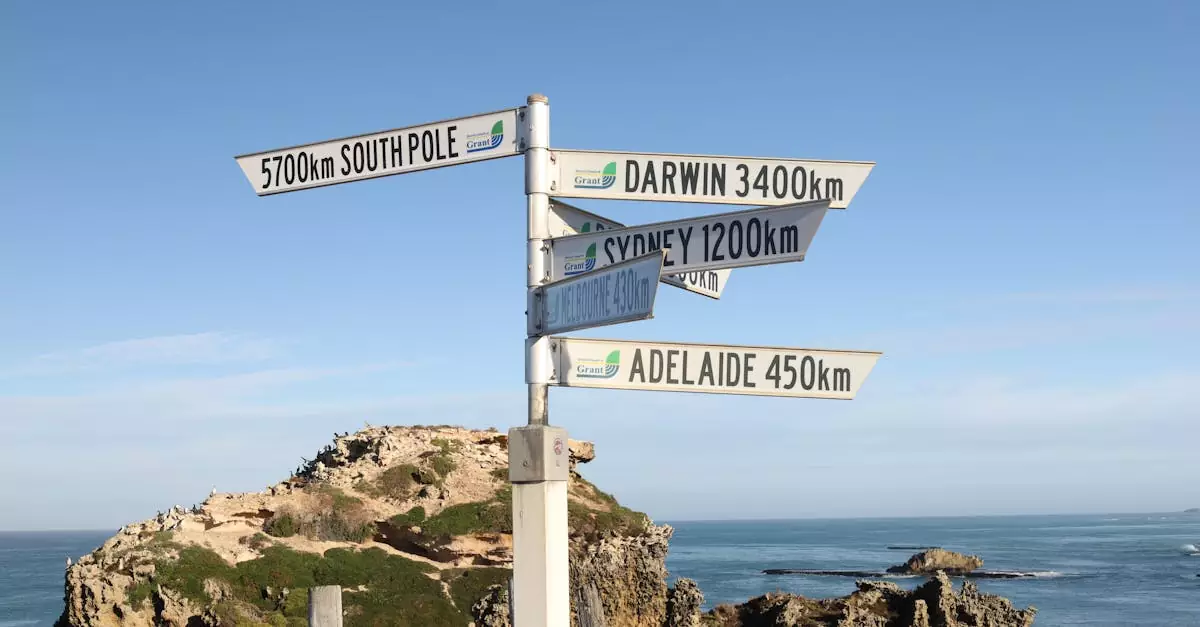
Australia’s coastline is as diverse as its culinary scene, offering a bounty of fresh flavors and unique dining experiences. From casual beachside bites to sophisticated regional tasting journeys, exploring the food and drink of these coastal towns is an essential part of any visit.
Fresh Seafood Feasts: From Fish and Chips to Oyster Shacks
No trip to an Australian coastal town is complete without indulging in its seafood. Many seaside communities pride themselves on serving the freshest catches of the day. Look for local fish and chips shops, often found near harbors or popular surf spots, for a classic, no-frills experience. Expect perfectly battered flathead, flake, or barramundi, served with crispy chips and a wedge of lemon.
For a more refined experience, seek out dedicated oyster shacks, particularly in regions known for their oyster farming, such as Tasmania or South Australia. Freshly shucked oysters, typically served simply with a squeeze of lemon or a dash of mignonette, highlight the pristine waters they originate from. Many restaurants also offer platters featuring a variety of local shellfish, including prawns, mussels, and Moreton Bay bugs. The quality and variety of seafood depend on the season and local fishing quotas, so asking your server for the day’s specials is wise.
Regional Wineries and Breweries: Tasting the Local Flavors
Beyond the ocean’s bounty, many coastal regions in Australia are home to vibrant wine and craft beer scenes. While not always directly on the coast, these regions are often a short drive inland, making them easily accessible from coastal bases. Areas like the Margaret River in Western Australia are world-renowned for their Cabernet Sauvignon and Chardonnay, with numerous cellar doors offering tastings accompanied by stunning vineyard views.
Victoria’s Great Ocean Road region also boasts excellent wineries, while the south coast of New South Wales features boutique vineyards. Craft breweries have proliferated along the coast, with many towns hosting microbreweries that champion local ingredients and innovative brewing techniques. These establishments often provide relaxed atmospheres, perfect for enjoying a tasting paddle and learning about local brewing heritage. Many also offer food menus that complement their beverages, featuring local produce.
Café Culture: Brunch and Coffee by the Sea
The Australian café culture is legendary, and coastal towns are no exception. Expect a strong emphasis on quality coffee and creative brunch menus. Many cafés boast prime ocean views, providing the perfect setting to start your day or enjoy a leisurely afternoon. Popular brunch dishes include avocado toast, gourmet egg dishes, and açai bowls, often featuring locally sourced ingredients.
The coffee itself is a point of pride, with baristas skilled in crafting everything from a strong espresso to a perfectly frothed cappuccino. Many cafés also offer freshly baked goods, including muffins, scones, and pastries. This is an excellent opportunity to soak in the local atmosphere, people-watch, and enjoy the relaxed pace of coastal life.
Indigenous Bush Tucker Experiences
For a truly unique culinary adventure, consider seeking out Indigenous bush tucker experiences. While less common in every small coastal village, some regions offer guided tours or workshops that introduce visitors to the traditional foods of Aboriginal peoples. These experiences often involve learning about native ingredients such as quandongs, finger limes, wattle seeds, and various edible plants and herbs that have sustained Indigenous Australians for millennia.
These tours can be both educational and enriching, providing insight into sustainable harvesting practices and the cultural significance of these foods. Some restaurants and cafés are beginning to incorporate bush tucker ingredients into their modern menus, offering a fusion of traditional flavors and contemporary cuisine. Checking local tourism information centers or Indigenous cultural organizations is the best way to find these specialized offerings, which often require advance booking.
Frequently Asked Questions About Australia’s Best Coastal Towns
What are the most family-friendly coastal towns?
Several Australian coastal towns cater well to families, offering calm waters, playgrounds, and kid-friendly activities. Byron Bay in New South Wales, while known for its surf, also features sheltered beaches like Clarkes Beach, perfect for younger swimmers. Its relaxed atmosphere and abundance of cafes make it easy to manage with children.
Further south, towns like Nelson Bay in Port Stephens, NSW, provide dolphin-watching tours, calm harbor swimming, and accessible beaches. For a more laid-back experience, consider Adelaide’s coastal suburbs in South Australia, such as Glenelg, which features a tram line directly to the beach, a jetty, and a family amusement park.
Which coastal towns are best for surfing?
Australia boasts world-class surf breaks, and certain towns are synonymous with the sport. Gold Coast, Queensland, is a mecca for surfers, with iconic spots like Snapper Rocks and Burleigh Heads offering consistent waves for all skill levels. The region also hosts professional surfing competitions.
For a more rugged and powerful surf experience, the Great Ocean Road in Victoria is renowned. Towns like Torquay serve as gateways to famous breaks such as Bells Beach. Further west, Margaret River in Western Australia features a variety of breaks, from beginner-friendly spots to challenging reef breaks like Surfers Point.
Are Australia’s coastal towns safe for solo travelers?
Generally, Australia’s coastal towns are very safe for solo travelers. Standard precautions, such as being aware of your surroundings, especially at night, are advised, as in any destination. Many towns have a strong community feel, and the laid-back Australian culture makes them welcoming.
Coastal areas often have a higher police presence and are well-trafficked, adding to the sense of security. It’s always wise to inform someone of your general itinerary and stay in well-reviewed accommodations. Researching specific town safety information is a good practice, but overall, solo travel along the Australian coast is a rewarding experience. You can find general safety information for Australia from international resources.
What should I pack for a trip to the Australian coast?
Packing for the Australian coast depends on the season and specific region, but a few essentials are universal. Lightweight, breathable clothing is key for warm weather. Don’t forget swimwear, sunscreen (SPF 30 or higher), a wide-brimmed hat, and sunglasses to protect against the strong sun.
For cooler months or evenings, a light jacket or sweater is advisable, especially in southern regions like Victoria or Western Australia. Comfortable walking shoes are important for exploring towns and coastal paths. Insect repellent can be useful, particularly in tropical areas like Queensland. If you plan on hiking or more active pursuits, consider appropriate gear.