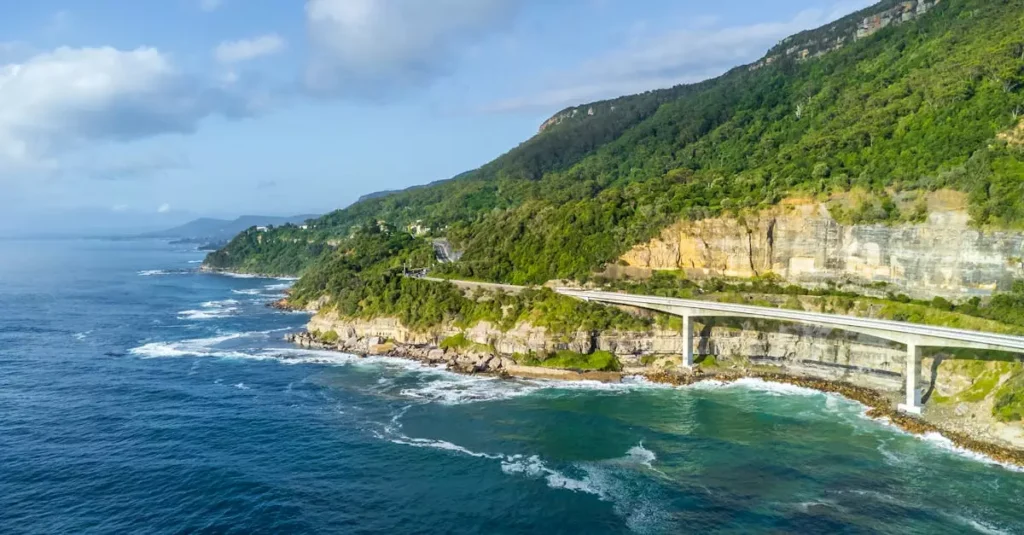
Australia’s vast coastline beckons road trippers with its stunning beauty, presenting a diverse tapestry of landscapes from rugged cliffs to pristine beaches. Embarking on one of the best coastal drives Australia offers an opportunity to explore charming seaside towns, encounter unique wildlife, and take in breathtaking ocean vistas. This journey will guide you through some of the most iconic and rewarding coastal routes across the continent. You’ll find essential tips for planning your adventure, from understanding the best times to visit each region to selecting the right vehicle. We’ll highlight must-see attractions, hidden gems, and practical advice to ensure your road trip is both seamless and unforgettable. Prepare to be inspired as we unveil the spectacular scenery and remarkable experiences that await you along Australia’s magnificent coast.
Why Australia’s Coastal Drives Are World-Class
The Allure of Australia’s Diverse Coastlines
Australia boasts an unparalleled diversity of coastlines, making its road trips truly exceptional. From the rugged cliffs of the Great Ocean Road to the tropical beaches of Queensland and the stark beauty of Western Australia’s Nullarbor Plain, there’s a coastal vista for every traveler. These routes offer more than just scenic views; they provide a direct connection to the vastness and varied landscapes of this island continent. Driving these routes allows for spontaneous stops at hidden coves, charming seaside towns, and breathtaking lookouts, revealing the true character of Australia.
The sheer scale of the Australian coastline means that each drive presents a unique ecosystem and cultural experience. You might transition from temperate rainforests to sun-drenched beaches lapped by turquoise waters within a few hundred kilometers. This constant change keeps the journey engaging, offering new discoveries around every bend. Planning a trip here involves considering which type of coastal beauty resonates most with you, from iconic surf breaks to tranquil bays.
Iconic Scenery: From Rainforest to Reef
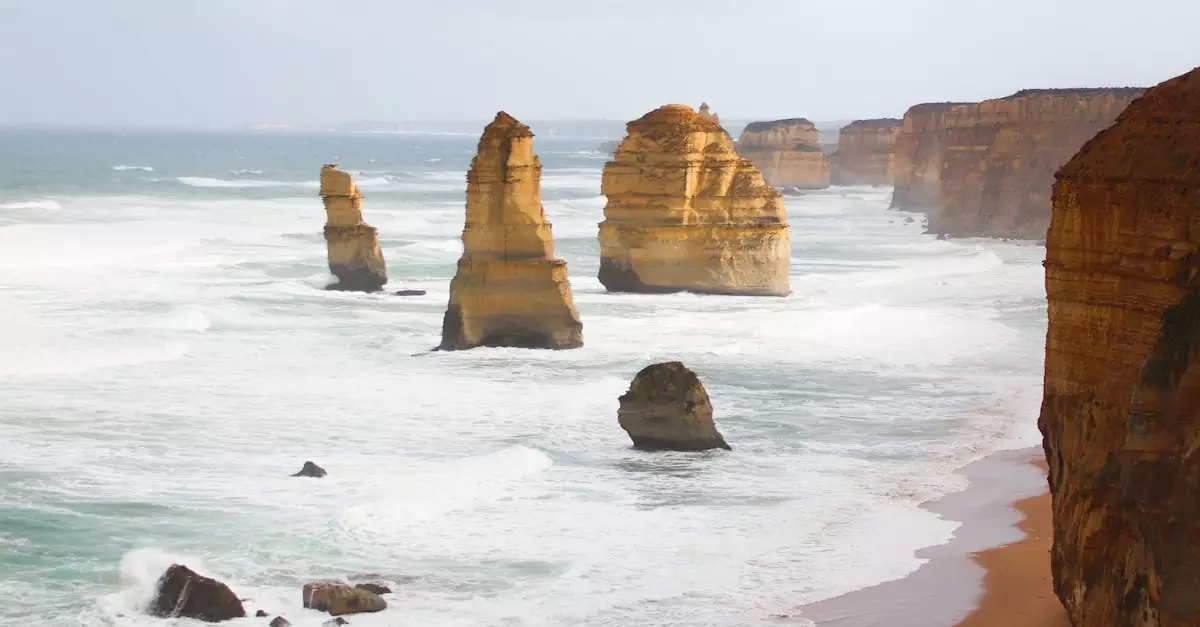
The visual spectacle of Australia’s coastal drives is undeniable. The Great Ocean Road, for instance, is famous for its dramatic limestone cliffs and the Twelve Apostles, weathered rock stacks rising from the Southern Ocean. Further north, the Pacific Coast Highway in New South Wales offers a mix of golden beaches, lush hinterlands, and vibrant surf towns like Byron Bay. For a different experience, the drive through Western Australia’s Kimberley region unveils ancient gorges and the dramatic Horizontal Falls, a testament to the power of tidal forces.
The proximity of the Great Barrier Reef marine park to the Queensland coast adds an extraordinary dimension. While you can’t drive directly on the reef, coastal routes here provide access to gateway towns like Cairns and Port Douglas, launching points for snorkeling, diving, and island hopping. This proximity allows you to combine the thrill of a road trip with world-class underwater adventures, a rare combination found globally. The contrast between the arid landscapes of some regions and vibrant coral ecosystems highlights the continent’s ecological richness.
Planning Your Ultimate Australian Coastal Adventure
Embarking on a coastal road trip across Australia requires thoughtful planning to maximize your experience. Consider the time of year carefully, as weather patterns vary significantly across the continent. For example, the tropical north experiences a wet season from November to April, bringing heavy rainfall and humidity that can impact road conditions and outdoor activities. Conversely, the southern coasts are best enjoyed during the warmer months of December to February, though they can be busy with holidaymakers.
When it comes to logistics, renting a vehicle is the most common and flexible option. Factors like vehicle type, insurance, and mileage limits should be considered based on your planned route’s length and terrain. Accommodation options range from luxury resorts and boutique hotels to caravan parks and campgrounds, catering to various budgets and travel styles. Booking in advance is highly recommended, especially during peak seasons or in popular destinations.
Here’s a general overview of what to consider for different types of coastal drives:
| Drive Type | Best Season | Typical Budget (per day) | Vehicle Recommendation | Key Activities |
|---|---|---|---|---|
| Southern Coast | Dec – Feb | $150 – $300 | Standard sedan or SUV | Scenery, wildlife, wine regions, beaches |
| Tropical North | May – Oct | $180 – $350 | 4WD recommended for some areas | Reef tours, rainforest, indigenous culture |
| Western Australia | Mar – May, Sep – Nov | $160 – $320 | 4WD for remote areas | Unique rock formations, beaches, outback links |
| East Coast Highway | Year-round | $140 – $280 | Standard sedan | Beaches, surfing, national parks, towns |
Safety is paramount on Australian roads. Always be aware of wildlife, particularly kangaroos, especially at dawn and dusk. Adhere to speed limits, which are strictly enforced, and take regular breaks to avoid driver fatigue. Familiarize yourself with local road rules and be mindful of the vast distances between services in some areas, ensuring you have sufficient fuel and water.
Great Ocean Road: Victoria’s Dramatic Limestone Cliffs
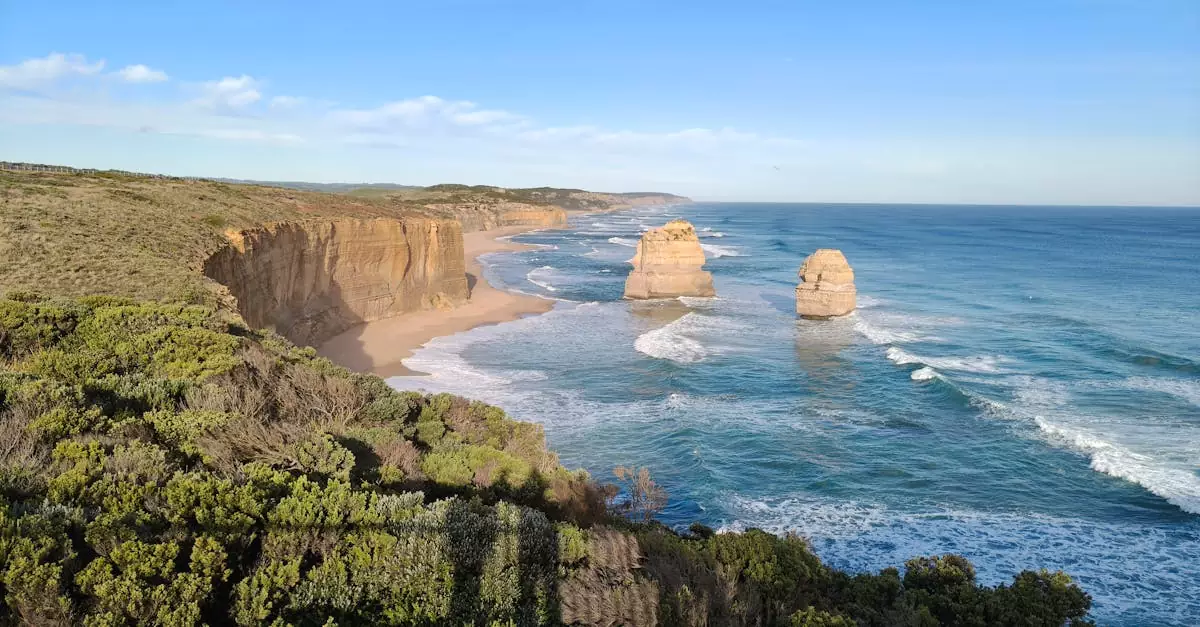
The Great Ocean Road in Victoria stands as one of Australia’s most iconic scenic drives, tracing a spectacular 243-kilometer (151-mile) stretch of coastline. This road, carved into the cliffs by returned soldiers after World War I, offers breathtaking vistas of the Southern Ocean, rugged rock formations, and lush rainforests. Planning your journey along this renowned route involves understanding key stops, potential wildlife sightings, and the best times to visit.
Must-See Stops: The Twelve Apostles & Loch Ard Gorge
No trip to the Great Ocean Road is complete without witnessing the majestic Twelve Apostles. These towering limestone stacks, sculpted by relentless waves over millennia, are particularly stunning at sunrise and sunset when the changing light casts dramatic shadows and hues across their surfaces. Nearby, Loch Ard Gorge provides a more intimate experience, allowing visitors to walk down to the beach and explore the shipwreck history that gives the gorge its name. The dramatic cliffs here offer a powerful sense of scale and geological artistry.
Wildlife Encounters: Koalas in Kennett River
For travelers hoping to spot Australia’s unique fauna, a stop at Kennett River is a must. This small town, situated about halfway along the drive, is renowned for its abundant koala population. Pull over at designated viewing areas, often marked by other vehicles, and look up into the eucalyptus trees. With a bit of patience, you’ll likely see these sleepy marsupials lounging in the branches. Remember to maintain a respectful distance and avoid feeding or disturbing them.
Beyond the Highlights: Exploring Apollo Bay & Wye River
While the Twelve Apostles often steal the spotlight, the charming seaside towns of Apollo Bay and Wye River offer delightful diversions. Apollo Bay boasts a picturesque harbor, excellent seafood restaurants, and a relaxed atmosphere, making it a popular spot for an overnight stay. Wye River, nestled between rainforest and coast, provides stunning ocean views and opportunities for bushwalking. These smaller communities offer a more local feel and a chance to unwind away from the main tourist crowds.
Best Time to Drive the Great Ocean Road
The Great Ocean Road is a year-round destination, but each season offers a different experience.
| Season | Weather Highlights | Traveler Considerations |
|---|---|---|
| Summer | Warm to hot, sunny days; occasional strong winds. | Ideal for beach activities; can be crowded; book accommodations well in advance. |
| Autumn | Mild temperatures, less wind, beautiful changing colors. | Pleasant driving conditions; fewer crowds than summer; good for photography. |
| Winter | Cooler temperatures, higher chance of rain and storms. | Dramatic ocean views with powerful waves; fewer tourists; cozy pubs offer refuge. |
| Spring | Mild and pleasant, wildflowers bloom, whale migration. | Good balance of weather and fewer crowds; chance to see migrating whales. |
For the best driving conditions and fewer crowds, consider visiting during the shoulder seasons of autumn (March-May) or spring (September-November). Winter can offer dramatic, moody seascapes and the chance to spot migrating whales, but be prepared for cooler, wetter weather and potentially rougher seas. Summer (December-February) is the busiest time, offering warm weather for beach visits but requiring advance booking for accommodation and potentially encountering traffic.
Whitsunday Great Green Way: Queensland’s Tropical Paradise Route
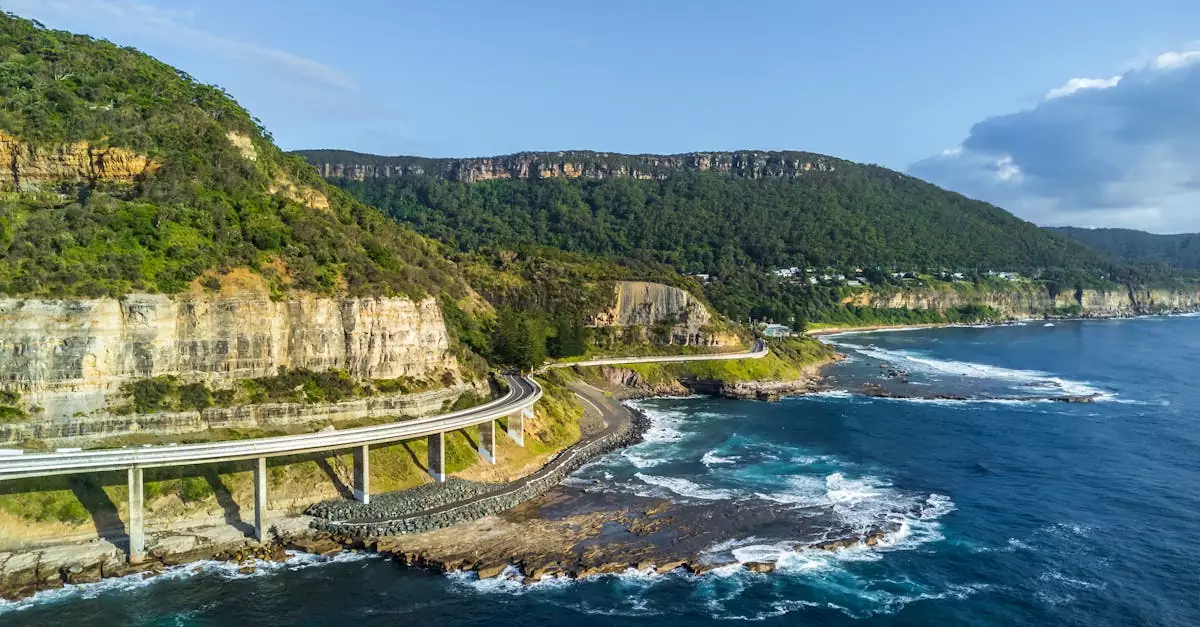
The Whitsunday Great Green Way offers a unique blend of coastal beauty and inland charm, stretching across 2,600 kilometers of Queensland’s stunning coastline. This route is a gateway to the iconic Great Barrier Reef but also reveals the region’s agricultural heartland and smaller, vibrant towns. Unlike some of Australia’s more rugged coastal journeys, this drive is characterized by its tropical climate, azure waters, and lush hinterland. It’s a journey that appeals to those seeking both relaxation and adventure, with opportunities for world-class diving, sailing, and exploring.
Gateway to the Great Barrier Reef: Airlie Beach & Shute Harbour
Airlie Beach serves as the primary launching point for exploring the Whitsunday Islands and the Great Barrier Reef. This bustling coastal town offers a lively atmosphere with numerous restaurants, bars, and accommodation options catering to all budgets. Shute Harbour, a short drive from Airlie Beach, is another key departure point for ferries and boat tours, often providing a less crowded alternative. From here, you can easily arrange day trips or multi-day sailing adventures. The proximity to the reef makes this area a must-visit for any aquatic enthusiast planning their best coastal drives Australia itinerary.
Island Hopping: Hamilton Island, Daydream Island & Whitehaven Beach
The true magic of the Whitsundays lies in its islands. Hamilton Island is the most developed, offering a resort-style experience with its own airport and a range of dining and activities like snorkeling and jet-skiing. Daydream Island provides a more intimate escape, known for its beautiful beaches and the famous Living Reef. No trip is complete without visiting Whitehaven Beach, consistently ranked among the world’s best. Its swirling silica sands and crystal-clear waters are breathtaking. Access to these islands is primarily via ferry from Airlie Beach or Shute Harbour, with scenic flights also offering unparalleled aerial views.
Exploring Inland Gems: Proserpine & Bowen
While the coast calls, venturing inland reveals the region’s agricultural richness. Proserpine, located just a short drive from Airlie Beach, is the gateway to the Pioneer Valley and a hub for sugarcane farming. It offers a glimpse into local life, with markets and a relaxed pace. Further north, Bowen is famous for its Big Mango and its role as a filming location for the iconic Australian movie “Australia.” This town boasts beautiful beaches like Horseshoe Bay and offers a more laid-back coastal experience compared to Airlie Beach. Exploring these towns provides a well-rounded perspective on the Whitsundays region.
Driving the Whitsundays: Road Conditions and Tips
The roads along the Whitsunday Great Green Way are generally well-maintained and sealed, making them suitable for most vehicles. The main highway, the Bruce Highway, is excellent, with smaller roads leading to coastal towns and attractions also in good condition. However, be prepared for tropical weather.
- Best Time to Visit: The dry season, from May to October, offers pleasant temperatures and lower humidity, ideal for driving and outdoor activities. The wet season (November to April) can bring heavy rainfall and cyclones, impacting travel plans.
- Vehicle Choice: A standard car is sufficient for most of this route. If planning to explore unsealed tracks, a 4WD might be beneficial, but it’s not essential for the main attractions.
- Fuel and Services: Fuel stations and basic services are readily available in larger towns like Airlie Beach, Proserpine, and Bowen. It’s wise to refuel when you see a station, especially when venturing to more remote areas.
- Wildlife: Be cautious of wildlife, particularly kangaroos and wallabies, especially during dawn and dusk.
- Booking Ahead: During peak season (June to August and school holidays), it’s advisable to book accommodation and popular tours in advance.
This coastal route provides a fantastic introduction to the diverse landscapes of Queensland, combining world-renowned island beauty with the charm of regional towns.
Margaret River Region: Western Australia’s Wine & Coastline
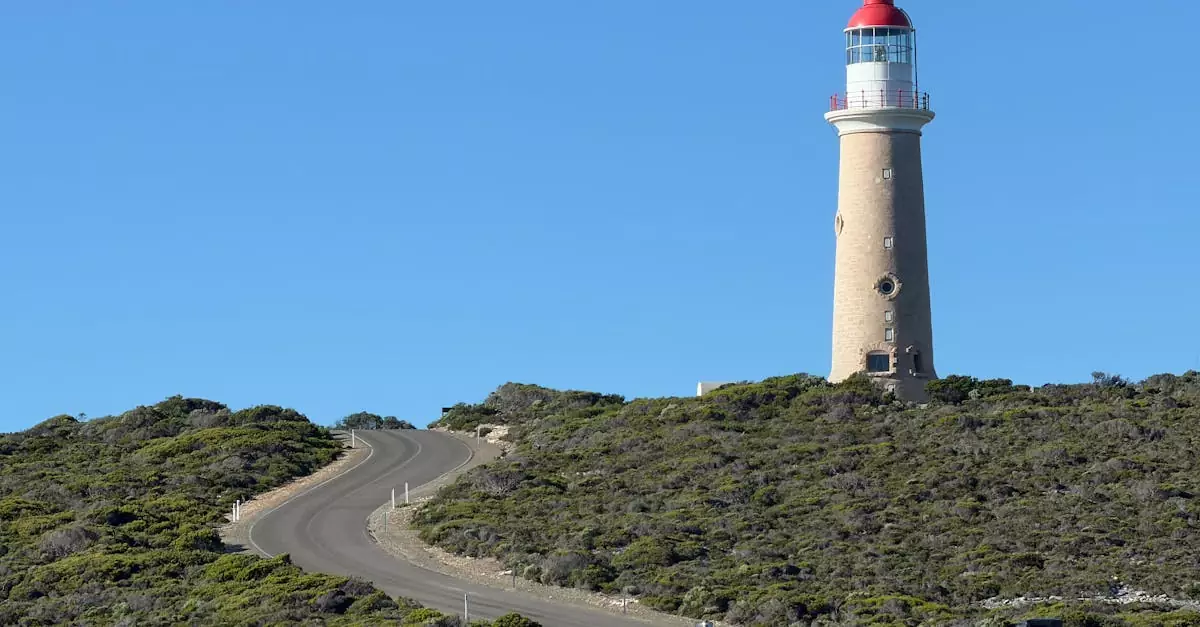
The drive through Western Australia’s Margaret River region offers a compelling blend of world-class wineries, stunning beaches, and ancient natural wonders. Located about 270 kilometers south of Perth, this area is a must-see for any road trip along the Australian coast. The journey itself is relatively straightforward, with well-maintained roads connecting the key towns and attractions.
Surfing Hotspots: Yallingup & Prevelly Beaches
For surf enthusiasts, the Margaret River coastline is legendary. Yallingup, meaning “place of love” in the local Noongar language, boasts the famous Yallingup Beach, known for its consistent swells and surf schools. Further south, Prevelly is the heart of the region’s surf culture, hosting international competitions and offering breaks for all skill levels. Even if you’re not a surfer, watching the waves crash against the rugged shore is captivating.
Gourmet Delights: Wineries, Breweries & Local Produce
Beyond the ocean’s allure, Margaret River is internationally renowned for its premium wines, particularly its chardonnays and cabernets. The region is dotted with over 100 wineries, many offering cellar door tastings and exceptional dining experiences. Beyond wine, craft breweries have flourished, providing a different kind of tasting adventure. Local produce markets showcase fresh seafood, cheeses, and artisanal goods, making for delicious roadside picnics.
Ancient Caves and Forest Walks: Mammoth Cave & Boranup Karri Forest
The natural landscape extends inland with remarkable geological formations and ancient forests. Mammoth Cave is one of the most accessible and impressive caves, offering self-guided tours through its vast chambers filled with stalactites and stalagmites. For a different kind of natural beauty, the Boranup Karri Forest provides a serene drive or walk beneath towering 60-meter-tall Karri trees, a truly awe-inspiring sight.
Best Time to Visit Margaret River for Coastal Views
The best coastal drives in Australia often depend on the season, and Margaret River is no exception.
| Season | Average Temperature (°C) | Rainfall | Best For Coastal Views & Activities | Notes |
|---|---|---|---|---|
| Spring | 15-23 | Low | High | Wildflowers bloom, pleasant for drives. |
| Summer | 20-30 | Very Low | Very High | Warmest weather, ideal for beach activities. |
| Autumn | 17-26 | Low | High | Harvest season, clear skies, mild temperatures. |
| Winter | 10-18 | High | Moderate | Dramatic ocean swells, fewer crowds. |
Summer (December to February) offers the warmest weather, perfect for beach days and swimming. However, spring (September to November) and autumn (March to May) provide a more temperate climate, fewer crowds, and stunning natural displays like wildflowers or vineyard colors, making them excellent times for scenic drives and winery visits. Winter can bring dramatic storm fronts, offering a different, wilder perspective of the coastline, though some outdoor activities might be limited.
East Coast Tasmania: From Hobart to Bay of Fires
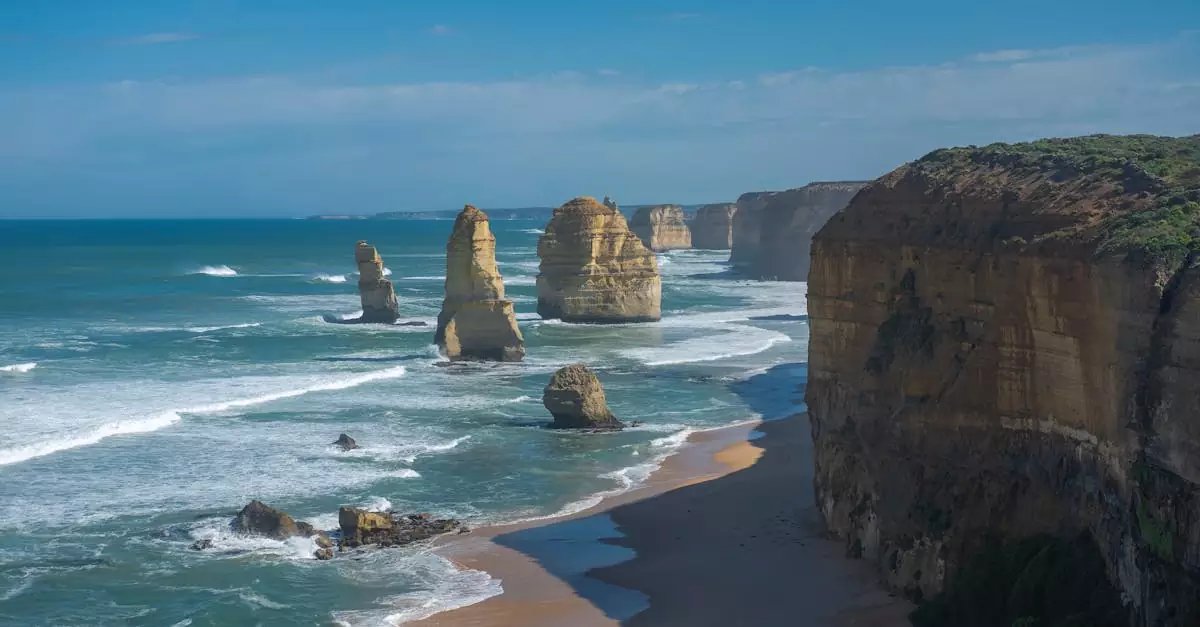
The East Coast of Tasmania offers a stunning journey, blending dramatic coastlines with rich history and abundant wildlife. This route, often considered one of the best coastal drives in Australia, stretches from the historic capital of Hobart northwards towards the vibrant hues of the Bay of Fires. It’s a region best explored over several days, allowing ample time for scenic stops and short hikes.
Historic Port Arthur & Tasman Peninsula
Begin your drive from Hobart by heading southeast towards the Tasman Peninsula. The drive itself offers glimpses of rugged cliffs and secluded coves. Your primary destination here is the Port Arthur Historic Site, a UNESCO World Heritage property that served as a penal colony in the 19th century. Allow at least half a day to explore the well-preserved buildings, learn about its complex history, and wander the grounds.
Beyond Port Arthur, the peninsula is a haven for natural beauty. Drive to Remarkable Cave for breathtaking views, especially at sunrise. Consider a walk along the Three Capes Track, a multi-day hike, or opt for shorter, accessible sections like the Cape Raoul walk for spectacular ocean vistas and sheer cliff faces.
Wildlife Haven: Freycinet National Park & Wineglass Bay
Continuing north, the landscape shifts towards granite peaks and turquoise waters. Freycinet National Park is a jewel of Tasmania’s east coast. The park is famous for its iconic Wineglass Bay, often cited as one of the most beautiful beaches in the world. A moderate hike to the Wineglass Bay Lookout provides the quintessential postcard view.
For those seeking more active exploration, hiking trails abound. The climb to Mount Amos offers panoramic views of the Hazards mountain range and the surrounding bays. Wildlife spotting is a major draw; keep an eye out for wallabies, echidnas, and a variety of birdlife. Seals can often be seen along the coast.
Pristine Sands: Bicheno & the Bay of Fires
Further up the coast lies Bicheno, a charming seaside town known for its resident penguin population. Evening guided tours offer a chance to see Little Penguins returning to shore after a day at sea. The town also serves as a gateway to the Bay of Fires, a conservation area renowned for its striking orange-lichen-covered granite rocks and pristine white beaches.
The Bay of Fires Conservation Area stretches along the northeastern coast. While often associated with its vibrant orange rocks, the true beauty lies in its secluded bays, clear waters, and soft sand. Popular spots include Binalong Bay, Grants Lagoon, and Eddystone Point. It’s an ideal location for swimming, snorkeling, or simply relaxing by the sea.
Driving Tasmania’s East Coast: Essential Tips
Planning your drive along Tasmania’s East Coast requires a few considerations to maximize your experience.
Best Time to Visit: The shoulder seasons, spring (September-November) and autumn (March-May), offer pleasant weather, fewer crowds, and beautiful scenery. Summer (December-February) is warmer but can be busier. Winter (June-August) is colder, with shorter daylight hours, but can be magical for its dramatic skies.
Transportation: A car is essential for exploring Tasmania’s East Coast. Rental cars are readily available in Hobart. The roads are generally well-maintained, but be prepared for winding sections, particularly on the Tasman Peninsula. Driving distances between key points are manageable, but factor in time for frequent stops.
Accommodation: Options range from luxury lodges and boutique hotels to self-contained cottages and caravan parks. Booking in advance is highly recommended, especially during peak season. Consider staying in towns like Port Arthur, Coles Bay (near Freycinet), and Bicheno to position yourself well for exploring different areas.
Budget: Tasmania can be more budget-friendly than mainland Australia, but costs vary. Fuel, accommodation, and food will be the primary expenses. National Park passes are required for entry into Freycinet and other parks; an annual pass can be cost-effective if visiting multiple parks.
Safety: Be aware of wildlife on the roads, especially at dawn and dusk. Tasmania’s weather can change rapidly, so pack layers. Always inform someone of your hiking plans, especially for longer treks.
Logistics: Mobile phone reception can be spotty in remote areas, so download offline maps. Pack insect repellent, particularly for coastal areas in warmer months.
Darwin to Kakadu & Litchfield: Northern Territory’s Wild Beauty
While not a classic coastal highway like the Great Ocean Road, the journey from Darwin into the Top End’s national parks offers a unique blend of coastal proximity and rugged inland landscapes. This route showcases the Northern Territory’s raw beauty, from Darwin’s tropical shores to the ancient wonders of Kakadu and the refreshing waterfalls of Litchfield. It’s a drive that demands an appreciation for nature’s power and a willingness to embrace the tropical climate.
Waterfalls and Swimming Holes: Litchfield National Park
Litchfield National Park is a haven for those seeking natural refreshment. The park is renowned for its accessible waterfalls, including the spectacular Florence Falls and the cascading Tolmer Falls. Unlike some more remote NT destinations, Litchfield’s main attractions are relatively close to the road and offer excellent swimming opportunities in crystal-clear plunge pools, provided conditions are safe.
The drive to Litchfield from Darwin is straightforward, taking around 1.5 hours. It’s a popular day trip, but an overnight stay allows for a more relaxed pace. Be aware of seasonal closures, particularly during the wet season (typically November to April), when some roads and swimming spots may be inaccessible due to flooding. Always check park alerts before you go.
Ancient Rock Art & Wetlands: Kakadu National Park
Kakadu National Park, a UNESCO World Heritage site, is a vast wilderness that demands more time. Its significance lies in its immense biodiversity, ancient Aboriginal rock art sites, and dramatic escarpments. The drive from Darwin to Jabiru, the park’s main hub, takes about 3 hours, but truly experiencing Kakadu requires several days.
Key attractions include Ubirr and Nourlangie, where you can view millennia-old rock paintings depicting local Dreamtime stories. The wetlands, teeming with crocodiles and birdlife, can be explored via boat tours or from elevated boardwalks. Remember that Kakadu is a large area, and travel between different sections can be time-consuming. The road conditions vary, and some areas are only accessible during the dry season (May to October).
Coastal Views Near Darwin: Mindil Beach & Cox Peninsula
Before venturing inland, take time to appreciate the coastal fringes near Darwin. Mindil Beach is famous for its vibrant sunset markets, offering a taste of local life and stunning ocean views. For a more rugged coastal experience, consider a drive out to the Cox Peninsula. This area, accessible by a ferry and then a drive, provides a glimpse of more remote coastal scenery and opportunities for fishing and beachcombing.
These coastal excursions are best enjoyed in the late afternoon, especially during the dry season, to avoid the harshest heat. They offer a gentler introduction to the Top End’s natural environment before heading into the more demanding terrain of the national parks.
Best Time to Explore NT’s Coastal & Inland Drives
The Northern Territory’s climate dictates the best travel times for these drives. The dry season (May to October) is generally preferred by most visitors. During these months, the weather is warm and sunny with low humidity, and roads are typically clear and accessible. This is the prime time for visiting Kakadu and Litchfield, with pleasant temperatures for hiking and swimming.
The wet season (November to April), while offering dramatic thunderstorms and lush landscapes, presents challenges. Roads can be flooded, some attractions may be closed, and humidity levels are very high. However, for those seeking fewer crowds and the spectacle of powerful waterfalls, the early wet season can be rewarding, provided you stay informed about conditions and drive with caution.
Here’s a brief comparison of the seasons for this region:
| Feature | Dry Season (May – Oct) | Wet Season (Nov – Apr) |
|---|---|---|
| Weather | Warm, sunny, low humidity | Hot, humid, thunderstorms, heavy rainfall |
| Accessibility | All roads generally open, national parks fully open | Some roads may be closed, park access can be restricted |
| Activities | Hiking, swimming, wildlife viewing, cultural sites | Waterfalls at their peak, fewer crowds, potential closures |
| Crowds | Higher | Lower |
| Driving | Easier, more predictable | Requires caution, potential for detours |
Frequently Asked Questions About Australia’s Coastal Drives
What is the best month for coastal drives in Australia?
The ideal time for embarking on Australia’s best coastal drives often depends on the specific region you plan to visit. Generally, spring (September to November) and autumn (March to May) offer pleasant temperatures and fewer crowds across much of the country. Summer (December to February) can be very hot, particularly in the north, and is also peak holiday season, leading to higher prices and busier roads. Winter (June to August) is best for the southern coasts, offering clear skies and whale watching opportunities, but can be cold and wet.
Do I need a 4WD for these Australian coastal routes?
For most of the popular and well-maintained coastal routes in Australia, a standard 2WD vehicle is perfectly adequate. This includes iconic drives like the Great Ocean Road and the East Coast of Tasmania. However, if your itinerary includes venturing onto unsealed roads, remote beaches, or specific off-road tracks, a 4WD vehicle would be essential. Always check road conditions and vehicle requirements for the specific route you intend to travel. Driving on some remote beaches, for example, often requires a permit and appropriate vehicle.
How long should I allocate for each drive?
The time needed for each coastal drive varies significantly based on the route’s length and how many stops you plan to make. For instance, the Great Ocean Road, while only about 243 kilometers (151 miles) between Torquay and Nelson, is best enjoyed over at least two to three days to allow for stops at lookouts, towns, and natural attractions. Longer routes, like the entire East Coast drive from Queensland to Victoria, can take weeks or even months if you wish to thoroughly experience the diverse landscapes and cities. It’s advisable to add at least 50% more time than the pure driving duration to account for spontaneous stops and activities.
What are some budget-friendly accommodation options along the coast?
Budget-conscious travelers have several excellent options for accommodation along Australia’s coast. Many towns offer caravan parks with powered and unpowered sites, as well as basic cabins, which are significantly cheaper than hotels. Hostels are also a great choice, providing dormitory-style rooms and private options, often with shared kitchen facilities to save on food costs. Look for motels or independent holiday parks slightly away from the absolute prime beachfront locations, as these can offer better value. Booking in advance, especially during peak season, is crucial for securing the best rates.
Here’s a quick look at common accommodation types:
| Accommodation Type | Average Daily Cost (AUD) | Best For |
|---|---|---|
| Campsite (Powered) | $40 – $70 | RVs, tents, budget travelers |
| Hostel Dorm | $30 – $50 | Solo travelers, backpackers |
| Basic Cabin | $100 – $180 | Couples, small families on a budget |
| Motel | $120 – $200 | Couples, travelers seeking privacy |
| Holiday Park Cabin | $150 – $250 | Families, longer stays |