Embarking on one of Australia’s best wildlife road trips offers a unique chance to connect with the continent’s diverse fauna. From rugged coastlines filled with marine life to ancient rainforests echoing with exotic bird calls, these journeys promise unforgettable encounters. This guide will equip you with everything you need to plan your ultimate Australian wildlife adventure, covering top destinations, ideal times for optimal sightings, essential packing tips, and practical advice on navigating the roads while choosing responsible tour operators. Get ready to discover the wild heart of Australia, where every turn in the road could lead to a remarkable wildlife discovery.
Embark on Australia’s Top Wildlife Road Trips
Australia presents unmatched opportunities for wildlife encounters on its scenic drives. From rugged coastlines to ancient rainforests, these road trips offer immersive experiences with the continent’s unique fauna. Planning a journey focused on animal sightings requires understanding the best locations, optimal timing, and practical logistics.
Kangaroo Island: A Sanctuary for Native Fauna
Often referred to as Australia’s “zoo without fences,” Kangaroo Island is a premier destination for observing native wildlife in its natural habitat. Located off the coast of South Australia, this island sanctuary is renowned for its thriving populations of kangaroos, wallabies, koalas, and echidnas. Birdwatchers will also find a rich diversity, including the endangered Glossy Black-Cockatoo.
Getting to Kangaroo Island typically involves a ferry from Cape Jervis or a short flight to Kingscote. While you can explore parts of the island with a standard vehicle, a 4WD offers better access to remote areas, particularly within the national parks. Accommodation options range from camping and caravan parks to self-contained cottages and luxurious lodges. It’s advisable to book accommodations and ferry crossings in advance, especially during peak seasons.
The best time to visit for wildlife viewing is generally during the shoulder seasons of spring (September to November) and autumn (March to May). During these periods, the weather is mild, and many animals are more active. Be mindful of the local wildlife, especially kangaroos and wallabies, which are most active at dawn and dusk. Driving cautiously during these times is crucial for both your safety and theirs.
Great Ocean Road: Coastal Encounters with Marine Life
The iconic Great Ocean Road in Victoria is famed for its dramatic coastal scenery and excellent opportunities to spot marine and terrestrial wildlife. As you drive along this spectacular route, keep an eye out for seals and sea lions basking on the rocks at points like Seal Rocks near Phillip Island (though technically a detour from the main Great Ocean Road). Humpback whales and Southern Right whales are also frequently sighted during their migration season, typically from May to October.
Beyond the marine life, the coastal forests and national parks adjacent to the Great Ocean Road are home to koalas, often seen in eucalyptus trees in areas like Kennett River. Various species of parrots and cockatoos are also common. Birdwatching opportunities abound, with seabirds often visible offshore.
This road trip is easily accessible by car from Melbourne. While the road is sealed and well-maintained, it’s a winding route, so allow ample time to enjoy the views and make wildlife stops. Many visitors opt for a multi-day itinerary, staying in charming coastal towns like Lorne, Apollo Bay, or Port Campbell. Consider visiting during the whale migration season for a chance to see these magnificent creatures.
Daintree Rainforest: Immersive Tropical Biodiversity
The Daintree Rainforest in Far North Queensland is one of the oldest continuously surviving tropical rainforests on Earth, boasting an incredible array of biodiversity. This UNESCO World Heritage site is a haven for unique wildlife, including the rare Cassowary, a large, flightless bird. The forest canopy is alive with vibrant bird species, reptiles like the Boyd’s Forest Dragon, and an astonishing variety of insects.
The Daintree River is home to saltwater crocodiles, and guided river cruises are a popular and safe way to observe these ancient reptiles. Driving through the rainforest offers glimpses of its lush vegetation, but guided walks and canopy tours provide deeper insights into its complex ecosystem.
Accessing the Daintree typically involves driving north from Cairns or Port Douglas. A car ferry operates across the Daintree River, allowing vehicles to venture further into the national park. The tropical climate means high humidity and rainfall year-round, with a distinct wet season from December to March. Wildlife is most active in the early morning and late afternoon. Remember to stay on marked trails and never feed the wildlife.
Planning Your Ultimate Australian Wildlife Adventure
Embarking on one of Australia’s best wildlife road trips requires thoughtful planning to maximize your encounters with the continent’s unique fauna. From the vast Outback to the lush rainforests, each region offers distinct opportunities. Considering the best time of year, packing essentials, and understanding local transport will set the stage for an unforgettable journey.
Best Time of Year for Wildlife Spotting Across Australia
The timing of your trip significantly impacts wildlife viewing success. Australia’s diverse climates mean peak seasons vary by region. For instance, the dry season (May to October) in the Northern Territory is ideal for spotting saltwater crocodiles in Kakadu National Park and observing kangaroos and wallabies in their natural habitat. This period offers cooler temperatures and clearer skies, making road travel more comfortable.
Conversely, the warmer months (December to March) can be better for birdwatching in the south, especially in Victoria and Tasmania, where migratory species are abundant. However, this is also the wet season in the tropical north, which can bring heavy rainfall and humidity, potentially affecting road access to some remote areas.
| Region | Best Time for Wildlife Spotting | Key Wildlife to See | Notes |
|---|---|---|---|
| Northern Territory | May – October (Dry Season) | Crocodiles, Kangaroos, Birds | Cooler, less humidity, easier road access |
| Queensland | Year-round (varies by area) | Koalas, Whales, Marine Life | Great Barrier Reef best in drier months |
| New South Wales | Year-round | Kangaroos, Koalas, Wombats | Coastal areas good for whale watching (May-Nov) |
| Victoria | December – March (Summer) | Penguins, Koalas, Birds | Mild temperatures, good for coastal drives |
| Tasmania | October – April (Spring/Summer) | Tasmanian Devils, Wombats | Cooler climate, unique endemic species |
Essential Packing List for Australian Road Trips
When preparing for an Australian wildlife road trip, smart packing is crucial. Given the varied environments you might encounter, versatility is key. Sun protection is paramount; pack a wide-brimmed hat, high SPF sunscreen, and sunglasses. Insect repellent is also a must, especially for evenings and in tropical areas, to ward off mosquitoes and sandflies.
Comfortable walking shoes are essential for exploring national parks and viewing wildlife on foot. Layers of clothing are recommended, as temperatures can fluctuate significantly, even within the same day. A light waterproof jacket is advisable for unexpected rain showers, particularly in coastal or rainforest regions. Binoculars will greatly enhance your wildlife viewing experience, allowing you to spot animals from a distance without disturbing them. Don’t forget a good quality camera to capture your sightings.
Navigating Australia: Car Hire and Road Conditions
Renting a vehicle is the most practical way to undertake Australia’s best wildlife road trips, offering the freedom to stop at your leisure and venture off the beaten path. When hiring a car, consider a 4WD if you plan to explore remote or unsealed roads, such as those found in the Outback or certain national parks. Ensure you are familiar with the rental company’s policies regarding mileage limits and off-road use.
Road conditions across Australia are generally excellent on major highways but can vary significantly in rural and remote areas. Always check local road conditions before setting out, especially during the wet season in the north, when flash flooding can make roads impassable. Be aware of wildlife on roads, particularly at dawn and dusk, when kangaroos and other animals are most active. Speed limits should be strictly adhered to, and it’s wise to carry extra water and fuel when traveling long distances in remote regions. For those unfamiliar with driving on the left, take extra care when merging into traffic and navigating intersections.
Iconic Wildlife Encounters on the Road
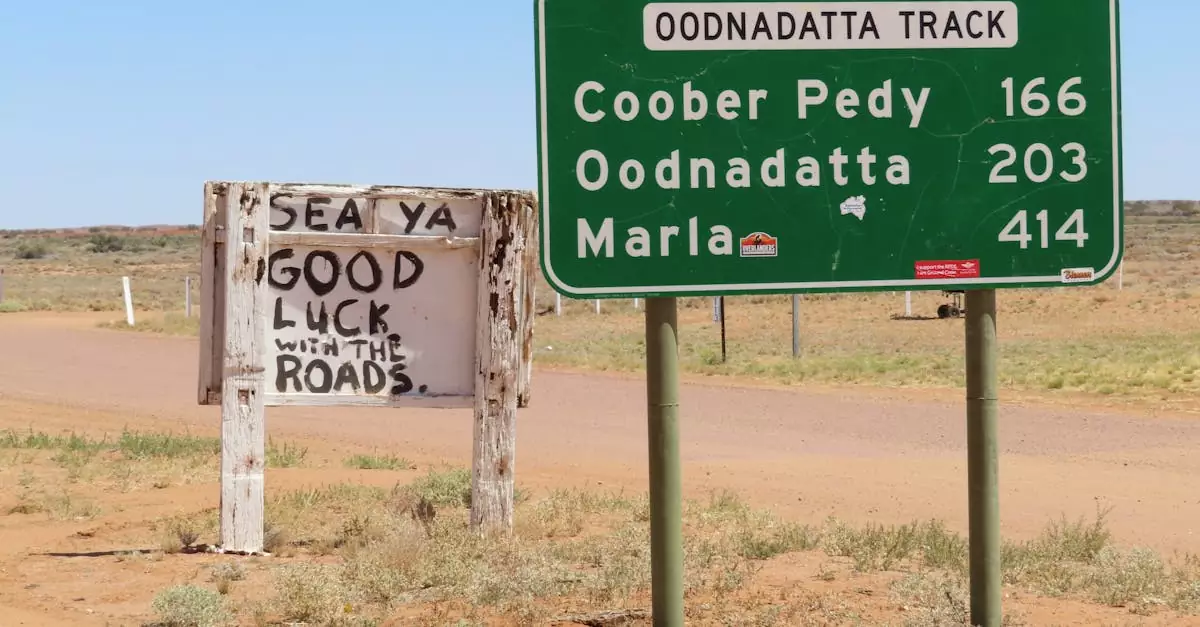
Australia’s vast landscapes offer unparalleled opportunities for wildlife road trips, bringing you face-to-face with unique creatures in their natural habitats. From charismatic marsupials to marine giants, planning a journey around these encounters enhances any Australian adventure.
Spotting Quokkas on Rottnest Island
A short ferry ride from Perth or Fremantle, Rottnest Island is synonymous with the quokka, a small, famously cheerful marsupial. These adorable animals are unafraid of humans, often approaching visitors with curiosity. The best way to see them is by cycling around the island, as they are commonly found in shaded areas and near walking trails. Remember to observe from a respectful distance and never feed them, as this can harm their health and natural behaviors.
The island offers numerous walking tracks and secluded beaches, making it a rewarding destination for a day trip or an overnight stay. Accommodation ranges from campsites to self-contained apartments. Getting to Rottnest involves a ferry journey, with several operators running services daily.
Whale Watching Tours from Sydney
For a truly awe-inspiring experience, embark on a whale watching tour from Sydney. Between May and November, humpback whales migrate along the New South Wales coast, offering spectacular sightings. Numerous tour operators depart from Circular Quay and Darling Harbour, providing expert guides who can help you spot whales, dolphins, and seals.
Even from land, vantage points like Bondi Icebergs, the Royal National Park, and North Head offer excellent opportunities to see whales breaching during their migration. These tours are a highlight of any coastal road trip in the region.
Tasmania’s Unique Marsupials: Beyond the Wombat
Tasmania is a haven for unique marsupials, with wombats being just one of the many fascinating species. Driving through national parks like Freycinet or Cradle Mountain-Tasmanian Wilderness World Heritage Area increases your chances of spotting wombats, wallabies, and the elusive Tasmanian devil. Early morning and late evening are prime times for wildlife viewing.
Consider visiting Bonorong Wildlife Sanctuary for guaranteed sightings and educational insights into conservation efforts for native Tasmanian animals. For a deeper dive into the island’s unique fauna, consider a road trip that connects Hobart with the Huon Valley and Bruny Island.
Birdwatching Hotspots in Kakadu National Park
Kakadu National Park in the Northern Territory is a birdwatcher’s paradise, boasting over 280 species of birds. The wetlands, particularly around Yellow Water Billabong, are teeming with life. Expect to see magpie geese, whistling ducks, brolgas, and various raptors. The best time for birdwatching is during the dry season (May to October) when birds congregate around permanent water sources.
Accessing Kakadu is typically done via a road trip from Darwin. Renting a 4WD vehicle is recommended for navigating some of the park’s unsealed roads, especially during the wet season. Guided boat tours on Yellow Water offer intimate wildlife viewing opportunities.
Where to Find Australia’s Most Unique Wildlife
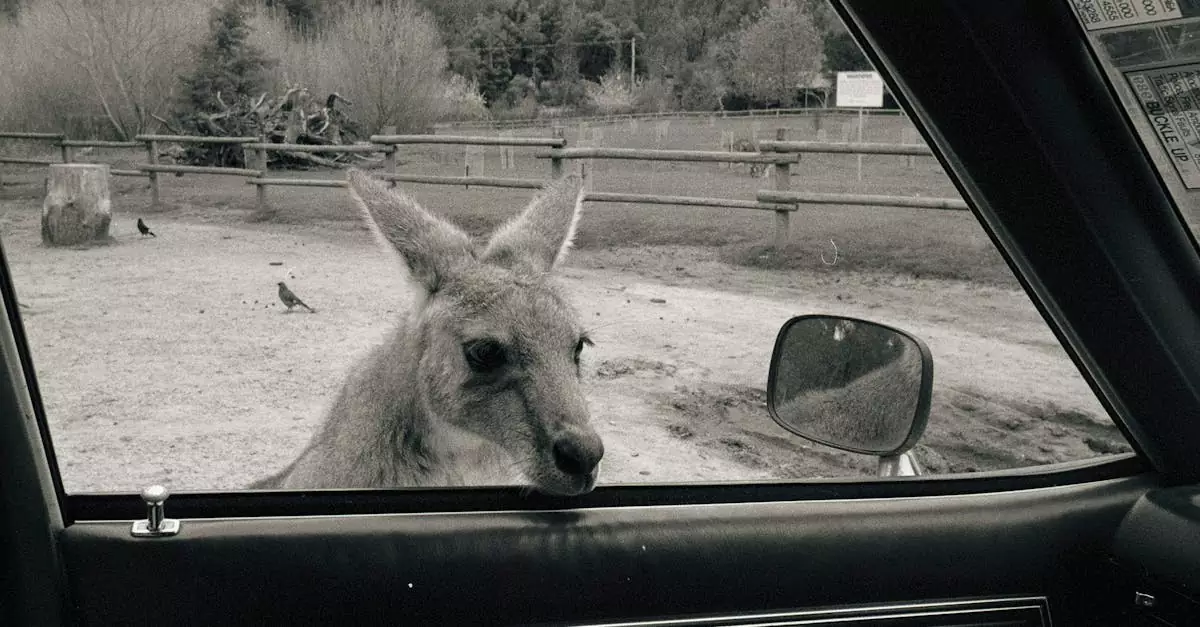
Australia is a continent teeming with endemic species, offering unparalleled opportunities for wildlife encounters. Planning a road trip focused on spotting unique animals requires understanding where these creatures inhabit and the best ways to find them. From ancient desert landscapes to vibrant coral reefs, the opportunities for observing Australia’s distinctive fauna are vast and varied.
The Kimberley: Ancient Landscapes and Desert Creatures
Western Australia’s Kimberley region presents a rugged, remote landscape that is home to a surprising array of desert-adapted wildlife. This vast area, known for its dramatic gorges and ancient rock formations, offers a glimpse into a prehistoric world. Road trips here often involve navigating unsealed roads, making a 4WD vehicle essential for accessing prime viewing spots.
Keep an eye out for the agile agile wallaby and the elusive rock wallaby in rocky outcrops. Birdwatchers will be rewarded with sightings of the majestic wedge-tailed eagle soaring overhead and a variety of parrots and cockatoos. Along the coast, particularly around the Dampier Peninsula, visitors might spot humpback whales during their migration season (typically June to October) and resident dolphins. For those venturing into the arid interior, chances increase to see reptiles like the frilled-neck lizard.
Logistics:
- Best time to visit: The dry season (May to October) offers more accessible roads and pleasant temperatures.
- Transportation: A 4WD is highly recommended. Some remote areas may require guided tours.
- Accommodation: Options range from basic campgrounds to more comfortable eco-lodges. Book well in advance, especially during peak season.
- Safety: Be prepared for remoteness. Carry ample water, fuel, and communication devices. Inform someone of your travel plans.
Tropical North Queensland: Reptiles and Reef Dwellers
The lush rainforests and the iconic Great Barrier Reef in Tropical North Queensland offer a completely different wildlife experience. This region is a biodiversity hotspot, providing habitats for an astonishing variety of species, both on land and in the sea. Road trips here can easily combine jungle trekking with underwater exploration.
In the Daintree Rainforest, the oldest continuously living rainforest on Earth, look for the vibrant green tree frog and the iconic cassowary, a large, flightless bird. Crocodiles are a significant presence in the region’s waterways; guided boat tours on the Daintree River or the Endeavour River are the safest way to observe saltwater crocodiles. Further offshore, the Great Barrier Reef is a world-renowned destination for marine life. Snorkeling and diving excursions reveal a kaleidoscope of coral, tropical fish, sea turtles, and reef sharks.
Timing and Activities:
- Reef: Year-round, though visibility can be affected by the wet season.
- Rainforest: Accessible year-round, but the wet season (November to April) can bring heavy rain and humidity.
- Activities: Guided rainforest walks, crocodile spotting tours, snorkeling and diving trips, and visits to wildlife sanctuaries.
South Australia’s Marine Parks: Seals, Sharks, and Dolphins
South Australia boasts an extensive coastline dotted with protected marine parks, making it a premier destination for marine wildlife viewing. The Eyre Peninsula, in particular, is a haven for an incredible diversity of sea creatures. Road trips along this rugged coast offer opportunities for unique encounters with some of the ocean’s most fascinating inhabitants.
Visit the population of Australian sea lions at Baird Bay or Seal Bay on Kangaroo Island. For the adventurous, cage-diving tours offer a chance to see the majestic great white shark in its natural environment. Coastal waters are also frequently visited by pods of dolphins, and migrating whales, including southern right whales, can be seen during their calving season. Birdlife is abundant, with numerous seabird colonies along the cliffs.
Comparison of Wildlife Viewing Locations:
| Location | Primary Wildlife Focus | Best Time for Marine Life | Road Accessibility |
|---|---|---|---|
| The Kimberley | Desert fauna, whales, birds | June – October | 4WD essential |
| Tropical North Queensland | Reptiles, rainforest birds, reef | Year-round (reef) | Good (sealed roads) |
| South Australia (Coast) | Marine mammals, sharks, dolphins | May – October (whales) | Good (sealed & unsealed) |
These diverse regions highlight Australia’s extraordinary natural heritage, offering road trip adventures that connect travelers directly with its unique wildlife.
Responsible Wildlife Tourism in Australia
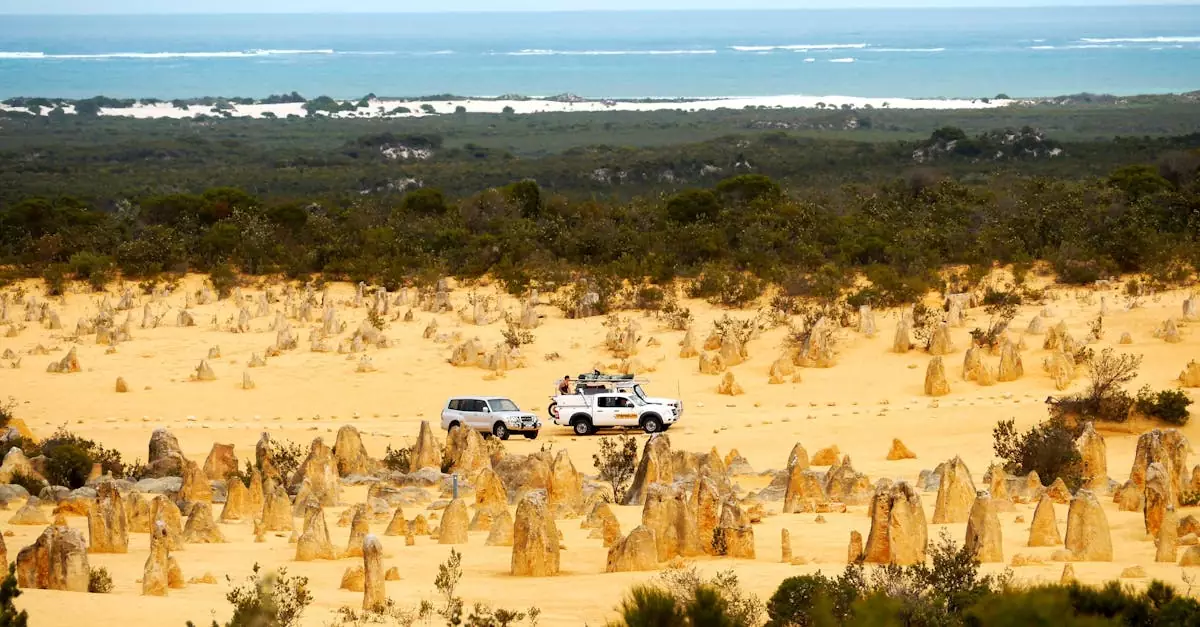
When planning your best wildlife road trips Australia has to offer, prioritizing responsible tourism ensures these incredible animals and their habitats thrive for future generations. This means making conscious choices about how you interact with wildlife and the environment. Ethical encounters are paramount, focusing on observation from a respectful distance rather than direct interaction that can stress animals or alter their natural behavior.
Ethical Animal Encounters: Dos and Don’ts
The key to ethical wildlife viewing is to let animals be wild. Do observe from a distance, using binoculars or zoom lenses to get a closer look without disturbing them. Never feed wild animals, as this can lead to dependency, poor health, and increased risk of injury or death. It’s crucial to avoid touching or handling wildlife, as this can transmit diseases and cause significant stress. When visiting national parks or protected areas, always stick to marked trails to prevent habitat degradation. Remember, the goal is to witness animals in their natural environment, not to interfere with their lives.
Choosing Eco-Certified Tour Operators
Selecting tour operators committed to sustainability makes a significant difference. Look for businesses certified by reputable eco-tourism organizations. These certifications indicate that the operator adheres to strict environmental guidelines, contributes to conservation efforts, and provides genuine educational experiences. Researching an operator’s practices beforehand can reveal their commitment to minimizing their footprint, such as using low-emission vehicles or supporting local communities. Many operators also contribute a portion of their profits to wildlife rehabilitation or conservation projects, further enhancing the positive impact of your trip.
Minimizing Your Environmental Impact on Road Trips
Road trips, by their nature, have an environmental footprint. To mitigate this, consider the type of vehicle you use; smaller, more fuel-efficient cars are generally better. Plan your routes efficiently to reduce unnecessary driving. Always pack out everything you pack in, leaving no trace behind, especially in natural areas. Proper waste disposal is critical, so carry a rubbish bag and dispose of it in designated bins. When visiting coastal areas, be mindful of marine life and avoid single-use plastics that can end up in the ocean. Adhering to speed limits also helps protect wildlife, particularly at dawn and dusk when many animals are most active.
Frequently Asked Questions About Australian Wildlife Road Trips
What are the safest times to drive on Australian wildlife roads?
Driving in Australia presents unique safety considerations, especially when encountering wildlife. Dusk and dawn are peak times for animal activity, making them the riskiest periods for driving. Many native animals are nocturnal or crepuscular, meaning they are most active at these times.
To enhance safety on your Australian wildlife road trip, it’s best to:
- Avoid driving at night: If possible, plan your travel to avoid driving between sunset and sunrise.
- Reduce speed: Especially in known wildlife areas or during twilight hours.
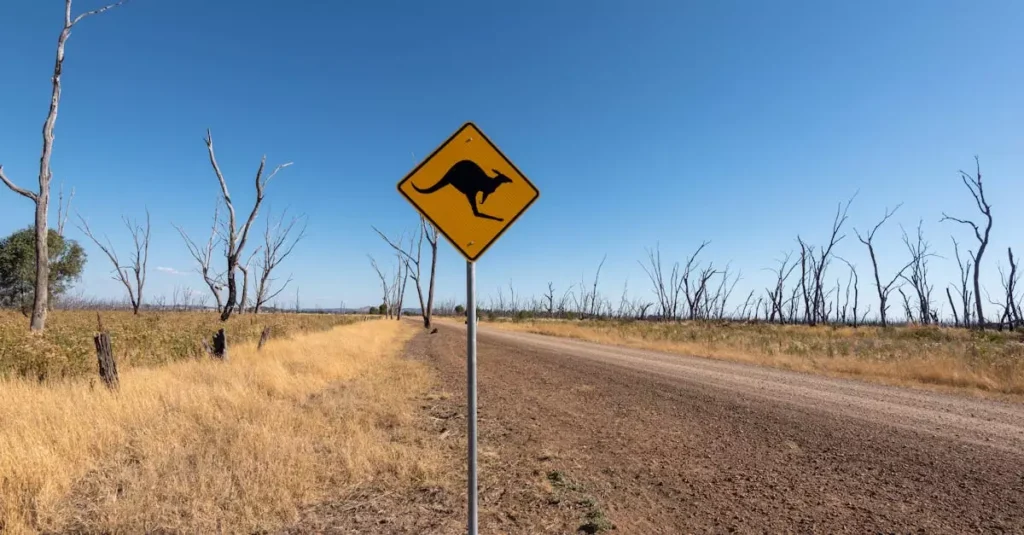
- Be aware of signage: Road signs indicating wildlife crossings are crucial warnings.
- Watch for common roadkill: Areas with frequent animal carcasses suggest active wildlife populations nearby.
The safest times to drive are generally during daylight hours, from mid-morning to late afternoon. This allows for better visibility and reduces the chance of unexpected encounters with animals crossing the road. Consider the specific climate of your chosen region; extreme weather can also impact driving conditions and wildlife behavior. For instance, during wet seasons in tropical areas, animals might seek higher ground, potentially closer to roads.
Can I see kangaroos and koalas on every road trip?
While kangaroos are widespread across Australia and can be spotted on many road trips, seeing koalas is more specific. Koalas have a restricted diet and habitat, primarily eucalyptus forests. Therefore, sightings are more likely in regions with abundant eucalyptus trees, such as parts of Victoria, New South Wales, and Queensland.
To increase your chances of seeing these iconic marsupials:
- Research specific habitats: Focus your road trip on areas known for koala populations, like the Great Ocean Road in Victoria or the Sunshine Coast hinterland in Queensland.
- Visit wildlife sanctuaries: For guaranteed sightings and to learn more about conservation efforts, dedicated sanctuaries are an excellent option.
- Be patient and observant: Kangaroos are often seen in open country, while koalas are arboreal and can be high in trees, making them harder to spot. Look for tell-tale signs like gum leaves being stripped bare.
Not every road trip will guarantee sightings of both. Planning your route with these animals’ specific needs in mind is key to a successful wildlife viewing experience.
What budget should I allocate for an Australian wildlife road trip?
Budgeting for an Australian wildlife road trip depends heavily on your travel style, duration, and chosen destinations. Australia is relatively expensive for travel, but road trips offer flexibility to manage costs.
Here’s a breakdown of potential expenses:
- Accommodation: Ranges from free (camping) to AUD $200+ per night for hotels. National park fees may also apply for camping.
- Vehicle: Rental costs vary significantly based on vehicle type and rental duration, from AUD $50 to $150+ per day. Fuel costs are also a major factor, influenced by distance and current prices.
- Food: Self-catering can save considerable money, while dining out will increase expenses.
- Activities: National park entry fees, guided tours, and wildlife encounters can add up.
A mid-range budget for a solo traveler or couple might look like this:
| Expense Category | Estimated Daily Cost (AUD) | Notes |
|---|---|---|
| Accommodation | $80 – $150 | Mix of motels, caravan parks, and some hotels |
| Food | $50 – $80 | Mix of groceries and casual dining |
| Fuel | $40 – $70 | Varies by distance and vehicle efficiency |
| Activities/Parks | $20 – $50 | National park passes, small tours |
| Total Daily | $190 – $350 | Excluding vehicle rental |
This estimate excludes the cost of the rental vehicle, which can add significantly to the overall budget. Planning to camp or stay in budget-friendly caravan parks can substantially reduce accommodation costs.
Are there specific routes known for birdwatching in Australia?
Australia boasts incredible avian diversity, and several road trip routes are renowned for birdwatching opportunities. These routes often traverse varied habitats, from coastal wetlands to ancient forests, attracting a wide array of species.
Popular birdwatching road trips include:
- The Great Eastern Ranges Initiative: This vast network of forests and woodlands across eastern Australia is home to many endemic species, including lyrebirds, various parrots, and honeyeaters. Driving through national parks like the Blue Mountains or the Dandenong Ranges offers excellent opportunities.
- Kakadu National Park, Northern Territory: Known for its wetlands and tropical landscapes, Kakadu is a haven for waterbirds, raptors, and migratory species. The Yellow Water Billabong is particularly famous for its abundance of birdlife.
- South Australian Bird Trail: This curated trail connects key birding hotspots across South Australia, including the Coorong National Park (waterbirds and waders) and the Flinders Ranges (arid zone specialists).
When planning a birdwatching road trip, consider bringing binoculars, a field guide specific to Australian birds, and checking local birding group websites for recent sightings and recommended locations. Timing can also be crucial, with migratory seasons offering unique viewing experiences.