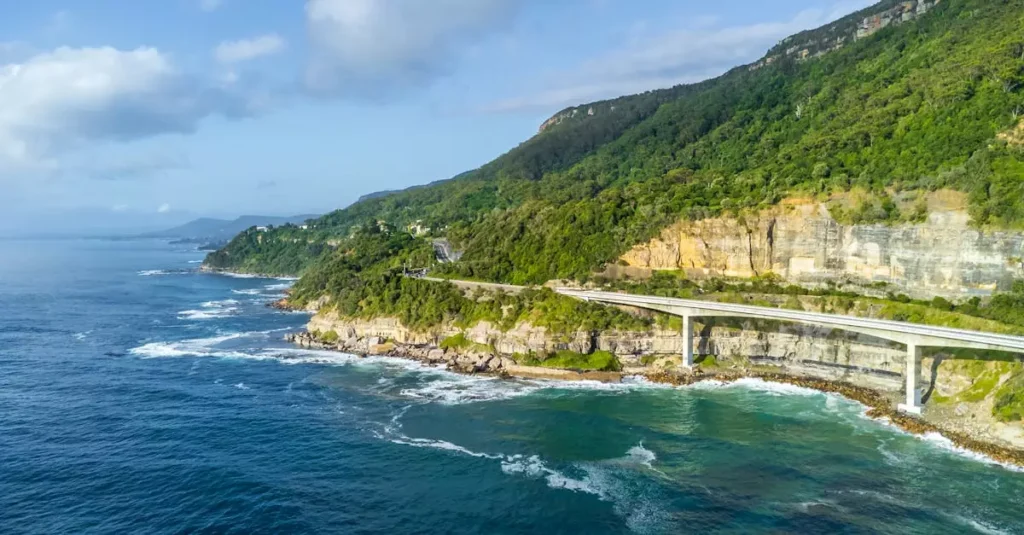
Australia’s vast and varied landscapes are best explored from the driver’s seat, offering an unparalleled sense of freedom and discovery. From the dramatic coastlines of Victoria to the ancient heart of the Red Centre, the continent is crisscrossed with routes that showcase its breathtaking natural beauty. If you’re planning an adventure, understanding the best scenic routes Australia has to offer is your first step toward an unforgettable journey. This guide will equip you with the knowledge to plan your trip, covering everything from the ideal times to visit each region and essential driving tips to budgeting and accommodation options. Get ready to hit the road and immerse yourself in the diverse wonders of Australia.
Top 5 Scenic Drives in Australia for Unforgettable Road Trips

Australia is a vast continent, and its diverse landscapes are best appreciated from behind the wheel. From dramatic coastlines to ancient rainforests and stark desert plains, the best scenic routes Australia has to offer provide a profound connection with the natural world. Planning a road trip here means choosing between iconic stretches of highway and more remote adventures. Consider these top five drives for an unforgettable journey.
Great Ocean Road: Coastal Cliffs and Rainforest Wonders
The Great Ocean Road in Victoria is arguably Australia’s most famous scenic drive. Stretching over 240 kilometers between Torquay and Warrnambool, it winds along a dramatic coastline. The Twelve Apostles, towering limestone stacks rising from the Southern Ocean, are the undisputed highlight. The drive also passes through charming seaside towns like Lorne and Apollo Bay, offering access to the lush Otway Ranges National Park, known for its ancient rainforests and waterfalls.
Logistics and Timing:
- Best time to visit: Spring (September-November) and Autumn (March-May) offer pleasant weather and fewer crowds than summer. Winter can bring rough seas and dramatic skies.
- Duration: Allow at least two days to fully appreciate the scenery, with an overnight stop in a town like Apollo Bay or Port Campbell.
- Getting there: Fly into Melbourne and rent a car. The drive is approximately a 2-hour journey from Melbourne to the start of the Great Ocean Road at Torquay.
- Considerations: The road is well-maintained but can be winding. Be prepared for potential fog, especially in the mornings. Wildlife, including kangaroos and koalas, are often spotted.
The Red Centre: Uluru, Kata Tjuta, and Desert Landscapes
For a journey into the heart of Australia’s spiritual and geological core, the Red Centre is unparalleled. The drive from Alice Springs to Uluru-Kata Tjuta National Park, and beyond to Kings Canyon, reveals vast, ancient desert landscapes. Uluru itself is an awe-inspiring monolith that dramatically changes color at sunrise and sunset. Kata Tjuta (The Olgas) offers stunning walks through its domed rock formations. This is a trip into a landscape that feels both timeless and profoundly Australian.
Traveler Insights:
- Best time to visit: The cooler months, from April to September, are essential for comfort. Summer temperatures can exceed 40°C (104°F).
- Duration: A minimum of three days is recommended to experience Uluru and Kata Tjuta, with an additional day if visiting Kings Canyon.
- Getting there: Fly into Alice Springs (ASP) or Ayers Rock Airport (AYQ). Car rental is available at both locations. Distances are significant; the drive from Alice Springs to Uluru is about 450 kilometers (280 miles).
- Budget: Accommodation and fuel can be more expensive in this remote region. Book well in advance, especially during peak season.
Tropical North Queensland: Daintree Rainforest to Great Barrier Reef
This route offers a unique combination of ancient rainforests and vibrant coral reefs. Starting from Cairns or Port Douglas, you can drive north to the Daintree Rainforest, the oldest continuously surviving tropical rainforest on Earth. Explore its ancient trees, cascading waterfalls, and unique wildlife. Further north, the Cape Tribulation area marks where the rainforest meets the reef, providing opportunities for snorkeling, diving, and boat tours on the Great Barrier Reef.
Key Experiences:
- Daintree Rainforest: Walk through the canopy on elevated boardwalks, take a river cruise to spot crocodiles, or hike to secluded waterfalls.
- Cape Tribulation: Experience the magic of walking on beaches where the rainforest meets the sea.
- Great Barrier Reef: Day trips from Port Douglas or Cairns provide access to world-class snorkeling and diving.
- Best time to visit: The dry season (May to October) offers lower humidity and less rain, making it ideal for outdoor activities. The wet season (November to April) is hotter and more humid, with a higher chance of rain and cyclones.
Tasmania’s East Coast: Pristine Beaches and Historic Towns
Tasmania’s East Coast is a paradise for those seeking stunning natural beauty and a relaxed pace. The drive from Hobart north to St Helens or even further to Bay of Fires is dotted with picturesque beaches, charming historic towns, and excellent wineries. Highlights include Freycinet National Park, home to the iconic Wineglass Bay, and the vibrant orange lichen-covered granite boulders of the Bay of Fires.
Planning Your Trip:
- Best time to visit: Summer (December-February) offers the warmest weather for beach activities. Spring and Autumn are also pleasant with fewer visitors.
- Duration: A 3-5 day itinerary allows for a good exploration of the key sights along the coast.
- Transportation: Fly into Hobart (HBA) or Launceston (LST) and rent a car. The roads are generally well-maintained.
- Local culture: Enjoy fresh seafood, sample local wines, and visit historic sites like the Port Arthur Historic Site (a detour south of Hobart but highly recommended).
Kangaroo Island: Wildlife Encounters and Rugged Coastlines
Just off the coast of South Australia, Kangaroo Island is a sanctuary for wildlife and a showcase of rugged natural beauty. It’s a destination where kangaroos, wallabies, koalas, seals, and diverse birdlife are commonly encountered right by the roadside. The island boasts dramatic coastal cliffs, stunning beaches, and unique geological formations like the Remarkable Rocks and Admirals Arch.
Wildlife and Nature:
- Seal Bay Conservation Park: Walk among Australian sea lions on a guided tour.
- Flinders Chase National Park: Home to the Remarkable Rocks and Admirals Arch, and a haven for diverse wildlife.
- Beaches: Many pristine beaches offer opportunities for swimming, surfing, and enjoying solitude.
- Best time to visit: Spring (September-November) and Autumn (March-May) provide mild weather for exploration. Summer can be hot, while winter is cooler and wetter.
- Getting there: Fly into Adelaide (ADL) and then take a short flight to Kangaroo Island Airport (KGC), or drive to Cape Jervis and take the ferry to Penneshaw. Car rental is available on the island.
These five routes represent just a fraction of Australia’s incredible road-tripping potential. Each offers a distinct experience, showcasing the country’s remarkable natural diversity and providing opportunities for adventure and discovery.
Planning Your Australian Scenic Route Adventure
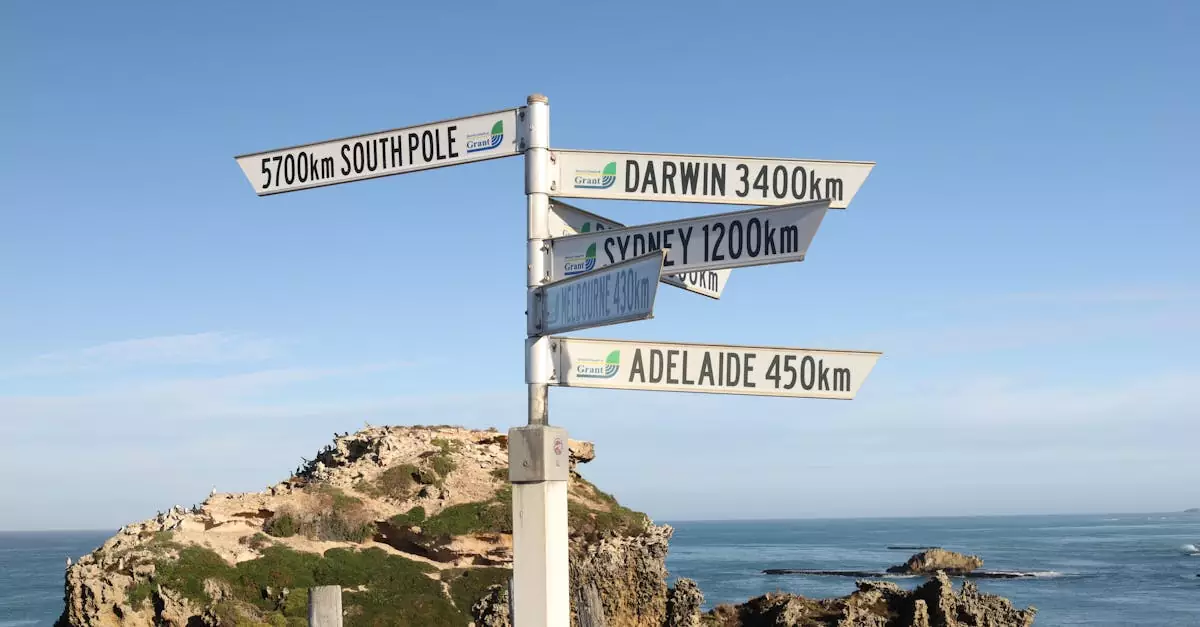
Embarking on a road trip across Australia promises unparalleled freedom and the chance to witness some of the planet’s most diverse and breathtaking landscapes. From the sun-drenched coastlines of Western Australia to the rugged Outback and the lush rainforests of the east, the continent offers a wealth of driving experiences. Planning is key to maximizing your adventure, ensuring you encounter the best conditions and have the necessary resources at hand.
Best Time to Drive Each Scenic Route: Seasonal Highlights
Australia’s vast size means its climate varies dramatically across regions, making seasonal considerations crucial for any of the best scenic routes Australia has to offer.
- Summer (December to February): Ideal for coastal drives in the southern states like Victoria’s Great Ocean Road or Tasmania. Inland areas, particularly the Outback, can experience extreme heat, making them less suitable for extensive driving. Northern Australia enters its wet season, with heavy rains and potential cyclones impacting road conditions.
- Autumn (March to May): A fantastic time for most of Australia. The heat subsides in the south, and the Outback becomes more accessible and comfortable. This season offers pleasant temperatures for exploring the Flinders Ranges or driving the Red Centre. The vibrant colors of changing foliage can also be a draw in some southern regions.
- Winter (June to August): Perfect for exploring the tropical north, including the Daintree Rainforest or the drive to Cape York, as this is the dry season. Southern Australia can be cooler and wetter, though still enjoyable for city-to-city drives or exploring wine regions. Snow is possible in the Australian Alps.
- Spring (September to November): Similar to autumn, spring offers generally mild and pleasant weather across much of the country. Wildflowers bloom in Western Australia, making the drive along its coast particularly spectacular. The north begins to warm up, transitioning out of the dry season.
Understanding these seasonal nuances will help you choose the right time for your chosen route, avoiding extreme weather and maximizing your enjoyment.
Choosing Your Vehicle: Car Hire vs. Campervan for Australian Roads
The type of vehicle you choose significantly impacts your road trip experience across Australia. Both car hire and campervan rentals offer distinct advantages.
Car hire provides flexibility and is generally more economical for shorter trips or if you plan to stay in established accommodations like hotels or motels. A standard 2WD car is sufficient for most sealed roads and popular scenic routes. For venturing onto unsealed roads or tackling more remote areas, a 4WD vehicle is highly recommended.
Campervans, on the other hand, offer the ultimate freedom, combining transport and accommodation. They are perfect for those who want to wake up to stunning views and have the flexibility to stop and camp wherever permitted. However, campervans can be more expensive to hire and operate, and their size may limit access to certain narrow roads or smaller towns. They also require more planning regarding where to park and access facilities.
Consider your budget, itinerary, and desired level of comfort when making this decision. Booking in advance, especially during peak seasons, is advisable for both cars and campervans.
Essential Navigation: Maps, GPS, and Mobile Coverage Tips
Navigating Australia’s vast distances requires reliable tools. While GPS devices and smartphone navigation apps are invaluable, they come with a caveat: mobile coverage can be extremely patchy, especially outside major towns and cities.
- Download Offline Maps: Before you depart, download offline maps for your entire route using apps like Google Maps or Maps.me. This ensures you can navigate even without a signal.
- Carry Physical Maps: A good old-fashioned paper map or atlas is an excellent backup. It provides a broader overview of the region and is unaffected by battery life or signal loss.
- Satellite Communicator: For remote routes, consider renting or purchasing a satellite communication device (like a Garmin inReach or SPOT device). These allow you to send emergency signals or pre-set messages even when there’s no mobile reception.
- Check Road Conditions: Before setting off on any significant leg of your journey, check local road condition reports, especially if traveling in rural or remote areas. Websites like those run by state road authorities (e.g., Transport for NSW) provide up-to-date information on closures or hazards.
Relying solely on mobile phone reception for navigation in Australia is a common mistake that can lead to significant inconvenience. Always have a backup plan.
Crafting the Perfect Itinerary for Australia’s Best Scenic Routes

Australia offers an incredible diversity of landscapes, making it a prime destination for road trips. Planning your journey is key to maximizing your experience, whether you dream of coastal vistas, desert expanses, or lush rainforests. Consider the time of year, your budget, and the pace you prefer to set for your adventure.
A 7-Day Great Ocean Road Itinerary: From Torquay to Warrnambool
The Great Ocean Road is one of Australia’s most iconic drives, stretching along the rugged coastline of Victoria. A week allows for a relaxed exploration, taking in the dramatic Twelve Apostles, Loch Ard Gorge, and the charming seaside towns.
Day 1-2: Torquay & Lorne
Begin in Torquay, the surf capital, and spend time enjoying the beaches or visiting the surf museum. Drive east to Lorne, a picturesque town with waterfalls and a vibrant arts scene.
Day 3-4: Apollo Bay & Otway National Park
Continue along the coast to Apollo Bay. Dedicate a day to exploring the ancient rainforests of Otway National Park, with opportunities for treetop walks and spotting native wildlife.
Day 5-6: Port Campbell & The Twelve Apostles
The highlight for many is the Port Campbell National Park, home to the famous Twelve Apostles rock formations and Loch Ard Gorge. Allow ample time for sunset and sunrise views.
Day 7: Warrnambool & Return
Conclude your journey in Warrnambool, Victoria’s largest coastal city. Visit the Flagstaff Hill Maritime Museum or enjoy whale watching during the migration season (June to September).
Logistics:
- Car Rental: Available in Melbourne and Geelong.
- Accommodation: Ranges from budget-friendly motels to luxury lodges. Booking in advance is recommended, especially during peak season.
- Best Time to Visit: Spring (September-November) and Autumn (March-May) offer pleasant weather. Summer can be busy and hot, while winter brings cooler temperatures and potential for dramatic seascapes.
Exploring the Red Centre in 5 Days: Alice Springs to Uluru
For a starkly different, yet equally breathtaking, scenic route, the Red Centre of the Northern Territory calls. This journey focuses on the spiritual heart of Australia, with its vast desert landscapes and ancient Aboriginal culture.
Day 1: Alice Springs Arrival
Arrive in Alice Springs, the gateway to the Red Centre. Explore the town, visit the Desert Park, or learn about the Royal Flying Doctor Service.
Day 2: MacDonnell Ranges
Take a day trip to the West MacDonnell Ranges, visiting stunning gorges like Standley Chasm and Ormiston Gorge. Enjoy swimming in the waterholes and hiking short trails.
Day 3: Drive to Uluru
Embark on the drive south towards Uluru-Kata Tjuta National Park. The landscape changes dramatically as you approach the iconic monolith. Settle into your accommodation near Uluru.
Day 4: Uluru & Kata Tjuta
Dedicate the day to experiencing Uluru. Walk around the base, visit the cultural centre, and witness the unforgettable sunset over the rock. In the afternoon, explore the domes of Kata Tjuta (The Olgas).
Day 5: Departure
Enjoy a final sunrise over Uluru before departing from Ayers Rock Airport (Connellan Airport).
Logistics:
- Car Rental: Essential for this route, available in Alice Springs.
- Accommodation: Options range from campgrounds and basic cabins to luxury resorts at Ayers Rock Resort.
- Best Time to Visit: April to September offers cooler temperatures, ideal for exploring. Summer (October-March) can be extremely hot.
10 Days in Tropical North Queensland: Cairns, Port Douglas, and Cape Tribulation
This itinerary immerses you in a vibrant tropical paradise where the rainforest meets the reef. It’s a journey for those seeking adventure, natural beauty, and a taste of the tropics.
Day 1-3: Cairns & Great Barrier Reef
Arrive in Cairns, the bustling hub of Tropical North Queensland. Spend your days exploring the city, visiting the Cairns Aquarium, and taking a boat trip to the Great Barrier Reef for snorkeling or diving.
Day 4-6: Port Douglas & Daintree Rainforest
Drive north to Port Douglas, a sophisticated coastal town. Relax on Four Mile Beach, and then venture into the ancient Daintree Rainforest. Consider a guided tour to learn about the unique flora and fauna.
Day 7-8: Cape Tribulation
Cross the Daintree River by ferry and drive to Cape Tribulation, where the rainforest meets the sea. Enjoy stunning viewpoints, rainforest boardwalks, and opportunities for wildlife spotting.
Day 9: Mossman Gorge
On your return journey, stop at Mossman Gorge for a refreshing swim in the crystal-clear waters and a walk through the lush rainforest.
Day 10: Departure
Depart from Cairns, filled with memories of tropical wonders.
Logistics:
- Car Rental: Recommended for flexibility, available at Cairns Airport.
- Accommodation: A wide range of options from hostels and apartments to luxury resorts.
- Best Time to Visit: The dry season (May to October) offers the most pleasant weather, with less humidity and rainfall. The wet season (November to April) is hotter, more humid, and brings the possibility of tropical storms.
A road trip through Australia is an unforgettable experience, offering diverse landscapes and unique adventures. Careful planning ensures you make the most of these spectacular scenic routes.
Must-See Stops and Hidden Gems Along Australia’s Scenic Drives

Embarking on Australia’s best scenic routes offers more than just impressive vistas; it’s an opportunity to uncover unique experiences, from world-class photography locations to encounters with native wildlife and the discovery of local culinary delights. Planning your journey with these highlights in mind will enrich your road trip immensely.
Photography Hotspots: Capturing the Twelve Apostles and Loch Ard Gorge
The Great Ocean Road in Victoria is a prime example of a road trip that delivers iconic photography opportunities. The Twelve Apostles, a collection of limestone stacks rising from the Southern Ocean, are a must-see. For the best light, aim for sunrise or sunset when the colors of the cliffs and water are most dramatic. Nearby, Loch Ard Gorge offers a more intimate setting with its sheltered beach and shipwreck history, providing a different, yet equally captivating, photographic subject.
Beyond these famous landmarks, keep an eye out for less-publicized lookouts along the coast. Small, unmarked pull-offs often lead to stunning cliffside views or secluded coves that offer a unique perspective away from the main crowds. The drive itself, winding along the coastline, presents countless opportunities for candid shots of the dramatic seascape.
Wildlife Viewing Opportunities: Kangaroos, Koalas, and Marine Life
Australia’s vast landscapes are teeming with unique wildlife, and scenic drives provide excellent opportunities for observation. Along many coastal routes, particularly in Queensland and Western Australia, you might spot dolphins or even whales during their migration seasons. Keep your eyes peeled for seals basking on rocky outcrops.
Inland drives, especially through national parks and eucalyptus forests, offer the chance to see kangaroos grazing in paddocks, particularly in the early morning or late afternoon. Koalas are more elusive but can sometimes be spotted in gum trees along roadsides in regions like Victoria’s Great Otway National Park. Remember to drive cautiously, especially at dawn and dusk, as wildlife is most active during these times. Always maintain a safe distance and never feed the animals.
Off-the-Beaten-Path: Secret Beaches and Local Eateries
While the major attractions draw crowds, some of the most rewarding experiences on Australia’s scenic routes are found by venturing slightly off the main path. Many coastal drives hide access points to pristine, often deserted beaches. Look for unsealed roads or ask locals for recommendations. These spots are perfect for a quiet picnic or a refreshing swim.
Don’t overlook the small towns that dot the driving routes. These communities often boast charming local cafes and bakeries serving regional specialties. Sampling fresh seafood in a coastal town or a hearty meat pie inland provides a genuine taste of Australian life. Seeking out these local eateries offers a more authentic experience than chain restaurants and supports the local economy. For instance, a detour into the hinterland behind the Gold Coast can reveal quaint cafes serving locally roasted coffee and farm-fresh produce.
What’s the Best Way to Experience Australia’s Scenic Routes?
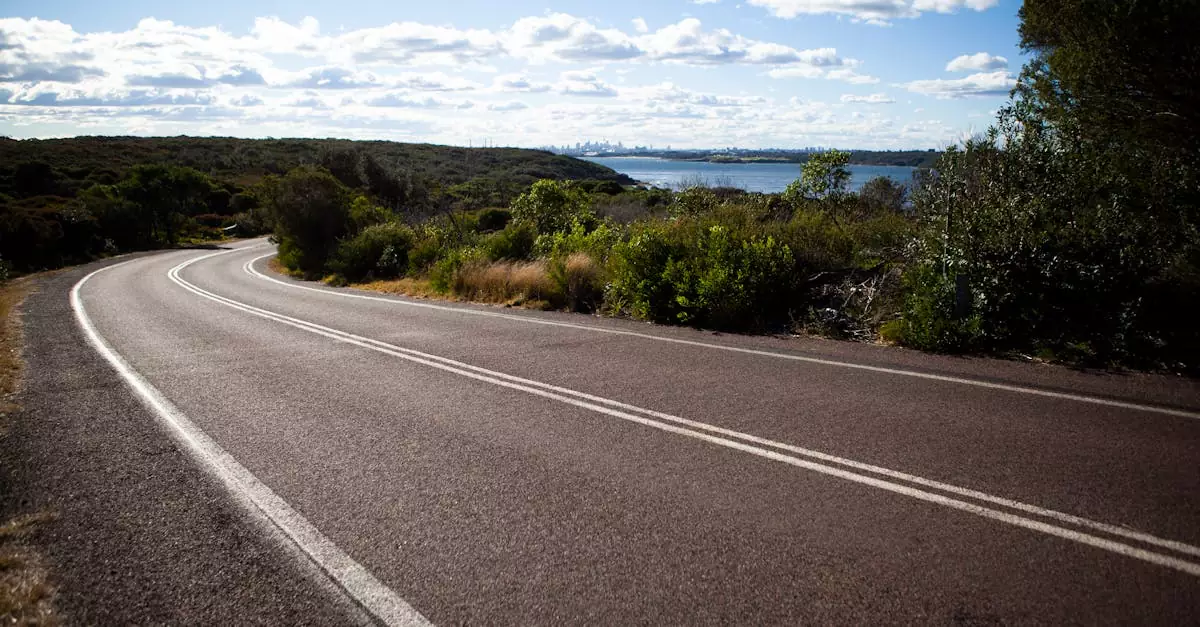
Embarking on a road trip across Australia offers unparalleled freedom to explore its vast and diverse landscapes. The best way to experience these incredible drives is by car, allowing you to set your own pace and stop at spontaneous viewpoints. Planning is key, especially when considering the sheer distances involved and the unique driving conditions you might encounter.
Driving Tips for Australian Roads: Left-Hand Drive and Wildlife Awareness
One of the first things to get used to when driving in Australia is that traffic moves on the left. For visitors from countries with right-hand drive, this requires extra concentration, particularly at intersections and on single-lane roads. Always pay attention to road signs and be mindful of other vehicles.
Wildlife is another significant consideration, especially outside of major urban centers. Kangaroos, emus, and other native animals are most active at dawn and dusk. To avoid dangerous collisions, it’s best to limit driving during these times. If you do encounter wildlife on the road, brake firmly but try not to swerve, as this can lead to rollovers or more serious accidents. Many rural roads also have designated wildlife warning signs; heed these carefully.
Budgeting for Your Road Trip: Fuel, Accommodation, and Activities
A road trip through Australia can range from budget-friendly camping to a more luxurious experience. Fuel is often one of the largest expenses, particularly in remote areas where prices can be significantly higher. It’s wise to factor in fuel costs when planning your route and to fill up whenever you have the opportunity.
Accommodation costs can also vary widely. Camping grounds offer a very affordable option, while motels, caravan parks, and hotels provide more comfort. Activities, from national park entry fees to guided tours, should also be included in your budget. Researching free attractions, such as stunning lookouts and scenic walks, can help manage expenses.
Accommodation Options: From Luxury Lodges to Camping Under the Stars
Australia offers a diverse range of accommodation to suit every budget and travel style. For those seeking comfort and convenience, hotels and motels are readily available in towns and cities. Many regional areas also boast unique boutique hotels or charming bed and breakfasts that offer a more local experience.
Camping and caravanning are popular choices for road trippers, with a vast network of caravan parks and national park campgrounds. These range from basic sites with minimal facilities to those offering powered sites, camp kitchens, and swimming pools. For a truly immersive experience, consider glamping options or eco-lodges that blend comfort with a connection to nature.
| Accommodation Type | Typical Cost (AUD per night) | Best For | Notes |
|---|---|---|---|
| Campsite | $20 – $50 | Budget travelers, families | Basic facilities to powered sites |
| Motel | $100 – $200 | Couples, solo travelers | Standard amenities, convenient locations |
| Holiday Park | $150 – $300 | Families, groups | Cabins, self-contained units, activities |
| Boutique Hotel | $200 – $400+ | Couples, luxury seekers | Unique character, personalized service |
| Eco-Lodge | $250 – $500+ | Nature enthusiasts, eco-conscious | Sustainable practices, immersive settings |
Frequently Asked Questions About Driving Australia’s Scenic Routes
What are the most popular scenic routes in Australia?
Australia boasts several iconic drives, each offering a unique perspective on its vast landscapes. The Great Ocean Road in Victoria is renowned for its dramatic coastal scenery, including the Twelve Apostles. For a taste of the Outback, the Red Centre Way in the Northern Territory provides access to Uluru and Kata Tjuta. Tasmania’s East Coast Drive offers pristine beaches and charming seaside towns. The drive from Broome to Perth along the West Australian coast showcases rugged outback meeting the Indian Ocean. These routes are popular for their accessibility and stunning natural beauty, drawing visitors from around the globe seeking the best scenic routes Australia has to offer.
Is it safe to drive long distances in Australia?
Driving long distances in Australia is generally safe but requires careful preparation. Distances between towns can be immense, and services can be sparse in remote areas. It’s crucial to plan your fuel stops, as you might drive for hundreds of kilometers between service stations. Always check road conditions before you depart, especially if traveling in rural or outback regions, as weather can impact accessibility. Fatigue is a significant risk; take regular breaks, avoid driving at dawn or dusk when wildlife is most active, and never drive when you feel tired. Ensure your vehicle is in good condition and carry essential supplies like water, food, and a first-aid kit. For more detailed safety information, consult resources on driving in Australia.
What should I pack for a road trip in Australia?
Packing for an Australian road trip depends heavily on the region and time of year, but some essentials are universal.
- Clothing: Pack lightweight, breathable clothing for warm weather, along with a hat, sunglasses, and high-SPF sunscreen. Include a warmer layer, such as a fleece or jacket, as temperatures can drop significantly, especially in the Outback at night or in southern regions during winter. Comfortable walking shoes are a must.
- Vehicle Essentials: A well-maintained vehicle is paramount. Ensure you have a spare tire, jack, and tools. Consider a GPS device or reliable offline maps, as mobile reception can be patchy. A physical map is a good backup.
- Health & Safety: A comprehensive first-aid kit is essential. Carry plenty of water, especially when venturing into remote areas, and non-perishable snacks. Insect repellent is advisable, particularly in tropical and coastal regions.
- Documents: Keep your driver’s license, vehicle registration, and insurance details readily accessible.
- Electronics: Portable chargers for your phone and camera, along with any necessary adapters.