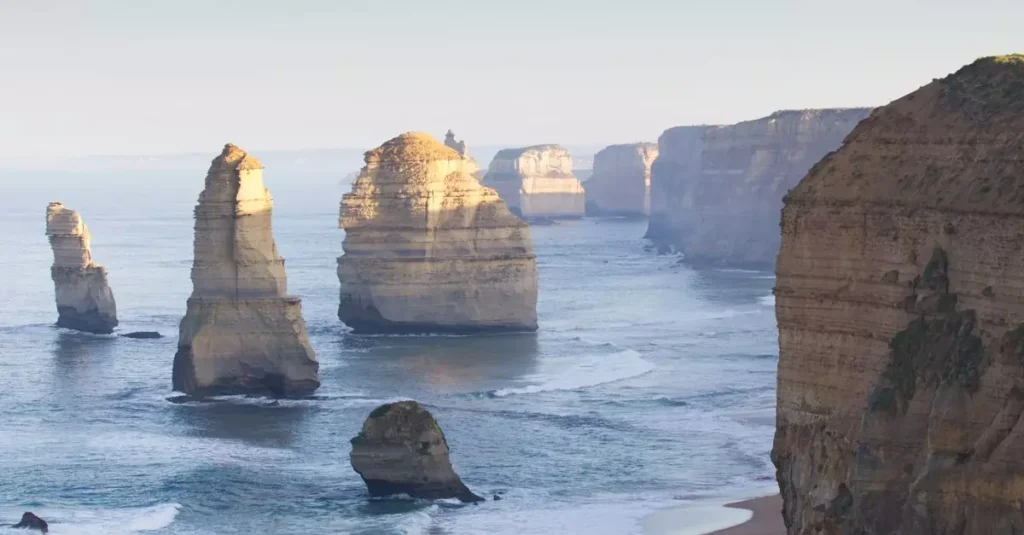
Australia’s vast and varied landscapes are home to some of the planet’s most spectacular national parks. From ancient rainforests and rugged coastlines to sacred Indigenous sites and unique wetland ecosystems, these protected areas offer unmatched opportunities for adventure and discovery. Planning your trip involves selecting which of these natural wonders to prioritize. Here are some of the best national parks in Australia to consider for your 2026 itinerary, highlighting their unique natural and cultural features, optimal visiting times, and logistics for a fulfilling journey through these incredible landscapes.
Why Australia’s National Parks Are a Must-Visit in 2026
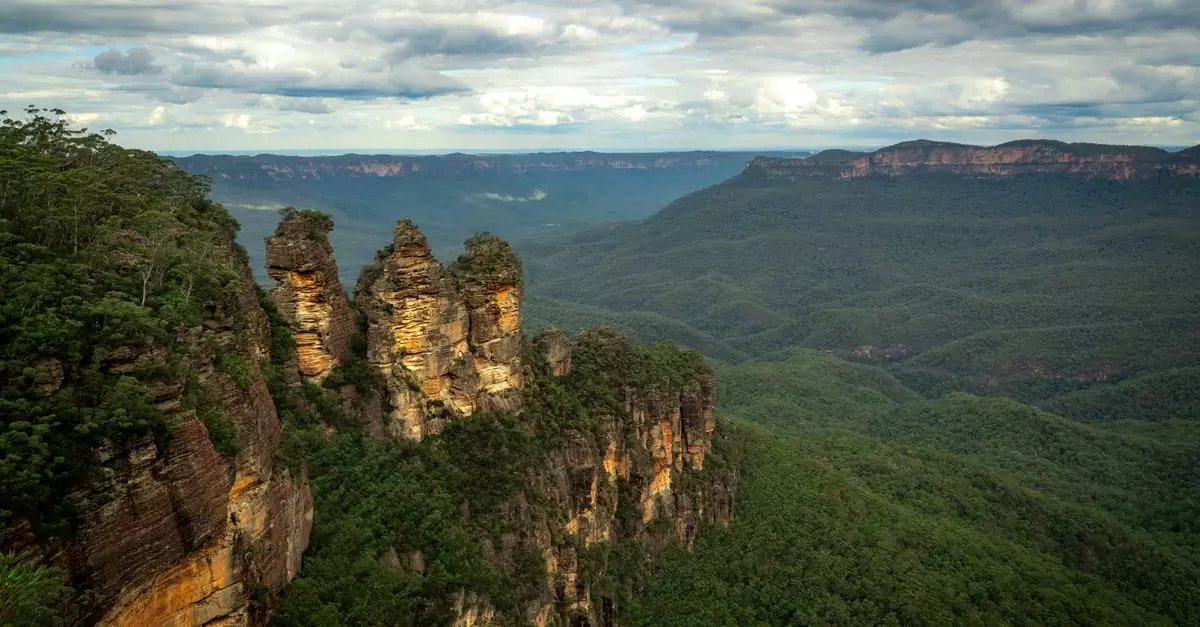
Australia’s diverse landscapes provide an exceptional national park experience. From ancient rainforests to stark desert plains, these protected areas showcase the continent’s unique natural heritage. Visiting these parks in 2026 allows you to connect with nature, witness remarkable wildlife, and support vital conservation efforts. Anticipating varied environments and activities—from bushwalking to wildlife spotting—is essential when planning your trip to the best national parks in Australia.
Unique Biodiversity of Australian National Parks
The continent’s long isolation has produced a remarkable array of endemic species found nowhere else on Earth. Australian national parks serve as guardians of this unique biodiversity, protecting iconic marsupials like kangaroos and koalas, along with a dazzling variety of birds, reptiles, and marine life. For example, Kakadu National Park in the Northern Territory is a UNESCO World Heritage site known for its wetlands teeming with birdlife and ancient Aboriginal rock art. Similarly, Queensland’s Daintree Rainforest, one of the oldest continuously living rainforests, is home to ancient plant species and unique rainforest inhabitants. Appreciating this distinctiveness is key to understanding the significance of these protected areas.
Conservation Efforts and Their Impact
Australia’s commitment to conservation is evident in the management of its national parks, which are essential for safeguarding ecosystems from threats like invasive species, climate change, and habitat loss. Ongoing efforts focus on rehabilitation, research, and community engagement. Many parks offer programs that educate visitors about conservation challenges and successes. For instance, initiatives in Freycinet National Park in Tasmania aim to protect endangered species such as the Tasmanian Devil. By visiting these parks, travelers contribute directly to funding these critical conservation programs, enhancing the impact of their trips.
Experiencing the Best National Parks in Australia for Adventure
Adventure seekers will find plenty of thrills within Australia’s protected landscapes. Hiking trails vary from gentle coastal walks to challenging multi-day treks through rugged terrain. Activities such as kayaking on pristine rivers, snorkeling vibrant coral reefs, and rock climbing sheer cliffs are just a few options available. Uluru-Kata Tjuta National Park, while culturally significant, also offers opportunities for walking and enjoying dramatic desert scenery. For coastal adventures, the Great Barrier Reef Marine Park provides world-class diving and snorkeling experiences. When planning your adventure, consider the specific activities available, required fitness levels, and the best times to visit each park.
Top Picks for the Best National Parks in Australia
Australia’s diverse landscapes house some of the world’s most spectacular national parks. From ancient rainforests and rugged coastlines to sacred Indigenous sites and unique wetland ecosystems, these protected areas present unparalleled opportunities for adventure and exploration. Here are some of the top national parks to consider for your 2026 itinerary.
Kakadu National Park: Ancient Culture and Wetlands
Located in the Northern Territory, Kakadu National Park is a UNESCO World Heritage site celebrated for its immense biodiversity and rich Indigenous cultural heritage. Spanning over 19,800 square kilometers, it’s Australia’s largest national park, featuring a mosaic of wetlands, escarpments, and savannah woodlands. The park is a crucial habitat for numerous bird and reptile species, making it a prime destination for wildlife enthusiasts.
Visitors can explore ancient Aboriginal rock art sites, some dating back over 20,000 years, at locations like Ubirr and Nourlangie. The park’s wetlands, particularly during the wet season (November to April), are breathtaking, teeming with crocodiles and a wide variety of birdlife. The dry season (May to October) offers easier access to many areas and pleasant temperatures for hiking and exploration.
Getting there: Kakadu is accessible by road from Darwin, approximately a 3-hour drive. Self-driving is the most common method, though guided tours are also available.
Considerations:
- Best time to visit: May to October for the dry season.
- Accommodation: Camping grounds, caravan parks, and lodges are available within and around the park.
- Activities: Bushwalking, wildlife spotting, cultural tours, and visiting art sites.
Daintree National Park: Ancient Rainforest Meets Coral Reef
In Queensland, Daintree National Park protects one of the oldest continuously surviving tropical rainforests, dating back over 135 million years. This ancient ecosystem meets the Great Barrier Reef, creating a unique dual World Heritage area. The park features a lush landscape characterized by towering trees, vibrant flora, and cascading waterfalls.
Exploring the Daintree allows for experiences like walking on elevated boardwalks through the rainforest canopy, taking a boat trip along the Daintree River to spot saltwater crocodiles, or visiting stunning Cape Tribulation, where the rainforest meets the reef. The contrast between the emerald green jungle and the turquoise ocean is striking.
Getting there: Daintree is located north of Cairns and Port Douglas, requiring a car ferry across the Daintree River for access.
Considerations:
- Best time to visit: The dry season (June to September) offers less humidity and rain, though the rainforest is spectacular year-round.
- Accommodation: Options range from eco-lodges and resorts to caravan parks.
- Activities: Rainforest walks, river cruises, snorkeling and diving (nearby), wildlife spotting.
Uluru-Kata Tjuta National Park: The Red Centre’s Sacred Icons
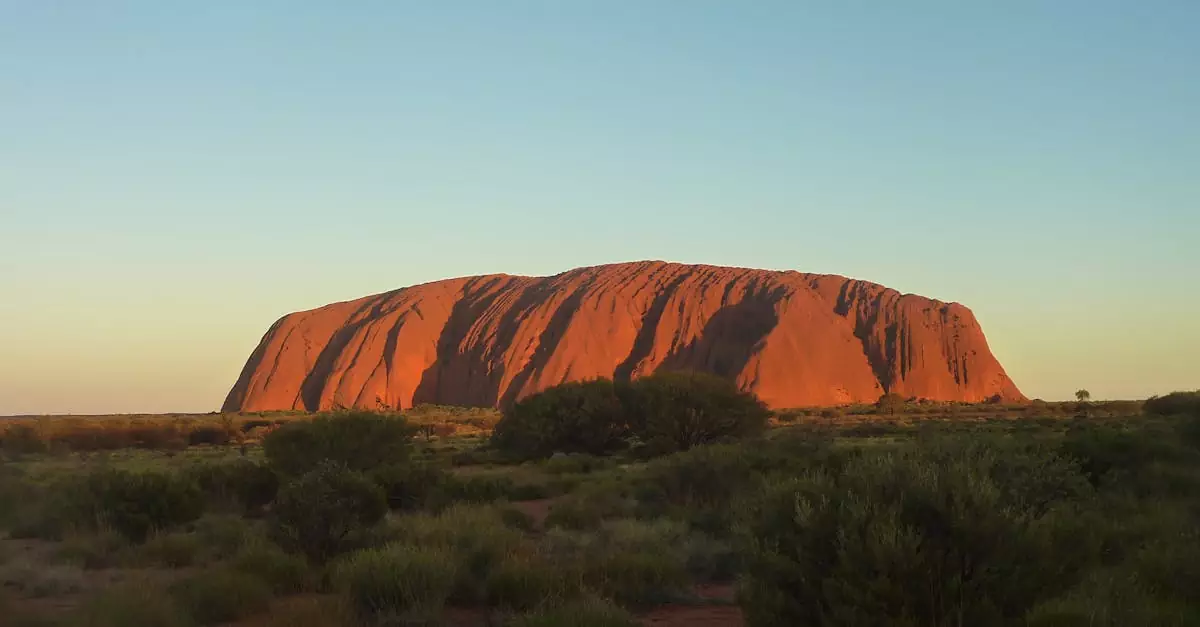
Home to Australia’s most iconic natural and cultural landmarks, Uluru-Kata Tjuta National Park in the Northern Territory is a must-visit. Uluru (Ayers Rock) and Kata Tjuta (The Olgas) are massive sandstone monoliths rising dramatically from the arid desert landscape. This land is sacred to the Anangu people, the traditional custodians, making an understanding of its cultural significance central to any visit.
Visitors can witness the breathtaking spectacle of Uluru at sunrise and sunset when its colors shift from ochre to deep red and purple. The base walk around Uluru offers a close-up perspective of its immense scale and the stories embedded in its surfaces. Kata Tjuta, a collection of domed rock formations, provides challenging walks, including the Valley of the Winds.
Getting there: The nearest airport is Ayers Rock Airport (Connellan Airport), with flights from major Australian cities. Driving from Alice Springs takes about 4.5 hours.
Considerations:
- Best time to visit: April to October, when daytime temperatures are milder.
- Accommodation: Resorts and campgrounds are available at Yulara, the gateway town.
- Activities: Sunrise/sunset viewing, cultural tours, guided walks, art galleries.
Great Otway National Park: Coastal Vistas and Ancient Forests
On the iconic Great Ocean Road in Victoria, Great Otway National Park presents a dramatically different Australian landscape. This park combines rugged coastlines with dense temperate rainforests and ancient eucalyptus woodlands. It serves as a haven for diverse wildlife, including koalas, kangaroos, and a variety of bird species.
Key attractions include dramatic sea cliffs, picturesque lighthouses like Cape Otway, and the temperate rainforests of the Otways, where ancient ferns and towering trees create a mystical atmosphere. Hiking trails range from short walks to challenging multi-day treks, offering opportunities to discover hidden waterfalls and stunning coastal lookouts.
Getting there: Great Otway National Park is accessible from Melbourne via the Great Ocean Road, taking approximately 2.5–3 hours to reach the park’s main sections.
Considerations:
- Best time to visit: Spring (September to November) for wildflowers and mild weather, or autumn (March to May) for stunning fall colors in the forests. Summer can be busy.
- Accommodation: A range of options from camping and glamping to charming guesthouses in nearby towns.
- Activities: Coastal walks, lighthouse visits, rainforest hikes, wildlife spotting, scenic drives.
These parks represent just a fraction of Australia’s incredible natural heritage, each offering a unique and memorable travel experience.
Planning Your Itinerary for Australia’s Natural Wonders
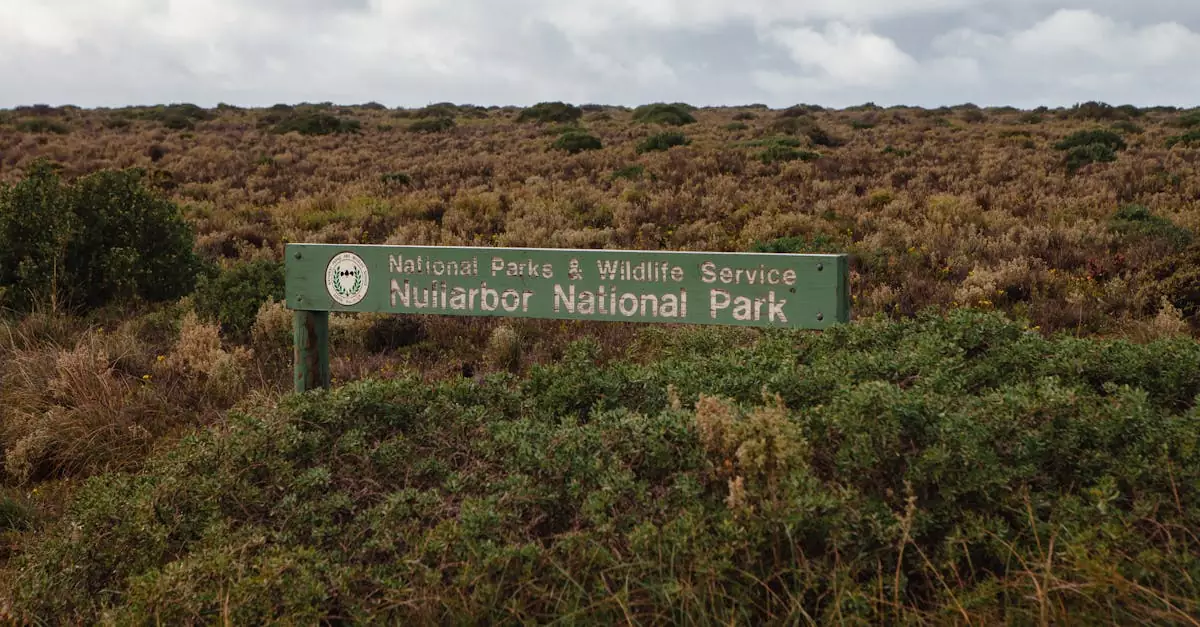
Australia boasts an incredible diversity of landscapes, from ancient rainforests to ochre-red deserts. Planning your visit to its national parks requires considering unique regional climates and the best times to witness their iconic features. Whether you’re embarking on an extensive road trip or focusing on a single region, timing is crucial for an optimal experience.
Crafting a Multi-Park Australian Road Trip
Embarking on a multi-park Australian road trip provides unparalleled opportunities to witness the continent’s varied natural beauty. However, distances are vast, and Australia’s climate can be extreme. When planning, group parks by region to minimize travel time and maximize enjoyment. For instance, focusing on the Northern Territory allows you to visit Kakadu National Park and Litchfield National Park in one trip. Alternatively, a journey through Queensland could encompass the Daintree Rainforest and the Great Barrier Reef Marine Park.
Logistics for such a trip involve careful vehicle selection, often a 4WD for unsealed roads in remote areas, and pre-booking accommodations or campsites, especially during peak seasons. Remember that Australia is large; a trip covering multiple states can easily take several weeks.
Best Time to Visit Kakadu National Park
Kakadu National Park experiences a tropical monsoonal climate with two distinct seasons: the wet season (roughly November to April) and the dry season (May to October). The dry season is generally considered the best time to visit for most travelers. During these months, humidity is lower, temperatures are moderate, and most roads and attractions are accessible. Waterfalls remain impressive from the late wet season, but risks of flooding and crocodile activity increase.
The wet season offers a different perspective, with dramatic thunderstorms and lush landscapes. However, many areas become inaccessible due to flooding, and park services may be limited. If you visit during the wet season, focus on areas accessible by sealed roads, such as the Bowali Visitor Centre and the Warradjan Aboriginal Cultural Centre. Always check park alerts for the latest road conditions and safety advice.
Optimal Seasons for Exploring the Daintree Rainforest
The Daintree Rainforest in Far North Queensland is a UNESCO World Heritage site and the world’s oldest tropical rainforest. It experiences a hot and humid climate year-round, with a distinct wet season (December to March) and a less pronounced dry season. The wet season brings higher rainfall, enhancing the rainforest’s lushness but may also lead to localized flooding and increased insect activity.
The dry season, from May to November, offers more comfortable temperatures and lower humidity, ideal for hiking and wildlife spotting. However, even during the dry season, expect warm days and occasional showers. For those interested in snorkeling or diving the nearby Great Barrier Reef, visibility is often better in the drier months. Always pack light, breathable clothing and insect repellent, regardless of the season.
When to Experience Uluru’s Majestic Landscape
Uluru, also known as Ayers Rock, is located in Australia’s arid Red Centre. The best time to visit this iconic monolith is during the cooler months, from April to September. During this period, daytime temperatures are pleasant, typically ranging from 20°C to 30°C (68°F to 86°F), making it comfortable for walking and exploring the surrounding landscape.
The summer months (December to February) can be extremely hot, with daytime temperatures frequently exceeding 40°C (104°F), limiting outdoor activities. Sunrise and sunset are spectacular year-round, offering breathtaking views of Uluru’s changing colors. Visitors should be aware that accommodation in the nearby town of Yulara can book up quickly, especially during the cooler, more popular months, so advance booking is highly recommended.
Getting Around: Transportation to and Within Australia’s Parks
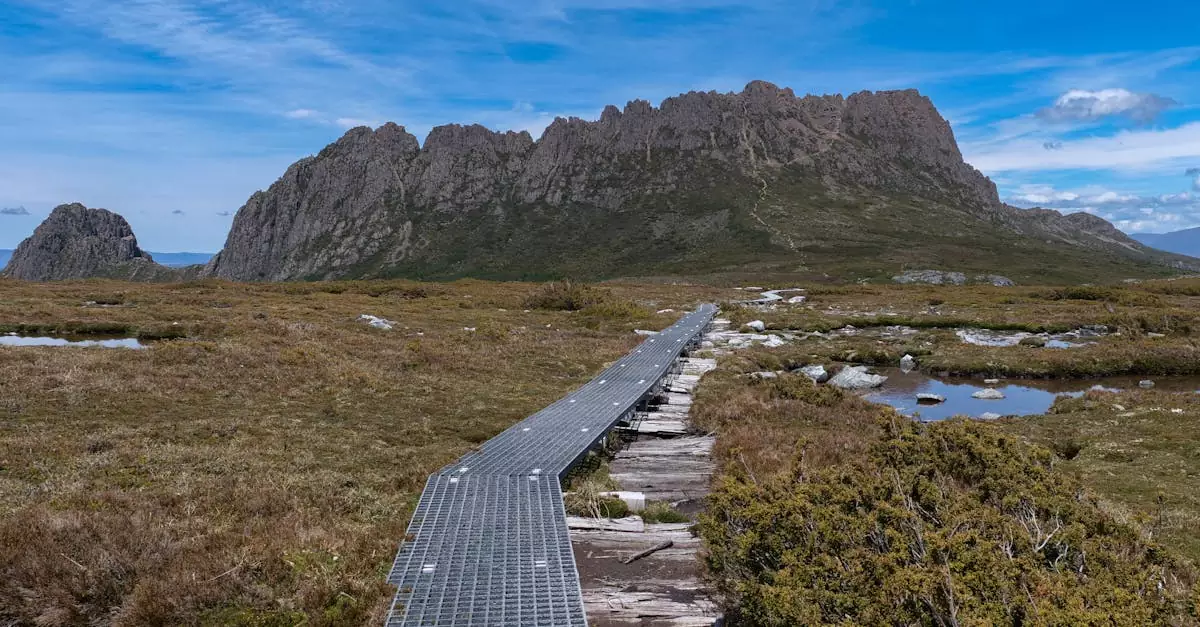
Australia’s vastness means that reaching its natural wonders often requires strategic planning. The best national parks in Australia are spread across diverse landscapes, from tropical north to arid outback, each with unique access considerations. Understanding your transportation options is key to a successful and enjoyable trip.
Flying into Major Gateway Cities for Park Access
For many travelers, the most efficient way to begin their journey to Australia’s parks is by air. Major international airports in cities like Sydney, Melbourne, Brisbane, and Perth serve as primary gateways. From these hubs, domestic flights connect to regional centers near popular national parks. For instance, flying into Cairns provides excellent access to the Great Barrier Reef Marine Park and Daintree National Park. Similarly, Alice Springs serves as the gateway to the Red Centre, including Uluru-Kata Tjuta National Park. Booking domestic flights in advance, especially during peak seasons, is advisable to secure better fares.
Renting a 4WD for Outback Park Adventures
Exploring the Australian outback and its remote national parks often necessitates a 4WD vehicle. Parks like Karijini in Western Australia or the Flinders Ranges in South Australia feature unsealed roads that require vehicles with higher clearance and four-wheel-drive capabilities. Renting a 4WD from a major city or regional airport provides the freedom to venture off the beaten path and access trailheads or campsites that are otherwise inaccessible. Ensure your rental agreement permits travel on unsealed roads and consider carrying extra fuel, water, and a satellite phone for remote areas.
Public Transport Options for Coastal Parks
While the outback demands robust vehicles, many coastal national parks are more accessible via public transport or tour services. Parks within reach of major population centers, such as the Blue Mountains National Park near Sydney or Wilsons Promontory National Park in Victoria, can be visited using regional buses or trains. Dedicated shuttle services or organized day tours are also common, offering a convenient way to experience these natural landscapes without the hassle of driving. This option is particularly beneficial for solo travelers or those who prefer not to navigate unfamiliar roads.
Navigating Within Kakadu: Self-Drive vs. Guided Tours
Kakadu National Park in the Northern Territory presents a classic dilemma: self-drive or guided tour. Kakadu is a sprawling park with diverse attractions, including ancient rock art sites, wetlands, and waterfalls. While a 4WD is recommended for accessing certain areas during the wet season, many popular sites are reachable by conventional vehicles during the dry season. Renting a car in Darwin allows for independent exploration and flexibility in your itinerary. Alternatively, numerous guided tours operate from Darwin, providing expert commentary, transport, and access to areas that might be challenging to reach independently. These tours also offer insights into the park’s rich Indigenous culture and ecology.
| Park Location | Primary Gateway City | Recommended Vehicle Type | Key Access Method(s) |
|---|---|---|---|
| Uluru-Kata Tjuta NP | Alice Springs | 2WD or 4WD | Flying to Ayers Rock Airport, 4WD rental, bus tours |
| Kakadu National Park | Darwin | 2WD (dry season), 4WD | Flying to Darwin, 4WD rental, guided tours |
| Great Barrier Reef | Cairns/Port Douglas | N/A | Boat tours, flights to nearby islands |
| Blue Mountains NP | Sydney | 2WD | Train, bus, car rental |
| Karijini National Park | Perth | 4WD | Flying to Learmonth, 4WD rental |
Beyond the Highlights: Hidden Gems in Australian National Parks
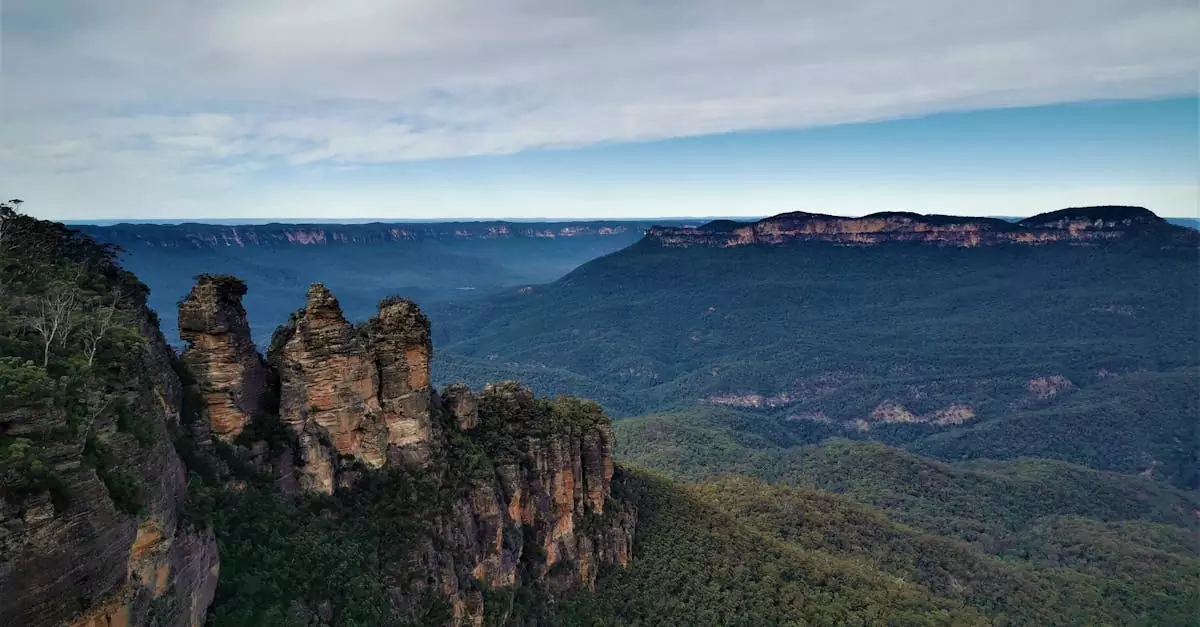
While Australia’s iconic national parks draw crowds for good reason, venturing slightly off the beaten path can reveal even more profound natural beauty and tranquility. For travelers seeking a deeper connection with the wilderness, these lesser-known spots offer a chance to escape the queues and experience the raw, untamed spirit of the Australian landscape. Understanding the nuances of these parks, from their best visiting times to their unique trail systems, is key to unlocking their hidden treasures.
Discovering Lesser-Known Tracks in Lamington National Park
Lamington National Park, a UNESCO World Heritage site in Queensland, is renowned for its ancient rainforests and stunning waterfalls. While many visitors stick to the popular O’Reilly’s Rainforest Retreat area, a wealth of less-trodden paths await the adventurous. The park’s western section, accessible from Binna Burra, offers a different perspective with its dramatic cliff faces and panoramic views.
Consider tackling the Yowie circuit, a moderate walk winding through old-growth Antarctic beech forest. This trail provides a more intimate rainforest experience, with opportunities to spot native birds like the Albert’s lyrebird. For a more challenging hike, the Toolona Creek circuit offers a longer, immersive journey, passing several beautiful cascades and secluded swimming holes. Visiting during the shoulder seasons, typically March to May or September to November, avoids summer humidity and heavy rainfall, ensuring a more comfortable trekking experience.
Secret Waterfalls of the Blue Mountains National Park
The Blue Mountains National Park, a World Heritage area west of Sydney, is famous for its dramatic escarpments and eucalyptus forests. While the Three Sisters and Echo Point are major draws, the park’s vast network of gorges conceals numerous spectacular waterfalls often overlooked by casual visitors. Accessing these requires more planning and a willingness to descend into the canyons.
The Federal Pass walking track, for example, provides access to several hidden falls, though it’s a strenuous hike. A more achievable option for discovering quieter cascades is to explore trails branching off the main routes in the Blackheath area. For instance, the path to Hargreaves Lookout leads to the upper reaches of Govetts Creek, where smaller, less-visited waterfalls can be found after significant rainfall. Always check local park alerts before heading out, as some access tracks can be affected by weather.
Exploring the Wild Coast of Freycinet National Park
Freycinet National Park on Tasmania’s east coast is synonymous with the breathtaking Wineglass Bay. However, the park’s rugged coastline offers much more than just this iconic vista. Beyond the main lookout, a network of trails leads to secluded coves, dramatic granite formations, and diverse coastal heaths teeming with wildlife.
For a truly wild experience, consider the Hazards Beach walk. This longer loop track, which can be combined with the Wineglass Bay track, takes you around the Hazards mountain range and along the remote eastern coastline. You’ll encounter pristine beaches, often with only seabirds for company, and gain a deeper appreciation for the raw power of the Southern Ocean. The park is accessible year-round, but spring (September to November) offers a spectacular display of wildflowers, while autumn (March to May) provides crisp air and fewer crowds. Remember to pack layers, as Tasmanian weather can change rapidly.
Frequently Asked Questions About Visiting Australia’s National Parks
What are the essential items to pack for Australian national parks?
Packing for Australia’s diverse national parks requires a layered approach. Include a wide-brimmed hat, high SPF sunscreen, and sunglasses for sun protection. A reusable water bottle is crucial, as many parks have limited facilities. Comfortable, sturdy walking shoes are essential for trails. Depending on the region and season, pack insect repellent, a light rain jacket, and warm layers for cooler evenings. A basic first-aid kit and a portable phone charger are also advisable.
Are there any safety concerns specific to Australian wildlife?
While encounters are rare, it’s wise to be aware of Australian wildlife. Maintain a safe distance from all animals, especially kangaroos, emus, and any marine life if visiting coastal parks. Never feed wildlife. In areas known for snakes, wear long trousers and sturdy boots, and stay on marked paths. Always check local park alerts for specific wildlife advisories before your visit. Respecting their space ensures a safe experience for both you and the animals.
What is the average budget for a week-long park tour?
Budgeting for a week exploring Australia’s best national parks varies significantly based on your travel style and chosen destinations. A modest budget, focusing on camping and self-catering, might range from AUD $700 to $1,200 per person. This covers park entry fees (often per vehicle), campsite fees, fuel, and groceries. A mid-range budget, incorporating some cabin stays or basic motels and occasional meals out, could be AUD $1,500 to $2,500 per person. Luxury travel with guided tours and higher-end accommodations can easily exceed AUD $3,000 per person. Remember to factor in transportation costs to and from the parks.
Can you camp in Australia’s best national parks?
Yes, camping is a popular and often the most immersive way to experience Australia’s national parks. Most parks offer designated campgrounds, ranging from basic sites with minimal facilities to more developed campgrounds with toilets, picnic tables, and sometimes even showers. Booking in advance is highly recommended, especially during peak seasons and school holidays, as popular sites fill up quickly. Some remote areas may require a permit for backcountry camping, so always check the specific park’s regulations on the Parks Australia website.