Australia is a land of unmatched natural beauty, offering an incredible variety of landscapes for the adventurous traveler. From the sun-drenched coastlines and ancient rainforests of the north to the rugged mountains and vast deserts of the interior, exploration opportunities abound. If you’re after thrilling experiences and a deep connection with nature, uncovering the best Australian outdoor adventures is essential. This guide highlights some of the most iconic and exhilarating destinations across the country, featuring activities such as trekking through the Blue Mountains, diving the Great Barrier Reef, exploring the Outback, and kayaking along Tasmania’s stunning coastlines. Prepare to immerse yourself in some of the most breathtaking environments on Earth.
Epic Coastal Adventures Along the Great Ocean Road
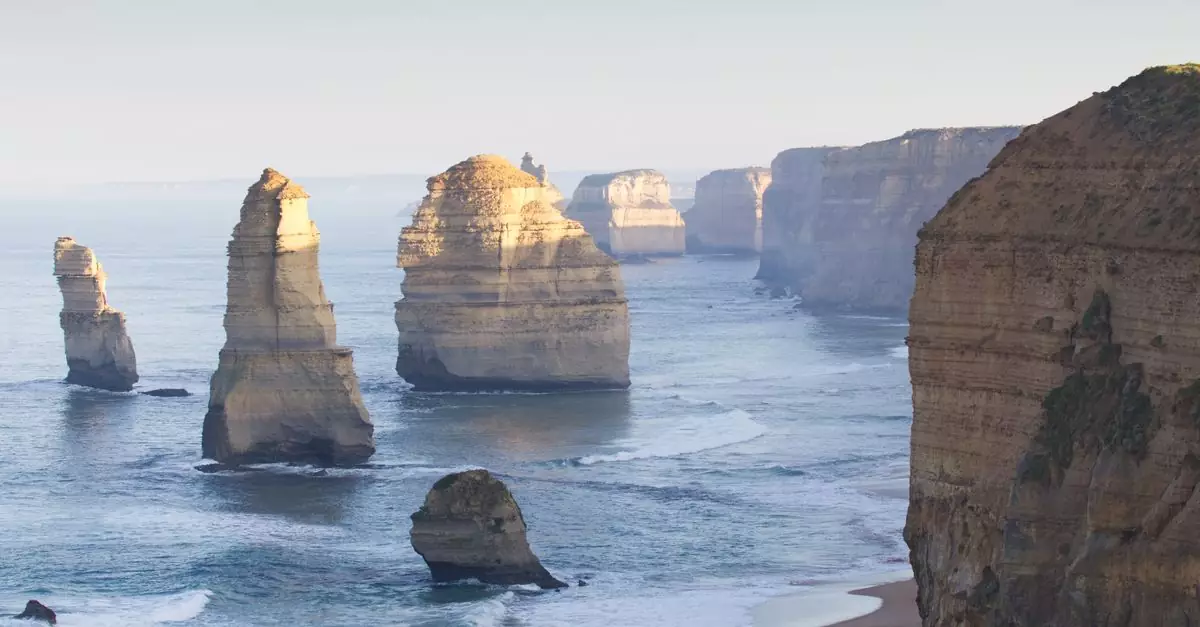
The Great Ocean Road, a legendary stretch of highway in Victoria, showcases some of Australia’s most dramatic coastal scenery. This iconic drive is more than just a scenic route; it’s a gateway to a wealth of outdoor activities, from challenging hikes to world-class surfing. A trip here immerses you in breathtaking landscapes while engaging with the raw power of the Southern Ocean.
Hiking the Twelve Apostles Trail
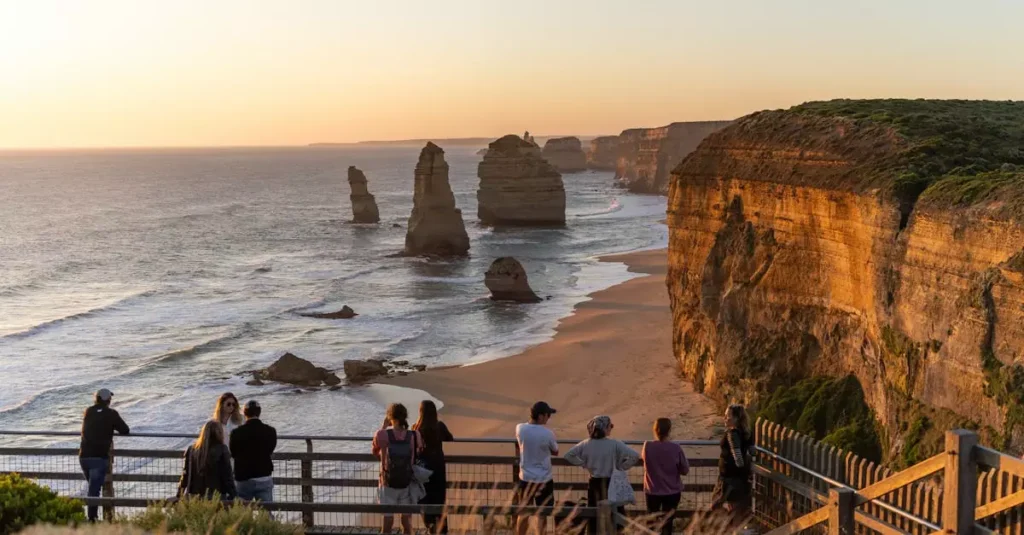
While the Twelve Apostles themselves are a must-see, the surrounding trails offer a deeper connection to this geological wonder. The Twelve Apostles Trail is a relatively short but rewarding walk that provides elevated viewpoints of the limestone stacks. For a more immersive experience, consider the Great Ocean Walk, a multi-day trek covering significant portions of the coastline, including sections near the Apostles. This walk requires booking accommodation in advance and preparing for varied terrain.
- Trail Difficulty: Moderate to challenging, depending on the chosen section.
- Best Time to Hike: Spring (September-November) and Autumn (March-May) offer pleasant temperatures and fewer crowds.
- What to Bring: Sturdy hiking boots, water, snacks, sunscreen, and a hat are essential.
Surfing Lessons at Bells Beach
Bells Beach is synonymous with Australian surfing, famously hosting the Rip Curl Pro, one of the world’s longest-running professional surfing competitions. Even if you’re a beginner, taking a surfing lesson here is an unforgettable experience. Several surf schools operate at Bells, offering lessons for all skill levels. The powerful waves can be intimidating, but instructors provide essential safety briefings and techniques to help you catch your first wave.
- Surf Schools: Many reputable schools offer packages that include equipment hire.
- Wave Conditions: Bells Beach is known for its powerful, consistent swells, making it suitable for experienced surfers. Beginners will typically be taken to more sheltered spots.
- Safety: Always heed the advice of surf instructors and lifeguards.
Exploring Loch Ard Gorge Caves
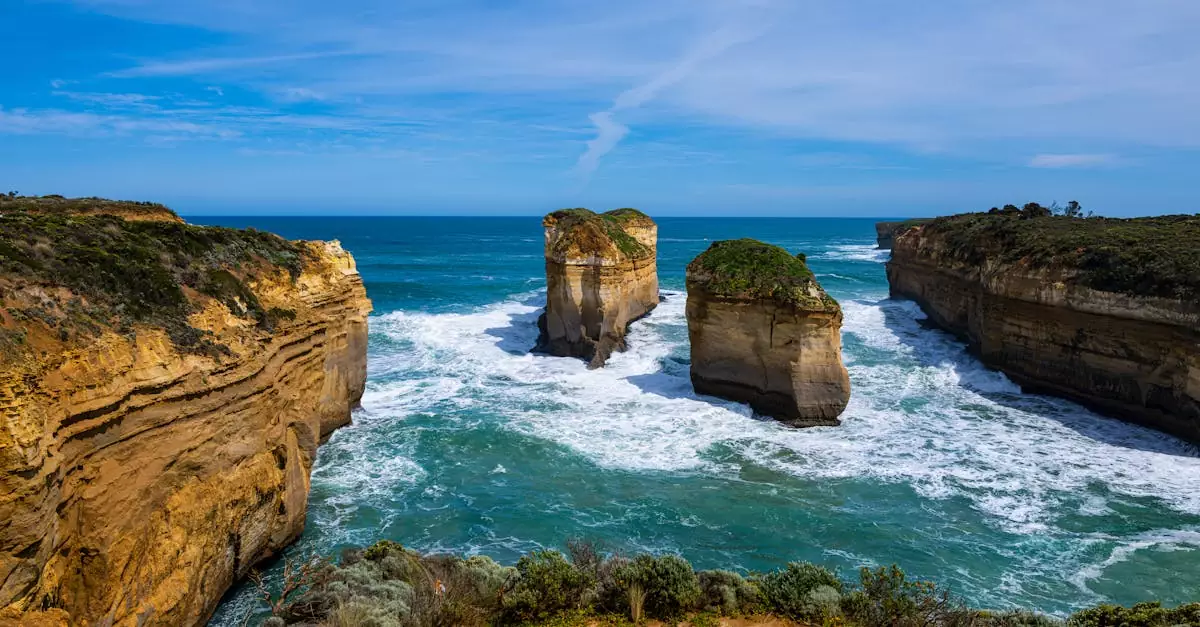
Loch Ard Gorge, named after a ship that famously ran aground nearby, is a stunning natural amphitheater carved by the sea. While the main beach is beautiful, exploring the smaller caves and rock formations accessible during low tide offers a unique perspective. Be mindful of tidal movements and slippery surfaces. The history of the shipwreck adds a poignant layer to your visit, reminding travelers of the ocean’s power.
- Tide Awareness: Check local tide charts before visiting to maximize your exploration time.
- Footwear: Water shoes or sturdy sandals with good grip are recommended for navigating the rocky areas.
- Photography: The dramatic lighting and rock formations make this a prime spot for photography.
Wildlife Spotting in Otway National Park
Just inland from the Great Ocean Road, Otway National Park is a haven for native Australian wildlife. The park’s temperate rainforests and eucalyptus woodlands are home to koalas, kangaroos, wallabies, and diverse birdlife. The Cape Otway Lightstation area is particularly renowned for koala sightings, often found munching on eucalyptus leaves in the trees lining the road. Guided walks can increase your chances of spotting elusive creatures.
- Best Viewing Times: Early morning and late afternoon are generally the most active periods for wildlife.
- Koala Hotspots: Look for koalas in the trees around the Cape Otway Lightstation and along the Great Ocean Road itself.
- Respect Wildlife: Maintain a safe distance and never feed the animals.
Trekking Through the Blue Mountains National Park
Just a short drive from Sydney, the Blue Mountains National Park offers a dramatic landscape of eucalyptus forests, sandstone cliffs, and cascading waterfalls, making it a prime destination for outdoor adventures. This UNESCO World Heritage area provides a range of activities, from gentle walks to challenging multi-day treks. Planning your visit involves considering the park’s vastness and varied terrain.
The Three Sisters Walk: Iconic Views
The most recognizable landmark in the Blue Mountains is undoubtedly the Three Sisters rock formation. The popular walking track leading to various viewpoints offers stunning panoramas of the Jamison Valley. The main lookout is easily accessible, but for a more immersive experience, consider the Dingo Dreaming track or the more strenuous Giant Stairway, which descends into the valley. Allow at least two hours for a thorough exploration of the area around Echo Point.
Canyoning Adventures in the Grose Valley
For adrenaline seekers, the Grose Valley presents an exciting frontier for canyoning. This involves navigating narrow gorges, abseiling down waterfalls, and swimming through pristine pools. Popular canyons include Blue Gum Forest and Claustral Canyon. It’s essential to go with a licensed guide, as these adventures require specialized equipment and knowledge of the terrain. Canyoning is typically best undertaken in warmer months, from spring through autumn, to ensure comfortable water temperatures.
Exploring Jenolan Caves by Foot
While not strictly a surface trek, exploring the Jenolan Caves system offers a unique underground adventure. These ancient limestone caves are among the oldest and most spectacular in the world. Guided walking tours take you through illuminated chambers adorned with stalactites and stalagmites. The Lucas Cave and Imperial Cave are particularly impressive. Comfortable walking shoes are a must, and the temperature inside the caves remains a cool 15°C (59°F) year-round.
Sunrise Photography at Govetts Leap Lookout
Govetts Leap Lookout provides one of the most breathtaking vistas in the Blue Mountains, especially at sunrise. Mist often fills the valley below, creating an ethereal scene as the sun’s rays break through. This spot is easily accessible by car and requires only a short walk from the parking area. Arrive before dawn to secure a good vantage point. While accessible year-round, winter mornings can be exceptionally cold, so pack warm layers. The drive from Sydney takes approximately 1.5 to 2 hours, depending on traffic.
Discovering the Tropical North Queensland Wilderness
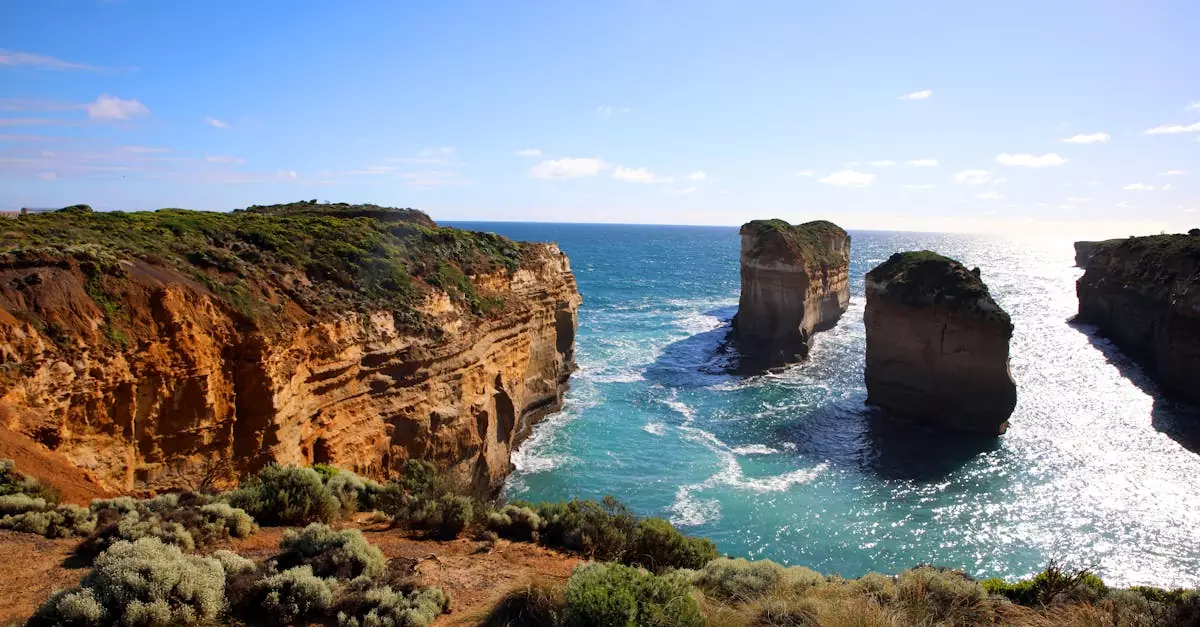
Tropical North Queensland offers a striking contrast to the arid Australian Outback, presenting a vibrant, biodiverse landscape where ancient rainforest meets the Great Barrier Reef. This region is a prime destination for those seeking immersive outdoor experiences, from underwater marvels to dense jungle treks. Planning your visit involves understanding the unique environments and the best ways to engage with them.
Diving and Snorkeling the Great Barrier Reef
The Great Barrier Reef, a UNESCO World Heritage site, is an unparalleled natural wonder and a cornerstone of any Australian outdoor adventure. Its sheer scale and biodiversity make it a global hotspot for marine life encounters. Whether you’re a seasoned diver or a first-time snorkeler, the opportunities for discovery are immense.
Key departure points for reef tours include Cairns and Port Douglas. Cairns offers a wider range of budget-friendly options, often departing daily, while Port Douglas tends to cater to a slightly more upscale market with liveaboard trips and specialized dive excursions. Many tours offer pontoon-based experiences, providing stable platforms with easy access to the water, suitable for families and less confident swimmers.
Reef Experience Comparison:
| Feature | Cairns Departure | Port Douglas Departure |
|---|---|---|
| Vibe | Bustling, wide range of operators | More relaxed, often smaller group sizes |
| Tour Types | Day trips, outer reef, island visits | Outer reef specialists, liveaboards, eco-tours |
| Budget | Generally more affordable | Can be more expensive, but offers premium options |
| Accessibility | High frequency of departures | Good frequency, some specialized departures |
When planning your reef trip, consider the season. The dry season (May to October) generally offers calmer seas and better visibility, with fewer jellyfish. The wet season (November to April) can bring higher rainfall and the presence of marine stingers, though many operators provide protective suits.
Hiking the Daintree Rainforest Boardwalks
The Daintree Rainforest, the world’s oldest continuously surviving tropical rainforest, provides an ancient and immersive trekking experience. Unlike rugged backcountry hikes, the Daintree is best explored via its well-maintained boardwalks, offering safe and accessible routes through the dense jungle. These elevated paths protect the delicate ecosystem while allowing visitors to get close to the unique flora and fauna.
The Marrdja Botanical Walk and the Dubuji Boardwalk are two popular options, each featuring interpretive signage detailing the rainforest’s complex life cycles and indigenous significance. Expect to see towering ancient trees, vibrant ferns, and a symphony of bird calls. Keep an eye out for the elusive cassowary, though sightings are rare and should be respected from a distance.
Logistics for visiting the Daintree typically involve driving yourself or joining a guided tour from Port Douglas or Cairns. Allow at least half a day to fully appreciate the boardwalks and surrounding areas. Wear comfortable walking shoes, bring insect repellent, and carry plenty of water, as the humidity can be intense.
Exploring Cape Tribulation’s Beaches
Cape Tribulation marks the point where the ancient Daintree Rainforest dramatically meets the Great Barrier Reef, creating a unique coastal landscape. This remote location offers a series of pristine beaches, each with its own character. It’s a place where you can walk through lush rainforest one moment and relax on a white sandy beach the next.
The most famous beaches include Myall Beach, known for its dramatic backdrop of rainforest-covered hills, and Coconut Beach, a long stretch of sand popular for its scenic beauty. Due to the natural environment, swimming can be risky because of strong currents and the presence of marine stingers during certain times of the year. Always heed local signage and advice regarding safe swimming areas.
Access to Cape Tribulation is via a passenger ferry across the Daintree River. The drive from Cairns or Port Douglas, including the ferry crossing, takes approximately 2-3 hours. Accommodation options range from rustic eco-lodges to comfortable cabins, often immersed in the rainforest setting.
White Water Rafting on the Tully River
For adrenaline seekers, the Tully River offers some of Australia’s most exhilarating white water rafting experiences. This powerful river carves through spectacular rainforest scenery, providing a challenging and unforgettable adventure. The Tully is renowned for its consistent rapids, particularly during the wet season when water levels are at their highest.
Most rafting trips are operated by experienced guides who provide all necessary equipment and safety briefings. Trips typically range from half-day to full-day adventures, with varying degrees of difficulty. The most common route covers about 7 kilometers of the river and includes numerous rapids classified as Grade III and IV, ensuring a thrilling ride.
Day trips to the Tully River usually depart from Cairns or Mission Beach. The journey to the river put-in point is scenic, often including stops for photos. While the rafting itself is the main draw, the journey through the stunning Queensland landscape adds to the overall adventure. Participants should be reasonably fit and prepared for an active day.
Conquering the Outback: Uluru and the Red Centre
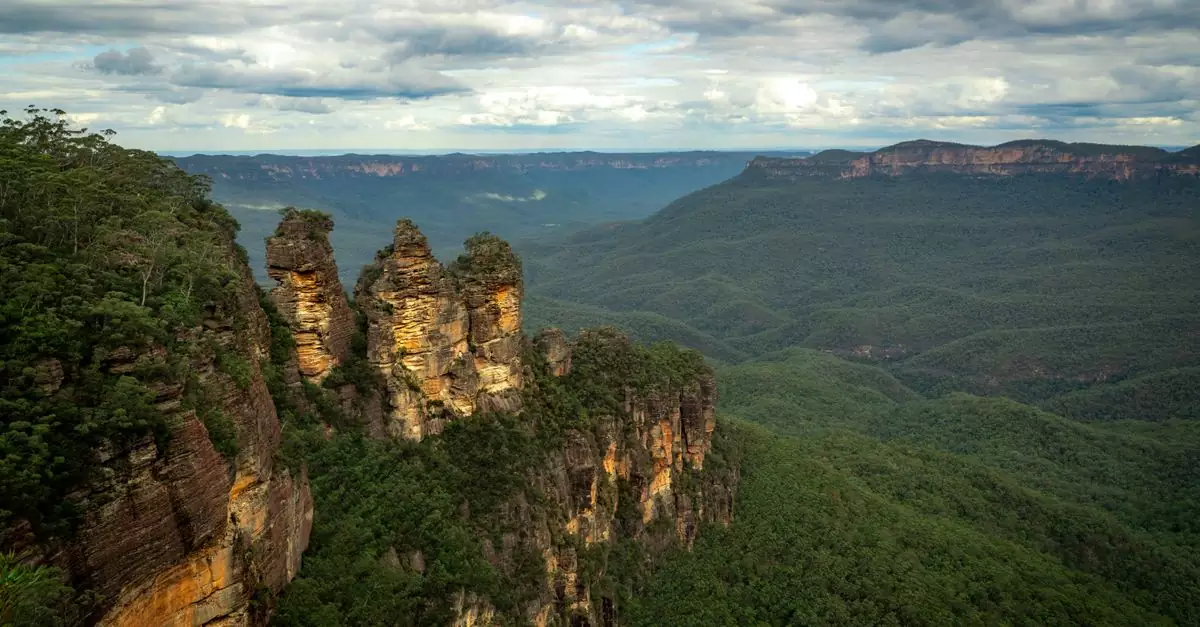
The Australian Outback offers a starkly beautiful and profoundly spiritual landscape, a true test of endurance and a reward for the adventurous spirit. Central to this vast, arid expanse is Uluru-Kata Tjuta National Park, home to the iconic Uluru (Ayers Rock) and the striking domes of Kata Tjuta (The Olgas). Experiencing the best Australian outdoor adventures here means embracing the immense scale, intense heat, and unique cultural significance of this ancient land. Planning your visit requires careful consideration of the climate and the need for self-sufficiency.
Sunrise and Sunset Views of Uluru
Witnessing Uluru at sunrise and sunset is a quintessential Outback experience. As the sun’s rays paint the massive sandstone monolith in hues of orange, red, and purple, the sheer scale and presence of the rock become palpable. Several designated viewing areas offer unobstructed panoramas. The Talinguru Nyakunytjaku viewing area is a popular choice, providing expansive views and walking tracks. Arrive at least 30 minutes before the scheduled sunrise or sunset to secure a good spot and absorb the changing light.
The best time to visit for comfortable viewing is during the cooler months of May to September. During summer (December to February), temperatures can exceed 40°C (104°F), making early morning or late evening viewing essential, and even then, extreme heat can cause closures.
Walking the Kata Tjuta Valley of the Winds
Kata Tjuta, a collection of large, domed rock formations located about 50 kilometers west of Uluru, offers a different yet equally captivating walking experience. The Valley of the Winds walk is the most popular, a moderately challenging 7.4-kilometer circuit that winds through the majestic domes. Allow at least three to four hours to complete the walk, as you’ll want to pause and admire the unique geology and serene, secluded areas within the formations.
The walk is divided into sections, with the full circuit accessible only during cooler parts of the day and year. During hot weather, access may be restricted to the first section, Karu Lookout, which still provides stunning views. Always carry ample water, wear a hat, and use sunscreen. The park’s website provides daily updates on track closures due to heat.
Camel Treks in the Outback
For a classic Outback adventure, consider a camel trek around Uluru. These guided tours offer a unique perspective on the desert landscape, moving at a slower pace than a vehicle and allowing for a more immersive experience. Many operators offer sunrise or sunset rides, providing fantastic photographic opportunities as the light shifts across the sand dunes and Uluru in the distance.
Camel rides typically last between one and two hours. While suitable for most fitness levels, it’s worth noting that sitting astride a camel for an extended period can be tiring for some. Booking in advance is highly recommended, especially during peak tourist seasons.
Stargazing in the Dark Sky Reserve
The remoteness of the Red Centre, far from any significant light pollution, makes it one of the best places in Australia for stargazing. The Uluru-Kata Tjuta National Park is part of a designated Dark Sky Reserve, offering an unparalleled celestial display. On a clear night, the Milky Way stretches across the sky in breathtaking detail, and countless stars twinkle with an intensity rarely seen in urban areas.
Many accommodations in the Yulara township offer guided stargazing tours, often featuring powerful telescopes and knowledgeable guides who can point out constellations and explain Indigenous Dreamtime stories associated with the stars. Even without a tour, simply stepping outside your accommodation on a moonless night will reveal a spectacular vista. The dry desert air typically provides excellent visibility year-round, though winter months (June-August) offer the clearest skies.
Adrenaline-Pumping Activities in Tasmania
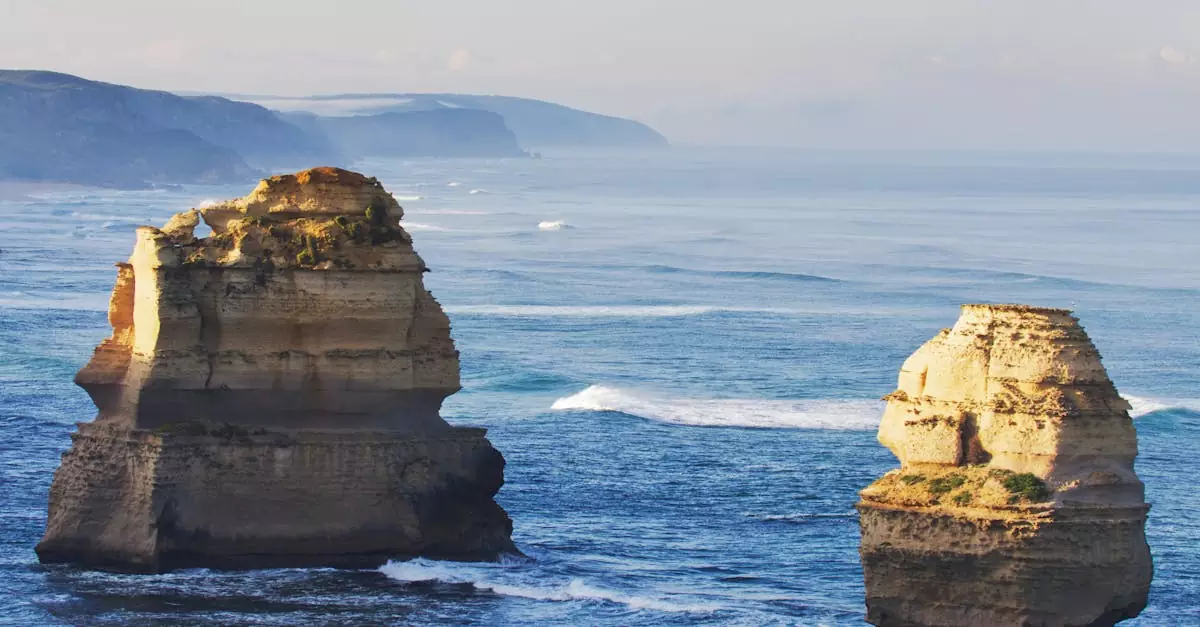
Tasmania, Australia’s island state, offers a rugged wilderness that serves as a playground for outdoor enthusiasts. Its dramatic landscapes, from jagged peaks to pristine coastlines, provide a stunning backdrop for some of the country’s most exhilarating adventures. This island is a prime destination for those seeking to connect with nature through challenging treks and water-based thrills.
Multi-Day Treks on the Overland Track
The Overland Track is a world-renowned hiking experience, stretching 65 kilometers through the heart of the Tasmanian Wilderness World Heritage Area. This trek is not for the faint of heart, demanding good physical fitness and preparation. Hikers are rewarded with unparalleled views of glacial lakes, ancient rainforests, and alpine moorlands.
Booking is essential, often months in advance, especially for the peak season between October and May. Permits are required, and there’s a limit on the number of hikers allowed on the track at any given time to preserve the environment. Accommodation along the track consists of basic huts and designated campsites.
Kayaking the Freycinet Peninsula
The Freycinet Peninsula, home to the iconic Wineglass Bay, offers a spectacular coastal kayaking experience. Paddling along its granite coastline reveals secluded beaches, sea caves, and abundant marine life, including seals and dolphins. Day trips are readily available from the nearby town of Coles Bay, catering to various skill levels.
For a more immersive adventure, multi-day kayaking tours allow you to camp on remote beaches and fully appreciate the peninsula’s tranquility. The waters here can be exposed, so checking weather conditions and tides is crucial. Local tour operators provide all necessary equipment and guidance.
Exploring Cradle Mountain-Lake St Clair National Park
Cradle Mountain-Lake St Clair National Park is a jewel in Tasmania’s crown, offering diverse outdoor activities. Beyond the famous Overland Track, numerous shorter walks cater to different fitness levels, from the accessible Dove Lake Circuit to more challenging climbs up Cradle Mountain itself. The park’s dramatic scenery, characterized by ancient pines and mirror-like lakes, is breathtaking.
Visitors can choose from various accommodation options within or near the park, ranging from campgrounds to lodges. Wildlife spotting is a highlight, with opportunities to see wombats, wallabies, and echidnas. Remember to pack layers, as Tasmanian weather can change rapidly, even in summer.
Abseiling at the Tahune Airwalk
For a unique perspective on Tasmania’s ancient forests, the Tahune Airwalk offers an exhilarating abseiling experience. After walking among the treetops on the elevated walkway, adventurers can rappel down alongside the Huon River. This activity provides a thrilling descent with stunning views of the forest canopy and the river below.
The Tahune Airwalk is located south of Hobart, making it an accessible day trip. Safety is paramount, with experienced guides overseeing all abseiling activities. It’s advisable to book in advance, especially during school holidays or peak tourist seasons.
Frequently Asked Questions About Australian Outdoor Adventures
What is the best time of year for outdoor adventures in Australia?
Australia’s vast size means weather varies significantly. For the best Australian outdoor adventures, consider regional seasonality. The tropical north, including the Great Barrier Reef and Daintree Rainforest, is best visited during the dry season (May to October) to avoid heavy rains and humidity. Southern regions like Tasmania and Victoria are ideal for hiking and exploring during their warmer months, from spring (September to November) through autumn (March to May). Summer (December to February) can be very hot across much of the country, particularly inland, making early morning or late afternoon activities more comfortable.
What are the essential packing items for Australian outdoor activities?
Packing for Australia’s diverse environments requires a versatile approach. Essential items include high-SPF sunscreen, a wide-brimmed hat, and sunglasses to protect against intense UV rays. For hiking and trekking, sturdy, broken-in walking shoes are crucial. Lightweight, breathable clothing is recommended, along with a waterproof and windproof jacket, especially if venturing into coastal or mountainous areas. Insect repellent is vital, particularly in tropical and bushland settings. Don’t forget a reusable water bottle to stay hydrated and minimize plastic waste.
How can I travel between these adventure destinations?
Getting between Australia’s adventure hotspots often involves flying, given the continent’s immense scale. Major cities like Sydney, Melbourne, Brisbane, and Perth offer extensive domestic flight networks connecting to regional centers. For shorter distances or more scenic journeys, consider hiring a car or campervan, which offers flexibility for exploring national parks and coastal routes. Train travel is an option for some inter-city routes, such as the Indian Pacific or The Ghan, offering a unique way to see the landscape, though it is a slower and often more expensive choice for simply reaching a destination.
| Transportation Method | Typical Use Case | Budget Range (AUD) | Notes |
|---|---|---|---|
| Domestic Flights | Long distances between major cities | $100 – $400+ per leg | Fastest option, book in advance for best prices. |
| Rental Car/Campervan | Regional exploration, flexible touring | $50 – $200+ per day | Excellent for accessing national parks and remote areas. |
| Intercity Trains | Scenic journeys, unique travel experience | $300 – $1000+ per journey | Slower than flying, often includes meals and accommodation. |
| Buses | Budget travel between towns | $30 – $100+ per leg | Can be time-consuming for long distances. |
Are there specific safety considerations for Australian wildlife encounters?
Australia’s unique wildlife demands respect and caution. While most animals are not aggressive, it’s wise to maintain a safe distance. In marine environments, be aware of stingers in tropical waters during certain seasons and heed local warnings. On land, particularly in bushland, be mindful of snakes and spiders; wear closed shoes and watch where you step. Never feed wild animals, as this can disrupt their natural behavior and diet, and can be dangerous for both you and the animal. Always follow park signage and ranger advice regarding wildlife safety.