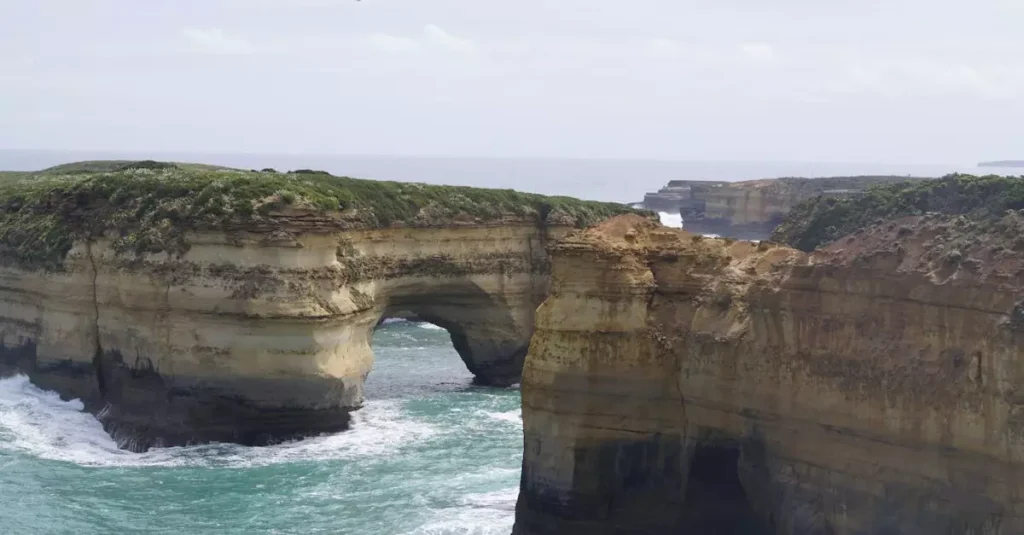
Australia’s coastline is a vast and varied playground, offering some of the most exhilarating coastal experiences on the planet. From dramatic cliffs to pristine islands and vibrant coral reefs, these best Australia coastal adventures cater to every type of traveler. Planning your trip around these highlights ensures an unforgettable journey along the continent’s edge.
In this guide, we’ll explore the iconic Great Ocean Road, the tropical paradise of the Whitsunday Islands, unique marine encounters at Ningaloo Reef, and the laid-back surf culture of Byron Bay. Discover essential tips on the best times to visit, how to get around, where to stay, and what local flavors to savor in each region. Whether you’re seeking thrilling activities or serene escapes, get ready to plan your ultimate Australian coastal itinerary.
Discovering Australia’s Top Coastal Adventures
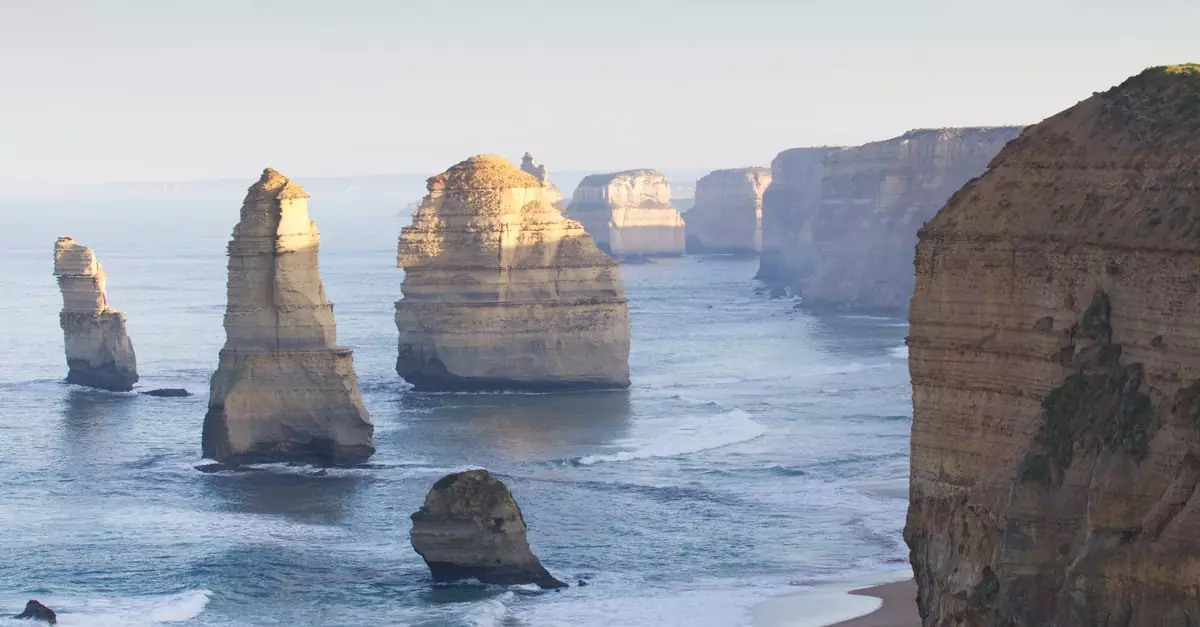
Australia’s coastline is a diverse playground, offering exhilarating coastal experiences. From dramatic cliffs to pristine islands and vibrant coral reefs, these best Australia coastal adventures cater to every traveler. Planning your trip around these highlights guarantees an unforgettable journey along the continent’s edge.
Great Ocean Road’s Iconic 12 Apostles & Loch Ard Gorge
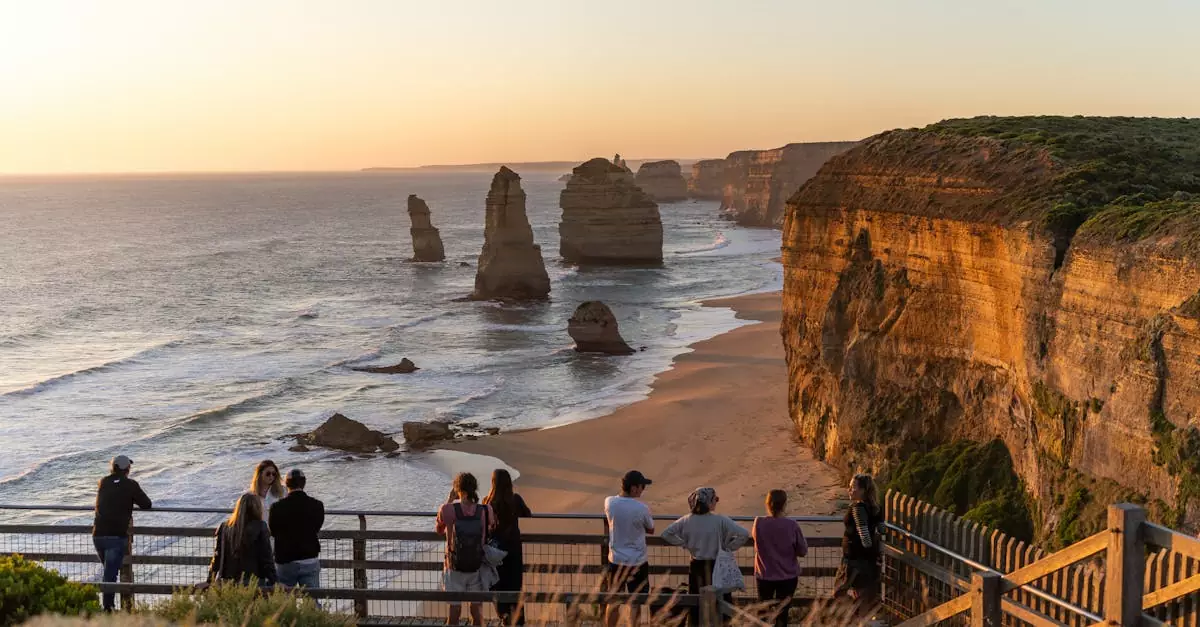
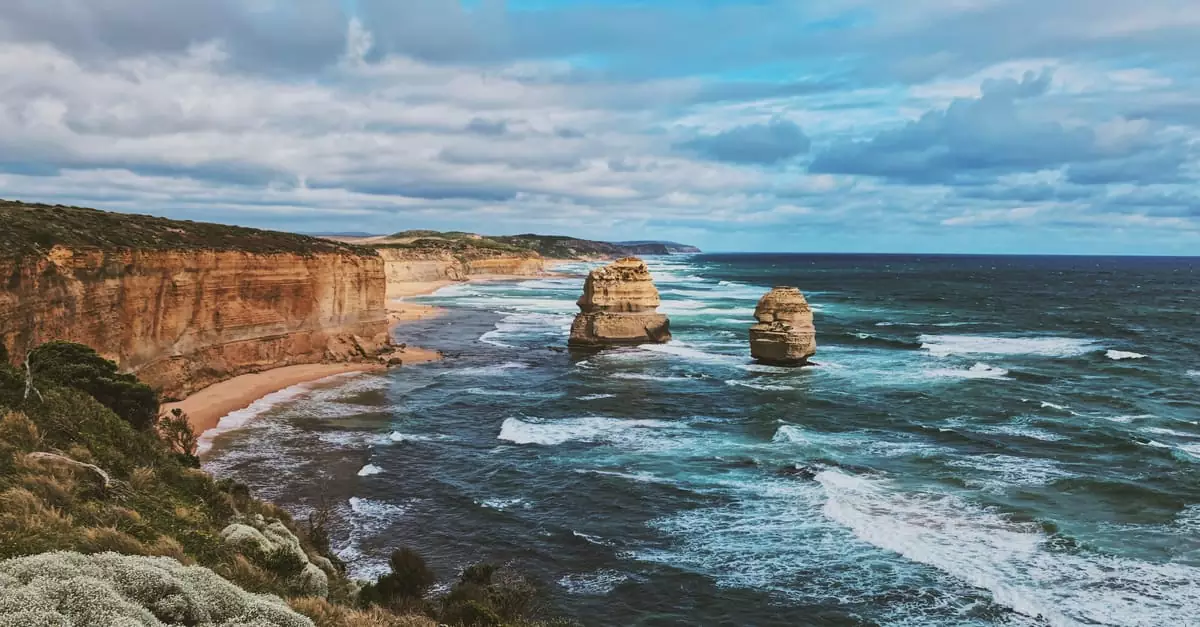
Driving the Great Ocean Road is a quintessential Australian coastal adventure. This scenic highway, carved into the cliffs of Victoria’s southwest coast, presents breathtaking vistas at every turn. The undisputed stars are the 12 Apostles, towering limestone stacks rising majestically from the Southern Ocean. Nearby, Loch Ard Gorge tells a tale of shipwreck and survival, with its dramatic cliffs and sandy cove.
Logistics and Timing:
The drive from Melbourne to the 12 Apostles takes about three hours one way, making it feasible for a day trip, though an overnight stay in towns like Lorne or Apollo Bay is highly recommended to fully appreciate the region. Weather can be unpredictable; pack layers as conditions can change rapidly. Sunrise and sunset offer spectacular, albeit chilly, photographic opportunities.
Traveler Tip: Consider visiting during the shoulder seasons (spring or autumn) to avoid the busiest summer crowds and enjoy milder weather.
Whitsunday Islands Sailing: Whitehaven Beach & Heart Reef
The Whitsunday Islands, located off the coast of Queensland, are a tropical paradise renowned for their pure white silica sand and turquoise waters. A sailing trip through these islands is one of the best Australia coastal adventures to experience their beauty. Whitehaven Beach, consistently ranked among the world’s best, features sand so fine it squeaks underfoot. Further out, the iconic Heart Reef, a natural coral formation, offers a stunning aerial perspective.
Sailing Options:
Numerous operators offer multi-day sailing tours, ranging from budget-friendly backpacker boats to more luxurious private charters. Options include liveaboard sailing trips, day cruises, and scenic flights over the reef.
- Liveaboard: Ideal for immersive experiences, providing access to secluded bays and snorkeling spots.
- Day Cruises: A good option for those short on time, often including visits to Whitehaven Beach.
- Scenic Flights: Offer unparalleled views of Heart Reef and the surrounding islands.
Best Time to Visit: The dry season, from June to October, features sunny days, low humidity, and calm seas, making it ideal for sailing and water activities.
Ningaloo Reef’s Swim with Whale Sharks Expedition
Off the coast of Western Australia lies Ningaloo Reef, a UNESCO World Heritage site and one of the world’s most accessible fringing reefs. This is the ultimate destination for a truly awe-inspiring coastal adventure: swimming with whale sharks. These gentle giants congregate in the waters off Exmouth and Coral Bay for several months each year, providing a unique opportunity for close encounters.
Whale Shark Season:
The whale shark season typically runs from March/April to July/August. Sightings are most common during these months, though exact timing can vary.
Responsible Tourism:
Operators adhere to strict guidelines to ensure the welfare of the whale sharks and the marine environment. Encounters are managed to minimize disturbance, and guides provide valuable insights into these magnificent creatures. Beyond whale sharks, Ningaloo offers incredible snorkeling and diving with manta rays, turtles, and a vast array of fish.
Byron Bay’s Lighthouse Views and Surfing Hotspots
Byron Bay, on the northern coast of New South Wales, embodies a laid-back surf culture and stunning natural beauty. Its most prominent landmark, the Cape Byron Lighthouse, sits at mainland Australia’s easternmost point, offering panoramic ocean views and a chance to spot migrating whales during winter months. The town itself is a hub for surfers, with legendary breaks like The Pass and Wategos Beach attracting riders of all levels.
Activities Beyond Surfing:
For those not keen on catching waves, Byron Bay offers scenic coastal walks, vibrant markets, and a thriving wellness scene. The hinterland, just a short drive inland, provides a lush contrast to the coastline with its waterfalls and rainforests.
Getting There: The nearest major airport is Ballina Byron Gateway Airport (BNK), about a 30-minute drive away. Gold Coast Airport (OOL) in Queensland is also a viable option, approximately an hour’s drive north.
Planning Your Perfect Australia Coastal Itinerary
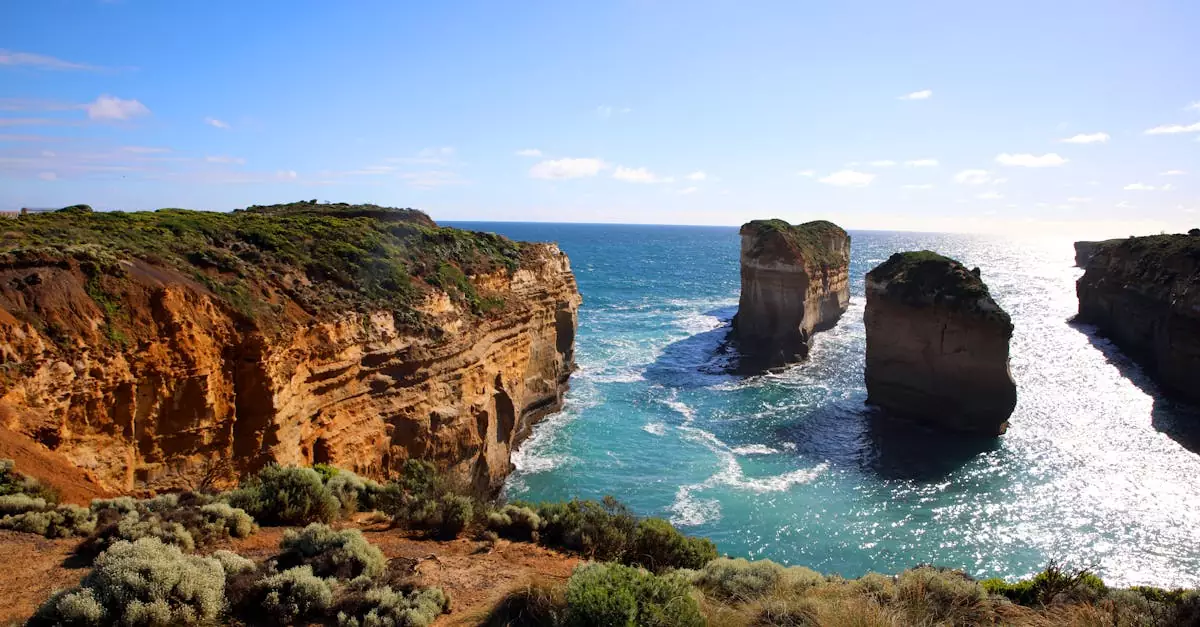
Australia’s coastline offers a diverse range of adventures, from rugged surf breaks to tranquil turquoise waters. When planning your coastal journey, consider the type of experience you seek and the time you have available. Whether you’re drawn to scenic drives, island escapes, or vibrant marine life, tailoring your itinerary will enhance your enjoyment of the best Australia coastal adventures.
7-Day Great Ocean Road Road Trip Itinerary
A classic Australian coastal road trip, the Great Ocean Road in Victoria is renowned for its dramatic cliffs, surf beaches, and charming seaside towns. This 7-day itinerary focuses on experiencing the highlights at a comfortable pace.
Day 1-2: Melbourne to Torquay & Bells Beach
Begin your journey from Melbourne, picking up a rental car. Drive to Torquay, the official start of the Great Ocean Road. Spend your first day acclimatizing, perhaps trying a surf lesson at Cosy Corner or exploring the surf museum. Day two is dedicated to Bells Beach, famous for its powerful waves and annual surfing competition.
Day 3-4: Lorne & Apollo Bay
Continue east to Lorne, a popular holiday town with a beautiful beach and rainforest walks near Erskine Falls. Enjoy the scenic drive, stopping at lookouts for stunning ocean vistas. Apollo Bay, further along, offers a more relaxed atmosphere, a picturesque harbor, and opportunities for whale watching (in season).
Day 5-6: The Twelve Apostles & Port Campbell National Park
This is the dramatic heart of the Great Ocean Road. Dedicate ample time to marvel at the iconic Twelve Apostles rock formations, and explore other key sites like Loch Ard Gorge, The Grotto, and London Bridge. Consider a helicopter flight for a breathtaking aerial perspective.
Day 7: Return to Melbourne
Enjoy a final coastal breakfast before making your way back to Melbourne. You can take the inland route for a quicker journey or retrace some of your favorite coastal stretches.
Logistics:
- Best Time to Visit: Spring (September-November) and Autumn (March-May) offer pleasant weather and fewer crowds. Summer (December-February) is popular but can be busy and hot.
- Accommodation: Ranges from campsites and caravan parks to boutique hotels and holiday rentals in towns like Lorne, Apollo Bay, and Port Campbell.
- Transportation: A rental car is essential. Ensure it’s suitable for longer drives.
10-Day Whitsundays Island Hopping & Sailing Plan
The Whitsunday Islands in Queensland are synonymous with pristine white-sand beaches, crystal-clear waters, and vibrant coral reefs, offering some of the best Australia coastal adventures for water lovers. A sailing trip is the quintessential way to experience this tropical paradise.
Day 1-2: Airlie Beach & Day Trip to the Islands
Fly into Proserpine (PPP) or Hamilton Island (HTI) and transfer to Airlie Beach, the gateway to the Whitsundays. Spend your first day exploring Airlie Beach, its lagoon, and local markets. Embark on a day trip to islands like Daydream Island or Hamilton Island to get a taste of island life.
Day 3-8: Whitsunday Sailing Adventure
Book a multi-day sailing trip (typically 3-5 nights) departing from Airlie Beach or Hamilton Island. These tours range from relaxed cruises to more active sailing experiences. Key highlights usually include:
- Whitehaven Beach: Walk along its silica sands and swim in the turquoise waters.
- Hill Inlet: Witness the stunning swirling sands at the northern end of Whitehaven.
- Snorkeling & Diving: Explore the fringing reefs around islands like Hook Island and Hayman Island.
- Sailing: Enjoy the freedom of sailing through the archipelago.
Day 9: Hamilton Island or Return to Mainland
If your sailing trip ends on Hamilton Island, spend a day enjoying its resorts, golf buggy tours, and marina. Alternatively, return to the mainland (Airlie Beach/Proserpine) for a final night.
Day 10: Departure
Depart from Proserpine or Hamilton Island.
Logistics:
- Best Time to Visit: The dry season from May to October offers sunny days, low humidity, and calm seas.
- Accommodation: Ranges from hostels and hotels in Airlie Beach to resort islands and onboard a sailing vessel.
- Transportation: Flights to Proserpine or Hamilton Island, followed by transfers and boat travel.
5-Day Ningaloo Reef & Coastal WA Adventure
Located in Western Australia, Ningaloo Reef is a UNESCO World Heritage site and one of the world’s largest and most accessible fringing coral reefs. This 5-day itinerary focuses on marine encounters and the rugged beauty of the region.
Day 1: Arrival in Exmouth
Fly into Learmonth Airport (LEA) near Exmouth. Pick up a 4WD rental vehicle (recommended for accessing some areas) and check into your accommodation. Spend the afternoon relaxing or exploring Exmouth town.
Day 2: Ningaloo Reef Marine Encounters
This is the core of your adventure. Options include:
- Whale Shark Swims (March-August): Book an unforgettable tour to swim alongside these gentle giants.
- Manta Ray Swims (Year-round, peak May-November): Encounter graceful manta rays in their natural habitat.
- Snorkeling: Access the reef directly from the shore at various points like Tantabiddi, Turquoise Bay, and Coral Bay.
Day 3: Cape Range National Park
Explore the rugged beauty of Cape Range National Park. Hike through the canyons, discover hidden waterholes like Yardie Creek, and enjoy panoramic views from the lookouts. The park’s dramatic landscape contrasts beautifully with the vibrant reef.
Day 4: Coral Bay & Further Snorkeling
Drive south to Coral Bay (approx. 1.5 hours). This charming town offers more opportunities for snorkeling and diving directly off the beach. Consider a glass-bottom boat tour or a sunset cruise.
Day 5: Departure
Enjoy a final coastal morning before driving back to Learmonth Airport for your departure.
Logistics:
- Best Time to Visit: The shoulder seasons (April-May and September-October) offer a good balance of weather and wildlife opportunities. Whale shark season is March to August.
- Accommodation: Ranges from holiday parks and apartments in Exmouth to resorts and caravan parks in Coral Bay.
- Transportation: A 4WD vehicle is highly recommended for accessing various points along the reef and within Cape Range National Park.
A comparison of these popular coastal destinations highlights their unique appeal:
| Feature | Great Ocean Road (VIC) | Whitsundays (QLD) | Ningaloo Reef (WA) |
|---|---|---|---|
| Primary Appeal | Scenic drives, surf | Island hopping, sailing | Marine life, reef |
| Best Season | Spring, Autumn | May – October | Year-round (wildlife specific) |
| Transportation | Rental Car (4WD recommended) | Flights, Boats | 4WD Rental Car |
| Accommodation | Hotels, rentals, parks | Resorts, boats, hostels | Resorts, parks, apartments |
| Budget | Mid-range | Mid to High-range | Mid to High-range |
| Pace | Flexible road trip | Relaxed sailing | Active marine focus |
When is the Best Time for Australia’s Coastal Adventures?
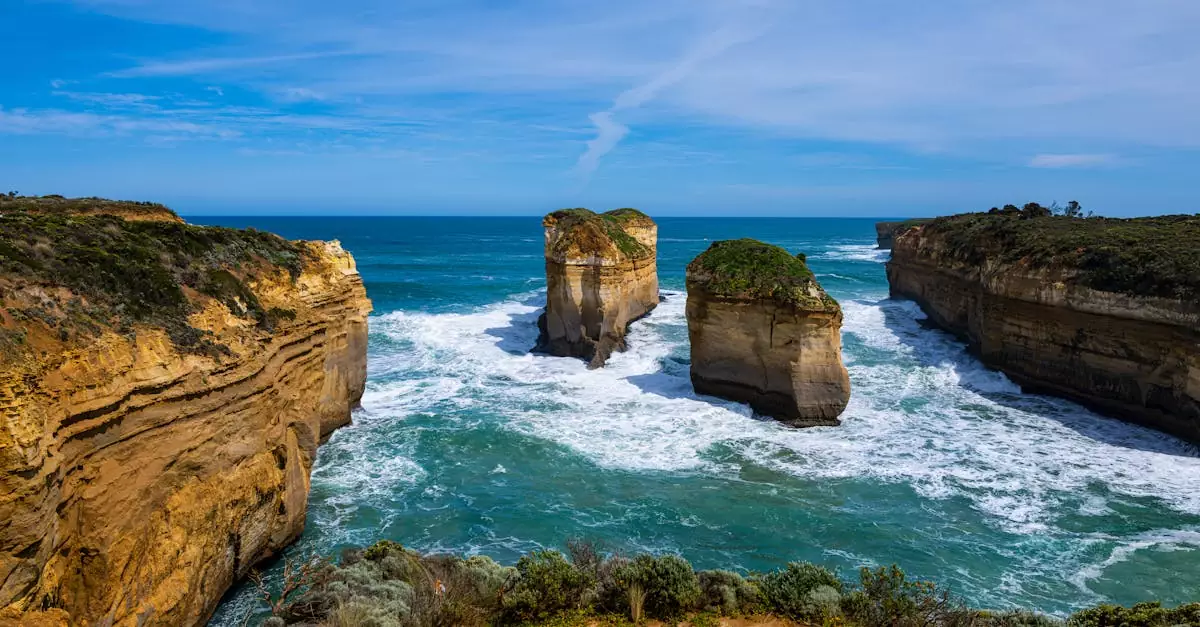
Choosing the right time to visit Australia’s diverse coastlines can significantly enhance your adventure. From the temperate southern shores to the tropical north, each region offers unique seasonal highlights. Understanding these patterns helps in planning for optimal weather, wildlife encounters, and avoiding peak crowds.
Optimal Seasons for Great Ocean Road Exploration
The Great Ocean Road, a renowned scenic drive in Victoria, is best experienced during the shoulder seasons of spring (September to November) and autumn (March to May). During these months, the weather is generally mild, with average temperatures ranging from 10°C to 20°C (50°F to 68°F). This provides comfortable conditions for hiking, exploring the Twelve Apostles, and enjoying the coastal towns without the summer crowds or winter chill. Summer (December to February) offers warmer weather, ideal for beach activities, but also brings higher visitor numbers and accommodation prices. Winter (June to August) can be dramatic and moody, with potential storms, but also offers a quieter experience and lower costs.
Best Weather for Whitsunday Island Escapes
For the quintessential tropical experience in the Whitsunday Islands, Queensland, the dry season from May to October is unparalleled. This period boasts sunny days, low humidity, and minimal rainfall, with temperatures typically between 20°C and 28°C (68°F to 82°F). This weather is perfect for sailing, snorkeling the Great Barrier Reef, and relaxing on the iconic Whitehaven Beach. The wet season (November to April) brings higher humidity, increased rainfall, and the possibility of cyclones, though it also means fewer tourists and lush green landscapes. Stinger nets are usually deployed during the warmer months, offering protection for swimmers.
Whale Shark Season at Ningaloo Reef: What to Expect
Ningaloo Reef in Western Australia is world-famous for its predictable aggregation of whale sharks, which typically arrive between March and August. This period offers the best chance to swim with these gentle giants, a truly unforgettable experience. The water temperature is warm, averaging around 24°C to 27°C (75°F to 81°F), and visibility is generally excellent. Outside of whale shark season, Ningaloo remains a fantastic destination for snorkeling and diving, with manta rays often visible year-round and humpback whales migrating past from June to November. Planning your visit during the peak whale shark months requires booking tours and accommodations well in advance.
Year-Round Appeal of Byron Bay’s Coastline
Byron Bay, on the northern coast of New South Wales, offers a vibrant coastal atmosphere throughout the year. Its subtropical climate means average temperatures hover between 16°C and 26°C (61°F to 79°F). Summer (December to February) is warm and lively, ideal for surfing and beach culture, but can be crowded. Autumn (March to May) and spring (September to November) provide a pleasant balance of good weather and fewer visitors, making them excellent times for exploring the hinterland and enjoying the beaches. Winter (June to August) is mild and sunny, perfect for whale watching as humpbacks migrate along the coast, and offers a more relaxed vibe. The consistent appeal of Byron Bay lies in its diverse activities, from surfing and yoga retreats to exploring local markets and rainforests.
Getting Around: Transportation for Coastal Exploration
Navigating Australia’s vast coastline requires strategic planning. While public transport can be useful in major cities, exploring remote coastal gems often necessitates private transport or specialized regional services. Understanding your options for each destination will significantly enhance your trip.
Driving the Great Ocean Road: Car Hire & Tips
The iconic Great Ocean Road in Victoria is best experienced with a rental car, offering the ultimate freedom to stop at scenic lookouts and charming seaside towns. Car hire is readily available in Melbourne and major towns along the route, such as Geelong and Warrnambool. Booking in advance, especially during peak seasons (summer holidays and Easter), is highly recommended.
Consider the type of vehicle based on your needs. A standard sedan is sufficient for the paved road, but a larger SUV may offer more comfort for longer journeys or if you plan on venturing onto unsealed roads. Familiarize yourself with Australian driving laws, including driving on the left side of the road and speed limits, which are strictly enforced.
Key Driving Tips:
- Fuel Stops: Plan your fuel stops, as service stations can be spaced out, particularly between Apollo Bay and Port Campbell.
- Road Conditions: Be aware of winding roads and potential wildlife on the road, especially at dawn and dusk.
- Parking: Parking can be challenging in popular spots like Lorne and the Twelve Apostles visitor center during busy periods. Arrive early or be prepared for a short walk.
- Navigation: Mobile reception can be spotty. Download offline maps or carry a physical map.
Flights and Ferries to the Whitsunday Islands
Accessing the pristine Whitsunday Islands in Queensland typically involves a combination of flights and ferries. The primary gateway is Proserpine (Whitsunday Coast Airport – PPP), with direct flights from major Australian cities like Sydney, Melbourne, and Brisbane. Alternatively, you can fly into Hamilton Island Airport (HTI), which is located directly on one of the islands.
From the mainland airports, shuttle buses or taxis will transport you to the ferry terminals in Airlie Beach or Shute Harbour. Several ferry operators provide regular services to popular islands such as Hamilton Island, Daydream Island, and Hayman Island. If you’re embarking on a sailing trip or a liveaboard dive excursion, your departure point will likely be Airlie Beach.
For those seeking a truly immersive experience, consider a scenic flight over the islands and the Great Barrier Reef. These flights offer unparalleled views of Whitehaven Beach and Heart Reef. While ferries are efficient for island hopping, booking these in advance is crucial, especially if you plan to visit during school holidays or public holidays.
Accessing Ningaloo Reef: Exmouth & Coral Bay
Western Australia’s Ningaloo Reef, a UNESCO World Heritage site, is accessible via two main hubs: Exmouth and Coral Bay. Both offer unique experiences and different logistical approaches.
Exmouth: This larger town is the northern gateway to Ningaloo. The most common way to reach Exmouth is by flying into Learmonth Airport (LEL), located about 35 kilometers south of town. Flights are available from Perth. Once in Exmouth, a rental car is highly recommended to explore the various beaches and snorkeling spots along the reef, which stretches directly offshore from the town. Driving allows you to easily access locations like Turquoise Bay, known for its incredible snorkeling and sand-swirling phenomenon.
Coral Bay: Situated about 150 kilometers south of Exmouth, Coral Bay is a smaller, more laid-back destination. It’s primarily accessible via a scenic drive from Exmouth or by pre-booked shuttle services. If you fly into Learmonth, you’ll need to arrange transport to Coral Bay. The key advantage of Coral Bay is its immediate proximity to the reef; you can often walk directly from your accommodation to excellent snorkeling spots. While a car is beneficial for exploring further afield, it’s less essential for a short stay focused solely on the immediate Coral Bay area.
Public Transport and Car Rental in Byron Bay
Byron Bay in New South Wales offers a more integrated public transport system compared to some of Australia’s more remote coastal destinations, though a car still provides the most flexibility. Ballina Byron Gateway Airport (BNK) is the closest airport, about a 30-minute drive away, with shuttle services and taxis available to Byron Bay. You can also fly into Gold Coast Airport (OOL) in Queensland, about an hour’s drive north.
Within Byron Bay town, walking is easy, and local buses connect the main areas. For exploring nearby beaches and hinterland towns like Bangalow or Mullumbimby, car hire is the most convenient option. Numerous car rental agencies operate in Byron Bay and at the local airports. If you’re aiming for a budget-conscious trip or prefer to minimize your environmental impact, consider utilizing the local bus network and ride-sharing services where available. However, accessing the more secluded beaches or venturing into the surrounding countryside without a car can be time-consuming and may require multiple connections.
Unique Stays and Local Flavors on Australia’s Coast
Beyond the stunning vistas and thrilling activities, the best Australia coastal adventures offer opportunities for memorable stays and authentic culinary experiences. From charming boutique hotels to luxurious overwater bungalows, and from fresh seafood shacks to vibrant cafes, the coastline provides a diverse range of options to enhance your journey.
Boutique Stays Along the Great Ocean Road
The Great Ocean Road, a celebrated stretch of highway winding through Victoria, boasts a collection of charming boutique accommodations. Travelers seeking a more intimate and personalized experience will find hotels and guesthouses that often feature ocean views and locally sourced decor. Many of these properties are situated in towns like Lorne or Apollo Bay, providing easy access to coastal walks and lookouts. Booking in advance is highly recommended, especially during peak summer months and school holidays, as these unique stays are popular.
Overwater Bungalows and Island Resorts in the Whitsundays
For an unparalleled tropical escape, the Whitsunday Islands in Queensland present the ultimate in luxury coastal accommodation. Here, overwater bungalows and exclusive island resorts offer direct access to turquoise waters and pristine white-sand beaches. Staying in the Whitsundays is a significant investment, but it delivers an immersive experience in one of Australia’s most iconic marine environments. Access is typically via flights to Hamilton Island or Proserpine, followed by boat transfers. These resorts are ideal for honeymoons or special occasions, providing a secluded paradise.
Eco-Lodges and Glamping Near Ningaloo Reef
Western Australia’s Ningaloo Reef is renowned for its incredible marine life, and eco-lodges and glamping sites offer a way to stay close to nature. These accommodations focus on sustainability and provide a comfortable yet immersive way to experience the region, from places like Exmouth and Coral Bay. Glamping tents and eco-cabins allow visitors to fall asleep to the sounds of the ocean while minimizing their environmental footprint. This style of lodging is particularly suited for those who appreciate nature and want a more rustic, yet comfortable, experience without sacrificing modern amenities.
Coastal Cafes and Seafood Delights in Byron Bay
Byron Bay in New South Wales is a hub for vibrant culture and exceptional food. The town’s numerous coastal cafes offer everything from healthy brunch options to gourmet meals, often featuring fresh, local produce. Seafood lovers will find plenty to savor, with many restaurants serving the day’s catch. Consider visiting places near the lighthouse for stunning views alongside your meal. Dining in Byron Bay is a relaxed affair, reflecting the laid-back surf culture of the area. Exploring the local food scene is an integral part of any visit to this popular coastal destination.
Frequently Asked Questions About Australia’s Coastal Adventures
What are the most family-friendly coastal adventures in Australia?
Many Australian coastal destinations cater well to families. Consider the Whitsunday Islands for calm waters and kid-friendly snorkeling tours around the Great Barrier Reef. The Gold Coast offers a mix of theme parks and surf lessons suitable for various ages. For a unique experience, Kangaroo Island provides opportunities to see wildlife like koalas and kangaroos in a natural setting, with many accessible walking trails.
Are these coastal adventures suitable for solo travelers?
Absolutely. Australia’s coastal regions are generally safe and well-equipped for solo adventurers. Many hostels and tour operators cater specifically to solo travelers, offering a great way to meet like-minded people. Destinations like Byron Bay are known for their welcoming atmosphere, while the Great Ocean Road can be explored via organized bus tours or by renting a car for flexibility. Ningaloo Reef is also a popular spot for solo divers and snorkelers.
What should I pack for a Great Ocean Road trip?
Packing for the Great Ocean Road requires layers, as the weather can change rapidly. Essential items include:
- Waterproof and windproof jacket: Crucial for protection against coastal winds and rain.
- Comfortable walking shoes: For exploring lookouts and short hikes.
- Swimsuit and towel: Even if it’s not beach weather, some accommodations have pools.
- Sun protection: Sunscreen, a hat, and sunglasses are vital year-round.
- Camera: To capture the stunning scenery.
- Reusable water bottle: To stay hydrated and reduce waste.
Consider a small backpack for day trips.
Can I see marine life beyond whale sharks at Ningaloo?
Yes, Ningaloo Reef teems with diverse marine life throughout the year, not just during whale shark season. You can encounter manta rays, humpback whales (from July to October), dolphins, turtles, and a vast array of colorful fish and coral. Snorkeling or diving at Turquoise Bay or Coral Bay offers excellent chances to see these creatures up close in one of the world’s most accessible fringing reefs.