Australia’s immense landscapes beckon road trippers with promises of adventure, from sun-drenched coastlines to the vast, ancient outback. Planning the best road trips Australia has to offer involves navigating significant distances and understanding regional nuances. This guide will equip you with essential knowledge for crafting your perfect journey. You’ll learn how to select the right vehicle for diverse terrains, essential tips for safe navigation on Australian roads, and what to pack for varying climates. We’ll also explore budgeting considerations, optimal travel times across different regions, and highlight must-see landmarks alongside hidden gems. Prepare to uncover the unparalleled beauty and unique experiences awaiting you on an Australian road trip.
Epic Australian Road Trips for Every Adventurer
Australia’s vast landscapes and diverse coastlines make it a premier destination for road trippers. From iconic scenic routes to remote outback challenges, these journeys offer unforgettable experiences for every traveler. Planning a memorable Australian road trip involves considering immense distances, the best times to visit various regions, and the type of adventure you seek.
Coastal Drive: Sydney to Melbourne via the Great Ocean Road
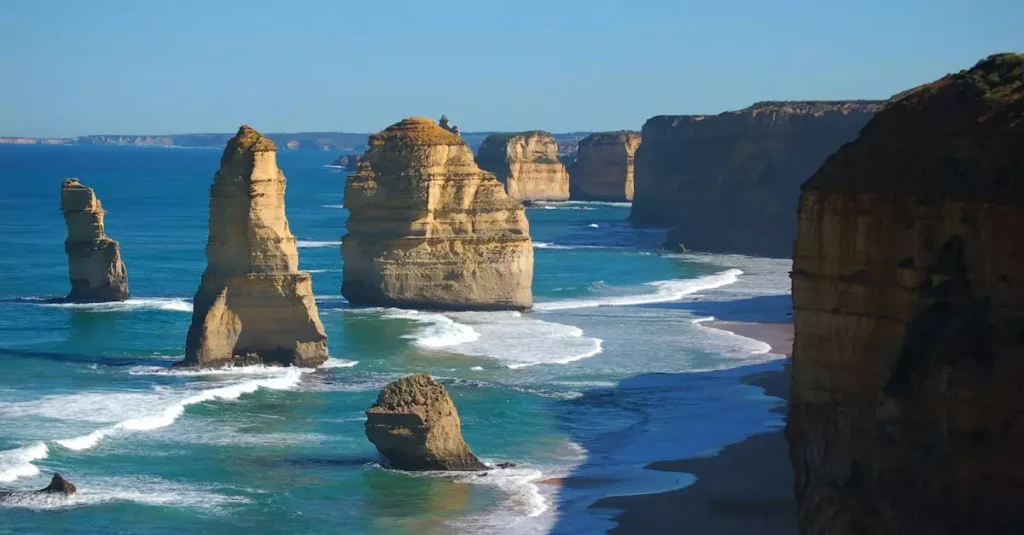
This classic coastal route is one of Australia’s most popular road trips, renowned for its dramatic cliffs, surf beaches, and charming seaside towns. Beginning in Sydney, you’ll head south toward Melbourne, with the Great Ocean Road as the undeniable highlight. Allow at least three to five days to fully appreciate the scenery and stop at key lookouts like the Twelve Apostles and Loch Ard Gorge.
The journey offers a blend of stunning natural beauty and accessible towns. Start your drive by exploring Sydney’s iconic landmarks before heading south. Consider breaking up the drive with overnight stays in coastal towns like Kiama, famous for its blowhole, or the historic port of Eden. The transition from New South Wales’s beaches to Victoria’s rugged coastline is gradual, offering diverse vistas.
Logistics & Tips:
- Best Time to Travel: Spring (September-November) and Autumn (March-May) provide pleasant weather with fewer crowds than summer.
- Vehicle: A standard car is sufficient for the main roads; however, a 4WD is advisable if you plan to explore unsealed coastal tracks.
- Accommodation: Options range from caravan parks and campgrounds to boutique hotels and motels in towns like Lorne, Apollo Bay, and Warrnambool. Booking ahead is recommended, especially during peak season.
- Driving: The Great Ocean Road is winding and can be busy. Drive cautiously and pull over at designated lookouts to enjoy the views.
Outback Adventure: The Red Centre Loop from Alice Springs
For those seeking a true Australian adventure, the Red Centre Loop offers an immersive journey into the heart of the country. Starting from Alice Springs, this route takes you to iconic landmarks like Uluru-Kata Tjuta National Park and Kings Canyon. This landscape, characterized by red earth and dramatic rock formations, offers a profound sense of isolation.
This road trip requires careful planning due to the region’s remoteness. Distances between fuel stops and amenities can be significant. Ensure your vehicle is in excellent condition and carry ample water and supplies. The best road trips in Australia often involve navigating these vast distances.
Key Destinations:
- Alice Springs: A vital hub for exploring the Red Centre, offering cultural insights and services.
- Uluru-Kata Tjuta National Park: Home to the iconic Uluru (Ayers Rock) and the domes of Kata Tjuta (The Olgas).
- Kings Canyon (Watarrka National Park): Famous for its dramatic canyon rim walk.
Planning Considerations:
- Best Time to Travel: Autumn (April-June) and Spring (September-October) provide the most comfortable temperatures for outdoor activities. Summer can be extremely hot.
- Vehicle: A 4WD is highly recommended, especially if you plan to drive on unsealed roads. Ensure your vehicle is serviced and that you have spare tires.
- Accommodation: Options include campgrounds, basic roadhouses with motel rooms, and more comfortable lodges near Uluru.
- Safety: Be aware of heatstroke, dehydration, and wildlife. Always inform someone of your travel plans and check road conditions before departing.
Tropical Escape: Cairns to Cape Tribulation’s Daintree Rainforest
This short but spectacular drive north of Cairns immerses you in the world’s oldest tropical rainforest, the Daintree. The journey is a feast for the senses, with lush greenery, the sound of exotic birds, and the proximity of the Great Barrier Reef. It’s a relatively easy drive, perfect for those seeking natural beauty without extreme distances.
The route includes a scenic ferry crossing over the Daintree River, marking your transition into a truly wild environment. You’ll find stunning beaches, elevated boardwalks through the rainforest, and opportunities for wildlife spotting, including the elusive cassowary. This is one of the best road trips Australia offers for experiencing unique biodiversity.
Highlights:
- Mossman Gorge: A beautiful rainforest walk and cultural center.
- Daintree River: Take a crocodile-spotting cruise.
- Cape Tribulation: Where the rainforest meets the reef, offering incredible beaches and snorkeling opportunities.
Traveler Advice:
- Best Time to Travel: The dry season (May-October) offers less humidity and rain. The wet season (November-April) is hot and humid, with higher chances of rain and potential for cyclones.
- Vehicle: A standard car is suitable, but a 4WD can be beneficial if you plan to explore some of the more rugged tracks.
- Accommodation: Choose from eco-lodges, resorts, and campgrounds in areas like Port Douglas, Cow Bay, and Cape Tribulation.
Western Wonders: Perth to Exmouth’s Coral Coast Highway
Stretching along Western Australia’s stunning coastline, the Coral Coast Highway showcases turquoise waters, ancient reefs, and unique marine life. Starting from Perth, this route leads you north to Exmouth, the gateway to Ningaloo Reef. This is a bucket-list road trip for nature lovers and adventurers.
The distances are significant, so allow at least seven to ten days to fully enjoy the journey and its many stops. You’ll encounter charming coastal towns, dramatic gorges, and opportunities for world-class snorkeling and diving. This route offers a different perspective on Australia’s natural beauty compared to its eastern counterparts.
Must-See Stops:
- Pinnacles Desert: Ethereal limestone formations north of Perth.
- Kalbarri National Park: Dramatic coastal cliffs and inland gorges.
- Shark Bay World Heritage Area: Home to dolphins, dugongs, and stromatolites.
- Ningaloo Reef: One of the world’s largest fringing reefs, accessible from shore.
Driving and Logistics:
- Best Time to Travel: Spring (September-November) and Autumn (March-May) provide the most pleasant weather. Summer can be very hot.
- Vehicle: A reliable vehicle is essential. A 4WD is recommended if you wish to explore unsealed roads to more remote beaches or campsites.
- Accommodation: A range of options exists, from caravan parks and holiday apartments to resorts and remote campgrounds. Booking ahead is wise, especially for popular areas like Exmouth and Coral Bay.
- Budget: This route can be more expensive due to the distances and limited services in some areas. Factor in fuel costs, accommodation, and activities.
Planning Your Best Road Trips in Australia: Key Considerations

Embarking on one of Australia’s fantastic road trips requires careful planning. From vast distances to diverse climates, preparation is essential. Understanding the unique challenges and opportunities of driving in this continent will ensure your journey is memorable for all the right reasons.
Choosing the Right Vehicle for Australian Terrains
The vehicle you select significantly impacts your experience. For paved highways and coastal drives, a standard car or SUV is usually sufficient. However, if your itinerary includes unsealed roads, national parks, or remote outback tracks, a 4WD is essential. These robust vehicles provide better clearance and traction, crucial for navigating Australia’s varied landscapes. Consider rental companies specializing in 4WD vehicles if you don’t own one. Always check the rental agreement for restrictions on where you can take the vehicle.
Navigating Australian Roads: Tips and Regulations
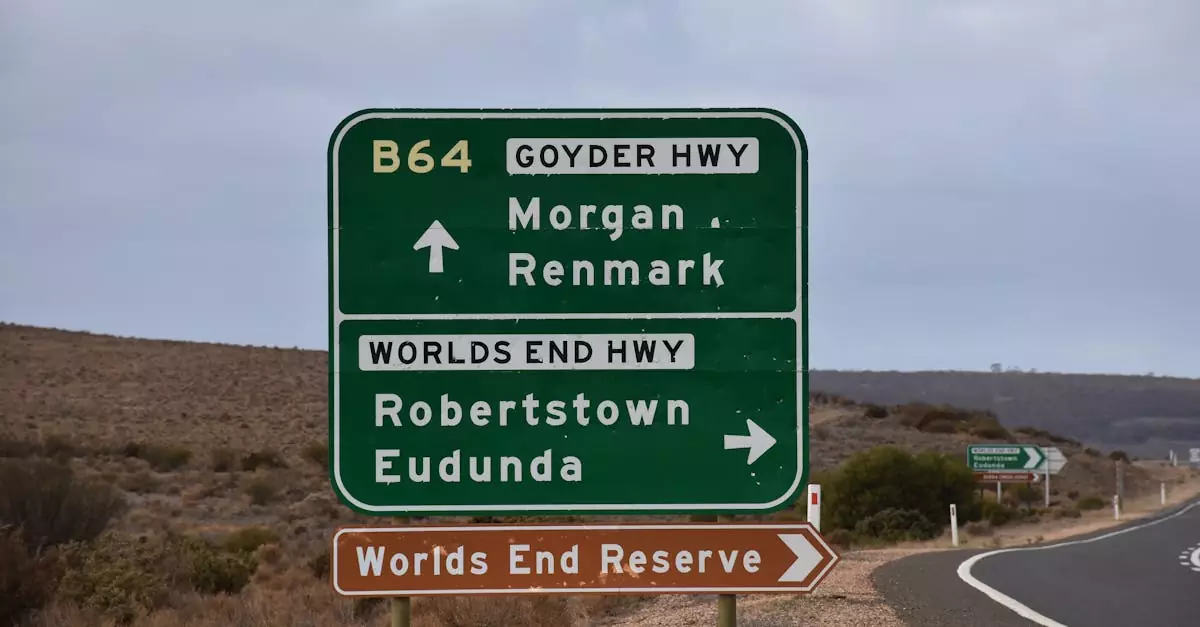
Australia drives on the left, a crucial point for visitors from right-hand drive countries. Speed limits are strictly enforced and vary by state and territory, so always pay attention to signage. Many rural roads are single-lane with unfenced livestock, making driving at dawn and dusk risky due to wildlife. It’s advisable to plan your driving for daylight hours. Mobile phone reception can be patchy in remote areas, so downloading offline maps and carrying a physical map is a smart precaution. Familiarize yourself with the road rules for each state you plan to visit, as there can be minor variations.
Essential Packing List for Diverse Australian Climates
Australia’s climate ranges from tropical heat to alpine chill, often within the same trip. Packing layers is key. Include lightweight, breathable clothing for warmer regions, a waterproof jacket, and warmer layers like fleeces or jumpers for cooler evenings or southern states. Sun protection is essential: a wide-brimmed hat, sunglasses, and high-SPF sunscreen are vital year-round. Don’t forget insect repellent, especially when traveling to tropical or bushland areas. A basic first-aid kit, including personal medications, should also be included.
Budgeting for Fuel, Accommodation, and Activities
Road trips in Australia can vary significantly in cost. Fuel prices fluctuate and can be considerably higher in remote areas, so factor this into your daily budget. Accommodation options range from budget-friendly campgrounds and caravan parks to mid-range motels and luxury hotels. Booking in advance, particularly during peak season or in popular tourist spots, is highly recommended. Consider the cost of activities, such as national park entry fees, tours, and dining out. A rough daily budget might look something like this:
| Expense Category | Budget Range (AUD per day) | Notes |
|---|---|---|
| Fuel | $50 – $150+ | Varies greatly by distance and vehicle |
| Accommodation | $30 – $200+ | Camping vs. hotels |
| Food | $40 – $100+ | Self-catering vs. dining out |
| Activities | $20 – $100+ | National parks, tours, attractions |
| Miscellaneous | $20 – $50 | Souvenirs, incidentals |
This table provides a general guideline; your actual expenses will depend on your travel style and chosen destinations. For example, a campervan trip through Western Australia will have different cost considerations than a city-hopping tour of the East Coast.
Best Time to Embark on Your Australian Road Trip Adventure

Choosing the right time for your Australian road trip significantly impacts your experience, from weather conditions to crowd levels. Australia’s vast size means its climate varies dramatically across regions, making it challenging to pinpoint a single “best” time. However, understanding these regional differences allows for strategic planning to maximize enjoyment and minimize potential disruptions.
Seasonal Highlights: Summer vs. Winter Driving Conditions
Australia experiences summer from December to February and winter from June to August. Summer often brings intense heat, particularly in the interior and northern parts of the country, which can make driving uncomfortable and increase the risk of bushfires. Road closures due to extreme weather are more common during these months. Conversely, winter offers milder temperatures across much of the country, making it ideal for exploring southern regions like Victoria and Tasmania. However, some northern routes, like the Savannah Way, can experience heavy rainfall and flooding during the wet season, typically overlapping with summer.
| Region | Summer (Dec-Feb) | Winter (Jun-Aug) |
|---|---|---|
| Northern | Hot, humid, wet season (cyclones possible) | Warm, dry, pleasant |
| Southern | Hot, dry, potential bushfires, beach weather | Mild, cool, occasional rain, snow in mountains |
| Interior | Extreme heat, very dry, limited water access | Mild days, cold nights, pleasant driving |
Avoiding Peak Tourist Seasons for a Better Experience
To truly enjoy the best road trips Australia has to offer, consider timing your journey to avoid the busiest periods. School holidays, typically in late December/early January and again in late September/early October, see a surge in domestic travel. Major public holidays, such as Easter and the Queen’s Birthday long weekend, also attract crowds. Traveling during shoulder seasons—spring (September to November) and autumn (March to May)—often provides a sweet spot. You’ll generally find more favorable weather, fewer crowds, and potentially better accommodation prices, allowing for a more relaxed and authentic experience.
Understanding Regional Weather Patterns Across Australia
Australia’s diverse geography dictates vastly different weather patterns. The tropical north experiences distinct wet and dry seasons. The dry season, from May to October, offers sunny days and lower humidity, making it excellent for exploring Queensland’s coast or the Northern Territory’s Red Centre. The southern parts of the continent, including New South Wales, Victoria, South Australia, and Western Australia, have more Mediterranean or temperate climates. Summers here can be very hot and dry, while winters are cooler and wetter, with snow in mountainous areas. Planning your route based on these regional weather forecasts is crucial for a safe and enjoyable journey. For example, attempting the Great Ocean Road in winter might mean dealing with strong winds and rain, while driving the Outback in summer requires meticulous preparation for extreme heat and water scarcity.
Must-See Landmarks and Hidden Gems on Australian Road Trips
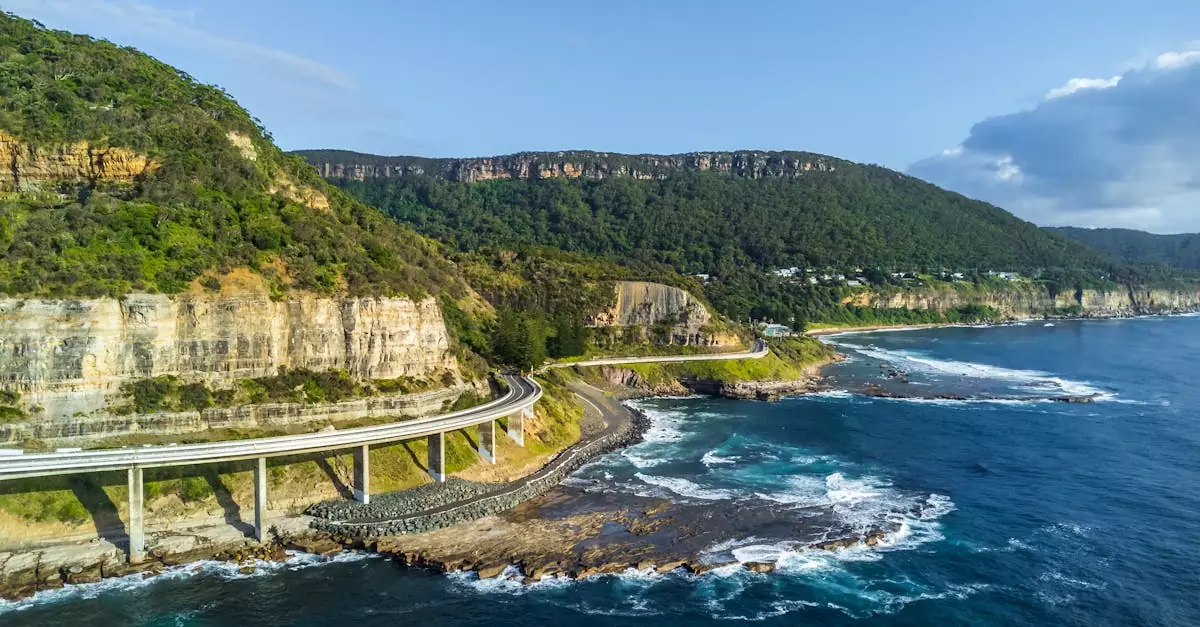
Embarking on one of the many best road trips Australia offers means encountering a diverse tapestry of landscapes, from the sun-baked outback to vibrant coastal fringes. Planning your route to include both iconic landmarks and quieter, less-trodden paths will enrich your journey immeasurably. Consider how you’ll integrate these varied experiences into your itinerary for a truly comprehensive Australian adventure.
Iconic Stops: Uluru, Twelve Apostles, and the Great Barrier Reef Gateway
No exploration of Australia’s natural wonders is complete without witnessing the grandeur of Uluru. This immense sandstone monolith in the Northern Territory is sacred to Indigenous Australians and glows with an otherworldly aura at sunrise and sunset. Reaching Uluru typically involves flying into Ayers Rock Airport (Connellan Airport) and then driving, or undertaking a significant outback drive from major cities like Alice Springs.
Along the Great Ocean Road in Victoria, the Twelve Apostles stand as dramatic limestone stacks carved by the Southern Ocean. This stretch of coastline is a photographer’s dream, with dramatic cliffs and the constant roar of the sea providing a spectacular backdrop. While the Apostles themselves are the main draw, the entire Great Ocean Road is dotted with stunning lookouts and charming towns.
For those drawn to marine life, the gateway to the Great Barrier Reef, often accessed from Cairns or Port Douglas in Queensland, is a must. While not a direct road trip destination, the journey to these coastal hubs sets the stage for unforgettable reef experiences, from snorkeling and diving to scenic flights over the coral formations. Planning your access point and booking tours in advance is crucial, especially during peak seasons.
Discovering Quaint Coastal Towns and Outback Oases
Beyond the headline attractions, Australia’s charm often lies in its smaller settlements. Along the coast, towns like Port Fairy in Victoria or Broome in Western Australia offer a relaxed pace and unique local character. Port Fairy, with its preserved 19th-century wharves and lighthouse, feels like stepping back in time. Broome, known for its pearling history and the iconic Cable Beach, provides a tropical outback coastal experience.
The Australian outback, often perceived as vast and empty, is home to surprising pockets of life and history. Towns like Birdsville in Queensland, famous for its legendary pub and annual races, offer a true taste of remote living. Visiting these outback oases requires careful planning regarding fuel, water, and vehicle maintenance, as services can be sparse. The journey itself reveals an ancient and captivating landscape.
Photography Hotspots for Unforgettable Australian Landscapes
Australia’s diverse geography presents endless opportunities for stunning photography. For dramatic coastal shots, consider the Twelve Apostles, but also explore the rugged beauty of Tasmania’s Freycinet National Park, home to the iconic Wineglass Bay. The contrast of pink granite peaks against turquoise waters is breathtaking.
The Red Centre offers unique photographic subjects. Besides Uluru, Kata Tjuta (The Olgas) provides striking geological formations, particularly captivating during golden hours. The Olgas, a collection of large, domed rock formations, offer a different yet equally powerful visual experience compared to Uluru.
For those venturing into the tropical north, the Daintree Rainforest in Queensland, the world’s oldest tropical rainforest, offers a dense, verdant canopy and unique wildlife. Look for opportunities to capture the interplay of light filtering through the trees or the vibrant colors of its flora and fauna. Many of the best road trips Australia encompass a mix of these varied environments, allowing for a rich portfolio of images.
Local Flavors and Culinary Delights on Your Road Trip

Embarking on one of the many best road trips Australia has to offer means more than just stunning scenery; it’s a journey through diverse culinary landscapes. From coastal catches to hearty outback fare, the food experiences can be as memorable as the drive itself. Planning your route with meal stops in mind can significantly enhance your adventure.
Sampling Fresh Seafood Along the Coast
Driving along Australia’s extensive coastline presents unparalleled opportunities to savor fresh seafood. Many coastal towns boast vibrant fishing fleets, ensuring that seafood served in local eateries is often caught just hours before. Consider a stop in Port Lincoln, South Australia, known as the “Seafood Capital of Australia,” for everything from tuna to kingfish.
Further north, Queensland’s Capricorn Coast offers succulent prawns and oysters. Look for roadside stalls or small, unassuming restaurants that often serve the freshest catches. Enjoying fish and chips on a beach as the sun sets is a quintessential Australian road trip experience.
Experiencing Outback Pub Culture and Local Produce
Venturing inland, the Australian outback offers a unique culinary culture centered around historic pubs and locally sourced ingredients. These establishments are often the social heart of remote communities, serving hearty meals that fuel travelers. Expect classic pub fare like steaks and parmas, but also look for dishes featuring native ingredients.
Many outback regions are home to producers of quality meats, fruits, and vegetables. In Queensland, the Darling Downs is a significant agricultural region, and towns like Toowoomba offer access to fresh produce. Similarly, the Riverland region of South Australia is renowned for its fruit and wine production. Sampling local wines alongside a robust meal at a country pub provides a true taste of regional Australia.
Best Cafes and Restaurants in Regional Australian Towns
Beyond the major cities and coastal hubs, Australia’s regional towns hide culinary gems. Many cafes and restaurants in these areas pride themselves on using local produce and offering a welcoming atmosphere. In Victoria, towns along the Great Ocean Road, such as Lorne or Apollo Bay, feature excellent cafes serving artisanal coffee and locally sourced brunch options.
For those exploring Western Australia, towns in the Margaret River region are world-renowned for their wineries and accompanying restaurants, many offering degustation menus that highlight local flavors. Even smaller towns often surprise visitors with innovative menus and a strong emphasis on farm-to-table dining. Checking local tourism websites or asking locals for recommendations is often the best way to discover these hidden culinary treasures.
Frequently Asked Questions About Australia Road Trips
What is the best way to explore Australia by car?
The most effective way to explore Australia by car is to plan your route based on your available time and interests. For vast distances, consider flying into a major city and renting a car there to maximize your time on the ground. For shorter, regional drives, a personal vehicle or a rental from your starting point is usually sufficient.
Key considerations for a successful road trip include:
- Vehicle Choice: Ensure your vehicle is suitable for the terrain. A standard car is fine for coastal routes, but a 4WD is recommended for off-road adventures in places like the Outback.
- Navigation: Reliable GPS or a detailed map is essential, especially in remote areas where mobile service can be spotty. Download offline maps beforehand.
- Pacing: Don’t try to cover too much ground too quickly. Australia is enormous, and rushing can detract from the experience.
How long do the most popular Australian road trips take?
The duration of popular Australian road trips varies significantly. A common misconception is that you can “do Australia” in a few weeks. Most iconic journeys require substantial time commitments.
Here’s a general overview of popular routes:
| Road Trip Name | Typical Duration (Minimum) | Key Highlights |
|---|---|---|
| Great Ocean Road | 2-3 days | Coastal scenery, Twelve Apostles, rainforests |
| Sydney to Melbourne | 5-7 days | Beaches, wine regions, coastal towns |
| Red Centre (Alice Springs to Uluru) | 3-5 days | Uluru, Kata Tjuta, desert landscapes |
| East Coast (Sydney to Cairns) | 2-4 weeks | Beaches, cities, rainforests, Great Barrier Reef |
| Perth to Broome | 7-10 days | Coral Coast, Ningaloo Reef, Karijini National Park |
These are minimums; extending these trips allows for deeper exploration and a more relaxed pace.
Are there any safety concerns for solo travelers on Australian road trips?
Solo travel in Australia is generally safe, but standard precautions apply, particularly on road trips. Awareness of your surroundings and preparedness are key.
Specific safety advice for solo road-trippers includes:
- Communication: Inform someone of your itinerary and expected check-in times.
- Vehicle Maintenance: Ensure your car is in good condition before departing, and carry basic tools and a spare tire.
- Wildlife: Be cautious of wildlife, especially kangaroos and emus, particularly at dawn and dusk. Roadkill is common and can cause significant vehicle damage.
- Remote Areas: If venturing into remote areas, carry extra water, food, and fuel. Mobile phone reception can be unreliable.
- Sun Protection: The Australian sun is intense. Always wear sunscreen, a hat, and sunglasses, and stay hydrated.
What are some common tourist mistakes to avoid on Australian road trips?
Many first-time visitors make similar errors when planning or undertaking an Australian road trip. Avoiding these will significantly enhance your journey.
Common mistakes include:
- Underestimating Distances: Australia is larger than many realize. Trying to cram too many destinations into a short period leads to fatigue and a superficial experience.
- Ignoring Seasonal Conditions: Weather can dramatically impact road conditions and accessibility. For instance, the wet season in the Top End (roughly November to April) can bring monsoonal rains and road closures.
- Not Booking Ahead: During peak seasons or in popular destinations like Uluru or the Great Ocean Road, accommodations and tours can book out months in advance.
- Failing to Prepare for Remote Travel: Driving in the Outback or other remote regions requires more preparation than city driving. Ensure you have sufficient fuel, water, and supplies.
- Overlooking Local Culture: Take time to learn about Indigenous Australian culture, which is deeply connected to the land. Respect cultural sites and practices.