Greece’s spiritual landscape is adorned with ancient monasteries, from the gravity-defying structures of Meteora to serene island sanctuaries. Visiting these sites offers a unique journey through history, art, and profound faith. This guide will help you discover the best monasteries in Greece, detailing what makes each location special and how to plan your visit. You’ll explore the iconic Meteora complex, the secluded monastic state of Mount Athos, and island gems like Patmos. We’ll also delve into lesser-known yet captivating sites, providing practical advice on etiquette, timing your visit, and navigating these sacred destinations. Prepare to immerse yourself in the timeless beauty and spiritual resonance of Greece’s revered monastic communities.
Exploring the Architectural Marvels: Top Monasteries in Greece
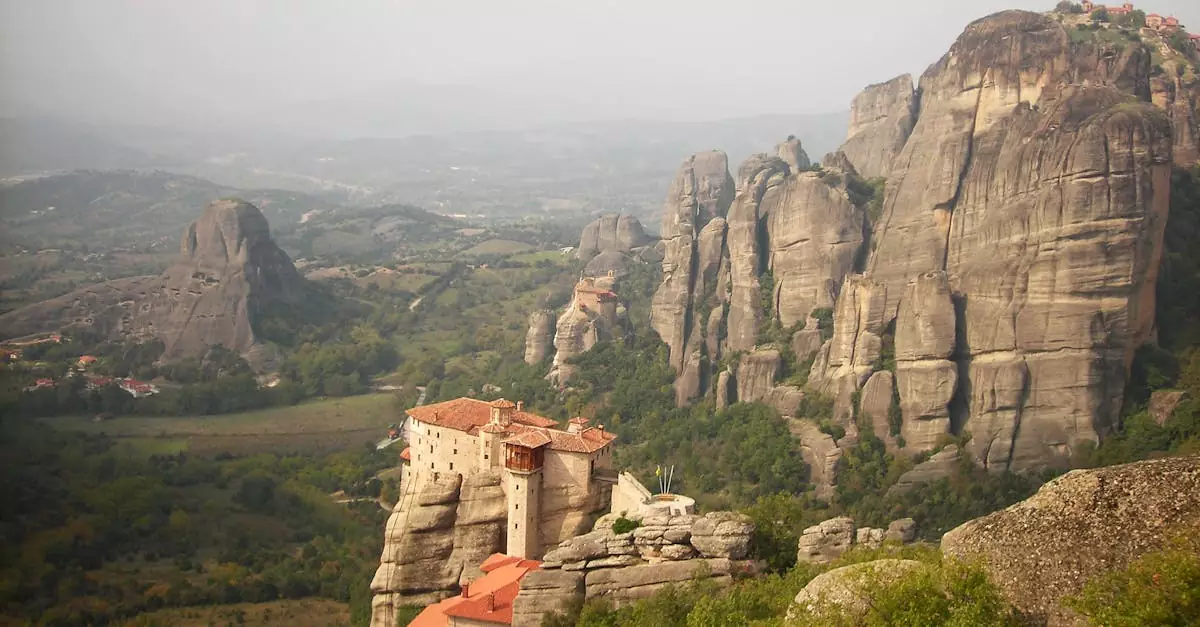
Greece, a land steeped in history and faith, offers a profound journey through its spiritual sanctuaries. Among the most awe-inspiring are its ancient monasteries, many perched in dramatic landscapes and preserving centuries of tradition. Visiting these sites provides not only a glimpse into religious devotion but also an appreciation for remarkable architectural feats and breathtaking natural beauty. Planning a trip to experience the best monasteries in Greece involves understanding their unique characteristics, accessibility, and the best times to visit.
The Iconic Meteora Monasteries: A UNESCO World Heritage Site
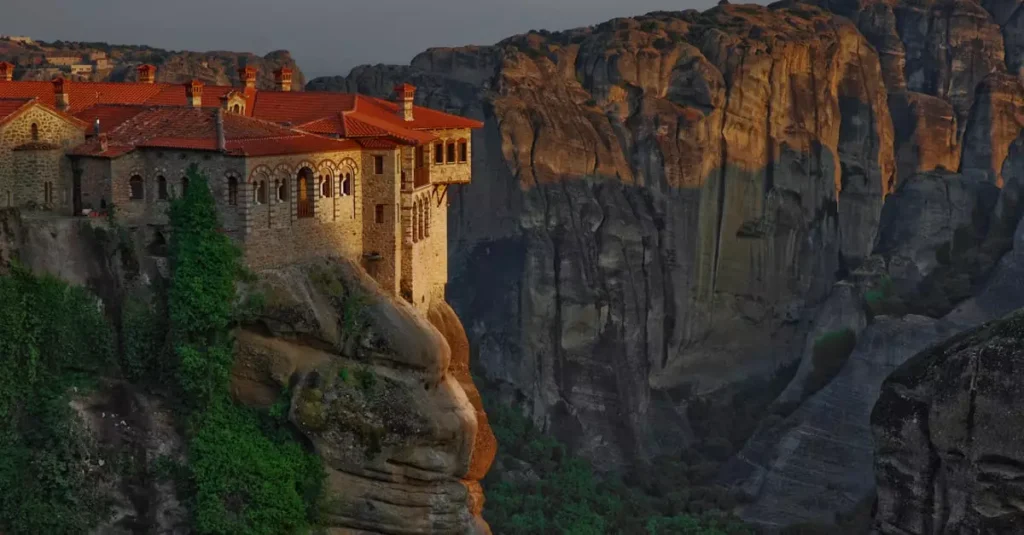
The Meteora monasteries, meaning “suspended in the air,” are arguably the most famous spiritual sites in Greece. Six active monasteries are precariously built atop colossal natural rock pillars, creating a landscape that feels otherworldly. Originally, there were over 20 monasteries, with the current ones dating back primarily to the 14th and 15th centuries, serving as refuges during turbulent times.
Reaching the monasteries involves climbing stairs carved into the rock, though some have been modernized with steps and even small cable cars for easier access. The views from these heights are unparalleled, offering panoramic vistas of the surrounding Thessaly plains. Visitors should dress modestly, covering shoulders and knees, as these are active places of worship.
Planning Your Visit to Meteora:
- Best Time to Visit: Spring (April-May) and Autumn (September-October) offer pleasant weather and fewer crowds. Summer can be very hot and busy.
- Getting There: The nearest town is Kalabaka, accessible by train or bus from Athens. Renting a car provides flexibility for exploring the monasteries at your own pace.
- Logistics: Allow at least one full day, preferably two, to visit multiple monasteries. Each has specific opening hours, so check them in advance.
- Accommodation: Options range from guesthouses in Kalabaka and Kastraki to hotels with stunning views of the rock formations.
Mount Athos: The Holy Mountain’s Unique Monastic Community
Mount Athos, a UNESCO World Heritage site, is a self-governed monastic state within the Hellenic Republic. Located on the Chalkidiki peninsula, it is home to 20 Orthodox monasteries, each with its own distinct character and history. Mount Athos is renowned for its strict adherence to monastic tradition and its spiritual significance within Eastern Orthodoxy.
Access to Mount Athos is highly restricted, particularly for women, who are forbidden from entering the peninsula. Male pilgrims and visitors must obtain a special permit, known as a Diamonitirion, and book accommodation in advance, as visitor numbers are limited. The journey typically involves a ferry from Ouranoupoli.
Understanding Mount Athos:
- Visitor Restrictions: Only Orthodox Christian men are generally permitted to visit. Non-Orthodox men may apply for a limited number of permits. Women are strictly prohibited from entering.
- Application Process: Applying for a Diamonitirion requires submitting an application well in advance through the Ministry of Foreign Affairs or the Monastic Community’s office.
- Daily Life: Life on Mount Athos follows a strict monastic schedule, focused on prayer, work, and contemplation. Visitors are expected to respect this way of life.
- Transportation: Ferries operate from Ouranoupoli and Ierissos to various ports on the peninsula. Within Mount Athos, travel is primarily on foot or by shared monastic transport.
Monastery of Saint John the Theologian on Patmos: A Pilgrimage Destination
The Monastery of Saint John the Theologian, perched above the main town of Chora on the island of Patmos, is a significant pilgrimage site. Founded in the 11th century, it houses invaluable relics, manuscripts, and frescoes, reflecting its rich religious and historical importance. The monastery complex also includes the Cave of the Apocalypse, where Saint John is believed to have received his divine revelations.
The monastery’s imposing structure dominates the island’s skyline, offering breathtaking views of the Aegean Sea. Visitors can explore its courtyards, chapels, and museum, gaining insight into Byzantine art and monastic life. The island of Patmos itself is a serene destination, known for its spiritual atmosphere and charming villages.
Visiting Patmos:
- Getting to Patmos: Patmos is accessible by ferry from Athens (Piraeus port) and other Dodecanese islands like Rhodes and Kos. The journey from Athens can take several hours.
- Island Exploration: The monastery is a short walk or bus ride from the port of Skala. Renting a scooter or car is recommended for exploring the rest of the island.
- Modest Attire: As with other religious sites, visitors should dress respectfully, covering shoulders and knees.
- Accommodation: Patmos offers a range of accommodations, from boutique hotels in Chora to apartments and studios near Skala.
Beyond the Famous: Hidden Gem Monasteries Worth Visiting
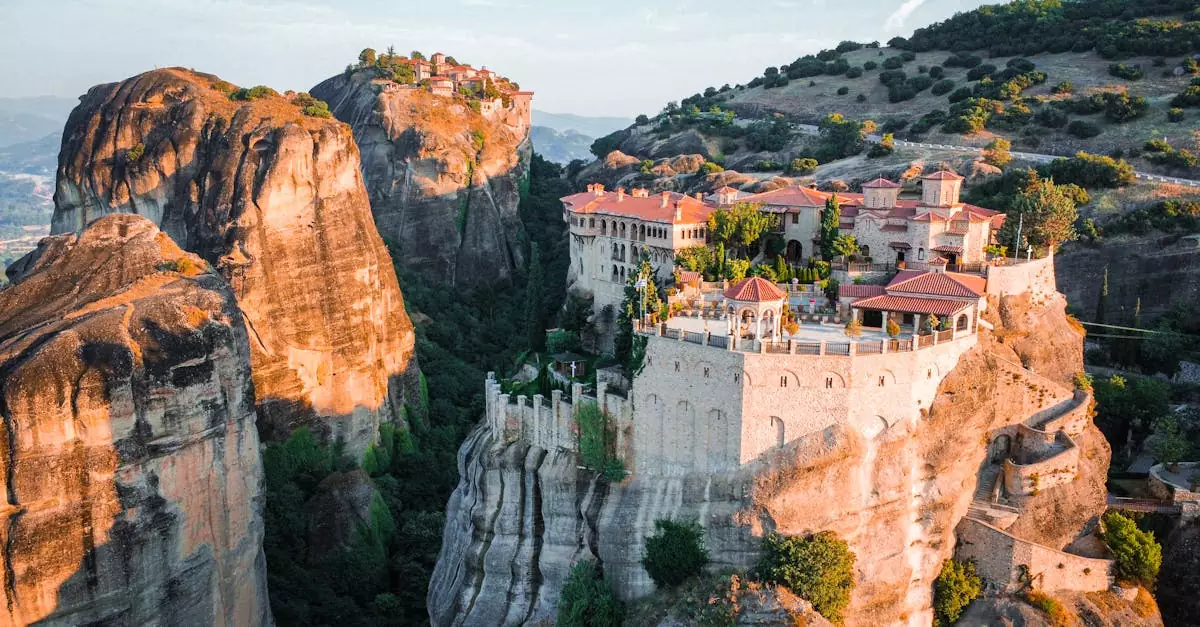
While Meteora and Mount Athos often capture the spotlight, Greece’s spiritual landscape is dotted with numerous other monastic sites that offer profound beauty and historical significance. Venturing beyond the most celebrated destinations reveals architectural marvels and serene retreats, providing a deeper understanding of the country’s rich religious heritage. These less-trafficked sanctuaries often afford a more intimate experience, allowing visitors to connect with the contemplative atmosphere without the crowds.
The Byzantine Beauty of Moni Daphni in Athens
Just a short distance from the bustling heart of Athens lies Moni Daphni, a UNESCO World Heritage site that stands as a testament to Byzantine art and architecture. This monastery, though no longer actively housing monks, preserves some of the most exquisite mosaics from the Middle Byzantine period. The church’s interior is adorned with vibrant frescoes and intricate mosaics depicting religious scenes with remarkable detail and spiritual intensity.
Visiting Moni Daphni offers a unique opportunity to witness the evolution of Byzantine art in a relatively accessible location. The site is easily reached by public transport or a short taxi ride from central Athens, making it a convenient addition to any city itinerary. Allow at least an hour to fully appreciate the artistry and the peaceful grounds. The monastery’s historical context, dating back to the 11th century, adds another layer of fascination for history enthusiasts.
Osios Loukas Monastery: A Masterpiece of Medieval Greek Art
Nestled in the remote mountains of Boeotia, Osios Loukas Monastery is a breathtaking complex that showcases the zenith of medieval Greek art and architecture. This 11th-century monastery is renowned for its stunning mosaics, particularly those found in the Katholikon (main church), which are considered among the finest examples of Byzantine art in all of Europe. The intricate gold-ground mosaics depict Christ Pantocrator, the Virgin Mary, and a host of saints with unparalleled craftsmanship.
The monastery’s strategic location on the slopes of Mount Helicon offers panoramic views of the surrounding countryside, adding to its serene ambiance. Reaching Osios Loukas typically requires a car or organized tour, as it is not directly served by public transportation from major cities like Athens. The journey itself is rewarding, winding through picturesque rural landscapes. Plan for at least half a day to explore the three main churches, the museum, and the monastic cells. The site’s well-preserved state and artistic splendor make it a must-see for anyone interested in Byzantine history and art.
Monastery of Panagia Hozoviotissa: Clinging to the Cliffs of Amorgos
Perched dramatically on the sheer cliffs of Amorgos island in the Cyclades, the Monastery of Panagia Hozoviotissa is an awe-inspiring sight. This 11th-century monastery is one of the most striking religious structures in Greece, built directly into the rock face, hundreds of meters above the Aegean Sea. Its whitewashed facade blends seamlessly with the cliff, creating a vision of devotion and human perseverance against a backdrop of immense natural beauty.
Accessing the monastery involves a climb up a steep, winding path, a pilgrimage in itself that rewards visitors with increasingly spectacular views. Inside, the monastery is a narrow, multi-story structure housing chapels, cells, and a small museum. Visitors can experience the monastic life firsthand by staying overnight in the simple guest quarters, a truly unique opportunity to absorb the profound peace of this sacred place. The monastery is a significant pilgrimage site, especially during the Feast of the Annunciation. While reaching Amorgos requires a ferry from Athens or other Cycladic islands, the journey to Hozoviotissa is an unforgettable experience that highlights the spiritual heart of Greek island life.
Planning Your Pilgrimage: When to Visit Greece’s Best Monasteries
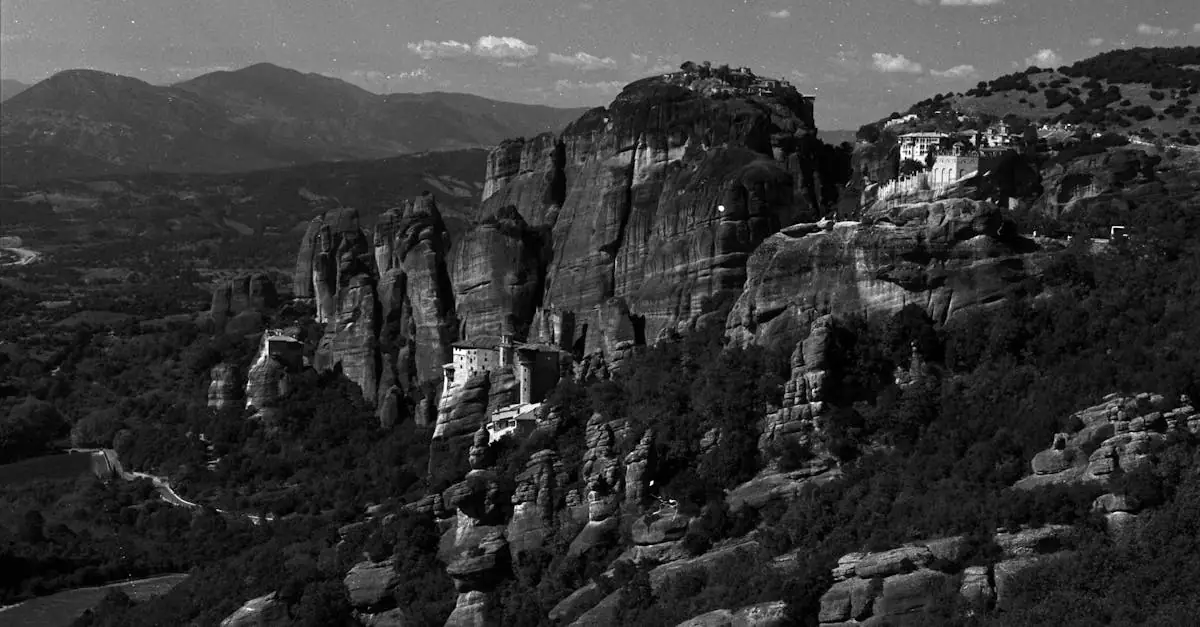
Deciding when to visit Greece’s spiritual sites requires careful consideration of weather, crowds, and local observances. The “best monasteries in Greece” can be enjoyed year-round, but certain periods offer a more comfortable and authentic experience. Planning ahead ensures you can fully appreciate the tranquility and historical significance of these sacred places.
Best Months for Monastery Visits in Greece: Avoiding Crowds and Heat
The shoulder seasons, specifically April to May and September to October, are generally the most pleasant times to explore Greece’s monasteries. During these months, the weather is mild, with average temperatures ranging from the mid-60s to the low 70s Fahrenheit (18-23°C). This makes walking and exploring the often rugged terrain surrounding monasteries much more enjoyable.
Additionally, visiting during these shoulder months means encountering fewer crowds. You’ll find less congestion from tour groups and day-trippers, allowing for a more personal and contemplative experience at sites like Meteora or Mount Athos. Summer, from June to August, brings intense heat and large numbers of tourists, which can detract from the spiritual atmosphere and make travel more challenging.
Understanding Religious Holidays and Their Impact on Monastery Access
Greece is a deeply religious country, and many monasteries observe numerous religious holidays throughout the year. The most significant of these include Easter (Pascha), celebrated with great fervor, and the Dormition of the Theotokos (Assumption of Mary) on August 15th. During these periods, monasteries can become exceptionally crowded with pilgrims and may have altered visiting hours or restricted access for non-religious visitors.
If your visit coincides with a major religious festival, be prepared for larger crowds and a more intense atmosphere. It can be a powerful experience to witness these traditions firsthand, but it’s wise to book accommodations and transportation well in advance. For those seeking quiet contemplation, it might be best to plan your visit outside of these major religious observances.
Seasonal Weather Considerations for Different Monastery Regions
Greece’s diverse geography means weather can vary significantly between regions. Coastal monasteries, such as those on islands like Crete or Rhodes, tend to have milder winters and hotter summers. Inland monasteries, particularly those at higher elevations like Meteora or Mount Athos, can experience colder winters with occasional snow and pleasant, warm summers.
| Region | Spring (Apr-May) | Summer (Jun-Aug) | Autumn (Sep-Oct) | Winter (Nov-Mar) |
|---|---|---|---|---|
| Mainland | Mild, pleasant | Hot, sunny | Mild, pleasant | Cool, some rain |
| Islands | Warm, sunny | Very hot, dry | Warm, sunny | Mild, some rain |
| Meteora | Pleasant, clear | Hot, dry | Pleasant, clear | Cold, potential snow |
When packing, always check the specific forecast for the region you plan to visit. For monasteries that require walking or hiking, comfortable, sturdy footwear is essential regardless of the season. Layers are also recommended, as temperatures can fluctuate throughout the day, especially in mountainous areas.
Getting to and Around Greece’s Sacred Sites
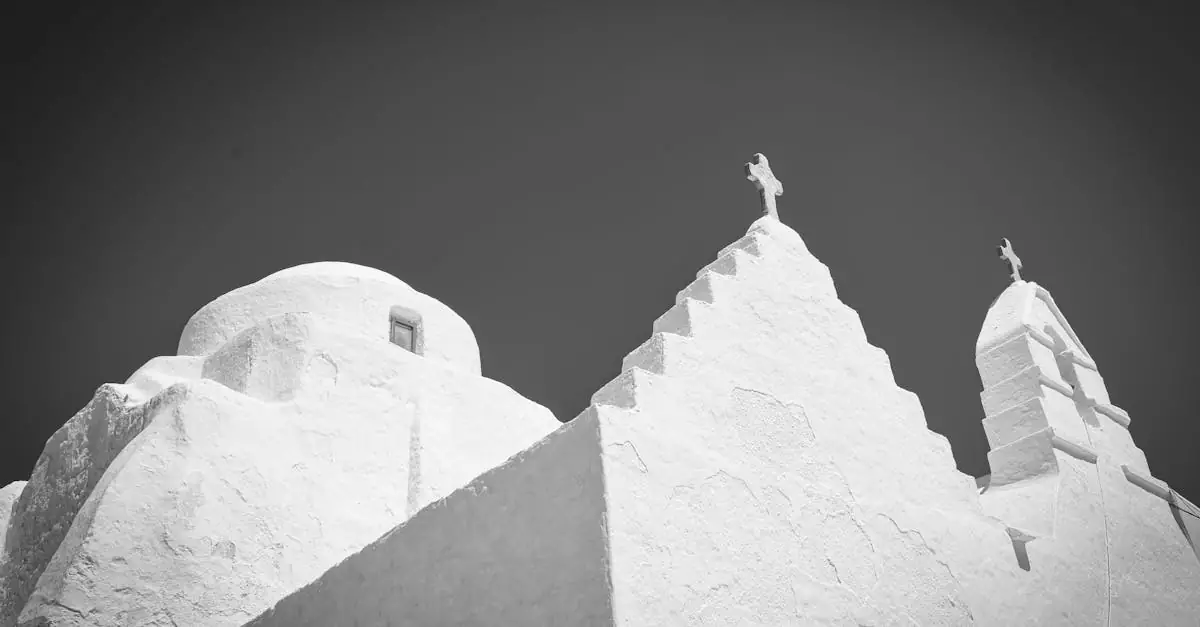
Reaching Greece’s most spiritual sanctuaries often involves a combination of travel methods, from mainland journeys to island ferries. Planning your transportation in advance is key to a smooth pilgrimage, especially when visiting remote monastic complexes.
Navigating to Meteora: Train, Bus, and Car Options
The monasteries of Meteora, perched atop colossal rock pillars, are accessible from various points in mainland Greece. The most common starting point is Athens. Travelers can opt for a scenic train journey to Kalabaka, the town at the base of Meteora, which takes approximately 4 to 5 hours. Buses are also available, often providing a more direct route from Athens and other major cities like Thessaloniki.
Renting a car offers the most flexibility for exploring the Meteora region at your own pace. It allows you to easily travel between the monasteries, stop at viewpoints, and discover lesser-known trails. Parking is available at most monastic sites, though it can become crowded during peak season. For those arriving from other parts of Europe, flying into Athens International Airport (ATH) is the primary gateway.
Reaching Mount Athos: Ferry Schedules and Access Requirements
Mount Athos, a UNESCO World Heritage site and a self-governing monastic state, has unique access rules. Only men are permitted to visit the peninsula, and a special entry permit, known as a diamonitirion, is required. This permit must be obtained in advance from the Ministry of Foreign Affairs in Athens or the office of the Holy Community in Karyes.
Access to Mount Athos is exclusively by ferry from Ouranoupolis or Ierissos in Halkidiki. Ferry schedules vary seasonally, so checking the latest timetables is crucial. It’s advisable to book your ferry tickets and secure your diamonitirion well in advance, particularly during religious holidays. The journey by ferry typically takes about 1 to 1.5 hours.
Transportation Tips for Island Monasteries like Patmos and Amorgos
Visiting island monasteries, such as the Monastery of Saint John the Theologian on Patmos or the Monastery of Hozoviotissa on Amorgos, requires ferry travel. Ferries connect Athens (Piraeus port) to most major islands, and smaller boats often link adjacent islands.
When planning your island hopping, consider purchasing a ferry pass if you intend to visit multiple islands. Booking ferry tickets online in advance is recommended, especially for popular routes or during summer months. Once on the islands, local buses are usually the most economical way to reach the monasteries, though taxis are also available. Some monasteries may require a walk uphill from the nearest bus stop or parking area.
Local Transport: Taxis and Buses Near Monastic Sites
In towns and villages near major monastic complexes, local buses and taxis are readily available. For Meteora, Kalabaka and Kastraki are well-served by public transport and taxi services that can take you to the base of the monasteries. From there, many visitors choose to walk or hike up to the monastic cells.
On islands, buses are the primary mode of public transport. They typically run on set schedules, connecting main towns, ports, and popular attractions, including monasteries. Taxis can be a more convenient but pricier option, especially for reaching more remote sites or if you have limited time. Always confirm taxi fares before starting your journey.
| Destination | Primary Access | Local Transport Options | Notes |
|---|---|---|---|
| Meteora | Train, Bus, Car | Bus, Taxi, Walking | Flexibility with car rental; walking paths between monasteries. |
| Mount Athos | Ferry | Walking | Men only; requires special permit (diamonitirion). |
| Patmos | Ferry | Bus, Taxi, Walking | Monastery of St. John is a significant pilgrimage site. |
| Amorgos | Ferry | Bus, Taxi, Walking | Monastery of Hozoviotissa is built into a cliff face. |
Experiencing Monastic Life: Etiquette and What to Expect
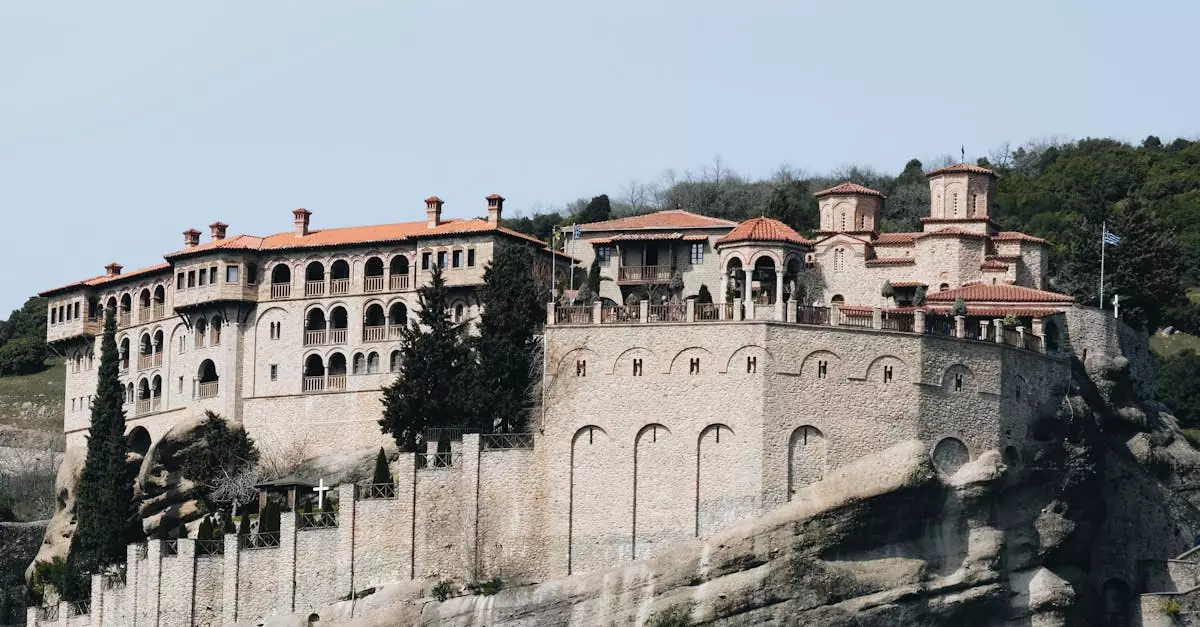
Visiting the best monasteries in Greece offers a unique glimpse into centuries of spiritual tradition and architectural grandeur. To ensure a respectful and enriching experience, understanding monastic etiquette is key. These active religious communities welcome visitors, but adherence to certain guidelines is expected.
Dress Code Essentials for Visiting Greek Monasteries
When planning your visit to these sacred sites, proper attire is essential. Monasteries in Greece maintain strict dress codes out of respect for their religious significance. For women, this means covering shoulders and knees; long skirts or dresses are generally preferred over trousers. Men should wear long trousers and shirts with sleeves. Many monasteries provide sarongs or scarves at the entrance for visitors who arrive underdressed, but it’s best to come prepared to avoid any inconvenience.
Respecting Sacred Spaces: Photography Rules and Visitor Conduct
While the beauty of Greek monasteries is undeniable, photography rules must be observed. Generally, taking photos inside churches and chapels is prohibited. Look for signage indicating where photography is permitted, typically in courtyards or exterior areas. Beyond photography, quiet contemplation is paramount. Avoid loud conversations and be mindful of the monks’ or nuns’ daily routines. Mobile phones should be silenced. Remember, you are a guest in a place of worship and deep spiritual practice.
Understanding the Daily Rhythms of Monastic Communities
Monasteries operate on schedules dictated by prayer and religious observance. Understanding these daily rhythms can enhance your visit. Most monasteries have set visiting hours, often with a midday closure for rest and services. Early morning or late afternoon visits can offer a more tranquil atmosphere, allowing you to witness the community’s daily life without the peak crowds. Some larger monasteries may have guided tours, offering deeper insights into their history and significance.
Is Visiting Greek Monasteries Suitable for Solo Travelers?
Visiting Greek monasteries is absolutely suitable for solo travelers. In fact, the serene and contemplative environment can be particularly rewarding for those traveling alone. The structured nature of monastery visits, with clear guidelines and often well-maintained paths, makes navigation straightforward. Solo travelers can absorb the spiritual atmosphere, engage with the history at their own pace, and find moments of personal reflection. The respectful environment ensures a safe and comfortable experience for individuals.
Frequently Asked Questions About Visiting Monasteries in Greece
What are the opening hours for the best monasteries in Greece?
Monastery visiting hours in Greece can vary significantly by season and the specific religious calendar. Generally, most monasteries are open to visitors during daylight hours, typically from around 9:00 AM to 1:00 PM and then again from 3:00 PM to 5:00 PM. However, it’s crucial to check the specific hours for each site you plan to visit, especially during religious holidays or fasting periods when access might be restricted or hours shortened. Many monasteries in more remote areas may have more limited access.
Are there guided tours available for Greek monasteries?
While official guided tours with external guides are not common within the active monastic communities themselves, many sites offer information in multiple languages. At larger, more historically significant monasteries like Meteora, you might find local guides available for hire outside the monastery gates. Some religious organizations or cultural tour operators may offer specialized tours that include monastery visits with knowledgeable guides who can explain the history and religious significance. For independent visitors, brochures and informational signs are often provided.
Can you stay overnight at any Greek monasteries?
Yes, it is possible to stay overnight at a select few Greek monasteries, though this experience is more common for women than for men. Some female monastic communities offer simple guesthouse accommodations for female pilgrims and visitors seeking a quiet, spiritual retreat. These stays are usually very basic, focused on simplicity and communal living. It is essential to contact the monastery well in advance to inquire about availability, rules, and booking procedures. This is not a typical tourist accommodation and requires respect for the monastic way of life.
What are some common tourist mistakes to avoid when visiting monasteries in Greece?
When visiting these spiritual sites, several common mistakes can be avoided. Firstly, dress modestly. This means covering shoulders and knees, and for women, avoiding short skirts or trousers. Revealing clothing is generally not permitted and shows a lack of respect. Secondly, maintain a quiet and respectful demeanor. Monasteries are active places of worship and prayer, so loud conversations or disruptive behavior is inappropriate. Thirdly, always ask permission before taking photographs, especially of monks, nuns, or interior spaces where photography might be prohibited. Lastly, be mindful of visiting hours and avoid arriving too early or too late, as this can disturb the monastic schedule.