Europe’s iconic cities like Paris and Rome are undeniably magnificent, but a different kind of magic awaits those who venture off the beaten path. The continent is dotted with best underrated European cities that offer rich history, vibrant culture, and stunning scenery, often with fewer crowds and a more authentic local feel. These destinations allow for deeper connections with the places you visit, unique traditions, and the true pulse of European life.
In this guide, we’ll unveil some of Europe’s most captivating yet often overlooked urban treasures. You’ll discover charming capitals with emerald rivers, medieval towns that rival their more famous neighbors, and gastronomic hubs that will delight your taste buds. We’ll also explore cities where natural beauty is integral to the urban experience, from majestic mountains to picturesque river valleys. Prepare to rethink your next European adventure as we journey through these exceptional destinations.
Beyond the Capitals: Unveiling Europe’s Best Underrated Cities
While Paris, Rome, and London rightfully draw millions, a different kind of European adventure awaits those willing to venture slightly off the well-trodden tourist paths. Europe is brimming with cities that offer rich history, vibrant culture, and stunning scenery, often at a more accessible price point and with a more authentic feel. Discovering these lesser-known gems allows for a deeper connection with local life and a more personal travel experience.
Why Choose Lesser-Known European Destinations?
Opting for a less-hyped European city often translates to a more relaxed pace and fewer crowds, even during peak seasons. This allows for spontaneous exploration and genuine interactions with residents. Furthermore, many of these cities provide excellent value, stretching your travel budget further without compromising quality. You might enjoy Michelin-starred meals at a fraction of the cost compared to their capital-city counterparts or discover charming boutique hotels that offer personalized service.
What Makes a European City ‘Underrated’?
A city can be considered underrated for several reasons. It may possess all the charm and historical significance of a major capital but simply hasn’t captured the global tourist spotlight. Alternatively, it could be a smaller city with a thriving arts scene, a unique culinary identity, or breathtaking natural surroundings that are overshadowed by a nearby, more famous neighbor. These cities often offer a concentrated dose of culture and history, making them highly rewarding for curious travelers. They are places where you can feel the pulse of local life without the constant hustle of mass tourism.
The Allure of Authenticity in Off-the-Beaten-Path Europe
The true magic of visiting Europe’s best underrated cities lies in their authenticity. Without the overwhelming influx of tourists, you’re more likely to encounter genuine local markets, family-run restaurants serving traditional recipes, and public squares where locals gather. This creates a more immersive cultural experience, allowing you to grasp the nuances of daily life and history. These destinations provide a chance to connect with the soul of Europe, far from souvenir shops and crowded landmarks.
Top Underrated European Cities for Culture Seekers
When planning a European adventure, major capitals often steal the spotlight. However, many smaller cities offer rich cultural experiences without the overwhelming crowds or inflated prices. These destinations provide a more authentic glimpse into local life and history, making them excellent choices for travelers seeking depth and discovery. Exploring these gems can lead to unexpected delights and a more personal connection with the continent’s diverse heritage.
Ljubljana, Slovenia: Emerald Rivers and Dragon Bridges
Ljubljana, the capital of Slovenia, is a charming city often overlooked by mainstream tourism. Its compact city center is easily navigable on foot, with the emerald-green Ljubljanica River flowing through its heart. The city is renowned for its vibrant café culture, picturesque bridges—most famously the Dragon Bridge and Triple Bridge—and a stunning hilltop castle offering panoramic views.
Ljubljana’s cultural scene is dynamic, featuring numerous galleries, theaters, and a lively summer festival. The architecture is a fascinating blend of Baroque, Art Nouveau, and works by the renowned Slovenian architect Jože Plečnik, whose influence is visible throughout the city. Food lovers will appreciate the local markets and diverse culinary offerings, from traditional Slovenian stews to international cuisine.
- Best Time to Visit: Spring (April-May) and early autumn (September-October) offer pleasant weather and fewer tourists. Summer (June-August) is warm and lively with outdoor events.
- Getting Around: The city center is largely pedestrianized and ideal for walking. Electric boats offer scenic river tours.
- Budget: Ljubljana is generally more affordable than many Western European capitals.
Ghent, Belgium: Medieval Charm Without the Bruges Crowds
While Bruges often draws the lion’s share of visitors to Belgium, Ghent offers a similar medieval atmosphere with a more authentic, lived-in feel. This vibrant university city boasts a stunning Gothic skyline dominated by the Belfry, St. Bavo’s Cathedral (home to the Ghent Altarpiece), and the Gravensteen castle. Canals crisscross the historic center, reflecting the beautiful architecture of centuries past.
Ghent’s cultural appeal lies in its blend of historical significance and modern energy. It’s a city that feels alive, with bustling markets, independent boutiques, and a thriving arts scene. The Graslei and Korenlei quays, lined with guild houses, are particularly picturesque and offer a glimpse into the city’s prosperous trading history. Don’t miss trying local specialties like Gentse Waterzooi (a creamy stew) and cuberdons (cone-shaped candies).
- Getting There: Ghent is easily accessible by train from Brussels (approx. 30-minute journey) and other major European cities.
- Accommodation: Options range from charming boutique hotels in the historic center to modern apartments catering to students and visitors.
- Day Trips: Its central location makes it a great base for exploring other Belgian cities like Bruges or Antwerp.
Bologna, Italy: A Gastronomic Gem in Emilia-Romagna
Bologna, the capital of Italy’s Emilia-Romagna region, is a city that truly celebrates food and culture. Famous for its extensive porticoes—over 40 kilometers of covered walkways that make walking pleasant in any weather—and its well-preserved medieval architecture, Bologna offers a more relaxed and authentic Italian experience. The city is home to the oldest university in the Western world, lending it a youthful and intellectual atmosphere.
As the birthplace of Bolognese sauce (ragù alla bolognese), Bologna is a must-visit for any food enthusiast. The Quadrilatero, the ancient market district, is a maze of narrow streets filled with artisan food shops, trattorias, and bustling markets selling fresh produce, pasta, cheeses, and cured meats. Beyond its culinary fame, Bologna boasts impressive historical sites, including the Two Towers (Asinelli and Garisenda) and the Basilica di San Petronio.
- Culinary Highlights: Beyond ragù, try tagliatelle al ragù, tortellini in brodo, and mortadella.
- Transportation: Bologna is a major rail hub, making it easy to reach from other Italian cities like Florence or Milan. The city center is walkable, and buses are available.
- When to Go: Spring and autumn provide the most pleasant temperatures for exploring the porticoes and enjoying outdoor dining.
Exploring the Natural Beauty of Europe’s Hidden Gems
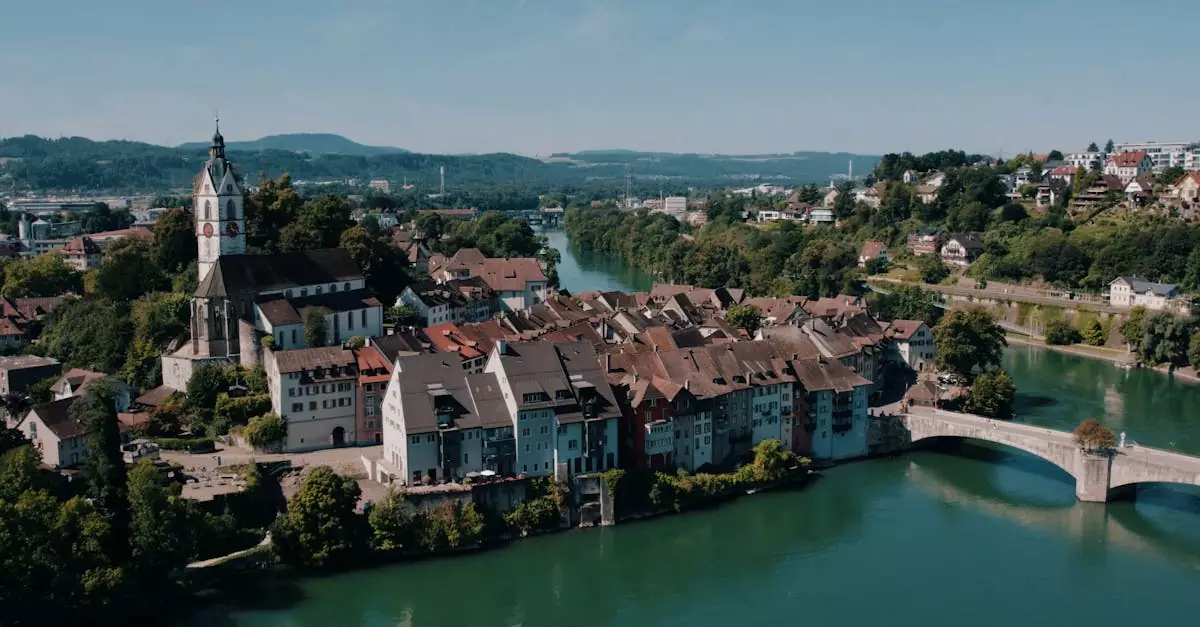
Beyond the well-trodden paths of Paris and Rome, Europe holds a treasure trove of cities where natural landscapes are as much a draw as the cultural heritage. These destinations offer a chance to connect with the outdoors, whether through dramatic mountain vistas or serene river valleys, all while experiencing authentic local life.
Krakow, Poland: Historic Heartbeat and Tatra Mountain Proximity
Krakow, Poland, often overlooked for its more famous Western European counterparts, offers a compelling blend of medieval charm and accessible natural beauty. The city itself is a UNESCO World Heritage site, with a well-preserved Old Town and the historic Wawel Castle. Its real draw for nature lovers, however, lies in its proximity to the stunning Tatra Mountains, the highest range in the Carpathian Mountains, which straddle the border with Slovakia.
A day trip or a short overnight stay in Zakopane, the “winter capital” of Poland nestled at the foot of the Tatras, is highly recommended. From here, hikers can access numerous trails ranging from gentle walks through alpine meadows to challenging ascents offering panoramic views. In summer, the mountains are alive with wildflowers, and in winter, they transform into a skier’s paradise. Back in Krakow, the Vistula River provides a more relaxed natural setting, with riverside paths perfect for cycling or a leisurely stroll. Consider visiting in late spring or early autumn for pleasant hiking weather and fewer crowds.
- Getting to the Tatras: Regular bus services run from Krakow to Zakopane, taking approximately 2-3 hours. Car rental offers more flexibility for exploring the mountain region.
- Best time to visit: May-June for wildflowers and pleasant hiking; September-October for autumn colors and crisp air; December-March for skiing.
Porto, Portugal: Douro Valley Views and Riverside Ambiance
Porto, Portugal’s second-largest city, is renowned for its port wine, historic Ribeira district, and the iconic Dom Luís I Bridge. While the city’s charm is undeniable, its true natural allure extends along the Douro River, the lifeblood of the region. The Douro Valley, a UNESCO World Heritage landscape, is the world’s oldest demarcated wine region, characterized by steep, terraced vineyards that cascade down to the river.
A boat trip or a scenic train journey from Porto into the Douro Valley is an unforgettable experience. You can witness the dramatic beauty of the terraced vineyards, visit traditional quintas (wine estates) for tastings, and soak in the tranquility of this picturesque landscape. The city of Porto itself offers ample riverside enjoyment, with the Cais da Ribeira providing a vibrant hub for enjoying views of the river and the city’s distinctive bridges. The beaches of Foz do Douro, where the river meets the Atlantic, offer a refreshing coastal escape.
- Douro Valley Tours: Many operators offer full-day boat tours from Porto, often including vineyard visits and lunch.
- Train Travel: The Linha do Douro train line offers a stunning, albeit slower, way to experience the valley’s scenery.
- Accommodation: Consider staying in a quinta for an immersive experience, or choose from a range of hotels and guesthouses in Porto itself.
Tbilisi, Georgia: Caucasus Mountains and Ancient Wine Traditions
Tbilisi, the capital of Georgia, is a captivating city where ancient history meets a burgeoning modern scene. Its location, nestled in a valley carved by the Mtkvari River, provides a dramatic backdrop of rolling hills and the distant peaks of the Greater Caucasus Mountains. This unique setting offers visitors a gateway to Georgia’s breathtaking natural wonders.
The city itself is a delight to wander, with its sulfur baths, charming Old Town alleys, and the Narikala Fortress offering panoramic views. For those seeking more rugged adventure, the Caucasus Mountains are within reach. A popular excursion is to Kazbegi (Stepantsminda), a town offering spectacular views of Mount Kazbek and the iconic Gergeti Trinity Church. The drive itself is part of the adventure, traversing the Georgian Military Highway with its stunning mountain passes and historical sites. Georgia is also famed for its ancient winemaking traditions, with vineyards scattered throughout the country, offering a different kind of natural and cultural immersion.
- Getting to Kazbegi: Marshrutkas (minibuses) and private taxis are readily available from Tbilisi. The journey takes about 3-4 hours.
- Wine Regions: Kakheti, Georgia’s primary wine region, is accessible for day trips or longer stays from Tbilisi.
- Best time to visit: May-June for pleasant hiking weather and blooming landscapes; September-October for harvest season and autumn colors.
Your Ideal Itinerary for Exploring Underrated European Cities
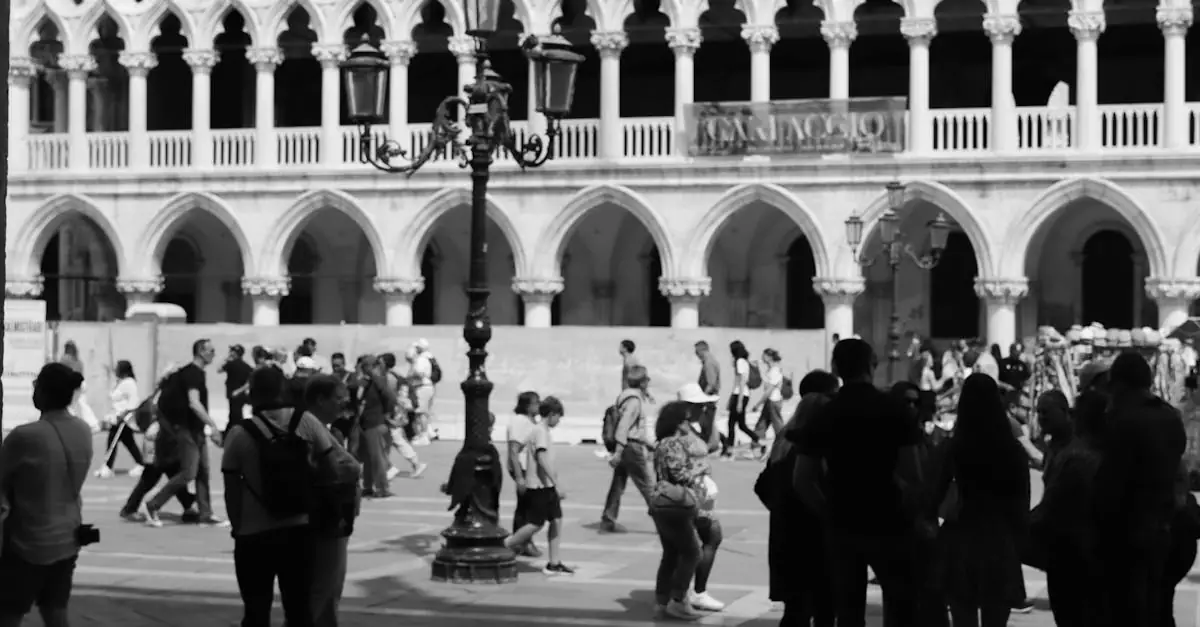
Planning a trip to Europe often brings to mind the well-trodden paths of Paris, Rome, or Barcelona. However, the continent is brimming with captivating cities that offer rich history, vibrant culture, and stunning scenery without the overwhelming crowds. Crafting an itinerary to these less-hyped destinations requires a thoughtful approach, balancing discovery with efficient travel. Whether you have a long weekend or two weeks, these itinerary frameworks can help you navigate some of Europe’s best underrated cities.
A 7-Day Itinerary: From Baltic Coasts to Balkan Peaks
A week allows for focused exploration of a specific region or two complementary cities. Consider a journey that bridges the Baltic and Balkan regions for a diverse experience. Start in the charming Hanseatic city of Tallinn, Estonia, known for its remarkably preserved medieval Old Town. Spend two days here, wandering through cobblestone streets, visiting Toompea Castle, and enjoying fresh seafood by the harbor.
From Tallinn, a short flight or ferry can take you to Riga, Latvia, another Baltic gem. Riga boasts a stunning Art Nouveau district and a lively central market. Dedicate two days to exploring its architectural marvels and soaking in the local atmosphere.
For the final three days, transition south to the Balkans. Fly into Sarajevo, Bosnia and Herzegovina, a city with a unique blend of Eastern and Western influences. Explore the Baščaršija (Old Bazaar), learn about its poignant recent history, and savor delicious Bosnian coffee. This route offers a contrast between Northern European history and the resilient spirit of the Balkans.
Crafting a 10-Day Journey Through Central European Treasures
A 10-day trip provides more flexibility to delve deeper into a region or connect a few distinct cities. Central Europe offers a wealth of underrated options. Begin in Ljubljana, Slovenia, a picturesque capital often overlooked. Its pedestrian-friendly center, dominated by a castle and the Ljubljanica River, is perfect for leisurely exploration. Spend three days enjoying its green spaces and riverside cafes.
Next, travel to Zagreb, Croatia, a city often overshadowed by its coastal counterparts. Zagreb offers a vibrant café culture, charming upper and lower towns, and fascinating museums. Allocate three days to discover its unique character.
Conclude your journey in Brno, Czech Republic, the second-largest Czech city and a hub of modernist architecture and a thriving student population. It provides a more authentic, less touristy Czech experience than Prague. Spend your final four days exploring Špilberk Castle, the Cathedral of St. Peter and Paul, and its numerous underground passages. This itinerary offers a rich tapestry of history, architecture, and local life.
Maximizing a Long Weekend in a Charming Underrated City
A long weekend is ideal for immersing yourself in a single, captivating city. Choose a destination that is compact, easily navigable, and offers a concentrated dose of charm and culture. Ghent, Belgium is an excellent choice. Often overshadowed by Bruges, Ghent presents a more authentic, lived-in feel with its stunning medieval architecture, picturesque canals, and lively student population.
Arrive on Friday evening and spend your first day exploring the Gravensteen castle, St. Bavo’s Cathedral (home to the Ghent Altarpiece), and enjoying a boat tour along the canals. Saturday can be dedicated to wandering through the Patershol district, sampling local specialties like waterzooi, and visiting the Design Museum Gent. Sunday morning offers a final opportunity for souvenir shopping or a relaxed brunch before departure. Ghent’s compact size and excellent public transport make it easy to see the highlights within a short timeframe.
Navigating Your Trip: Practical Tips for Underrated European Adventures
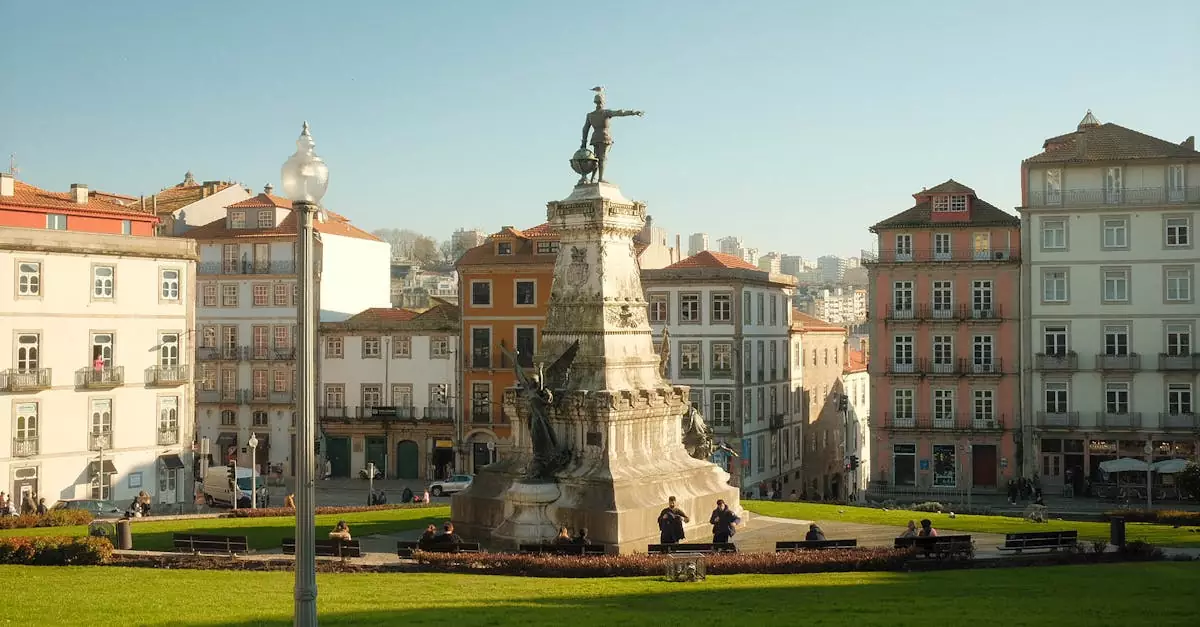
Planning a trip to Europe’s less-trodden paths offers a unique blend of discovery and affordability. These best underrated European cities provide authentic experiences without the overwhelming crowds. To make the most of your journey, consider these practical tips for timing, transit, and taste.
Best Time to Visit Europe’s Underrated Cities: Seasonal Highlights
The ideal time to visit Europe’s hidden gems often depends on your tolerance for weather and crowds. Shoulder seasons, spring (April-May) and autumn (September-October), generally offer pleasant temperatures and fewer tourists, making exploration more enjoyable.
- Spring: Witness wildflowers bloom across the countryside and enjoy mild weather perfect for city walking. Cities like Ljubljana, Slovenia, come alive with outdoor cafes and vibrant markets.
- Summer: While warmer, summer brings peak tourist season to many parts of Europe. For those seeking sunshine, coastal cities in Portugal or the Balkans can be delightful, but book accommodations well in advance.
- Autumn: Experience beautiful fall foliage and harvest festivals. Cities with strong wine regions, such as those in Eastern Europe, offer unique culinary experiences during this time.
- Winter: Enjoy a quieter, more budget-friendly experience. Festive Christmas markets in cities like Wroclaw, Poland, offer a magical atmosphere, though daylight hours are shorter.
Getting Around: Affordable Transportation Options
Navigating between and within underrated European cities is surprisingly convenient and budget-friendly. Many of these destinations are well-connected by rail and bus networks, often more so than major hubs, which can drive up prices.
Trains are a classic European travel experience, offering scenic views and comfortable journeys. Companies like Deutsche Bahn (for Germany and neighboring countries) or national rail services provide extensive coverage. For inter-city travel, consider budget airlines for longer distances, but always factor in baggage fees and airport transfer times.
Within cities, public transport is usually excellent. Many underrated cities boast compact, walkable centers, making it easy to see sights on foot. Look for day passes or multi-day tickets for buses, trams, and metro systems, which offer significant savings compared to single fares.
| Transportation Type | Typical Cost (per trip/day) | Best For | Notes |
|---|---|---|---|
| Intercity Train | €20 – €100 | Scenic routes, comfort | Book in advance for best prices. |
| Budget Airlines | €30 – €150 | Long distances, time saving | Factor in airport transfers and baggage. |
| City Public Transit | €5 – €15 | Daily city exploration | Day/multi-day passes are economical. |
| Ride-Sharing | Varies | Door-to-door convenience | Availability can vary by city size. |
| Walking | Free | Compact city centers | Essential for discovering hidden alleys. |
Budgeting Your Trip: Saving Money in Europe’s Hidden Gems
One of the primary draws of visiting less-hyped destinations is the significant cost savings. You’ll find that your money stretches further in cities like Porto, Portugal, or Budapest, Hungary, compared to Western European capitals.
Accommodation is often a major expense. Look for guesthouses, apartments rented through platforms like Airbnb, or smaller independent hotels. Staying slightly outside the absolute city center can also lead to substantial savings, provided good public transport links exist.
Food costs can be managed by embracing local eateries. Seek out markets for fresh produce and local specialties, and opt for “menu del día” (set lunch menus) or similar daily specials offered by restaurants. These are typically excellent value.
Local Flavors: Must-Try Foods in Lesser-Known Destinations
The culinary landscape of Europe’s underrated cities is rich and diverse, offering authentic flavors often overlooked by mainstream tourism. Exploring local food markets and small tavernas is key to experiencing the true taste of a region.
In the Balkans, expect hearty stews, grilled meats, and fresh cheeses. Don’t miss ćevapi (grilled minced meat sausages) in Bosnia and Herzegovina or moussaka in Greece. For a taste of Poland, pierogi in their many forms are a must, often found in cozy milk bars (bar mleczny) for an incredibly low price.
Central European cities often excel in pastry and comfort food. Vienna, Austria, while popular, still offers excellent value for its Sachertorte and Wiener Schnitzel if you venture away from the most tourist-heavy cafes. Prague, Czech Republic, is renowned for its rich goulash and hearty dumplings, best enjoyed with a local pilsner. Exploring these culinary traditions adds a delicious dimension to any trip focused on uncovering Europe’s best underrated cities.
Frequently Asked Questions About Visiting Underrated European Cities
Are these cities safe for solo travelers?
Many of the best underrated European cities offer a high level of safety for solo travelers. Cities like Ljubljana, Slovenia and Ghent, Belgium are known for their low crime rates and friendly atmospheres. As with any travel, it’s wise to remain aware of your surroundings, especially at night, and take standard precautions such as securing valuables. Researching specific neighborhoods can also enhance your sense of security.
What are the best hidden gems within these cities?
Hidden gems abound in these less-trafficked destinations. In Bologna, Italy, look beyond the main piazzas to find authentic trattorias serving regional specialties like tagliatelle al ragù. In Porto, Portugal, seek out small, family-run tascas for Fado music and local wine, away from the Ribeira district crowds. Many of these cities boast charming artisan workshops, quiet courtyards, and lesser-known museums that offer a more intimate glimpse into local life.
How do I avoid common tourist mistakes in Europe?
To avoid common tourist mistakes when visiting the best underrated European cities, embrace slow travel and delve into local customs. Instead of rushing through major attractions, spend more time in fewer places. Learn a few basic phrases in the local language; even a simple “hello” and “thank you” can make a significant difference in interactions. Opt for local eateries over chains, and use public transportation or walk to truly experience the urban landscape.
What should I pack for a trip to these diverse European locations?
Packing for diverse European locations requires versatility. Consider the time of year; spring and autumn often offer pleasant weather but can be unpredictable, so layers are key. Comfortable walking shoes are essential, as you’ll likely be doing a lot of exploring on foot. A portable power bank, an adapter, and a reusable water bottle are practical essentials. For evenings or more formal dining, a smart-casual outfit can be useful, but generally, comfort and practicality should guide your choices.