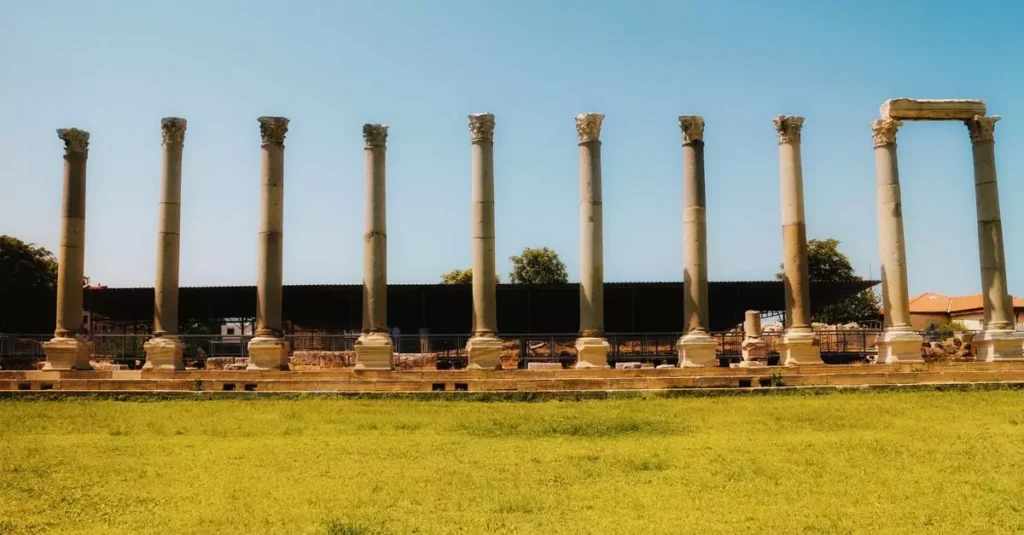
Embracing the “siga siga” philosophy—slowly, slowly—is the essence of authentic travel in Greece. This Greece slow travel guide invites you to move beyond typical tourist trails and discover the heart of Hellenic culture at a more relaxed pace. Forget whirlwind island-hopping; here, you’ll learn how to immerse yourself in fewer locations, savoring genuine experiences, from lingering over meals at family-run tavernas to exploring hidden coves and ancient ruins without the rush.
Inside, you’ll uncover the best regions for an unhurried itinerary, navigate the country using local transport and scenic drives, and indulge in Greece’s rich culinary landscape. We’ll also guide you toward charming accommodations that reflect the local spirit, ensuring your journey is both restorative and enriching. Prepare to connect with Greece on a deeper level, experiencing its timeless beauty and warm hospitality like a local.
Embracing the ‘Siga Siga’ Pace: What is Slow Travel in Greece?
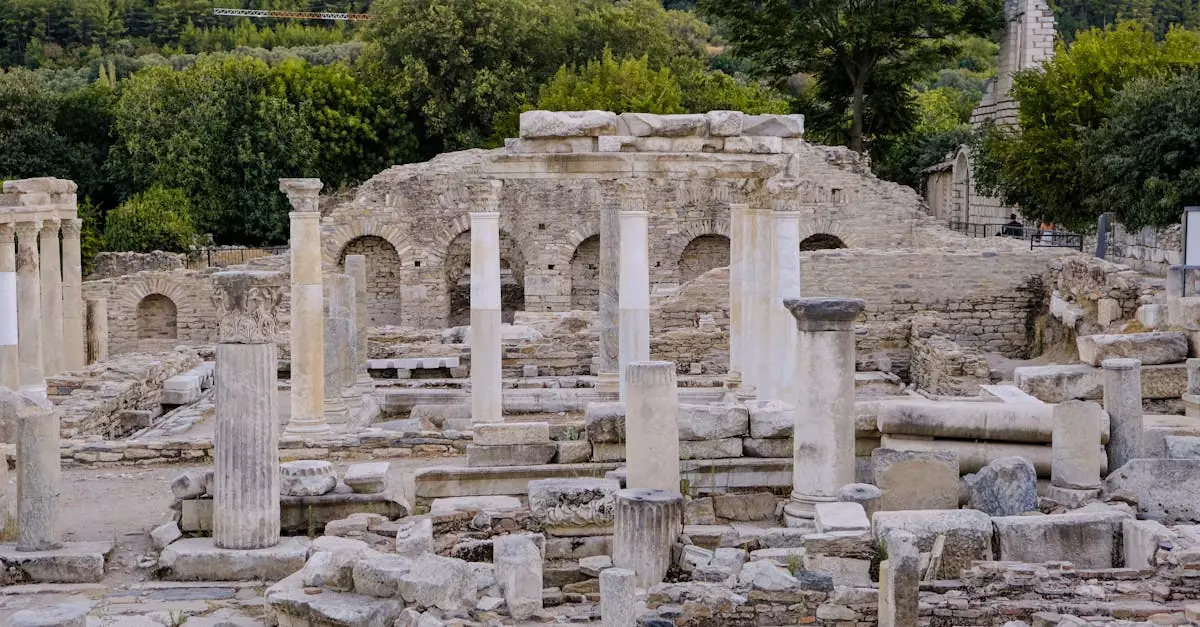
Slow travel in Greece means immersing yourself in the destination, moving beyond a checklist of famous landmarks to connect with the rhythm of daily life. It’s about savoring experiences, from leisurely meals at local tavernas to extended stays on lesser-known islands. This approach transforms a vacation into a deeper exploration, allowing for genuine cultural exchange and a more profound appreciation of the Hellenic way of life.
Defining Slow Travel for the Greek Islands
For Greece, slow travel often translates to dedicating more time to fewer locations. Instead of frantic island-hopping, consider spending a week or more on a single island or two neighboring islands with easy ferry connections. This allows for deeper exploration of a specific island’s villages, beaches, and historical sites, fostering a connection that’s difficult to achieve on a whirlwind tour. It’s about understanding the nuances of a place rather than just seeing its surface.
Why Choose Slow Travel for Your Greece Vacation?
Opting for a slower pace in Greece offers significant rewards. You’ll find yourself interacting more with locals, discovering hidden gems away from the tourist throngs, and gaining a richer understanding of Greek culture. This method can also be budget-friendly, as you’ll spend less on constant transportation and can often find better value on longer accommodation stays. It allows for flexibility, letting you linger longer in places you love.
The ‘Siga Siga’ Philosophy: Living Like a Local
The Greek phrase “siga siga” (slowly, slowly) perfectly encapsulates the spirit of slow travel. It’s an invitation to relax, not rush, and enjoy the present moment. This philosophy is evident in unhurried mealtimes, afternoon siestas, and the genuine warmth of Greek hospitality. Embracing “siga siga” means allowing yourself to be guided by the local pace, discovering the authentic heart of Greece away from the pressures of a packed itinerary. This approach is fundamental to experiencing the true essence of travel in Europe.
Best Regions for a Greece Slow Travel Itinerary
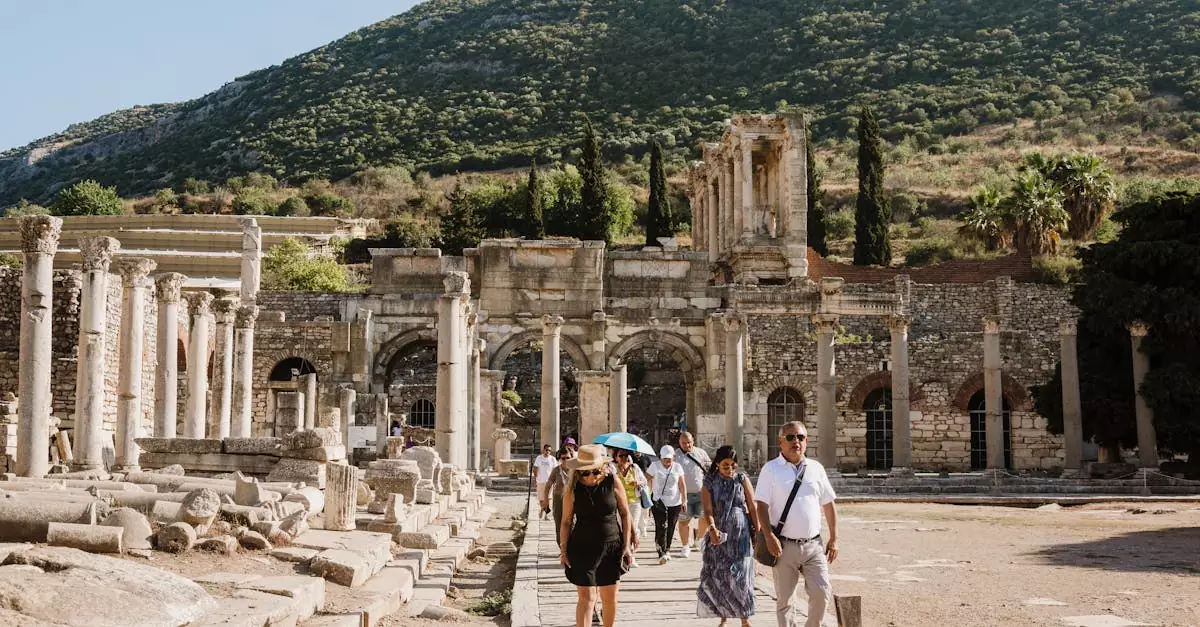
For travelers seeking an authentic Greek experience away from bustling tourist hubs, certain regions offer a slower pace and deeper connection to local culture. This approach allows for more meaningful interactions and a chance to truly absorb the essence of Greece. Planning a Greece slow travel itinerary means looking beyond the most famous islands and mainland hotspots to discover hidden gems.
Exploring the Peloponnese Peninsula’s Ancient Sites and Coastal Villages
The Peloponnese Peninsula, a vast landmass connected to mainland Greece, provides a rich tapestry for slow travel. Its dramatic landscapes are dotted with millennia-old archaeological sites like Ancient Olympia and Mycenae, offering a profound sense of history without overwhelming crowds, especially outside peak season. Beyond the ruins, charming coastal towns such as Nafplio, with its Venetian architecture and seaside promenade, and the Mani Peninsula’s rugged beauty, beckon exploration.
Driving is the most flexible way to experience the Peloponnese, allowing you to stop at small villages and scenic viewpoints. Consider basing yourself in key locations like Kalamata for its olive groves and beautiful beaches or Monemvasia, a fortified medieval town perched on a rock. This region is particularly rewarding in spring and autumn when the weather is pleasant for sightseeing and hiking, and local festivals are more accessible.
Discovering the Underrated Charm of the Ionian Islands (Corfu, Zakynthos)
While islands like Corfu and Zakynthos are popular, a slower approach can reveal their less-visited corners. Instead of focusing solely on the main resorts, rent a car or scooter to find secluded coves, traditional mountain villages, and family-run tavernas. On Corfu, venture north to the charming fishing village of Kassiopi or explore the quieter western coast. Zakynthos, beyond the famous Navagio Beach, offers hiking trails and serene villages in its northern and central areas.
Transportation between these islands is primarily by ferry, and inter-island travel within the Ionian chain is generally straightforward. Accommodations range from boutique hotels to villas, offering a more intimate stay than large resorts. Visiting in shoulder seasons, like May or September, provides a more relaxed atmosphere and easier access to local life.
Unveiling the Authentic Cyclades: Amorgos, Folegandros, and Sifnos
For an authentic Cycladic experience without the throngs of Santorini or Mykonos, consider islands like Amorgos, Folegandros, and Sifnos. Amorgos, known for its dramatic cliffs and the stunning Hozoviotissa Monastery, offers a rugged, spiritual journey. Folegandros boasts a breathtaking Chora perched on a cliff edge, providing panoramic Aegean views. Sifnos is celebrated for its pottery traditions, picturesque villages, and excellent culinary scene.
These islands are best reached by ferry from Athens or other Cycladic hubs. Once there, walking and local buses are common modes of transport, encouraging a slower pace. Sifnos, in particular, is well-suited for hiking enthusiasts with its ancient pathways connecting villages and monasteries. The best time to visit these islands for a Greece slow travel experience is late spring or early autumn when the weather is agreeable and the islands retain their tranquil charm.
Venturing to the Dodecanese for Lesser-Known Island Hopping
The Dodecanese islands, located in the southeastern Aegean Sea, offer a different flavor of Greek island life, often with a Turkish influence. While Rhodes and Kos are well-known, islands like Symi, with its neoclassical harbor, Patmos, a spiritual center with a UNESCO World Heritage monastery, and Kalymnos, famous for its sponge divers and rock climbing, provide unique destinations for slow travel.
Island hopping within the Dodecanese is facilitated by regular ferry services, often connecting through Rhodes or Kos. Each island has its distinct character, from the vibrant architecture of Symi to the serene atmosphere of Patmos. These islands can be visited year-round, though summer can be hot and busy. For a truly relaxed experience, consider visiting in May, June, September, or October.
Here’s a brief comparison of some popular slow travel destinations in Greece:
| Region | Vibe | Best For | Transportation Focus | Seasonality Recommendation |
|---|---|---|---|---|
| Peloponnese | Historic, rugged, diverse | Ancient history, coastal drives, local culture | Car | Spring, Autumn |
| Ionian Islands | Lush, Venetian influence, beaches | Secluded coves, traditional villages, relaxation | Car, Scooter | Late Spring, Early Autumn |
| Southern Cyclades | Dramatic landscapes, authentic charm | Hiking, quiet villages, traditional crafts | Ferry, Bus, Walking | Late Spring, Early Autumn |
| Dodecanese | Diverse, historical, cultural mix | Unique island character, history, religious sites | Ferry | Spring, Autumn |
How to Navigate Greece for a Relaxed Pace
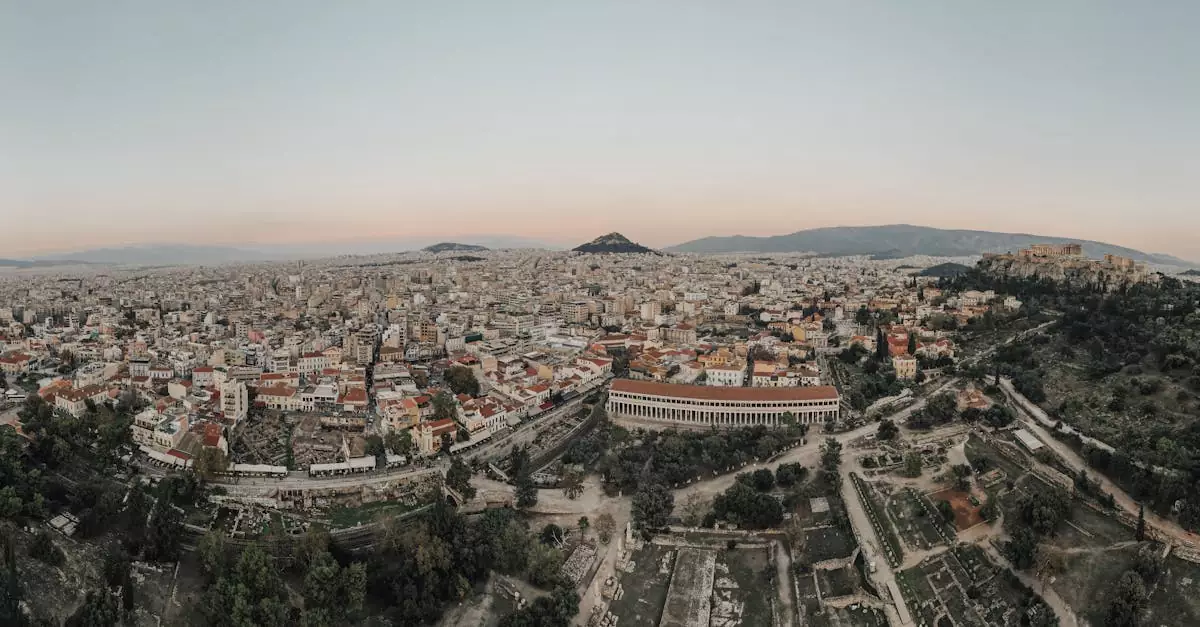
Embracing slow travel in Greece means prioritizing experiences over ticking off sights. This approach extends to how you move around the country, opting for methods that allow for serendipitous discoveries and a deeper connection with your surroundings. Whether you’re island hopping or exploring the mainland, understanding your transportation options is key to a more relaxed journey.
Choosing Ferries Over Flights for Island Exploration
When venturing between the Greek islands, the ferry system offers a more immersive and often scenic experience than flying. While flights are quicker, ferries allow you to appreciate the vastness of the Aegean Sea, watch islands approach on the horizon, and soak in the maritime atmosphere. Different ferry types cater to various speeds and budgets, from high-speed catamarans that connect major islands rapidly to slower, conventional ferries that provide a more leisurely journey and often carry vehicles.
Booking ferry tickets in advance is advisable, especially during peak season (June to August), to secure your preferred travel times and cabins. Major ferry operators like Blue Star Ferries and Hellenic Seaways have extensive networks. Consider purchasing tickets online or at port agencies upon arrival. A slower ferry might take longer but can also be significantly cheaper, fitting well with a Greece slow travel guide’s philosophy.
Renting a Car for Scenic Drives in Mainland Greece
For those keen on exploring the diverse landscapes of mainland Greece, renting a car unlocks unparalleled freedom. This is particularly true for regions like the Peloponnese, Epirus, or Thessaly, where ancient sites, charming villages, and dramatic coastlines are spread out. A car allows you to deviate from main roads, stumble upon hidden tavernas, and pause at viewpoints that tour buses bypass.
When renting, be aware that driving in Greece can be an adventure. Roads can be narrow and winding, especially in mountainous areas. Familiarize yourself with local driving customs and ensure you have a reliable GPS or map. For a relaxed pace, plan shorter driving days and factor in time for spontaneous stops. This flexibility is a cornerstone of a thoughtful Greece slow travel approach.
Public Transport Options in Athens and Thessaloniki
In Greece’s major cities, Athens and Thessaloniki, public transportation is a practical and economical way to get around. Both cities boast extensive bus networks, while Athens also features a metro system that connects key historical sites, commercial centers, and the port of Piraeus. The metro is efficient for avoiding traffic congestion and is generally clean and easy to navigate.
Consider purchasing a multi-day pass if you plan on using public transport frequently. This can offer cost savings and convenience. Taxis are also readily available, but agreeing on a fare or ensuring the meter is used is recommended. For a truly relaxed city experience, walkability is high in many central districts, allowing you to discover local life at your own pace.
Navigating Local Buses and Taxis on the Islands
On most Greek islands, local buses (KTEL) are the primary form of public transport, connecting main towns, popular beaches, and villages. While schedules can be infrequent and may vary by season, they offer an authentic way to experience island life and are very budget-friendly. It’s wise to check the local KTEL office or ask your accommodation for the most up-to-date timetables.
Taxis are also available on the islands, though they can be more expensive than buses and often operate on a shared basis for popular routes. Negotiating a price beforehand is a good practice. For ultimate flexibility on smaller islands, consider renting a scooter or ATV, but only if you are comfortable with them and have appropriate licensing. This allows for easy access to secluded coves and viewpoints, enhancing a Greece slow travel experience.
Savoring Authentic Greek Flavors: A Slow Food Journey
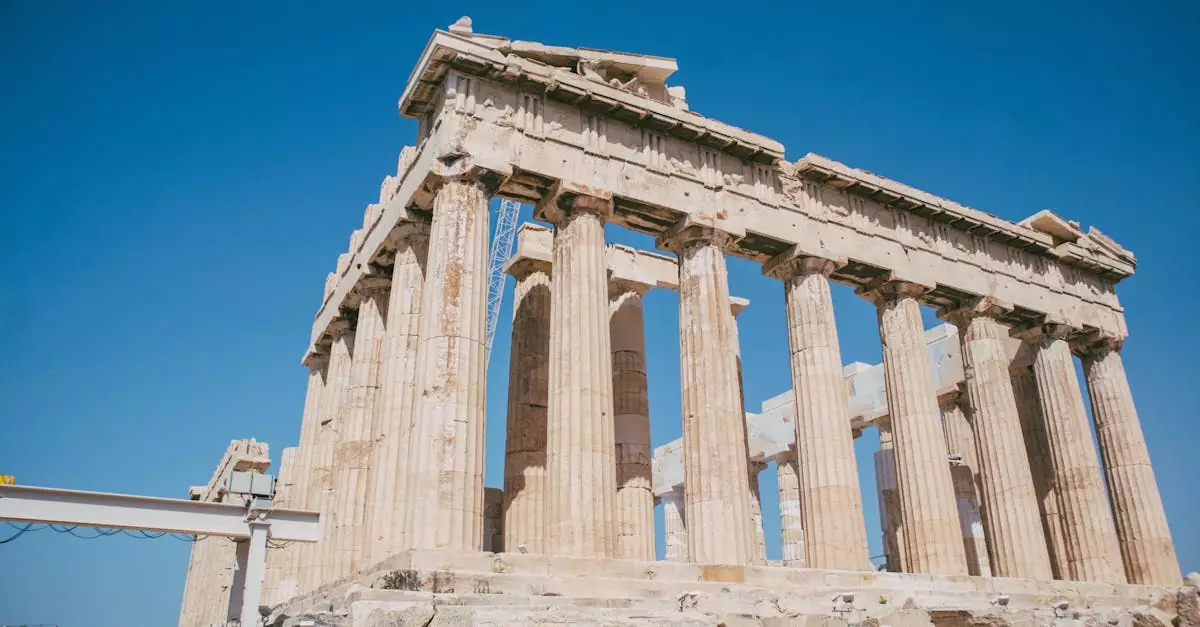
Embarking on a slow travel journey through Greece means diving deep into its culinary heritage. Beyond the universally loved moussaka and souvlaki lies a rich tapestry of regional specialties waiting to be discovered. This approach encourages savoring local ingredients and traditional preparation methods, offering a more profound connection to the culture.
Must-Try Regional Specialties Beyond Moussaka
Greek cuisine is remarkably diverse, with each island and mainland region boasting its own unique dishes. For instance, in Epirus, don’t miss sofrito, a tender veal stew cooked in a white wine and vinegar sauce, often flavored with garlic and herbs. On Crete, the island’s iconic dakos—a barley rusk topped with chopped tomatoes, feta or mizithra cheese, olive oil, and oregano—is a refreshing and simple delight. For seafood lovers, gyuvetsi (a baked seafood stew) is a common sight on coastal tavernas, especially in areas like the Peloponnese. Exploring these less common dishes provides a true taste of authentic Greece.
Finding the Best Tavernas in Small Villages
The true heart of Greek gastronomy often beats in the humble tavernas found in smaller villages, far from tourist hubs. These establishments are typically family-run, using recipes passed down through generations. Look for places bustling with locals, especially during lunchtime, as this is a strong indicator of quality and authenticity. Often, the best tavernas might not even have a printed menu; instead, the owner will proudly list the day’s specials, highlighting what’s freshest. Engaging with the proprietors can lead to delightful culinary surprises and a warmer dining experience. Many of these hidden gems are best reached by car, allowing for spontaneous detours into the countryside.
Exploring Local Markets for Fresh Produce and Cheeses
Visiting local markets is an essential part of any slow food exploration in Greece. These vibrant hubs showcase the season’s bounty and provide opportunities to interact with local producers. In Athens, the Varvakios Agora (Central Market) is a spectacle of fresh fish, meats, and produce, though for a more intimate experience, seek out smaller neighborhood markets. On islands like Naxos, known for its exceptional cheeses, you can find artisanal graviera and arseniko cheeses directly from the producers. Purchasing fresh fruits, vegetables, and local dairy products not only supports the local economy but also provides the building blocks for delicious, simple meals if you have self-catering accommodations.
Experiencing Olive Oil Tasting Tours in Crete or the Peloponnese
Greece is synonymous with olive oil, and embarking on an olive oil tasting tour offers a fascinating insight into this cornerstone of the Mediterranean diet. Regions like Crete and the Peloponnese are renowned for their high-quality olive oil production. Many family-run olive groves offer tours where you can learn about the cultivation process, from tree to bottle, and understand the nuances of different olive varieties. Tasting sessions allow you to discern subtle flavor profiles, from peppery and robust to mild and fruity. This experience goes beyond simply tasting; it’s an education in a vital element of Greek culture and cuisine. Consider visiting during the harvest season, typically from late autumn into winter, for a more immersive experience.
Where to Stay for an Authentic Greek Slow Travel Experience
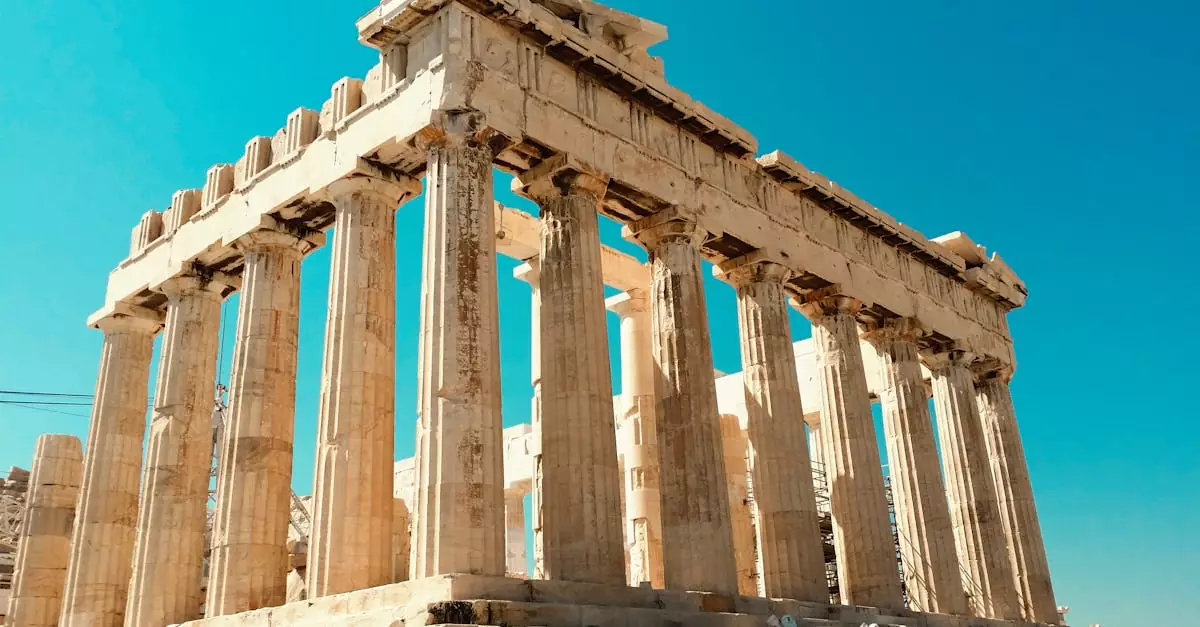
Choosing the right accommodation is fundamental to embracing a slow travel pace in Greece. Moving beyond large resorts and focusing on smaller, locally-owned establishments offers a deeper connection to the culture and landscape. This approach allows for more meaningful interactions and a genuine sense of place.
Boutique Hotels and Guesthouses in Historic Towns
Historic towns across Greece, such as those found on Crete or the Peloponnese, are home to charming boutique hotels and guesthouses. These accommodations are often housed in restored Venetian or Ottoman-era buildings, retaining their original architectural character. Staying in such a place means waking up to the sounds of local life, with bakeries opening and neighbors chatting. Many offer personalized service, with hosts eager to share recommendations for hidden tavernas or scenic walking routes. Expect rooms adorned with traditional textiles and local art, providing a cozy and authentic atmosphere.
Renting Traditional Villas with Sea Views
For those seeking privacy and a home-away-from-home feel, renting a traditional villa is an excellent choice. Islands like Naxos or Lefkada boast numerous villas, many with breathtaking sea views and private terraces. This option is particularly suited for families or groups of friends who want to cook their own meals using fresh local ingredients from village markets. Imagine enjoying a leisurely breakfast overlooking the Aegean Sea or watching the sunset with a glass of local wine. Villas often provide a sense of seclusion, allowing for true relaxation and immersion in the island’s rhythm.
Agriturismo Stays for Immersive Rural Experiences
Agriturismo, or farm stays, offer a unique opportunity to experience Greece’s agricultural heartland. Regions like Arcadia in the Peloponnese or parts of Thessaly are ideal for this type of accommodation. Here, you can stay on working farms, often producing olive oil, wine, or local cheeses. Many agriturismo properties welcome guests to participate in daily activities, from harvesting olives to helping with the vineyard. This hands-on approach provides an unparalleled insight into rural Greek life and traditions. Meals are typically prepared with ingredients sourced directly from the farm, offering a true taste of the region.
Eco-Lodges on Lesser-Visited Islands
For the eco-conscious traveler, seeking out eco-lodges on lesser-visited islands presents a sustainable and serene escape. Islands such as Astypalaia or Ikaria are beginning to offer accommodations that prioritize environmental responsibility, often utilizing renewable energy sources and local, sustainable materials. These lodges are typically set in stunning natural surroundings, offering direct access to pristine beaches and hiking trails. Staying at an eco-lodge aligns with the principles of slow travel by minimizing your environmental footprint while maximizing your connection to nature and supporting local conservation efforts.
Frequently Asked Questions for Your Greece Slow Travel Adventure
Planning a slower-paced journey through Greece offers a more immersive experience, but a few common questions often arise. This section addresses key aspects to help you craft a more authentic and less hurried itinerary.
What is the best time of year for slow travel in Greece to avoid crowds?
The shoulder seasons are ideal for a Greece slow travel guide focused on tranquility. Late spring (May to early June) and early autumn (September to October) offer pleasant weather without the peak summer heat or throngs of tourists. During these periods, you’ll find fewer crowds at popular sites and more relaxed interactions with locals.
Is it easy to travel solo in Greece at a slower pace?
Absolutely. Greece is generally a safe country for solo travelers, and adopting a slower pace makes it even more accessible. Public transportation, while sometimes requiring patience, connects most islands and mainland towns. Staying in smaller guesthouses or apartments, rather than large hotels, can also provide a more personal and secure experience. Locals are often friendly and willing to offer assistance, making solo exploration enjoyable.
What are some common tourist mistakes to avoid on a slow travel trip to Greece?
A common mistake is trying to cram too many islands or destinations into a short period, which defeats the purpose of slow travel. Over-reliance on ferries during peak season can also lead to missed connections and stress. Another pitfall is sticking solely to the most famous tourist hotspots; venturing slightly off the beaten path will reveal more authentic experiences. Finally, not learning a few basic Greek phrases can limit deeper connections with the local culture.
How much should I budget for a week of slow travel in Greece?
Budgeting for a week of slow travel in Greece can vary significantly based on your chosen destinations and accommodation style. A comfortable mid-range budget for one person might range from €700 to €1000 for seven days, excluding flights. This typically covers modest accommodations, local eateries, public transport, and entrance fees to historical sites.
Here’s a general breakdown:
| Category | Estimated Daily Cost (Euros) | Notes |
|---|---|---|
| Accommodation | €40 – €80 | Guesthouses, budget hotels, or apartments. |
| Food | €30 – €50 | Mix of tavernas, bakeries, and self-catering. |
| Transportation | €10 – €30 | Local buses, occasional ferries, or car rental for a few days. |
| Activities/Entrances | €10 – €20 | Museum tickets, archaeological site fees. |
| Miscellaneous | €10 – €20 | Souvenirs, coffee, snacks. |
This estimate prioritizes experiencing local life over luxury. Traveling during the shoulder seasons can also significantly reduce accommodation and ferry costs.