France’s allure often conjures images of iconic cities and sun-drenched coastlines, but its natural landscapes offer a profoundly different adventure. Beyond the famed vineyards and historic châteaux lies a network of protected wilderness areas, each a testament to the country’s diverse geography. Discovering the best national parks in France reveals a side of the country that is wild, breathtaking, and ripe for exploration.
This guide will lead you through seven exceptional parks, highlighting unique features—from the soaring peaks of the Alps to the dramatic coastal cliffs of the Mediterranean. You’ll learn about rewarding hiking trails, the best spots for wildlife encounters, and hidden gems that make each park a distinct destination. Prepare to explore France’s untamed beauty and find your next unforgettable outdoor escape.
Why Visit France’s National Parks?
France offers a rich tapestry of landscapes that extend far beyond its renowned urban centers and vineyards. For travelers seeking an escape into nature, the country’s national parks present a compelling alternative, showcasing untamed beauty and diverse ecosystems. These protected areas provide a vital counterpoint to the cultural immersion typically associated with visiting Europe.
Experiencing Untamed Natural Beauty Beyond Parisian Landmarks
While Paris, Lyon, and the French Riviera draw millions, France’s best national parks offer a different kind of enchantment. Imagine vast mountain ranges, ancient forests, rugged coastlines, and volcanic terrains—all preserved for their ecological significance and aesthetic appeal. These destinations cater to those who prefer the quiet majesty of nature over bustling city streets, providing a profound sense of discovery.
Unique Biodiversity and Geological Wonders of French Parks
The national parks of France are havens for an array of wildlife and showcase remarkable geological formations. From the alpine meadows of Vanoise National Park, home to ibex and chamois, to the dramatic calderas of Réunion National Park in the Indian Ocean, each park boasts a distinct character. Visitors can witness the unique flora and fauna that thrive in these protected environments, offering a glimpse into the natural heritage of France and its overseas territories.
Opportunities for Hiking, Wildlife Spotting, and Stargazing
Whether you’re an avid hiker or simply enjoy a scenic stroll, France’s national parks deliver. Trails range from gentle riverside paths to challenging mountain ascents, catering to various fitness levels. Wildlife enthusiasts can find ample opportunities to spot native species in their natural habitats, often with expert guidance available. Many parks, far from light pollution, offer exceptional conditions for stargazing, revealing the wonders of the night sky in unparalleled clarity. These parks provide a refreshing perspective on travel within Europe, emphasizing active engagement with the environment.
Cévennes National Park: A Starlit Wilderness
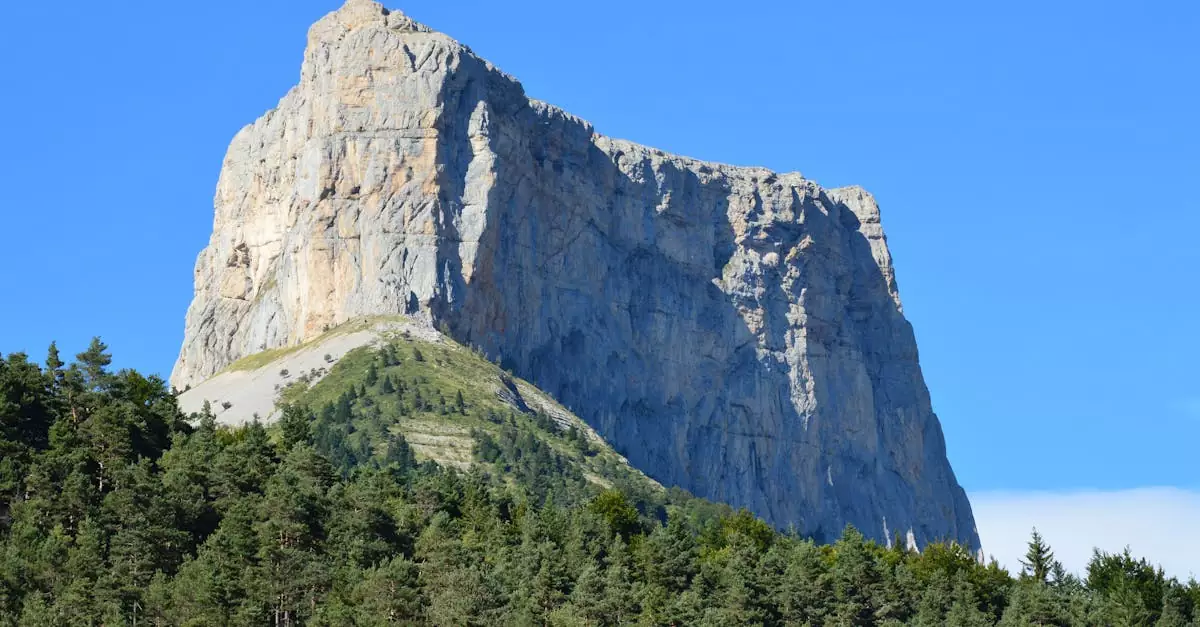
Cévennes National Park, located in southern France, offers a unique blend of rugged natural beauty and remarkably dark night skies. This region is a haven for those seeking tranquility and a connection with the wilderness, far from urban light pollution. Its designation as an International Dark Sky Reserve underscores its commitment to preserving its pristine nocturnal environment, making it one of the best national parks in France for stargazing.
Exploring the Dark Sky Reserve of Mont Aigoual
Mont Aigoual stands as the highest peak in the Cévennes, and its summit is a prime location for experiencing the park’s renowned dark skies. The area around Mont Aigoual is recognized for exceptional stargazing opportunities, with minimal light interference allowing for breathtaking views of the Milky Way, constellations, and even distant galaxies. Several viewpoints and observatories are accessible, offering guided tours and educational programs for visitors interested in astronomy. Planning an overnight stay in a local gîte or camping site near the summit can enhance your stargazing experience, allowing for observation throughout the night.
Hiking Trails Through Rolling Hills and Ancient Villages
The Cévennes are crisscrossed with a network of hiking trails catering to all experience levels. Routes range from gentle strolls through picturesque valleys dotted with ancient stone villages to more challenging treks up mountainous terrain. A popular route is the GR70, also known as the Stevenson Trail, which follows the path taken by Robert Louis Stevenson in the late 19th century. This trail immerses hikers in the park’s diverse landscapes, from heathlands and forests to open meadows.
Hikers will encounter charming hamlets like Saint-Jean-du-Gard and Peyre en Aubrac, where time seems to have stood still. These villages offer opportunities to sample local cuisine, discover traditional crafts, and learn about the region’s rich history. The rolling hills, often covered in heather and broom, provide a colorful backdrop, especially in late spring and early summer.
Discovering the ‘Gorges du Tarn’ Waterways
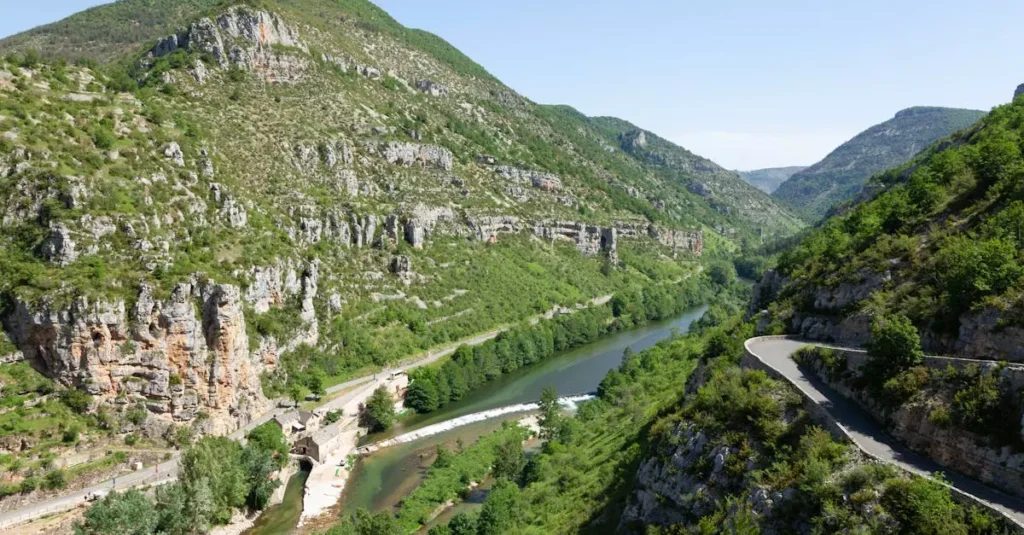
While not entirely within the Cévennes National Park boundaries, the Gorges du Tarn are a spectacular natural feature closely associated with the region and a must-visit for many exploring the area. These dramatic limestone canyons carved by the Tarn River offer stunning scenery and various recreational activities. Visitors can enjoy kayaking, canoeing, or simply taking a scenic drive along the river, with numerous viewpoints offering panoramic vistas of the towering cliffs.
Boat trips provide a unique perspective of the gorges, revealing hidden caves and the unique flora and fauna that thrive in this environment. The crystal-clear waters of the Tarn are also popular for swimming during warmer months. Nearby villages, such as Sainte-Enimie, are perched on the cliffside and are well worth a visit for their medieval charm and historical significance. Accessing the Gorges du Tarn typically involves driving, with the nearest major towns offering rental options for vehicles.
Écrins National Park: Alpine Majesty and Glacial Landscapes
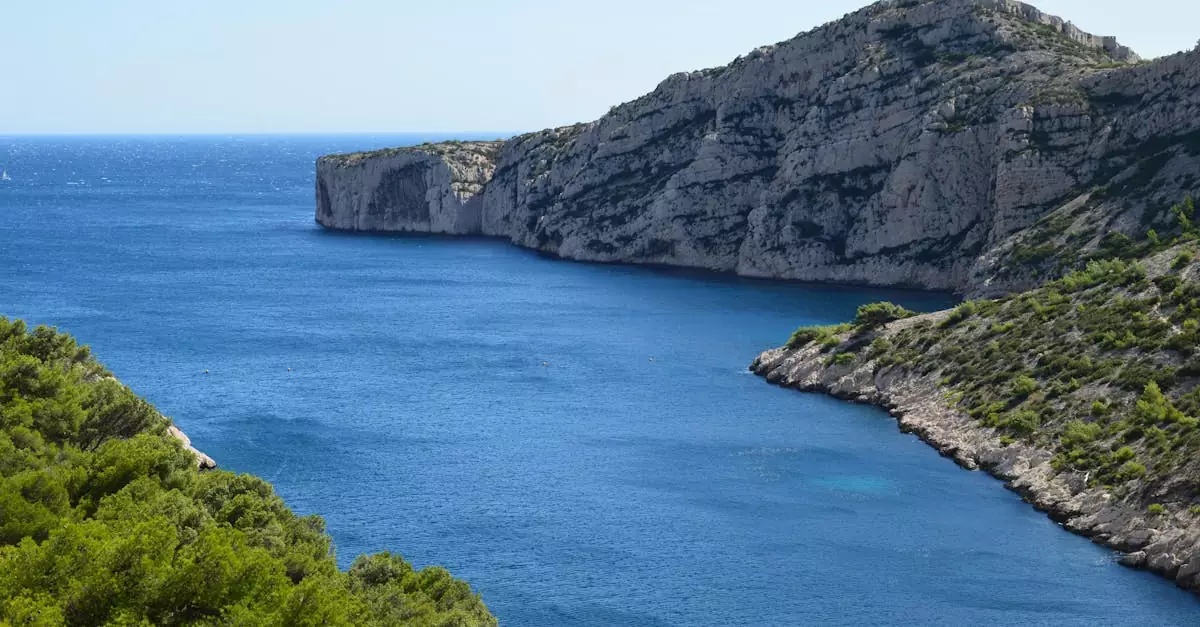
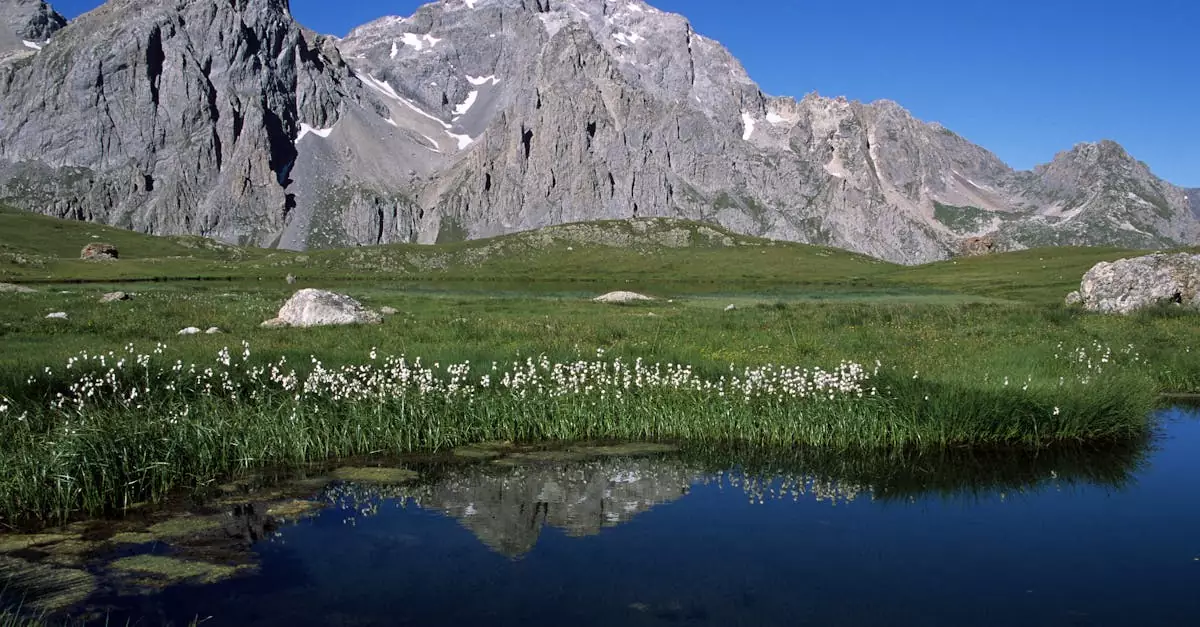
Écrins National Park, situated in the heart of the French Alps, offers a dramatic landscape of jagged peaks, vast glaciers, and pristine alpine lakes. This protected area is a haven for serious hikers and nature enthusiasts seeking a challenging yet rewarding experience. Its rugged terrain and high altitude mean careful planning is essential, especially regarding weather and required gear. The park is accessible from several charming alpine towns, serving as excellent bases for day trips or multi-day treks.
Trekking to the Foot of La Meije Glacier
Embarking on a trek towards La Meije Glacier is a signature experience in Écrins. The journey itself is as captivating as the destination, winding through verdant valleys that gradually give way to stark, rocky slopes. Trails like the one leading to the Refuge du Promontoire offer increasingly spectacular views of the glacier’s icy expanse. While reaching the glacier’s terminus is possible for experienced hikers, it’s crucial to be equipped for glacier travel if venturing onto the ice itself, which often requires a guide. Shorter, well-marked paths from villages like La Grave provide accessible viewpoints for those seeking less strenuous encounters with this icy giant.
Discovering High-Altitude Lakes like Lac de Serre-Ponçon
While not strictly within the park boundaries but closely associated with the Écrins region, Lac de Serre-Ponçon is a vast, turquoise reservoir that rivals any alpine lake for beauty. Its sheer size and vibrant color create a stunning contrast against the surrounding mountains. For those exploring the park’s higher elevations, smaller, crystal-clear glacial lakes like Lac des Oules or Lac Fournel offer tranquil spots amidst rugged peaks. These high-altitude tarns are often reached via challenging hiking routes, rewarding persistent trekkers with breathtaking reflections of the surrounding summits.
Wildlife Encounters: Ibex and Marmots in the French Alps
Écrins National Park is a vital sanctuary for various alpine wildlife. Keep a keen eye out for the sure-footed ibex, often seen grazing on steep, rocky ledges. Their impressive horns and agile movements are a common sight for those who venture into the higher pastures. Marmots, with their distinctive whistles, are also abundant, frequently spotted basking in the sun near their burrows. Birdwatchers may be fortunate enough to spot golden eagles soaring overhead. Respecting their habitat and maintaining a safe distance is paramount to ensuring these animals continue to thrive.
Calanques National Park: Mediterranean Cliffs and Turquoise Waters
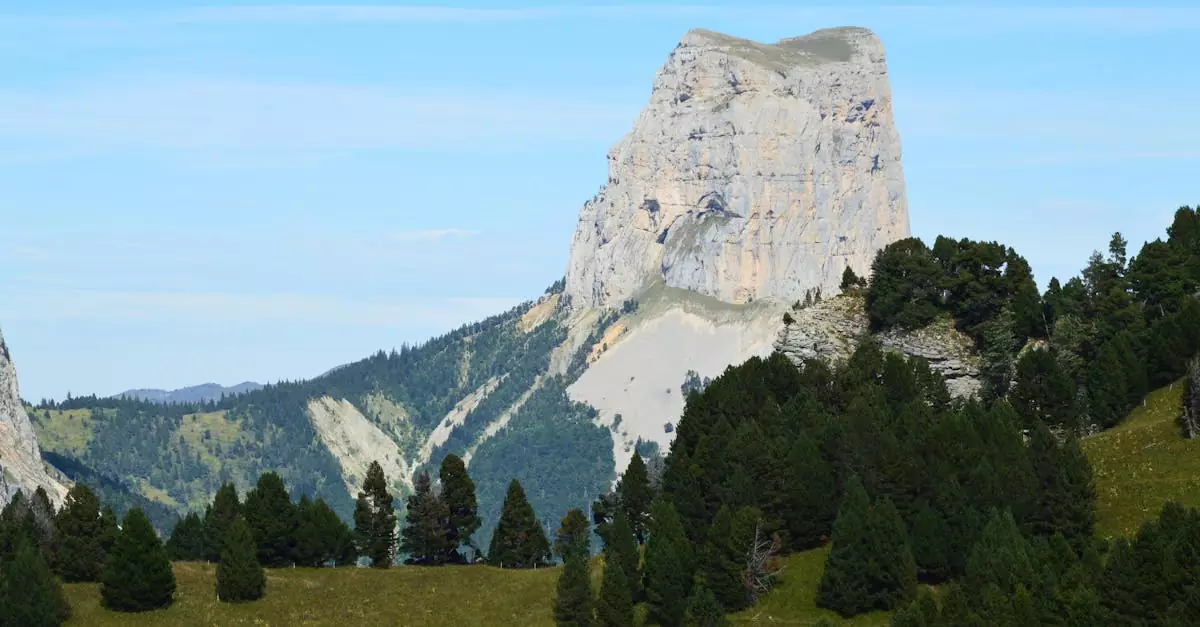
France’s southernmost national park, Calanques National Park, offers a dramatic landscape where towering limestone cliffs plunge into the shimmering Mediterranean Sea. Located between Marseille and Cassis, this protected area is a haven for outdoor enthusiasts seeking rugged coastal beauty and crystal-clear waters. Its unique geological formations, known as calanques, are narrow inlets with steep walls, creating secluded coves and stunning natural harbors.
Kayaking and Boat Tours to Secluded Calanques near Marseille
Accessing the most picturesque calanques often requires a boat or kayak. Numerous tour operators depart from Marseille and Cassis, offering a range of excursions. Day trips by catamaran provide a relaxed way to see multiple calanques, with opportunities for swimming and snorkeling in sheltered bays. For a more intimate experience, consider renting a kayak. Paddling allows you to navigate into smaller coves, discover hidden sea caves, and appreciate the sheer scale of the cliffs from the water. Many kayak rentals are available at the harbors of Cassis, offering a direct starting point for your aquatic adventure.
Hiking the Coastal Trails with Panoramic Sea Views
The park boasts an extensive network of hiking trails, catering to various fitness levels. The GR 98 coastal path is a popular route, connecting many major calanques. Be prepared for uneven terrain and significant elevation changes; sturdy hiking boots are essential. Hikes range from short walks to challenging multi-day treks. For breathtaking vistas, ascend to viewpoints overlooking the Mediterranean. Early morning or late afternoon hikes offer cooler temperatures and softer light, ideal for photography. Remember to carry plenty of water, as shade can be scarce on exposed sections of the trail.
Best Beaches and Swimming Spots in the Calanques
While many calanques are rocky inlets, some offer small pebble beaches or smooth rock platforms perfect for sunbathing and swimming. Plage de Sugiton, accessible via a hike from Luminy campus in Marseille, is one of the most famous, known for its clear turquoise waters. Another popular spot is the Calanque d’En Vau, often reached by boat or a longer hike, featuring a small sandy beach at its end. For those arriving by sea, numerous sheltered spots offer calm waters for a refreshing dip. Always check local conditions and any temporary access restrictions before planning your visit, especially during peak summer months.
Vosges Mountains National Park: Forests, Lakes, and Alsace Charm
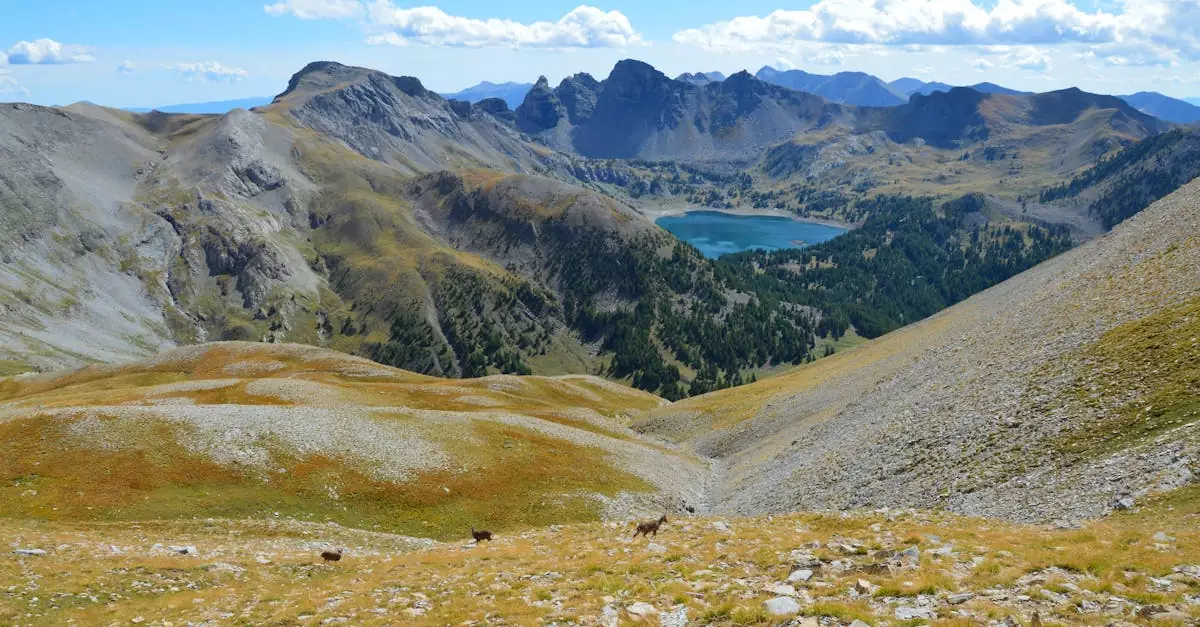
The Vosges Mountains National Park, situated in northeastern France, offers a captivating blend of verdant forests, pristine lakes, and the unique cultural heritage of the Alsace region. This park is a haven for nature lovers and those seeking a more tranquil European adventure, far from the bustling crowds of more famous destinations. Its rolling hills and diverse landscapes provide ample opportunities for hiking, wildlife spotting, and immersing oneself in local traditions.
The Scenic Route des Crêtes for Road Tripping
For those arriving by car, the Route des Crêtes is an absolute must-drive. This panoramic road winds along the mountain ridges, offering breathtaking vistas of the surrounding valleys and distant plains. It’s particularly stunning during autumn when the deciduous forests ignite in a riot of color, but its beauty endures year-round. Allow a full day to truly appreciate the numerous viewpoints and pull-offs.
Key stops along the Route des Crêtes include the Col de la Schlucht, a popular starting point for hikes and a hub for winter sports, and the Hohneck, the highest peak in the Vosges, accessible via a scenic but sometimes challenging trail. Parking can be limited during peak season, so arriving early, especially on weekends, is advisable. Consider packing a picnic to enjoy at one of the designated rest areas, savoring the fresh mountain air and expansive views.
Visiting Lac Blanc and Lac Noir for Photography
The glacial lakes of Lac Blanc (White Lake) and Lac Noir (Black Lake) are two of the most picturesque spots within Vosges Mountains National Park. Nestled in dramatic cirques carved by ancient glaciers, these lakes are renowned for their striking beauty and are a dream for photographers. Lac Blanc, with its turquoise waters, is often framed by rugged cliffs, while Lac Noir lives up to its name with its deep, dark hue, reflecting the surrounding pine forests.
Access to the lakes involves moderate hiking. A popular loop trail connects both lakes, offering varied perspectives and photo opportunities. The trail around Lac Blanc is relatively easy and well-maintained, making it accessible for most visitors. For Lac Noir, the path is a bit more rugged, requiring sturdy footwear. Visiting early in the morning or late in the afternoon can provide the best light for photography, and the surrounding forests are home to diverse birdlife.
Exploring Traditional Alsatian Villages Bordering the Park
The charm of Vosges Mountains National Park extends beyond its natural landscapes to the picturesque Alsatian villages that dot its periphery. Towns like Colmar, Riquewihr, and Eguisheim are easily accessible from the park and offer a glimpse into a unique Franco-Germanic culture. These villages are characterized by their half-timbered houses, cobblestone streets, and vibrant flower displays.
These villages provide excellent bases for exploring the national park, with many offering charming guesthouses and local eateries. Budget travelers will find a range of affordable accommodations, from small inns to well-equipped campsites. For those interested in local crafts and cuisine, these villages are a treasure trove. Don’t miss the opportunity to sample Alsatian wines, particularly Riesling and Gewürztraminer, from local vineyards. A visit to the region is incomplete without experiencing the distinctive architecture and warm hospitality of these historic settlements.
Frequently Asked Questions About France’s National Parks
What is the best time of year to visit the best national parks in France?
The ideal time to visit France’s national parks generally falls between late spring (May and June) and early autumn (September and October). During these months, you’ll experience pleasant weather, fewer crowds than the peak summer season, and vibrant natural landscapes. Summer (July and August) offers warm temperatures perfect for water activities and high-altitude hiking, but it also brings the largest influx of visitors and can be quite hot in southern regions. Winter can be beautiful for snowshoeing or skiing in parks like Vanoise, but many trails and facilities may be inaccessible.
Are France’s national parks suitable for family trips?
Absolutely. Many of France’s national parks offer a range of activities suitable for families with children. Parks such as the Cévennes or the Pyrénées National Park provide gentler walking trails, educational visitor centers, and opportunities for wildlife spotting that can engage younger visitors. Some parks also have specific family-oriented programs or facilities. Always check the park’s official website for current accessibility and activity recommendations for families.
What are the essential packing items for hiking in French national parks?
When preparing for hikes in French national parks, prioritize practical gear. You’ll want sturdy, broken-in hiking boots for support and traction. Layering is key for changeable mountain weather, so pack moisture-wicking base layers, insulating mid-layers (like fleece), and a waterproof and windproof outer shell. Don’t forget sun protection—a hat, sunglasses, and sunscreen are crucial, even on cloudy days. A reusable water bottle is essential for staying hydrated, and a small backpack to carry essentials like snacks, a first-aid kit, a map, and a compass is highly recommended.
How do I get to and around France’s national parks?
Accessing France’s national parks often involves a combination of transportation methods. Many parks are reachable by train to the nearest major town or city, followed by a bus service or a rental car for the final leg. For instance, reaching the Écrins National Park might involve a train to Grenoble or Gap, then a local bus.
Renting a car offers the most flexibility for exploring within and between parks, especially those with more remote trailheads. However, be aware that some mountain roads can be narrow and winding. Within the parks, your primary mode of transport for hiking will be your own two feet. Some parks may offer limited shuttle services during peak season, but this is not universal.
Here’s a general overview of transportation considerations:
| Transportation Method | Pros | Cons | Best For |
|---|---|---|---|
| Train | Eco-friendly, comfortable for long distances | Requires onward travel from station | Reaching gateway towns to national parks |
| Bus | Connects towns to park entrances | Limited schedules, less flexibility | Shorter transfers from train stations |
| Rental Car | Maximum flexibility, access to remote areas | Can be expensive, parking challenges, narrow roads | Independent exploration, multi-park trips |
| On Foot | The best way to experience trails | Limited range, requires fitness | Hiking, exploring within park boundaries |