Embracing the crisp air and snow-dusted landscapes, Sweden offers a magical winter escape unlike any other. From the mesmerizing dance of the Northern Lights in the Arctic north to the cozy charm of historic city centers further south, the country provides a diverse range of unforgettable experiences. Discover the best winter experiences in Sweden as we guide you through chasing the aurora borealis in Abisko, sleeping in the ethereal Icehotel, embarking on thrilling husky sledding adventures, and enjoying the festive spirit of southern Sweden’s Christmas markets. Whether you seek the profound silence of a frozen wilderness or the warmth of a traditional fika, this guide will help you plan an enchanting winter journey through this captivating Scandinavian nation.
Chasing the Aurora Borealis: Best Spots for Northern Lights in Sweden
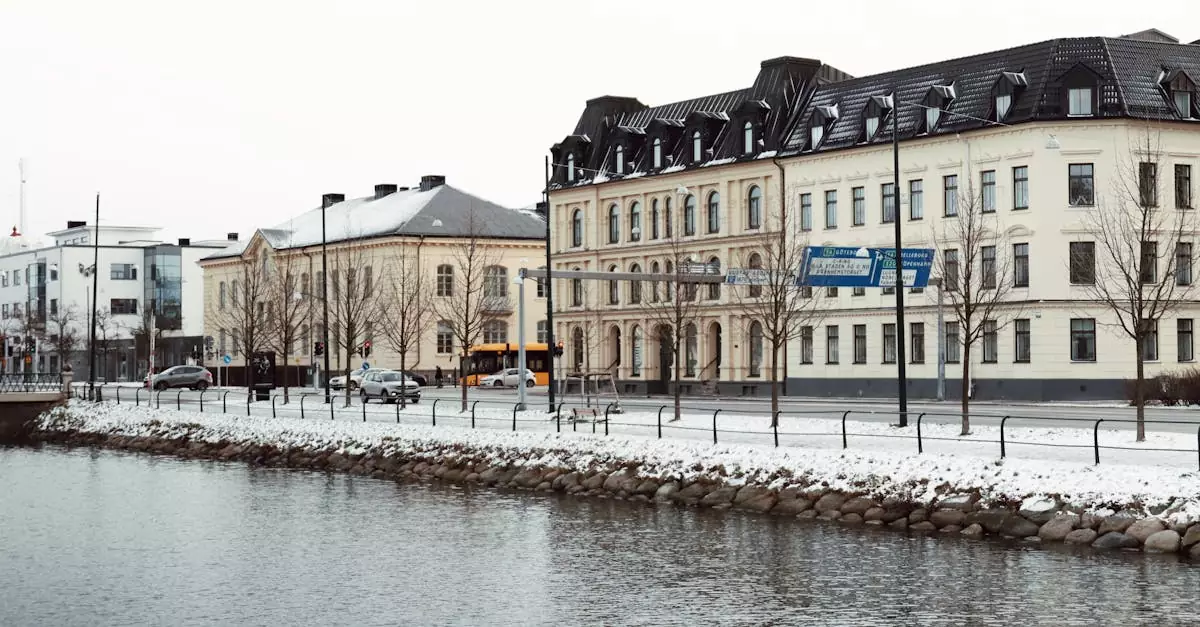
Witnessing the ethereal dance of the Northern Lights is a bucket-list aspiration for many winter travelers. Sweden, particularly its northern reaches, offers some of the most reliable and spectacular displays of the Aurora Borealis in Europe. The key to a successful aurora hunt lies in finding locations with minimal light pollution, clear skies, and strategic positioning under the auroral oval. Several destinations in Swedish Lapland stand out for their exceptional aurora viewing opportunities, each offering a unique Arctic experience.
Abisko National Park for Prime Aurora Viewing
Abisko National Park is frequently cited as one of the best places in the world to see the Northern Lights, and for good reason. Its unique microclimate, often referred to as the “blue hole,” means it experiences more clear nights than surrounding areas, even when the weather is overcast elsewhere. The park’s location north of the Arctic Circle, combined with its vast, unspoiled wilderness, minimizes light pollution, creating ideal conditions for aurora spotting.
The Aurora Sky Station, perched atop Mount Nuolja, offers a dedicated viewing platform accessible by chairlift. This is a popular choice for a guided experience, providing comfortable seating and expert commentary. Alternatively, venturing into the national park on a guided snowshoe or cross-country ski tour allows for a more immersive encounter with the lights. For independent travelers, staying in Abisko village provides easy access to dark areas just a short walk from accommodations.
- Best Time to Visit: September to March
- Logistics: The nearest airport is Kiruna (KRN), from where you can take a bus or taxi to Abisko.
- Accommodation: Options range from the Abisko Mountain Lodge to smaller guesthouses and cabins. Booking well in advance is crucial during peak season.
Kiruna’s Dark Skies: Beyond the Icehotel
While the world-famous Icehotel in Jukkasjärvi is a significant draw, the broader Kiruna area also boasts excellent conditions for Northern Lights viewing. Kiruna, as the northernmost town in Sweden, sits directly beneath the auroral oval. Its remote location and sparse population contribute to minimal light pollution away from the town center.
Beyond the Icehotel, consider venturing to areas like Torneträsk Lake, a vast frozen expanse offering unobstructed views of the night sky. Guided tours often take visitors to remote wilderness camps or frozen lakes, providing a chance to combine aurora hunting with other Arctic activities like ice fishing or husky sledding. Even a short drive away from Kiruna town can reveal spectacular dark sky opportunities.
| Activity | Typical Cost (SEK) | Duration | Notes |
|---|---|---|---|
| Northern Lights Tour | 1000 – 2000 | 4-6 hours | Includes transport, guide, warm drinks |
| Icehotel Visit | 300 – 500 | 2-3 hours | Day visit or overnight stay (pricier) |
| Snowmobiling Tour | 1500 – 2500 | 3-4 hours | Often includes aurora spotting opportunities |
Luleå Archipelago for Coastal Northern Lights
For a different perspective on the Aurora Borealis, consider the Luleå Archipelago. This coastal region offers a unique blend of winter landscapes, with frozen sea ice, snow-covered islands, and shimmering lights reflecting off the water. While coastal areas can sometimes experience cloud cover, the vastness of the open sky and the absence of significant light pollution from surrounding islands create magical viewing opportunities.
Boat tours are less common in winter, but guided excursions onto the frozen sea ice are popular. These often involve snowmobiles or specialized vehicles to reach remote viewing spots. The crisp, cold air and expansive seascape provide a dramatic backdrop for the aurora. Staying in a cabin on one of the islands or in a coastal guesthouse in Luleå can offer a serene and picturesque setting for your aurora chase.
- Getting There: Luleå Airport (LLE) is well-connected.
- Unique Aspect: The chance to see the aurora reflected on frozen sea ice.
- Consider: Pack warm, waterproof clothing; conditions can be windy and very cold.
Unique Stays: Sleeping in Sweden’s World-Famous Icehotel
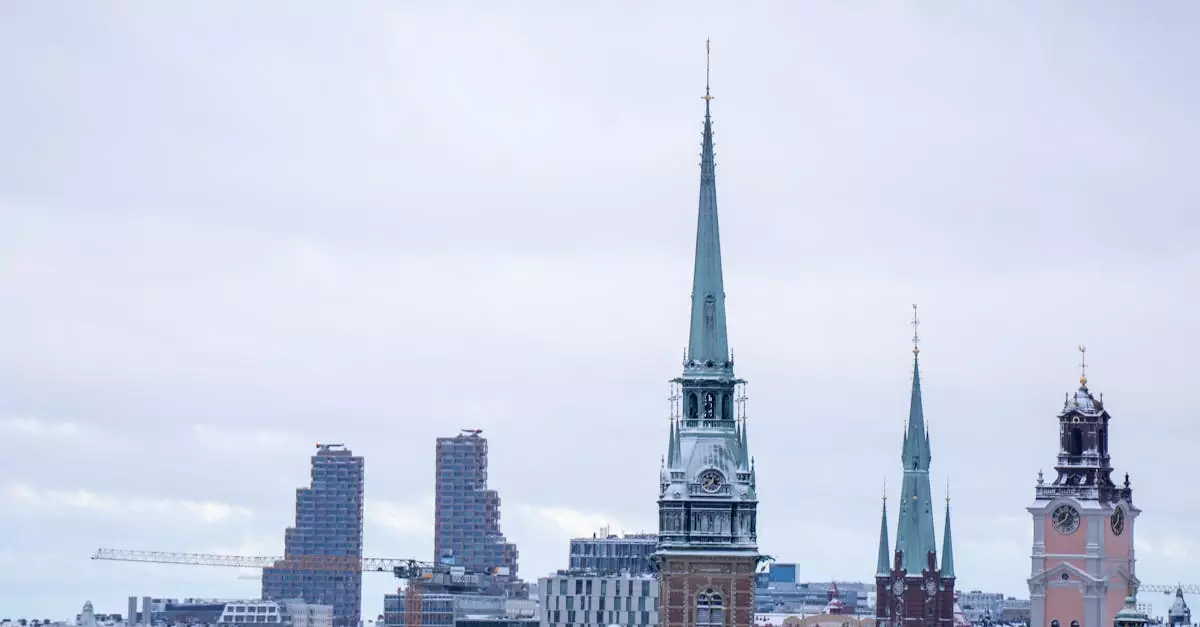
For an unforgettable winter experience in Sweden, a stay at the ICEHOTEL in Jukkasjärvi is unparalleled. This iconic hotel, rebuilt each year from ice and snow, offers a truly immersive Arctic adventure. It captures the magic of winter in Lapland, providing a unique accommodation and activity hub.
Designing Your Stay at ICEHOTEL Jukkasjärvi
Each winter, artists from around the globe gather in Jukkasjärvi to sculpt the ICEHOTEL. The result is a collection of individually designed art suites, each a temporary masterpiece. When booking, you can choose between a “warm accommodation” room in the adjacent building or an “art suite” within the ice hotel itself. Art suites are cold – typically around -5°C to -8°C (17°F to 23°F) – but come equipped with thermal sleeping bags and insulated beds. The hotel also offers “cold rooms” and “warm rooms” for those seeking different comfort levels.
Activities Around the Icehotel: Dog Sledding & Reindeer Encounters
The ICEHOTEL serves as a gateway to numerous Arctic activities. Dog sledding is a quintessential Lapland experience, offering a thrilling way to traverse snowy landscapes. Imagine being pulled by a team of energetic huskies through silent, snow-laden forests. Reindeer encounters are also a highlight, providing insight into Sami culture and their traditional relationship with these magnificent animals. Many tours include opportunities to learn about reindeer herding and enjoy a traditional Sami meal. Other popular pursuits include snowmobiling, ice sculpting workshops, and guided Northern Lights chases.
Experiencing the Arctic Cold: What to Expect
Preparing for the cold is crucial for enjoying your ICEHOTEL stay. Temperatures inside the ice rooms are consistently below freezing. While the hotel provides thermal sleeping bags, layering is key. Pack thermal base layers, fleece mid-layers, and a warm, windproof outer layer. Don’t forget insulated gloves, a warm hat that covers your ears, and waterproof, insulated boots. The hotel offers advice on packing and provides information on rental gear for specific activities. Despite the chill, the experience of sleeping on ice, surrounded by art, is remarkably comfortable and invigorating.
Embracing the Snow: Winter Activities Across Swedish Lapland
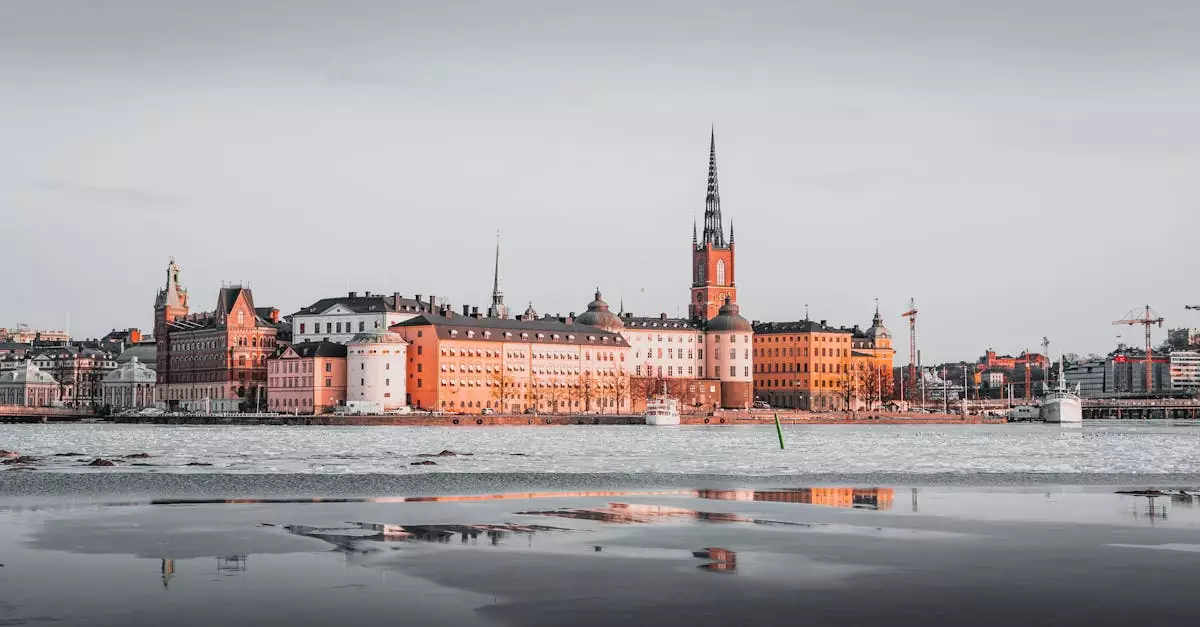
Winter in Sweden transforms the landscape into a pristine wonderland, particularly in the northern reaches of Swedish Lapland. This region offers a unique array of activities for those seeking an authentic Arctic experience. From the thrill of dog sledding to the quiet beauty of frozen lakes, the best winter experiences in Sweden are often found here, under the glow of the Northern Lights.
Husky Sledding Adventures Near Tromsø (Norway Border)
The exhilarating rush of being pulled by a team of energetic huskies is a quintessential Arctic adventure. While often associated with Swedish Lapland, some of the most accessible and well-regarded husky sledding tours operate from areas close to the Norwegian border, allowing for unique cross-border excursions. These tours typically range from a few hours to multi-day expeditions, offering a chance to traverse snow-covered wilderness and witness the stark beauty of the subarctic landscape.
Logistics for husky sledding often involve pre-booked tours that include transportation from nearby towns. Most operators provide warm clothing, but layering is essential. Expect to pay between 1500-3000 SEK for a half-day tour, with longer trips costing significantly more. Safety briefings are standard, and guides are experienced in handling the dogs and navigating the terrain. It’s a memorable way to connect with nature and experience traditional methods of Arctic travel.
Snowmobiling Through Frozen Forests
For a faster-paced exploration of the winter wilderness, snowmobiling offers an exciting way to cover ground. Swedish Lapland’s vast, snow-laden forests and frozen lakes provide an ideal playground for this activity. Guided tours are highly recommended for safety and to gain access to the best routes, which often wind through silent pine forests and open snowy fields.
Many tour operators offer half-day or full-day snowmobile excursions, often including stops for traditional Swedish fika (coffee and pastries) or a campfire lunch. Prices can range from 1800 SEK for a few hours to over 4000 SEK for a full day. It’s important to check age restrictions and driving license requirements with your chosen operator. The freedom of gliding over the snow, surrounded by the quiet grandeur of the Arctic, is an unforgettable experience.
Ice Skating on Frozen Lakes Near Stockholm Archipelago
While the far north offers grand Arctic adventures, closer to the capital, unique winter experiences can also be found. In exceptionally cold winters, the brackish waters of the Stockholm Archipelago can freeze over, creating natural ice skating rinks. When conditions are safe, locals and visitors alike take to the ice, skating between islands and enjoying the stunning coastal scenery.
Checking ice conditions is paramount before venturing out. Local authorities and ice skating organizations often provide updates on safe areas. Skating tours, led by experienced guides, are available and include equipment rental. These tours provide a less strenuous, yet equally beautiful, way to enjoy the winter landscape. A typical guided skate session might cost around 800-1200 SEK. Remember to dress in warm layers and consider carrying a safety kit.
Cross-Country Skiing Trails in Östersund
Östersund, located in the Jämtland region, is a hub for winter sports and boasts excellent cross-country skiing opportunities. With consistent snowfall and well-maintained trails, it’s an ideal destination for both beginners and experienced skiers. The Östersund area offers a network of groomed tracks suitable for classic and skate skiing, winding through forests and providing scenic views of the surrounding mountains and Lake Storsjön.
Many trails are accessible directly from the city, making logistics straightforward. Ski rental is readily available, and local ski clubs often offer lessons. Day passes for trail access are typically nominal, often around 100-150 SEK, with many trails being free. Cross-country skiing provides a fantastic way to immerse yourself in the snowy landscape at your own pace, offering a peaceful and invigorating winter activity.
Beyond the Arctic Circle: Cozy Winter Escapes in Southern Sweden
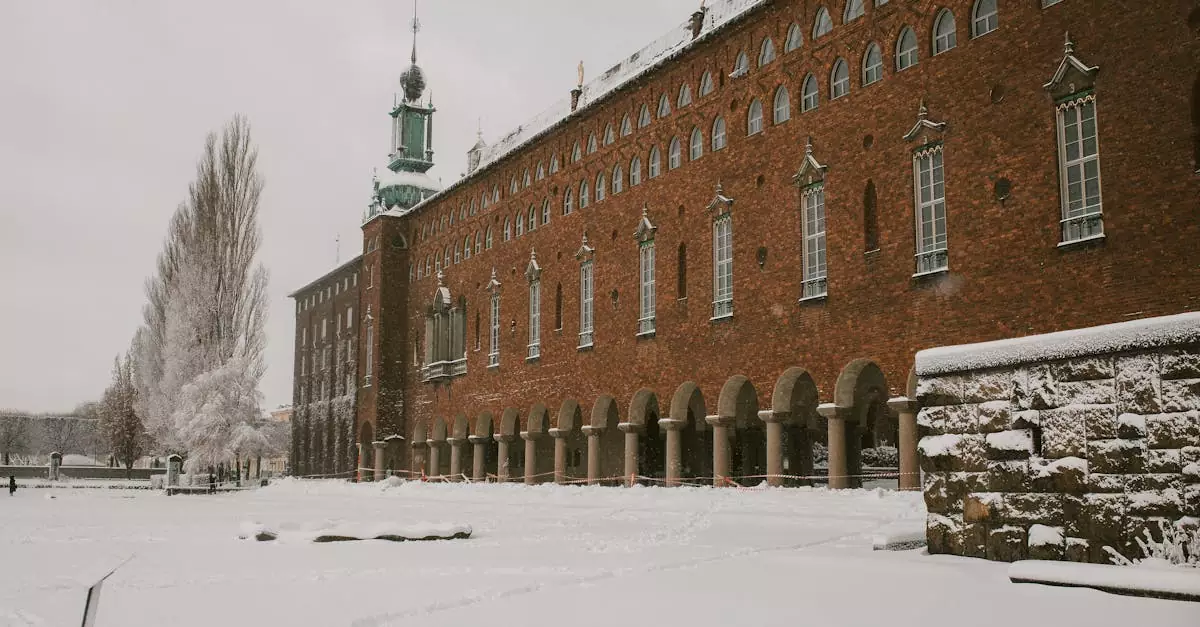
While the allure of the northern lights and the famed Icehotel often draws visitors to Sweden’s Arctic north, the southern regions offer their own unique charm during the winter months. These areas provide a more accessible and often milder introduction to Swedish winter, focusing on festive markets, cozy cafes, and historical cityscapes dusted with snow. For travelers seeking a less extreme but equally enchanting winter getaway, southern Sweden presents a compelling alternative.
Winter Markets in Gothenburg’s Haga District
Gothenburg, Sweden’s second-largest city, truly comes alive during the holiday season. The charming district of Haga, with its well-preserved wooden houses and cobblestone streets, transforms into a festive wonderland. From late November through December, Haga’s Christmas market is a highlight, offering a delightful array of handmade crafts, local delicacies, and seasonal treats. Visitors can sample mulled wine (glögg) and gingerbread cookies while browsing stalls filled with unique gifts.
The atmosphere in Haga is particularly inviting on a crisp winter afternoon. The scent of cinnamon and roasting almonds fills the air, and the warm glow from shop windows spills onto the street. It’s an excellent opportunity to find handcrafted Swedish design items or sample regional cheeses and sausages. Getting to Haga is straightforward; it’s easily accessible by tram from Gothenburg’s city center, making it a convenient excursion for any visitor.
Fika Culture: Warm Cafes in Old Town Stockholm (Gamla Stan)
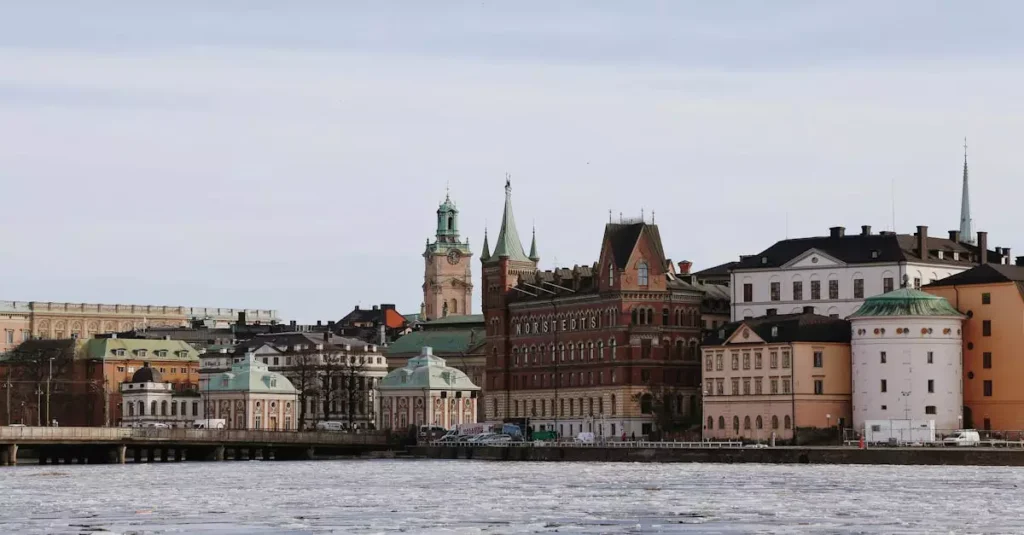
Stockholm’s historic heart, Gamla Stan, offers a picturesque setting for experiencing Swedish fika, the cherished tradition of taking a break for coffee and pastries. During winter, this ritual becomes even more essential, providing warmth and respite from the chilly air. Wandering through Gamla Stan’s narrow, winding alleys, you’ll find numerous cozy cafes tucked away, each offering a unique ambiance.
Look for establishments serving kanelbullar (cinnamon buns) and other Swedish pastries. Many cafes in Gamla Stan feature traditional interiors with exposed beams and candlelight, creating an intimate and inviting space. It’s a chance to observe local life and enjoy a moment of quiet reflection. For travelers, embracing fika is a key cultural immersion. Public transport within Stockholm is efficient, and Gamla Stan is easily reached by subway (T-bana) or ferry.
Exploring the Christmas Markets of Skåne County
For those venturing further south, Skåne County boasts some of Sweden’s most enchanting Christmas markets. This region, known for its rolling hills and coastal beauty, embraces the holiday spirit with markets in historic towns and castles. Malmö, Skåne’s largest city, hosts a popular market in Stortorget (the main square), offering a vibrant mix of shopping, food, and entertainment.
Beyond Malmö, consider visiting the markets in charming towns like Lund, with its magnificent cathedral, or Helsingborg. Many markets are set against the backdrop of historical architecture, adding a layer of charm. These southern markets often feature a strong emphasis on local produce and artisanal crafts, providing a genuine taste of regional traditions. Traveling between these towns is best done by train, with good connections from Malmö and Copenhagen.
| Destination | Primary Winter Attraction | Typical Market Dates | Transportation Notes | Budget Considerations (per day) |
|---|---|---|---|---|
| Gothenburg (Haga) | Haga Christmas Market | Late Nov – Dec | Tram from city center; accessible by train | $150 – $250 |
| Stockholm (Gamla Stan) | Fika in historic cafes | Year-round, enhanced in winter | T-bana (subway), ferries; walkable within district | $180 – $300 |
| Skåne County | Christmas markets (Malmö, Lund) | Late Nov – Dec | Train connections between towns; accessible by car | $140 – $230 |
What Are the Best Winter Months for Experiencing Sweden?
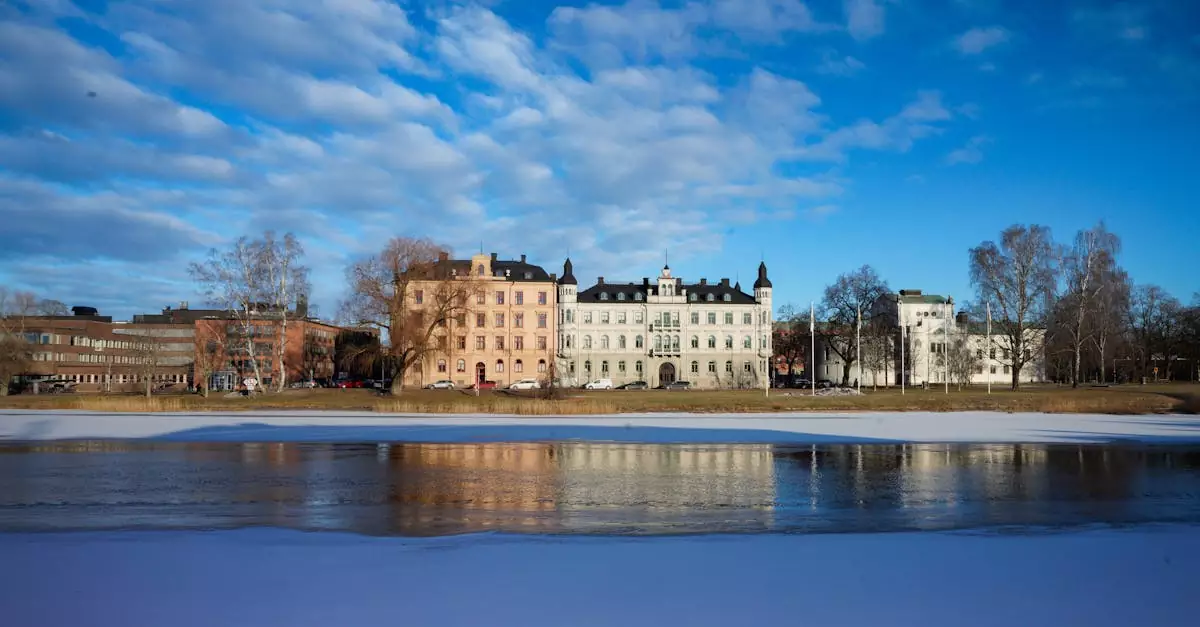
Sweden transforms into a winter wonderland from November through March, offering distinct experiences depending on when you visit. Understanding the nuances of each period can help you tailor your trip to catch the Northern Lights, enjoy snow sports, or experience the unique Arctic light.
November to March: Peak Aurora and Snow Season
This five-month window represents the prime time for a Swedish winter adventure, especially if your goal is to witness the aurora borealis or engage in snow-centric activities. The landscape is typically blanketed in snow, creating a picturesque setting for exploration. While the entire period offers winter charm, the specific timing within these months can significantly impact your experience. This is when the country’s northern regions, particularly Swedish Lapland, come alive with winter tourism, offering a range of activities from dog sledding to ice fishing.
December and January: Shortest Days, Longest Nights for Light Viewing
For those prioritizing the Northern Lights, December and January are often considered the absolute best months. These months boast the shortest daylight hours and longest nights, maximizing your opportunities to see the aurora borealis dance across the sky. While daylight is scarce, typically only a few hours around midday, the extended darkness is crucial for aurora viewing. This period is also peak season for iconic experiences like staying at the Icehotel in Jukkasjärvi, which opens its doors in December. Travel during this time requires careful planning due to high demand and potentially challenging weather conditions, including sub-zero temperatures and snow.
February and March: More Daylight for Winter Sports
As winter progresses into February and March, the days begin to lengthen, offering a more balanced experience for those who want to combine aurora hunting with daylight activities. While the Northern Lights are still visible, the increased daylight hours mean more time for winter sports. This is an excellent time for skiing, snowboarding, snowmobiling, and cross-country skiing, especially in the mountain regions of Swedish Lapland and Jämtland. The snow conditions remain excellent, and the slightly milder temperatures, coupled with more sunshine, can make outdoor adventures more comfortable. Traveling in late winter also means you can often find better accommodation deals as the peak holiday season passes.
Here’s a quick look at what to expect regarding daylight hours:
| Month | Approximate Daylight Hours (Northern Sweden) |
|---|---|
| December | 3-4 hours |
| January | 4-6 hours |
| February | 6-9 hours |
| March | 9-12 hours |
This extended daylight in February and March allows for more extensive exploration of the Arctic landscape and participation in various outdoor pursuits before the spring thaw begins.
Frequently Asked Questions About Winter Travel in Sweden
What Should I Pack for a Swedish Winter Trip?
Packing smart is key to enjoying the best winter experiences in Sweden. Focus on layers to adapt to changing temperatures, especially if you plan to venture into the Arctic regions. Essential items include thermal base layers, a warm mid-layer like fleece or down, and a waterproof and windproof outer shell. Don’t forget a warm hat that covers your ears, insulated gloves or mittens, and a scarf or neck gaiter. Woolen socks are a lifesaver for keeping feet warm in insulated, waterproof boots. Consider bringing a balaclava for extreme cold and wind, particularly if you’re chasing the Northern Lights.
How Do I Get Around Sweden in Winter?
Navigating Sweden in winter is generally efficient, with good infrastructure. For intercity travel, the SJ (Swedish Railways) offers comfortable and scenic train journeys, though schedules can be affected by heavy snow. Domestic flights are a quicker option for covering long distances, particularly to northern cities like Kiruna. Within cities like Stockholm or Gothenburg, public transport, including trams, buses, and subways, operates reliably. Renting a car is possible, but be prepared for winter driving conditions; ensure the vehicle has winter tires and consider a 4WD if heading to more remote areas. For Arctic adventures, organized tours often include transportation, simplifying logistics.
Here’s a quick look at common transportation methods:
| Transport Type | Best For | Considerations |
|---|---|---|
| Trains (SJ) | Intercity travel, scenic routes | Can be slower in winter, book in advance |
| Flights | Long distances, reaching northern Sweden | Check baggage allowances, book early for savings |
| Public Transit | City exploration (buses, trams, subways) | Reliable and efficient, often integrated |
| Rental Car | Flexibility, remote areas | Winter tires mandatory, consider 4WD, challenging |
| Organized Tours | Arctic activities, hassle-free logistics | Pre-planned routes, expert guides |
Is Sweden Safe for Solo Female Travelers in Winter?
Sweden is widely considered one of the safest countries in Europe for solo female travelers, including during winter. Swedish society generally has a low crime rate and a high degree of public safety. However, as with any travel, it’s wise to exercise common sense. Be aware of your surroundings, especially in crowded tourist areas or late at night. Inform someone of your general itinerary and accommodation details. For remote winter activities like Northern Lights tours, booking with reputable companies is recommended for both safety and experience. The efficient public transport system also makes independent travel within cities straightforward and secure.
What Local Foods Should I Try in Swedish Winter?
Winter is the perfect time to savor hearty Swedish cuisine. Look for köttbullar (meatballs) served with lingonberry jam, gravy, and mashed potatoes – a classic comfort food. Janssons frestelse (Jansson’s Temptation) is a rich potato and anchovy gratin, ideal for a cold evening. In the north, you might find reindeer or elk dishes, often prepared with creamy sauces and root vegetables. Don’t miss varm choklad (hot chocolate), typically served thick and rich, perfect for warming up after a day outdoors. For something sweet, kanelbullar (cinnamon buns) are a ubiquitous and delicious treat available in most bakeries and cafes. If you’re feeling adventurous, try surströmming (fermented herring), though this is an acquired taste and not for everyone.