When the first snowflakes begin to fall and the air turns crisp, Europe transforms into a magical landscape perfect for seeking out the best cozy winter vacations. This season offers a unique chance to experience the continent’s charm without the summer crowds, focusing on warm interiors, festive lights, and serene, snow-dusted scenery. If you’re dreaming of an escape that combines comfort with captivating destinations, you’ve come to the right place.
This guide will help you discover charming towns and vibrant cities across Europe that truly shine in winter. We’ll explore fairytale Christmas markets, snow-capped mountain villages, and cities renowned for their hygge-filled atmosphere. You’ll learn about the ideal times to visit, find recommendations for unique accommodations that enhance the cozy experience, and get a taste of the hearty local foods and warming drinks that define a European winter. Prepare to be inspired for your next unforgettable winter getaway.
Charming European Towns for the Best Cozy Winter Vacations
As temperatures drop and days shorten, Europe becomes a winter wonderland, offering some of the best cozy winter vacations for travelers seeking warmth, charm, and festive cheer. Forget the summer crowds; winter in Europe presents a quieter, more intimate experience, perfect for enjoying festive markets, snowy landscapes, and rich cultural traditions. From the Alsace region to the Bavarian Alps, these towns offer a magical escape.
Fairytale Christmas Markets in Strasbourg, France
Strasbourg, often hailed as the “Capital of Christmas” (Capitale de Noël), is a quintessential destination for a cozy winter getaway. The historic Petite France quarter, with its timber-framed houses and cobblestone streets, becomes even more enchanting under a blanket of snow and twinkling lights. The Strasbourg Christmas Market, one of the oldest in Europe, sprawls across several squares, each with its unique theme and atmosphere. Expect to find handcrafted ornaments, delicious gingerbread, and mulled wine.
Consider visiting from late November through December for the full market experience. While Strasbourg is easily accessible by train, booking accommodations in advance is advisable due to its popularity. The city is very walkable, but local trams offer convenient transport between market locations.
Snow-Dusted Villages of the Bavarian Alps, Germany
For a truly picturesque winter escape, the villages of the Bavarian Alps offer unparalleled charm and stunning natural beauty. Towns like Garmisch-Partenkirchen and Oberammergau provide a serene setting with snow-capped peaks as a backdrop. These regions are ideal for outdoor activities like skiing and snowboarding, or simply a peaceful retreat with breathtaking views.
Winter in the Bavarian Alps typically runs from December to March, with January and February often bringing the heaviest snowfall. Transportation within the region is best managed by car for flexibility, though local bus and train services connect major towns. Be prepared for colder temperatures and pack accordingly for outdoor excursions.
Historic Charm of Bruges, Belgium in Winter
Bruges, a UNESCO World Heritage site, retains its medieval allure throughout the winter months, making it a top contender for a romantic winter vacation. The city’s canals, lined with historic buildings, take on a special glow, especially when illuminated at night. While Bruges doesn’t host a massive Christmas market like Strasbourg, it offers a more subdued festive atmosphere with ice skating rinks and charmingly decorated shops.
The period between Christmas and New Year can be particularly pleasant, with fewer crowds than in early December. Bruges is exceptionally walkable, and its compact size makes it easy to navigate on foot. Consider staying in a historic guesthouse for an authentic experience.
Romantic Winter Escapes in Hallstatt, Austria
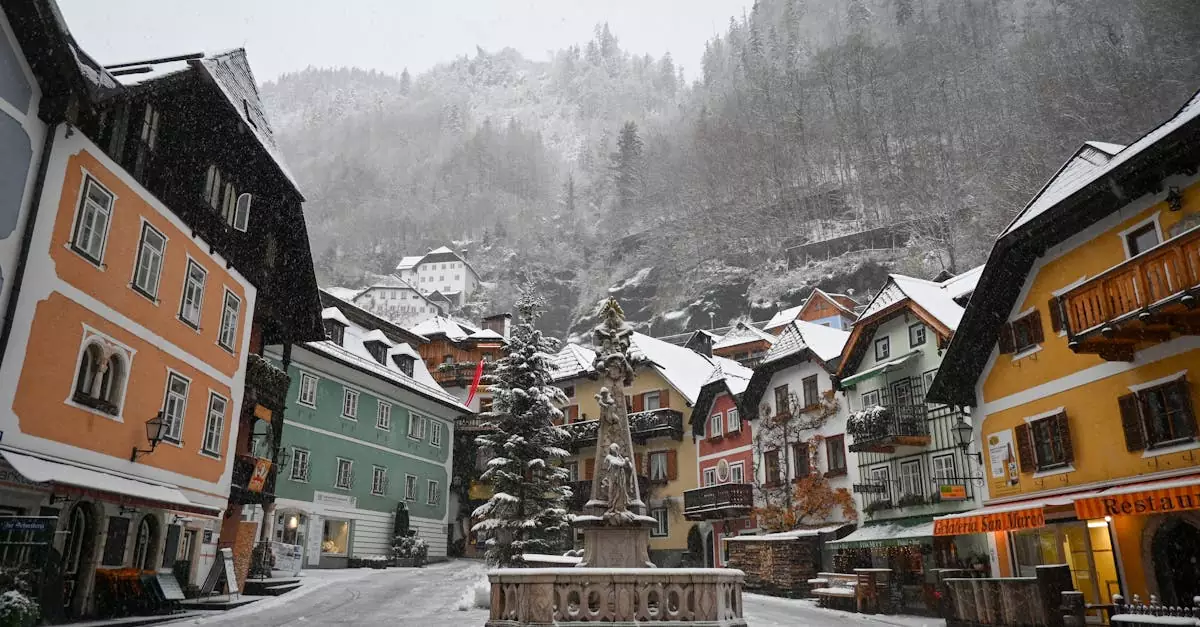
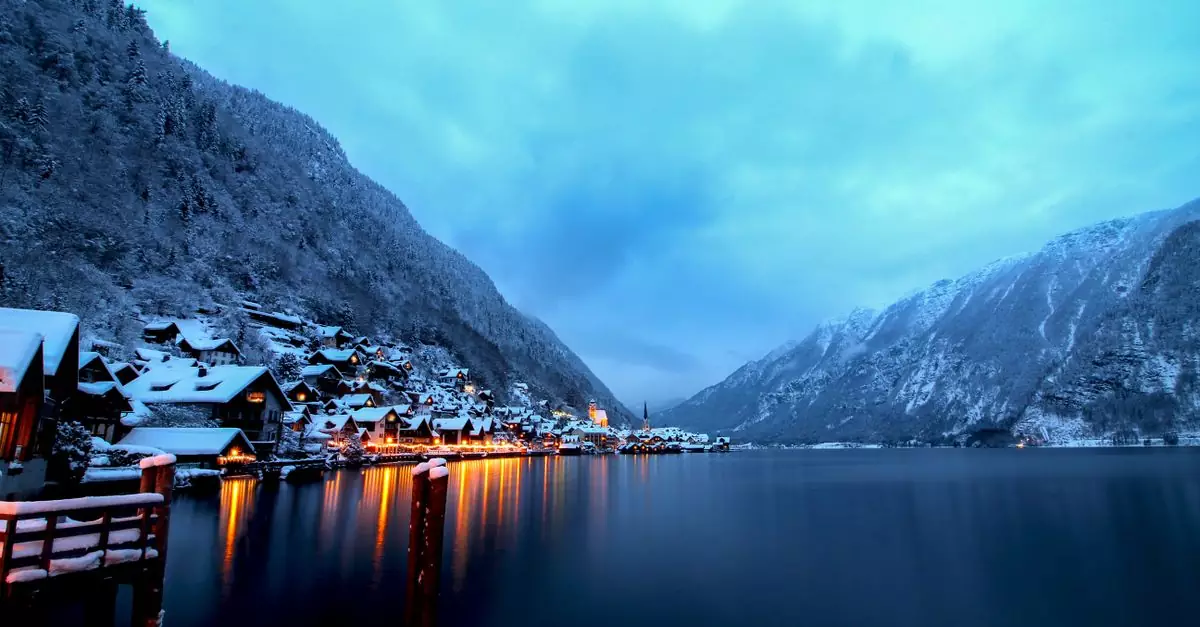
Hallstatt, nestled on the shores of a serene lake and surrounded by dramatic mountains, is a postcard-perfect village that epitomizes a cozy winter retreat. Its gingerbread-like houses and narrow alleyways are particularly magical under a dusting of snow. While the village is a popular summer destination, winter offers a more tranquil and intimate experience.
Visiting in January or February can provide the best chance for consistent snow. Getting to Hallstatt involves a scenic train journey followed by a ferry across the lake, enhancing the sense of arrival. Accommodation options range from charming guesthouses to boutique hotels, many offering stunning lake views. The village itself is small and best explored on foot.
| Destination | Typical Winter Weather | Best Time to Visit for Coziness | Transportation Focus | Accommodation Style |
|---|---|---|---|---|
| Strasbourg, France | Cold, occasional snow | Late November – December | Train (arrival), Walking, Tram | Hotels, Apartments |
| Bavarian Alps, Germany | Cold, significant snowfall | December – March | Car (rental), Local trains/buses | Chalets, Guesthouses |
| Bruges, Belgium | Cool, damp, occasional frost | December – February | Train (arrival), Walking | Historic B&Bs, Hotels |
| Hallstatt, Austria | Cold, potential snowfall | January – February | Train/Ferry, Walking | Guesthouses, Small Hotels |
Embracing Hygge: Scandinavian Destinations for Ultimate Coziness
Scandinavian countries excel at creating a warm and inviting atmosphere during the colder months, embodying the concept of “hygge.” This Danish and Norwegian word translates roughly to coziness and contentment, often achieved through simple pleasures like warm drinks, good company, and soft lighting. For travelers seeking the best cozy winter vacations in Europe, the Nordics offer an unparalleled experience.
Fireside Retreats in Stockholm, Sweden
Stockholm transforms into a winter wonderland, with snow dusting its historic Gamla Stan (Old Town) and the archipelago. The city’s numerous cafes serve as warm havens, offering steaming mugs of glögg (mulled wine) and delicious kanelbullar (cinnamon buns). Many hotels feature rooms with fireplaces, enhancing the intimate ambiance. Consider staying in a boutique hotel in the Södermalm district for a more local feel, or a grander establishment near the city center for easy access to museums and shops.
Getting around Stockholm in winter is straightforward. The public transport system, including the metro and buses, is efficient and reliable. For a truly cozy experience, book a guided walking tour of Gamla Stan, focusing on its history and charming architecture, often concluding with a warm drink at a traditional pub.
Northern Lights and Warm Cafes in Tromsø, Norway
Tromsø, often called the “Gateway to the Arctic,” offers a dramatic backdrop for a winter escape. The primary draw here is the chance to witness the mesmerizing Northern Lights, best viewed away from city lights. Several tour operators offer guided excursions to prime viewing spots, often including warm clothing and hot beverages.
Beyond aurora hunting, Tromsø boasts a vibrant cafe culture. Spend afternoons warming up in cozy establishments, enjoying Norwegian waffles and strong coffee. For accommodations, look for guesthouses or small hotels that emphasize a welcoming atmosphere. The city is relatively compact, making it walkable, though local buses are available for longer distances.
Cozy Copenhagen: Tivoli Gardens and Danish Pastries
Copenhagen is synonymous with hygge, and its winter offerings are abundant. Tivoli Gardens, the city’s famous amusement park, remains open during winter, transformed into a magical Christmas market with twinkling lights, festive decorations, and ice skating. It’s a quintessential Copenhagen winter experience.
The city is also a haven for pastry lovers. Indulge in a variety of Danish pastries, known as wienerbrød, at local bakeries. Copenhagen is exceptionally walkable and bike-friendly, even in winter, though you’ll want to dress warmly. The metro system provides excellent connectivity for reaching different neighborhoods. Consider a stay in the charming Nyhavn district for picturesque canal views.
Winter Wellness in Finnish Lapland: Saunas and Snow
For a truly immersive cozy winter vacation, Finnish Lapland offers a unique blend of natural beauty and relaxation. The highlight here is the Finnish sauna, an integral part of the culture, providing warmth and rejuvenation amidst snow-covered landscapes. Many accommodations, from rustic cabins to modern hotels, feature private or communal saunas.
Activities in Lapland often revolve around snow. Think husky sledding, reindeer sleigh rides, and snowshoeing through silent forests. The chance to see the Northern Lights is also high, especially in the darker months. Rovaniemi, the official hometown of Santa Claus, offers family-friendly winter magic. Transportation between towns often involves pre-booked transfers or rental cars, as distances can be significant.
| Destination | Avg. Winter Temp (°C) | Primary Winter Draw | Hygge Factor | Accommodation Style |
|---|---|---|---|---|
| Stockholm, Sweden | -3 to 2 | Historic charm, glögg, cozy cafes | High | Boutique hotels |
| Tromsø, Norway | -5 to -1 | Northern Lights, Arctic scenery, warm cafes | High | Guesthouses |
| Copenhagen, Denmark | 0 to 4 | Tivoli Gardens, pastries, vibrant city life | Very High | City apartments |
| Finnish Lapland | -15 to -5 | Saunas, Northern Lights, snow activities, nature | Extreme | Cabins, lodges |
What’s the Best Time to Experience Europe’s Cozy Winter Vacations?
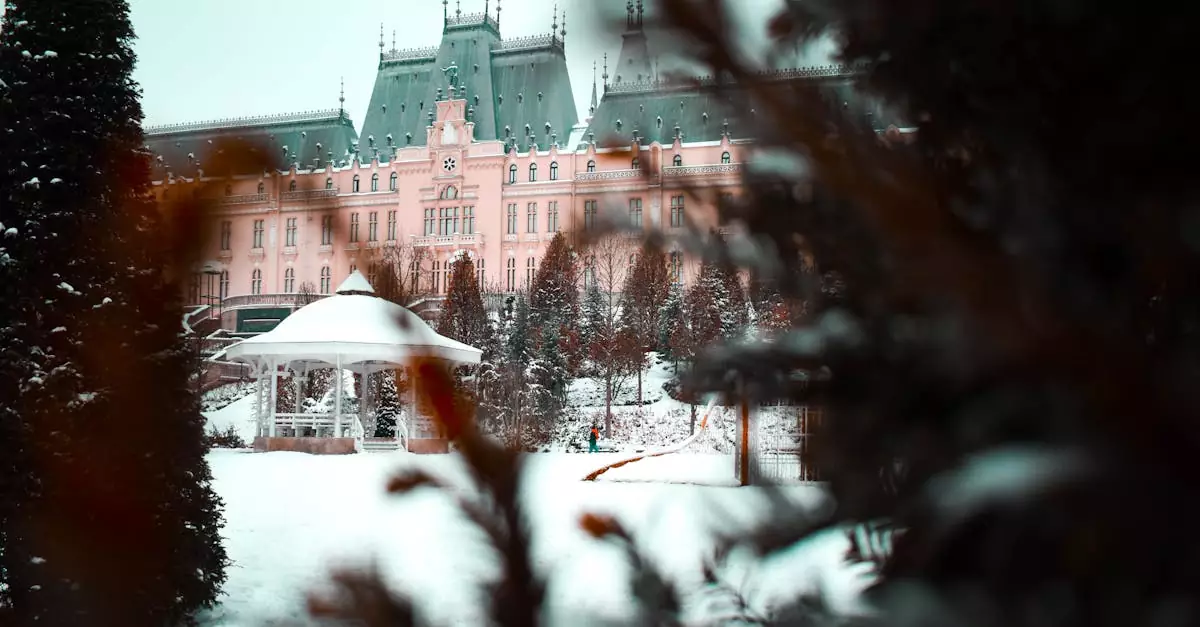
Choosing the right timing can significantly shape your experience of Europe’s winter charm. Each period offers a distinct atmosphere, from festive celebrations to serene snow-covered landscapes. Understanding these nuances will help you plan a trip that aligns with your ideal cozy winter escape.
Navigating December’s Festive Spirit and Crowds
December in Europe is synonymous with Christmas markets, twinkling lights, and a palpable sense of festive cheer. Cities like Vienna and Prague transform into winter wonderlands, offering mulled wine, handcrafted gifts, and a magical ambiance. However, this popularity means December is also one of the busiest and most expensive months for winter travel. Expect larger crowds at major attractions and higher prices for flights and accommodations. Book well in advance to secure your preferred lodging and avoid disappointment.
January and February: Fewer Crowds, Deeper Snow
As the holiday rush subsides, January and February emerge as prime months for those seeking a truly cozy and less crowded European winter. This is the ideal time for visiting ski resorts in the Alps or enjoying quieter city breaks. You’ll find more availability and potentially better deals on accommodation. The snow cover is typically at its deepest, creating picturesque scenes and excellent conditions for winter sports. The serene atmosphere allows for a more relaxed immersion into local life and a deeper appreciation of the quiet beauty of the season.
Shoulder Season: Late November and Early March
For a balance between festive beginnings and the last whispers of winter, consider the shoulder months of late November and early March. Late November often coincides with the opening of Christmas markets, offering a taste of the holiday spirit without the peak December crowds. Early March can still bring wintery conditions, especially in northern regions or at higher altitudes, but with the promise of longer daylight hours and the first signs of spring. These periods can offer a more budget-friendly experience and a chance to enjoy winter’s charm with fewer tourists.
| Month | Atmosphere | Crowds | Prices | Snow Potential |
|---|---|---|---|---|
| December | Festive, lively, Christmas markets | High | High | Moderate |
| January | Quiet, serene, post-holiday calm | Low | Moderate | High |
| February | Quiet, winter sports peak, crisp air | Low-Moderate | Moderate | High |
| Late Nov | Early festive spirit, market openings | Moderate | Moderate | Low-Moderate |
| Early March | Lingering winter, longer daylight | Low-Moderate | Moderate | Low-Moderate |
Finding Your Perfect Cozy Accommodation for Winter
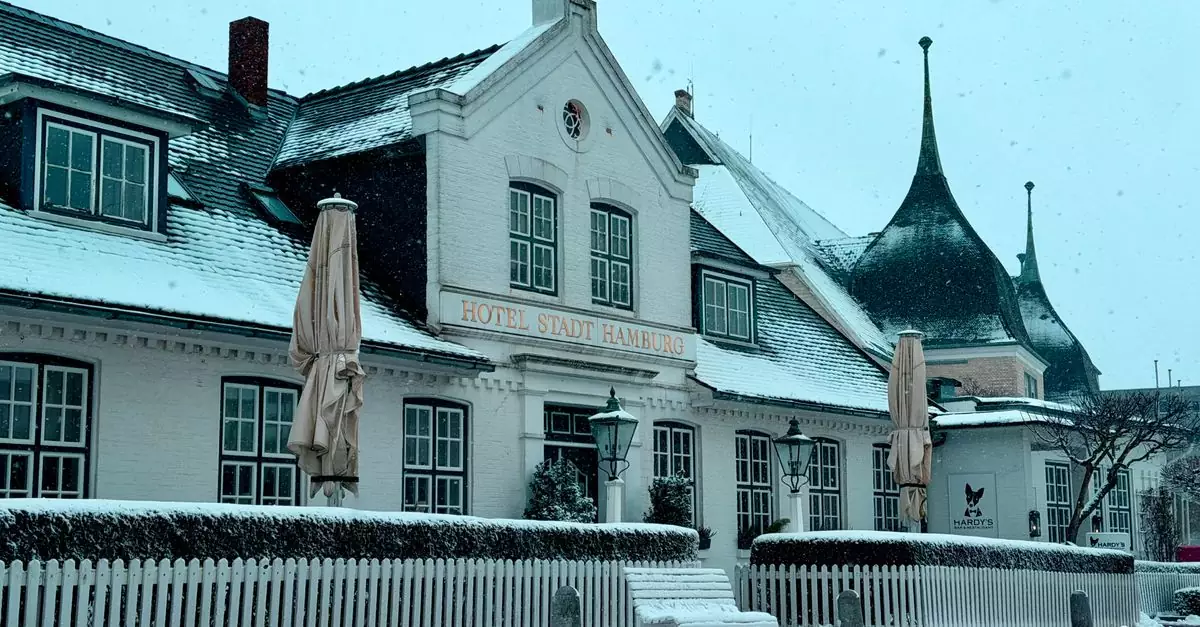
Choosing the right place to stay is central to experiencing a cozy winter escape in Europe. Beyond just a place to sleep, your accommodation can significantly enhance the feeling of warmth, comfort, and magic during the colder months. Consider what kind of atmosphere you’re seeking—whether it’s the charm of a historic building, the seclusion of a mountain retreat, or a unique, memorable stay.
Charming Boutique Hotels in Historic City Centers
Many European cities boast boutique hotels housed in beautifully preserved historic buildings. These accommodations often feature unique architectural details, antique furnishings, and a more intimate, personalized service than larger establishments. Imagine a room with a view of snow-dusted cobblestone streets, complete with a fireplace and plush bedding. These hotels are typically located in the heart of the action, providing easy access to Christmas markets, museums, and cozy cafes, making them excellent bases for urban winter explorations.
When selecting a boutique hotel, look for those that emphasize hygge or other comforting aesthetics. Reviews often highlight the warmth of the staff and the quality of the amenities, such as in-room coffee makers or the availability of hot beverages in common areas. Booking in advance is crucial, especially for popular cities during the festive season.
Secluded Cabins and Chalets in Mountain Regions
For those dreaming of a secluded winter wonderland, renting a cabin or chalet in a mountain region offers unparalleled tranquility and direct access to nature. Destinations like the Swiss Alps, the French Alps, or the Austrian Tyrol provide stunning landscapes blanketed in snow. These properties range from rustic, wood-paneled cabins with crackling fireplaces to luxurious chalets with private saunas and panoramic mountain views.
The appeal of a mountain retreat lies in its privacy and the opportunity for outdoor activities like skiing, snowboarding, or simply enjoying scenic winter hikes. Many chalets come with fully equipped kitchens, allowing for home-cooked meals and cozy evenings in. When booking, consider the accessibility of the property; some remote locations might require a 4×4 vehicle or even a short snowmobile transfer, especially after heavy snowfall.
| Region | Accommodation Type | Typical Features | Best For |
|---|---|---|---|
| Swiss Alps | Chalet | Fireplace, balcony, mountain views, often ski-in/ski-out | Families, groups, luxury seekers |
| French Alps | Cabin | Rustic charm, secluded setting, access to hiking | Couples, nature lovers, budget travelers |
| Austrian Tyrol | Apartment/Guesthouse | Central village location, traditional decor, communal | Adventurous travelers, cultural immersion |
| Dolomites, Italy | Mountain Hut | Basic amenities, breathtaking views, hiking access | Hikers, solo travelers, minimalists |
Unique Stays: Glamping Pods and Castle Hotels
If you’re seeking a winter vacation that’s a little out of the ordinary, consider unique accommodations like glamping pods or castle hotels. Glamping pods, often found in rural or scenic areas, provide a cozy, insulated space with comfortable bedding, sometimes even with heating and private bathrooms, allowing you to experience nature without sacrificing comfort. Imagine waking up to frost-covered fields from your warm, modern pod.
Castle hotels transport you back in time. Many historic castles across Europe have been converted into hotels, offering a truly opulent and atmospheric experience. Staying in a castle can involve grand suites, historic dining rooms, and a sense of stepping into a fairy tale. These unique stays provide memorable backdrops for a cozy winter trip, often with fewer rooms and a more exclusive feel.
Budget-Friendly Hostels with Warm Common Areas
For budget-conscious travelers, hostels can be surprisingly cozy and social winter destinations. Many European hostels have undergone renovations and now offer stylish private rooms alongside dormitories, as well as inviting common areas designed for guests to gather. Look for hostels featuring fireplaces, communal kitchens for preparing warm meals, board games, and organized social events.
These vibrant hubs are great for solo travelers or those looking to meet fellow adventurers. The shared spaces, often equipped with comfortable seating and good lighting, become warm gathering spots on cold evenings. Many hostels are also located in the heart of cities, providing an affordable way to access cultural attractions and enjoy the winter city atmosphere. Checking reviews for comments on cleanliness and the atmosphere of the common rooms is a good way to gauge their suitability for a cozy winter stay.
Must-Try Local Foods and Drinks on a Winter Trip
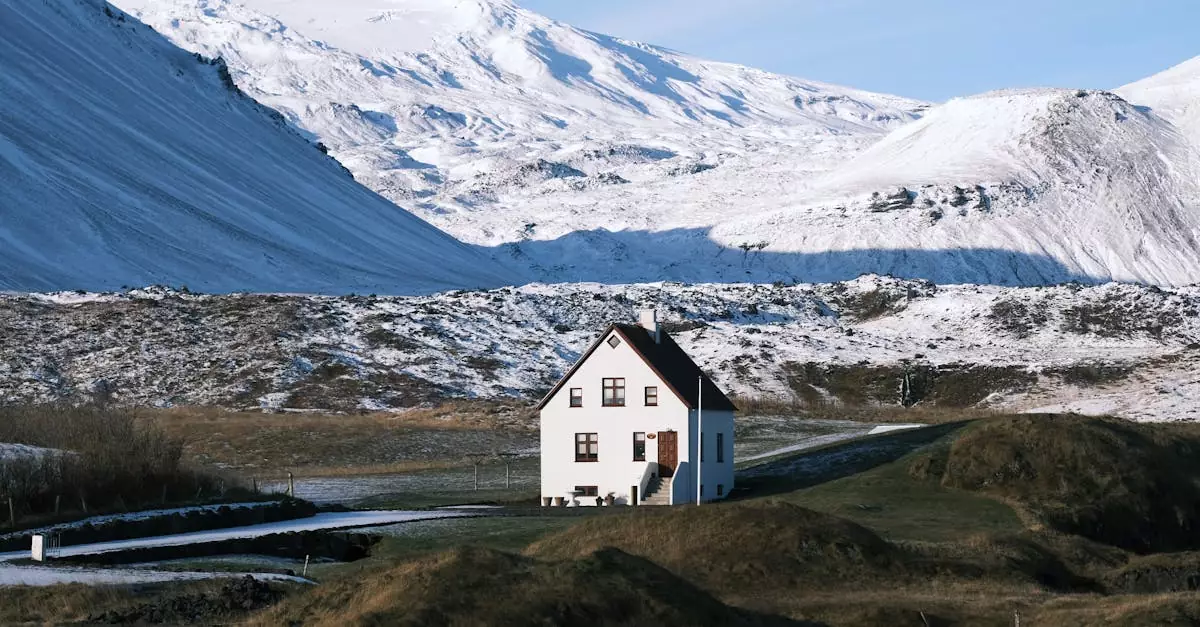
Winter in Europe offers a distinct culinary landscape, one that emphasizes warmth, comfort, and seasonal ingredients. Embracing local food and drink is fundamental to experiencing the cozy atmosphere of a winter getaway. From hearty mountain fare to festive market treats, these flavors are designed to ward off the chill and create memorable moments.
Hearty Stews and Roasts from Central Europe
Central European countries excel at comforting winter dishes. Think of rich, slow-cooked goulash in Hungary, often served with dumplings, or succulent roast pork dishes found throughout Germany and Austria, especially during festive seasons. These meals are typically substantial, featuring root vegetables, savory meats, and robust broths, perfect for refueling after a day of sightseeing. In Poland, consider trying bigos, a hunter’s stew made with sauerkraut, fresh cabbage, and various meats. These dishes are usually found in traditional inns or gasthofs, offering an authentic taste of local hospitality.
Warming Spiced Wines and Hot Chocolates
No winter trip to Europe is complete without sampling warming beverages. Mulled wine, known as Glühwein in Germany, vin chaud in France, or vin brulé in Italy, is a staple at Christmas markets. Made with red wine, spices like cinnamon and cloves, and often citrus, it’s served piping hot. For those who prefer non-alcoholic options, rich hot chocolate is widely available, especially in countries like Belgium and Switzerland, renowned for their chocolate production. These drinks are not just beverages; they are integral to the winter market experience and a delightful way to pause and soak in the festive ambiance.
Seasonal Delicacies: Gingerbread, Fondue, and Raclette
Winter brings a host of seasonal delicacies. Gingerbread, or Lebkuchen, is a classic treat, particularly popular in Germany and Austria, often shaped into intricate designs and enjoyed with coffee or tea. In Switzerland and parts of France and Italy, fondue and raclette are quintessential winter experiences. A communal pot of melted cheese, served with bread and potatoes, or melted cheese scraped over potatoes and pickles, these dishes are a social and delicious way to dine. Many restaurants specialize in these cheesy delights during the colder months, offering a truly immersive culinary adventure.
Discovering Local Bakeries for Fresh Pastries
Local bakeries are treasure troves during winter. Beyond festive gingerbread, you’ll find a variety of sweet and savory pastries designed for comfort. Look for Krapfen or Berliner Pfannkuchen (filled doughnuts) in Germany, or kouign-amann in France’s Brittany region. Many bakeries also offer seasonal fruit tarts and cakes, utilizing apples, pears, and berries that have been preserved or are in season. Enjoying a warm pastry with coffee or a cup of tea from a local Bäckerei or pâtisserie provides a simple yet profound pleasure, a true taste of local life during the cozy winter months.
Frequently Asked Questions About Cozy Winter European Trips
What are the best ways to travel between European winter destinations?
Navigating between European cities in winter is generally straightforward. High-speed rail networks efficiently connect major urban centers, offering scenic views and a comfortable journey. For longer distances or reaching more remote areas, budget airlines provide affordable options, though booking in advance is crucial for the best fares. Driving is also feasible, particularly in regions with good road infrastructure, but be prepared for potential winter weather conditions.
Consider these popular travel methods:
- Trains: Excellent for city-to-city travel, especially in Western and Central Europe.
- Flights: Best for crossing larger distances or reaching islands.
- Rental Cars: Offers flexibility but requires awareness of winter driving regulations and conditions.
How should I pack for a cozy winter vacation in Europe?
Packing for a cozy winter trip in Europe requires layering to adapt to fluctuating indoor and outdoor temperatures. Focus on thermal base layers, insulating mid-layers like fleece or wool, and a waterproof and windproof outer shell. Don’t forget warm accessories such as a hat, scarf, gloves, and waterproof boots with good traction. Comfortable socks are essential for keeping your feet warm during long walks.
Key packing items include:
- Base Layers: Thermal tops and bottoms.
- Mid-Layers: Sweaters, fleeces, or down vests.
- Outerwear: Insulated, waterproof jacket and pants.
- Footwear: Warm, waterproof boots with non-slip soles.
- Accessories: Woolen hat, scarf, gloves, and warm socks.
Are European winter destinations safe for solo travelers?
Europe generally ranks high in safety for solo travelers, even during the winter months. Most major tourist areas and cities have low crime rates. It’s always wise to exercise standard precautions, such as being aware of your surroundings, keeping valuables secure, and avoiding poorly lit or deserted areas late at night. Researching your specific destination and understanding local customs can further enhance your safety and confidence. Many solo travelers find European cities particularly welcoming and easy to navigate independently.
What are some hidden gems for a quiet winter getaway?
Beyond the well-trodden paths, several European locations offer a more tranquil winter experience. Consider the charming villages of the Austrian Alps for stunning snowy landscapes and thermal spa towns, or the Alsace region in France with its picturesque half-timbered houses and quieter Christmas markets. For a coastal escape without the summer crowds, the Algarve in Portugal offers milder weather and serene beaches. Another option is the Slovenian countryside, with its frozen lakes and Julian Alps providing a peaceful backdrop for winter exploration. These spots are ideal for those seeking a truly relaxing escape.