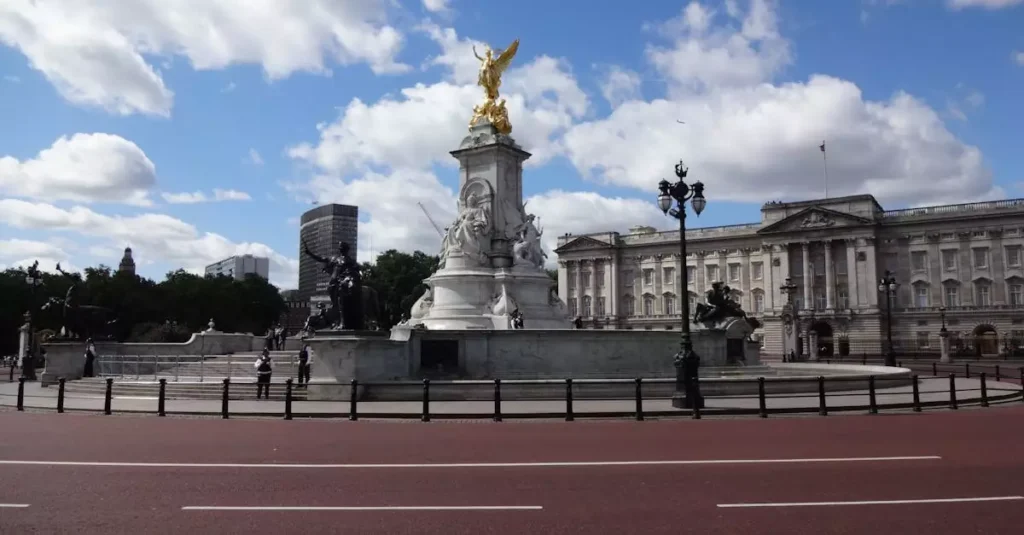
Step into a world of regal history and timeless grandeur with a visit to London’s most captivating royal sites. From the iconic Changing of the Guard ceremony at Buckingham Palace to the dazzling Crown Jewels housed within the Tower of London, the city offers an unparalleled journey through centuries of monarchy. This guide will help you discover the best royal attractions London has to offer, ensuring your itinerary is filled with unforgettable experiences. You’ll learn about must-see landmarks, optimal visiting times, and practical tips for navigating these historic treasures. Whether you’re drawn to the pageantry of royal residences, the weight of history in ancient fortresses, or the serene beauty of royal parks, prepare to be enchanted by London’s enduring connection to its royal past.
Witness the Changing of the Guard at Buckingham Palace
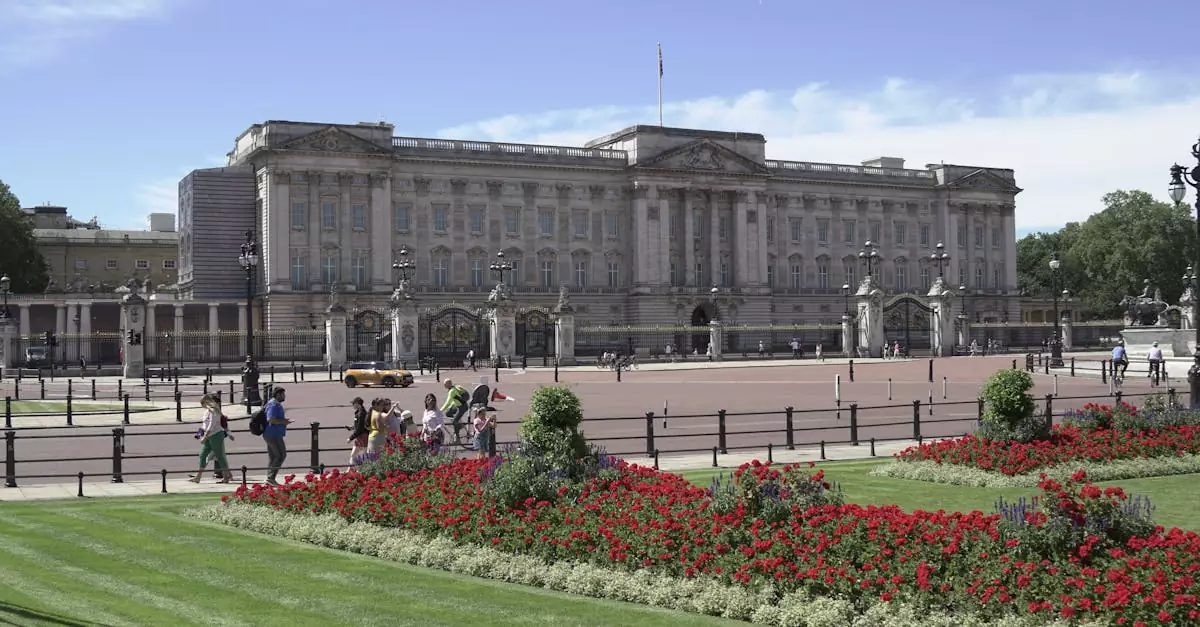
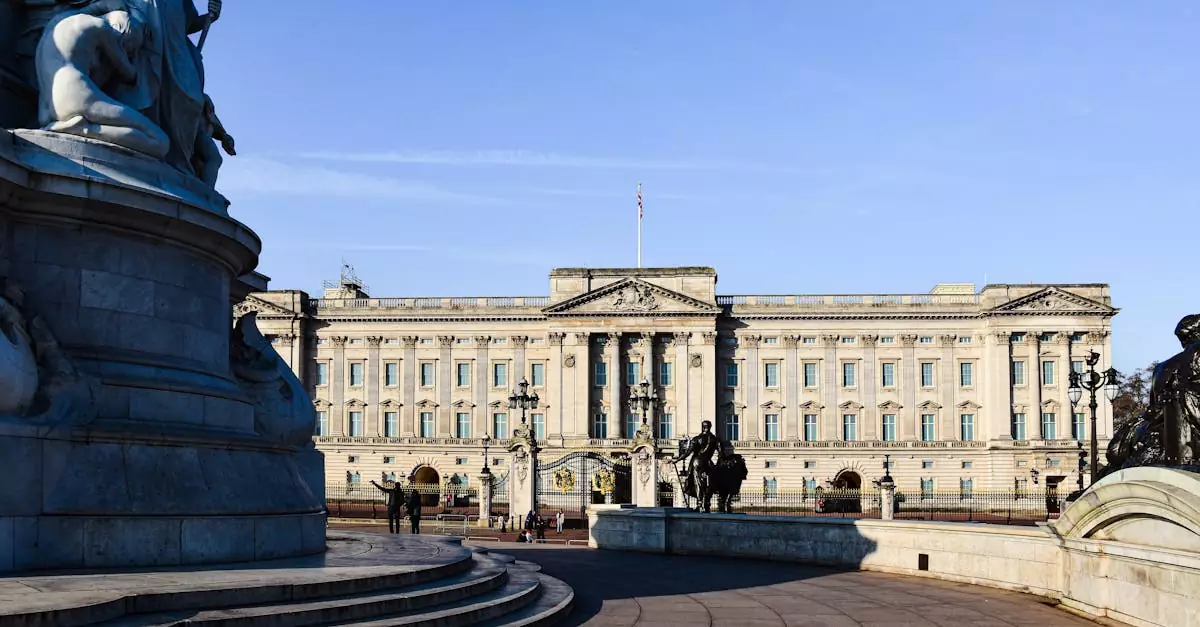
No exploration of London’s royal attractions is complete without witnessing the iconic Changing of the Guard ceremony at Buckingham Palace. This centuries-old tradition offers a glimpse into the precision and pageantry of the British Army, marking the transfer of responsibility for guarding the monarch’s official residence.
Understanding the Ceremony Schedule for the Changing of the Guard
The schedule for the Changing of the Guard can vary, so checking in advance is crucial. Typically, the ceremony takes place daily during the summer months and on alternate days during the rest of the year. While the exact timings shift, it usually commences around 10:45 AM, with the guard change happening at 11:00 AM. Factors like royal events or public holidays can lead to cancellations, so always consult the official Household Division website for the latest information. Arriving at least an hour before the start time is advisable to secure a good vantage point, especially during peak tourist seasons.
Best Viewing Spots for the Iconic Buckingham Palace Ceremony
Securing a prime viewing spot is key to fully appreciating the Changing of the Guard. The railings directly in front of Buckingham Palace offer a close-up view of the New Guard marching in and the Old Guard marching out, but these spots fill up quickly. For a less crowded yet excellent perspective, consider the Victoria Memorial in front of the palace. You can also line up along The Mall, the grand avenue leading to the palace, to see the guards march past. Another popular option is the corner of The Mall and Horse Guards Road, where you can often see the guards approach the palace.
Experiencing Buckingham Palace Beyond the Guard Change
While the Changing of the Guard is a major draw, Buckingham Palace itself is a significant royal landmark. During the summer months, the State Rooms open to the public, offering a unique opportunity to step inside the official London residence of the monarch. These tours allow visitors to see the lavishly decorated rooms used for state occasions and official entertaining, including the Throne Room and the Ball Supper Room. The palace also houses the Royal Mews, where you can view historic royal coaches and carriages, including the magnificent Gold State Coach used for coronations. Visiting these areas provides a deeper understanding of the palace’s role in royal life and history.
Explore the Tower of London: Crown Jewels and Historic Tales
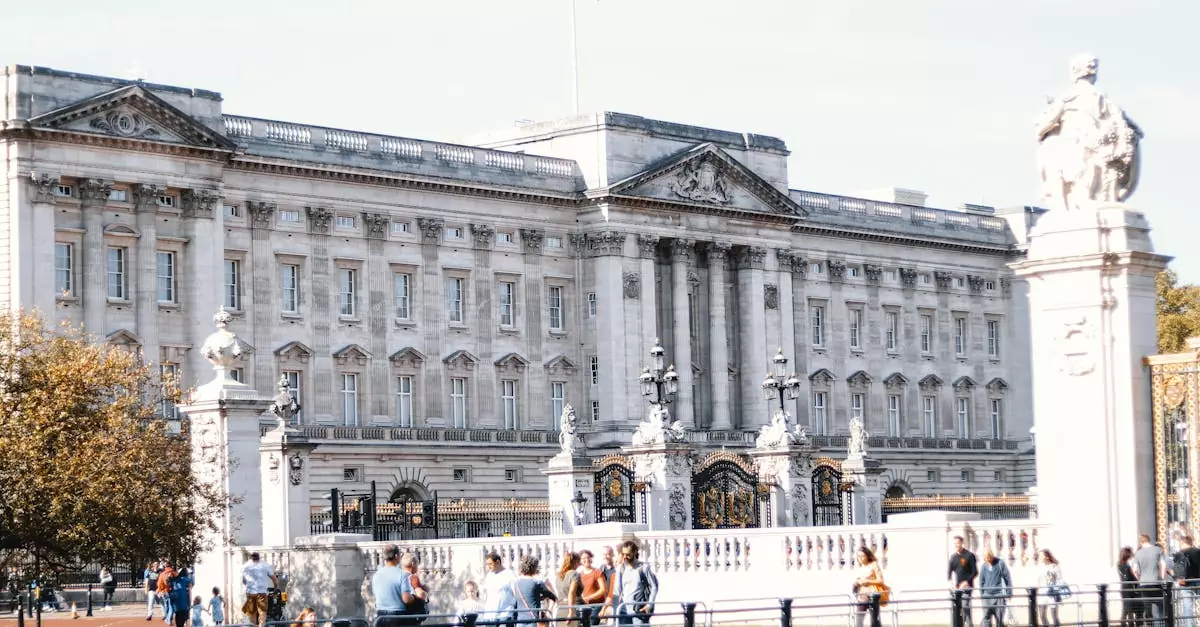
The Tower of London stands as a formidable testament to centuries of British history, offering a deep dive into the nation’s royal past. This historic castle, officially Her Majesty’s Royal Palace and Fortress of the Tower of London, has served as a royal residence, a prison, and a treasury. Planning your visit to this iconic landmark is essential to fully appreciate its vast offerings, from the dazzling Crown Jewels to the chilling tales of its former inmates.
Marveling at the Crown Jewels: A Glimpse of Royal Regalia
The most glittering attraction within the Tower is undoubtedly the Crown Jewels. Housed securely in the Jewel House, this breathtaking collection includes the regalia used in royal ceremonies and coronations. Visitors can view iconic pieces such as St Edward’s Crown, used for crowning monarchs, and the Imperial State Crown, worn by the sovereign on state occasions. The brilliance and historical significance of these artifacts are awe-inspiring, offering a tangible connection to the monarchy’s enduring legacy.
To make the most of your visit, arrive early, as the Jewel House can become crowded. The exhibition is designed for a steady flow of visitors, but patience may be required. Photography is not permitted inside the Jewel House, so be sure to absorb the spectacle with your own eyes. Accompanying displays provide context on the history and craftsmanship of these priceless royal treasures.
Discovering the White Tower and its Royal Armouries
The White Tower, the oldest part of the fortress, was commissioned by William the Conqueror in the 1070s. Its robust stone structure has witnessed countless historical events. Inside, the Royal Armouries collection showcases an impressive array of arms and armor, including suits belonging to kings like Henry VIII. The chapel of St John the Evangelist, a beautiful example of Norman architecture, is also located within the White Tower.
Wandering through the White Tower offers a unique perspective on medieval defensive architecture and the evolution of military technology. The displays are informative, detailing the lives of knights and the significance of various weaponry. Allow at least an hour to explore this central keep thoroughly.
Walking the Medieval Walls of the Tower of London
The Tower’s formidable curtain walls and battlements offer a fantastic vantage point over the River Thames and the surrounding cityscape. Walking along these historic ramparts allows you to imagine the castle’s defensive past and the sentries who once patrolled its perimeter. Sections of the wall walk provide a sense of scale and the strategic importance of the fortress.
Keep an eye out for the famous Yeoman Warders, also known as Beefeaters, who guard the Tower and offer guided tours. Their insights into the Tower’s history and lore are invaluable. The ravens, a protected species believed to safeguard the Crown, are another fascinating sight you’re likely to encounter on the grounds. The Tower of London is easily accessible via public transport, with the Tower Hill Underground station being the closest option.
Stroll Through Kensington Palace: Royal Residences and Gardens
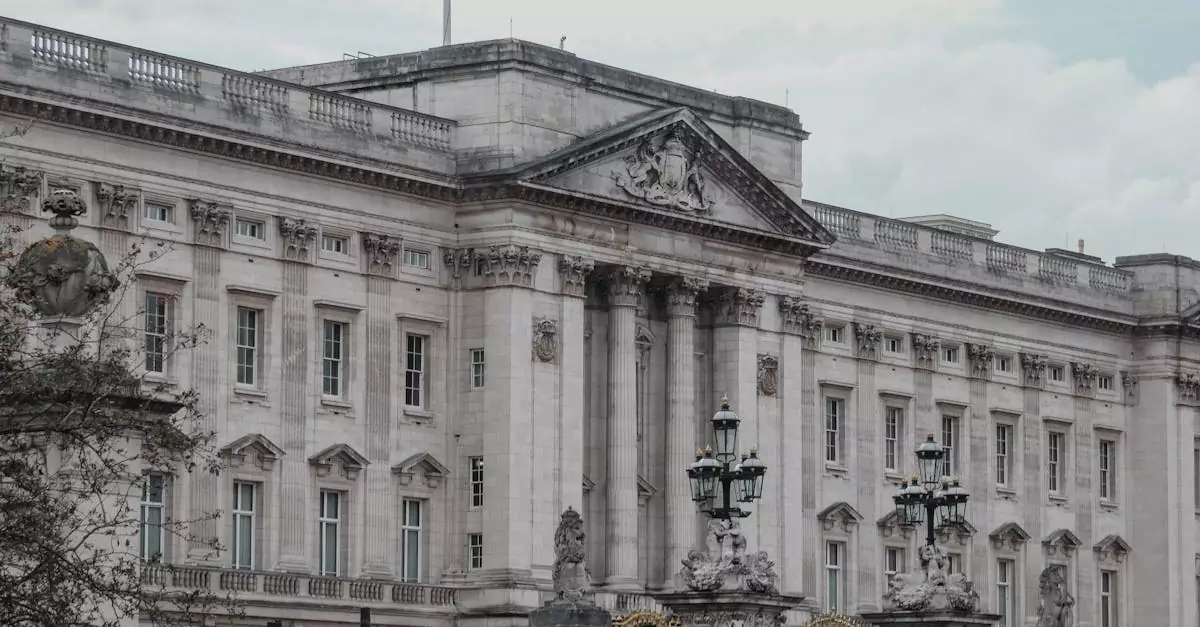
Kensington Palace, a historic royal residence, offers a compelling glimpse into the lives of British monarchs and their families. Originally a Jacobean mansion, it was transformed into a royal palace in the 17th century and has been home to various royals, including Queen Victoria and, more recently, the Prince and Princess of Wales. Visiting Kensington Palace is a must for anyone interested in the best royal attractions in London, blending opulent interiors with serene garden landscapes.
Exploring the State Apartments of Kensington Palace
The State Apartments within Kensington Palace provide a fascinating journey through centuries of royal history. Visitors can walk through rooms that have witnessed significant events and hosted countless dignitaries. The King’s Gallery showcases a magnificent collection of paintings and intricate plasterwork, offering a sense of the grandeur experienced by past inhabitants.
You can also explore the Queen’s Apartments, which were once home to Queen Mary II and later Queen Caroline. These rooms often feature rotating exhibitions that delve into specific aspects of royal life and history, making each visit potentially unique. Planning your visit to coincide with a special exhibition can enhance the experience.
Discovering the Sunken Garden and Kensington Gardens
Beyond the palace walls, Kensington Gardens unfolds as a beautiful expanse of green space, perfect for a leisurely afternoon. The Sunken Garden, a highlight of the grounds, is a meticulously maintained formal garden that changes with the seasons. Its vibrant floral displays and tranquil atmosphere offer a peaceful retreat from the city’s hustle.
Kensington Gardens is vast, bordering Hyde Park. It features numerous attractions, including the Albert Memorial and the Diana Memorial Playground. A walk through these gardens offers not only scenic beauty but also a connection to the royal family’s private and public spaces. Consider dedicating at least half a day to fully appreciate the palace and its surrounding gardens.
Royal Exhibitions and Stories within Kensington Palace
Kensington Palace frequently hosts exhibitions that bring royal history to life. These displays often focus on the fashion, personal lives, and significant achievements of past and present royals who have resided there. For example, exhibitions have previously showcased the iconic fashion of Princess Diana or the early life of Queen Victoria.
The palace’s narrative is rich, touching upon the reigns of monarchs and the evolution of the monarchy. Interactive displays and informative guides help bring these stories to a wider audience, making history accessible and engaging. Checking the official Kensington Palace website for current and upcoming exhibitions is advisable before your visit to tailor your itinerary.
Transportation to Kensington Palace is straightforward. The nearest London Underground stations are High Street Kensington (Circle and District lines) and Queensway (Central line), both within a short walk. Numerous bus routes also serve the area. For those arriving by car, parking is limited and can be expensive; utilizing public transport is generally recommended.
What Are the Most Accessible Royal Attractions in London?
Planning a visit to London’s royal landmarks requires understanding how to navigate the city efficiently, especially for those prioritizing ease of access. Many of the most iconic sites are well-connected by public transport, and several have made significant strides in improving accessibility for all visitors. Focusing on the “best royal attractions London” offers means considering not just the historical significance but also the practicalities of reaching and experiencing them.
Navigating London’s Royal Sites via the Tube
London’s Underground, affectionately known as the Tube, is the backbone of its public transportation system and a primary way to reach many royal attractions. While not all stations are step-free, a growing number are, making it increasingly feasible to use the Tube for accessible travel. Key stations serving royal areas like Westminster, Green Park, and Tower Hill often have lifts or ramps, though it’s always wise to check the Transport for London (TfL) accessibility guide before your journey. Planning your route in advance can save time and reduce stress, allowing for a smoother experience as you move between different historic sites.
Accessible Routes to Buckingham Palace and St. James’s Park
Buckingham Palace, the official residence of the monarch, is a must-see for many visitors. The nearest Tube stations are Green Park, St. James’s Park, and Victoria, all of which offer varying levels of accessibility. Green Park and Victoria stations are generally considered more accessible, with lifts available. From these stations, St. James’s Park offers a beautiful, flat route to the palace gates. The park itself is largely accessible, with paved pathways providing pleasant strolls and excellent vantage points for the Changing of the Guard ceremony. Consider arriving early to secure a good viewing spot, as crowds can gather quickly.
Inclusive Experiences at the Tower of London
The historic Tower of London, a former royal palace and infamous prison, presents a rich tapestry of British history. While its ancient architecture poses some challenges, the Tower has implemented measures to enhance accessibility. Many main attractions, including the Crown Jewels, are accessible, and there are designated routes and lifts to help visitors navigate the site. Audio guides and detailed maps are available, highlighting accessible paths and facilities. The Yeoman Warder tours, while popular, can involve standing for extended periods; visitors with mobility concerns may wish to arrange alternative viewing options or focus on the areas that are more easily traversed.
Beyond the Palaces: Lesser-Known Royal London Gems
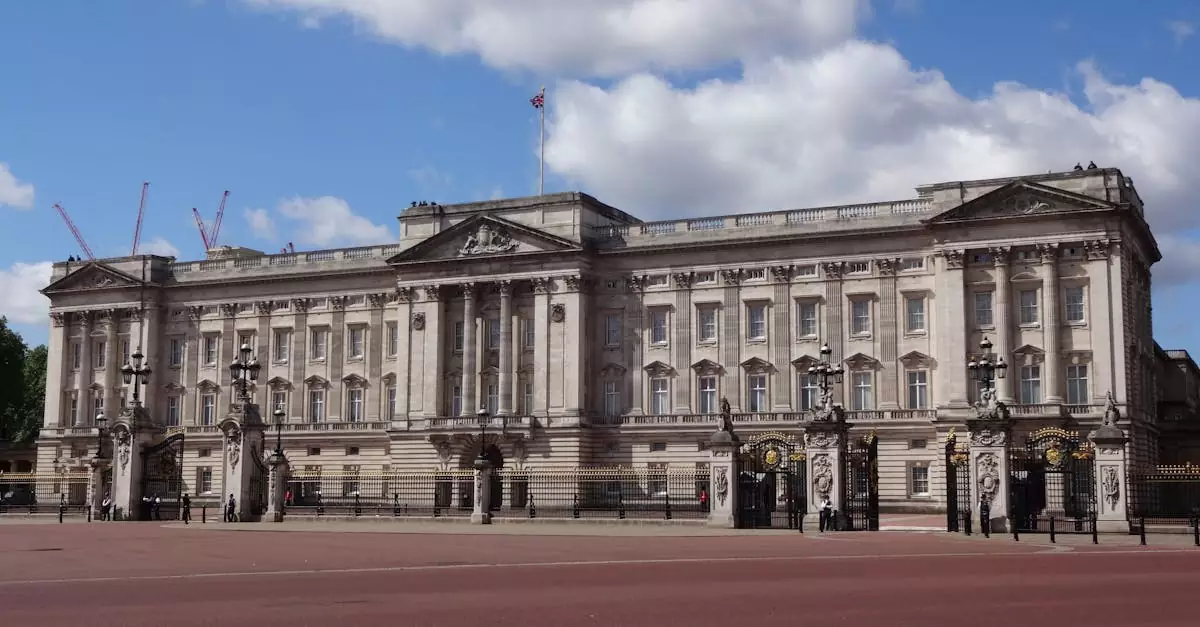
While Buckingham Palace and Kensington Palace often steal the spotlight, London’s royal narrative extends far beyond these iconic residences. Delving into lesser-known attractions offers a richer understanding of the monarchy’s history, traditions, and daily workings. These sites provide unique perspectives, from the majestic carriages that grace royal processions to the serene parks that have served as royal retreats for centuries.
Discovering the Royal Mews: Horsepower Behind the Crown
For a glimpse into the logistical and ceremonial side of royalty, the Royal Mews is an essential stop. This is where the magnificent horses and stunning carriages used for state occasions and royal transport are housed and maintained. Visitors can marvel at the Gold State Coach, used for coronations since 1762, and the Australian State Coach, a more modern vehicle with air conditioning.
The Mews also provides insight into the skilled craftspeople who care for these historic vehicles and the horses. It’s a fascinating look at the heritage of royal transport, often overlooked by those focused solely on palaces. Plan to spend about an hour here to fully appreciate the exhibits and the sheer scale of the operation.
Exploring Westminster Abbey: Coronation Church and Royal Tombs
Westminster Abbey stands as a cornerstone of British royal history, having hosted every coronation since 1066. Its soaring Gothic architecture is breathtaking, but its significance runs deeper, serving as the final resting place for numerous monarchs, queens, and notable figures from British history. Walking through the Nave, you’re treading the same stones as kings and queens for nearly a millennium.
Key areas to visit include the Coronation Chair, Poets’ Corner, and the Royal Tombs. The weight of history within these walls is palpable, making it a profoundly moving experience. Booking tickets in advance is highly recommended, especially during peak tourist seasons, to avoid long queues. Consider an audio guide to fully grasp the historical context of the various monuments and chapels.
A Walk Through St. James’s Park: A Royal Oasis
St. James’s Park offers a tranquil escape and a direct connection to royal leisure. It’s the oldest of the Royal Parks of London and has been a favored spot for monarchs to relax and observe wildlife for centuries. The park’s picturesque lake, home to resident pelicans (a gift from a Russian ambassador in the 17th century), provides a stunning backdrop.
The park offers fantastic views of Buckingham Palace, making it a perfect place to position yourself for the Changing of the Guard ceremony, though arriving early is crucial for a good vantage point. It’s also a lovely place for a leisurely stroll, a picnic, or simply to soak in the atmosphere of a space that has been a royal playground for generations. The pathways are well-maintained and accessible, making it an enjoyable experience for most visitors.
Planning Your Royal London Adventure: FAQs
What is the best time of year to visit London’s royal attractions?
The best time to visit London’s royal attractions often depends on your preference for weather and crowd levels. Spring (April to May) and autumn (September to October) offer pleasant temperatures and fewer crowds, making for a more comfortable experience. Summer (June to August) is popular due to school holidays, meaning higher visitor numbers and prices, but also a vibrant atmosphere. Winter (November to March) can be cold, but the festive season brings a special charm, and you’ll encounter the smallest crowds.
Consider these seasonal factors when planning your trip:
| Season | Weather | Crowds | Prices | Notes |
|---|---|---|---|---|
| Spring | Mild, variable | Moderate | Moderate | Blooming gardens, fewer queues |
| Summer | Warm to hot | High | High | Longest daylight hours, events |
| Autumn | Cool, crisp | Moderate | Moderate | Beautiful foliage, harvest festivals |
| Winter | Cold, damp | Low | Low | Festive decorations, cozy pubs |
How much does it cost to visit London’s royal sites?
The cost of visiting London’s royal sites varies significantly. Many attractions, like Buckingham Palace State Rooms (seasonal opening) and the Tower of London, have admission fees ranging from £25 to £35 per adult. However, some royal parks, such as Hyde Park and Kensington Gardens, are free to enter and offer a glimpse of royal history through their landscapes and palaces from the outside.
Consider purchasing a London Pass or similar city passes if you plan to visit multiple paid attractions. These can offer considerable savings and often include fast-track entry. Factor in additional costs for transportation, food, and any souvenirs you might wish to purchase. For a budget breakdown, expect to spend between £70-£150 per person per day, depending on your chosen attractions and dining habits.
Are there any royal-themed tours in London?
Yes, London offers a variety of royal-themed tours catering to different interests and budgets. Guided walking tours often focus on royal residences like Buckingham Palace, Kensington Palace, and Westminster Abbey, sharing historical anecdotes and insights into royal life. Some tours are specifically designed around the Changing of the Guard ceremony, providing prime viewing spots and context.
For a more comprehensive experience, consider hop-on hop-off bus tours that include stops at key royal landmarks. Private tours are also available for a more personalized journey. Many of these tours depart from central London locations, making them easily accessible. Booking in advance is highly recommended, especially during peak season, to secure your spot on popular royal tours.