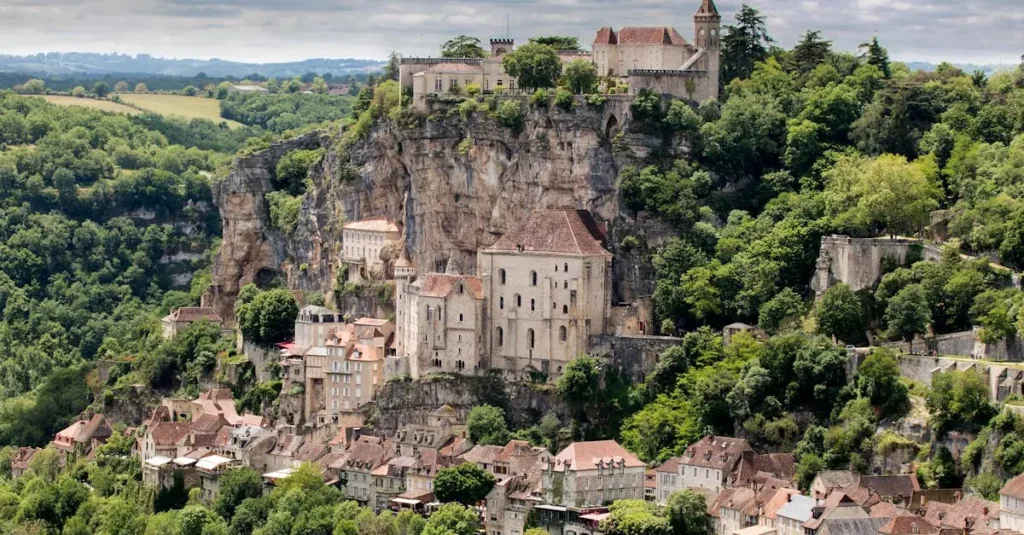
Step back in time and discover the enduring charm of Europe’s most captivating settlements. Beyond the well-trodden paths of major cities lie pockets of history where cobblestone streets, ancient architecture, and a slower pace of life transport you to another era. If you’re seeking an authentic travel experience that connects you with centuries of culture and tradition, exploring these destinations is essential.
This guide will lead you through some of Europe’s finest historic villages, from the fairytale towns of France’s Alsace region and the dramatic hilltop fortresses of Italy to the perfectly preserved medieval wonders of Germany. You’ll learn about their unique histories, discover what makes them special, and find practical tips for planning your unforgettable journey through time. Prepare to be enchanted by the timeless beauty and rich heritage waiting to be explored.
Why Seek Out Europe’s Best Historic Villages?
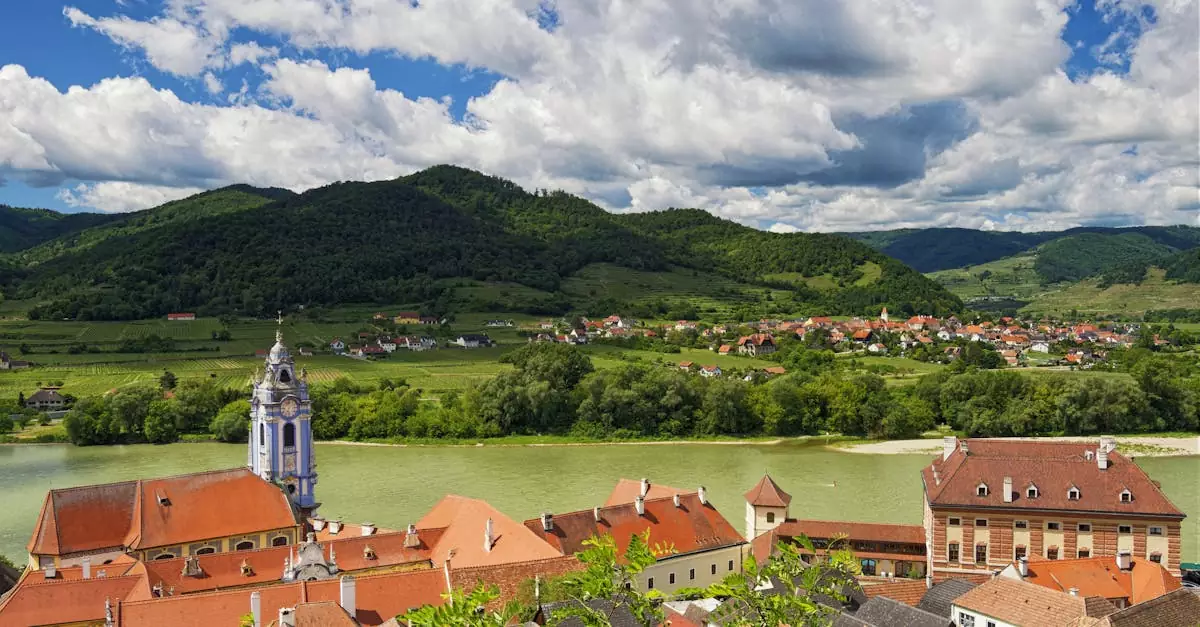
The Allure of Untouched European Heritage
Europe’s historic villages offer a captivating glimpse into centuries past, starkly contrasting with bustling metropolises. These small communities often retain their original architecture, cobblestone streets, and a pace of life that feels wonderfully anachronistic. Visiting them provides an opportunity to connect with the continent’s deep cultural roots and appreciate its enduring legacy. For travelers seeking authenticity, these destinations deliver an unparalleled experience of traditional European life.
Escaping the Crowds: Authentic Village Experiences
While major European cities draw millions of visitors, many historic villages remain relatively undiscovered, offering a more intimate and genuine travel encounter. This lack of mass tourism allows for unhurried exploration and meaningful interactions with local culture. You can wander through quiet lanes, savor regional cuisine in family-run tavernas, and experience daily life without the constant rush. It’s an invitation to slow down and savor the essence of a place.
Uncovering Architectural Gems in Medieval European Towns
The architectural splendor found in Europe’s historic villages is often breathtaking. From well-preserved medieval fortifications and Romanesque churches to charming half-timbered houses, these settlements are living museums. Each village tells a unique story through its buildings, showcasing regional styles and historical development. For those interested in history and architecture, discovering these gems provides a rich and rewarding journey through time. Exploring these towns often involves navigating narrow, winding streets, so comfortable footwear is essential.
Top Historic Villages in France for a Charming Getaway
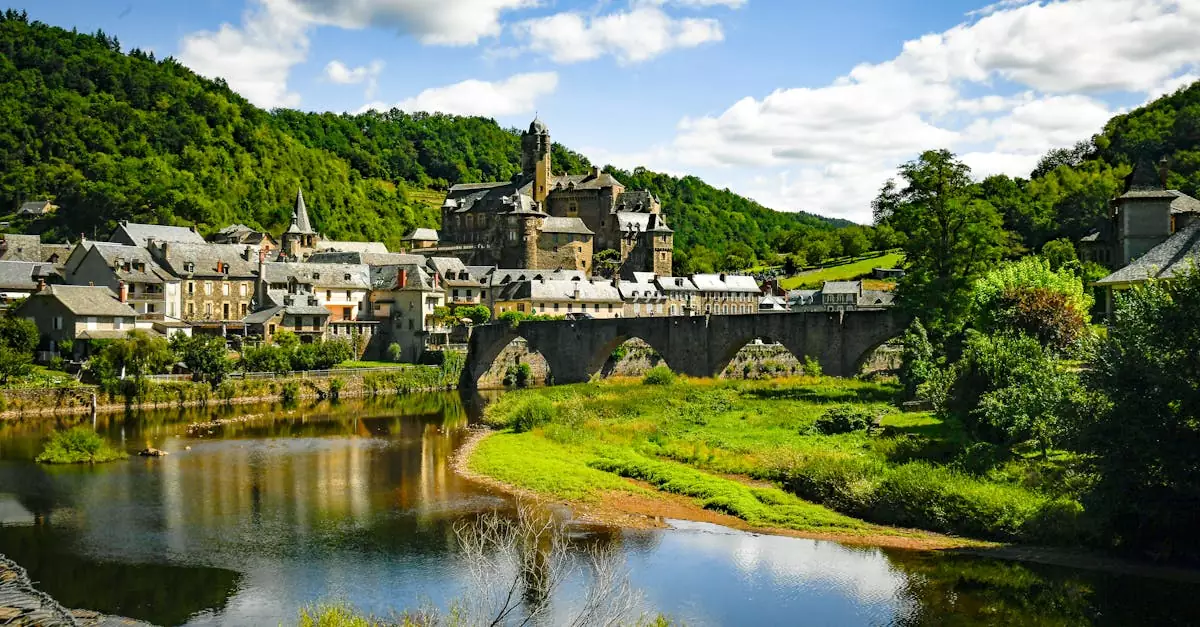
France boasts an incredible array of historic villages, each offering a unique glimpse into the country’s rich past. From the vine-covered slopes of Alsace to the rugged landscapes of the southwest, these destinations provide an escape into a more tranquil era. Planning a visit to these charming locales involves considering regional specialties, transportation, and the best times to experience their timeless beauty.
Exploring the Alsace Wine Route’s Fairytale Villages
The Alsace Wine Route, stretching from Marlenheim to Thann, is renowned for its picturesque villages that seem to emerge from a storybook. Towns like Eguisheim, Riquewihr, and Kaysersberg charm visitors with their colorful half-timbered houses, flower-laden balconies, and cobblestone streets. These villages are not just visually stunning; they are vibrant centers of Alsatian culture and winemaking.
Traveling along the route is best done by car, allowing flexibility to stop at various vineyards and villages. The Alsace Wine Route is particularly beautiful in spring when flowers bloom and in autumn when vineyards turn golden. Consider staying in one of the many charming guesthouses or small hotels within the villages for an immersive experience. Wine tasting is a must, featuring local specialties like Riesling, Gewürztraminer, and Pinot Gris.
Discovering Medieval Bastides in Southwestern France
Southwestern France is home to unique fortified villages known as bastides. Founded in the 13th and 14th centuries, these planned towns often feature a central market square, a grid-like street layout, and arcaded walkways. Villages such as Monpazier, Domme, and Cordes-sur-Ciel offer fascinating insights into medieval urban planning and architecture.
Visiting these bastides provides a chance to step back in time. Monpazier, in the Dordogne, is exceptionally well-preserved, showcasing its original market hall and numerous historic buildings. Cordes-sur-Ciel, perched dramatically on a hilltop in Tarn, offers breathtaking views and a maze of narrow streets to wander. Transportation in this region is easiest by car, as many bastides are in rural areas. The summer months are popular but can be crowded; late spring and early autumn offer pleasant weather and fewer tourists.
The Picturesque Villages of the Dordogne Valley
The Dordogne Valley in southwestern France is dotted with some of the country’s most beautiful villages, many recognized as “Les Plus Beaux Villages de France” (The Most Beautiful Villages of France). Beynac-et-Cazenac, with its imposing castle overlooking the Dordogne River, and La Roque-Gageac, built into a cliff face, exemplify stunning medieval architecture and spectacular natural scenery.
Exploring the Dordogne requires ample time, as numerous villages and attractions, including prehistoric caves and châteaux, await discovery. A car is highly recommended for navigating the region and reaching more remote spots. Boat trips on the Dordogne River offer a unique perspective of villages like Beynac and La Roque-Gageac. The best times to visit are late spring and early autumn for milder weather and fewer crowds than peak summer. Accommodation options range from rustic farmhouses to charming boutique hotels.
Italy’s Most Enchanting Historic Hamlets
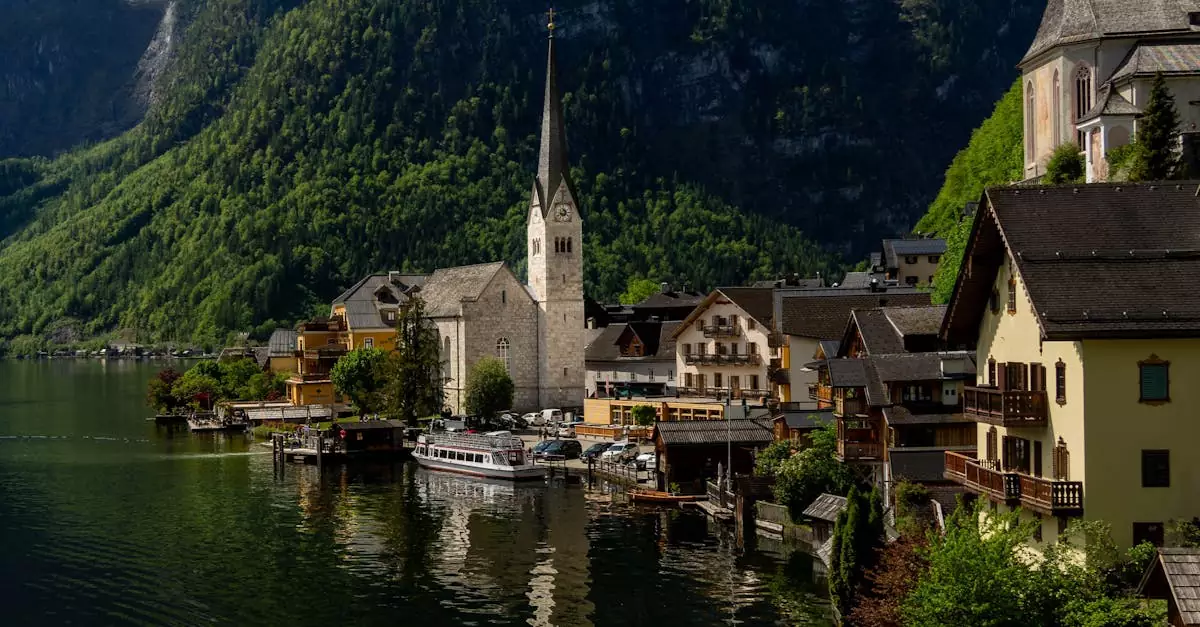
Italy offers an unparalleled journey through time with its remarkably preserved historic villages. From rolling Tuscan hills to rugged Ligurian coastlines and Umbrian spiritual centers, these communities provide a tangible connection to centuries past. Exploring these charming hamlets is a highlight for many visitors seeking the authentic heart of Europe.
The Hilltop Towns of Tuscany: Siena Province
The province of Siena in Tuscany is a treasure trove of medieval hilltop towns, each offering breathtaking views and a palpable sense of history. Towns like San Gimignano, famous for its surviving medieval towers, and Monteriggioni, a perfectly preserved walled fortress, transport visitors back to a bygone era. These settlements are often best navigated by car, allowing for flexible day trips between them.
Consider visiting during the shoulder seasons, April-May or September-October, for pleasant weather and fewer crowds. Accommodation ranges from charming agriturismos (farm stays) to boutique hotels within historic town walls. Be prepared for steep inclines and cobblestone streets, making comfortable walking shoes essential. Siena itself, a UNESCO World Heritage site, serves as an excellent base for exploring these smaller villages.
Exploring the Cinque Terre’s Coastal Villages
The Cinque Terre, a string of five colorful fishing villages clinging to the rugged Italian Riviera coastline, presents a different kind of historic charm. Monterosso al Mare, Vernazza, Corniglia, Manarola, and Riomaggiore are connected by scenic hiking trails, a local train line, and ferry services. This car-free environment enhances their preserved, almost timeless atmosphere.
Reaching the Cinque Terre is typically done via train from cities like Genoa or La Spezia. Once there, the Cinque Terre Card offers unlimited train travel between the villages and access to the hiking paths. While beautiful year-round, summer can be very crowded, and spring and autumn offer a more relaxed experience with favorable hiking weather. Accommodation is limited and books up quickly, so advance planning is highly recommended.
Medieval Villages in Umbria: Assisi’s Surroundings
Umbria, known as the “green heart of Italy,” boasts an abundance of medieval villages that rival those in Tuscany. While Assisi, the birthplace of Saint Francis, is a major pilgrimage site, its surrounding areas are dotted with equally captivating hamlets. Spello, with its Roman gates and flower-filled alleyways, and Gubbio, a remarkably preserved medieval town at the foot of Mount Ingino, offer rich historical experiences.
These Umbrian villages are best explored with a rental car, providing the freedom to discover hidden gems off the main tourist routes. The local cuisine, featuring truffles and olive oil, is a significant draw. Consider staying in a historic palazzo or a countryside villa for an immersive experience. The region’s gentle hills and slower pace of life make it a wonderful destination for a relaxed immersion into Italy’s past.
Hidden Historic Gems in Germany and Austria
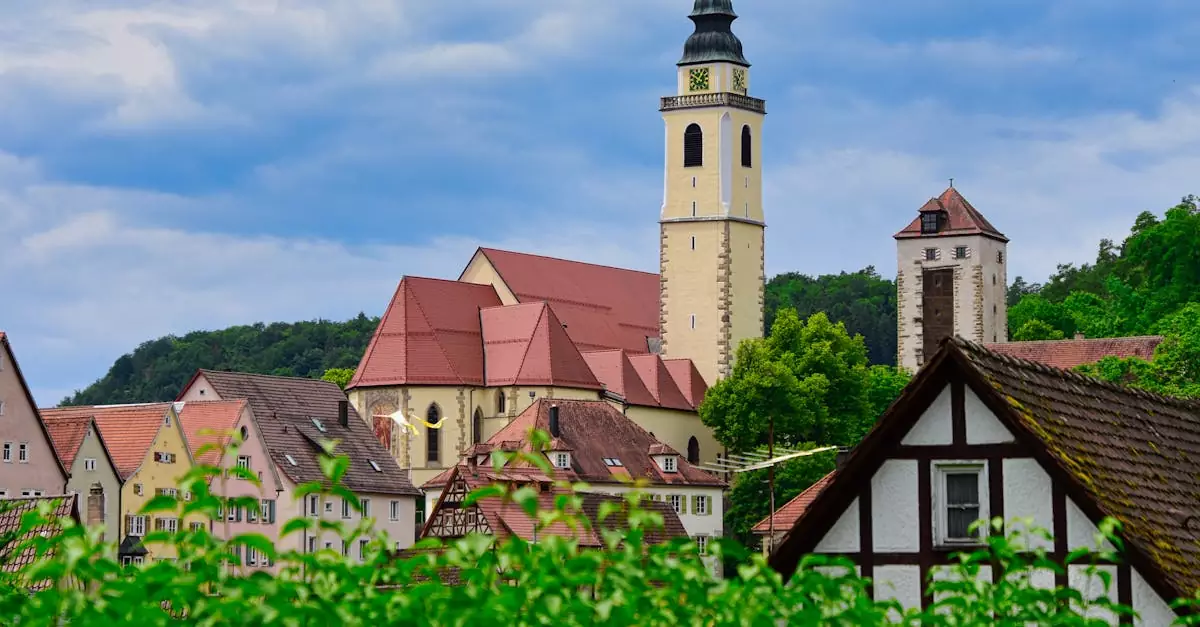
Germany and Austria offer a wealth of beautifully preserved historic villages, each with its unique charm and story. These destinations provide a tangible connection to the past, allowing travelers to experience the architecture, culture, and atmosphere of bygone eras. Exploring these smaller towns often reveals a more intimate and authentic side of European travel compared to bustling metropolises.
Rothenburg ob der Tauber: A Perfectly Preserved Medieval Town
Rothenburg ob der Tauber, located along Germany’s famed Romantic Road, stands as a remarkable example of a fully intact medieval walled town. Its cobblestone streets, half-timbered houses, and defensive ramparts transport visitors straight into a fairytale. The town’s preservation is so thorough that it feels less like a tourist attraction and more like a living museum.
Walking the town walls offers panoramic views of the red rooftops and surrounding Franconian countryside. The Plönlein, a picturesque fork in the road with a yellow tower and a half-timbered house, is one of the most photographed spots. Evenings in Rothenburg are particularly magical, with the Night Watchman’s tour offering historical insights and a unique perspective on the town’s nocturnal past.
Visitor Tips for Rothenburg ob der Tauber:
- Best Time to Visit: Spring (April-May) and Autumn (September-October) offer pleasant weather and fewer crowds than the peak summer months.
- Getting There: The nearest major train station is in Würzburg or Ansbach, with regional connections to Rothenburg. Driving is also convenient, though parking within the old town is restricted.
- Accommodation: Options range from historic guesthouses within the walls to modern hotels just outside. Booking in advance is highly recommended, especially during peak season.
Exploring the Romantic Road’s Historic Villages
The Romantic Road is a themed tourist route in Bavaria, Germany, stretching from Würzburg to Füssen. While Rothenburg ob der Tauber is a highlight, the entire route is dotted with enchanting historic villages that deserve attention. These towns often share similar architectural styles and a deep connection to regional history, offering a diverse yet cohesive journey through Germany’s past.
Other notable villages along the route include Dinkelsbühl, known for its well-preserved medieval fortifications, and Nördlingen, a town built within a meteorite crater. Each village provides a distinct atmosphere, from vibrant market squares to quiet residential lanes. Travelers can experience local crafts, traditional cuisine, and a slower pace of life.
Romantic Road Highlights:
| Village | Key Features | Vibe |
|---|---|---|
| Rothenburg | Medieval walls, Plönlein, Night Watchman tour | Fairytale, well-preserved |
| Dinkelsbühl | Complete medieval ring wall, colorful houses | Authentic, less crowded |
| Nördlingen | Town within a crater, St. Georg’s Church tower | Unique geology, historic |
| Harburg | Impressive castle, picturesque setting | Castle-focused, scenic |
Salzburg’s Charming Countryside Villages
Beyond the musical city of Salzburg, Austria’s surrounding countryside is home to picturesque villages that offer a tranquil escape. These communities often retain their traditional Alpine charm, with onion-domed churches, flower-adorned chalets, and a strong sense of local culture. They provide a glimpse into Austrian rural life, far from the tourist throngs.
Villages like St. Gilgen and St. Wolfgang, situated on the shores of Wolfgangsee (Lake Wolfgang), are particularly appealing. St. Gilgen, associated with Mozart’s mother, boasts a charming promenade and ferry connections across the lake. St. Wolfgang is famous for its pilgrimage church and the Schafbergbahn cogwheel railway, offering breathtaking views. Hallstatt, though more famous and thus busier, is another visually stunning lakeside village with a rich history in salt mining.
These Austrian villages are easily accessible from Salzburg, making them ideal for day trips or as a base for exploring the Salzkammergut region. The combination of natural beauty and historical architecture makes this area a standout for those seeking the best historic villages in Europe.
Planning Your Village Hopping Adventure: Essential Tips
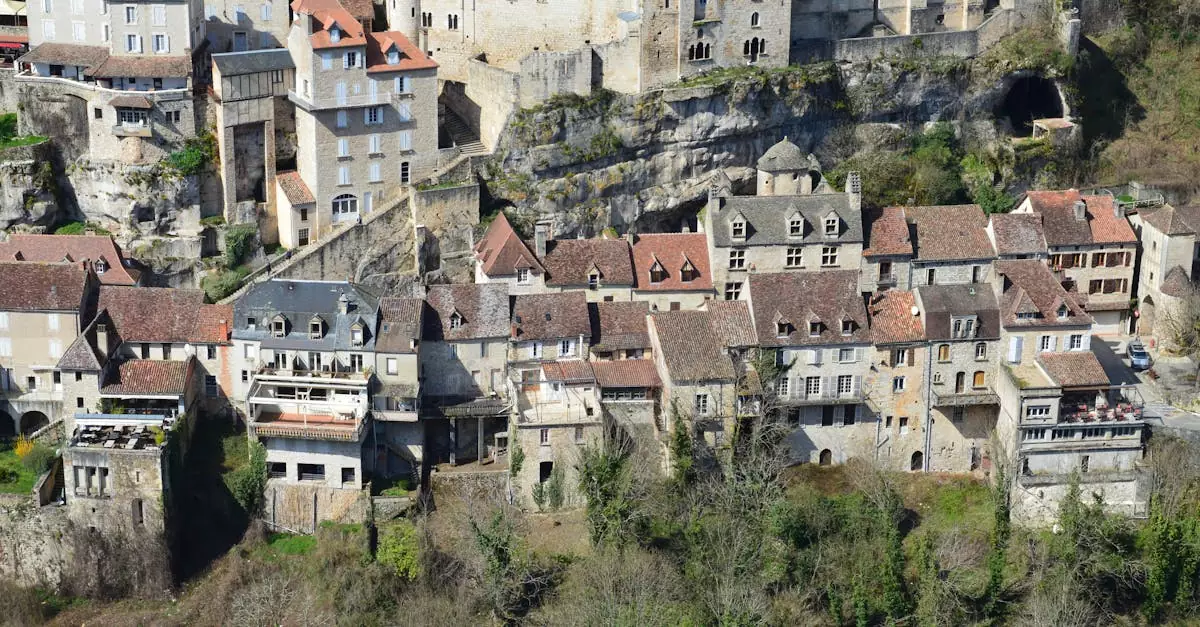
Embarking on a journey through Europe’s best historic villages offers a unique window into the continent’s past. To make the most of your trip, thoughtful planning is key. This section provides practical advice to ensure your village hopping adventure is seamless and memorable.
Best Time to Visit Europe’s Historic Villages for Ideal Weather
The ideal time to experience Europe’s charming historic villages largely depends on your tolerance for crowds and your preferred weather. Spring (April to June) and autumn (September to October) generally offer the most pleasant conditions. During these shoulder seasons, temperatures are mild, making walking and outdoor exploration comfortable. You’ll also find fewer tourists compared to the peak summer months, allowing for a more intimate experience with these ancient locales.
Summer (July to August) brings warm to hot weather across much of Europe, which can be lovely for al fresco dining and long evenings. However, it’s also the busiest period, with higher prices for accommodations and more crowded attractions. For those who don’t mind cooler temperatures and the possibility of rain, winter (November to March) can offer a magical, quiet atmosphere, especially around the holidays. Many villages are beautifully decorated, and you might find significant savings on travel and lodging.
| Season | Pros | Cons | Best For |
|---|---|---|---|
| Spring | Mild weather, blooming nature, fewer crowds | Unpredictable rain, shorter daylight | Sightseeing, outdoor activities |
| Summer | Warmest weather, long daylight, lively towns | Peak crowds, highest prices, heatwaves | Beach access, festivals, full daylight |
| Autumn | Crisp air, fall foliage, harvest festivals | Shorter daylight, cooler evenings | Scenery, wine regions, comfortable walks |
| Winter | Minimal crowds, festive atmosphere, lower prices | Cold weather, limited daylight, some closures | Cozy experiences, holiday markets, budget travel |
Navigating Between Villages: Transportation Options
Moving between historic villages across Europe requires a strategic approach to transportation. The most common and often most convenient method is by train. Europe boasts an extensive and efficient rail network, connecting major cities and many smaller towns. Companies like Deutsche Bahn in Germany or SNCF in France offer reliable services. For rural areas or when train routes are less direct, renting a car provides the most flexibility, allowing you to stop at scenic viewpoints or discover hidden hamlets off the beaten path.
Public buses are another option, particularly useful for reaching villages not serviced by trains. While generally more budget-friendly, bus journeys can be slower and less frequent. For short distances or within regions, consider ride-sharing services or local taxis, though these can become costly for longer hauls. Understanding the local public transport within each country is crucial for efficient travel planning.
Here’s a quick look at common transportation methods for inter-village travel:
- Trains: Excellent coverage, comfortable, often scenic routes.
- Rental Cars: Maximum flexibility, ideal for rural exploration.
- Buses: Budget-friendly, good for areas without train access.
- Ferries: Essential for island villages or coastal routes.
Crafting Your Perfect Historic Village Itinerary
When designing your itinerary for Europe’s best historic villages, balance popular destinations with lesser-known gems. A common mistake is trying to cram too many locations into a short period. Instead, focus on a specific region or country to minimize travel time and maximize immersion. For instance, you might dedicate a week to exploring the medieval villages of the Loire Valley in France or the picturesque towns of the Cotswolds in England.
Consider the pace of your travel. Some villages are best enjoyed with a leisurely stroll through their cobblestone streets, while others offer specific historical sites or museums that require dedicated time. Grouping villages geographically can save considerable travel time and expense. For example, if visiting Italy, focus on Tuscan hill towns like Siena and San Gimignano before moving to another region. Researching local festivals or markets can also add a unique cultural dimension to your visit. Always factor in time for spontaneous discoveries—often, the most memorable moments happen when you wander off the planned path.
Frequently Asked Questions About Historic European Villages
What makes a village ‘historic’ in Europe?
A village is generally considered historic if it possesses significant architectural, cultural, or historical heritage dating back at least 100 years. This often includes well-preserved medieval structures, ancient churches, traditional building styles, or a history tied to significant events. Many of these charming settlements are recognized by local or national heritage organizations, ensuring their preservation for future generations. Exploring these best historic villages in Europe offers a tangible connection to the continent’s rich past.
Are these villages accessible for travelers with mobility issues?
Accessibility can vary greatly. While some villages, particularly those with cobblestone streets and uneven terrain, may present challenges, others have made significant efforts to improve access. Newer developments or designated tourist routes within older villages are often more accommodating. It’s advisable to research specific villages beforehand or contact local tourism offices for the most up-to-date information on accessibility. Consider villages that have implemented modern infrastructure alongside their historical charm for a smoother experience.
What are some typical local foods to try in these villages?
Local cuisine is a highlight of any visit to historic European villages. Expect hearty, regional specialties often based on fresh, seasonal ingredients. In France, look for dishes like Coq au Vin or Tarte Tatin in Burgundy, or regional cheeses and charcuterie. Italian villages might offer handmade pasta, local olive oil, and cured meats. Many Central European villages feature comforting stews, dumplings, and freshly baked breads. Always ask for local recommendations; small, family-run trattorias and taverns are often the best places to sample authentic flavors.
What should I pack for a trip focused on historic European villages?
Packing for a trip focused on historic villages requires a blend of comfort and practicality. Comfortable walking shoes are essential, as you’ll likely be navigating cobblestone streets and uneven paths. Layers are key for changeable European weather, so pack a mix of t-shirts, sweaters, and a waterproof jacket. Don’t forget a small backpack for day trips, a portable power bank for your devices, and any necessary medications. Adapters for European electrical outlets are also a must.