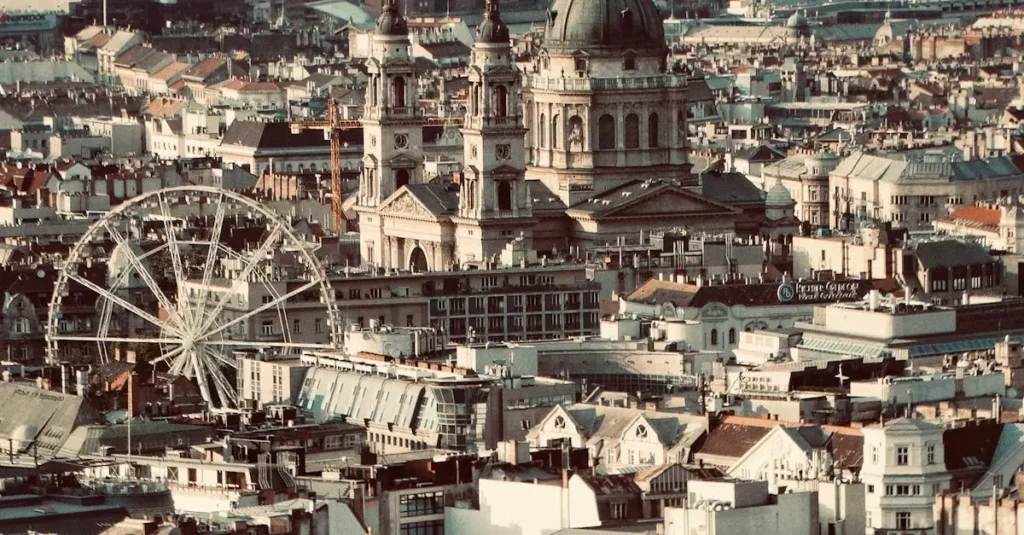
Planning your next great adventure often involves dreaming of those iconic, once-in-a-lifetime experiences. Europe, with its rich history, diverse landscapes, and vibrant cultures, offers a wealth of such opportunities, making it a perennial favorite for travelers. From the ethereal glow of the Northern Lights to the echoes of ancient civilizations and the sun-drenched charm of coastal cruising, Europe presents a spectrum of unforgettable journeys. This guide explores some of the best bucket list destinations in Europe, highlighting unique experiences that promise to create lasting memories. Discover insider tips on the ideal times to visit, how to navigate these incredible locations, and what makes each one a truly special addition to your travel wish list.
Iconic European Adventures for Your Bucket List
Planning a European trip in 2026 often involves dreaming about those once-in-a-lifetime experiences. From the ethereal glow of the Northern Lights to the echoes of ancient civilizations and the sun-drenched charm of coastal cruising, Europe offers a spectrum of unforgettable journeys. Here are a few top-tier destinations and experiences that consistently rank high on travelers’ wish lists.
Chasing the Northern Lights in Tromsø, Norway
Witnessing the Aurora Borealis is a quintessential bucket list item for many, and Tromsø, Norway, often called the “Gateway to the Arctic,” provides an exceptional vantage point. Located well above the Arctic Circle, the city experiences long, dark nights from late September to late March, maximizing your chances of seeing this natural phenomenon. While the lights are unpredictable, a clear, dark sky is essential.
Logistics and Timing:
The prime season for aurora hunting runs from September through March. Consider visiting during the shoulder months of September-October or February-March for potentially fewer crowds and slightly milder temperatures than mid-winter. Daylight hours are minimal in December and January, which can limit other daytime activities.
Getting There and Around:
Tromsø Airport (TOS) has connections to Oslo and other major European cities. Once in Tromsø, the city center is walkable. For aurora tours, which are highly recommended, various operators offer guided excursions by bus, minivan, or even boat, taking you away from city light pollution to prime viewing spots. These tours often include warm clothing, hot drinks, and photography tips.
Budget Considerations:
Norway is a relatively expensive destination. Budget for higher costs for accommodation, food, and tours. Group aurora tours can range from $100-$200 USD per person, depending on the duration and inclusions.
Exploring the Ancient Wonders of Rome, Italy
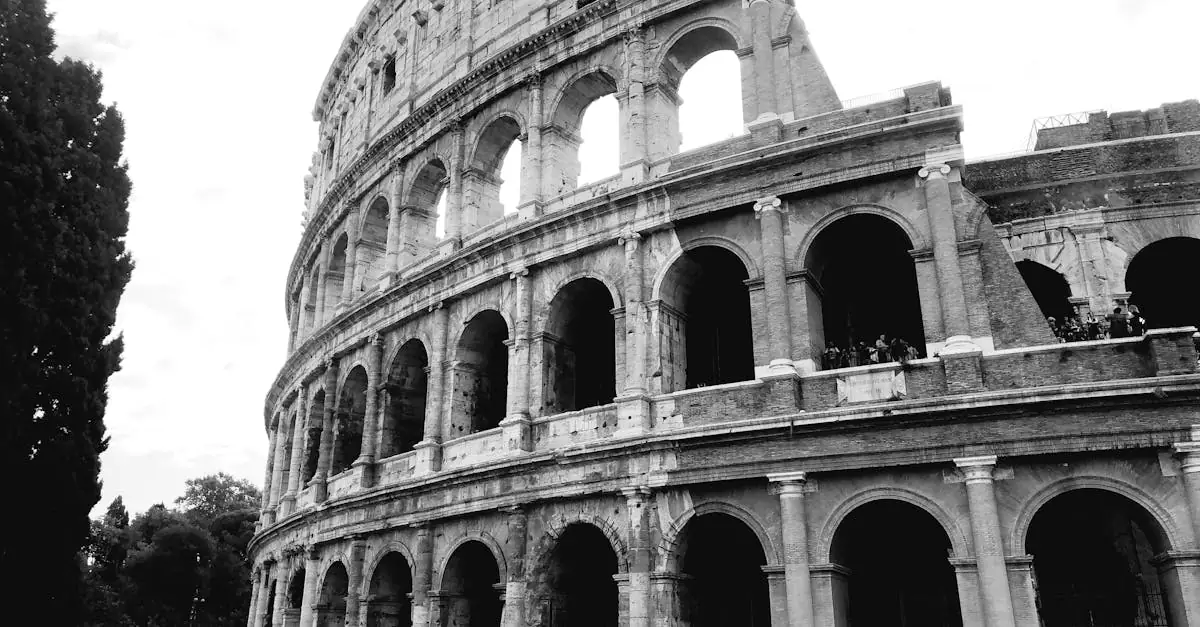
Rome, the Eternal City, beckons with its unparalleled historical significance and vibrant modern life. Walking through Rome is like stepping back in time, with iconic landmarks such as the Colosseum, Roman Forum, and Pantheon standing as testaments to a powerful empire. Beyond the ancient ruins, Vatican City, with St. Peter’s Basilica and the Vatican Museums, offers a spiritual and artistic journey.
Visitor Tips:
Book tickets for major attractions like the Colosseum and Vatican Museums well in advance online to avoid long queues. Wear comfortable shoes, as you’ll be doing a lot of walking on uneven cobblestone streets. Consider a guided tour for deeper insights into the history and significance of the sites.
Best Time to Visit:
Spring (April-May) and autumn (September-October) offer pleasant weather, fewer crowds than the peak summer months, and beautiful light for photography. Summer can be very hot and crowded.
Getting Around:
Rome’s historic center is highly walkable. The city also has a metro system, buses, and trams. Purchasing a public transport pass can be cost-effective if you plan to use them frequently. Many visitors find it convenient to stay in areas like Trastevere, Monti, or near the Pantheon for easy access to attractions.
Sailing the Dalmatian Coast, Croatia
The Dalmatian Coast of Croatia offers a breathtaking blend of azure waters, historic islands, and charming seaside towns. A sailing trip here is a dream for many, allowing you to hop between islands like Hvar, Korčula, and Brač, explore hidden coves, and swim in crystal-clear Adriatic waters. Cities like Split, with Diocletian’s Palace, and Dubrovnik, the “Pearl of the Adriatic,” serve as stunning gateways to this maritime adventure.
Sailing Options:
You can charter a sailboat with a skipper, join a flotilla, or book a cabin on a larger yacht tour. For those without sailing experience, skippered charters or organized tours provide a relaxed way to experience the coast. Catamarans offer more stability and space, while monohulls provide a more traditional sailing feel.
When to Go:
The best sailing season is from late May to September. July and August are the busiest and hottest months, with steady breezes. May, June, and September offer pleasant weather, fewer crowds, and slightly lower prices.
Key Destinations:
- Hvar: Known for its glamorous nightlife, lavender fields, and historic town.
- Korčula: Often called “Little Dubrovnik,” featuring a beautiful medieval old town.
- Vis: A more remote island, famous for its stunning Blue Cave and natural beauty.
- Split: Home to the impressive Diocletian’s Palace, a UNESCO World Heritage site.
- Dubrovnik: A magnificent walled city offering dramatic coastal views.
The allure of Sailing the Dalmatian Coast lies in its flexibility and immersive nature, allowing for spontaneous discoveries and a deep connection with the Mediterranean lifestyle.
Uncovering Hidden European Gems
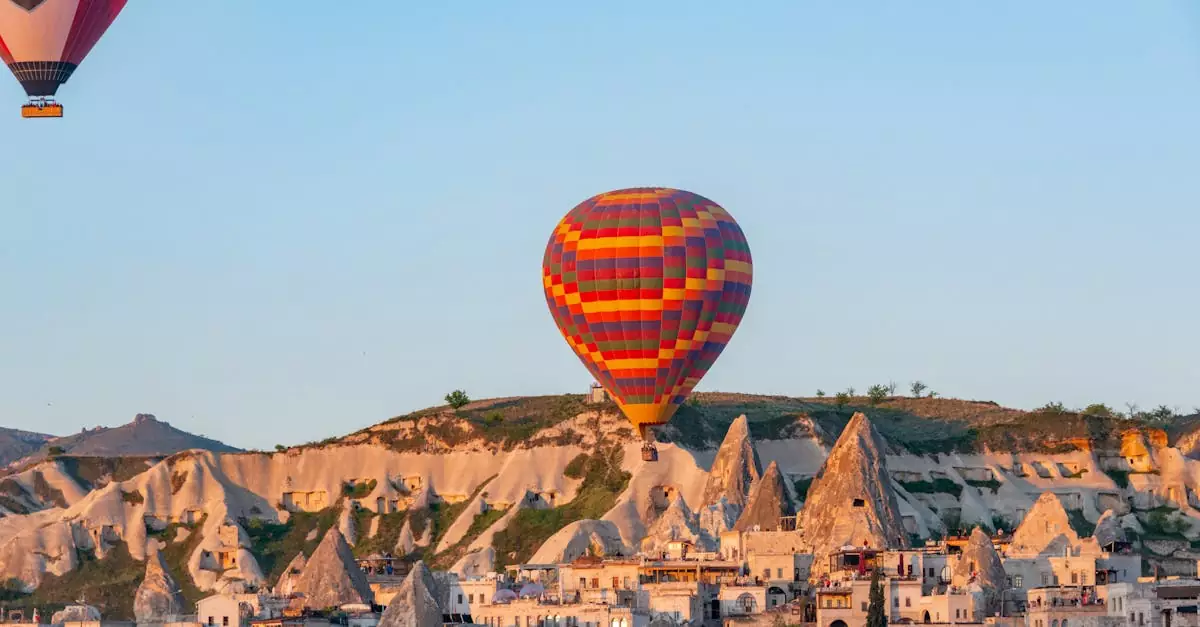
While iconic cities often top European wish lists, venturing off the beaten path reveals destinations brimming with unique charm and fewer crowds. These lesser-known locales offer profound experiences, from fairytale landscapes to dramatic natural wonders, providing a more intimate encounter with the continent’s diverse beauty. For travelers seeking authentic encounters and memorable adventures in 2026, exploring these hidden gems is a compelling alternative to the usual tourist circuits.
Discovering the Fairytale Villages of Alsace, France
The Alsace region, nestled along the Franco-German border, feels like stepping into a storybook. Its villages, characterized by brightly painted half-timbered houses, flower-draped balconies, and cobblestone streets, transport visitors to another era. Towns like Colmar, Eguisheim, and Riquewihr are particularly picturesque, each offering a distinct charm.
Colmar, often called “Little Venice” due to its canals, boasts a well-preserved old town. Eguisheim, a circular village, is consistently voted one of France’s most beautiful. Riquewihr, a medieval fortified town, immerses you directly in history. The region is also renowned for its wine route, offering tastings of crisp Rieslings and Gewürztraminers.
Getting There and Around:
The closest major airport is EuroAirport Basel Mulhouse Freiburg (BSL). From there, you can take a train to Colmar. Renting a car is highly recommended for exploring the smaller villages and vineyards at your own pace. The Alsace Wine Route is easily navigable by car or bicycle during warmer months.
Best Time to Visit:
Spring (April-May) offers blooming flowers and mild weather. Autumn (September-October) is spectacular with fall foliage and the grape harvest. The Christmas markets in December are world-famous, drawing significant crowds but offering unparalleled festive magic.
Hiking the Dramatic Landscapes of the Scottish Highlands
For those drawn to rugged natural beauty and a sense of wildness, the Scottish Highlands are unparalleled. This vast region, characterized by majestic mountains (Munros), deep glens, shimmering lochs, and a dramatic coastline, offers breathtaking scenery and a profound connection to nature. Hiking opportunities abound, from gentle loch-side strolls to challenging mountain ascents.
Key areas include Cairngorms National Park, the UK’s largest, which offers diverse terrain for walkers. Glencoe’s iconic, moody landscape provides dramatic vistas and challenging routes. The Isle of Skye, though popular, boasts otherworldly scenery like the Old Man of Storr and the Quiraing, perfect for memorable day hikes. For a truly remote experience, consider the Northwest Highlands.
Budget Considerations:
The Highlands can be surprisingly affordable, especially if you opt for self-catering cottages or hostels. Camping is also a popular and budget-friendly option during the summer months. Dining out can range from pub fare to fine dining, with pub meals offering good value.
Logistics and Safety:
Weather in the Highlands is notoriously changeable; always be prepared for rain, wind, and sun, often within the same day. Sturdy, waterproof hiking boots and layered clothing are essential. Inform someone of your hiking plans, especially for remote routes, and carry a map and compass or GPS device. Services can be sparse in some areas, so plan accordingly for food and fuel.
Wandering Through the Colorful Streets of Chefchaouen, Morocco (Southern Europe Gateway)
While technically in North Africa, Chefchaouen, Morocco, is often considered a gateway to Southern Europe due to its proximity and cultural influences. This enchanting city, dramatically set against the Rif Mountains, is famous for its striking blue-washed buildings that create a surreal and calming atmosphere. Wandering its labyrinthine medina is an experience in itself.
The narrow streets, adorned with vibrant blue hues ranging from soft pastels to deep indigos, are a photographer’s dream. Beyond the visual appeal, Chefchaouen offers a relaxed pace of life, artisan shops selling local crafts like woven goods and leather products, and delicious Moroccan cuisine. Hiking in the surrounding mountains, including to the Akchour waterfalls, provides a natural counterpoint to urban exploration.
Travel Tips:
Chefchaouen is best accessed from Tangier or Tetouan. Buses are a common and affordable way to travel between these cities and Chefchaouen. Within the medina, walking is the only option, as it’s largely pedestrianized. Be prepared for hills and uneven surfaces.
Cultural Insights:
Dress modestly, especially when outside the main tourist areas, out of respect for local customs. Bargaining is common in the souks, so don’t hesitate to negotiate prices politely. Learning a few basic Arabic or Berber phrases will be appreciated by locals.
Culinary Journeys: A Taste of Europe’s Best
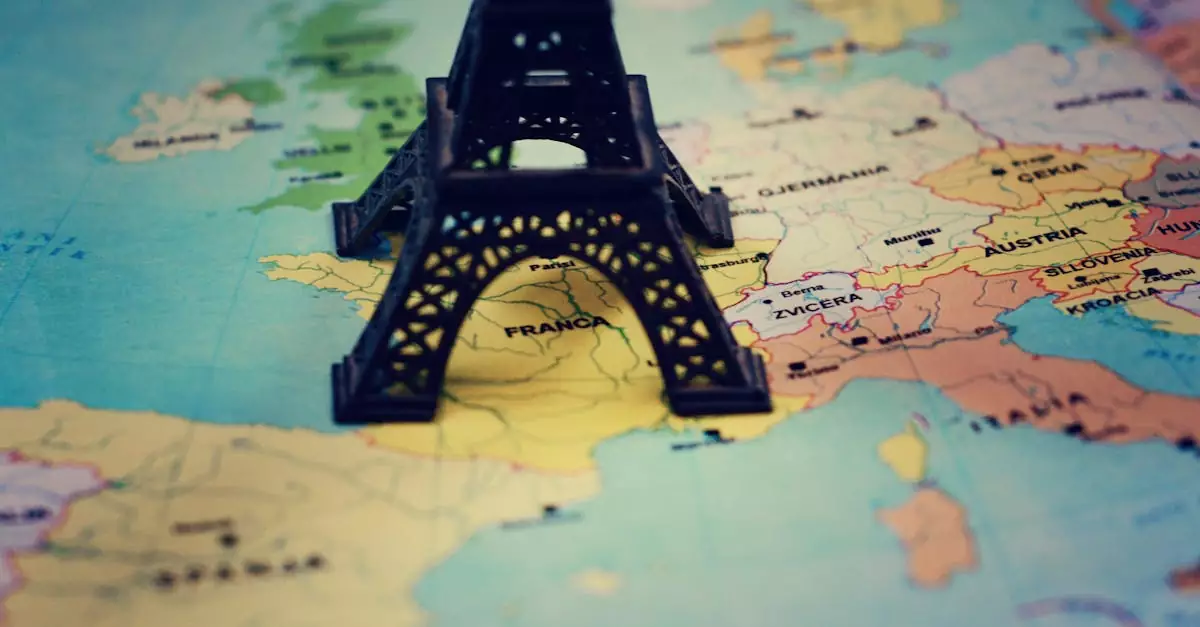
Europe’s rich tapestry of cultures is perhaps best experienced through its food. From sun-drenched tapas bars to hearty beer gardens, embarking on a culinary tour across the continent offers an unforgettable way to connect with local traditions and savor unique flavors. These destinations are essential stops for any food-loving traveler planning their 2026 adventures.
Indulging in Tapas Culture in Seville, Spain
Seville, the vibrant capital of Andalusia, is synonymous with tapas. This isn’t just about small plates; it’s a social ritual. Locals hop from bar to bar, sharing plates of jamón ibérico, gambas al ajillo (garlic shrimp), and patatas bravas. The atmosphere is electric, especially in neighborhoods like Triana or Santa Cruz.
Traveler Tip:
Don’t hesitate to stand at the bar like a local. It’s often where you’ll find the freshest, most authentic dishes. Many bars offer a free tapa with each drink, making it an affordable way to dine.
For the best experience, visit during the spring or fall when the weather is pleasant for evening strolls between eateries. Summer can be intensely hot, making midday tapas crawls less appealing. Seville is a highly walkable city, with most tapas bars concentrated in the historic center.
Savoring Fresh Pasta in Bologna, Italy
Known as “La Grassa” (the fat one) for good reason, Bologna is Italy’s gastronomic heartland. This city is the birthplace of iconic dishes like tagliatelle al ragù (the authentic bolognese sauce) and mortadella. Freshly made pasta reigns here, with many trattorias showcasing their pasta-making prowess.
Logistics:
Bologna is easily accessible by high-speed train from major Italian cities like Florence and Milan. It’s a compact city, making it ideal for exploring on foot or by bicycle.
Consider visiting in late spring or early autumn to avoid the summer crowds and enjoy milder weather. Many food tours are available, offering guided introductions to the city’s culinary secrets and local markets like the Quadrilatero.
Experiencing a Traditional Bavarian Beer Garden in Munich, Germany
Munich offers a quintessential Bavarian experience in its famed beer gardens. These open-air establishments are more than just places to drink beer; they are community hubs. Enjoy a Maß (liter stein) of local lager alongside traditional fare such as pretzels, Obatzda (cheese spread), and Hendl (roast chicken).
Budget Insight:
Beer gardens are generally budget-friendly, especially for food. Many allow you to bring your own picnic to enjoy with your purchased drinks, a practice known as “Mitbringfrühstück.”
The best time to visit a beer garden is during the warmer months, from May to September. Evenings offer a lively atmosphere, while sunny afternoons are perfect for relaxing under chestnut trees. While Munich has a good public transport system, many popular beer gardens, like the one at the Chinese Tower in the English Garden, are easily reachable by public transit or a pleasant walk.
What’s the Best Time to Visit These Bucket List European Spots?

Choosing the right season can transform your European adventure, impacting everything from crowd levels and prices to the very scenery you’ll witness. Each of the best bucket list destinations in Europe offers a unique charm depending on when you visit. Understanding these seasonal nuances helps in planning a trip that aligns with your priorities, whether that’s enjoying warm weather, experiencing local festivals, or finding fewer tourists.
Spring Blooms: April-May for Mild Weather and Fewer Crowds
Spring in Europe is a delightful season, marked by milder temperatures and the awakening of nature. From April to May, cities and countryside alike burst into color. This is an excellent time to visit popular destinations before the peak summer rush, meaning shorter queues at major attractions and potentially more affordable flights and accommodations. The weather is generally pleasant for walking and outdoor activities, though packing layers is advisable as evenings can still be cool.
Consider visiting Paris in the spring to see the Eiffel Tower framed by blooming cherry blossoms, or head to the Netherlands for the iconic tulip fields. For those seeking a more relaxed experience in historically crowded spots like Rome or Barcelona, spring offers a welcome reprieve. The shoulder season also presents opportunities for enjoying local culinary traditions as spring produce becomes available.
Summer Adventures: June-August for Long Days and Vibrant Festivals
Summer, from June to August, is Europe’s high season, characterized by long daylight hours, warm to hot weather across much of the continent, and a lively atmosphere. This is the time for beach holidays along the Mediterranean coast, exploring Nordic countries under the midnight sun, and enjoying numerous outdoor festivals and cultural events. Cities are buzzing with activity, and outdoor dining is at its prime.
However, summer also brings the largest crowds and highest prices, particularly in major tourist hubs like London, Venice, and Prague. It’s essential to book accommodations and popular tours well in advance. For travelers who prefer cooler climates, Scandinavia and the British Isles remain comfortable choices. Be prepared for heatwaves in southern Europe and pack accordingly.
Autumn Colors: September-October for Scenery and Harvest Events
Autumn, from September to October, offers a beautiful transition across Europe. The intense summer heat subsides, replaced by crisp air and stunning fall foliage, especially in regions like Bavaria, Germany, or the Loire Valley, France. This period is ideal for scenic drives, hiking, and wine regions as harvest festivals are in full swing.
Crowds begin to thin after August, making it a fantastic time to revisit popular cities or explore regions known for their natural beauty. Prices for travel and lodging often decrease compared to summer. The weather can be variable, so layers are crucial, but the golden light and fewer tourists create a wonderfully atmospheric travel experience. This is a prime time for photography enthusiasts looking to capture Europe’s autumnal splendor.
Winter Wonders: November-March for Festive Markets and Snow Activities
Winter in Europe, from November to March, transforms the continent into a magical landscape, especially for those seeking festive markets and snow-based activities. Cities like Vienna, Strasbourg, and Cologne come alive with enchanting Christmas markets, offering unique crafts, mulled wine, and a cheerful atmosphere. For winter sports enthusiasts, the Alps in Switzerland, France, and Austria provide world-class skiing and snowboarding.
While some attractions might have reduced hours or be closed, winter offers a different kind of charm. It’s an excellent time for museum hopping, enjoying cozy cafes, and experiencing destinations with a fraction of the usual visitors. Prices can be significantly lower outside of the Christmas and New Year holidays. Travelers should be prepared for cold weather and potential travel disruptions due to snow.
| Season | Months | Pros | Cons | Best For |
|---|---|---|---|---|
| Spring | April-May | Mild weather, fewer crowds, blooming nature | Variable temperatures, some attractions not fully open | City breaks, countryside exploration, photography |
| Summer | June-August | Long days, warm weather, vibrant festivals | Peak crowds, high prices, intense heat in south | Beach holidays, outdoor activities, experiencing major events |
| Autumn | September-October | Pleasant temperatures, fall colors, harvest events | Variable weather, shorter daylight hours | Scenic beauty, wine regions, cultural festivals, photography |
| Winter | November-March | Festive markets, snow activities, fewer crowds | Cold weather, short daylight, some closures | Christmas markets, winter sports, cozy city breaks, budget travel |
Planning Your European Bucket List Itinerary

Designing a trip across Europe requires thoughtful planning, especially when aiming for those iconic bucket list experiences. The continent offers an incredible diversity of landscapes, cultures, and historical sites, making it essential to tailor your itinerary to your interests and available time. Whether you have a week or a month, a strategic approach ensures you maximize your adventure.
Crafting a 10-Day Northern Europe Highlights Itinerary
A 10-day trip to Northern Europe can offer a concentrated taste of vibrant cities and stunning natural beauty. This timeframe is well-suited for focusing on a few key destinations rather than attempting to cover too much ground. Consider a route that connects capitals like Copenhagen, Stockholm, and Oslo, or perhaps focus on a specific region such as the Norwegian fjords.
For a city-focused itinerary, you might spend three days in Copenhagen, experiencing its charming canals, Tivoli Gardens, and design scene. From there, a short flight or overnight ferry can take you to Stockholm, where two to three days allow for exploring Gamla Stan (Old Town), the Vasa Museum, and the archipelago. Finish with two days in Oslo, visiting the Viking Ship Museum and the Vigeland Sculpture Park.
Transportation between these cities is efficient. High-speed trains are available for some legs, but flights are often quicker for longer distances. Booking flights and accommodations in advance, especially during peak season (June-August), is crucial for securing better prices and availability. This itinerary is fast-paced but rewarding for those who want to see Northern Europe’s major urban hubs.
Designing a 2-Week Mediterranean Grand Tour
A two-week Mediterranean journey offers the chance to immerse yourself in ancient history, stunning coastlines, and delicious cuisine. This longer timeframe allows for a more relaxed pace and the inclusion of multiple countries. A classic route might encompass Italy, Greece, and perhaps a touch of Croatia.
Begin in Rome for three days, exploring the Colosseum, Roman Forum, and Vatican City. From Rome, a flight to Athens takes you to the cradle of Western civilization. Spend three days here, visiting the Acropolis and the Parthenon, before taking a ferry to one of the Greek islands like Santorini or Crete for four days of relaxation and iconic views.
Next, travel to Dubrovnik, Croatia, for a two-day exploration of its medieval walls and picturesque Old Town. This route balances historical immersion with coastal beauty. Travel between these destinations can involve a mix of flights (e.g., Rome to Athens, Athens to Dubrovnik) and ferries (within Greece).
Budget considerations for a Mediterranean tour vary significantly. Italy and Greece can be moderately expensive, especially on popular islands. Croatia offers a slightly more budget-friendly option in some areas. Traveling in the shoulder seasons (April-May, September-October) provides pleasant weather and fewer crowds, often with lower prices.
Building a Solo Traveler’s Adventure Through Central Europe
Central Europe presents an excellent option for solo travelers, offering rich history, affordability, and well-connected public transport. A solo adventure can focus on cities like Prague, Vienna, and Budapest, each with its own distinct charm and plenty to see and do independently.
Start in Prague for three days, marveling at its fairy-tale castle, Charles Bridge, and Old Town Square. From Prague, a comfortable train ride takes you to Vienna in about four hours. Spend three days in the Austrian capital, enjoying its imperial palaces, classical music scene, and coffee house culture.
Continue by train to Budapest, a city often cited for its value and unique attractions. Dedicate four days here to exploring the Parliament building, bathing in its famous thermal baths, and discovering the ruin bars. This itinerary offers a good balance of iconic sights and opportunities for independent discovery.
Central Europe is generally more affordable than Western Europe, making it attractive for solo travelers managing their budget. Hostels are abundant and offer a social atmosphere, while private rooms in guesthouses or budget hotels are also readily available. Safety is generally high in these cities, and their compact centers are very walkable. Using public transport within and between cities is straightforward and cost-effective.
Frequently Asked Questions About Europe’s Top Destinations
What are the most budget-friendly bucket list destinations in Europe?
While many iconic European cities come with a higher price tag, several offer incredible value. Portugal, particularly Lisbon and Porto, consistently ranks as one of Western Europe’s most affordable countries. You can enjoy stunning architecture, delicious food, and vibrant culture without breaking the bank. Eastern European gems like Prague, Budapest, and Krakow also provide a rich historical and cultural experience at a significantly lower cost than their Western counterparts. These cities often feature affordable public transport, inexpensive local eateries, and a wide range of budget-friendly accommodation options.
How can I travel between these European bucket list locations efficiently?
Efficient travel between Europe’s diverse destinations relies heavily on a few key methods. High-speed rail networks connect many major cities, offering a comfortable and scenic way to journey. Companies like Eurostar and national rail services provide extensive routes. For longer distances or to reach islands, budget airlines are a popular choice; however, always factor in baggage fees and airport transfer times. Ferries are also a viable and often picturesque option for travel between certain countries, such as those connecting Italy and Greece. Planning your itinerary with these transport links in mind can save both time and money.
| Mode of Transport | Typical Cost (per journey) | Travel Time (example) | Notes |
|---|---|---|---|
| High-Speed Train | €50 – €200 | 3-6 hours (Paris to Amsterdam) | Comfortable, city-center to city-center, scenic views. |
| Budget Airline | €30 – €150 | 1.5-3 hours (Rome to Barcelona) | Quick for long distances, but factor in airport transfers and baggage fees. |
| Intercity Bus | €20 – €80 | 6-12 hours (Berlin to Prague) | Most budget-friendly, but significantly slower. |
| Ferry | €40 – €120 | 4-10 hours (Ancona to Split) | Good for island hopping or specific coastal routes. |
What are common tourist mistakes to avoid in popular European cities?
One common pitfall is underestimating the sheer volume of walking involved. European city centers are often designed for pedestrians, and relying solely on taxis or ride-shares can be inefficient and costly. Comfortable footwear is essential. Another mistake is not booking popular attractions in advance, leading to long queues or missing out entirely. For destinations like the Eiffel Tower in Paris or the Colosseum in Rome, booking tickets weeks or even months ahead is advisable. Finally, be aware of your surroundings, especially in crowded tourist areas, as pickpocketing can be an issue in many busy European locations. Understanding local customs and basic phrases, even a simple “hello” and “thank you,” can also greatly enhance your experience.