Beyond the popular cities of Stockholm and Gothenburg lies a Sweden rich in untouched beauty and quiet charm, waiting to be explored. If you’re seeking authentic experiences away from the crowds, this guide to Sweden’s best hidden destinations serves as your starting point. We’ll take you off the beaten path to discover serene archipelagos, medieval lakeside towns, and expansive forests that embody the country’s spirit.
Prepare to uncover a different side of Sweden, where you can hike through dramatic coastal landscapes, stroll along cobblestone streets steeped in history, or find peace in pristine nature. This article highlights the unique appeal of these lesser-known locales, offering insights into what makes each special, how to reach them, and the ideal times to visit for an unforgettable adventure.
Unveiling Sweden’s Best Kept Secrets: Beyond Stockholm and Gothenburg
While Sweden’s vibrant capital and second city attract many visitors, the country also boasts a wealth of lesser-known gems for those seeking authentic experiences and tranquil landscapes. Moving beyond the usual tourist paths reveals a Sweden rich in natural beauty, historical depth, and quiet charm. These destinations provide a more intimate encounter with Swedish culture and scenery, often at a more relaxed pace and with a gentler impact on your budget.
Exploring the Archipelago Villages of the High Coast
The High Coast, a UNESCO World Heritage site, features a dramatic coastline marked by sheer cliffs, deep bays, and charming fishing villages. Located north of Stockholm, this region contrasts sharply with the more manicured archipelagos near the capital. Here, small communities like Ulvön and Trysunda, accessible by ferry, showcase traditional wooden houses clinging to rocky shores.
Traveler Insights: Summer months, from June to August, offer the best weather for island hopping and outdoor activities. Pack layers, as coastal weather can change rapidly. Hiking trails wind through pine forests and along the sea, providing exceptional opportunities for exploration. For history enthusiasts, the High Coast is significant for understanding Sweden’s maritime past.
Logistics: Ferries run regularly from towns like Härnösand and Örnsköldsvik. Accommodation options range from simple guesthouses to small hotels. Booking in advance is advisable, especially during the peak summer season.
Discovering the Medieval Charm of Mariefred on Lake Mälaren
Nestled on the shores of Lake Mälaren, Mariefred offers a picturesque retreat with its well-preserved medieval town center and the stunning Gripsholm Castle. Easily accessible from Stockholm, it makes for a popular day trip or a tranquil overnight stay for those seeking a slower pace. The castle, a historic fortress with a rich royal past, is a major draw, showcasing a unique collection of royal portraits.
Wandering through Mariefred’s cobblestone streets, you’ll discover independent boutiques, cozy cafes, and a palpable sense of history. The town’s lakeside location provides opportunities for pleasant walks along the waterfront and boat excursions during warmer months. It’s a place to slow down and immerse yourself in the atmosphere of a bygone era.
Getting There: Mariefred is reachable by car, train, or even by historic steamship from Stockholm during the summer. The train journey takes approximately 45 minutes to an hour. Consider visiting in late spring or early autumn to avoid large crowds and enjoy milder weather.
Finding Solitude in the Forests of Bergslagen
The Bergslagen region, located west of Stockholm, is a historic ironworking district now characterized by vast forests, pristine lakes, and charming small communities. This area offers a deep dive into Sweden’s industrial heritage intertwined with natural beauty. Towns like Nora and Filipstad retain much of their old-world character, featuring well-preserved wooden buildings and a relaxed atmosphere.
For travelers seeking genuine solitude and a connection with nature, Bergslagen is an excellent choice. Activities include hiking, fishing, canoeing on numerous lakes, and simply enjoying the tranquility of the deep woods. The region is also dotted with nature reserves and cultural sites related to its mining past, providing a unique blend of experiences.
Budget Considerations: Bergslagen typically offers more affordable accommodation and dining options compared to major tourist hubs. Renting a cabin by a lake is a popular and cost-effective way to experience the region. The best time to visit for hiking and outdoor activities is generally from May through September.
Northern Lights and Arctic Adventures: Lapland’s Untouched Wonders
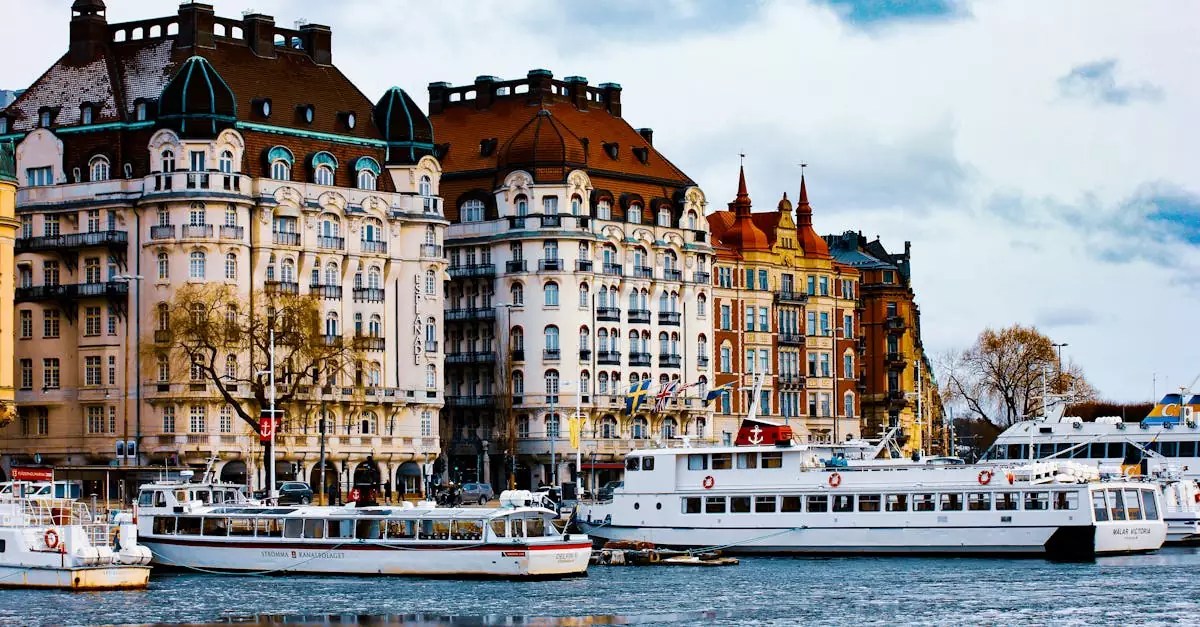
Sweden’s northernmost region, Lapland, presents an unparalleled experience for those seeking raw, natural beauty and unique cultural encounters. This vast, sparsely populated area is ideal for witnessing the ethereal dance of the Northern Lights and immersing oneself in the traditions of the indigenous Sami people. Planning a trip here requires attention to seasonal conditions and logistics, as winter offers the best chance for aurora sightings and snow-based activities, while summer brings the midnight sun for extended daylight exploration.
Chasing the Aurora Borealis in Abisko National Park
Abisko National Park, often referred to as the “Gateway to Lapland,” is famous for its exceptional conditions for viewing the Aurora Borealis. The park’s location within a rain shadow created by surrounding mountains minimizes cloud cover, enhancing the chances of clear skies for aurora displays. The optimal viewing season typically runs from September to March. Visitors can stay in accommodations within or near the park, such as the Abisko Mountain Station, which also offers guided aurora photography tours. Understanding weather patterns across Europe can be beneficial for those venturing further afield.
For optimal aurora viewing:
- Timing: Aim for clear, dark nights between September and March. Peak viewing hours are generally between 9 PM and 2 AM.
- Location: Abisko National Park provides multiple vantage points, including the Aurora Sky Station, accessible via a chairlift.
- Preparation: Dress in multiple layers of warm clothing, including thermal base layers, fleece, and a windproof outer shell. Bring a tripod for photography and allow your eyes to adjust to the dark.
Reindeer Sledding and Sami Culture in Kiruna
Kiruna, Sweden’s northernmost town, serves as an excellent base for experiencing Lapland’s winter magic and engaging with Sami culture. The region is home to a significant Sami population, offering opportunities to learn about their traditional livelihoods, often centered around reindeer herding. Reindeer sledding excursions provide a serene and authentic way to traverse the snowy landscape, echoing age-old travel methods. Many local tour operators in Kiruna offer these experiences, often combined with visits to Sami camps where you can hear stories and sample traditional dishes like sautéed reindeer.
Logistical considerations for visiting Kiruna include:
- Transportation: Kiruna is accessible by train from Stockholm or via its own airport (KRN). Once in Kiruna, local buses and taxis are available, but many activities include transportation from town.
- Accommodation: Options range from hotels in Kiruna town to rustic lodges and cabins in the surrounding wilderness.
- Cultural Etiquette: When interacting with the Sami community, it’s essential to respect their traditions and private property. Always ask permission before photographing people or their homes.
Icehotel Experiences in Jukkasjärvi
Near Kiruna, the village of Jukkasjärvi is home to the world-famous ICEHOTEL, a unique accommodation and art installation built anew each winter from ice and snow harvested from the Torne River. This ephemeral hotel features art suites designed by artists from around the globe, offering a truly extraordinary lodging experience. Even if you don’t stay overnight, visiting the ICEHOTEL allows you to marvel at intricate ice sculptures and enjoy a drink at the ICEBAR. The hotel typically opens for the winter season in December and melts back into the river in the spring.
Planning an ICEHOTEL visit involves:
- Booking: Rooms at the ICEHOTEL, especially the art suites, are in high demand and should be booked well in advance.
- Activities: Beyond the hotel itself, Jukkasjärvi and the surrounding area offer opportunities for ice fishing, snowmobiling, and Northern Lights tours.
- Temperature: While hotel rooms are kept at -5°C to -8°C (23°F to 18°F), guests receive thermal sleeping bags and advice on staying warm. Non-sleeping guests can visit during designated hours.
Southern Sweden’s Coastal Gems and Island Escapes
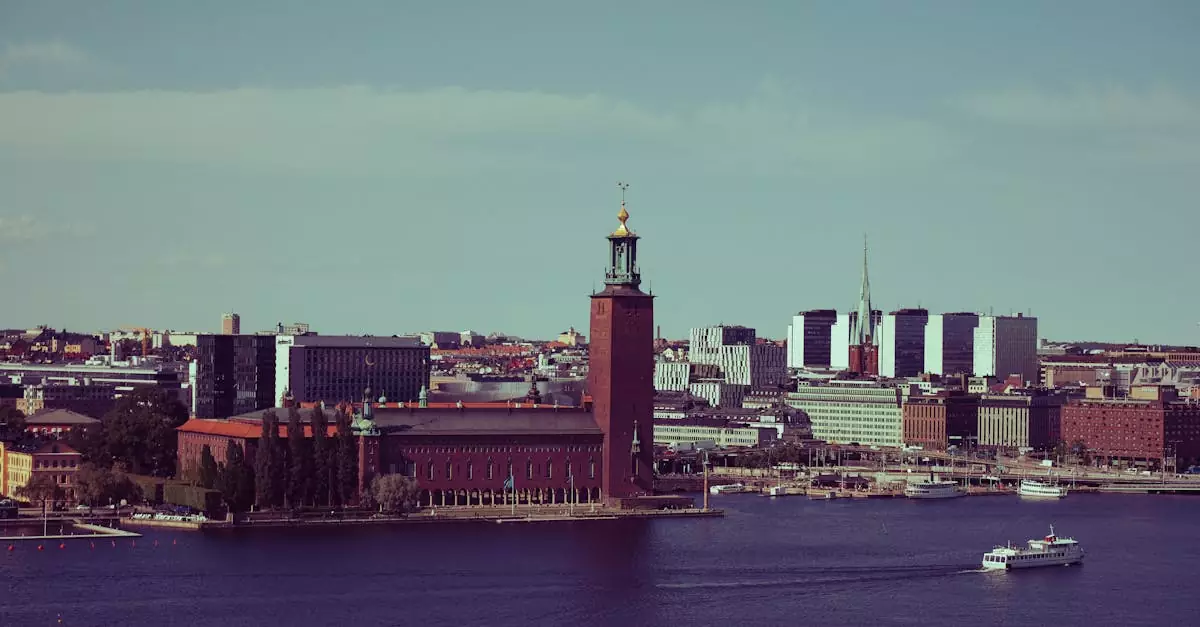
Southern Sweden exudes a distinct charm, moving away from the dense forests of the north toward sun-drenched coastlines and tranquil archipelagos. This region is home to some of the country’s best hidden destinations, appealing to travelers seeking a blend of natural beauty, historical intrigue, and authentic coastal life. If you’re looking for an escape from the usual tourist trails, consider these southern Swedish treasures.
Exploring the Picturesque Island of Öland
Öland, Sweden’s second-largest island, lies off the coast of Småland and is connected by a bridge, providing accessibility while maintaining a secluded atmosphere. Known for its unique landscape, defined by the “Stora Alvaret”—a vast limestone plain recognized as a UNESCO World Heritage site—Öland boasts a variety of rare flora and fauna. This flat, open terrain is dotted with windmills, ancient ruins, and charming villages.
Travelers often visit Öland during the summer months when the weather is warmest, and the island comes alive with festivals and outdoor activities. The southern tip, featuring dramatic cliffs and the lighthouse at Långe Erik, offers stunning sea views. For history enthusiasts, the island is rich in Iron Age burial grounds and medieval churches. Accommodation options range from cozy bed and breakfasts to family-friendly campsites. Getting around Öland is easiest by car, allowing you to explore its diverse landscapes at your own pace.
Coastal Hiking and Birdwatching on the Koster Islands
The Koster Islands, located in the northern part of the Bohuslän archipelago, are Sweden’s westernmost inhabited islands. Kosterhavet National Park, the country’s first marine national park, encompasses these islands and the surrounding waters, providing a pristine environment for nature lovers. The islands are car-free, encouraging exploration on foot or by bicycle, with well-marked trails winding through coastal heaths and forests.
Birdwatching is a major attraction, especially during migration seasons. The islands’ varied habitats draw a wide array of species, making it a paradise for ornithologists. Hiking routes range from gentle strolls to more challenging coastal paths, all offering breathtaking views of the Skagerrak strait. The primary islands, Nordkoster and Sydkoster, are connected by a small ferry and offer basic amenities, including guesthouses and restaurants. Reaching the Koster Islands typically involves a ferry journey from Strömstad, a charming coastal town accessible by train from Gothenburg.
Seafood Delights in the Fishing Villages of Bohuslän
The Bohuslän coast, stretching north of Gothenburg, is a picturesque region characterized by granite cliffs, red wooden houses, and vibrant fishing villages. This area is a must-visit for anyone interested in Sweden’s maritime heritage and fresh seafood. Villages like Smögen, with its iconic boardwalk, Lysekil, and Fjällbacka (made famous by author Camilla Läckberg) offer a glimpse into traditional Swedish coastal life.
The local cuisine focuses on exceptionally fresh seafood. From plump shrimp and mussels to locally caught fish, dining here is a treat. Many restaurants pride themselves on serving catches directly from boats that dock in the harbors. Beyond culinary experiences, Bohuslän offers opportunities for kayaking, sailing, and exploring the countless small islands that comprise the archipelago. The best time to visit is late spring through early autumn, though the crisp, quiet atmosphere of winter can also be appealing for a more serene experience.
| Destination | Best For | Transportation | Typical Budget (per day, per person) |
|---|---|---|---|
| Öland | Nature, history, family | Car recommended | $100 – $150 |
| Koster Islands | Hiking, birdwatching, tranquility | Ferry from Strömstad | $90 – $130 |
| Bohuslän Villages | Seafood, coastal scenery, charming towns | Car recommended, local buses | $110 – $160 |
What’s the Best Time to Visit Sweden’s Hidden Destinations?
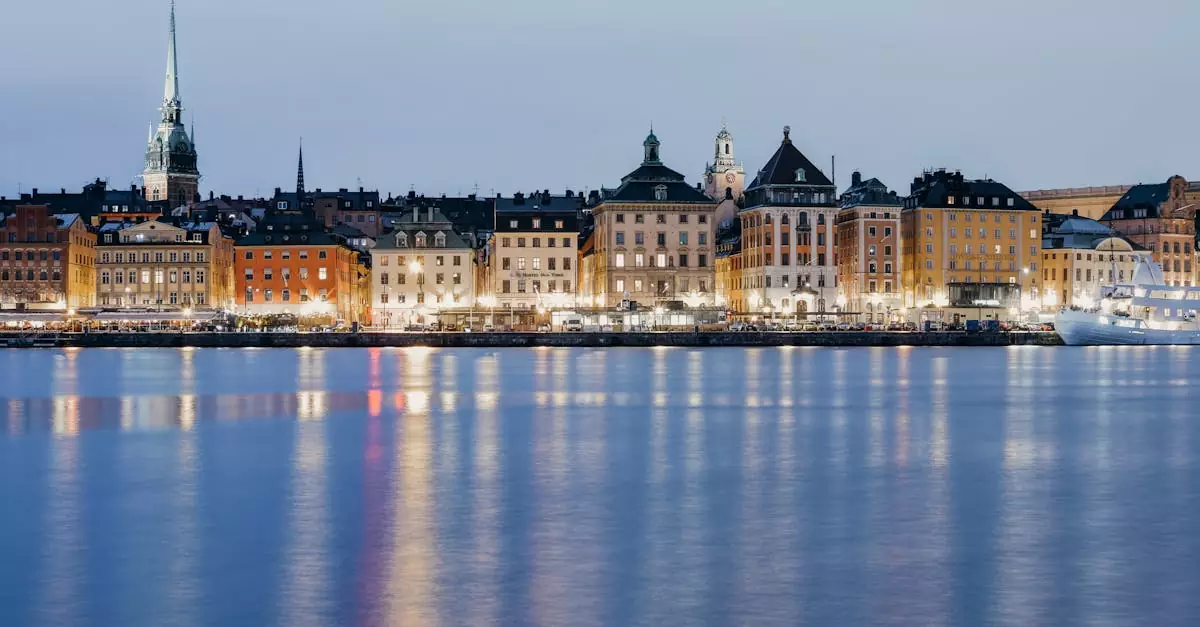
Choosing the right season can significantly enhance your experience when exploring Sweden’s hidden destinations. Each time of year offers a distinct character, from the vibrant energy of summer to the tranquil beauty of winter.
Summer’s Long Days: Ideal for Archipelago Exploration
From June to August, Sweden experiences its warmest weather and the phenomenon of the midnight sun in the north. This extended daylight is perfect for exploring the intricate archipelagos, like those near Stockholm or Gothenburg. Spend long days kayaking through calm waters, island hopping, and enjoying outdoor cafes.
Temperatures typically range from 15°C to 25°C (59°F to 77°F), making it comfortable for active pursuits. However, this is also peak tourist season, so popular spots can be crowded. Booking accommodations and ferries well in advance is advisable. For remote coastal villages, summer offers the most accessible and lively atmosphere.
Autumn’s Colors: Perfect for Forest Hikes
September and October transform Sweden’s landscapes into a breathtaking canvas of red, orange, and gold. This is an excellent time for visiting inland regions and national parks, such as those in Småland or Dalarna. The crisp air invigorates hiking, and reduced crowds provide a more serene experience.
Daytime temperatures can vary, generally falling between 5°C and 15°C (41°F to 59°F). Be prepared for cooler evenings and the possibility of rain. This season is also prime time for mushroom and berry picking, a popular Swedish pastime. If you’re seeking a tranquil escape with stunning natural beauty, autumn is an ideal choice.
Winter’s Magic: Embracing the Snow and Northern Lights
November through March brings snow and cold, transforming Sweden into a winter wonderland. This is the time to experience the magic of the Swedish Lapland, far north of the Arctic Circle. While daytime is limited, the darkness provides the best opportunity to witness the aurora borealis.
Temperatures can drop significantly, often below -10°C (14°F), and even reach -20°C (-4°F) or lower. Outdoor activities shift to snowshoeing, cross-country skiing, and husky sledding. For those venturing north, packing thermal layers is essential. The quiet solitude and ethereal beauty of snowy landscapes offer a unique, albeit colder, travel experience.
| Season | Best For | Typical Temperatures | Crowds | Considerations |
|---|---|---|---|---|
| Summer (June-Aug) | Archipelago, coastal areas, outdoor activities | 15-25°C (59-77°F) | High | Book in advance, long daylight |
| Autumn (Sep-Oct) | Forest hiking, fall colors, quieter travel | 5-15°C (41-59°F) | Moderate | Cooler evenings, rain possible |
| Winter (Nov-Mar) | Northern Lights, snow activities, Lapland | Below 0°C (32°F), often -10°C to -20°C | Low (except ski resorts) | Extreme cold, limited daylight |
Navigating Your Swedish Hidden Gem Adventure: Transportation and Itineraries
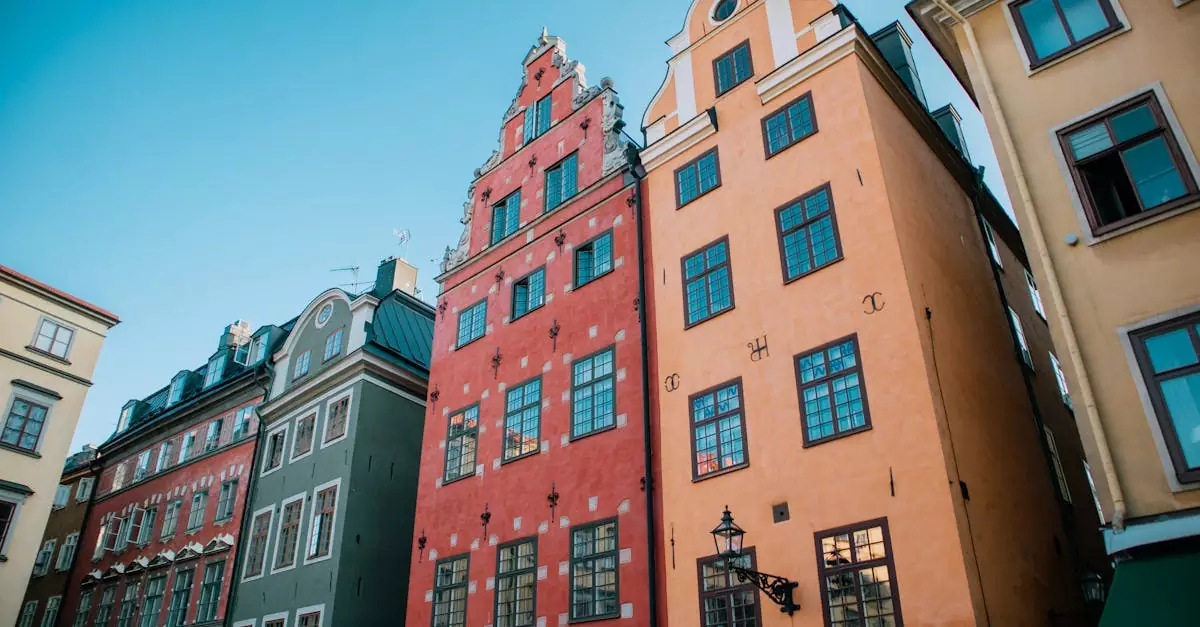
Discovering Sweden’s best hidden destinations requires careful planning. While major cities are well-connected, reaching more remote areas often involves various transportation methods. Understanding Swedish transport nuances will unlock access to these less-traveled paths.
Getting Around: Trains, Buses, and Rental Cars
Sweden boasts an efficient public transportation system, particularly its extensive rail network operated by SJ (Statens Järnvägar). Trains are a comfortable and scenic way to cover long distances between cities, offering a relaxing alternative to flying. For smaller towns and more remote areas not served by rail, local bus networks are crucial. Consider purchasing a rail pass if you plan extensive travel by train across Europe.
Renting a car provides maximum flexibility, especially when aiming for secluded natural spots or islands. Roads are well-maintained, and driving is generally straightforward. However, parking can be challenging and expensive in popular areas, and rental and fuel costs should be factored into your budget. For those prioritizing sustainability and a stress-free journey, relying on public transport is highly recommended.
Here’s a quick look at typical travel considerations:
| Transport Mode | Pros | Cons | Best For |
|---|---|---|---|
| Trains (SJ) | Comfortable, scenic, punctual, eco-friendly | Limited reach to very remote areas | Inter-city travel, longer distances |
| Buses (Local) | Reaches smaller towns, cost-effective | Slower, less frequent on rural routes | Connecting to train stations, local exploration |
| Rental Car | Maximum flexibility, access to remote spots | Expensive, parking challenges, fuel costs | Island hopping, off-the-beaten-path adventures |
| Ferries | Access to archipelagos and islands | Weather-dependent, seasonal schedules | Coastal and island destinations, archipelagos |
Sample 7-Day Itinerary: From Coast to Forest
This itinerary focuses on experiencing diverse hidden gems, blending coastal charm with inland tranquility. It assumes a moderate pace and a willingness to use a mix of transport.
Day 1-2: Skellefteå & the High Coast
Arrive in Umeå and take a train or bus north to Skellefteå. Spend a day enjoying its coastal proximity and then head south along the High Coast, stopping in charming villages like Nordingrå or Ullånger. This region offers dramatic cliffs and unique rock formations.
Day 3-4: Ångermanland’s Inland Beauty
Travel inland towards the forests of Ångermanland. Consider basing yourself near a lake like Gissjön for hiking and quiet reflection. Explore local craft traditions and enjoy the tranquility of the Swedish wilderness.
Day 5-6: The Koster Islands (West Coast)
Fly or take a train to Gothenburg, then transfer to Strömstad. From Strömstad, take a ferry to the Koster Islands, Sweden’s westernmost inhabited islands. These car-free islands offer stunning marine national parks and a relaxed atmosphere.
Day 7: Departure from Gothenburg
Return to Gothenburg for your departure, reflecting on the diverse landscapes and quiet corners of Sweden you’ve experienced.
Day Trip Options from Lesser-Known Hubs
Even when staying in a smaller town, day trips can reveal surprising beauty. From the coastal town of Piteå in Norrbotten, venture to nearby nature reserves for forest walks or explore the unique archipelago by boat during the summer months. If you find yourself near Östersund in Jämtland, consider a day trip to the Jamtli Open-Air Museum or a scenic drive toward the foothills of the Swedish mountains for breathtaking vistas. For those exploring the southern tip, towns like Karlskrona offer a gateway to the Blekinge archipelago, with opportunities for island hopping and enjoying maritime history. These excursions demonstrate that adventure often lies just a short journey away from your base.
Frequently Asked Questions About Exploring Sweden’s Hidden Gems
Are these destinations suitable for families?
Many of Sweden’s lesser-known spots offer excellent experiences for families. Rural areas often provide ample space for children to play and explore nature. Activities like hiking, visiting local farms, or engaging with wildlife are generally well-suited for younger travelers. Always check specific attraction details for age recommendations and accessibility.
What are the accommodation options in rural Sweden?
Accommodation in Sweden’s hidden destinations ranges from charming bed and breakfasts and traditional guesthouses to self-catering cottages and cabins. Many offer a more intimate experience than larger hotels, often with a focus on local hospitality. Booking in advance is recommended, especially during peak summer months or holiday periods.
Here’s a look at typical options:
| Accommodation Type | Typical Features | Budget Range (per night) |
|---|---|---|
| Guesthouse/B&B | Cozy rooms, often with breakfast included, local feel | $80 – $150 |
| Self-Catering | Cottages, cabins, apartments with kitchens | $100 – $200 |
| Farm Stays | Rustic charm, potential for animal interaction | $70 – $130 |
| Boutique Hotels | Smaller, stylish hotels in towns or villages | $120 – $250 |
What local dishes should I try in these regions?
Exploring Sweden’s hidden gems means an opportunity to taste regional specialties. Look for dishes featuring locally sourced ingredients like game, berries, and fresh fish. Many rural eateries pride themselves on traditional Swedish cuisine prepared with a local touch. Don’t miss the chance to try homemade baked goods, especially those featuring cardamom or cinnamon.