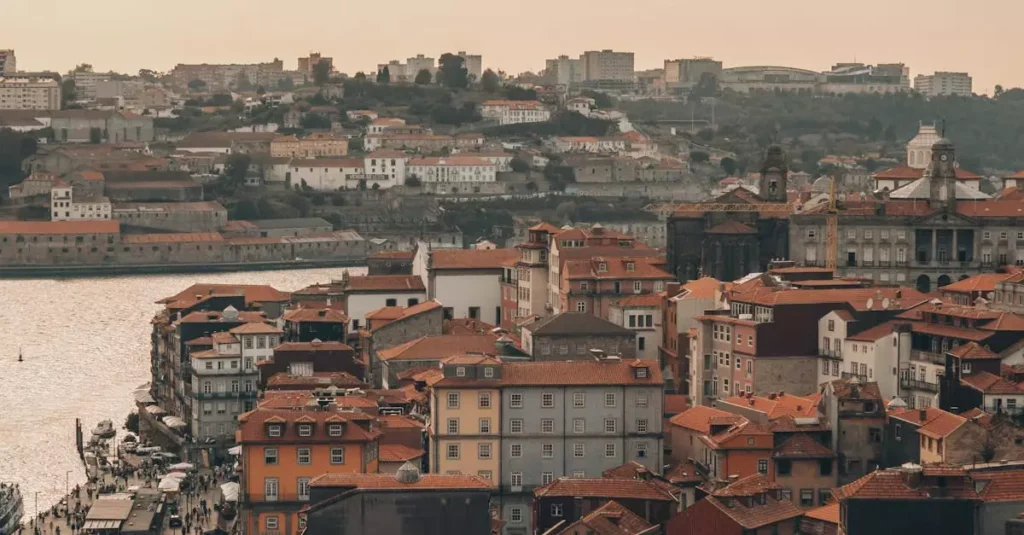
Portugal’s coastline is a stunning mosaic of golden beaches, dramatic cliffs, and charming villages where life moves at a gentler pace. For travelers seeking authentic seaside experiences beyond the usual tourist trails, discovering the best Portugal coastal towns offers a unique blend of natural beauty, rich history, and vibrant local culture. This guide will take you from the royal elegance of Cascais to the world-class surf breaks of Ericeira and the picturesque fishing harbors of the Algarve, revealing hidden gems in the north along with essential tips for your journey. You’ll learn about the distinct character of each town, the ideal times to visit, how to navigate between them, and the delicious local flavors you won’t want to miss. Prepare to uncover your perfect Portuguese coastal escape.
Charming Fishing Villages: The Best Portugal Coastal Towns to Explore
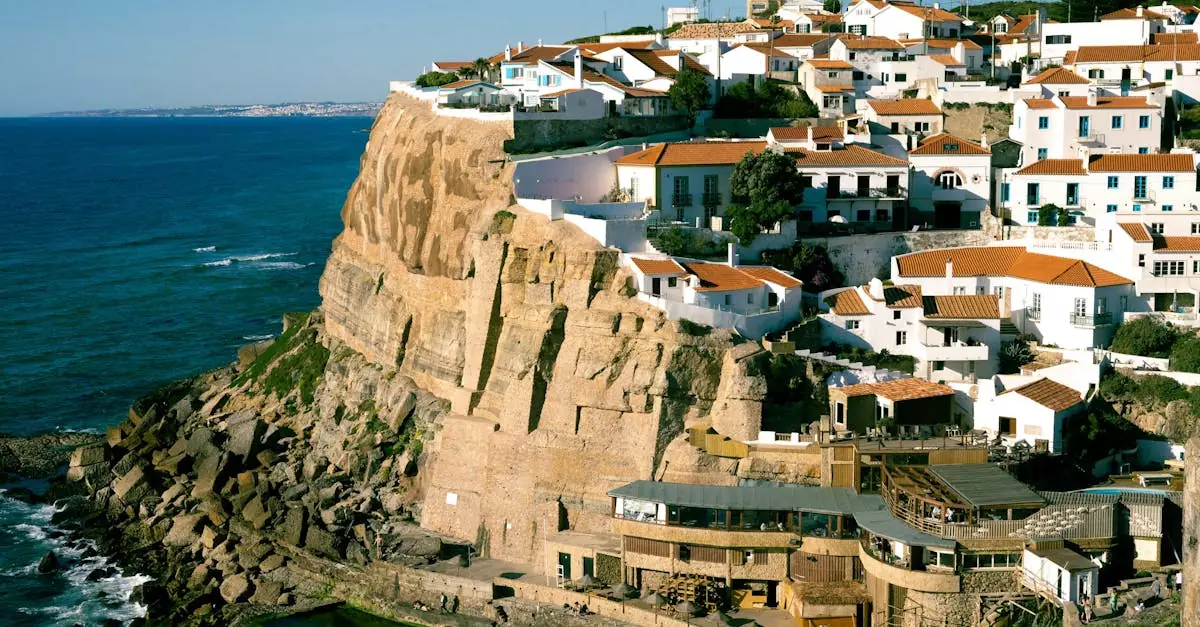
Portugal’s coastline features dramatic cliffs, golden beaches, and charming villages where traditional life thrives. For travelers seeking authentic experiences beyond bustling cities, these best Portugal coastal towns provide a glimpse into a slower pace of life, fresh seafood, and stunning natural beauty. From royal retreats to surf havens and picturesque fishing ports, each destination promises a unique seaside escape.
Cascais: A Royal Retreat Near Lisbon
Just a short train ride from Lisbon, Cascais has long been a favored summer escape for Portuguese royalty and continues to exude an elegant yet relaxed atmosphere. This former fishing village, now a sophisticated resort town, offers a delightful mix of history, culture, and coastal charm. Visitors can wander through its pedestrianized center, admire colorful buildings, and discover quaint squares filled with cafes.
The town’s beaches, such as Praia da Rainha and Praia da Conceição, are easily accessible and provide pleasant spots for sunbathing or a refreshing dip. For those interested in local history, the Citadel of Cascais and the Condes de Castro Guimarães Museum offer insights into the town’s past. The Boca do Inferno, a dramatic cliff formation with a sea cave, is a must-see natural spectacle, especially when the waves are strong.
Reaching Cascais is straightforward, with frequent trains departing from Cais do Sodré station in Lisbon, making it a convenient day trip or a base for exploring the region. Accommodation options range from boutique hotels to charming guesthouses, catering to various budgets.
Ericeira: World Surfing Reserve and Coastal Charm
Ericeira stands out as one of Europe’s few World Surfing Reserves, attracting wave riders from around the globe. However, its appeal extends far beyond the surf breaks. This picturesque fishing town, perched on dramatic cliffs overlooking the Atlantic, retains its authentic character with whitewashed houses, blue-trimmed windows, and narrow cobblestone streets.
The town’s coastline is dotted with diverse surf spots, from the gentle waves of Foz do Lizandro to the challenging breaks at Ribeira d’Ilhas. Even if surfing isn’t your primary interest, watching skilled surfers or simply enjoying the rugged coastal scenery is captivating. The historic town center offers a pleasant atmosphere for leisurely strolls, with local artisan shops and seafood restaurants serving the day’s catch.
Ericeira’s location makes it a great base for exploring nearby attractions, including the Mafra National Palace. Transportation from Lisbon involves reliable and frequent bus services. Travelers seeking a vibrant yet authentic seaside experience will find Ericeira a compelling choice among the best Portugal coastal towns.
Ferragudo: Picturesque Algarve Fishing Port
Nestled on the western bank of the Arade River estuary, opposite the larger town of Portimão, Ferragudo offers a tranquil and authentic Algarve experience. This charming fishing village has preserved its traditional character, with a maze of narrow streets, whitewashed houses adorned with flower pots, and a picturesque harbor where colorful fishing boats bob gently.
The village boasts several beautiful beaches, including Praia da Angrinha and Praia Grande, both easily accessible and offering stunning views of the river and the historic São João do Arade Castle. Ferragudo’s main square, Praça Rainha Dona Leonor, is the heart of the village, surrounded by restaurants and cafes perfect for enjoying fresh seafood and local wine. The unhurried pace of life here is infectious.
Reaching Ferragudo typically involves flying into Faro Airport and then taking a bus or taxi. For those traveling along the coast, it’s a refreshing alternative to the more developed resort towns of central Algarve. Its authenticity and scenic beauty make it a standout among the best Portugal coastal towns.
Here’s a brief comparison of these charming destinations:
| Town | Proximity to Lisbon | Surfing Focus | Royal History | Family Friendly |
|---|---|---|---|---|
| Cascais | Very Close (30 min) | Low | High | High |
| Ericeira | Moderate (1 hr) | Very High | Low | Moderate |
| Ferragudo | Far (2.5 hrs from Lisbon) | Low | Low | High |
Beyond the Algarve: Northern Portugal’s Underrated Coastal Gems
While the southern Algarve often captures the spotlight for its sun-drenched beaches, northern Portugal offers a compelling alternative with its rugged coastline, historic charm, and authentic atmosphere. These less-trodden destinations provide a different perspective on Portugal’s seaside allure, often at a more relaxed pace and with a gentler impact on the wallet. Travelers seeking picturesque landscapes and genuine local culture will find these northern coastal towns particularly rewarding.
Aveiro: The ‘Venice of Portugal’ with Moliceiro Boats
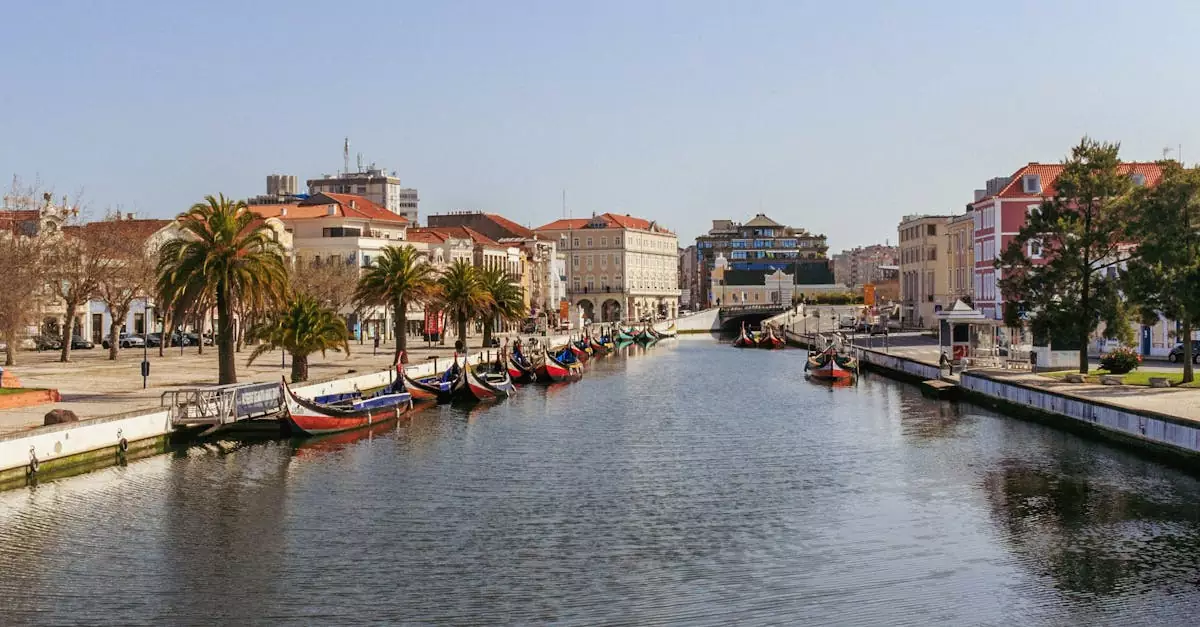
Often referred to as the “Venice of Portugal,” Aveiro’s charm lies in its intricate network of canals. Instead of gondolas, traditional moliceiro boats, once used for harvesting seaweed, now ferry visitors along the Ria de Aveiro. These flat-bottomed vessels, often adorned with colorful and humorous paintings, offer a unique way to see the city’s Art Nouveau architecture and salt pans.
The canals weave through the heart of Aveiro, providing a gentle pace for sightseeing. Beyond the boat tours, the city itself is a pleasure to wander. Explore the Mercado do Peixe (Fish Market) for a glimpse of local life or sample the region’s sweet specialty, ovos moles (sweet egg yolk pastries). Aveiro is easily accessible by train from Porto, making it a convenient day trip or a relaxed overnight stay.
Costa Nova: Iconic Striped Houses and Sandy Beaches
Just a short distance from Aveiro lies Costa Nova, a vibrant seaside resort famous for its striking palheiros. These traditional fishermen’s houses, painted in bold horizontal stripes of red, blue, and yellow, create an unforgettable visual spectacle against the golden sand. Originally built to store fishing equipment, many have been converted into charming holiday homes and guesthouses.
The beaches here are wide and sandy, stretching for miles and offering ample space for sunbathing, swimming, and water sports. The Atlantic waves can be powerful, making it a popular spot for surfers. A stroll along the promenade, past the colorful houses and towards the lighthouse, is a quintessential Costa Nova experience. The proximity to Aveiro makes it easy to combine visits to both distinct locations.
Viana do Castelo: Historic Port City and Stunning Views
Perched on the Lima River estuary, Viana do Castelo boasts a rich maritime history and a dramatic hilltop sanctuary. The Santuário de Santa Luzia, crowned by a magnificent basilica, offers breathtaking panoramic views. From this vantage point, you can see the winding river, the vast Atlantic Ocean, and the city’s terracotta rooftops stretching out below. Reaching the sanctuary is an experience in itself, either by a scenic drive or the charming funicular railway.
The historic center of Viana do Castelo is a delight to explore, with its cobbled streets, ornate fountains, and Manueline architecture. The Praça da República is the city’s vibrant heart, surrounded by impressive buildings. Viana do Castelo is also known for its traditional filigree jewelry and colorful regional costumes, often seen during local festivals. It serves as an excellent base for exploring the northern coastline, with easy access to natural parks and other charming villages.
What’s the Best Time to Visit Portugal’s Coastal Towns?
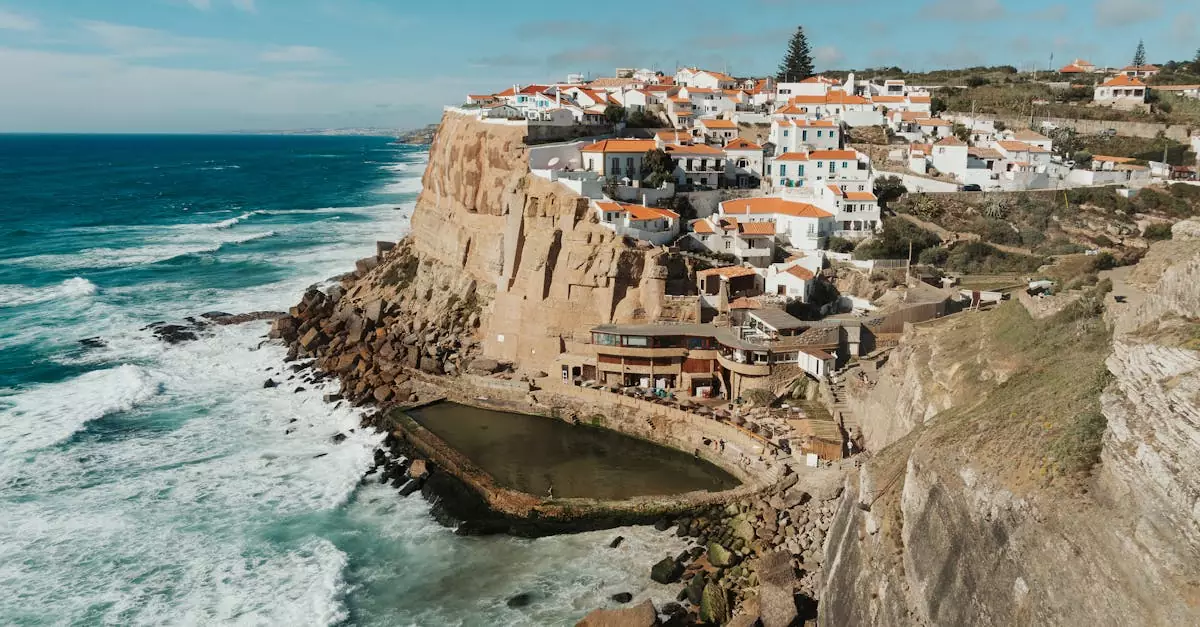
Choosing the right season significantly impacts your experience when visiting the best Portugal coastal towns. Each period offers a distinct atmosphere, from vibrant summer energy to the peaceful allure of spring and autumn. Consider your priorities—whether it’s swimming in warm waters, enjoying fewer crowds, or focusing on sightseeing—to pick the perfect time for your getaway.
Spring (April-May): Pleasant Weather and Fewer Crowds
Spring heralds a welcome change as temperatures become mild and the landscape bursts with color. This is an excellent time for exploring charming villages and enjoying outdoor activities without the peak summer heat or crowds. You’ll find pleasant conditions for walking along the coast, visiting historical sites, and savoring local cuisine at outdoor cafes. Many towns begin to stir from their winter quiet, with outdoor markets and festivals starting to appear.
The shoulder months of April and May offer a sweet spot for many travelers. The sea may still be cool for swimming, but abundant sunshine makes it ideal for sightseeing and enjoying natural beauty. Accommodations are generally more affordable than in summer, allowing for a more authentic feel in smaller communities before the main tourist influx.
Summer (June-August): Warm Seas and Lively Atmosphere
Summer is synonymous with sun-drenched days and the vibrant energy of coastal Portugal. This is the prime time for beach lovers, with warm temperatures perfect for swimming, sunbathing, and water sports. The ocean temperatures are at their most inviting, drawing crowds to popular destinations along the Algarve and beyond.
Evenings are warm and lively, with many towns hosting outdoor concerts, festivals, and bustling night markets. Restaurants and bars are in full swing, offering a dynamic social scene. Be prepared for higher prices for accommodations and flights during these months, and expect popular beaches and attractions to be busy. Booking well in advance is crucial if you plan to visit during July or August.
| Month | Average Temperature (°C) | Sea Temperature (°C) | Crowd Levels | Notes |
|---|---|---|---|---|
| June | 25-28 | 19-21 | High | Pleasant warmth, seas still refreshing |
| July | 28-32 | 21-23 | Peak | Hottest weather, ideal for beach activities |
| August | 28-32 | 22-24 | Peak | Hottest weather, peak tourist season |
Autumn (September-October): Ideal for Sightseeing and Mild Temperatures
As summer winds down, autumn brings a welcome return to milder temperatures and a more relaxed pace. September and October are fantastic months for exploring Portugal’s coastline, especially if your focus is on culture, history, and scenic walks. The sea often retains its summer warmth well into September, allowing for some late-season swimming.
Crowds thin out considerably after August, making it easier to enjoy popular attractions and find more affordable lodging. This period is perfect for leisurely strolls through historic towns, enjoying fresh seafood without the summer rush, and appreciating the golden light that bathes the landscapes. The weather remains generally pleasant, with sunny days and cooler evenings, making it a comfortable time for extensive sightseeing.
How to Travel Between Portugal’s Best Coastal Towns
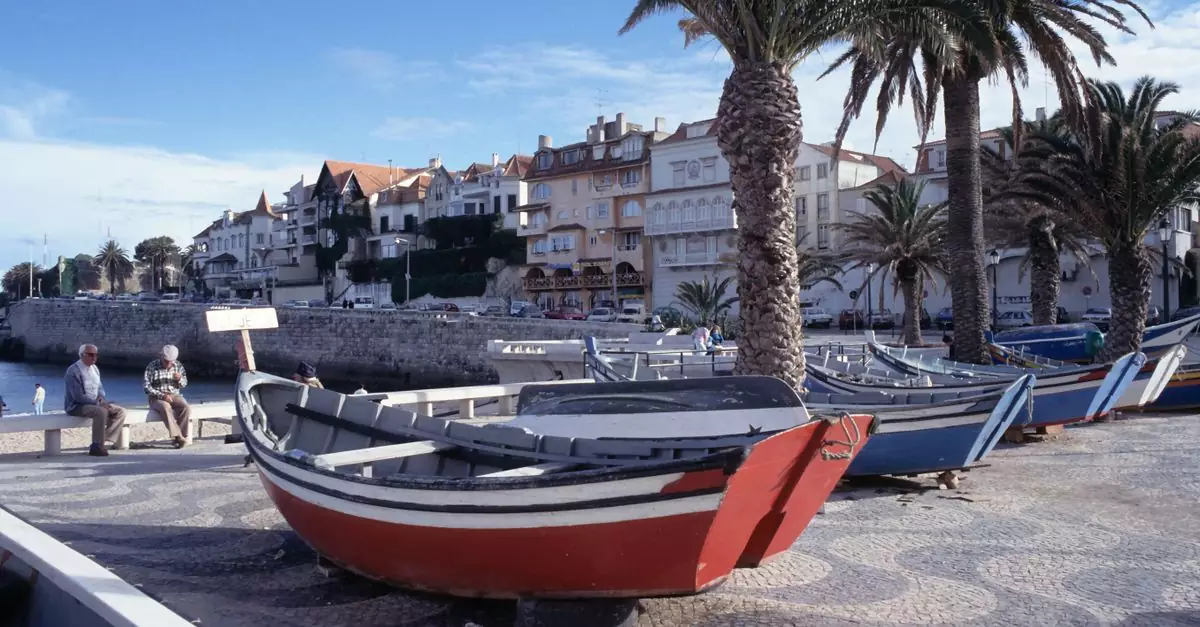
Portugal’s coastline offers a diverse range of charming towns and dramatic landscapes, and getting between them is part of the adventure. Whether you seek flexibility or a scenic journey, several transportation options cater to different travel styles and budgets. Planning your transit in advance will help you maximize your time and fully appreciate the beauty of the Portuguese coast.
Navigating by Train: Scenic Routes Along the Coast
Portugal’s national railway company, Comboios de Portugal (CP), operates a reliable network that connects many coastal hubs. The train is an excellent choice for a relaxed journey, offering comfortable seating and often providing picturesque views as you travel. The main coastal line runs north from Lisbon towards Porto, passing through popular destinations like Aveiro and Figueira da Foz. South of Lisbon, routes extend toward the Algarve, though direct coastal train travel is less frequent in this region, often requiring bus connections for the final stretches to smaller towns.
Booking train tickets in advance is advisable, especially during peak season, and can sometimes secure better prices. Consider purchasing a Portugal Rail Pass if you plan extensive train travel across the country, as it offers flexibility and cost savings.
Renting a Car: Flexibility for Exploring Hidden Coves
For travelers who want the freedom to venture off the beaten path and discover secluded beaches or small fishing villages not served by public transport, renting a car is the most practical solution. A car allows you to set your own pace and easily access areas like the rugged coast of the Alentejo or the more remote stretches of the Algarve. Major car rental companies are readily available at airports and in larger cities, including Lisbon and Porto.
When driving in Portugal, be aware of toll roads (autoestradas), which are efficient but incur charges. Many tolls are electronic, so ensure your rental agreement covers any necessary transponder systems. Parking can also be a challenge in some of the older, narrower coastal towns, so look for accommodations that offer parking facilities.
Bus Services: Connecting Major Towns and Villages
Intercity bus services, primarily operated by Rede Expressos, offer an extensive network that complements the train routes, often reaching smaller coastal communities that trains do not. Buses are generally a more budget-friendly option than trains and provide a good way to connect between larger towns and explore more rural coastal areas. Services are frequent and comfortable, with Wi-Fi and onboard facilities on many routes.
When planning your itinerary, it’s wise to check the schedules for both trains and buses, as the best option for a particular leg of your journey might vary. You can often purchase tickets online in advance or at bus stations. For example, reaching the popular surfing town of Ericeira from Lisbon is most efficiently done by bus.
Savoring Local Flavors: Must-Try Dishes in Coastal Portugal
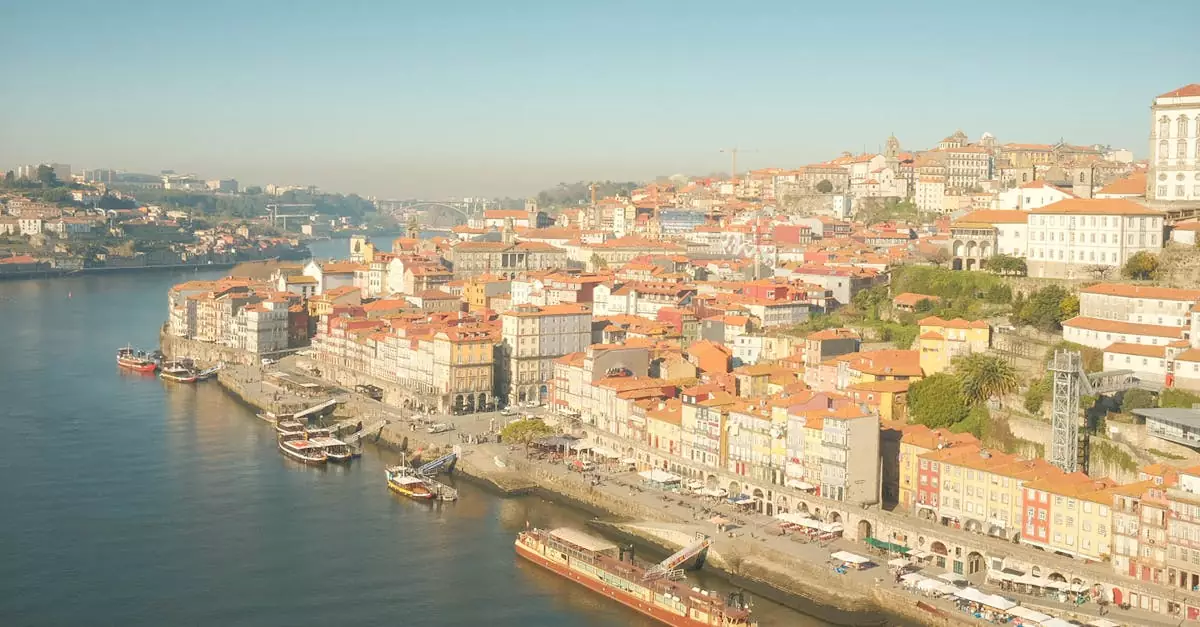
Exploring Portugal’s coastline offers more than just stunning vistas; it’s a culinary journey. The fresh catch from the Atlantic, combined with regional traditions, creates a delicious tapestry of flavors. To truly experience the best Portugal coastal towns, sampling their signature dishes is essential.
Freshly Grilled Sardines in Lisbon’s Coastal Neighborhoods
During the summer months, especially around the Festas de Santo António in June, the aroma of grilling sardines fills the air in Lisbon’s historic neighborhoods like Alfama and Bairro Alto. These aren’t just any sardines; they are plump, fresh, and grilled over charcoal until the skin is crispy and the flesh is moist and flavorful. Often served simply with boiled potatoes and a fresh salad, or stuffed into a crusty bread roll (a bifana style, but with sardines), they are a quintessential Lisbon experience. Look for small, local taverns (tascas) where the sardines are grilled outdoors.
Cataplana de Marisco: A Seafood Stew from the Algarve
From the sun-drenched Algarve region comes the cataplana de marisco, a magnificent seafood stew cooked and served in a distinctive clam-shaped copper pot. This dish celebrates the ocean’s bounty, typically featuring a generous mix of clams, mussels, prawns, and often white fish, all simmered in a fragrant broth of tomatoes, onions, garlic, white wine, and herbs. The beauty of the cataplana is that all the flavors meld together under pressure, creating an intensely rich and aromatic stew. It’s a communal dish, perfect for sharing with family or friends after a day of enjoying the southern Portuguese coast.
Ovos Moles: Sweet Pastries from Aveiro
While not savory, no culinary tour of Portugal’s coast is complete without mentioning ovos moles from Aveiro. This delicate sweet treat translates to “soft eggs” and consists of a rich, creamy filling made from egg yolks and sugar, encased in thin wafers often shaped like seashells, fish, or other maritime symbols. Aveiro, known as the “Venice of Portugal” for its canals, is the birthplace of this confection. You’ll find ovos moles sold in charming shops throughout the city and often served in traditional packaging. It’s a perfect, light dessert to enjoy with a coffee while strolling along the canals.
Frequently Asked Questions About Portugal’s Coastal Towns
Are Portugal’s coastal towns family-friendly?
Yes, many of Portugal’s coastal towns are exceptionally family-friendly. Locations like Cascais offer calm beaches with gentle waves, making them safe for children. You’ll find playgrounds, family-oriented restaurants, and readily available amenities. Towns with larger sandy expanses, such as those in the Algarve, are also popular for family holidays.
What are the safest coastal towns in Portugal?
Portugal is generally a very safe country, and its coastal towns reflect this. Smaller, more traditional fishing villages often feel particularly secure. Towns like Ericeira, known for its surfing culture, and the charming seaside resort of Nazaré, while famous for its giant waves, maintain a strong sense of community safety. Even larger towns like Cascais and Estoril have low crime rates and are considered very safe for visitors.
Can you find affordable accommodation in these towns?
Finding affordable accommodation across the best Portugal coastal towns is certainly possible, though it depends on the season and specific location. The Algarve region, being a popular tourist hub, can see higher prices in peak summer months. However, exploring shoulder seasons like spring or autumn can significantly reduce costs.
Consider these options for budget-friendly stays:
- Guesthouses and Alojamento Local: These smaller, often family-run establishments offer a more authentic and economical experience than large hotels.
- Apartment Rentals: Renting an apartment can be cost-effective, especially for longer stays or for families, as it allows for self-catering.
- Hostels: Many coastal towns now have modern, clean hostels that provide private rooms as well as dormitories, catering to various budgets.
- Locations Slightly Inland: Staying just a few kilometers away from the absolute beachfront can often lead to considerable savings while still offering easy access to the coast.
For example, while a beachfront villa in Albufeira might be expensive in July, a charming guesthouse in a nearby town like Ferragudo or a well-rated hostel in Lagos can offer great value. Planning your trip outside of the absolute peak summer season is one of the most effective ways to manage accommodation costs.