Portugal’s rich tapestry of flavors beckons travelers with promises of unforgettable culinary experiences. For those planning a 2026 adventure, discovering the best food destinations Portugal has to offer is essential for an authentic journey. This guide will navigate you through the vibrant culinary landscapes of Lisbon, Porto, the Algarve, and Évora, unveiling must-try dishes, iconic flavors, and regional specialties that define Portuguese gastronomy. You’ll find where to savor the most delectable pastéis de nata, relish the unique Francesinha, indulge in the freshest Atlantic seafood, and explore the rustic delights of Alentejo’s black pork. Prepare to embark on a delicious exploration that uncovers the true taste of Portugal.
Lisbon: A Gastronomic Capital of Pastel de Nata and Beyond
Lisbon, Portugal’s vibrant capital, exemplifies the country’s evolving culinary scene, blending tradition with modern innovation. For travelers seeking the best food destinations in Portugal, Lisbon offers an unparalleled array of flavors, from iconic pastries to authentic local taverns. The city’s diverse neighborhoods each contribute to a unique gastronomic experience, making it a must-visit for any food enthusiast planning a trip for 2026.
Savoring Authentic Pastel de Nata in Belém
No culinary exploration of Lisbon is complete without tasting a genuine pastel de nata. While these creamy custard tarts can be found throughout the city, the most revered are from Pastéis de Belém, the original bakery established in 1837. Located near the Jerónimos Monastery in the historic Belém district, this establishment uses a secret recipe passed down through generations. Arrive early, especially during peak season, to avoid long queues. The warm, flaky pastry, dusted with cinnamon and powdered sugar, is an essential Lisbon experience.
Beyond the famous tart, Belém offers a charming atmosphere for a leisurely stroll, making the journey to this district worthwhile for its history and iconic treat. Consider visiting the nearby Monument to the Discoveries or the Belém Tower before indulging in your pastry.
Exploring Alfama’s Traditional Tascas for Fado and Food
Lisbon’s oldest district, Alfama, is a labyrinth of narrow, winding streets that echo with the melancholic strains of Fado music. Tucked away within this historic quarter are numerous tascas—small, family-run taverns serving traditional Portuguese dishes. These unpretentious eateries offer an authentic taste of local life, where hearty stews, grilled sardines (especially during summer festivals), and bacalhau (codfish) are staples.
Dining in an Alfama tasca often includes live Fado performances, creating an immersive cultural and culinary experience. Look for places bustling with locals; this is usually a good indicator of quality and authenticity. A typical meal might feature a selection of petiscos (Portuguese tapas), a glass of vinho verde, and a main course of freshly grilled fish. The intimate setting and genuine hospitality make these dining experiences particularly memorable.
Discovering Mercado da Ribeira (Time Out Market) for Diverse Flavors
For a contemporary and varied gastronomic adventure, the Mercado da Ribeira, now known as Time Out Market Lisboa, is an essential stop. This bustling food hall, housed in a historic market building, brings together some of Lisbon’s most acclaimed chefs and restaurants under one roof. Visitors can sample everything from traditional Portuguese seafood and roasted meats to international cuisine and artisanal desserts.
The market’s layout encourages communal dining, with ample seating in the central area. It’s an excellent option for groups with diverse tastes or travelers wanting to sample a wide range of Lisbon’s culinary offerings in one location. Popular stalls often have long lines, but the variety and quality of food make the wait worthwhile. Consider visiting during off-peak hours for a more relaxed atmosphere.
Here’s a quick comparison of popular Lisbon food experiences:
| Experience | Location | Cuisine Type | Budget (per person) | Atmosphere | Best For |
|---|---|---|---|---|---|
| Pastéis de Belém | Belém | Pastry | €2-€5 | Historic, Bustling | Iconic tart tasting |
| Alfama Tascas | Alfama | Traditional Portuguese | €15-€30 | Cozy, Authentic | Local flavors, Fado music |
| Time Out Market Lisboa | Cais do Sodré | Diverse | €20-€40 | Lively, Modern | Variety, Chef-driven dishes |
| Traditional Portuguese Dinner | Various | Regional Portuguese | €25-€50 | Varied | Immersive local dining |
Getting around Lisbon to experience these diverse food destinations is straightforward. The city’s public transportation system includes trams, buses, and a metro, with the historic Tram 28 offering a scenic way to navigate the older neighborhoods. For those interested in exploring further afield, consider a day trip to nearby towns like Sintra for an enriched culinary journey through Portugal.
Porto’s Ribeira District: Where Port Wine Meets Riverfront Feasts

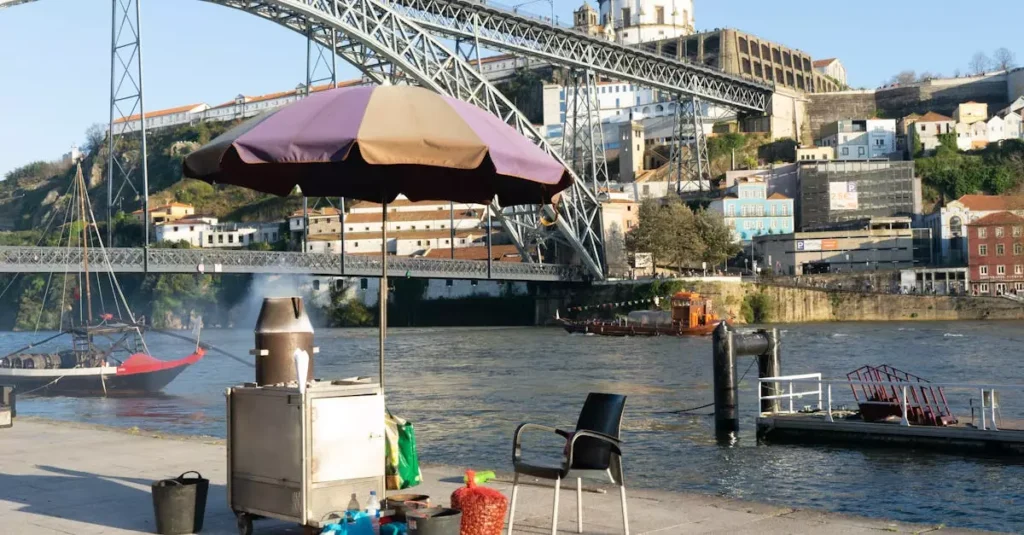
Porto’s Ribeira district, a UNESCO World Heritage site, offers a vibrant culinary scene set against a backdrop of historic architecture and the scenic Douro River. This area is a must-visit for anyone seeking the best food destinations in Portugal, blending iconic local dishes with world-renowned wine experiences. The narrow, cobblestone streets are lined with traditional restaurants (tascas) and contemporary eateries, many boasting stunning river views.
Indulging in Francesinha: Porto’s Iconic Sandwich
No culinary journey through Porto is complete without trying the Francesinha. This hearty, layered sandwich is a local legend, typically made with bread, ham, various types of sausage, and steak, all covered in melted cheese and a rich, beer-based tomato sauce, often served with fries. While it’s a substantial meal best enjoyed on a cooler day, its unique flavor profile makes it a memorable Porto food experience. Many tascas in Ribeira serve their own versions, each with a slightly different take on the sauce or filling.
For those looking to sample this iconic dish, consider visiting Café Santiago or Bufete D’algibe. Be prepared for a robust meal; it’s a true test of appetite.
Port Wine Cellar Tours and Tastings in Vila Nova de Gaia
Across the Douro River from Ribeira, in Vila Nova de Gaia, lie the historic cellars of Port wine producers. This is where the famous fortified wine is aged and prepared for export. Taking a guided tour through one of these cellars offers a fascinating glimpse into the winemaking process, from grape to glass. Most tours conclude with a tasting session, allowing visitors to sample different styles of Port, such as Ruby, Tawny, and Vintage.
Several well-known Port houses, including Sandeman, Graham’s, and Taylor’s, offer extensive tours. Booking in advance is highly recommended, especially during peak tourist season, to secure your preferred time slot. The experience provides a deeper appreciation for one of Portugal’s most celebrated exports and complements the gastronomic exploration of Porto.
Fresh Seafood Delights Along the Douro River
Proximity to the Atlantic Ocean means Porto boasts an abundance of incredibly fresh seafood, a staple in the Ribeira district’s culinary offerings. Restaurants along the riverfront and in surrounding streets serve a variety of grilled fish, including sea bass (robalo) and sea bream (dourada), often simply prepared to highlight their natural flavors. Bacalhau (codfish), Portugal’s national dish, is also popular, prepared in countless regional variations.
Beyond grilled fish, you can find delicious octopus dishes (polvo), sardines (sardinhas) when in season, and various shellfish platters. Many establishments source their catch daily, ensuring quality and freshness. Enjoying a plate of grilled sardines with a glass of Vinho Verde while overlooking the Douro at sunset is a quintessential Porto dining experience.
The Algarve: Coastal Flavors and Fresh Catch of the Day

The Algarve, Portugal’s southernmost region, is synonymous with sun-drenched beaches and vibrant coastal life, but it also offers a compelling culinary journey for food lovers. Beyond the popular tourist hubs, the region boasts a rich gastronomic heritage deeply tied to the Atlantic Ocean. Travelers seeking the best food destinations in Portugal will find the Algarve a rewarding stop, particularly for its emphasis on fresh seafood and traditional preparation methods. The best time to visit for culinary exploration is during the shoulder seasons of spring (April-May) and autumn (September-October), when the weather is pleasant, and local markets are brimming with seasonal produce.
Grilled Sardines in Faro’s Old Town
Faro, the regional capital, offers a more authentic Portuguese experience away from the busiest resorts. Its historic old town, a maze of cobbled streets and whitewashed buildings, is perfect for savoring one of Portugal’s most iconic dishes: grilled sardines. During the summer months, especially around the feast days of Santo António in June, the air in Faro is thick with the smoky aroma of sardines grilling over charcoal. Local taverns and outdoor stalls set up temporary grills, serving these simple yet delicious fish with boiled potatoes and a crisp salad. Don’t miss the opportunity to pair them with a local vinho verde for a truly authentic meal. Exploring Faro’s old town on foot makes it easy to discover these culinary gems.
Cataplana Cooking Demonstrations in Lagos
Lagos, known for its dramatic cliffs and golden beaches, also hosts impressive culinary traditions. The cataplana, a distinctive clam-shaped copper pot, is central to many Algarve seafood dishes. This unique vessel allows for a steaming process that melds flavors beautifully. Many restaurants in Lagos offer not only the chance to taste dishes prepared in a cataplana, such as clams with pork or mixed seafood, but also provide cooking demonstrations. These sessions offer hands-on insight into the techniques and fresh ingredients that define Algarve cuisine. Booking a demonstration in advance is recommended, especially during peak season.
Seafood Rice (Arroz de Marisco) in Tavira
Tavira, a charming town on the eastern Algarve coast, is celebrated for its picturesque riverfront and traditional architecture. Here, the focus on seafood is paramount, and Arroz de Marisco (seafood rice) is a standout dish. Unlike a typical paella, this is a wetter, more soupy rice preparation, brimming with the flavors of the sea. Generous portions of prawns, mussels, clams, and sometimes crab are simmered with rice in a rich tomato and herb broth. Tavira’s riverside restaurants are ideal for enjoying this hearty and flavorful meal, often served family-style. Many establishments in Tavira pride themselves on using locally sourced ingredients, ensuring a fresh and authentic taste of the Algarve.
Évora: Alentejo’s Rustic Charm and Black Pork Delicacies

Évora, the capital of the Alentejo region, offers a deep dive into Portugal’s agricultural heartland, where food is integral to the culture as much as its ancient history. This UNESCO World Heritage city is a must-visit for anyone seeking authentic Portuguese flavors, particularly those centered around its renowned porco preto (black pork). The rolling plains surrounding Évora are dotted with cork oak and olive trees, creating a culinary scene deeply connected to the land.
Tasting Porco Preto (Black Pork) in Alentejo
The star of Alentejo’s gastronomy is undoubtedly porco preto, a heritage breed of pig that roams freely, feeding on acorns. This diet imparts a distinctive nutty flavor and marbling to the meat, making it exceptionally tender and rich. In Évora and surrounding towns, you’ll find porco preto prepared in numerous ways. Seek out dishes like secretos (thinly sliced pork belly), plumas (shoulder cut), or a simple grilled pork steak. Many traditional restaurants highlight these cuts, often served with roasted potatoes or a simple salad.
When dining in Évora, look for restaurants that emphasize local sourcing. Many establishments proudly display their connection to local farms, ensuring you’re tasting the very best the region has to offer. The preparation is often straightforward, allowing the quality of the pork to shine through. A glass of robust Alentejo red wine is the classic accompaniment, creating a truly satisfying meal.
Exploring Évora’s Roman Temple and Local Eateries
Beyond its culinary fame, Évora boasts significant historical landmarks, most notably the remarkably preserved Roman Temple, also known as the Temple of Diana. This ancient monument stands as a testament to the city’s long history, providing a dramatic backdrop for your food explorations. After a morning of sightseeing, Évora’s charming streets are filled with inviting tascas and restaurants.
Wandering through the cobbled alleys, you’ll discover small, family-run establishments serving regional specialties. Don’t hesitate to venture off the main tourist paths; some of the most authentic dining experiences are found in these hidden corners. Consider a prato do dia (dish of the day) for a budget-friendly and local meal, often featuring hearty stews or expertly prepared fish dishes that showcase the diversity of Portuguese home cooking.
Discovering Regional Cheeses and Olive Oils
Alentejo’s fertile lands produce exceptional cheeses and olive oils, integral to the region’s cuisine. Sample Queijo de Serpa, a semi-soft sheep’s milk cheese with a creamy texture and intense flavor, often served drizzled with honey. Another local favorite is Queijo Azeitão, a soft, unpasteurized sheep’s milk cheese. These cheeses are perfect as appetizers or part of a larger meal.
The olive oil from Alentejo is renowned for its quality, often characterized by a fruity aroma and a slightly peppery finish. Many local producers offer tastings, allowing you to appreciate the nuances of their extra virgin olive oils. Pairing these regional products with crusty bread and local wines provides a simple yet profound taste of the Alentejo. You can often purchase these products directly from producers or at local markets, making them ideal souvenirs.
When is the Best Time to Experience Portugal’s Food Scene?
Timing your visit to Portugal can significantly enhance your culinary journey, aligning your trip with seasonal harvests and regional festivals. Each season offers distinct flavors and gastronomic experiences, making it worthwhile to consider when you plan to visit the best food destinations in Portugal.
Spring (March-May): Harvests and Mild Weather
Spring in Portugal heralds the arrival of fresh produce and milder temperatures, ideal for exploring outdoor markets and enjoying lighter dishes. The countryside awakens, bringing forth early vegetables and the first fruits of the season. This period is excellent for those who prefer comfortable weather for city exploration and leisurely meals.
The Algarve region, known for its seafood, benefits from calmer seas and abundant catches. Inland, you might find early asparagus and strawberries making their debut. The pleasant weather also makes it a great time for food tours in cities like Lisbon and Porto without the intense heat of summer.
Summer (June-August): Festival Flavors and Coastal Bounty
Summer is a vibrant time for food lovers in Portugal, marked by numerous local festivals (festas) and the peak season for fresh fish and seafood along the extensive coastline. The long, sunny days are perfect for enjoying grilled sardines, a quintessential Portuguese summer treat, especially in coastal towns and during the city’s Santos Populares celebrations in June.
This season also brings an abundance of fruits like cherries, peaches, and melons. Many regions host specific food fairs celebrating these summer delights. While the coast is popular, inland areas might experience higher temperatures, so planning activities for cooler mornings and evenings is advisable. This is a prime time to sample the best of Portugal’s coastal cuisine.
Autumn (September-November): Wine Harvests and Truffle Season
Autumn is one of the most rewarding seasons for food and wine enthusiasts in Portugal, particularly in regions like the Douro Valley and Alentejo. This is the time of the grape harvest (vindima), offering opportunities to witness winemaking processes and sample young wines (vinho novo). The cooler weather returns, making it perfect for hearty, comforting dishes.
The Alentejo region becomes a focal point with its olive oil production and the emergence of prized black truffles. Many restaurants showcase these seasonal ingredients in special menus. This period is also ideal for exploring Portugal’s interior, enjoying the changing landscapes and rich, earthy flavors. The harvest season provides unique insights into the country’s agricultural heritage and its best food destinations.
Planning Your Culinary Journey: Local Tips and Must-Try Dishes
Embarking on a food-focused trip through Portugal offers a delicious immersion into its rich culture and history. To truly savor the experience, understanding local customs and identifying authentic dishes beyond the usual tourist fare is key. This section provides practical insights for navigating Portugal’s vibrant food scene, ensuring your culinary adventure is both rewarding and delicious.
Navigating Portugal’s Markets for Local Produce
Portugal’s markets are the heartbeats of its towns and cities, vibrant hubs where locals shop for the freshest ingredients. Visiting these mercados offers a sensory feast and a chance to connect with the country’s agricultural bounty. In Lisbon, the Mercado da Ribeira, now also home to Time Out Market, retains a traditional section where you can find an incredible array of fresh fish, seasonal fruits, vegetables, and artisanal products. For a more local feel, explore the Mercado de Campo de Ourique in Lisbon or the Mercado do Bolhão in Porto, which has undergone extensive renovation to preserve its historic charm while modernizing its offerings.
When visiting, don’t hesitate to engage with the vendors. Many are happy to explain their produce, offer samples, or suggest how to prepare certain ingredients. Look for regional specialties like Algarve oranges, Alentejo bread, or a diverse selection of olives and cheeses. Early mornings are the best time to experience the market’s full energy and secure the freshest items. This hands-on approach to sourcing ingredients can inform your dining choices and deepen your appreciation for Portuguese cuisine.
Essential Portuguese Dishes Beyond the Tourist Trail
While bacalhau (codfish) and pastéis de nata (custard tarts) are undeniably Portuguese icons, the country’s culinary landscape is far richer. To truly experience the best food destinations Portugal has to offer, venture into regional specialties. In the north, particularly around Porto, look for Francesinha, a hearty sandwich layered with various meats, covered in melted cheese, and often topped with a rich tomato and beer sauce. Another northern delight is Tripas à Moda do Porto, a tripe stew that showcases Portugal’s resourceful cooking traditions.
Moving south, the Alentejo region is renowned for its robust flavors. Açorda Alentejana is a comforting bread soup, often served with poached eggs and cilantro, showcasing the region’s staple ingredient. For seafood lovers, the Algarve coast offers exceptional Arroz de Marisco (seafood rice) and grilled sardines, especially during the summer festival season. Don’t overlook Cozido à Portuguesa, a complex stew with various meats and vegetables, typically enjoyed as a hearty lunch, especially in cooler months. Exploring these dishes provides a more authentic taste of Portugal’s diverse regional gastronomy.
Budgeting for Foodie Adventures in Portugal
Portugal generally offers excellent value for money, especially compared to other Western European countries. You can enjoy delicious and authentic meals without breaking the bank. A significant portion of savings comes from embracing local habits. Eating lunch at a tasca (a traditional, often family-run eatery) is typically much more affordable than dining at a restaurant in a prime tourist location. Many tascas offer a prato do dia (dish of the day) for a set price, which usually includes soup, a main course, dessert, and sometimes even a drink and coffee.
A typical meal at a casual local restaurant might range from €8 to €15 per person. For more upscale dining experiences, especially in Lisbon or Porto, expect to pay €25-€50 or more. Supermarkets and local markets are also great for budget-conscious travelers. Picking up fresh bread, cheese, fruit, and wine for a picnic lunch can be a delightful and economical way to enjoy Portugal’s produce. Even for a foodie trip focused on the best food destinations Portugal offers, a daily food budget of €40-€60 per person should allow for a mix of casual meals, market snacks, and a few nicer dinners.
Here’s a general breakdown of food costs:
| Item | Estimated Cost (EUR) | Notes |
|---|---|---|
| Coffee (Espresso) | €0.70 – €1.50 | Widely available and affordable |
| Pastéis de Nata | €1.00 – €1.50 | Varies slightly by bakery |
| Lunch (Prato do Dia) | €8.00 – €15.00 | Includes soup, main, drink, and coffee |
| Dinner (Casual) | €15.00 – €25.00 | Main course and drink |
| Dinner (Mid-range) | €25.00 – €50.00 | Appetizer, main, drink, dessert |
| Bottle of Wine (Supermarket) | €3.00 – €10.00 | Excellent value for quality Portuguese wine |