Europe’s extensive rail network provides some of the continent’s most scenic and memorable journeys. For travelers seeking breathtaking landscapes at a leisurely pace, these premier train routes are exceptional. Planning your trip in advance is essential, especially for popular routes that often require reservations months ahead, particularly during peak summer travel.
This guide delves into the best rail adventures in Europe, highlighting iconic routes such as Switzerland’s Glacier Express and Bernina Express, Norway’s dramatic Flåm Railway, and Scotland’s wild West Highland Line. Discover what makes each journey unique, from panoramic windows and alpine vistas to coastal views and historical charm. Additionally, we’ll cover practical tips for booking and enhancing your experience on these unforgettable European train journeys, ensuring a truly memorable adventure.
Unveiling the Best Rail Adventures in Europe for 2026
Europe’s extensive rail network provides some of the continent’s most scenic and memorable journeys. For travelers seeking breathtaking landscapes at a leisurely pace, these premier train routes are exceptional. Planning your trip in advance is essential, especially for popular routes that often require reservations months ahead, particularly during peak summer travel.
The Glacier Express: Switzerland’s Panoramic Route
Often called the “slowest express train in the world,” the Glacier Express connects Zermatt and St. Moritz in Switzerland, traversing dramatic mountain passes and charming valleys. This iconic journey takes around eight hours, allowing ample time to soak in the 291 bridges and 91 tunnels along the route. The panoramic windows provide unparalleled views of famous peaks like the Matterhorn and the Oberalp Pass.
Expect a comfortable ride with excellent onboard service, including multi-course meals. While standard fare covers the journey, first-class seating offers a more spacious experience. The train operates year-round, with winter presenting a magical, snow-dusted landscape, while summer showcases vibrant green meadows. Booking tickets and seat reservations well in advance is highly recommended, particularly for travel between June and September.
The Bernina Express: Alpine Majesty from Chur to Tirano
The Bernina Express offers a spectacular journey through the Swiss Alps, linking Chur, Switzerland, with Tirano, Italy. This route is known for its engineering marvels, including the UNESCO World Heritage-listed Brusio Circular Viaduct. The train climbs to an altitude of 2,253 meters at the Bernina Pass before descending into the palm-tree-lined Valtellina valley in Italy.
The full journey takes approximately four hours, showcasing a remarkable diversity of landscapes, from glaciers and alpine lakes to vineyards and Mediterranean vegetation. The Bernina Express features panoramic coaches, ensuring unobstructed views of the stunning scenery. It’s an excellent option for those looking to combine a scenic train ride with a visit to northern Italy. Like the Glacier Express, advance booking for both tickets and seat reservations is essential.
The Flåm Railway: Norway’s Steepest Descent
For a truly dramatic and brief scenic rail experience, the Flåm Railway (Flåmsbana) in Norway is unmatched. This 20-kilometer stretch descends from Myrdal station, located on the Bergen Line, to the village of Flåm at the end of Aurlandsfjord. It is one of the steepest standard-gauge railway lines in the world, with gradients of up to 5.5%.
The journey takes about an hour and is famous for its breathtaking waterfalls, steep mountainsides, and charming farms clinging to the slopes. The train stops at Kjosfossen waterfall, where passengers can disembark for photos. The Flåm Railway operates year-round, with summer offering lush greenery and winter providing a dramatic, snow-covered spectacle. While the ride itself is short, it’s a highlight for many visitors to the Norwegian fjords. Consider combining this with a fjord cruise for a comprehensive experience of the region.
Scenic European Train Journeys Beyond the Alps
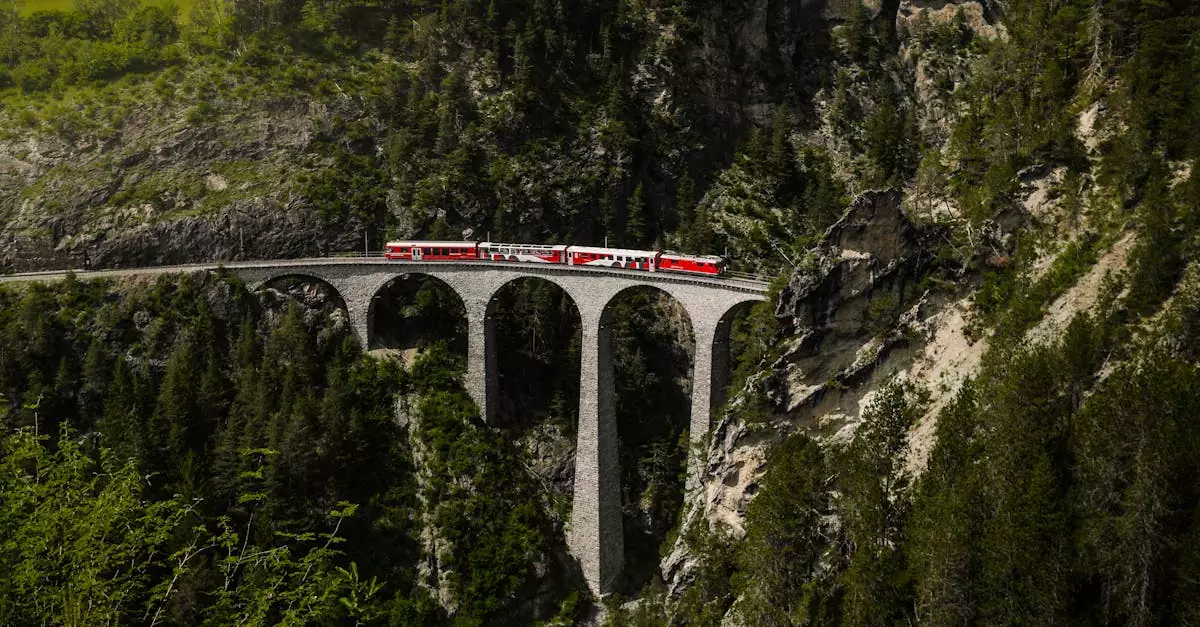
While the Swiss Alps often steal the spotlight for European rail adventures, the continent offers a wealth of captivating, and sometimes less crowded, railway experiences. These routes traverse dramatic coastlines, verdant valleys, and historic landscapes, providing a unique perspective on Europe’s diverse beauty.
The West Highland Line: Scotland’s Wild Beauty
Stretching from Glasgow to Mallaig on Scotland’s west coast, the West Highland Line is frequently cited as one of the world’s most scenic train journeys. This route winds through rugged mountains, alongside remote lochs, and across desolate moors, offering a true taste of the Scottish Highlands. The journey passes through Rannoch Moor, a vast, wild expanse of peat bog and heather, before descending toward the coast.
Travelers often highlight the sense of isolation and raw natural beauty encountered along this line. The single-track railway, a testament to engineering in challenging terrain, adds to its charm. The final leg into Mallaig offers stunning views of the Inner Hebrides, including the Isle of Skye.
Practical Tips for the West Highland Line:
- Best Time to Travel: Late spring and summer provide the longest daylight hours and the best chance of clear views, though autumn showcases spectacular foliage. Winter travel is possible but may be subject to weather delays.
- Booking: Advance booking is recommended, especially for popular summer travel dates, as carriages can fill quickly.
- Duration: The full journey from Glasgow to Mallaig takes approximately 5.5 hours, but many travelers opt for shorter segments, such as traveling to Fort William.
The Douro Line: Portugal’s Wine Country by Rail
Portugal’s Douro Line, or Linha do Douro, traces the Douro River through the heart of the country’s famed wine region. This picturesque route connects Porto to Pocinho, passing through terraced vineyards, charming riverside towns, and dramatic gorges. The train journeys alongside the river, providing constant, breathtaking views of the landscape that produces Portugal’s renowned Port wine.
The experience is immersive, with the train’s rhythm mirroring the slow pace of life in the Douro Valley. Passengers can witness steep, sculpted hillsides cultivated for centuries. Many visitors combine this train journey with wine tasting tours at local quintas (wine estates), accessible from various stations along the line.
Journey Highlights:
- Scenery: Expect panoramic views of the Douro River and its terraced vineyards.
- Towns: Stops include Peso da Régua, the historical capital of the wine region, and Pinhão, known for its beautiful azulejo-tiled train station.
- Logistics: The line is operated by Comboios de Portugal (CP). Day trips from Porto are popular, but an overnight stay in the valley is recommended for a more relaxed experience.
The Jacobite Steam Train: A Harry Potter Fan’s Dream
For those seeking a touch of magic, the Jacobite Steam Train offers an iconic rail experience in Scotland. This heritage service runs between Fort William and Mallaig, famously crossing the Glenfinnan Viaduct, instantly recognizable to fans of the Harry Potter films as the route to Hogwarts. The journey is not just about the viaduct; it traverses some of the most dramatic and remote scenery in the United Kingdom.
Riding a steam train adds a nostalgic and sensory element to the experience, with the hiss of steam and the smell of coal smoke. The train passes Loch Shiel, offers views of Ben Nevis (Britain’s highest mountain), and skirts the coastline before arriving in the fishing village of Mallaig.
Key Considerations for the Jacobite Steam Train:
- Popularity: This attraction is extremely popular, and tickets sell out months in advance, particularly for the summer season.
- Seasons: The Jacobite typically operates from April to October.
- Types of Tickets: Different ticket options are available, including standard seating and first-class compartments. The “Harry Potter Tram” experience is a significant draw.
- Comparison: While the West Highland Line uses modern trains, the Jacobite offers a unique steam-hauled perspective on a similar, stunning route.
Planning Your Epic European Rail Itinerary
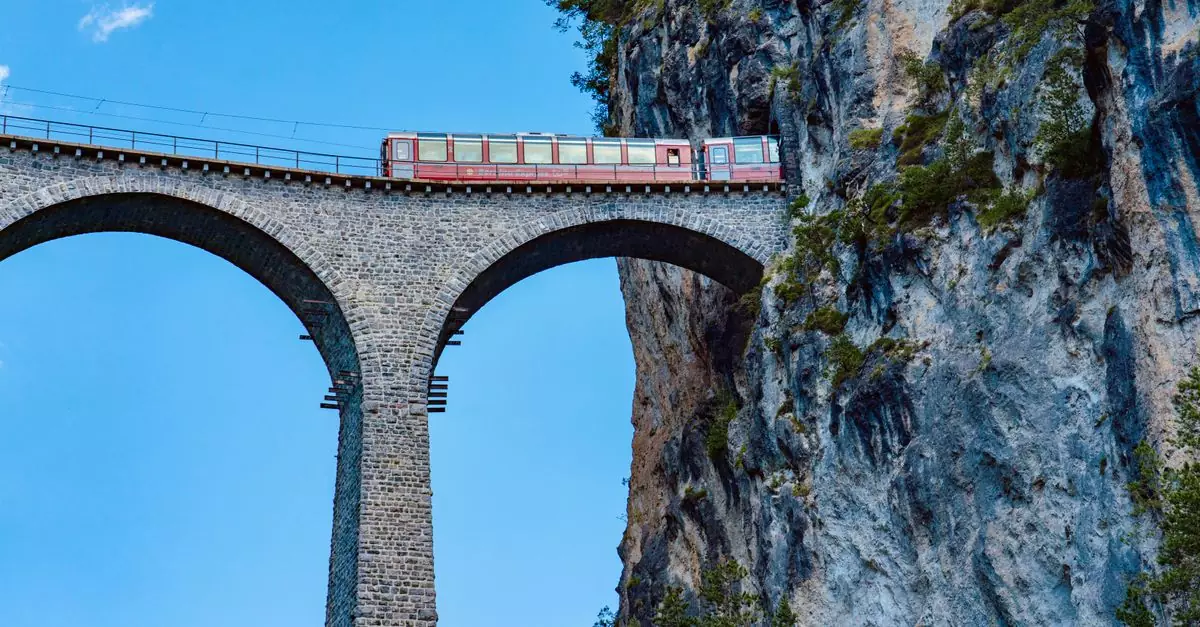
Embarking on one of Europe’s best rail adventures requires thoughtful planning, especially considering the sheer diversity of landscapes and travel styles available. Whether you dream of traversing the Swiss Alps or winding through the vineyards of Tuscany, a well-structured itinerary ensures you maximize your experience. Understanding the nuances of booking, choosing routes, and selecting the right train service will transform your journey from good to unforgettable.
Choosing Your Route: From Fjords to Vineyards
Europe’s rail network offers an unparalleled variety of scenic journeys. For dramatic mountain vistas, consider the Glacier Express in Switzerland, a slow-paced journey connecting Zermatt and St. Moritz, featuring panoramic views of snow-capped peaks and charming alpine villages. If coastal beauty calls, the West Highland Line in Scotland provides breathtaking scenery as it winds through the Highlands to Mallaig, famously crossing the Glenfinnan Viaduct.
For those who prefer rolling hills and cultural immersion, routes through France’s Loire Valley or Germany’s Romantic Road provide a different kind of charm. These journeys often connect historic towns and vineyards, allowing for leisurely stops to sample local wines and explore ancient chateaux. Planning your route also involves considering the time of year. Spring and autumn often offer pleasant weather and fewer crowds, while winter can present magical snowy landscapes, particularly in Scandinavia and the Alps.
Booking Train Tickets: Early Bird or Flexible?
The approach to booking train tickets across Europe can significantly impact both cost and availability. For popular high-speed routes and scenic tourist lines, booking several months in advance is often recommended. This strategy can secure lower fares, especially with national rail operators like SNCF in France or Trenitalia in Italy, and ensures a seat on sought-after services, such as the Bernina Express.
However, for more flexible travel or less popular regional lines, last-minute bookings may be feasible. Some countries, like Germany, offer flexible day tickets that can be purchased closer to your travel date, though prices may be higher. Utilizing rail passes, such as the Eurail Pass, can provide convenience and cost savings if you plan extensive travel across multiple countries, allowing for spontaneous decisions. Always compare the cost of individual tickets versus a pass based on your planned itinerary.
Navigating Sleeper Trains vs. Day Services
Choosing between a sleeper train and a day service depends largely on your travel priorities and the distances involved. Sleeper trains are excellent for covering long distances overnight, saving on accommodation costs and maximizing daylight hours for sightseeing at your destination. Companies like ÖBB (Austrian Federal Railways) operate extensive nightjet services connecting major European cities from Vienna to Rome, Paris, and Amsterdam. These services offer various accommodations, from couchette compartments to private sleeping berths, providing a comfortable and efficient travel option.
Day services, on the other hand, are ideal for shorter distances or when the journey itself is a key part of the experience. Many of Europe’s most iconic scenic routes, such as the Flåm Railway in Norway or the Cinque Terre trains in Italy, are best enjoyed during daylight to fully appreciate the surrounding landscapes. Day trains typically offer more spacious seating and opportunities to interact with fellow travelers, making the journey part of the adventure. When planning, consider total travel time, including getting to and from stations, and how much time you want to dedicate to transit.
What Are the Most Breathtaking Train Routes in Europe?
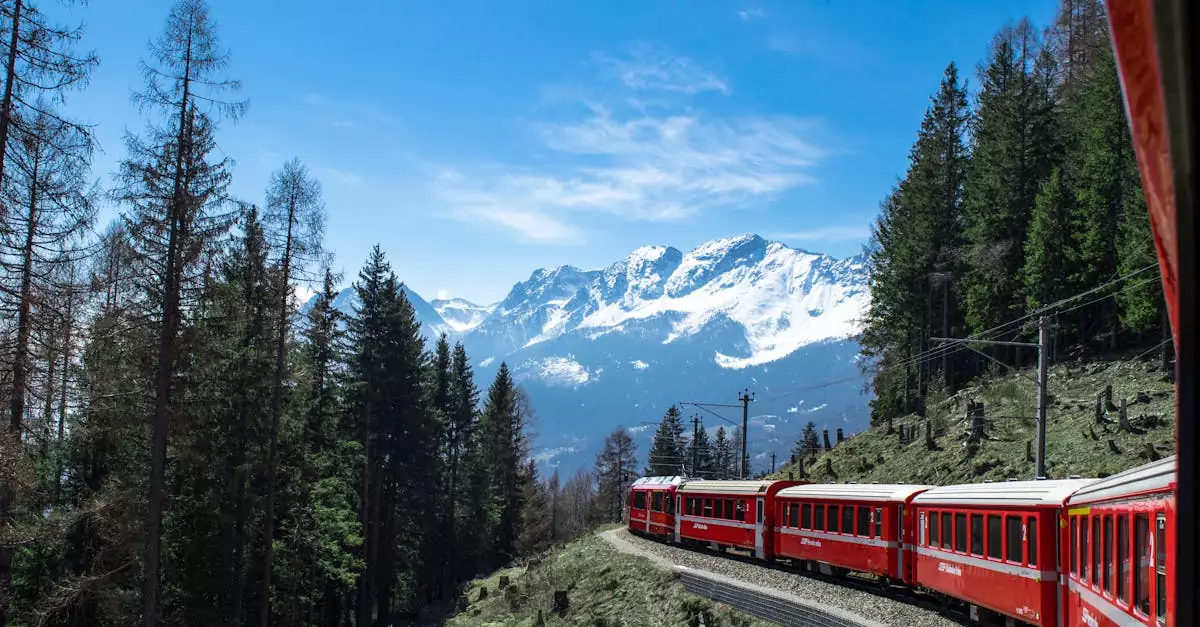
Europe’s extensive rail network offers some of the most scenic and memorable journeys on the continent. Beyond simply getting from point A to point B, these routes transform travel into an experience, showcasing diverse landscapes, historic towns, and unique cultural encounters. Planning a trip around one of these railway adventures can provide a truly unforgettable way to see Europe.
The Rhine Valley Line: Castles and Vineyards
For a classic European train experience, the Middle Rhine Valley (Mittelrheintal) route is hard to beat. This section of the Rhine River, a UNESCO World Heritage site, is lined with over 40 medieval castles and picturesque vineyards. Trains run frequently along both banks of the river, offering passengers constant stunning views.
The most popular stretch runs between Bingen and Koblenz, a journey of about an hour. You’ll pass dramatic clifftop castles like Burg Katz and Burg Maus, along with charming wine-producing towns such as Rüdesheim and Bacharach. Many travelers opt to take the train in one direction and enjoy a river cruise back, or vice versa, to experience the scenery from multiple perspectives.
Logistics: Trains are frequent and accessible. Consider purchasing a regional day ticket if you plan to make multiple stops. The best time to visit is spring for blooming vineyards or autumn for harvest season and vibrant foliage.
The Cinque Terre Express: Coastal Charm in Italy
Italy’s Cinque Terre, a string of five colorful fishing villages clinging to the Ligurian coastline, is a dream destination for many. While hiking between the villages is popular, the Cinque Terre Express train provides an efficient and scenic alternative. This short but impactful railway line connects La Spezia to Levanto, with stops in each of the five villages: Riomaggiore, Manarola, Corniglia, Vernazza, and Monterosso al Mare.
The train travels through tunnels carved into the cliffs, offering brief but dramatic glimpses of the turquoise sea and terraced vineyards between stations. Each village has its unique charm, and the train makes it easy to hop between them, spending as much or as little time as you wish in each location.
Traveler Tip: Purchase a Cinque Terre Card, which includes unlimited train travel on the local line and access to hiking trails. These villages are incredibly popular, especially during summer, so be prepared for crowds. Visiting in the shoulder seasons (April-May or September-October) offers pleasant weather with fewer people.
The Transnistria Railway: An Unusual Eastern European Experience
For those seeking a truly off-the-beaten-path adventure, the Transnistria Railway offers a unique glimpse into a self-declared, unrecognized state. Transnistria, a narrow strip of land between Moldova and Ukraine, operates as a de facto independent republic with its own currency, flag, and border controls. The main railway line runs through the capital, Tiraspol, and Bender.
Traveling on this line is less about dramatic landscapes and more about experiencing a peculiar political and social anomaly. The journey provides a stark contrast to Western European train travel, with a distinct Soviet-era feel. You’ll witness everyday life in a region that exists in geopolitical limbo.
Important Considerations: While generally safe for tourists, Transnistria is not recognized by any UN member state. Travelers should exercise caution and be aware of the unique political situation. Ensure your visa and travel plans comply with Moldovan regulations, as Transnistria is officially part of Moldova. The experience is certainly unusual and memorable for the intrepid traveler.
Maximizing Your Experience on European Rail Adventures
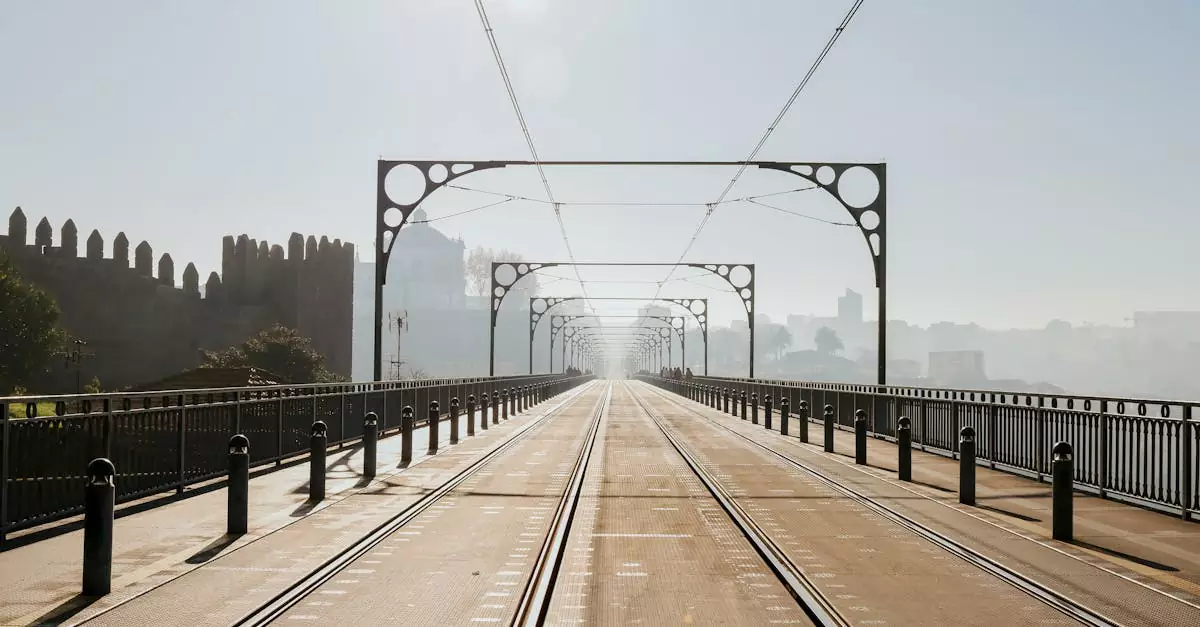
Embarking on a train journey across Europe offers a unique blend of comfort, efficiency, and breathtaking scenery. To make the most of these best rail adventures in Europe, thoughtful preparation is key. From what you pack to how you capture memories, a few practical tips can elevate your travel experience significantly.
Packing Essentials for Long-Distance Train Travel
When planning for extended train trips, packing smart is crucial. Opt for soft-sided luggage that can be easily stowed in overhead compartments or under seats. Essentials include comfortable walking shoes for exploring stations and brief layovers, layers of clothing to adapt to varying cabin temperatures, and a reusable water bottle. Don’t forget a portable power bank to keep your devices charged, as power outlets can be scarce. A small backpack or day bag is invaluable for carrying these essentials during excursions from the train.
Consider bringing a travel pillow and a light blanket for added comfort on overnight journeys or longer daytime routes. Earplugs and an eye mask can also be lifesavers, especially if you’re a light sleeper. For entertainment, download podcasts, audiobooks, or movies beforehand, as onboard Wi-Fi can be unreliable.
Finding Local Flavors Onboard and at Stations
A significant part of the European rail experience is the culinary journey. Many long-distance trains offer dining cars or bistros serving regional specialties. These can range from hearty German sausages and Austrian schnitzel to French cheeses and Spanish tapas. It’s worth checking the specific route in advance, as some services pride themselves on their gourmet offerings.
Stations themselves are often hubs of local gastronomy. Look for bakeries selling fresh pastries, delis offering regional sandwiches, and markets with local produce. These are excellent places to grab a picnic to enjoy on the train, often at a lower cost than onboard dining. Don’t hesitate to ask station staff or fellow travelers for recommendations on the best local treats.
| Station Type | Food Options | Typical Price Range (EUR) | Notes |
|---|---|---|---|
| Major Hubs (e.g., Paris Gare de Lyon) | Wide variety: cafes, restaurants, fast food, bakeries, supermarkets | 5-25 | Ample choices, can be pricier |
| Medium Stations | Cafes, snack bars, local eateries | 4-15 | Good selection of regional snacks |
| Small Stations | Limited: vending machines, small cafe | 2-8 | Best for quick snacks or drinks |
Photography Tips for Capturing Scenic Views
European train journeys provide unparalleled opportunities for stunning photography. To capture the best shots, keep your camera or smartphone readily accessible. For sweeping landscapes, try shooting through the window with a polarizing filter to reduce glare and enhance colors. Experiment with different shutter speeds; a slightly slower speed can capture the motion blur of passing scenery, adding dynamism to your images.
When the train stops, take advantage of the brief moments to photograph station architecture or local life. Wide-angle lenses are excellent for capturing the grandeur of European cities and their historic train stations. For close-ups of details or people, a telephoto lens can be useful. Remember to check if photography is permitted in specific areas, especially within historic stations or on certain private rail lines. Capturing the essence of these scenic European train journeys requires both patience and a keen eye for detail.
Frequently Asked Questions About Europe’s Best Rail Journeys
What is the best time of year for European rail trips?
The ideal time for European rail adventures often depends on your priorities. Spring (April to June) and autumn (September to October) generally offer pleasant weather, fewer crowds, and vibrant scenery as landscapes change. Summer (July to August) is popular for its warm weather, but trains and popular routes can be very busy and more expensive. Winter (November to March) offers a unique charm, especially for routes through snowy landscapes, but daylight hours are shorter, and some services may be reduced.
Consider these seasonal factors when planning your journey:
| Season | Pros | Cons |
|---|---|---|
| Spring | Mild weather, blooming landscapes | Variable weather, shoulder season pricing |
| Summer | Warmest weather, long daylight hours | Peak crowds, highest prices |
| Autumn | Colorful foliage, harvest festivals | Shorter days, potential rain |
| Winter | Festive atmosphere, snow scenery | Cold weather, limited daylight |
Are European train passes worth the cost?
European train passes, such as the Eurail Pass, can be exceptionally valuable for travelers planning extensive multi-country journeys. If you intend to take numerous train journeys over a concentrated period, a pass often provides significant cost savings compared to purchasing individual tickets. However, for shorter trips or travel within a single country, individual tickets or regional passes might be more economical. Always compare the cost of the pass against the prices of your planned routes to determine the best value for your specific itinerary.
How do I handle luggage on European trains?
Managing luggage on European trains is generally straightforward. Most trains have overhead racks and dedicated luggage compartments at the ends of carriages. It’s advisable to pack as light as possible, as you’ll be responsible for lifting your own bags onto and off the train, and storage space can be limited on some services. Larger suitcases can be stored in these compartments, while smaller bags can be kept with you. Many stations also offer luggage storage facilities if needed.