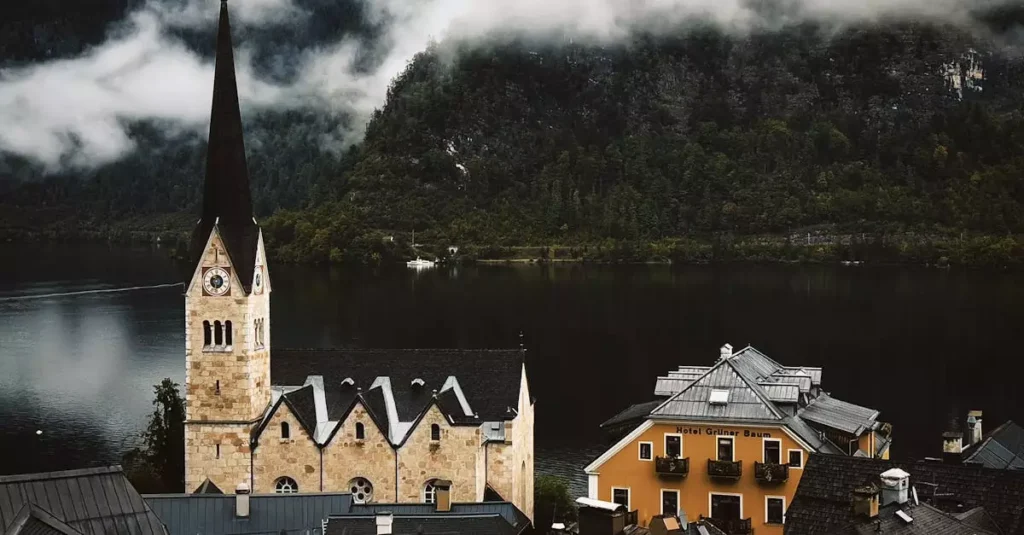
Europe’s allure often brings to mind iconic landmarks and bustling city squares. However, for those in search of deeper connections and genuine tranquility, the continent is home to countless serene sanctuaries. By venturing beyond well-trodden paths, you can discover a different side of Europe, characterized by peaceful landscapes, unhurried rhythms, and authentic cultural experiences. This guide caters to travelers yearning for quietude, offering insights into the best quiet destinations in Europe. You’ll explore charming villages rich in history, breathtaking natural landscapes ideal for reflection, and secluded islands that promise true escape. Prepare to uncover hidden gems that invite you to slow down, breathe deeply, and experience the continent at its most serene.
Unveiling Europe’s Serene Sanctuaries: Top Picks for Tranquil Getaways
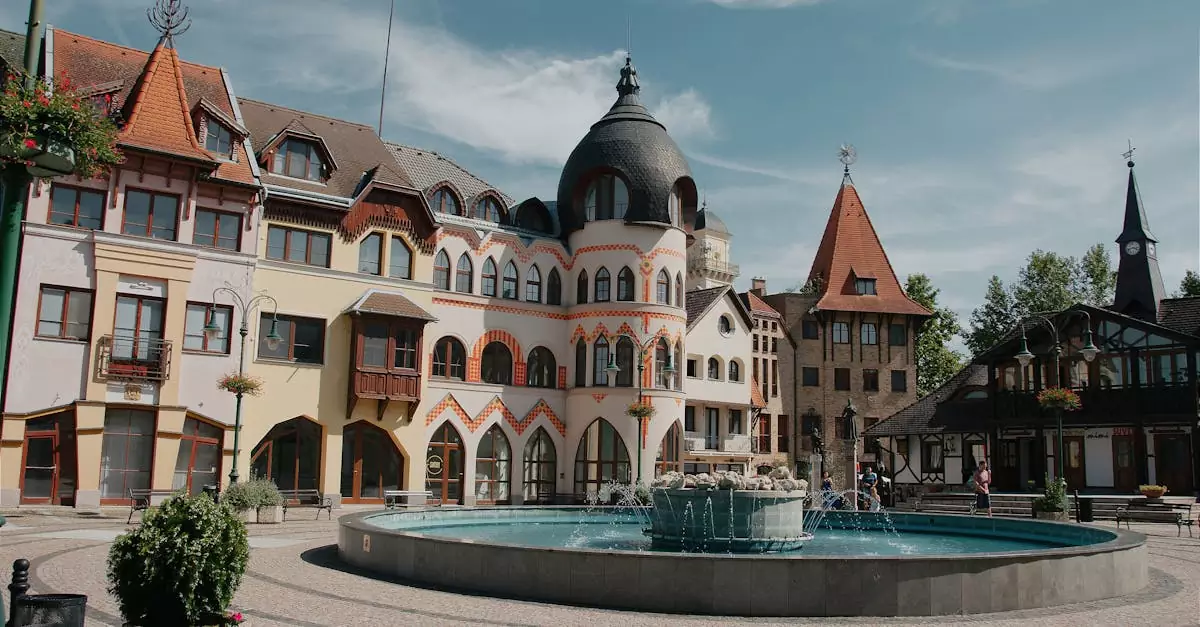
For those looking to escape the bustling crowds, Europe offers a wealth of quiet destinations that promise rejuvenation and authentic experiences. These lesser-known gems provide opportunities to connect with nature, immerse yourself in local culture, and enjoy a slower pace of life. By moving beyond the typical tourist hotspots, you reveal a side of the continent defined by serene landscapes and peaceful atmospheres.
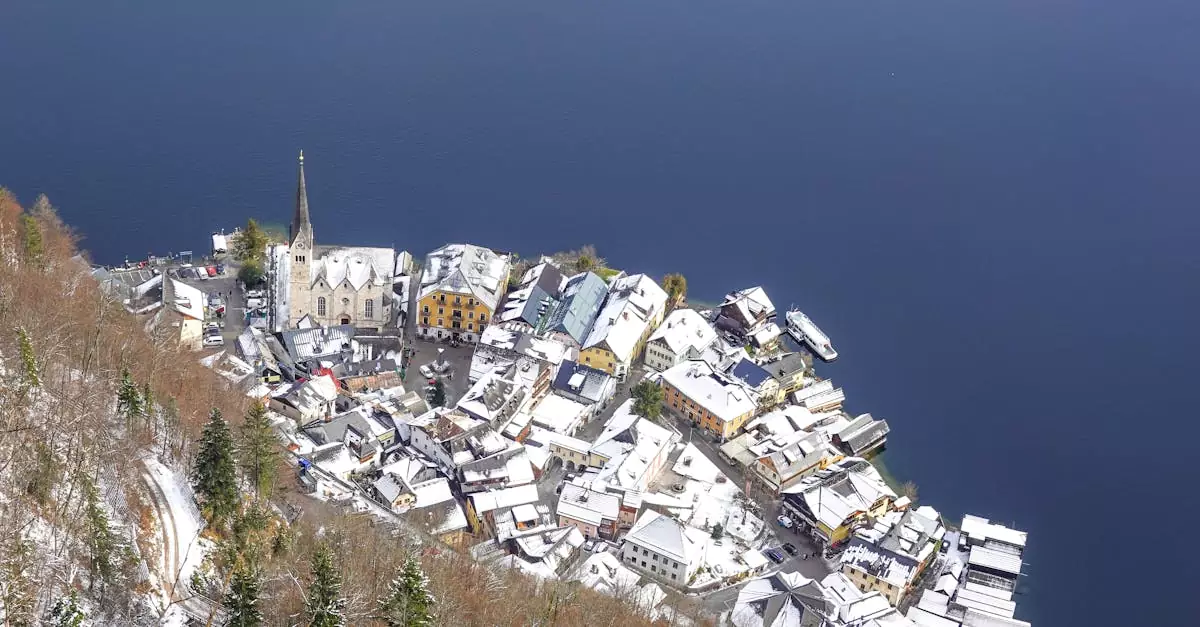
The Timeless Charm of Hallstatt, Austria: A Lakeside Village Dream
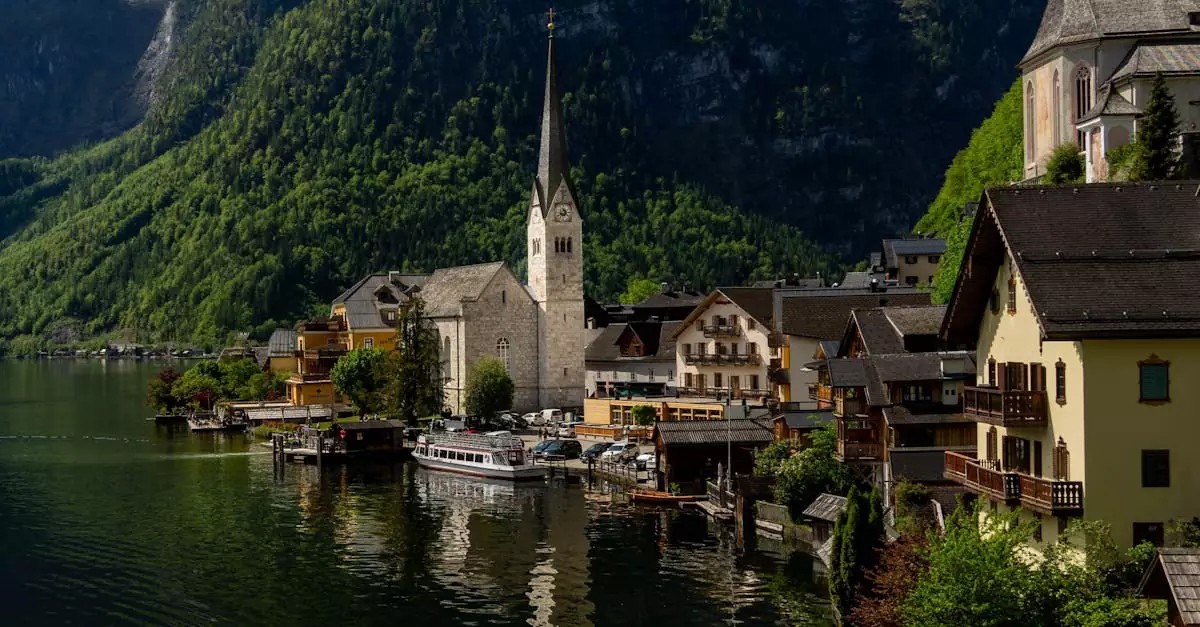
Hallstatt, a UNESCO World Heritage site, feels like a postcard come to life. Nestled between Lake Hallstatt and dramatic mountain peaks, this small village in Austria’s Salzkammergut region is celebrated for its picturesque setting. Its compact size allows for exploration on foot, enabling visitors to fully absorb the tranquil ambiance.
Getting to Hallstatt requires planning, as direct car access to the village center is restricted. Many visitors arrive by train, enjoying scenic views along the way, or via ferry from the Hallstatt train station, which offers a stunning introduction to the village’s beauty. Accommodation options range from charming guesthouses to boutique hotels, often featuring lake views. Visiting during the shoulder seasons of spring or autumn can enhance the sense of peace.
Exploring the Idyllic Cotswolds, England: Quintessential English Countryside
The Cotswolds, an Area of Outstanding Natural Beauty in south-central England, is characterized by rolling hills, honey-colored stone villages, and ancient woodlands. While some villages, like Bourton-on-the-Water, attract significant day-trippers, many smaller hamlets remain wonderfully serene. Consider places like Bibury, Lower Slaughter, or Snowshill for a quieter experience.
Travelers can base themselves in larger towns like Cirencester or Stroud and take day trips to the smaller villages, or choose a charming country inn for a more immersive stay. Renting a car is highly recommended for exploring winding country lanes and accessing remote spots. The best time to visit for peaceful exploration is often during the shoulder seasons of spring or autumn, when the landscapes are vibrant and crowds are thinner.
Discovering the Undisturbed Beauty of the Azores Islands, Portugal
For an off-the-beaten-path European experience, the Azores archipelago in the mid-Atlantic offers unparalleled natural beauty and a profound sense of calm. This autonomous region of Portugal comprises nine volcanic islands, each with its unique character. São Miguel, the largest island, features lush landscapes, hot springs, and dramatic coastlines, while islands like Flores and Pico provide even more secluded retreats.
The Azores are a haven for nature lovers, offering opportunities for hiking, whale watching, and exploring volcanic craters. Transportation between islands typically involves ferries or short flights. Accommodations range from comfortable hotels to rural farm stays (quintas), providing a genuine connection to the local environment. Visiting from April to June offers pleasant weather for outdoor activities without the summer tourist influx. The islands’ remoteness contributes to their peaceful atmosphere, making them one of Europe’s best-kept secrets for those seeking a quiet escape.
Why Choose a Quiet Destination in Europe?
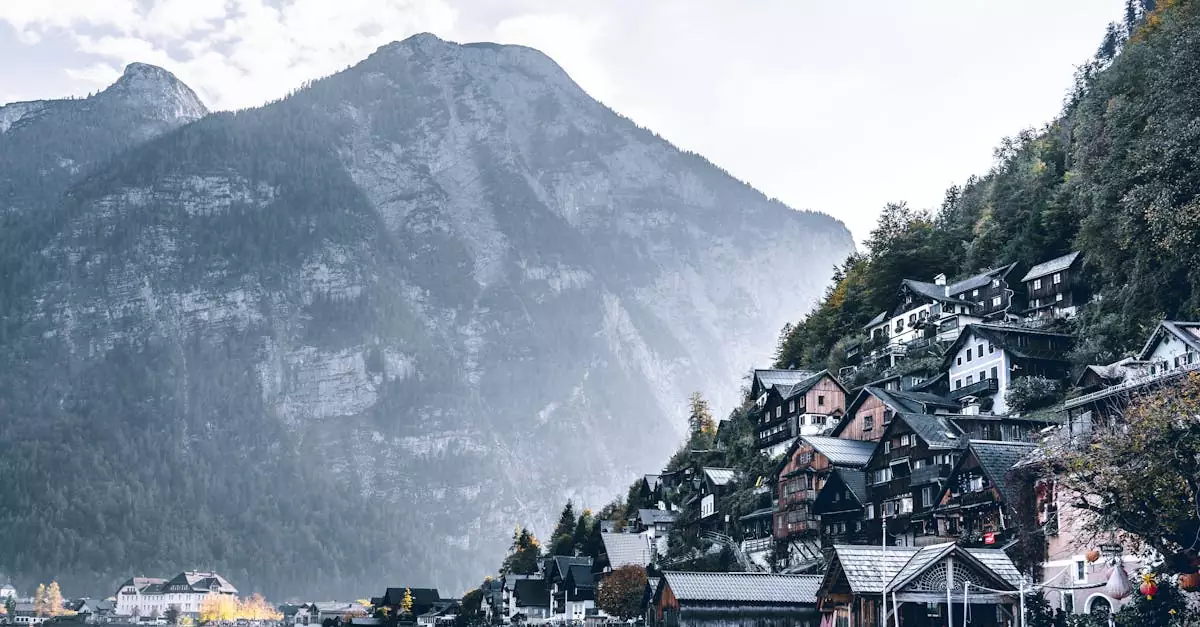
While Europe often conjures images of iconic landmarks filled with visitors, quieter destinations offer a more profound connection to place. Opting for less-traveled paths allows for a deeper appreciation of the continent’s diverse cultures and landscapes, free from the hustle and bustle of major tourist hubs.
Escaping the Crowds: The Appeal of Off-the-Beaten-Path Travel
Many travelers find that popular European cities, while magnificent, can feel overwhelming due to their popularity. Overcrowding can detract from the enjoyment of historical sites and natural beauty. Choosing an off-the-beaten-path destination enables you to experience these elements at a more relaxed pace. Imagine wandering through ancient cobblestone streets without jostling for space or enjoying a scenic vista with only a few others nearby. This type of travel prioritizes quality over quantity, focusing on hidden gems that retain their original character and charm.
Immersive Cultural Experiences Away from Tourist Hubs
Stepping away from main tourist trails unlocks opportunities for genuine cultural immersion. Smaller towns and less-visited regions often preserve traditions and daily rhythms that have remained unchanged for generations. This allows visitors to witness authentic local life, from bustling farmers’ markets to traditional festivals celebrated with community spirit. Instead of observing culture from a distance, you can become part of it—perhaps by learning a few local phrases, participating in a craft workshop, or enjoying a quiet coffee in a piazza where locals gather. These experiences provide a richer understanding of European heritage than what can be gained from curated tours in crowded cities.
Finding Authentic Local Life and Genuine Interactions
One of the most rewarding aspects of visiting less-touristed areas is the potential for authentic interactions with local residents. In quieter destinations, locals tend to be more approachable and welcoming, leading to serendipitous conversations and helpful recommendations. You might find yourself sharing stories with a shopkeeper, receiving directions from a friendly resident, or enjoying a meal in a family-run restaurant where the owner takes pride in their local cuisine. These genuine connections transform a trip from a mere sightseeing tour into a memorable human experience, revealing the true heart of a place and making the pursuit of quieter European destinations incredibly worthwhile.
Best Time to Visit Europe’s Quiet Havens
Selecting the right season can significantly enhance your experience in Europe’s less-traveled corners. While popular spots often suffer from overtourism, serene destinations shine during their shoulder seasons and even winter. Understanding the nuances of each period helps you find that perfect, peaceful escape.
Spring Blooms: March to May for Mild Weather and Fewer Visitors
Spring offers a delightful balance for those seeking tranquility. As winter’s chill recedes, landscapes across Europe burst into vibrant color. This is an ideal time to visit many of the best quiet destinations before the summer crowds arrive. You’ll enjoy pleasant temperatures, perfect for exploring charming villages and scenic countryside on foot.
The shoulder months of March, April, and May generally mean fewer tourists, resulting in more authentic interactions and often lower accommodation prices. Consider coastal regions like the Algarve in Portugal or the lesser-known islands of Greece during this time. Inland areas, such as the Dordogne in France or parts of the Italian countryside, are equally appealing with blooming wildflowers and budding vineyards.
Autumn Colors: September to November for Crisp Air and Stunning Scenery
Autumn transforms many European landscapes into breathtaking tapestries of red, orange, and gold. For travelers prioritizing stunning scenery and a crisp atmosphere, the fall months are exceptional. The intense heat of summer has subsided, making it comfortable to explore national parks or wander through historic towns without oppressive humidity.
This period, particularly September and October, is fantastic for discovering hidden gems across Central and Eastern Europe. Think of the rolling hills of Slovenia, the picturesque villages of the Austrian Alps, or the forests of Romania. Local harvest festivals and a more relaxed pace of life enhance the experience. With fewer visitors than in summer, you can enjoy natural beauty and cultural richness more intimately.
Winter Wonders: December to February for Cozy Retreats and Festive Charm
While many associate Europe with summer travel, winter offers a unique charm, especially for those seeking absolute peace. The colder months are perfect for a cozy retreat in a secluded cabin or a historic guesthouse. Many destinations bustling in warmer months become wonderfully serene, offering a fresh perspective.
For instance, visiting the Scottish Highlands or the fjords of Norway in winter provides a dramatic experience with fewer people. Cities like Bruges in Belgium or smaller towns in the Alsace region of France take on a magical quality with festive decorations and fewer day-trippers. The focus shifts to indoor activities like visiting local pubs, enjoying hearty regional cuisine, and soaking in the quiet ambiance. While some attractions may have reduced hours, the overall tranquility is unmatched.
Navigating Your Peaceful European Journey: Getting Around
When seeking the best quiet destinations in Europe, the journey can be as rewarding as the destination itself. Opting for slower, more scenic modes of transport enhances the sense of escape. Consider how you’ll travel between these serene locales to maximize your peaceful experience.
Train Travel Through Rural Landscapes: Scenic Routes and Comfort
For a truly immersive and relaxing way to reach Europe’s tranquil corners, train travel is unparalleled. Many European countries boast extensive rail networks that wind through picturesque countryside, offering breathtaking views of rolling hills, charming villages, and pristine coastlines. This method allows you to unwind, read, or simply gaze out the window without the stress of navigation or parking.
Popular scenic train routes can be found in Switzerland, known for its Alpine panoramas, or Scotland, with its rugged Highlands. Even regional lines in France or Italy often pass through vineyards and olive groves, providing a gentle introduction to local scenery. Booking tickets in advance, especially for longer journeys or specific scenic routes, is advisable to secure the best prices and availability. Consider a rail pass if you plan to visit multiple quiet destinations across different countries.
Renting a Car for Ultimate Freedom: Exploring Hidden Villages
While public transport excels in connecting major towns, renting a car offers unmatched flexibility for reaching truly off-the-beaten-path locations. This is particularly true for discovering hidden villages or exploring remote natural areas lacking direct train or bus service. A car allows you to set your own pace, stop spontaneously at viewpoints, and delve into the heart of the countryside.
When renting a vehicle, research local driving regulations and road conditions in your chosen quiet destinations. Smaller roads in rural areas may be narrow or winding, so a compact car can often be more practical than a large SUV. Ensure you have a reliable GPS or navigation app, and be aware of any parking restrictions in small villages. For those venturing into remote natural parks, check if specific permits are required for vehicle access.
Local Buses and Ferries: Connecting Charming Towns and Islands
Beyond trains and cars, local buses and ferries serve as vital links connecting smaller communities and island retreats within Europe. These services are often more budget-friendly and provide an authentic glimpse into local life. Riding a local bus can mean encountering a mix of residents, students, and fellow travelers, facilitating genuine cultural exchange.
For island hopping or coastal exploration, ferries are indispensable. Imagine sailing across crystal-clear waters to reach a secluded Greek island or a quiet fjord in Norway. These journeys often provide stunning maritime scenery and a refreshing sea breeze. Researching ferry schedules in advance is crucial, as services can be less frequent, especially outside peak tourist seasons. Many smaller islands rely solely on these connections, making them essential for accessing some of Europe’s best quiet destinations.
Here’s a look at typical transportation options for reaching and navigating quieter European regions:
| Transportation Mode | Pros | Cons | Best For |
|---|---|---|---|
| Train | Scenic, comfortable, eco-friendly, no navigation stress | Can be expensive, fixed routes, limited to stations | Long-distance travel, scenic routes, city-to-town travel |
| Rental Car | Maximum flexibility, access to remote areas | Parking challenges, fuel costs, navigation required | Exploring villages, off-road adventures, personal pace |
| Local Bus | Affordable, authentic local experience | Slower, less frequent schedules, can be crowded | Short distances, connecting smaller towns, budget travel |
| Ferry | Scenic sea views, access to islands | Weather dependent, schedules vary, can be costly | Island travel, coastal exploration, unique perspectives |
Where to Stay: Cozy Accommodations in Europe’s Tranquil Spots
Choosing the right accommodation is crucial for a peaceful European escape. Beyond bustling cities, a wealth of charming options awaits, offering genuine connections to local life and serene surroundings. These accommodations cater to travelers seeking quietude, whether they prefer the charm of a historic town or the solitude of the countryside.
Charming Boutique Hotels in Historic Town Centers
Many of Europe’s smaller historic towns feature boutique hotels that capture the essence of their surroundings. These establishments are often housed in beautifully restored buildings, offering a blend of historical character and modern comfort. Picture waking up to the gentle sounds of a cobblestone street or enjoying breakfast with views of ancient architecture.
In the Alsace region of France, towns like Colmar or Eguisheim boast numerous small hotels with half-timbered facades. These family-owned establishments provide personalized service, making guests feel like welcomed visitors rather than just tourists. Prices can vary but often offer good value compared to larger city hotels, especially outside peak season. Booking in advance is recommended for the most sought-after properties, particularly during spring and autumn when the weather is pleasant.
Secluded Cottages and Rural Farm Stays
For ultimate tranquility, consider renting a secluded cottage or booking a stay at a rural farm. These options offer an immersive experience in nature, far from any crowds. Many European countries feature picturesque rural landscapes perfect for this type of retreat, from the rolling hills of Tuscany in Italy to the serene countryside of the Lake District in the United Kingdom.
Farm stays, or “agriturismo” in Italy, allow guests to participate in farm activities or simply enjoy the peaceful environment. Cottages often come with fully equipped kitchens, providing the flexibility to prepare your own meals using local produce. This can be a budget-friendly option, especially for longer stays or families. Websites specializing in rural rentals are a good starting point for finding these hidden gems. Ensure you check reviews for details on accessibility, as some rural locations may require a car for convenient access.
Family-Run Guesthouses Offering Local Hospitality
Family-run guesthouses, often referred to as “pensions” or “B&Bs,” are a cornerstone of authentic European travel. These intimate establishments are typically run by locals who are passionate about their region and eager to share insights with their guests. They offer a warm, personal touch that is hard to find in larger hotels.
In regions like the Austrian Alps or the Portuguese Algarve, you’ll find many guesthouses providing a comfortable base for outdoor activities or simply relaxing. The hospitality often extends to homemade breakfasts featuring regional specialties. These accommodations tend to be more affordable than hotels, and their smaller size means you’re likely to receive attentive service. Travelers looking for genuine local interaction will find these guesthouses particularly rewarding. Researching guesthouses in smaller villages can lead to discovering truly quiet destinations within popular regions.
Frequently Asked Questions About Quiet European Destinations
Are these destinations safe for solo travelers?
Many of the best quiet destinations in Europe are exceptionally safe for solo travelers. Smaller towns and less-visited regions often have lower crime rates and a more community-oriented atmosphere. Locals are typically friendly and willing to assist. Always practice general travel safety precautions, such as being aware of your surroundings and informing someone of your itinerary, but these destinations generally provide peace of mind. Consider researching specific local safety advice for your chosen location before you go.
What are some budget-friendly options in these quieter areas?
Quieter regions across Europe often present more affordable travel opportunities than major tourist hubs. Accommodation, such as guesthouses or family-run hotels, can be significantly cheaper. Dining at local eateries away from central squares also offers better value. Transportation within these areas may rely more on local buses or trains, which are generally economical.
Consider these budget-friendly approaches:
- Accommodation: Look for independent bed and breakfasts, rural cottages, or apartments rented directly from owners.
- Dining: Seek out bakeries for breakfast, market stalls for picnic lunches, and traditional tavernas or pubs for evening meals.
- Activities: Many natural attractions, hiking trails, and local festivals are free or low-cost.
Can I find good local food experiences in less touristy places?
Absolutely. In fact, less touristy destinations often provide the most authentic and rewarding local food experiences. Without the pressure of catering to mass tourism, restaurants and cafes tend to focus on traditional recipes, seasonal ingredients, and regional specialties. You’re more likely to encounter dishes prepared with pride by locals for locals.
Engaging with local food involves:
- Market Visits: Explore local farmers’ markets to sample regional produce and artisanal products.
- Family-Run Restaurants: Seek out small, unassuming establishments that have served the community for generations.
- Regional Specialties: Ask locals for recommendations on dishes unique to the area, ranging from specific cheeses and cured meats to regional wines and pastries.
- Cooking Classes: Some smaller destinations offer informal cooking classes where you can learn to prepare traditional meals.