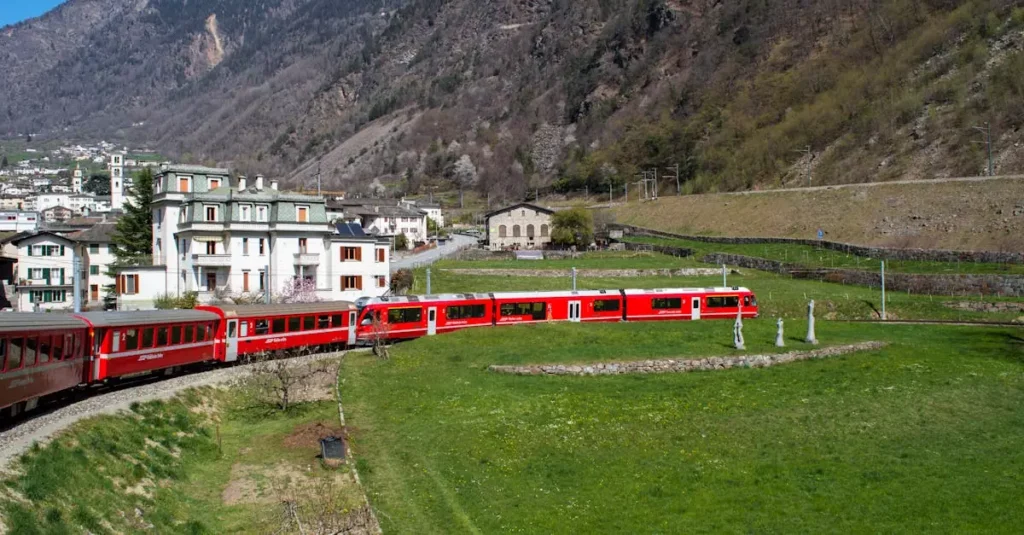
Discovering Europe without a hefty price tag is entirely possible, especially when you embrace the charm and affordability of its extensive rail network. For travelers seeking unforgettable adventures under €50 a day, exploring the continent by train offers a unique blend of scenic beauty, cultural immersion, and significant savings. This guide delves into the best budget train trips Europe has to offer, revealing how to navigate from bustling capitals to picturesque towns without breaking the bank. You’ll learn about cost-effective routes, essential booking strategies, and how to maximize your experience while minimizing expenses. Get ready to plan your next journey and see Europe from a different perspective, one scenic track at a time.
Why Choose Train Travel for Budget European Adventures?
Opting for trains across Europe provides a compelling mix of affordability, scenic views, and environmental consciousness, making it a top choice for savvy travelers. This mode of transit transforms long distances into opportunities for immersive experiences, often proving more economical than flying when factoring in all associated costs. When planning your next European journey, consider how rail travel can enhance your adventure.
The Economic Advantage of European Rail Passes
For those embarking on multiple journeys across different countries, a European rail pass can significantly lower overall transportation expenses. These passes often provide unlimited travel within a set period, allowing for spontaneous detours and a more flexible itinerary. While individual tickets can add up, a well-chosen pass can be a game-changer for budget-conscious explorers.
For instance, a typical Eurail Global Pass ranges from around €200 for a 7-day consecutive pass to over €1,000 for a 3-month pass, depending on age and pass type. However, compared to booking individual flights and high-speed train tickets between major cities like Paris and Rome, the pass often presents considerable savings, especially if you plan on taking more than five long-distance journeys. Even without a pass, booking train tickets in advance—particularly on national rail networks like Deutsche Bahn in Germany or Trenitalia in Italy—can yield fares comparable to budget airlines, without the added airport transfer costs and security hassles.
Scenic Routes: Experiencing Europe from Your Window
Train journeys offer unparalleled views of diverse European landscapes often missed when flying over them. From the rolling vineyards of France and Switzerland to the dramatic coastlines of Norway and the rugged Alps, the train window becomes a moving canvas. These visual experiences add immense value to your travel, transforming transit time into an integral part of the adventure.
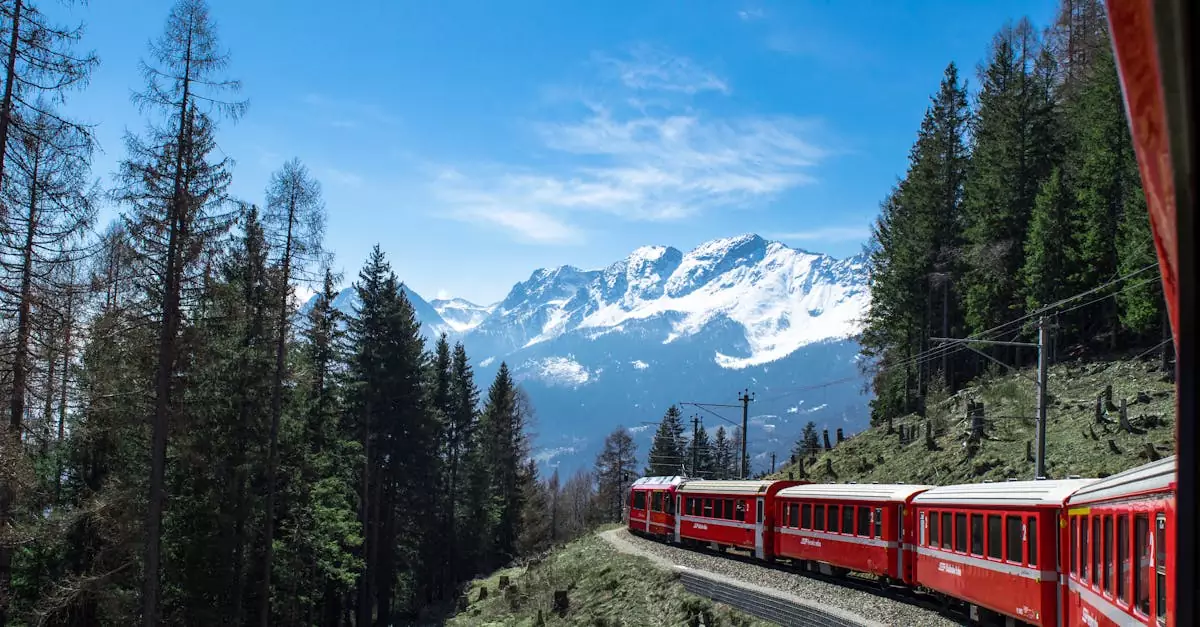
Consider the scenic Bernina Express route, connecting Chur in Switzerland to Tirano in Italy. This journey, which can be incorporated into a wider European rail itinerary, offers breathtaking vistas of glaciers, alpine lakes, and charming villages from the comfort of a panoramic carriage. Similarly, the West Highland Line in Scotland, from Glasgow to Mallaig, provides stunning views of lochs, mountains, and the famous Glenfinnan Viaduct. These routes are not just about getting from point A to point B; they are destinations in themselves, offering a slower, more appreciative way to see the continent.
Sustainability: A Greener Way to Explore
Choosing train travel over air travel significantly reduces your carbon footprint, aligning with a growing global awareness of environmental responsibility. Trains are generally one of the most sustainable modes of transport available, emitting far less CO2 per passenger kilometer than airplanes. This makes them an excellent choice for travelers who wish to minimize their environmental impact while still experiencing the wonders of Europe.
The shift towards sustainable tourism increasingly influences travel choices. By opting for rail, you contribute to a greener travel industry and often enjoy a more relaxed journey, free from the stress of airport security and lengthy check-in procedures. This conscious decision allows you to enjoy your travels while being mindful of the planet’s well-being.
Top 5 Budget-Friendly Train Routes in Eastern Europe
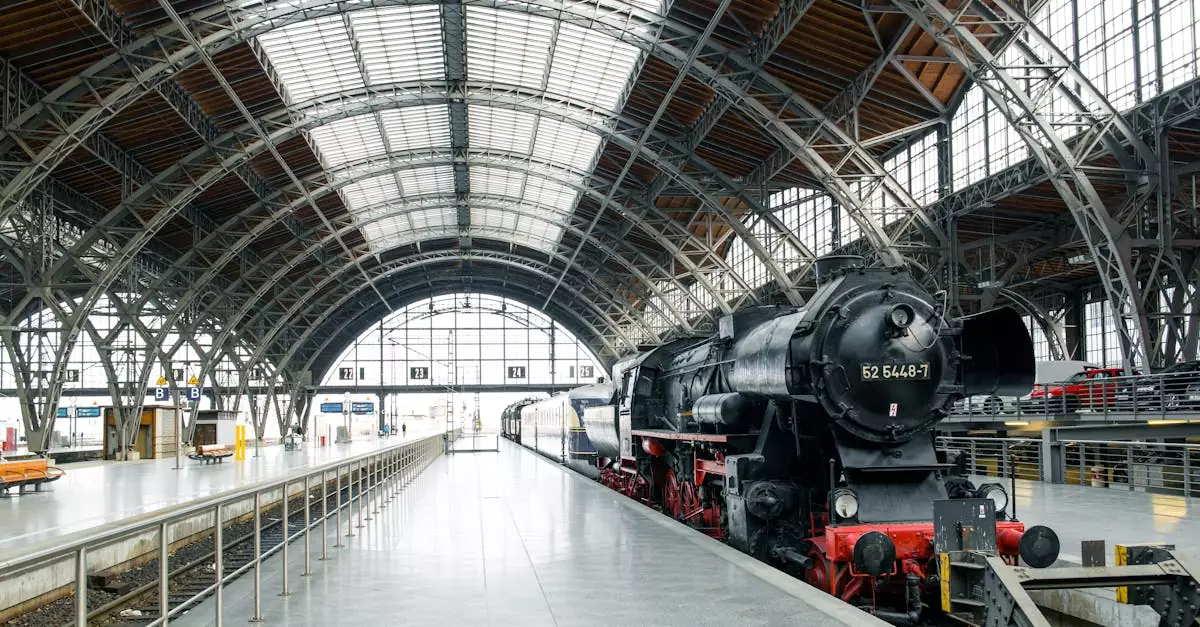
Eastern Europe offers some of the most compelling and affordable train journeys in Europe. Travelers seeking authentic experiences without breaking the bank will find this region particularly rewarding. These routes connect vibrant capitals and historic cities, showcasing diverse cultures and stunning landscapes, all while keeping daily expenses well under €50. Planning a trip here often involves booking trains in advance for the best prices, especially on popular international routes.
Budapest to Vienna: Imperial Cities on a Shoestring
The train journey between Budapest and Vienna is a classic European route that remains remarkably affordable. This connection between two former imperial capitals offers a seamless transition from Hungarian Baroque to Austrian grandeur. Trains are frequent, taking approximately 2.5 hours. Tickets can often be found for under €20 if booked ahead, making this an excellent option for a budget-conscious itinerary.
Budget Considerations:
- Train Ticket: €15-€30 (booked in advance)
- Accommodation: €20-€40 per night (hostel or budget hotel)
- Food & Activities: €20-€30 per day
This route is ideal for travelers interested in history, architecture, and classical music. Both cities boast excellent public transport, allowing easy navigation without taxis. Consider purchasing a city pass in each location for discounted entry to attractions.
Prague to Krakow: Bohemian Charm and Polish History
Traveling by train from Prague to Krakow connects two of Central Europe’s most historically rich cities. This journey, typically taking around 7-9 hours depending on the service, offers a glimpse into the changing landscapes of the Czech Republic and Poland. While direct trains are available, some travelers opt for a connection through cities like Ostrava or Katowice for potentially lower fares or to break up the journey. Expect to pay between €30-€50 for a one-way ticket if booked in advance.
Traveler Insights:
- Overnight Options: Consider overnight trains to save on accommodation costs and maximize daytime sightseeing.
- Booking Platforms: Use national railway websites (ČD for Czech Railways, PKP Intercity for Poland) or aggregators like Omio for comparisons.
- Local Cuisine: Both cities offer hearty and affordable traditional food. Look for “milk bars” (bar mleczny) in Krakow for exceptionally cheap, traditional Polish meals.
This route is well-suited for history buffs and those who appreciate medieval city centers. The train stations in both Prague and Krakow are centrally located, providing easy access to public transport and walking routes.
Bratislava to Budapest: A Quick Danube River Hop
The short train ride between Bratislava, Slovakia, and Budapest, Hungary, is one of Europe’s most efficient and budget-friendly international connections. The journey typically lasts around 2.5 hours, with tickets often available for as little as €10-€15, especially when booked ahead. This makes it a fantastic option for a day trip or a brief stopover between larger destinations.
Logistics & Tips:
- Frequency: Trains run frequently throughout the day, offering flexibility.
- Scenery: While not dramatic, the route follows parts of the Danube River, providing pleasant views.
- Station Location: Both Bratislava hlavná stanica and Budapest Keleti pályaudvar are well-connected to their respective city centers.
This quick hop is perfect for travelers wanting to experience two capital cities in close proximity without significant travel time or cost, allowing more budget for activities and local experiences in each city.
Ljubljana to Zagreb: Slovenia’s Green Capital to Croatia’s Heart
The train journey from Ljubljana, Slovenia, to Zagreb, Croatia, is a scenic and affordable route connecting two of the Balkans’ most charming capitals. The trip takes approximately 2.5 to 3 hours, with ticket prices typically ranging from €15-€25. This connection is ideal for those exploring the Adriatic region or seeking a relaxed pace of travel.
Practical Information:
- Train Operators: Slovenian Railways (SŽ) and Croatian Railways (HŽPP) operate this route.
- Station Accessibility: Both Ljubljana train station and Zagreb Glavni kolodvor are centrally located, making onward travel easy.
- Budget Focus: This route allows ample room in the daily budget for enjoying Ljubljana’s riverside cafes and Zagreb’s vibrant street art scene.
This trip is highly recommended for travelers who value scenic beauty and a more relaxed travel style. The relatively short duration and low cost make it an excellent addition to any Balkan adventure.
Affordable Train Journeys Through Southern Europe
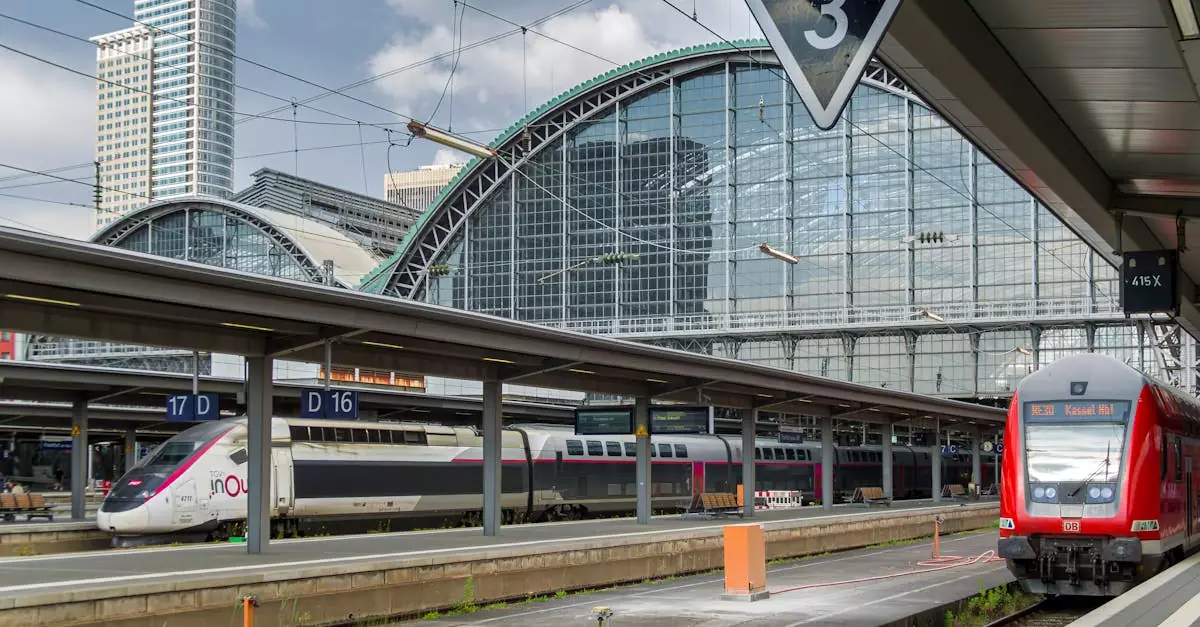
Southern Europe offers a rich tapestry of culture, history, and stunning landscapes, all accessible via its well-connected and often budget-friendly rail network. Traveling by train here allows for a more immersive experience, connecting you directly to city centers and providing scenic views often missed when flying. These routes represent some of the best budget train trips Europe has to offer, proving that unforgettable adventures don’t require breaking the bank.
Lisbon to Porto: Portugal’s Coastal Treasures
The train journey between Lisbon and Porto is a quintessential Portuguese experience, showcasing the country’s vibrant coastline and charming towns. The Alfa Pendular high-speed train connects the two cities in under three hours, providing a comfortable and efficient way to travel. For those on a tighter budget, the Intercidades (Intercity) train offers a slightly longer but equally scenic route.
Practical Tips for Lisbon to Porto:
- Tickets: Booking tickets in advance, especially for the Alfa Pendular, can secure lower fares. Look for deals on the Comboios de Portugal website.
- Cost: Expect to pay between €20-€40 for a one-way ticket, depending on the train type and how far in advance you book. This makes it one of the best budget train trips in Europe for experiencing two major Portuguese cities.
- Scenery: While much of the route is inland, glimpses of the Atlantic Ocean can be seen, particularly as you approach the coast.
- Onboard: Both train types offer comfortable seating, and some services include Wi-Fi and a dining car.
Consider breaking up the journey in towns like Coimbra, home to one of Europe’s oldest universities, adding another layer to your Portuguese exploration.
Seville to Granada: Andalusian Highlights by Rail
Traveling by train from Seville to Granada takes you through the heart of Andalusia, a region renowned for its Moorish heritage, flamenco music, and tapas culture. The route winds through picturesque landscapes, offering a different perspective on the southern Spanish countryside. While direct high-speed services are still developing, existing rail links are reliable and provide an affordable way to connect these two iconic cities.
Traveler Insights for Seville to Granada:
- Duration: The journey typically takes around 3 to 3.5 hours. It’s advisable to check the latest schedules on the Renfe website, as direct services can vary.
- Budget: Tickets can often be found for under €30, especially if booked a few weeks ahead. This route exemplifies how to enjoy budget train trips in Europe without extensive planning.
- Experience: The train offers a relaxed way to see the olive groves and rolling hills that characterize this part of Spain.
- Alternatives: If direct trains are limited, consider a connection via Cordoba, a city that also merits a visit for its magnificent Mezquita.
Arriving in Granada, the majestic Alhambra awaits, a UNESCO World Heritage site that makes the train journey entirely worthwhile.
Rome to Florence: Renaissance Art and Tuscan Landscapes
The high-speed Frecciarossa and Italo trains connecting Rome and Florence provide one of the most efficient and enjoyable rail experiences in Europe. This route is a popular choice for travelers wanting to immerse themselves in Italian art, history, and cuisine, all while keeping an eye on their budget. The brief journey allows for more time to soak in the wonders of both cities.
Key Information for Rome to Florence by Train:
- Frequency: Trains run frequently throughout the day, with departures every 20-30 minutes during peak times.
- Speed: The fastest trains complete the journey in just 1 hour and 30 minutes, making it a convenient day trip or a seamless transition between destinations.
- Cost: Booking tickets in advance is highly recommended to secure the best prices, which can range from €20 to €50 for a standard ticket. This affordability solidifies its status as one of the best budget train trips in Europe.
- Comfort: These modern trains offer comfortable seating, Wi-Fi, power outlets, and often a cafe car.
Florence, the cradle of the Renaissance, offers unparalleled artistic treasures, while Rome provides endless opportunities to explore ancient history. Traveling between them by train is an essential Italian experience.
Maximizing Your Budget: Saving on Tickets and Accommodation
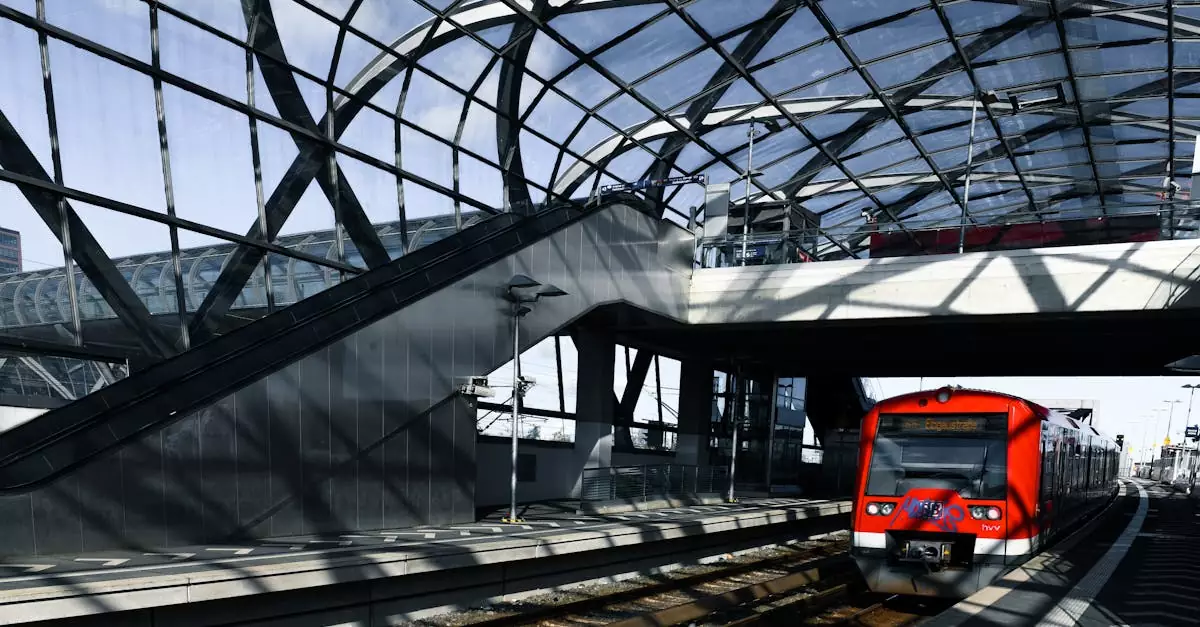
Embarking on one of Europe’s best budget train trips doesn’t mean sacrificing comfort or experience; it means being strategic. Smart planning around ticket purchases and accommodation choices can significantly stretch your travel fund, allowing for more days on the rails or richer local experiences. The key is to book in advance and consider overnight travel options.
Booking Early for Discounted European Train Tickets
The most effective way to reduce your travel expenses is to secure train tickets well in advance. European train operators often release discounted fares months before departure, with prices steadily increasing as the travel date approaches. For instance, booking a high-speed train from Paris to Amsterdam three months ahead can yield savings of 30-50% compared to booking just a few weeks prior. This applies to many popular routes across the continent, making early planning crucial for budget-conscious travelers.
Consider using rail passes if you plan extensive travel, but always compare the pass cost against individual ticket prices for your specific itinerary. Sometimes, booking point-to-point tickets for longer journeys on discount fares can be more economical than a pass. Websites like Omio or Trainline allow you to compare prices across different operators and routes, helping you find the best deals.
Leveraging Overnight Trains for Savings
Overnight trains offer a dual benefit: they cover long distances while you sleep, saving you the cost of a night’s accommodation. Many European countries have a network of sleeper trains, connecting major cities and even crossing borders. A couchette (a shared sleeping compartment) is typically the most budget-friendly option, while a private sleeper cabin offers more comfort at a higher price.
For example, a night train from Berlin to Zurich can save you both time and money. You wake up in a new city, ready to start your day without losing a full day of sightseeing to travel. While these trains might be slightly slower than daytime high-speed services, the savings on a hotel room often make them the more financially sensible choice for budget travelers. Researching specific overnight routes and booking these compartments early is essential, as they are popular.
Hostel vs. Budget Hotels: Finding Affordable Stays Near Stations
Accommodation is another significant expense, but affordable options are plentiful, especially when you prioritize locations near train stations. Hostels are an excellent choice for solo travelers or those on a tight budget, offering dormitory-style rooms and communal areas that foster social interaction. Many hostels in major European cities provide clean, safe, and well-located bases for exploring.
Budget hotels, such as Ibis Budget or Premier Inn, also offer no-frills but comfortable rooms. While generally pricier than hostels, they provide more privacy. When comparing prices, factor in the proximity to the train station. Staying a short walk away can save you money on local transport or taxi fares upon arrival. Always check reviews for cleanliness and safety, especially when booking hostels.
Here’s a comparison of typical nightly costs in popular European cities, focusing on budget-friendly options:
| City | Hostel Dorm (per night) | Budget Hotel (per night) |
|---|---|---|
| Berlin | €20 – €35 | €60 – €90 |
| Prague | €15 – €30 | €50 – €80 |
| Budapest | €18 – €32 | €55 – €85 |
| Lisbon | €22 – €40 | €65 – €95 |
| Krakow | €14 – €28 | €45 – €70 |
These figures are approximate and can vary based on the season and specific location within the city. Booking directly with hostels or budget hotel chains, or through comparison sites, can often reveal further discounts.
What Are the Best Budget Train Trips in Europe for Solo Travelers?
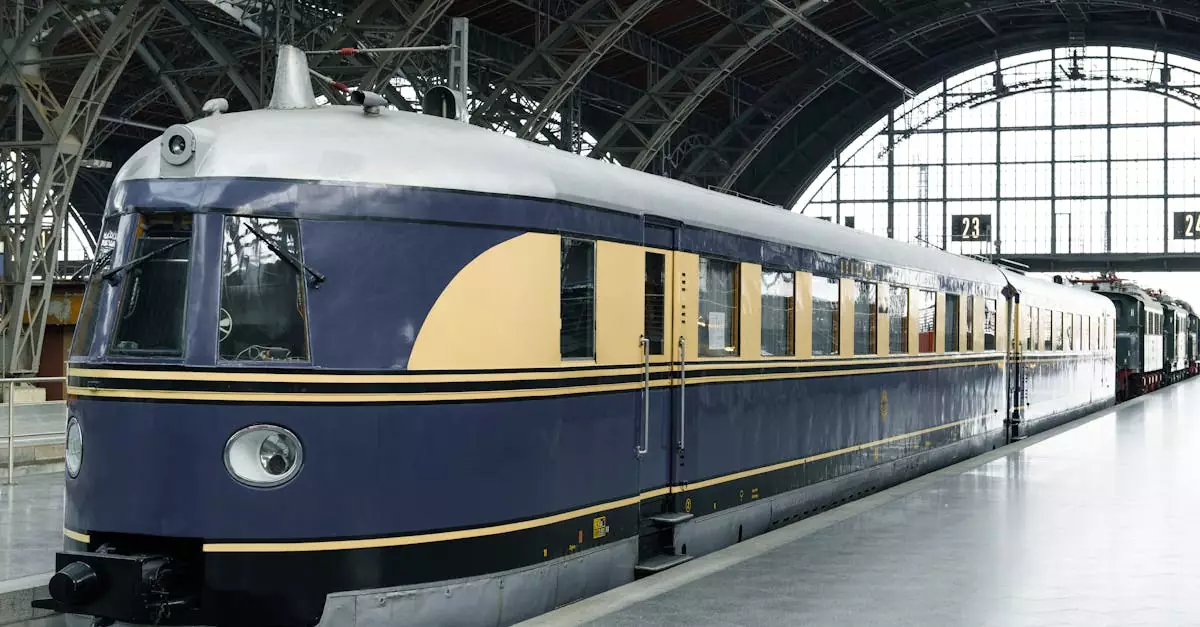
Embarking on a solo train journey through Europe offers unparalleled freedom and a chance to connect with the continent’s diverse cultures at your own pace. For budget-conscious travelers, the train is often the most cost-effective and immersive way to travel. Planning a trip that balances affordability with enriching experiences is key. Many of the best budget train trips in Europe are accessible with careful planning, focusing on routes that offer good value and opportunities for independent exploration.
Safety Tips for Solo Train Journeys
Solo travel in Europe is generally very safe, but adopting smart precautions enhances peace of mind. Always keep your valuables secure and out of sight, especially in crowded stations or during overnight journeys. Consider using a money belt or secure internal pockets for your passport, cash, and cards. Familiarize yourself with your route and destination in advance, and share your itinerary with a trusted contact back home. When arriving at a new city late at night, pre-booking your first night’s accommodation near the train station can simplify arrival and reduce stress.
When choosing accommodations, hostels are an excellent option for solo travelers looking to save money and meet others. Many offer private rooms as well as dormitories, catering to different comfort levels. Always read recent reviews to gauge the safety and atmosphere of a hostel or budget hotel.
Meeting Fellow Travelers on European Trains
European trains, particularly overnight services or popular intercity routes, are social environments ripe for meeting fellow travelers. Strike up conversations with people in your compartment or at the dining car; many travelers are open to sharing stories and travel tips. Joining a group tour that utilizes train travel can also be a fantastic way to form bonds with like-minded individuals from the outset.
Some train companies offer specific “couchettes” or shared sleeping compartments on overnight trains, which serve as natural icebreakers. Even during the day, sharing a table in a scenic carriage can lead to unexpected friendships. Don’t hesitate to ask others about their travels or offer your own insights.
Recommended Solo-Friendly Routes for Budget Explorers
Several regions of Europe lend themselves particularly well to budget train travel for solo adventurers. These routes often feature affordable rail passes, plentiful budget accommodation options, and a wealth of attractions that don’t require significant spending.
For a taste of Eastern European charm, consider a route connecting Prague, Budapest, and Vienna. These cities are well-connected by affordable train services, and the cost of living is generally lower than in Western Europe. You can easily spend under €50 a day here, covering accommodation, food, and sightseeing.
- Prague, Czech Republic: Famous for its stunning architecture and affordable beer, Prague offers a fairytale experience without breaking the bank.
- Budapest, Hungary: Known for its thermal baths and ruin bars, Budapest provides vibrant nightlife and rich history at budget-friendly prices.
- Vienna, Austria: While slightly pricier, Vienna’s imperial grandeur can be enjoyed through its many free parks and affordable local eateries.
Another excellent option for budget train trips is exploring the Balkans. Cities like Belgrade, Sarajevo, and Zagreb are increasingly accessible by train and offer incredible value. The journey itself is often as rewarding as the destinations, with dramatic landscapes unfolding outside your window.
A more off-the-beaten-path adventure could involve traveling through Portugal. Trains connect Lisbon and Porto efficiently, and venturing further south to the Algarve region is also feasible. Portugal remains one of Western Europe’s most affordable countries, making it ideal for solo travelers on a tight budget.
Here’s a quick comparison of potential budget routes:
| Destination Route | Estimated Daily Budget (Excluding Major Travel) | Typical Accommodation | Best Season to Visit |
|---|---|---|---|
| Prague – Budapest – Vienna | €40 – €60 | Hostels, Budget Hotels | Spring, Autumn |
| Belgrade – Sarajevo – Zagreb | €35 – €55 | Hostels, Guesthouses | Summer, Early Autumn |
| Lisbon – Porto – Algarve | €45 – €65 | Hostels, Guesthouses | Spring, Autumn |
These routes offer a starting point for crafting your own unforgettable European adventure by rail. Remember to book train tickets in advance, especially for longer journeys or during peak season, to secure the best prices.
Frequently Asked Questions About Budget European Train Travel
What is the cheapest way to travel by train in Europe?
The most economical approach to train travel in Europe often involves booking tickets well in advance, especially for high-speed or long-distance routes. Overnight trains can also save on accommodation costs. Consider regional trains for shorter hops, as they are typically less expensive than intercity or high-speed services. Look into national rail carrier websites and third-party booking platforms for deals.
Can you sleep on trains in Europe?
Yes, many European trains offer sleeper accommodations, ranging from reclining seats to private couchette or sleeper compartments. Overnight trains are a popular option for covering long distances while saving on a hotel night. It’s advisable to book sleeper berths in advance, as they are often limited and in high demand, particularly during peak travel seasons.
How much should I budget per day for train travel in Europe?
For a budget-conscious traveler focusing on train journeys, a daily budget of €50 is achievable, though it requires careful planning. This estimate primarily covers train tickets, with remaining funds allocated for basic meals and occasional budget accommodation. Major expenses like long-distance tickets or passes need to be factored in separately and booked ahead. Prices can vary significantly based on the countries visited and the time of year.
What are the best European train passes for budget travelers?
For those planning multiple train journeys across different countries, a Eurail Pass or Interrail Pass can be cost-effective, depending on your itinerary. However, for shorter trips or travel within a single country, purchasing point-to-point tickets in advance is often cheaper. Research passes like the Interrail One Country Pass or regional passes if your travel is concentrated in a specific area. Always compare the pass cost against individual ticket prices for your planned route.