Embarking on one of the best train trips in Italy provides a uniquely immersive way to experience the country’s diverse landscapes and rich culture. With its extensive rail network, navigating Italy’s rolling hills, historic cities, and stunning coastlines becomes straightforward and enjoyable. Traveling by train allows you to bypass crowded highways and fully appreciate the ever-changing scenery outside your window, making your journey an integral part of your Italian adventure.
In this guide, you’ll discover a curated selection of Italy’s most scenic and unforgettable train routes. From the dramatic alpine vistas of the Bernina Express to the charming coastal connections of Cinque Terre, and the efficient high-speed links between major cultural hubs, we’ll cover practical tips for booking tickets, understanding different train classes, and maximizing your rail exploration across this beautiful peninsula.
Why Italy is Perfect for Train Travel
Italy’s extensive rail network makes it a dream destination for train enthusiasts. Navigating the country’s diverse landscapes and vibrant cities is remarkably easy when you can hop on a train. This accessibility significantly enhances the appeal of rail travel in Italy.
Seamless Connectivity Across Regions
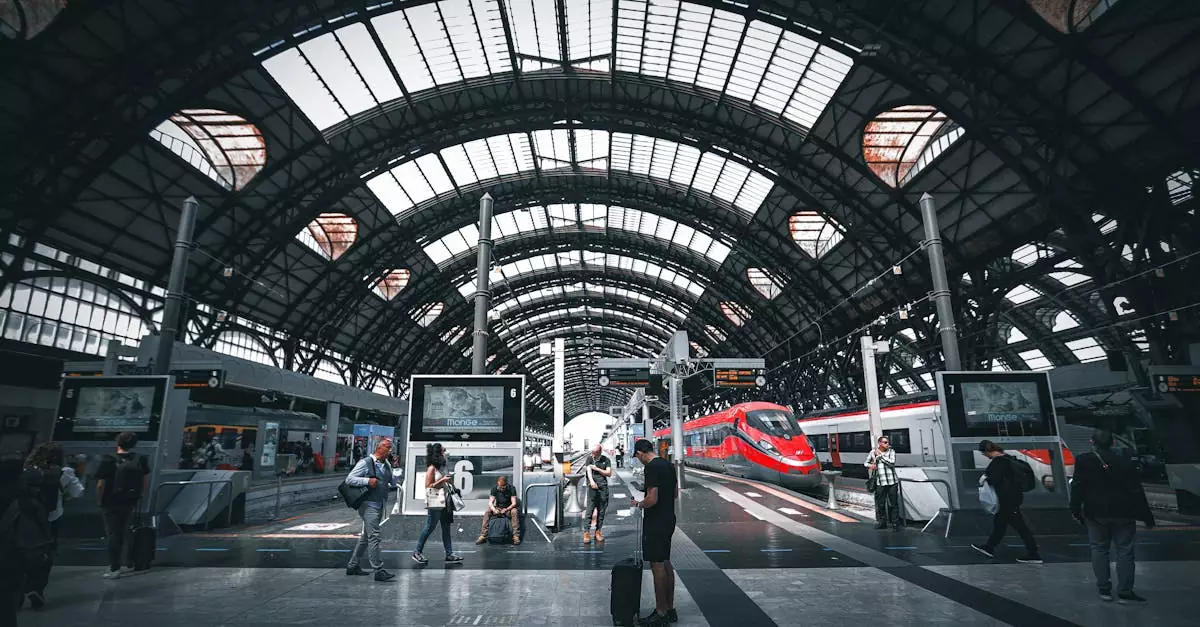
Italy’s high-speed rail lines, operated by Trenitalia and Italo, connect major cities like Rome, Florence, Milan, and Naples with impressive speed and efficiency. These services make day trips or multi-city itineraries highly achievable. Beyond high-speed routes, a comprehensive regional network reaches smaller towns and coastal villages. This dense web of tracks often allows you to reach your destination directly from a city center station, eliminating the need for airport transfers or lengthy bus journeys. Planning a trip from the northern Alps to the southern coast is simplified by this well-integrated system, providing flexibility for spontaneous detours.
Unparalleled Scenic Views from the Window
The true magic of Italian train journeys lies in the ever-changing vistas. As you travel, the landscape transforms dramatically, offering a visual feast that airports and highways cannot match. Imagine vineyards stretching across the Tuscan hills or the dramatic cliffs of the Amalfi Coast emerging as your train hugs the coastline. The route between Tirano and Varenna-Esino, for instance, presents breathtaking views of Lake Como, while the journey through the Dolomites showcases majestic mountain panoramas. These window-side experiences become integral to the travel adventure, allowing you to appreciate Italy’s natural beauty and architectural heritage at a relaxed pace.
Eco-Friendly Exploration of Italian Culture
Opting for train travel in Italy is also a more sustainable way to explore. The railway system offers a greener alternative to flying or driving, reducing your carbon footprint as you traverse the peninsula. This conscious choice immerses you in local culture, placing you in the heart of towns and cities, surrounded by authentic Italian life rather than being dropped at an airport on the outskirts. This direct access fosters a genuine connection with the places you visit, from bustling marketplaces to quiet piazzas. Traveling by rail encourages a slower, more mindful approach to discovery, aligning with a desire for responsible tourism.
Top 5 Best Train Trips in Italy for 2026
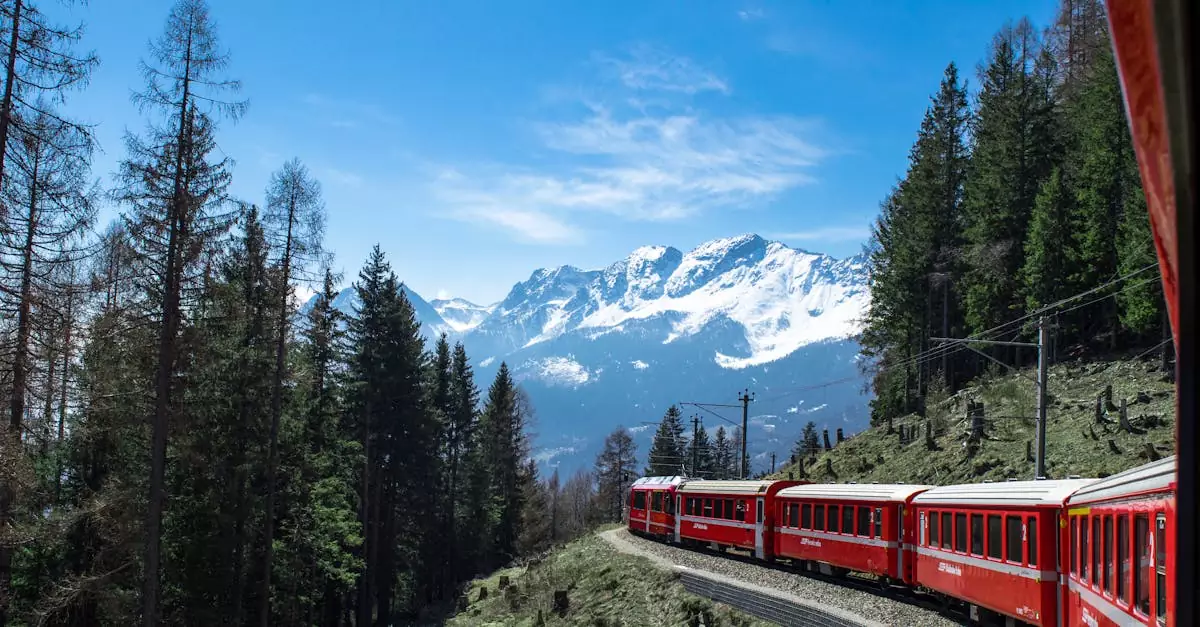
Italy’s rail network provides a captivating way to experience its diverse landscapes, from snow-capped peaks to sun-drenched coastlines. Choosing train travel lets you bypass crowded highways and immerse yourself in the scenery unfolding outside your window. These top train journeys in Italy promise unforgettable vistas and seamless transitions between iconic destinations.
The Bernina Express: From Swiss Alps to Italian Lakes
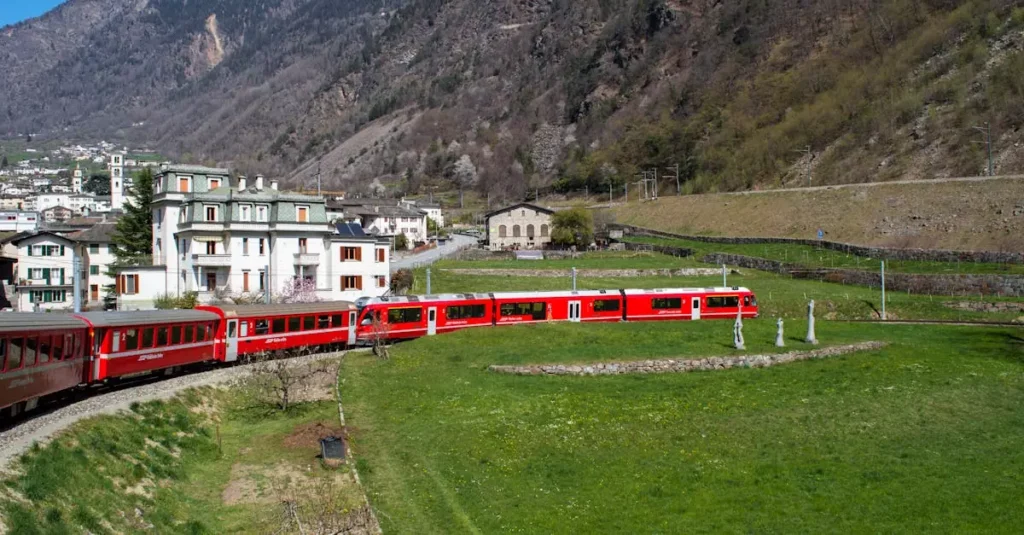
The Bernina Express is a spectacular journey that bridges the dramatic landscapes of the Swiss Alps with the charming Italian Lakes. This panoramic train route, a UNESCO World Heritage site, winds through breathtaking mountain passes, over viaducts, and past glaciers before descending to the palm-lined shores of Lombardy. The journey from Chur in Switzerland to Tirano, Italy, takes approximately four hours and offers unparalleled views of alpine scenery.
Key Highlights:
- Glacier Express Views: Experience iconic engineering marvels like the Brusio Spiral Viaduct.
- Alpine to Mediterranean Climate Shift: Witness a dramatic change in vegetation and atmosphere.
- Gateway to Lake Como: Arrive in Tirano, a perfect starting point for further exploration of Italy’s stunning lake region.
Logistics:
Bookings for the Bernina Express are essential, especially during peak season. While a supplement is required for panoramic carriages, the views are well worth the investment. Consider staying overnight in Tirano to fully appreciate the transition.
Cinque Terre Coastal Route: Vernazza to Riomaggiore
While not a single long-distance journey, the local train line connecting the five villages of Cinque Terre offers a quintessential Italian coastal experience. This short, frequent service is the most practical way to hop between Vernazza, Manarola, Corniglia, Riomaggiore, and Monterosso al Mare, bypassing steep inclines and narrow roads. The approximately 20-minute journey between the furthest villages provides tantalizing glimpses of the Ligurian Sea and terraced vineyards.
Traveler Tips:
- Village Access: The train stations are centrally located in each village, making access incredibly easy.
- Frequent Service: Trains run every 15-30 minutes during daylight hours.
- Avoid Driving: Parking is extremely limited and expensive; the train is the superior option.
A Cinque Terre Card often includes unlimited train travel on the Levanto-La Spezia line, along with access to hiking trails, making it an economical choice for exploring all five villages.
Rome to Florence High-Speed Rail: A Classic Italian Journey
Traveling between Rome and Florence by high-speed train is a swift and efficient way to connect two of Italy’s most iconic cities. Frecciarossa and Italo trains whisk passengers from the heart of Rome to Florence in just under two hours, offering a comfortable and scenic alternative to flying. This route is a staple for many travelers exploring Europe and provides a seamless introduction to Italian rail travel.
Journey Snapshot:
- Speed & Comfort: Modern high-speed trains provide a smooth ride with onboard amenities.
- City Center to City Center: Depart from Roma Termini and arrive at Firenze Santa Maria Novella, both centrally located.
- Frequent Departures: Trains run multiple times per hour throughout the day.
Budget Considerations:
Booking tickets in advance can significantly reduce costs. Standard and premium classes offer different levels of comfort and service, catering to various budgets.
Naples to Sorrento: Gateway to the Amalfi Coast
The Circumvesuviana train line from Naples to Sorrento serves as a vital artery for travelers heading towards the stunning Amalfi Coast. While this commuter line can be crowded and basic, it offers an affordable and direct route to Sorrento, the main gateway town. The journey takes about an hour and passes through numerous stops, providing glimpses of the Bay of Naples and Mount Vesuvius.
Practical Advice:
- Station Choice: Depart from the lower level of Napoli Garibaldi station (connected to Napoli Centrale).
- Peak Times: Avoid rush hours if possible, as trains can become very packed.
- Security: Be aware of your belongings, especially in crowded conditions.
From Sorrento, onward connections to Positano, Amalfi, and Ravello are typically made by SITA bus or ferry, enhancing your adventure along the coast.
The Circumvesuviana: Pompeii and Herculaneum Exploration
The same Circumvesuviana line that reaches Sorrento also provides essential access to the ancient Roman cities of Pompeii and Herculaneum. Dedicated stops, such as “Pompei Scavi – Villa dei Misteri” and “Ercolano Scavi,” bring you directly to the entrances of these remarkably preserved archaeological sites. This makes the Circumvesuviana an indispensable tool for history enthusiasts planning a visit.
Visiting the Sites:
- Pompeii: Allow at least 3-4 hours to explore the vast ruins.
- Herculaneum: Smaller than Pompeii, it can be explored in 2-3 hours and is often less crowded.
- Combined Ticket: Consider purchasing a combined ticket for both sites if you plan to visit both.
The accessibility and affordability of the Circumvesuviana make it an excellent choice for a day trip from Naples, allowing you to witness the impact of Mount Vesuvius’s eruption.
Planning Your Italian Rail Adventure
Understanding the nuances of Italian rail travel will significantly enhance your journey, from booking tickets to navigating bustling stations. This section provides essential planning advice to ensure a smooth and enjoyable experience on the rails.
Booking Train Tickets: Trenitalia vs. Italo
When planning your Italian rail adventure, you’ll primarily encounter two major train operators: Trenitalia and Italo. Trenitalia is the national railway company, offering an extensive network of high-speed (Frecciarossa, Frecciargento), intercity, and regional trains that connect virtually every corner of Italy. Italo, a private competitor, focuses exclusively on high-speed routes, often providing a more premium experience with modern trains and excellent onboard services, though its network is more limited.
For the best train trips in Italy, consider booking tickets in advance, especially for high-speed routes. Prices can fluctuate based on demand, and early booking often secures significant discounts. Both operators have user-friendly websites and mobile apps, allowing you to compare routes, schedules, and prices. Trenitalia’s website is Trenitalia.com, and Italo’s is ItaloTreno.it. It’s worth checking both to find the best option for your specific journey.
Choosing the Right Rail Pass
For travelers planning extensive train travel across Italy, a rail pass can be a cost-effective and flexible option. Eurail passes are popular for international visitors exploring multiple European countries, including Italy. A Eurail Italy Pass allows unlimited travel within Italy for a specified number of days over a set period.
Alternatively, if your itinerary focuses solely on Italy and involves numerous train journeys, purchasing individual tickets in advance might be more economical than a pass. Research your intended routes and compare the total cost of individual tickets against the price of a rail pass. If you plan to take only two or three long-distance trips, individual tickets booked early will likely be cheaper than a pass.
Navigating Italian Train Stations Like a Pro
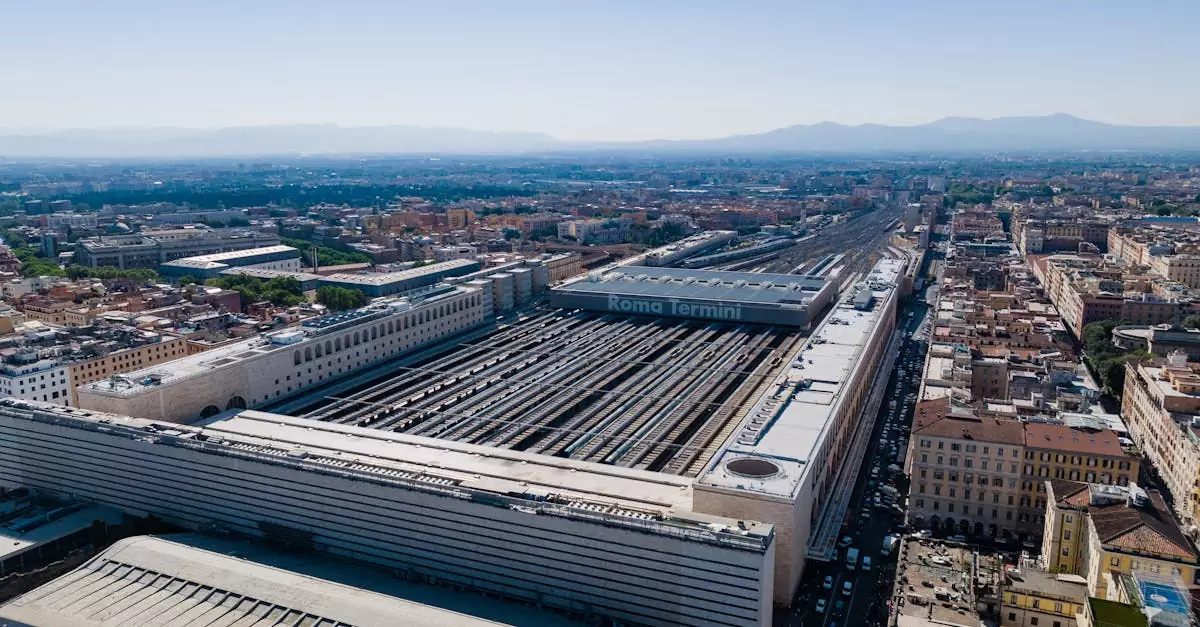
Italian train stations can range from grand, historic terminals like Roma Termini to smaller, more intimate stops. While generally well-organized, they can be busy, especially during peak travel times. Familiarize yourself with station layouts using online maps or station signage.
Key elements to look for include departure boards (Partenze), which list train times, destinations, and platform numbers (Binario). Always validate your regional train ticket before boarding by stamping it in the small machines located on the platforms or near station entrances; failure to do so can result in fines. High-speed train tickets are usually pre-assigned to a specific train and seat, so validation is not required. Look for signs indicating your platform number well in advance to avoid rushing.
Understanding Different Train Classes
Italian trains offer various service classes, impacting your comfort and the price of your ticket. On high-speed trains like Trenitalia’s Frecciarossa and Italo, you’ll typically find options such as:
- Standard/Economy: The most affordable option, offering comfortable seating and essential amenities.
- Premium/Smart: Provides a bit more legroom and enhanced service.
- Business/Club: Features more spacious seating, wider tables, and often complimentary snacks and drinks.
- Executive/Prima: The highest class, offering the most luxurious seating, premium services, and sometimes private compartments.
For regional trains, the distinction is usually between first and second class. First class offers more comfortable seating and slightly more space, while second class is perfectly adequate for shorter journeys. When choosing your class, consider the length of your journey and your budget. For a scenic day trip, second class is often sufficient; for long-haul journeys between major cities, investing in a higher class can significantly enhance your experience.
Beyond the Main Lines: Hidden Gem Train Journeys
While Italy’s high-speed rail connects major cities efficiently, some of the most memorable journeys lie on smaller, more scenic routes. These less-traveled lines offer a deeper connection to the Italian landscape and culture, revealing charming towns and breathtaking vistas often missed by hurried travelers. Venturing off the beaten path by train can transform a simple trip into an unforgettable adventure.
The Ferrovia Vigezzina-Centovalli Scenic Route
This picturesque railway connects Domodossola in Italy with Locarno in Switzerland, traversing the Centovalli (Hundred Valleys) region. It’s a journey through dramatic gorges, over towering viaducts, and past cascading waterfalls. The line is particularly stunning in autumn when the foliage paints the valleys in vibrant hues.
The trip takes approximately two hours and is operated by both Italian and Swiss railway companies. Tickets can be purchased at the stations or online. Consider an early morning departure to maximize daylight hours for viewing the scenery. This route is an excellent choice for those seeking a unique cross-border experience and a glimpse into the alpine landscapes of northern Italy and southern Switzerland.
Exploring Sicily by Train: Palermo to Taormina
Traveling by train across Sicily offers a relaxed way to see the island’s diverse scenery, from rolling hills dotted with ancient ruins to the sparkling Mediterranean coast. The route from Palermo to Taormina is classic, showcasing agricultural heartlands and coastal beauty. While not as fast as driving, the train provides a comfortable and scenic alternative, allowing you to unwind and absorb the changing landscapes.
The journey typically takes around 3 to 3.5 hours. Trains run regularly between these two popular destinations. Booking tickets in advance, especially during peak season, is advisable. Consider a stop in Catania to break up the journey and experience another vibrant Sicilian city before continuing to the stunning cliffside town of Taormina. This rail line offers a tangible connection to the island’s history and natural wonders.
The Adriatica Line: Venice to Lecce Coastal Views
The Adriatica Line runs along Italy’s eastern coast, connecting Venice with Lecce in the Puglia region. This extensive route offers a fascinating perspective on the diverse landscapes of eastern Italy, transitioning from the lagoons of Veneto to the azure waters of the Adriatic Sea and eventually reaching the “heel” of Italy. While much of the route is on standard intercity lines, specific stretches provide captivating coastal panoramas.
The full journey from Venice to Lecce can take over 8 hours, making it a significant undertaking best broken into segments. Travelers often opt to travel from Venice to Ancona or further south to Bari before continuing to Lecce. This approach allows for more in-depth exploration of cities like Rimini or the historic port of Ancona. For the most dramatic sea views, focus on the southern portions of the line, particularly as you approach the Salento peninsula. It’s a journey that reveals a less-touristed side of Italy, rich in history and coastal charm.
What to Pack for Your Italian Train Trip
Embarking on one of the best train trips in Italy offers a unique perspective on the country’s diverse landscapes and charming towns. To ensure a comfortable and enjoyable journey, thoughtful packing is key. Consider the varied climates you might encounter, from the cooler Alps to the warmer southern coasts, and the practicalities of moving between trains and stations.
Essential Clothing for Varying Climates
Italy’s weather can shift significantly depending on the region and the season. Layering is your best strategy. Pack lightweight, breathable fabrics like cotton and linen for warmer days, especially if traveling during spring or summer. Include a versatile sweater or fleece for cooler evenings or higher altitudes. A waterproof and windproof jacket is indispensable year-round, as sudden rain showers can occur. Comfortable walking shoes are paramount; you’ll likely do a lot of walking between stations and exploring towns on foot. Consider bringing a slightly dressier pair of shoes if you plan on enjoying fine dining.
Comfort Items for Long Journeys
Train travel in Italy is generally comfortable, but long journeys can benefit from a few personal touches. A neck pillow can make a significant difference for napping, especially on overnight routes. Noise-canceling headphones are excellent for blocking out ambient sounds and enjoying your own music or podcasts. A reusable water bottle is practical for staying hydrated and reducing plastic waste, and you can easily refill it at stations. Don’t forget a good book or downloaded entertainment, as Wi-Fi availability can be inconsistent.
Travel Adapters and Electronics
Italy uses Type F electrical sockets, operating at 230V and 50Hz. Ensure you have a universal travel adapter that covers this configuration. Bringing a portable power bank is highly recommended for keeping your devices charged on the go, as not all train seats have readily accessible power outlets. Consider downloading offline maps of cities you plan to visit, as well as train schedules, in case of connectivity issues.
Documents and Money Management
Keep your essential documents organized and secure. This includes your passport, train tickets (digital or printed), and any accommodation confirmations. A secure money belt or hidden pouch can provide peace of mind for carrying cash and important cards. While credit cards are widely accepted in larger cities and tourist areas, it’s wise to carry some Euros for smaller towns, local markets, or independent shops. Inform your bank of your travel dates to avoid any issues with card usage.
Frequently Asked Questions About Train Travel in Italy
What is the best time of year for train trips in Italy?
The shoulder seasons – spring (April to June) and autumn (September to October) – generally offer the most pleasant weather for train travel across Italy. You’ll find fewer crowds than in the peak summer months and comfortable temperatures for sightseeing. Spring brings blooming landscapes, while autumn offers harvest festivals and beautiful foliage.
Summer (July and August) is the busiest and hottest period, which can make train travel more crowded and less comfortable, especially on intercity routes. Winter (November to March) can be a good option for budget-conscious travelers seeking fewer tourists, particularly in southern Italy. However, northern regions can experience cold weather and occasional disruptions.
How much do train tickets typically cost in Italy?
Ticket prices in Italy vary significantly based on the type of train, the distance traveled, and how far in advance you book. High-speed trains like Frecciarossa and Italo are generally more expensive but offer faster journeys between major cities. Regional trains are much cheaper but make more stops and are slower.
Booking tickets several weeks or even months in advance can secure substantial discounts, especially for high-speed services. Last-minute bookings are usually the most expensive. For example, a one-way ticket from Rome to Florence on a high-speed train might range from €30 to €90 or more, depending on the booking time and class. Regional tickets for similar distances are often under €15.
A general guideline for budgeting:
| Train Type | Typical Cost (Rome to Florence) | Booking Window | Notes |
|---|---|---|---|
| High-Speed | €30 – €90+ | Advance | Fastest, most comfortable, fewer stops |
| Intercity | €25 – €50 | Advance/On Day | Slower than high-speed, more stops |
| Regional | €10 – €20 | On Day | Cheapest, many stops, local experience |
Is it easy to travel with luggage on Italian trains?
Yes, traveling with luggage on Italian trains is generally manageable. Most trains have overhead luggage racks and dedicated spaces at the ends of carriages for larger suitcases. It’s important to be prepared to lift your own bags, as train staff are not typically available to assist.
Consider the size and weight of your luggage. If you have very large or heavy bags, navigating busy stations and crowded trains may be more challenging. Packing lighter or using luggage shipping services can be helpful for longer or more complex itineraries. Always keep your luggage within sight to prevent theft.
Can I eat and drink on Italian trains?
Absolutely. Most Italian trains offer options for food and beverages. High-speed trains and Italo services typically have onboard cafes or bistros selling snacks, sandwiches, coffee, and alcoholic beverages. You can also purchase items before boarding at train station kiosks and enjoy them during your journey.
For regional trains, onboard services might be limited or non-existent. It’s always a good idea to bring your own water and snacks, especially for shorter trips or if you have specific dietary preferences. Enjoying a picnic on a scenic train ride through the Italian countryside can be a delightful experience.