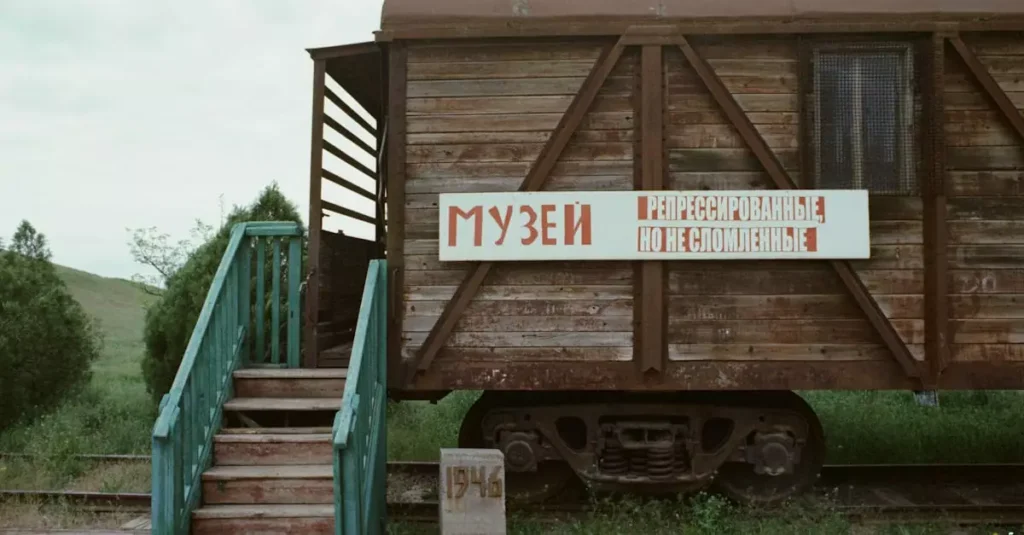
Embarking on one of Europe’s best overnight rail journeys offers a unique blend of adventure and efficiency, transforming travel time into an integral part of your vacation. Imagine drifting off to sleep and waking up in a new city, ready to explore without losing precious daylight hours to transit. These sleeper train routes are more than just transportation; they provide a romantic, scenic, and sustainable way to connect with the continent. In this guide, you’ll discover a curated selection of unforgettable overnight rail experiences, from iconic luxury lines to practical city-to-city connections. We’ll cover what to expect onboard, how to book your perfect berth, and essential tips for making the most of your journey, ensuring your next European adventure is both comfortable and memorable.
Why Choose Europe’s Best Overnight Rail Journeys?
Opting for overnight rail travel across Europe offers a unique blend of adventure, efficiency, and romance. These journeys transform transit time into an integral part of the travel experience, allowing you to wake up in a new city without sacrificing precious daylight hours. It’s a chance to connect with the continent in a way that flying simply cannot replicate.
Experience the Romance of Sleeper Trains
The allure of sleeper trains is undeniable. Imagine drifting off to the gentle rhythm of the tracks, knowing that your bed is also your transport. Waking up to a new landscape outside your window, whether it’s the misty hills of the Scottish Highlands or the sun-drenched plains of the Iberian Peninsula, evokes a bygone era of travel. Many modern sleeper services offer comfortable cabins, from private compartments to shared berths, often complete with dining cars serving regional specialties. This form of travel reconnects you with the journey itself, providing a slower, more immersive way to see the world.
Sustainable Travel Through Scenic European Landscapes
Choosing overnight trains is a significantly more eco-friendly option than flying. Trains produce considerably lower carbon emissions per passenger mile, making them a responsible choice for environmentally conscious travelers. As you sleep, you’re conserving energy while contributing to a greener travel footprint across the diverse European continent. The routes themselves often traverse breathtaking scenery that would be missed from 30,000 feet.
Maximizing Your Travel Time: Sleep While You Go
One of the most practical advantages of overnight rail journeys is their efficient use of time. Instead of spending a full day in transit, you can recline in your sleeper berth and arrive at your destination refreshed and ready to explore. This means you can pack more experiences into your itinerary, fitting in an extra city or dedicating more time to a favorite location. It’s a smart way to travel, especially for those with limited vacation time, turning travel hours into productive rest periods.
Consider the following comparison of how overnight trains save time compared to other modes of transport for common routes:
| Route | Overnight Train Time | Flight Time (incl. airport transfers & security) | Car Travel Time (approx.) |
|---|---|---|---|
| Paris to Berlin | ~12-14 hours | ~6-8 hours | ~10-12 hours |
| Vienna to Rome | ~14-16 hours | ~7-9 hours | ~11-13 hours |
| Amsterdam to Prague | ~14-16 hours | ~7-9 hours | ~12-14 hours |
| Zurich to Barcelona | ~13-15 hours | ~7-9 hours | ~12-14 hours |
This table highlights how, while flights may seem quicker on paper, the total travel time—including often tedious airport procedures and transit to and from city centers—can make overnight trains a competitive and more comfortable alternative for maximizing your time.
Top Overnight Rail Routes: From Paris to Prague
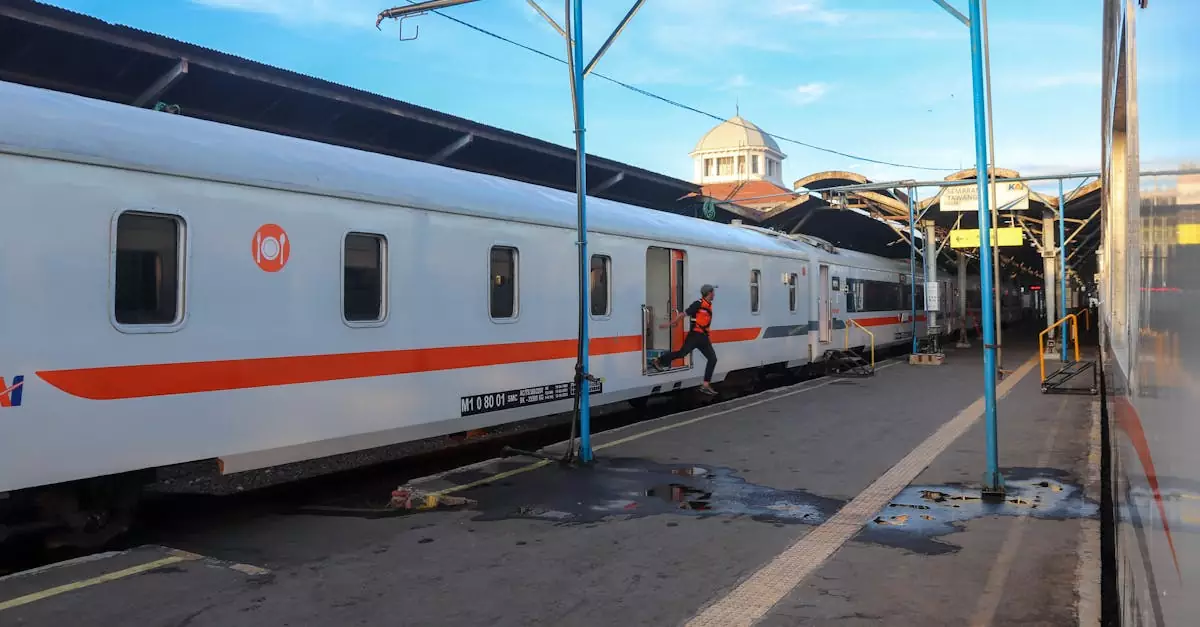
Embarking on an overnight train journey across Europe offers a romantic and efficient way to travel between cities. These sleeper services minimize travel time by allowing you to sleep while covering significant distances, waking up refreshed in a new destination. From the glamour of historic routes to modern conveniences, several excellent options cater to different travel styles and budgets.
The Venice Simplon-Orient-Express: A Classic Luxury Ride
For an experience steeped in nostalgia and unparalleled luxury, the Venice Simplon-Orient-Express is the ultimate choice. This iconic train recreates the golden age of rail travel with meticulously restored 1920s and 1930s carriages. Journeys typically run between Venice and London, with stops in Paris, Verona, and other picturesque locations.
Expect opulent private cabins, fine dining in beautifully appointed restaurant cars, and attentive service. While this is a premium experience, it’s more than just transportation; it’s a journey back in time. Booking well in advance is essential, as demand is high for this unique adventure. The cost reflects the exclusive nature of the journey, often including meals and accommodation within the fare.
Paris to Berlin: The CityNightLine Experience
The direct sleeper train connection between Paris and Berlin, often operated by CityNightLine (though routes and operators can change), provides a practical and comfortable overnight option. This route is ideal for travelers looking to maximize their time in both vibrant capitals. Departing in the evening from Paris, you can wake up in Berlin ready to start your day.
Accommodations range from reclining seats to private berths and couchettes, offering flexibility for different budgets. It’s advisable to book your tickets and preferred sleeping arrangements in advance, especially during peak travel seasons. This service simplifies logistics, allowing you to avoid airport transfers and spend more time enjoying the sights and sounds of each city.
Vienna to Rome: A Scenic Journey Through the Alps
Traveling from Vienna to Rome by overnight train offers a chance to witness diverse European landscapes unfold as you sleep. While direct sleeper services may vary, routes often involve connections that can be managed overnight, passing through scenic regions like the Alps. This journey is perfect for those who appreciate a more leisurely pace and the visual rewards of overland travel.
Consider booking a private compartment for added comfort and privacy. The journey can take around 12-15 hours, depending on the specific route and connections. Planning your itinerary to include a stop in a city along the way, such as Verona, can break up the journey and add another dimension to your trip.
Amsterdam to Vienna: Exploring Europe by Sleeper Train
The overnight train from Amsterdam to Vienna is an excellent option for connecting two culturally rich cities without sacrificing daylight hours. This service, often part of the Nightjet network, provides a convenient way to travel between the Netherlands and Austria. You can depart Amsterdam in the evening and arrive in Vienna the following morning, ready to immerse yourself in its imperial history and coffee house culture.
Travelers can choose from various sleeping options, including shared compartments, private berths, and even family rooms. Booking early is recommended to secure your preferred accommodation and take advantage of potential early-bird discounts. This rail route avoids the hassle of airports and allows you to experience the changing scenery as you traverse through Germany and potentially other countries.
Discovering Hidden Gems on Overnight Train Itineraries
Overnight train journeys offer a unique blend of adventure and practicality, allowing travelers to cover significant distances while waking up in a new city. These sleeper train routes are more than just transportation; they are an integral part of the travel experience, often showcasing scenic landscapes and connecting vibrant cultural hubs across Europe. Opting for a night train can save on accommodation costs and maximize daylight hours for sightseeing.
The Bernina Express: Switzerland to Italy’s Charm
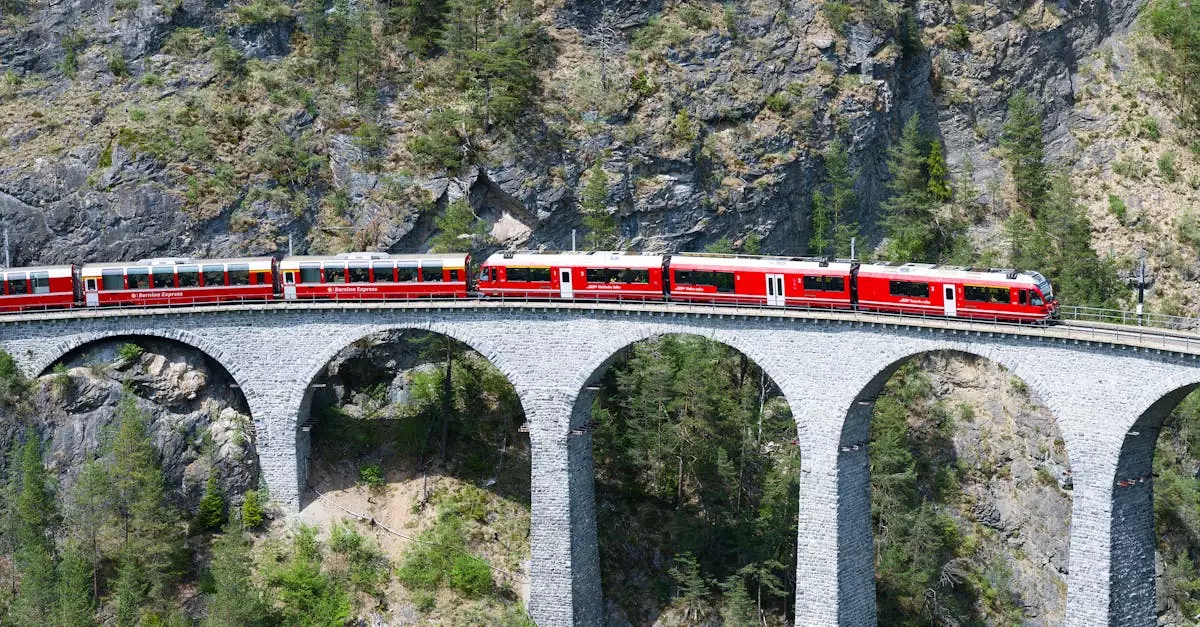
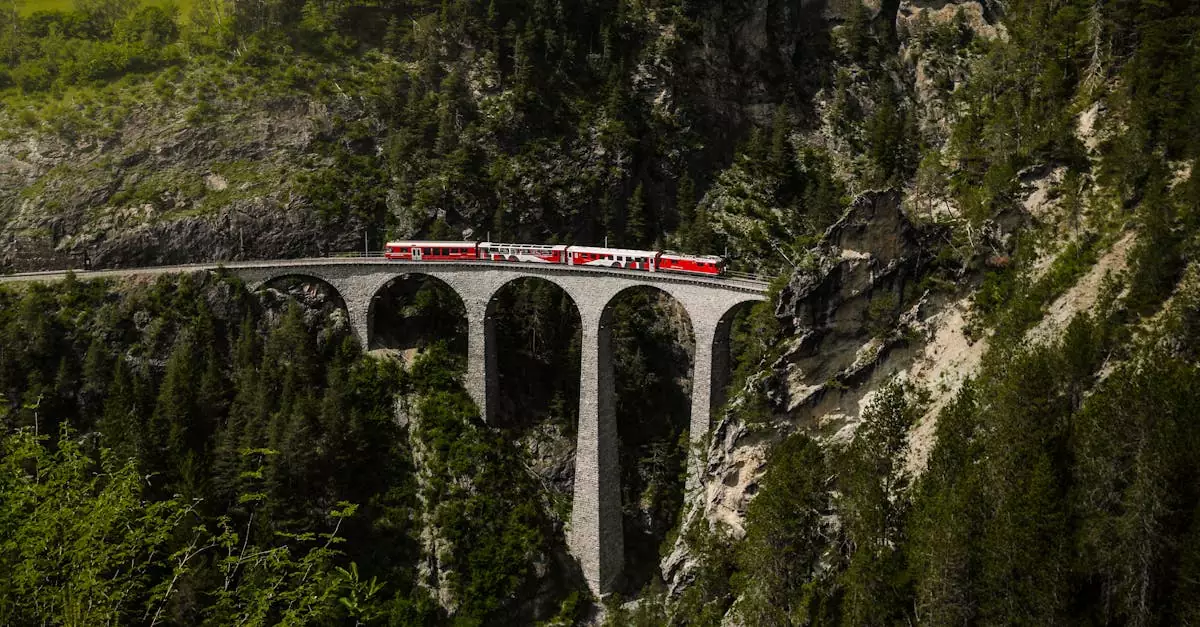
While not strictly an overnight journey in the sleeper train sense, the Bernina Express route between Chur in Switzerland and Tirano in Italy is a celebrated scenic rail experience that can be adapted for overnight travel. This panoramic train winds through dramatic Alpine landscapes, crossing high bridges and passing glaciers. Travelers can choose to break the journey, spending a night in a charming Swiss town like St. Moritz or a picturesque Italian village near the border.
The full route is a UNESCO World Heritage site, showcasing engineering marvels and breathtaking natural beauty. For those seeking an overnight experience, consider taking the daytime Bernina Express to Tirano, then catching a regional train or bus the next morning towards Milan or another Italian city, thus extending the rail adventure. Alternatively, one could start in Tirano, travel north to Chur, and then connect to other overnight services.
Logistics: The Bernina Express is a special panoramic train operated by Rhaetian Railway. Reservations are mandatory. The journey itself takes about four hours one-way.
Budget: Expect higher ticket prices for the panoramic carriages, with additional costs for overnight accommodation in connecting towns.
Scenery: Alpine peaks, glaciers, viaducts, and Mediterranean flora as you descend into Italy.
Budapest to Bucharest: The Transylvania Express Adventure
The direct night train from Budapest, Hungary, to Bucharest, Romania, often nicknamed the “Transylvania Express,” is a classic overnight rail route. This journey traverses the Carpathian Mountains, offering glimpses into the rugged beauty of Romania. It’s a direct connection that allows travelers to bypass the need for a flight and arrive in the Romanian capital ready to explore.
This service typically departs Budapest in the evening and arrives in Bucharest the following morning. Travelers can book various accommodation options, from standard couchettes to private sleeper compartments, ensuring a comfortable night’s rest. The route provides a sense of journeying through a less-traveled part of Europe, with dawn revealing rolling hills and rural landscapes.
Timing: The train usually departs late evening from Budapest Keleti station.
Accommodation: Options range from 6-berth couchettes to 2-berth private sleepers. Booking in advance is highly recommended, especially during peak season.
Culture: This route connects two major Central European capitals, offering a tangible sense of crossing borders and experiencing Eastern European landscapes.
Exploring the Baltic States: Tallinn to Riga by Night Train
While direct overnight sleeper trains between the Baltic capitals of Tallinn (Estonia), Riga (Latvia), and Vilnius (Lithuania) have historically been inconsistent or discontinued, planning a multi-leg journey using daytime services combined with strategically booked overnight stays offers a similar experience. The region is well-connected by bus services, which are often more frequent and comfortable for shorter distances. However, the allure of a sleeper train journey can be fulfilled by piecing together segments.
For instance, one could take a daytime train or bus from Tallinn to Riga, arriving in the afternoon to explore the Latvian capital. Then, a subsequent overnight train from Riga to Vilnius could be utilized if services are available, or a comfortable overnight bus booked in advance. This approach allows for flexibility and the chance to experience the unique character of each Baltic city. The landscapes between these cities are characterized by forests, lakes, and coastal stretches.
Logistics: Bus services like Lux Express and Ecolines are reliable and frequent between these cities, offering a comfortable alternative to trains for shorter legs.
Budget: Bus travel is generally more economical than traditional European sleeper trains.
Scenery: Forests, agricultural land, and glimpses of the Baltic Sea coastline.
Planning Your Overnight Rail Adventure: Tips and Tricks
Embarking on an overnight train journey across Europe offers a unique blend of adventure and efficiency. To make the most of your trip, thoughtful planning is key. From securing the best sleeping arrangements to packing smart, a little preparation goes a long way in ensuring a comfortable and memorable experience. Consider these essential tips as you plan your next sleeper train adventure.
Booking Your Sleeper Berth: When and How
Booking your sleeper berth well in advance is crucial, especially for popular routes or during peak travel seasons. Many of the best overnight rail journeys are in high demand, and last-minute availability can be scarce. Aim to book at least three to six months ahead, particularly if you’re traveling during summer holidays or major European festivals.
Rail Europe, Omio, and individual national railway websites are primary resources for booking. Websites like The Man in Seat 61 provide comprehensive, up-to-date information on routes, booking procedures, and specific train operators, which can be invaluable for navigating the booking process. Many bookings can be made online, though some older ticketing systems might require a phone call or booking through a travel agent.
Choosing the Right Sleeper Cabin: Budget vs. Luxury
Sleeper train accommodations range from basic couchettes to private luxury suites. Understanding these options helps you align your choice with your budget and comfort preferences.
- Couchettes: These are shared compartments, typically with four to six bunks. They offer a budget-friendly option for solo travelers or groups who don’t mind sharing space. Bedding is usually provided.
- Sleeper Cabins (T2/T3): These private compartments offer more privacy, usually with two or three beds. They often include a small washbasin and may come with complimentary water and basic toiletries. This is a good middle-ground for couples or small families.
- Deluxe/Luxury Cabins: For ultimate comfort, these cabins often feature private en-suite bathrooms with showers, more spacious sleeping areas, and sometimes even dining services. These are the most expensive but offer a truly premium travel experience.
| Cabin Type | Price Range (per person, per night) | Privacy Level | Amenities | Best For |
|---|---|---|---|---|
| Couchette | €30 – €70 | Low | Shared berths, basic bedding | Budget travelers, social adventurers |
| Sleeper Cabin | €70 – €150 | Medium | Private berths, washbasin, bedding | Couples, small families, privacy seekers |
| Deluxe Cabin | €150+ | High | En-suite bathroom, shower, enhanced service | Luxury travelers, special occasions |
When choosing, consider the length of your journey. For shorter overnight trips, a couchette might suffice. For longer hauls, the added comfort of a private cabin is often worth the extra cost.
Packing Essentials for Overnight Train Travel
Packing light and smart is essential for navigating train stations and moving between your carriage and compartments. Space in sleeper cabins can be limited, so avoid large, bulky luggage if possible.
- Comfortable Clothing: Pack loose-fitting clothes for sleeping and comfortable attire for lounging. Layers are recommended, as cabin temperatures can vary.
- Toiletries: Bring a small toiletry bag with essentials. While some deluxe cabins have showers, many only offer washbasins. A quick-dry towel can be useful.
- Entertainment: Books, downloaded movies, or podcasts are great for passing the time. Don’t forget headphones.
- Snacks and Drinks: While dining cars are available on many routes, having your own snacks and water can save money and ensure you have something you like on hand.
- Earplugs and Eye Mask: Essential for light sleepers, especially in couchettes, to ensure a restful night’s sleep.
- Chargers and Power Bank: Ensure all your devices are charged. Power outlets can be scarce in some older carriages.
- Travel Documents: Keep your passport, tickets, and any other necessary documents easily accessible.
Consider bringing a small backpack or day bag for essentials you’ll need during the night, such as your phone, a book, and medication. This avoids rummaging through larger luggage in the dark.
What to Expect Onboard Europe’s Sleeper Trains
Embarking on one of Europe’s best overnight rail journeys offers a unique blend of adventure and relaxation. Unlike daytime travel, sleeper trains transform transit time into an integral part of the travel experience. You’ll find a range of services designed to make your journey comfortable and convenient, from dining options to sleeping arrangements. Understanding what awaits you onboard will help you pack appropriately and set realistic expectations for this memorable way to traverse the continent.
Dining Experiences: From Fine Dining to Onboard Cafes
The culinary offerings on European sleeper trains vary significantly, reflecting the route and the operator. Some premium services, like the Venice Simplon-Orient-Express, provide an opulent fine-dining experience, complete with multi-course meals served in elegant vintage carriages. These journeys often include champagne and gourmet dishes, making the meal a highlight of the trip.
More commonly, you’ll encounter onboard bistros or dining cars that offer a selection of hot meals, snacks, and beverages. These are generally more casual and cater to a wider range of tastes and budgets. Expect to find dishes like pasta, stews, or regional specialties, alongside sandwiches and salads. Many travelers also opt to bring their own provisions, especially for shorter overnight trips or if they have specific dietary needs. It’s wise to check the specific train operator’s website for details on their dining services before your departure.
Comfort and Amenities in Sleeper Compartments
Sleeper compartments are designed to provide a private and restful environment for your journey. The primary options are typically:
- Couchettes: These are shared compartments, usually with four to six berths. They offer a more budget-friendly option, providing basic bedding (a pillow, sheet, and blanket). While privacy is limited, they are a social way to travel and are excellent for families or groups.
- Sleeper Cabins: These are private compartments that can accommodate one to three passengers. They offer a higher degree of privacy and comfort, often with fold-down beds, a small table, and access to a washbasin. Some premium cabins may even include an en-suite toilet and shower. Bedding is always provided, and the compartments are usually lockable for security.
Regardless of the type of compartment, you can generally expect a quiet atmosphere conducive to sleep. Most operators provide clean linens, and compartments are cleaned between journeys. Bringing earplugs and an eye mask can enhance your sleep quality, especially if you are a light sleeper.
Navigating Transfers and Station Information
Arriving at a European train station for an overnight journey requires a bit of pre-planning. Major hubs like Paris Gare de Lyon or Vienna Hauptbahnhof are well-organized, but it’s essential to know which platform your train departs from. Sleeper trains often depart late in the evening, so arriving at the station at least 30-60 minutes before departure is advisable.
Look for signage indicating your specific train service and carriage number. Staff are usually available to assist with directions and boarding. It’s helpful to have your ticket and any necessary identification readily accessible. For seamless transfers, especially if you’re connecting from another train, allow ample time. Some stations offer luggage storage facilities if you arrive very early and wish to explore the vicinity before your departure. Understanding the station layout and your train’s departure point in advance can significantly reduce pre-journey stress.
Frequently Asked Questions About Overnight Rail Journeys
Are overnight trains in Europe safe?
Overnight trains in Europe are generally considered very safe. Reputable train operators prioritize passenger security with onboard staff, emergency procedures, and often locking mechanisms for compartments. While petty theft can occur, especially in crowded areas, serious incidents are rare. It’s wise to keep valuables secure and be aware of your surroundings, as you would in any travel setting across Europe.
What is the best time of year for overnight rail journeys?
The best time to embark on overnight rail journeys often depends on the specific route and your preferences. Spring (April-May) and autumn (September-October) offer pleasant weather for scenic daytime views before settling into your sleeper carriage. Summer (June-August) is popular but can be crowded and more expensive. Winter (November-March) can be magical for snowy landscapes, but check for potential weather-related delays.
How do I book tickets for the best overnight rail journeys?
Booking tickets for Europe’s sleeper trains is straightforward. You can typically book directly through the websites of national rail operators (like Deutsche Bahn for Germany or SNCF for France) or through dedicated international rail booking platforms. Booking in advance, especially for popular routes or during peak season, is highly recommended to secure your preferred accommodation and potentially better prices. Consider exploring options on sites like TheTrainline or Rail Europe for a consolidated view.
Can I bring luggage on sleeper trains?
Yes, you can bring luggage on sleeper trains. Most trains have designated luggage racks in compartments or larger storage areas at the ends of carriages. The amount of luggage allowed is generally more generous than on budget airlines. However, it’s advisable to keep larger suitcases manageable, as you’ll need to lift them into storage. Smaller bags can usually be kept with you in your compartment.