Northern Europe beckons with a captivating blend of dramatic landscapes, rich cultural heritage, and unique seasonal phenomena, offering an unforgettable adventure for curious travelers. From Norway’s majestic fjords and Iceland’s volcanic wonders to Scandinavia’s design-forward cities and the serene beauty of the Baltic coast, this region promises experiences that go beyond the ordinary. If you’re looking for an escape that combines natural grandeur with vibrant urban exploration, the best Northern Europe destinations provide the perfect setting.
This guide will help you navigate this incredible part of the world. You’ll discover top cities ideal for a cultural getaway, delve into the breathtaking natural wonders that define the region, and learn the optimal times to visit each unique locale. We’ll also cover essential transportation tips to ensure your journey through these diverse countries is smooth and enjoyable. Prepare to be inspired by the magic awaiting you in Northern Europe.
Why Choose Northern Europe for Your Next Getaway?
Northern Europe offers a compelling alternative for travelers seeking experiences beyond the typical Mediterranean or Western European circuit. From Norway’s rugged coastlines to Scandinavia’s vibrant cities and Iceland’s wild landscapes, the best Northern Europe destinations promise adventure and immersion.
The Allure of Nordic Landscapes and Culture
The Nordic countries—Denmark, Finland, Iceland, Norway, and Sweden—are renowned for their striking natural scenery. Picture Norway’s majestic fjords, Iceland’s volcanic terrain, or Sweden’s vast archipelagos. Beyond the landscapes, a deep-rooted culture emphasizes design, sustainability, and a close connection to nature. This ethos is reflected in everything from minimalist architecture to a strong tradition of public art and music. Travelers often find a sense of calm and order, coupled with a welcoming spirit, making it easy to appreciate local life.
Unique Experiences Beyond the Usual Tourist Trails
While popular cities like Copenhagen and Stockholm have much to offer, Northern Europe excels in providing experiences that feel truly off the beaten path. Consider kayaking through serene, glacier-fed fjords in Norway or hiking across Iceland’s otherworldly lava fields. In Finland, you might try ice fishing on a frozen lake or experience a traditional smoke sauna. These activities foster a deeper connection to the environment and local traditions, moving beyond the conventional tourist checklist. The relative vastness of some areas allows for solitude, even in well-known regions.
Embracing the Magic of Northern Lights and Midnight Sun
Two of the most captivating natural spectacles in Northern Europe are the Aurora Borealis (Northern Lights) and the Midnight Sun. During winter months, particularly from September to March, the dark skies in northern latitudes offer prime viewing opportunities for the dancing lights. Tromsø in Norway and Abisko in Sweden are world-famous for this phenomenon. Conversely, summer brings the Midnight Sun, where daylight stretches for 24 hours, allowing for endless exploration under a surreal, perpetual twilight. This is especially prevalent in the Arctic Circle, creating a unique travel rhythm and a chance to pack more into your days.
Top Cities for a Northern European City Break
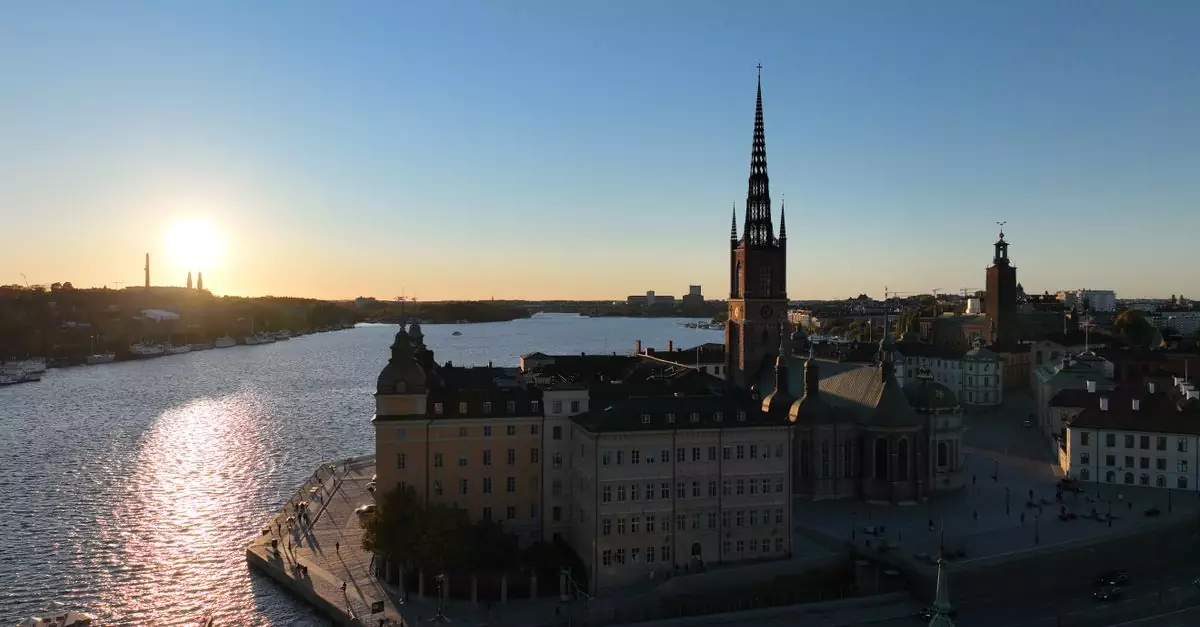
Northern Europe offers a captivating blend of history, design, and stunning natural beauty, making its cities ideal for memorable getaways. From vibrant capitals to charming coastal towns, these destinations provide rich cultural experiences without the overwhelming crowds often found elsewhere. Planning a trip to this region means discovering a unique Nordic charm that appeals to a wide range of travelers.
Copenhagen’s Hygge Charm: Nyhavn and Tivoli Gardens
Copenhagen, Denmark’s capital, embodies the concept of hygge—a feeling of coziness and contentment. The city is easily navigable, with many attractions within walking distance or a short bike ride. Stroll along the colorful waterfront of Nyhavn, lined with historic ships and charming cafes, or immerse yourself in the whimsical atmosphere of Tivoli Gardens, one of the world’s oldest amusement parks.
Getting around Copenhagen is effortless. The city boasts an extensive public transport network, including efficient metro lines and buses. Renting a bicycle is quintessential to the Copenhagen experience, offering a local perspective on its picturesque streets and canals. For accommodation, consider areas like Indre By for central access or Vesterbro for a trendier vibe.
Stockholm’s Archipelago Beauty: Gamla Stan and Vasa Museum
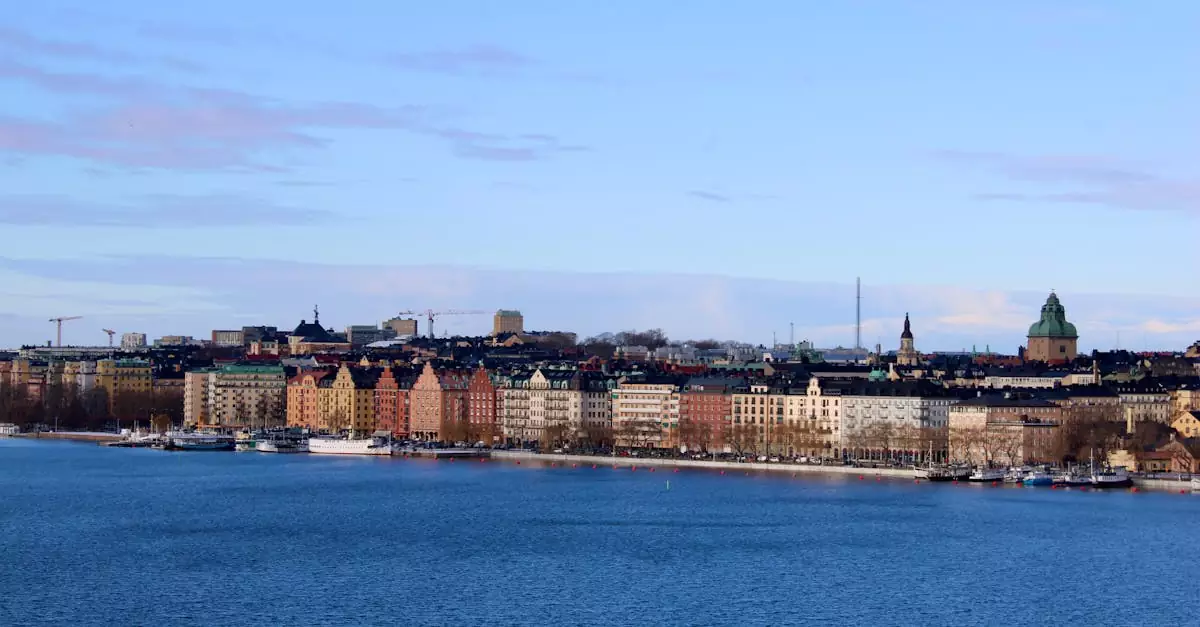
Stockholm, Sweden, is built across 14 islands, offering a unique urban landscape intertwined with water. Its historic heart, Gamla Stan, is a labyrinth of cobblestone streets, colorful buildings, and royal palaces, inviting leisurely exploration. A must-visit is the Vasa Museum, home to the remarkably preserved 17th-century warship that sank on its maiden voyage.
The city’s archipelago setting means boat tours are a popular way to see Stockholm from a different angle. Public transport, including the metro (Tunnelbana), trams, and ferries, efficiently connects the different islands and districts. Budget-conscious travelers can find good value in hostels and guesthouses, while boutique hotels offer a more luxurious stay.
Oslo’s Artistic Vibe: Vigeland Sculpture Park and Opera House
Oslo, Norway, is where modern architecture meets natural grandeur, with the Oslofjord as its backdrop. The Vigeland Sculpture Park, a unique open-air exhibition of Gustav Vigeland’s work, features over 200 sculptures in bronze, granite, and cast iron. Another architectural marvel is the Oslo Opera House, whose roof is designed for walking, offering panoramic views of the city and fjord.
Navigating Oslo is straightforward, thanks to its integrated public transport system of buses, trams, and ferries. The city is also quite walkable, especially its downtown core. For art and culture enthusiasts, Oslo offers a wealth of museums and galleries, making it a prime destination for cultural exploration.
Helsinki’s Design Scene: Suomenlinna Fortress and Temppeliaukio Church
Helsinki, Finland, is renowned for its minimalist design, innovative spirit, and proximity to nature. The UNESCO World Heritage site of Suomenlinna Fortress, a sea fortress spread across several islands, provides a fascinating glimpse into military history and beautiful coastal scenery. Another architectural gem is the Temppeliaukio Church, a unique rock church carved directly into solid stone.
Helsinki is compact, with most key attractions accessible via its efficient tram and metro system. The city’s reputation as a design capital is evident in its numerous galleries, boutiques, and concept stores. Travelers seeking unique accommodations might find charming apartments or design hotels that reflect the city’s aesthetic.
| City | Best For | Key Attractions | Transportation Ease |
|---|---|---|---|
| Copenhagen | Hygge, cycling, family fun | Nyhavn, Tivoli Gardens, Little Mermaid | Very High |
| Stockholm | Archipelago, history, museums | Gamla Stan, Vasa Museum, Skansen | High |
| Oslo | Art, modern architecture, fjords | Vigeland Sculpture Park, Opera House, Viking Ship Museum | High |
| Helsinki | Design, architecture, island fortresses | Suomenlinna Fortress, Temppeliaukio Church, Market Square | High |
Exploring the Dramatic Natural Wonders of Northern Europe
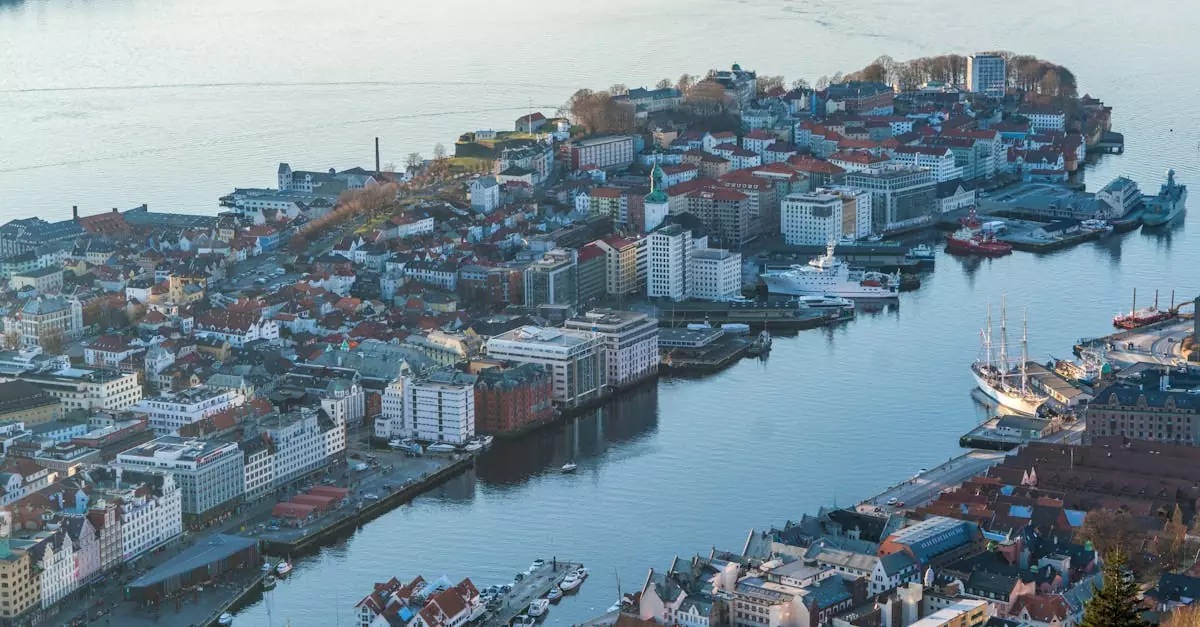
Northern Europe offers a breathtaking array of natural landscapes, from volcanic terrains and glacial fjords to vast arctic expanses and windswept coastlines. These destinations provide adventurers with unparalleled opportunities to connect with raw, untamed beauty.
Iceland’s Golden Circle: Geysir, Gullfoss, and Þingvellir National Park
A classic introduction to Iceland’s geological marvels, the Golden Circle is an accessible route showcasing three iconic sites. The Geysir geothermal area features Strokkur, a geyser that reliably erupts every few minutes, sending boiling water high into the air. Nearby, Gullfoss, the “Golden Falls,” plunges into a rugged canyon in two tiers, creating a spectacular display of raw power, often accompanied by rainbows. Þingvellir National Park, a UNESCO World Heritage site, holds historical significance as the location of Iceland’s ancient parliament and is geologically fascinating, sitting on the rift valley between the North American and Eurasian tectonic plates.
Travelers can easily complete the Golden Circle as a day trip from Reykjavik, with numerous tour operators offering guided excursions. Self-driving provides more flexibility, allowing for stops at lesser-known viewpoints. The best time to visit is typically from May to September for milder weather and longer daylight hours, though winter offers a chance to see the area dusted in snow, adding a different kind of magic.
Norway’s Fjords: Geirangerfjord and Nærøyfjord Cruising
The Norwegian fjords, carved by glaciers over millennia, are a testament to nature’s sculpting power. Geirangerfjord and Nærøyfjord, both UNESCO World Heritage sites, are among the most dramatic and beautiful. Geirangerfjord, with its sheer cliffs and cascading waterfalls like the Seven Sisters, is a photographer’s dream. Nærøyfjord, the narrowest of the fjords, provides a more intimate experience, with steep mountainsides rising almost vertically from the water.
Cruising these fjords is the quintessential way to experience their grandeur. Various boat tours depart from towns like Flåm and Geiranger. For those seeking a more active adventure, kayaking or hiking along the fjord edges offers a unique perspective. Summer (June to August) provides the best weather for cruising and outdoor activities, with long daylight hours. Be prepared for variable weather even in summer, and pack layers.
Lapland’s Winter Wonderland: Reindeer Sleigh Rides and Northern Lights Tours
Lapland, spanning parts of Finland, Sweden, and Norway, transforms into an ethereal winter landscape during the colder months. This is the prime destination for experiencing the Arctic’s magic, most notably the Aurora Borealis, or Northern Lights. The long, dark nights from November to March offer ideal conditions for aurora hunting.
Beyond the celestial display, Lapland offers unique winter activities. Reindeer sleigh rides through snow-laden forests provide a traditional and peaceful way to explore the subarctic wilderness. Dog sledding, snowmobiling, and visiting Santa Claus Village in Rovaniemi, Finland, are other popular pursuits. Accommodations range from cozy cabins and hotels to unique igloo hotels, offering a truly immersive experience. Dressing in warm, layered clothing is essential for comfort and safety in this extreme environment.
The Baltic Coast’s Untamed Beauty: Curonian Spit and Pärnu Beaches
The Baltic coast presents captivating natural beauty. The Curonian Spit, a UNESCO World Heritage site shared by Lithuania and Russia, is a narrow, sandy peninsula characterized by towering sand dunes, pine forests, and a unique cultural heritage. Its dynamic landscape is shaped by wind and sea, creating a constantly evolving natural wonder.
Further north, Pärnu in Estonia is known as the “summer capital” for its long, sandy beaches and relaxed atmosphere. While not as dramatically rugged as the fjords or Iceland, the Baltic coastline offers vast, open spaces, a refreshing sea breeze, and a quieter escape. Summer months (June to August) are best for enjoying the beaches and coastal towns, with temperatures suitable for swimming and outdoor activities. These destinations provide a more serene natural experience compared to the dramatic landscapes found further north.
What’s the Best Time to Visit Northern Europe’s Diverse Regions?
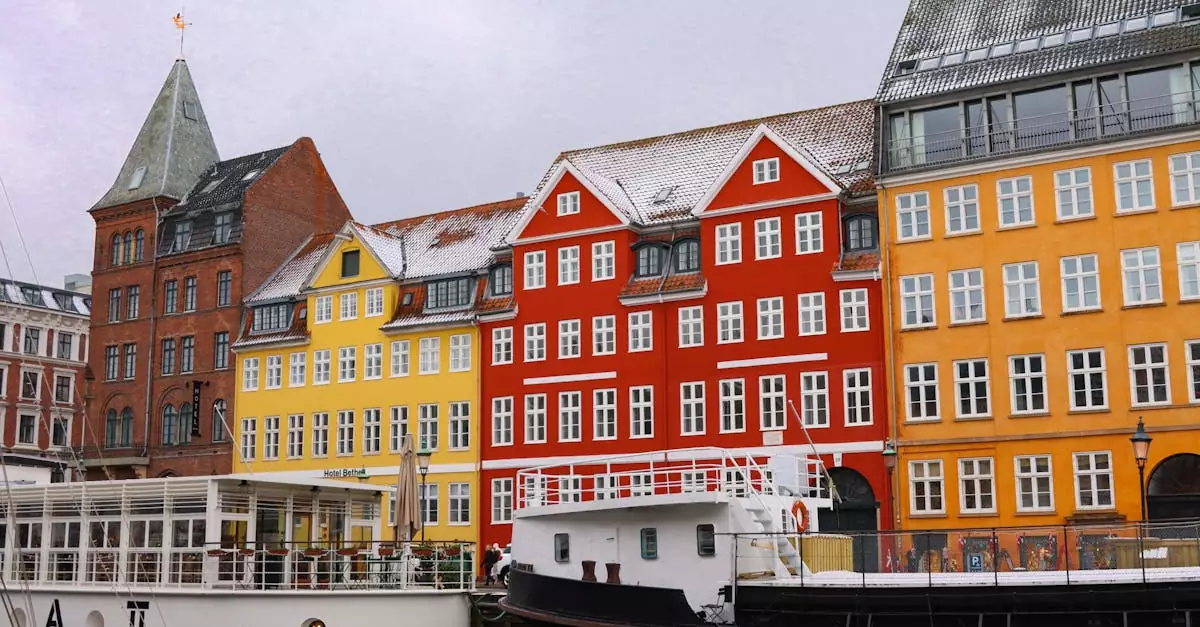
Choosing the right season for your trip can significantly shape your experience across the best Northern Europe destinations. Each period offers distinct advantages, from the midnight sun to the aurora borealis.
Summer’s Long Days for Hiking and Exploring Fjords
Summer, from June to August, is the most popular time to visit Northern Europe, especially for its dramatic natural landscapes. Extended daylight hours, with the sun setting very late or not at all in some northern regions, offer ample time for outdoor activities. This is prime time for exploring Norway’s iconic fjords, hiking in the Swedish or Finnish wilderness, and enjoying the coastal areas of Denmark and the Baltic states. Temperatures are generally mild, making it comfortable for sightseeing and outdoor adventures.
However, this peak season also means larger crowds and higher prices for flights and accommodations. Booking well in advance is crucial, particularly for popular spots like the Lofoten Islands or the Swedish archipelago.
Autumn’s Vibrant Colors and Cozy City Escapes
September and October bring a beautiful transformation to Northern Europe. The summer crowds thin out, and the landscape erupts in a stunning display of autumn foliage, especially in southern Sweden, Denmark, and parts of Germany. This season is excellent for city breaks, allowing you to experience cultural hubs like Copenhagen, Stockholm, or Tallinn with fewer tourists.
The weather can be unpredictable, with cooler temperatures and increased rainfall, so packing layers is essential. It’s a more budget-friendly time to travel, and you can often find better deals on accommodation. The crisp air and changing leaves create an atmospheric backdrop for exploring historic streets and enjoying local cafes.
Winter’s Snow-Covered Magic for Northern Lights and Skiing
From November to March, Northern Europe transforms into a winter wonderland. This is the season for experiencing the magic of the Northern Lights (Aurora Borealis), with the best chances of sightings in northern Norway, Sweden, and Finland. The long, dark nights provide the perfect canvas for this natural phenomenon.
This period is also ideal for winter sports enthusiasts, with established ski resorts in Norway, Sweden, and parts of Finland offering excellent skiing and snowboarding opportunities. Activities like dog sledding, reindeer sleigh rides, and ice fishing are popular in the Arctic regions. While it’s cold, the snow-covered landscapes are breathtaking. Be prepared for very short daylight hours in the far north. Travel during this time can be more affordable outside of the Christmas and New Year holidays, though some attractions may have reduced operating hours.
Spring’s Awakening: Blooming Landscapes and Fewer Crowds
April and May mark the arrival of spring, a transitional period that offers a unique charm. As the snow melts, the landscapes begin to awaken. Wildflowers bloom, particularly in the southern parts of the region, and the first signs of greenery appear. This is a fantastic time to visit if you prefer fewer crowds and milder weather before the summer rush.
Cities start to buzz with outdoor cafes reopening, and nature walks become increasingly appealing. While the far north might still experience winter conditions in early spring, the southern and central regions offer pleasant conditions for sightseeing and outdoor activities. Prices for travel and accommodation tend to be lower than in summer, making it a good option for budget-conscious travelers.
Navigating Northern Europe: Transportation and Getting Around
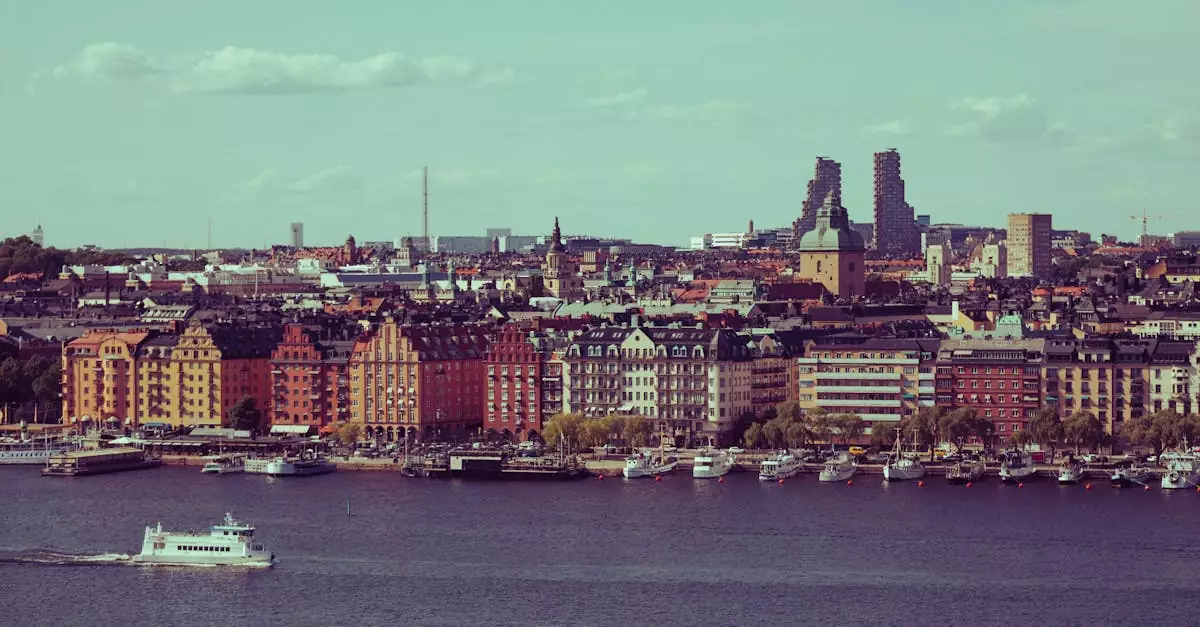
When planning your adventure through the best Northern Europe destinations, understanding how to get around is key. This region boasts a well-developed infrastructure, making travel between cities and countries both efficient and enjoyable. From sleek high-speed trains to charming coastal ferries, you’ll find a variety of options to suit your travel style and budget.
Efficient Public Transport: Trains, Buses, and Ferries
Northern Europe excels in public transportation. High-speed rail networks connect major cities across Scandinavia and into the Baltics, offering a comfortable and scenic way to travel. For instance, the journey between Stockholm and Copenhagen is a breeze, often taking less than five hours. Bus services are also extensive, providing budget-friendly alternatives for reaching smaller towns or less accessible areas.
Ferries are a quintessential part of Northern European travel, especially for island hopping or crossing the Baltic Sea. Companies like Tallink Silja and Viking Line offer services between Finland, Sweden, Estonia, and Latvia, often overnight with cabins available, turning travel time into an experience. These sea routes provide stunning views of archipelagos and coastal landscapes, a welcome change from typical transit.
Driving Routes for Scenic Road Trips Through Scandinavia
For those seeking the freedom to explore at their own pace, a road trip through Scandinavia offers unparalleled scenic beauty. Renting a car provides access to remote fjords, national parks, and charming villages that might be harder to reach by public transport. The iconic Atlantic Road in Norway, for example, is a must-drive for its dramatic coastal vistas.
When planning a driving route, consider the distances and varying road conditions. While major highways are excellent, smaller rural roads can be winding and narrower. Familiarize yourself with local driving laws, including speed limits and the necessity of headlights being on at all times in many Nordic countries.
Budget-Friendly Travel Tips for Intercity and International Journeys
Traveling between the best Northern Europe destinations doesn’t have to break the bank. Booking train and bus tickets in advance can often secure significant discounts. Look for regional passes or discount cards offered by national rail operators if you plan on extensive travel within a single country.
For international travel, budget airlines operate many routes, but always factor in baggage fees and airport transfer costs, which can add up. Consider overnight ferries or trains as they combine accommodation and transportation, saving you a night’s hotel expense. Exploring Europe via its extensive network of public transport is often more economical than flying between major hubs.
Getting to and from Key Northern European Hubs
Major international airports serve as primary gateways to Northern Europe. These include Copenhagen Airport (CPH), Stockholm Arlanda Airport (ARN), Oslo Airport (OSL), and Helsinki-Vantaa Airport (HEL). These hubs are well-connected to global flight networks, making them convenient starting points for your journey.
Once you land, efficient public transport links connect airports to city centers. Most major airports have direct train or metro lines, offering quick and affordable transfers. For example, the Arlanda Express train in Stockholm takes you to the city center in just 20 minutes. Taxis and ride-sharing services are also available but are generally more expensive.
Frequently Asked Questions About Northern Europe Travel
Is Northern Europe expensive for tourists?
Northern Europe generally has a higher cost of living, which translates to higher travel expenses compared to other regions of Europe. Countries like Norway, Sweden, Denmark, and Iceland are known for being particularly pricey, especially for accommodation, dining, and alcohol. Finland and the Baltic states (Estonia, Latvia, Lithuania) tend to be more budget-friendly, though still can be more expensive than parts of Southern or Eastern Europe. Planning ahead, utilizing public transport, and opting for self-catering accommodations can help manage your budget.
What are some essential packing tips for varying weather?
The weather in Northern Europe can be unpredictable and change rapidly, even within the same day. Layers are key. Pack a waterproof and windproof outer shell, a fleece or insulated mid-layer, and moisture-wicking base layers. Comfortable, waterproof walking shoes are essential, as you’ll likely be doing a lot of exploring on foot. Don’t forget a warm hat, gloves, and a scarf, especially if traveling outside of the peak summer months. Even in summer, evenings can be cool.
Are Northern European countries safe for solo travelers?
Northern European countries consistently rank among the safest in the world. They boast low crime rates and a high degree of social stability, making them excellent destinations for solo travelers, including women. Common sense precautions, such as being aware of your surroundings and avoiding risky situations, are still advised, as they would be anywhere. The efficient public transportation systems and widespread use of English also contribute to a feeling of ease and security for visitors.
What local foods should I try in each region?
Each Northern European country offers unique culinary experiences.
- Norway: Sample lutefisk (dried whitefish), fårikål (mutton and cabbage stew), and fresh seafood like salmon and cod.
- Sweden: Don’t miss köttbullar (meatballs), gravlax (cured salmon), and kanelbullar (cinnamon buns).
- Denmark: Try smørrebrød (open-faced sandwiches), frikadeller (Danish meatballs), and wienerbrød (Danish pastry).
- Finland: Taste karjalanpiirakka (Karelian pasties), lohikeitto (salmon soup), and reindeer dishes.
- Iceland: Sample hákarl (fermented shark, for the adventurous!), plokkfiskur (fish stew), and lamb soup.
- Baltic States (Estonia, Latvia, Lithuania): Look for hearty stews, dark rye bread, cepelinai (potato dumplings in Lithuania), and smoked fish.