Germany’s rich past is etched into its landscape, from soaring medieval castles to solemn sites of remembrance. A journey through these historical destinations offers a profound connection to centuries of European history, revealing stories of royalty, conflict, innovation, and resilience. This guide will help you discover Germany’s best historical sites, providing insights into the architectural marvels and pivotal events that have shaped the nation. You’ll learn about iconic landmarks like the fairytale Neuschwanstein Castle, the historically significant Wartburg Castle, and the poignant remnants of the Berlin Wall. We’ll also explore ancient imperial cities and Hanseatic League strongholds, offering a comprehensive look at the diverse historical tapestry waiting to be uncovered. Prepare to step back in time as we delve into the captivating narratives held within Germany’s most treasured historical sites.
Medieval Castles and Imperial Palaces: Unveiling Royal History
Germany’s landscape is dotted with architectural marvels that whisper tales of kings, queens, and knights. These historical strongholds provide a tangible connection to centuries past, from romantic ruins to fairytale fantasies. Exploring these sites is essential for anyone seeking the best historical destinations in Germany.
Neuschwanstein Castle: The Fairytale Inspiration
Perched dramatically on a rugged hill in Bavaria, Neuschwanstein Castle is more than just a castle; it embodies a 19th-century romantic vision. Commissioned by King Ludwig II of Bavaria, it served as a personal retreat and a homage to composer Richard Wagner. Its soaring towers, intricate interiors, and stunning mountain backdrop famously inspired Walt Disney’s Sleeping Beauty Castle.
Visiting Neuschwanstein requires advance booking, especially during peak season. Tickets are timed, so purchasing them online weeks ahead is advisable. The journey to the castle itself adds to the experience, with bus or horse-drawn carriage rides from Hohenschwangau village. Allow at least half a day to explore the castle and its surrounding viewpoints, such as Marienbrücke (Mary’s Bridge) for iconic photo opportunities.
Heidelberg Castle: A Romantic Ruin on the Neckar
Overlooking the picturesque city of Heidelberg and the Neckar River, Heidelberg Castle is a magnificent testament to German Renaissance architecture, albeit in a state of romantic ruin. The castle complex has been destroyed and rebuilt over centuries, showcasing a fascinating blend of architectural styles. Its imposing structure, including the Great Barrel and the Pharmacy Museum, attracts visitors from around the globe.
Access to the castle courtyard and some areas is free, but a ticket is required to enter the Palas, the German Pharmacy Museum, and the Great Barrel. A funicular railway offers a convenient ascent from the city below. The castle grounds provide breathtaking panoramic views of Heidelberg’s Old Town and the Neckar Valley, making it a must-see historical site. Consider visiting in spring or autumn for pleasant weather and fewer crowds.
Wartburg Castle: Martin Luther’s Refuge and UNESCO Gem
A UNESCO World Heritage site, Wartburg Castle stands majestically above the town of Eisenach in Thuringia. This medieval fortress played a pivotal role in German history, most notably as the refuge for Martin Luther in 1521. It was within these walls that Luther translated the New Testament into German, a monumental achievement that significantly shaped the German language.
The castle’s architecture spans Romanesque and Gothic periods, offering a rich tapestry of historical styles. Guided tours are available and highly recommended, providing deep insights into the castle’s history and significance. Highlights include the treasury, the Luther Room, and the Elizabeth Hall. Getting to Wartburg Castle involves a drive or bus ride from Eisenach, followed by a short walk or shuttle bus up to the entrance. The views from the ramparts extend across the Thuringian Forest.
Echoes of the Holy Roman Empire: Exploring Ancient Cities
The Holy Roman Empire, a complex political entity that shaped much of Central Europe for a millennium, left an indelible mark on Germany. Its legacy can still be experienced today in cities that served as imperial residences, centers of trade, and sites of pivotal historical events. Journeying through these destinations offers a tangible connection to a bygone era, revealing architectural marvels and stories that shaped the continent.
Regensburg: A Perfectly Preserved Medieval Metropolis
Regensburg, situated on the Danube River, stands as a testament to medieval urban planning and prosperity. Its Old Town, a UNESCO World Heritage site, boasts an astonishingly well-preserved collection of Romanesque and Gothic buildings. Wandering through its narrow cobblestone streets, you’ll encounter the imposing Regensburg Cathedral, a masterpiece of Gothic architecture, and the Stone Bridge, a marvel of medieval engineering that has spanned the Danube for centuries.
The city’s history as a free imperial city is palpable. The Thurn und Taxis Palace, a former princely abbey and palace, offers a glimpse into aristocratic life. For travelers interested in the region’s Roman past, remnants of the Roman fort Castra Regina are still visible. Regensburg is best explored on foot, allowing for spontaneous discoveries around every corner. Consider visiting during spring or autumn to avoid summer crowds and enjoy pleasant walking weather.
Nuremberg: Imperial City and Site of the Nuremberg Trials
Nuremberg, another former imperial city, offers a dual narrative of grandeur and somber reflection. Its medieval past is evident in the impressive Nuremberg Castle, which once housed emperors, and the well-preserved city walls. The charming Old Town, with its half-timbered houses and bustling market squares, invites exploration. The city was also a significant center for arts and crafts, with Albrecht Dürer’s house as a notable attraction.
However, Nuremberg is also inextricably linked to the 20th century. The Documentation Center Nazi Party Rally Grounds provides powerful insight into the rise of Nazism, while the Palace of Justice, Courtroom 600, was the venue for the post-war Nuremberg Trials. Visiting these sites is a profound experience, offering critical historical context. Allow at least two full days to absorb both the medieval charm and the weight of more recent history.
Aachen: Charlemagne’s Capital and Cathedral City
Aachen holds a unique place in German history as the favored residence of Charlemagne and the coronation site for Holy Roman Emperors for centuries. The Aachen Cathedral, a UNESCO World Heritage site, is the undisputed highlight. Its Palatine Chapel, built by Charlemagne himself, is a stunning example of Carolingian architecture and houses the emperor’s throne. The treasury, filled with priceless relics and treasures, is equally impressive.
Beyond the cathedral, Aachen’s historic center is compact and easily walkable. The historic Town Hall, built on the foundations of Charlemagne’s palace, adds to the city’s imperial aura. Aachen is also known for its thermal springs, a tradition dating back to Roman times. A visit in spring or early summer offers pleasant temperatures for sightseeing, and the city’s proximity to the borders of Belgium and the Netherlands makes it an excellent starting point for wider European exploration.
The Weight of the 20th Century: Visiting Sites of Remembrance
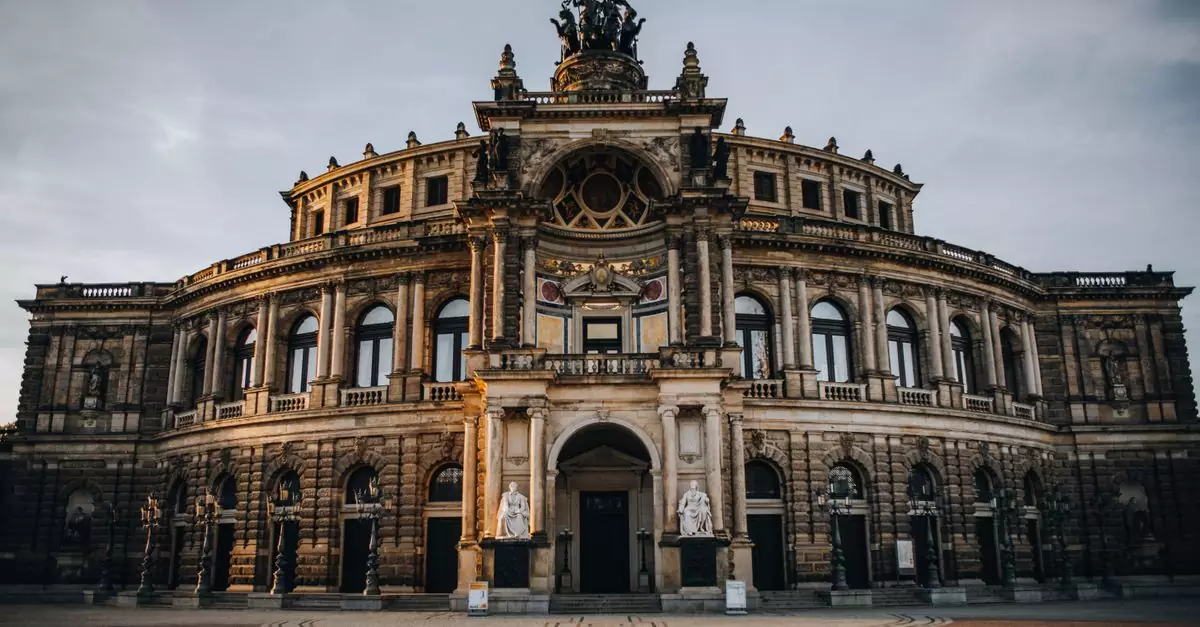
Germany’s past, particularly the tumultuous 20th century, is etched into its landscape. Visiting sites that bear witness to this history offers a profound and often somber experience, providing crucial context for understanding modern Germany and its place in Europe. These destinations are not just tourist attractions; they are places of reflection and learning, essential for grasping the complexities of remembrance and reconciliation.
Berlin Wall Memorial and East Side Gallery: Tracing the Divided City
Berlin’s transformation from a divided city to a vibrant capital is powerfully illustrated by the remnants of the Berlin Wall. The Berlin Wall Memorial on Bernauer Strasse offers a comprehensive look at the Wall’s history, featuring a preserved section of the barrier and an adjacent documentation center. Visitors can walk along the former death strip and gain insight into the human cost of division.
For a more artistic perspective, the East Side Gallery showcases a mile-long stretch of the Wall adorned with murals by international artists. This open-air gallery symbolizes freedom and hope, contrasting sharply with the Wall’s original purpose. Visiting both sites provides a well-rounded view of Berlin’s divided past and its reunification.
- Getting There: Both the Memorial and the East Side Gallery are easily accessible via Berlin’s extensive public transport system (U-Bahn and S-Bahn).
- Best Time to Visit: Spring and autumn offer pleasant weather for walking along the outdoor exhibits. Winter visits can be stark but often see fewer crowds.
Dachau Concentration Camp Memorial Site: A Somber Reflection
Located just outside Munich, the Dachau Concentration Camp Memorial Site is one of Germany’s most important historical destinations for understanding the atrocities of the Nazi regime. Established in 1933, it was the first of the Nazi concentration camps and served as a model for others. Today, it functions as a solemn memorial and educational center.
Visitors can explore the former camp grounds, including the reconstructed barracks, the Jourhaus (main gate), and the crematorium. The museum exhibits provide detailed accounts of the prisoners’ experiences, the camp’s administration, and its role in the systematic persecution of Jews and other groups. It is a place that demands quiet contemplation and respect.
- Logistics: Day trips from Munich are common. Trains run regularly from Munich Hauptbahnhof to Dachau, followed by a short bus ride to the memorial site.
- Visitor Tip: Allocate at least half a day to fully absorb the exhibits and reflect on the site’s history. Guided tours are highly recommended for deeper insight.
Dresden Frauenkirche: Symbol of Reconstruction and Peace
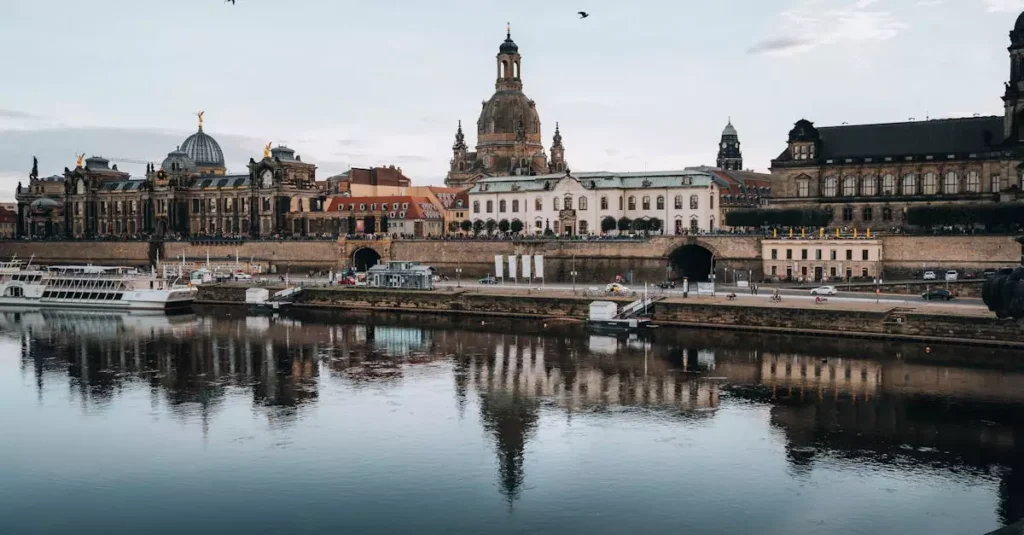
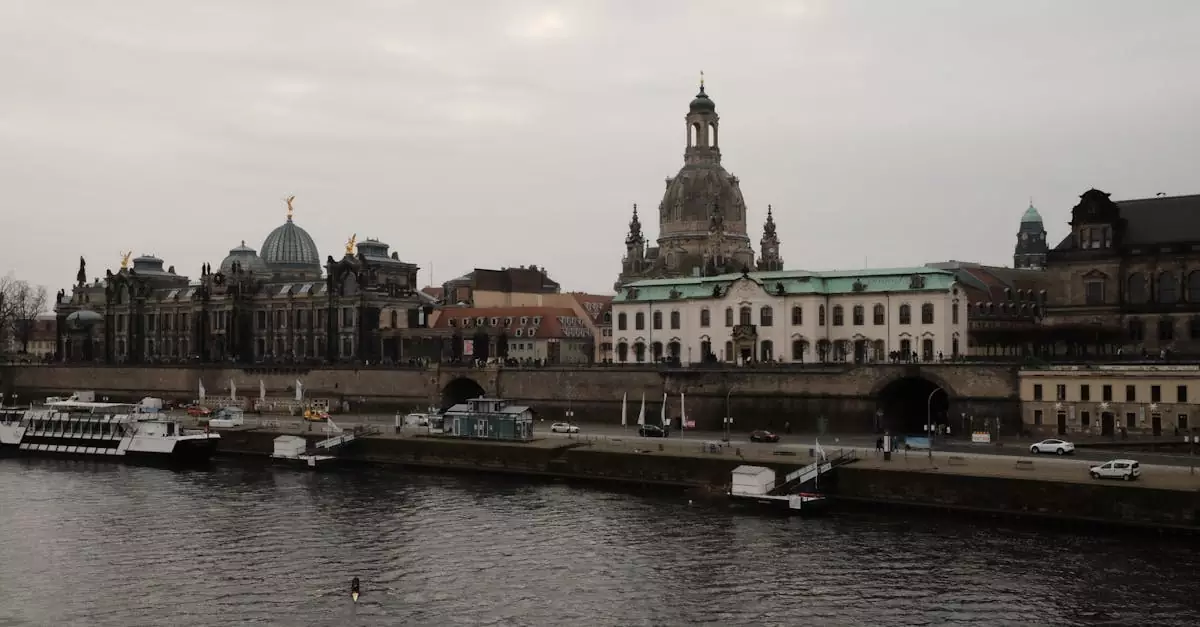
The Frauenkirche (Church of Our Lady) in Dresden stands as a powerful testament to resilience and the enduring spirit of peace. Utterly destroyed during the Allied bombing of Dresden in February 1945, the church lay in ruins for decades as a war memorial in communist East Germany. Its reconstruction, completed in 2005, became a global symbol of reconciliation and the overcoming of conflict.
The stunning Baroque architecture, meticulously rebuilt using original stones where possible, is awe-inspiring. Climbing to the dome offers panoramic views of Dresden and the Elbe River. The church’s history, from its 18th-century construction to its destruction and rebirth, makes it a compelling historical destination within Europe.
- Location: Situated in the heart of Dresden’s Old Town (Altstadt), it is easily walkable from other city attractions.
- Experience: Attending a service or a concert within the Frauenkirche can be a deeply moving experience, connecting visitors to its spiritual and historical significance.
Hanseatic League Cities: Maritime Trade and Gothic Architecture
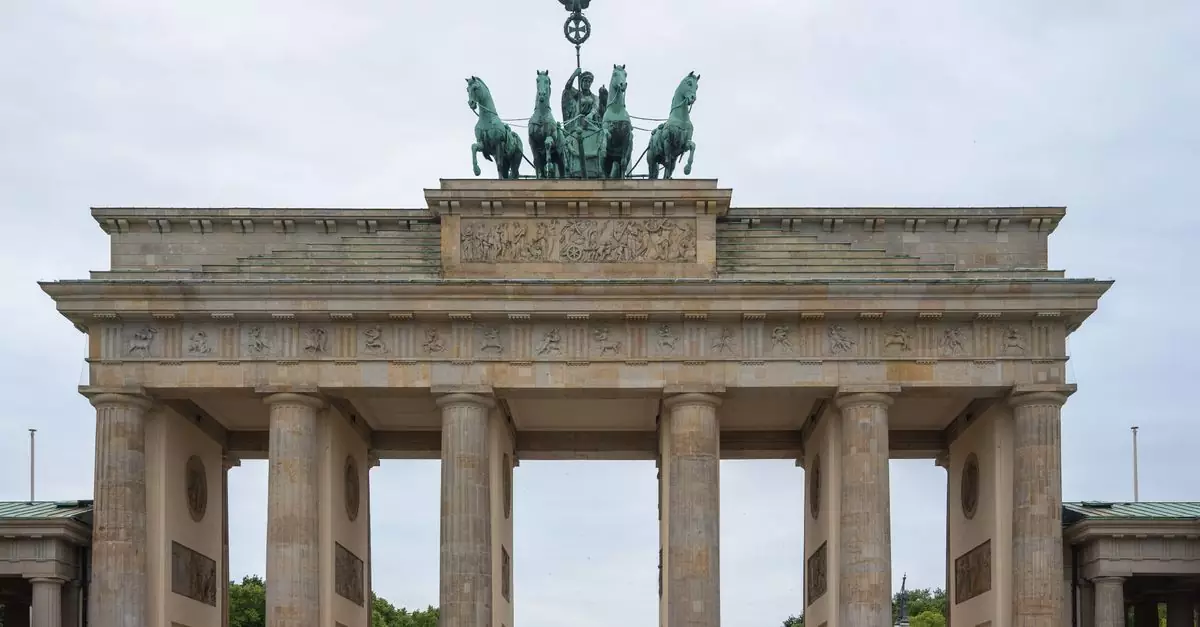
The Hanseatic League, a powerful medieval trading confederation, left a lasting mark on Germany’s northern coast. Cities that once thrived on maritime commerce now stand as testaments to Gothic architectural grandeur and a rich mercantile past. Visiting these Hanseatic League cities offers a unique glimpse into a bygone era of trade routes and urban development across Europe.
Lübeck: Queen of the Hanseatic League
Lübeck, often called the “Queen of the Hanseatic League,” is a UNESCO World Heritage site renowned for its remarkably preserved medieval city center. The Holstentor, a monumental brick gatehouse, serves as an iconic symbol of the city’s historical power and wealth. Wandering through Lübeck’s narrow streets, you’ll encounter stunning brick Gothic churches like St. Mary’s Church, which influenced countless other churches in the Baltic region.
The city’s marzipan tradition is another highlight. Indulge in this sweet almond confection at one of Lübeck’s many confectioneries. For a deeper dive into the city’s trading history, visit the Hanseatic League Museum. Accessing Lübeck is straightforward, with good train connections from Hamburg, making it an easy day trip or a starting point for exploring other Hanseatic destinations.
Wismar: UNESCO World Heritage Maritime Charm
Wismar, another jewel of the Hanseatic League and a UNESCO World Heritage site, retains its authentic maritime atmosphere. Its historic town center features impressive brick Gothic architecture, including the imposing St. George’s Church and St. Nicholas’ Church. The old harbor area still buzzes with activity, offering a tangible connection to its trading past.
Unlike some other historical cities, Wismar has largely avoided extensive modernization, preserving its medieval street layout and many of its original buildings. This authenticity makes it a compelling destination for history enthusiasts. Travelers can easily reach Wismar by train from Lübeck or Rostock. Consider visiting during the summer months for pleasant weather and lively harbor festivals.
Stralsund: Gateway to Rügen’s Coastal Beauty
Stralsund, a UNESCO World Heritage city, boasts a strategic location on the Strelasund strait, serving as the mainland gateway to the popular island of Rügen. Its history is deeply intertwined with the Hanseatic League, evident in its well-preserved brick Gothic churches, such as St. Mary’s Cathedral and St. James’ Church. The historic town center is compact and walkable, allowing visitors to easily appreciate its architectural heritage.
Beyond its historical significance, Stralsund is also known for the Ozeaneum, a spectacular aquarium showcasing marine life from the North and Baltic Seas. This makes it a fantastic destination for families. Getting to Stralsund involves train travel, often with a change in Lübeck or Rostock. The city’s proximity to Rügen also makes it an ideal base for combining historical exploration with coastal excursions.
| City | Architectural Style | Key Attractions | UNESCO Status | Travel Tip |
|---|---|---|---|---|
| Lübeck | Brick Gothic | Holstentor, St. Mary’s Church, Marzipan shops | Yes | Arrive by train from Hamburg for easy access. |
| Wismar | Brick Gothic | St. George’s Church, St. Nicholas’ Church, Harbor | Yes | Enjoy the authentic maritime atmosphere; explore the harbor area. |
| Stralsund | Brick Gothic | St. Mary’s Cathedral, Ozeaneum, historic center | Yes | Combine historical visits with a day trip to the island of Rügen. |
When is the Best Time to Experience Germany’s Historical Treasures?
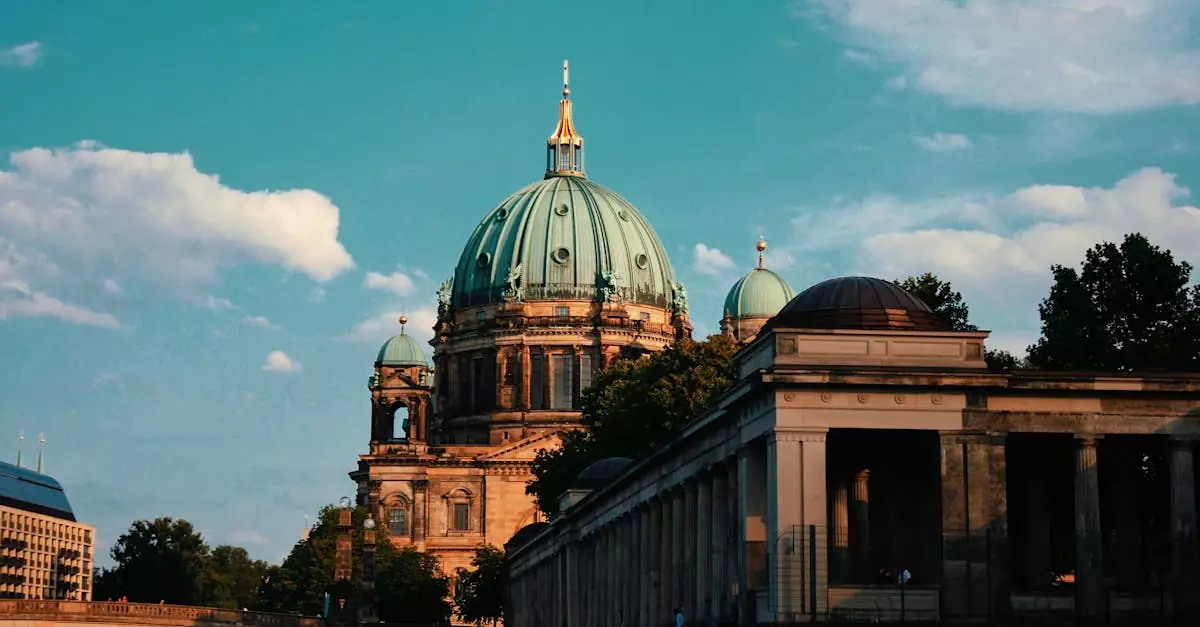
Germany offers a rich tapestry of historical sites, and the ideal time to visit depends on your priorities. Each season brings its own charm, influencing everything from crowds to activities and the overall atmosphere. Understanding these seasonal nuances can help you craft a rewarding journey through Germany’s past.
Spring (April-May) for Blooming Gardens and Mild Weather
Spring in Germany is a delightful time for exploring historical destinations. As the snow melts, the country awakens with vibrant colors. Gardens surrounding palaces and castles burst into bloom, offering picturesque settings for your visits. The weather is typically mild, with average temperatures ranging from 10-18°C (50-64°F), making it comfortable for walking tours and outdoor exploration.
Crowds are generally smaller than during peak summer months, allowing for a more relaxed experience at popular historical sites. Many museums and attractions reopen fully after winter, and outdoor cafes begin to buzz with activity. However, spring can be unpredictable, with occasional rain showers, so packing layers and an umbrella is advisable. This season is excellent for those who prefer pleasant weather and fewer tourists.
Autumn (September-October) for Fall Foliage and Harvest Festivals
Autumn transforms Germany’s historical landscapes into a breathtaking display of red, orange, and gold. The crisp air and cooler temperatures, typically between 5-15°C (41-59°F), are perfect for exploring ancient ruins, walking through historic city centers, and enjoying scenic drives through the countryside. The vibrant fall foliage provides a stunning backdrop to many castles and palaces, such as those along the Rhine River.
This season also coincides with harvest festivals and wine celebrations, offering a unique cultural immersion alongside historical sightseeing. While popular sites might still see visitors, the summer rush has subsided. It’s a fantastic time to experience Germany’s historical destinations with a cozy, atmospheric feel. Be prepared for cooler evenings and potential early frosts as October progresses.
Winter (December) for Enchanting Christmas Markets
Visiting Germany’s historical destinations in December offers a magical experience, largely due to the world-famous Christmas markets. Cities and towns are adorned with festive lights, and the air is filled with the scent of gingerbread and mulled wine. Many markets are set up in historic squares, surrounded by medieval architecture, creating an unforgettable ambiance. Temperatures are cold, often below freezing, with average highs around 2-5°C (36-41°F).
While outdoor exploration might be limited by the cold, it’s an ideal time to delve into Germany’s indoor historical sites, such as museums, churches, and palaces. The festive spirit often makes even a brief visit to a historical site feel special. However, be aware that shorter daylight hours can impact sightseeing schedules. For those seeking a unique blend of history and holiday cheer, early December is particularly captivating before the peak Christmas week.
Here’s a quick comparison of the best times to visit:
| Season | Average Temperature | Crowd Levels | Key Attractions/Activities | Notes |
|---|---|---|---|---|
| Spring | 10-18°C (50-64°F) | Moderate | Blooming gardens, outdoor exploration, fewer queues | Unpredictable weather; pack layers. |
| Autumn | 5-15°C (41-59°F) | Moderate | Fall foliage, harvest festivals, wine regions | Crisp air, beautiful scenery, cooler evenings. |
| Winter | 2-5°C (36-41°F) | Moderate | Christmas markets, cozy indoor historical sites, festive lights | Cold weather, short daylight hours, unique holiday atmosphere. |
Frequently Asked Questions About Germany’s Historical Destinations
What are the best historical day trips from Berlin?
For those based in the capital, Potsdam offers a wealth of history, most notably the Sanssouci Palace, a former summer residence of Frederick the Great. Another compelling option is the Sachsenhausen Concentration Camp Memorial, a somber but essential site for understanding 20th-century history. Both are easily accessible by public transport from Berlin.
How can I travel between historical sites in Germany?
Germany boasts an excellent public transportation network. The Deutsche Bahn (DB) train system connects major cities and many smaller towns, making it a convenient way to reach historical destinations. For more localized travel within regions or to reach more remote sites, consider regional buses or car rentals. Planning your routes in advance, especially for multi-city historical tours, is highly recommended.
| Transportation Method | Best For | Average Cost (per person) | Notes |
|---|---|---|---|
| Deutsche Bahn (Train) | Inter-city travel, major historical hubs | €20-€80 per leg | Comfortable, efficient; book in advance for savings. |
| Regional Buses | Reaching smaller towns, local connections | €5-€15 per leg | Slower than trains, but access more remote areas. |
| Car Rental | Flexibility, rural exploration, family trips | €40-€70 per day | Parking can be challenging in historic city centers. |
| Public Transport (City) | Within cities like Munich or Hamburg | €5-€10 per day | Efficient for navigating urban historical districts. |
Are Germany’s historical destinations family-friendly?
Many historical sites in Germany are indeed family-friendly, offering engaging experiences for various age groups. Castles often have interactive exhibits or costumed guides, and cities like Nuremberg provide dedicated children’s tours. However, some sites, such as concentration camp memorials, require a more mature approach and may not be suitable for very young children. Always check specific site guidelines and consider the age and sensitivity of your family members.
What is the average budget for visiting historical Germany?
The budget for exploring Germany’s historical sites can vary significantly based on your travel style, accommodation choices, and the number of attractions visited. For a mid-range traveler, budgeting around €100-€150 per person per day is a reasonable estimate. This typically covers accommodation, food, local transportation, and entrance fees to several historical locations.
- Accommodation: Hostels and budget hotels range from €40-€80 per night. Mid-range hotels might cost €80-€150, while luxury options exceed €150.
- Food: Eating at local bakeries or casual restaurants can cost €20-€40 per day. Fine dining will increase this significantly.
- Attractions: Entrance fees for major historical sites, such as castles or museums, can range from €10-€25. Many smaller sites are free or have nominal fees.
- Transportation: Inter-city train tickets can be a substantial cost, but booking in advance or using regional passes can save money.