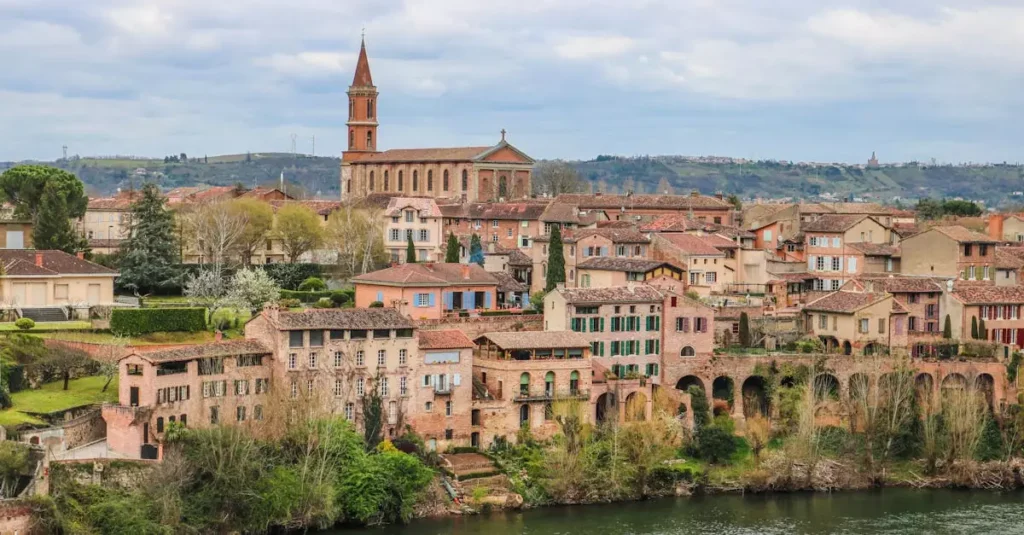
Embark on a journey through Europe’s most captivating hidden gems as we uncover the best UNESCO villages Europe has to offer. These aren’t merely picturesque towns; they are living museums, recognized for their outstanding universal value and preserved cultural heritage. In this guide, you’ll discover the criteria that qualify a village for this prestigious designation and explore the enduring appeal of these historic settlements. UNESCO plays a vital role in preserving these sites for future generations. Prepare to be inspired by the timeless charm and unique stories held within these extraordinary European locales, each offering an authentic glimpse into centuries past.
What Makes a European Village a UNESCO World Heritage Site?
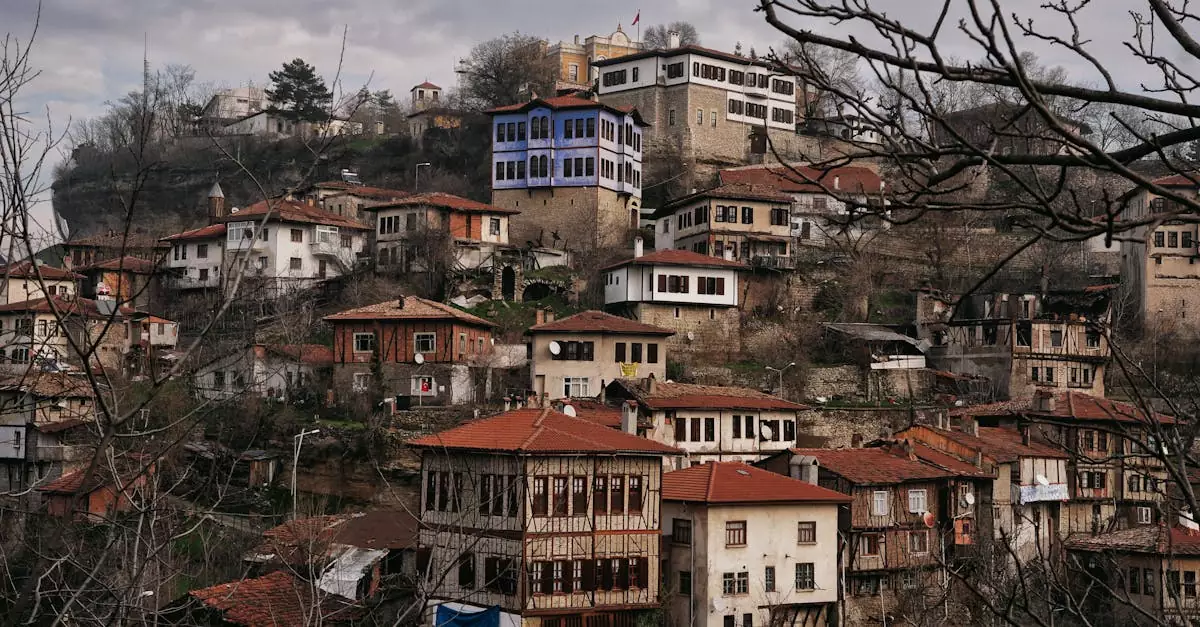
Recognizing a European village as a UNESCO World Heritage Site involves a rigorous evaluation process, ensuring that these settlements possess outstanding universal value. It’s not just about age or beauty; it’s about demonstrating unique cultural or historical significance that warrants global protection and recognition. These sites often represent milestones in human history, architectural achievements, or exceptional examples of traditional human settlement.
Criteria for UNESCO Village Designation
To earn a spot on the UNESCO World Heritage List, villages must meet specific criteria, typically categorized under cultural significance. These criteria focus on demonstrating that the site represents a masterpiece of human creative genius, exhibits significant interchange of human values over time, or bears exceptional testimony to a cultural tradition or civilization that has disappeared. The integrity and authenticity of the site are also paramount, ensuring that its key characteristics remain intact and well-preserved for future generations. This designation elevates a village from local charm to global importance.
The Enduring Appeal of Historic European Settlements
The enduring appeal of historic European settlements, particularly those recognized by UNESCO, lies in their ability to transport visitors to another era. Unlike modern towns, these villages often retain their original layouts and architectural styles, creating a palpable sense of history. Walking through cobblestone streets, surrounded by centuries-old buildings, offers a unique connection to the past. This immersion in authenticity draws travelers seeking a deeper cultural experience beyond typical tourist trails.
UNESCO’s Role in Preserving Cultural Landscapes
UNESCO’s involvement is crucial for the preservation of these invaluable cultural landscapes. The designation provides international recognition, unlocking funding and expertise for conservation efforts. This ensures that the unique character and historical integrity of these villages are maintained against pressures from modernization and tourism. By protecting these sites, UNESCO helps safeguard tangible links to our shared human heritage, allowing us to appreciate the diverse tapestry of civilizations across Europe. The organization’s commitment also extends to promoting sustainable tourism practices, balancing preservation with visitor access.
Top UNESCO Villages in Italy: Tuscan Gems and Beyond
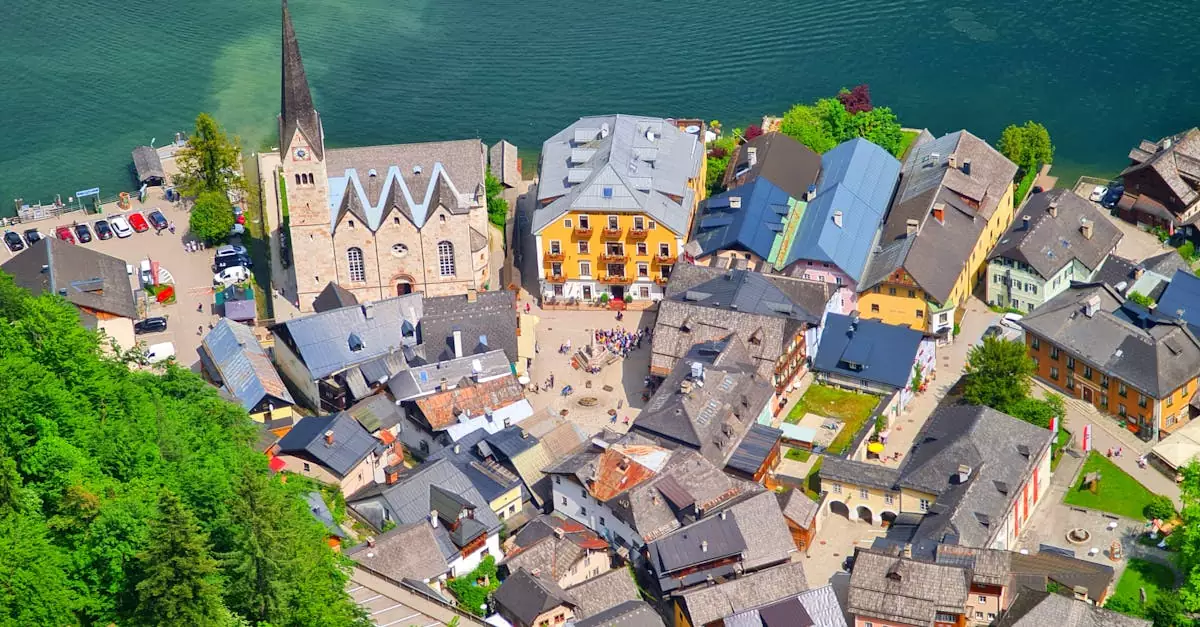
Italy boasts an impressive collection of UNESCO World Heritage sites, and its charming villages offer a concentrated dose of history, art, and stunning landscapes. For travelers seeking authentic experiences away from major cities, these small towns provide an intimate glimpse into Italy’s rich cultural tapestry. Planning a trip to these regions often involves understanding regional train networks or renting a car for flexibility.
Exploring the Medieval Streets of San Gimignano
Perched on a hilltop in Tuscany, San Gimignano is instantly recognizable by its well-preserved medieval towers, earning it the nickname “Medieval Manhattan.” Wandering through its narrow, cobblestone streets feels like stepping back in time. The town’s historic center, a UNESCO World Heritage site, attests to its prosperous past as a trading post.
Visitors can climb one of the accessible towers, like Torre Grossa, for panoramic views of the surrounding Tuscan countryside, dotted with vineyards and olive groves. The Piazza della Cisterna, the town’s main square, is a lively hub perfect for enjoying gelato or local Vernaccia wine. Accommodation options range from boutique hotels within ancient buildings to charming agriturismos just outside the town walls.
Logistics for San Gimignano:
- Getting There: The closest major train station is Poggibonsi, from which local buses run frequently to San Gimignano. Renting a car offers more freedom for exploring the wider Tuscan region.
- Best Time to Visit: Spring (April-May) and autumn (September-October) provide pleasant weather and fewer crowds than the peak summer months.
The Renaissance Beauty of Pienza
Pienza, in the Val d’Orcia region of Tuscany, is often cited as an architectural masterpiece of the Renaissance. Pope Pius II, born here, transformed his humble hometown into an idealized Renaissance city. This vision resulted in a harmonious urban layout that has been largely preserved, making the entire historic center a UNESCO World Heritage site.
Key landmarks include the Duomo (Cathedral), Palazzo Piccolomini, and the Palazzo Borgia, all arranged around the central Piazza Pio II. The town is also famous for its pecorino cheese, and sampling it in one of the local shops is a must. The sweeping vistas of Val d’Orcia from Pienza’s walls are breathtaking, especially at sunset.
Comparing Pienza to San Gimignano:
| Feature | San Gimignano | Pienza |
|---|---|---|
| Primary Draw | Medieval towers, hilltop views | Renaissance urban planning, Val d’Orcia |
| Atmosphere | Bustling, historic, dramatic skyline | Elegant, serene, picturesque landscapes |
| Local Specialty | Vernaccia wine | Pecorino cheese |
Discovering the Trulli Houses of Alberobello
Venturing south to Puglia, Alberobello presents a unique architectural marvel: its trulli. These distinctive dry-stone huts with conical roofs are a UNESCO World Heritage site, representing a building technique unique to this region. Walking through the Rione Monti or Aia Piccola districts feels like entering a fairytale village.
Many trulli have been converted into shops, restaurants, and even unique accommodations, allowing visitors to experience these historic dwellings firsthand. The Trullo Sovrano, a two-story trullo, offers a glimpse into how families lived in these structures. Alberobello exemplifies vernacular architecture adapted to local materials and climate.
Traveler Insight for Alberobello:
While Rione Monti is more commercialized with numerous souvenir shops, Aia Piccola offers a more authentic, residential feel, providing a quieter experience of the trulli zone. Consider staying overnight in a trullo for a truly immersive experience.
Getting Around Puglia: Bari and Brindisi are the main airports serving Puglia. From there, regional trains or buses can take you to Alberobello, though renting a car is highly recommended for exploring other towns in the region like Ostuni or Locorotondo.
France’s Most Enchanting UNESCO Villages: Alsace and Provence
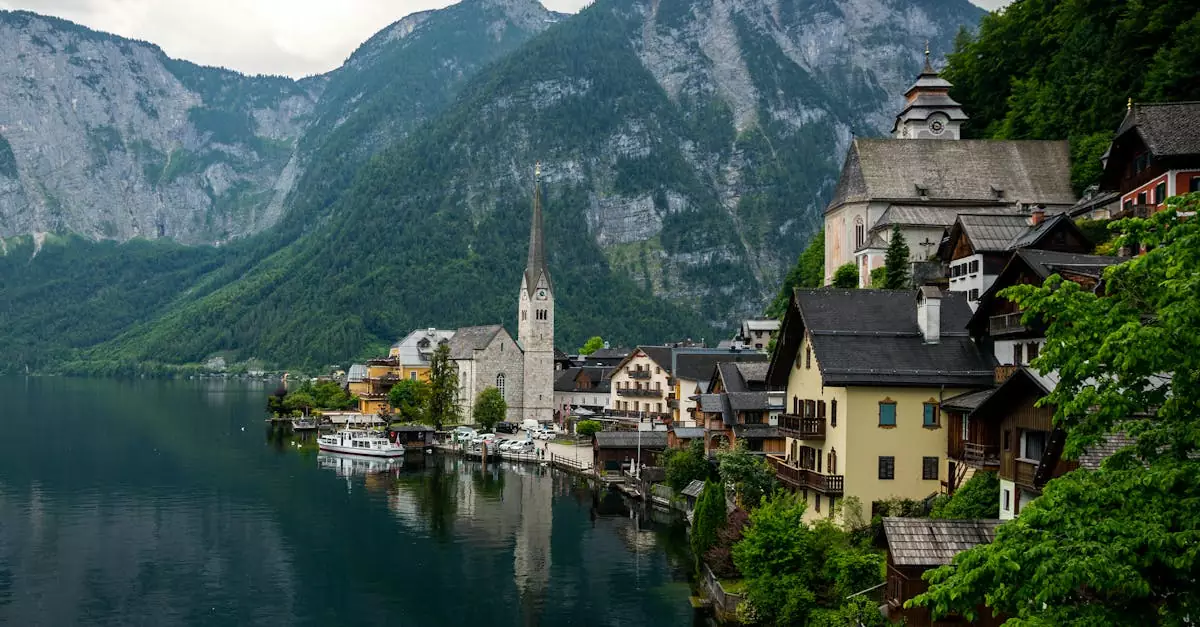
France is home to many of the world’s most picturesque villages, with several earning UNESCO World Heritage status for their exceptional cultural and historical significance. The Alsace region, near the German border, and the sun-drenched landscapes of Provence offer distinct yet equally captivating UNESCO villages, each a portal to a different facet of French heritage. These destinations provide a tangible connection to centuries past, offering travelers an immersive experience beyond typical tourist trails.
A Fairytale Day in Eguisheim, Alsace
Eguisheim, often cited as one of the most beautiful villages in France, is a circular settlement built around its castle. Walking through its narrow, winding streets feels like stepping into a storybook, with half-timbered houses painted in vibrant colors lining cobblestone lanes. The village’s unique layout, designed for defense, means that the streets spiral outward from the central château.
Getting to Eguisheim is straightforward, especially if you’re based in the nearby city of Colmar. From Colmar, you can take a short bus ride or a taxi, making it an accessible day trip. Driving is also an option, though parking can be limited, particularly during peak season. Visiting in spring or early autumn offers pleasant weather and fewer crowds, allowing for a more intimate experience of its charm. The village is exceptionally walkable, with its compact size making it easy to discover hidden courtyards and flower-draped balconies on foot.
Exploring the Lavender Fields and Stone Houses of Gordes
Perched dramatically on a hilltop in the Luberon region of Provence, Gordes is renowned for its stunning natural setting and ancient stone architecture. Its houses, built from local dry stone, seem to grow organically from the rocky outcrop, creating a harmonious blend with the surrounding landscape. The panoramic views over the valley and the Monts de Vaucluse are simply spectacular.
While Gordes itself is a pedestrian’s delight, reaching it typically involves a car. The nearest train station is in Avignon, from where you’ll need to arrange onward transport, such as a bus or a rental car. This makes it ideal for those undertaking a broader road trip through Provence. Visiting during the lavender season, from mid-June to mid-July, adds an extra layer of magic, with vibrant purple fields stretching towards the horizon. Be prepared for steep, winding streets within the village, which are part of its historical character but can be challenging for those with mobility issues.
The Artisanal Charm of Roussillon
Roussillon, another jewel of the Luberon, stands out for its striking ochre cliffs and buildings reflecting the rich mineral deposits found in the area. The village is a vibrant tapestry of reds, oranges, and yellows, creating a warm atmosphere. Walking through its narrow alleys, you’ll find numerous art galleries and artisan workshops showcasing local crafts and creativity.
The Sentier des Ocres (Ochre Trail) just outside the village offers a chance to walk through these colorful geological formations, providing incredible photo opportunities. Like Gordes, Roussillon is best accessed by car, offering flexibility to explore the wider Luberon regional park. Public transport options are limited, making it a destination best suited for travelers with their own vehicle or those opting for organized tours. The village is compact and easily navigable on foot, but the uneven terrain and steps are worth noting for accessibility. The best times to visit are spring and autumn, avoiding the intense summer heat while still enjoying pleasant weather for outdoor exploration.
Hidden UNESCO Treasures: Spain and Portugal’s Lesser-Known Villages
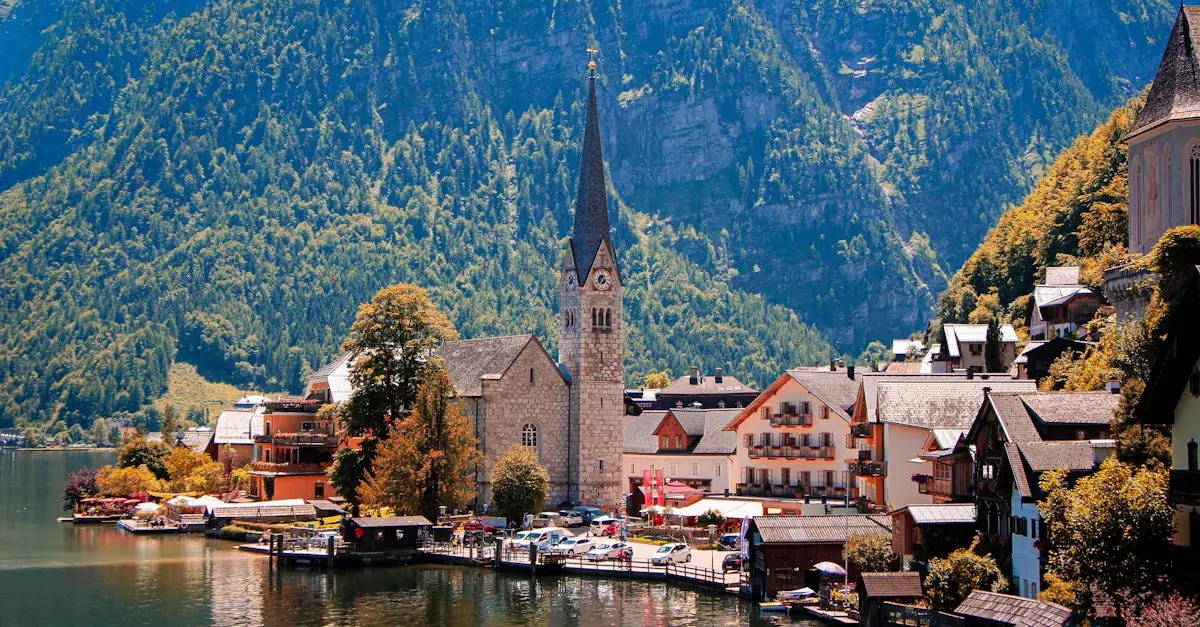
Beyond the bustling capitals and famous coastlines of Spain and Portugal lie charming UNESCO World Heritage villages, each offering a unique glimpse into the past. These destinations are often overlooked by mainstream tourism, providing a more authentic and peaceful travel experience. Exploring these sites allows for a deeper connection with history, culture, and architecture.
The Moorish Heritage of Sintra, Portugal
Sintra, a UNESCO World Heritage site nestled in the hills near Lisbon, captivates with its fairytale palaces and lush landscapes. While often visited as a day trip, staying overnight allows for a more immersive experience. The town’s historical significance is rooted in its Moorish past, evident in the remnants of the Castelo dos Mouros, which offers panoramic views.
The Pena Palace, a Romanticist masterpiece, stands out with its vibrant colors and eclectic architecture. Equally enchanting is the Quinta da Regaleira, featuring its mystical initiation well and hidden tunnels. Exploring Sintra requires comfortable walking shoes, as its hilly terrain and cobblestone streets demand it.
Getting to Sintra: Frequent trains depart from Lisbon’s Rossio station, taking approximately 40 minutes. Within Sintra, local buses connect the main attractions, though walking between some sites is also feasible for those seeking a more active exploration.
Walking Through History in Cáceres, Spain
Cáceres, a UNESCO World Heritage city in Extremadura, Spain, boasts one of the most remarkably preserved old towns in the country. Its medieval and Renaissance architecture is largely intact, earning it the nickname “City of 100 Stews” due to its rich culinary traditions. The Plaza Mayor serves as the vibrant heart of the old town, surrounded by arcaded buildings.
Wandering through the Ciudad Monumental, the historic center, feels like stepping back in time. You’ll encounter ancient palaces, churches, and the imposing Walls of Cáceres, parts of which date back to the 12th century. The archaeological museum housed within the Palacio de las Veletas offers further insights into the region’s history.
Traveler Tip: Visiting during spring or autumn offers pleasant weather for exploring outdoor historical sites. Summer can be very hot in Extremadura.
Uncovering the Unique Architecture of Óbidos, Portugal
Óbidos is a quintessential Portuguese walled village, a picturesque gem north of Lisbon that transports visitors to another era. This medieval town, encircled by ancient ramparts, is renowned for its whitewashed houses adorned with colorful flowers and narrow, winding cobblestone streets. The entire village is a UNESCO World Heritage site, recognized for its exceptional preservation.
The most distinctive feature of Óbidos is its castle, now a charming pousada (historic hotel). Walking along the castle walls provides stunning views over the terracotta rooftops and the surrounding countryside. The town is also famous for its Ginjinha, a sweet cherry liqueur often served in a chocolate cup.
Logistics for Óbidos: While Óbidos can be visited as a day trip from Lisbon by bus, spending a night allows for a more relaxed pace and the chance to experience the village after day-trippers have departed. The journey from Lisbon is straightforward, with regular bus services available.
Planning Your Itinerary to Visit Europe’s Best UNESCO Villages
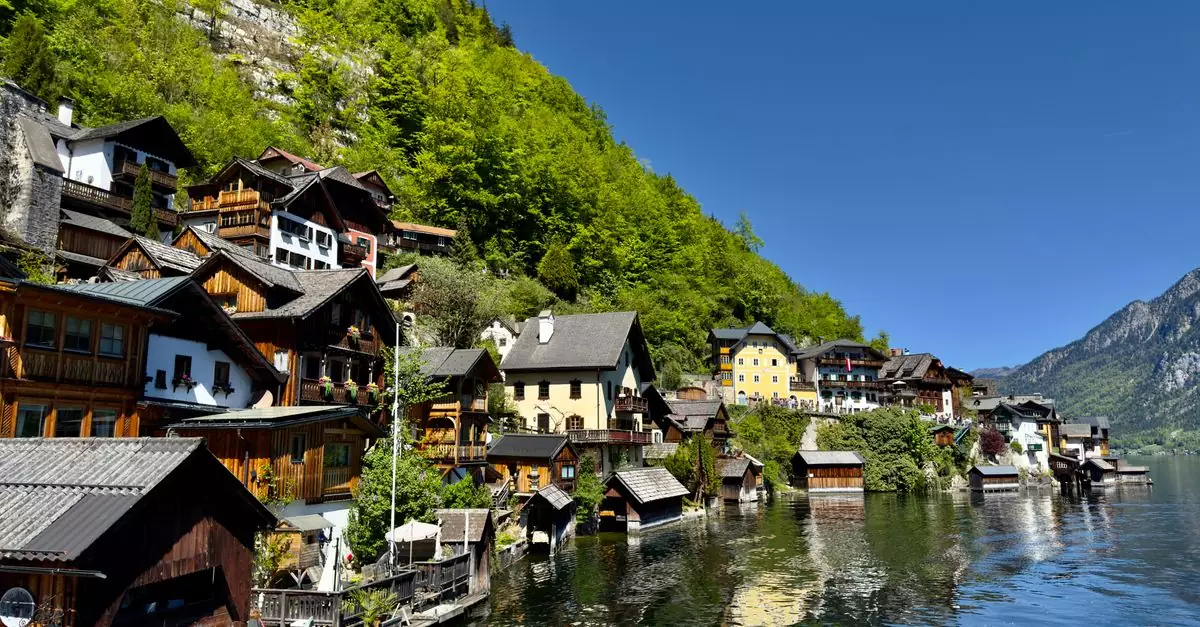
Visiting Europe’s charming UNESCO villages offers a journey through history, culture, and stunning landscapes. Crafting the right itinerary ensures you maximize your experience, whether you’re drawn to the rolling hills of Italy or the coastal beauty of Portugal. Careful planning regarding timing, transportation, and logistics will make your trip smoother and more enjoyable.
Best Time of Year to Experience UNESCO Villages
The ideal time to visit Europe’s best UNESCO villages often depends on your tolerance for crowds and your preference for weather.
- Spring (April-May): This is a fantastic period, with blooming flowers, pleasant temperatures, and fewer tourists than in summer. It’s perfect for exploring villages like those in the Cinque Terre or the Cotswolds.
- Summer (June-August): Expect warm to hot weather and peak tourist season. While lively, popular villages can be crowded. Coastal villages in southern Europe are particularly appealing during these months.
- Autumn (September-October): Many travelers consider this the sweet spot. The weather is usually mild, the summer crowds have dispersed, and autumn foliage adds a beautiful backdrop to villages like Hallstatt in Austria. Harvest festivals also add local flavor.
- Winter (November-March): This is the quietest time. Some smaller villages may feel sleepy, and certain attractions might have reduced hours or be closed. However, for a truly serene experience and a chance to see Christmas markets, it can be magical.
Getting Around: Transportation Options Between Villages
Navigating between Europe’s scattered UNESCO villages requires a multi-modal approach. The best method often depends on the specific region and the proximity of the villages.
- Trains: For many European countries, trains are an efficient and scenic way to travel between larger towns that often serve as gateways to smaller villages. High-speed rail connects major cities, while regional lines can take you closer to your destination.
- Rental Cars: Renting a car offers the most flexibility, especially for exploring rural areas and reaching villages not well-served by public transport. This is particularly useful for itineraries covering multiple small hamlets in regions like Provence or Tuscany. Be mindful of narrow village streets and parking availability.
- Buses: Local and regional bus services can be a cost-effective option, though often slower than trains. They are essential for reaching more remote villages.
- Ferries: In coastal regions, such as the Cinque Terre in Italy or the Dalmatian coast in Croatia, ferries provide a delightful and practical way to hop between villages, offering stunning sea views.
| Transportation Method | Pros | Cons | Best For |
|---|---|---|---|
| Train | Efficient, scenic, eco-friendly | Limited reach to very small villages | Inter-village travel between towns, longer distances |
| Rental Car | Maximum flexibility, access to remote areas | Parking challenges, narrow streets, cost | Exploring rural regions, multi-village hopping |
| Bus | Cost-effective, reaches remote locations | Slower, less frequent schedules | Budget travelers, accessing villages not on train lines |
| Ferry | Scenic, unique perspective, avoids traffic | Weather dependent, limited routes | Coastal villages, island hopping |
Sample 7-Day Itinerary: Italy’s UNESCO Village Highlights
This itinerary focuses on the picturesque villages of the Cinque Terre and the Tuscan countryside, offering a taste of Italy’s rich heritage.
Day 1-3: Cinque Terre
Arrive in La Spezia or Levanto and use the regional train to access the five villages: Monterosso al Mare, Vernazza, Corniglia, Manarola, and Riomaggiore. Hike between villages (check trail status), take ferries for stunning coastal views, and enjoy local seafood and Ligurian wine. Consider staying in one village and day-tripping or moving between two for a different feel.
Day 4-7: Tuscan Hill Towns
Rent a car in La Spezia or Florence and drive into Tuscany. Base yourself in a town like Siena or Florence, and take day trips to UNESCO-listed villages such as:
- San Gimignano: Famous for its medieval towers.
- Pienza: A Renaissance ideal city.
- Montepulciano: Known for its wine and Renaissance architecture.
Enjoy wine tasting, local cuisine, and exploring the iconic Tuscan landscapes.
Sample 10-Day Itinerary: French and Portuguese UNESCO Village Trail
This itinerary offers a blend of historic French villages and charming Portuguese towns, requiring a flight or long-distance train between countries.
Day 1-5: French Villages (e.g., Provence)
Fly into Marseille or Nice. Rent a car to explore the Luberon region.
- Gordes: A hilltop village with panoramic views.
- Roussillon: Famous for its ochre cliffs and colorful buildings.
- Bonnieux: Offers beautiful vistas and a classic Provençal feel.
- Moustiers-Sainte-Marie: Nestled in a gorge, known for its faience pottery.
Enjoy lavender fields (in season), local markets, and Provençal cuisine.
Day 6: Travel Day
Fly from Marseille or Nice to Lisbon, Portugal. Pick up a rental car at Lisbon Airport.
Day 7-10: Portuguese Villages (e.g., Central Portugal & Alentejo)
- Óbidos: A perfectly preserved medieval walled town.
- Monsanto: A unique village built among giant boulders.
- Marvão: A dramatic hilltop castle town near the Spanish border.
- Évora: A UNESCO World Heritage city with Roman ruins and a historic center, serving as a good base for Alentejo exploration.
Savor Portuguese wines, explore historic castles, and enjoy the slower pace of life in these enchanting destinations.
Frequently Asked Questions About UNESCO Villages in Europe
Are these UNESCO villages suitable for family travel?
Many of Europe’s UNESCO-listed villages offer a rich educational experience for families. Attractions often include historical sites, natural landscapes, and opportunities to learn about traditional crafts. The slower pace of village life can be more manageable with children than bustling cities.
Consider villages with accessible walking paths and open spaces for children to explore. Places like Hallstatt in Austria or the Cinque Terre villages in Italy, while popular, can be navigated with careful planning, though some Cinque Terre trails are challenging for very young children. Always check specific accessibility information for each village.
What are the best local foods to try in these villages?
Local cuisine is a significant part of the charm of these historic European settlements. Expect hearty, regional specialties often influenced by local agriculture and history.
In the Cotswolds villages of England, you might find traditional pub fare like shepherd’s pie or fish and chips. In France, villages in Alsace, such as Eguisheim, offer distinct Germanic-influenced dishes like tarte flambée and choucroute garnie. In Italy, villages in Tuscany or Umbria will feature handmade pasta, cured meats, and local olive oils. Seeking out small, family-run trattorias or bistros is usually the best way to experience authentic flavors.
What are common tourist mistakes to avoid?
A common pitfall is trying to see too many villages in a short period. These destinations are best savored slowly. Rushing from one place to another diminishes the experience of soaking in the atmosphere.
Another mistake is underestimating the need for comfortable walking shoes. Many of these villages have cobblestone streets and uneven terrain. Overpacking can also be an issue, especially if you plan to use public transportation or navigate narrow village lanes.
Finally, be mindful of local customs and opening hours. Many smaller shops and restaurants may close for a midday break or have limited hours, especially outside peak season.
What kind of accommodation can I expect?
Accommodation in UNESCO villages ranges from charming bed and breakfasts and guesthouses to boutique hotels and vacation rentals. You’ll often find lodgings housed in historic buildings, offering a unique ambiance.
For a more immersive experience, consider staying in a family-run pension or a small hotel directly within the village. This allows for easy access to attractions and a deeper connection with the local environment. Booking well in advance is advisable, particularly for popular villages during peak travel times.
| Accommodation Type | Typical Cost (per night) | Best For |
|---|---|---|
| Guesthouse/B&B | €80 – €150 | Couples, Solo Travelers |
| Boutique Hotel | €120 – €250 | Couples, Families |
| Vacation Rental | €100 – €300 | Families, Groups |
| Historic Inn | €150 – €350 | Travelers seeking ambiance |